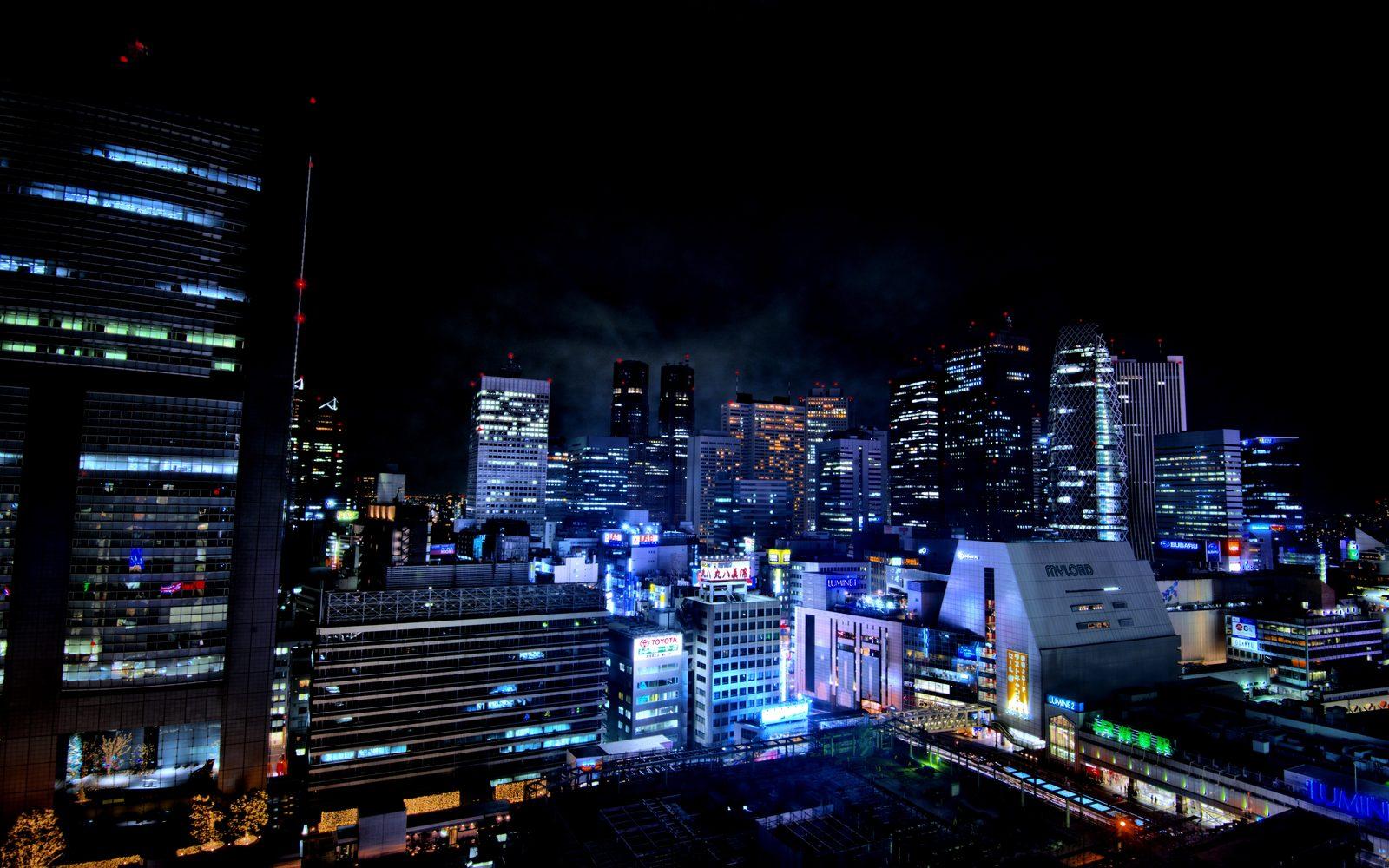
South Korea Real Estate 2026: Seoul's Record Surge, New Foreign Buyer Rules, and the K-Culture Property Boom

Introduction
South Korea's real estate market is navigating a striking divergence in 2026: Seoul apartment prices surged 18.67% in early 2026 — the fastest pace in five years — lifting the average Seoul unit past the symbolic 1 billion won threshold (~USD 730,000) for the first time, while national residential prices rose a more moderate 2.35% year-on-year as of April 2026. The broader market, valued at USD 156.1 billion in 2025 and projected to reach USD 262 billion by 2033 at a 6.9% CAGR, is simultaneously being reshaped by tightened foreign ownership regulations, a K-culture economic boom driving tourism and hospitality real estate, and a government-backed infrastructure drive unlocking regional opportunities beyond Seoul. With foreign property transactions in the Seoul metro surging from 4,568 in 2022 to 7,296 in 2024, international investors are increasingly engaged — but navigating a fundamentally changed regulatory landscape.
Market Overview: Seoul's Record Run and National Divergence
- Seoul Hits 1 Billion Won and Races Ahead of National Average:Seoul's residential market entered genuinely rarified territory in 2025 when the average apartment price crossed the 1 billion won mark (approximately USD 730,000) for the first time — a milestone that reflects nearly a decade of structural undersupply in premium urban locations. By March 2026, average new apartment sale prices in Seoul reached KRW 16.606 million (USD 11,141) per square metre, up 23.96% year-on-year and running at 2.7 times the national average. Early 2026 recorded an 18.67% annual price increase for Seoul apartments — the strongest momentum in five years — driven by tight new supply, ongoing in-migration from regional cities, and resurgent demand from domestic upgraders and overseas Koreans returning following the post-pandemic normalisation of remote work.
- National vs Seoul: A Tale of Two Markets:Outside Seoul, the picture diverges sharply. National residential prices increased 2.35% year-on-year as of April 2026 — real but modest appreciation that masks stark intra-regional variation. Busan, South Korea's second city and a growing convention and maritime tourism hub, has seen renewed investor interest off the back of government infrastructure commitments and improving connectivity. Gyeonggi Province, which surrounds Seoul, recorded stronger-than-average appreciation as buyers priced out of the capital sought transit-connected alternatives within commuting distance. By contrast, smaller provincial cities facing population ageing and outmigration continue to experience flat or declining values, a structural trend that demographic projections suggest will persist through the decade.
- Market Scale and Long-Run Trajectory:South Korea's total real estate market generated USD 156.1 billion in revenue in 2025 and is on a path to USD 262 billion by 2033, representing a compound annual growth rate of 6.9%. The residential segment is the most dynamic, expected to account for the largest share of growth over the forecast period. Investment transaction volumes are projected to undergo a mild correction of approximately 10–15% in 2026 due to base effects following a record 2025, with the higher-rate environment contributing to ongoing restructuring activity and elevated distressed asset and non-performing loan volumes. The weighted average interest rate on new mortgage loans climbed from 3.87% in May 2025 to 4.43% by March 2026, reshaping affordability calculations particularly for leveraged buyers.
Foreign Investment Regulations: Navigating the New Permit Era
- The New Foreign Buyer Permit Regime:South Korea introduced sweeping restrictions on foreign property purchases in the Seoul Metropolitan Area that fundamentally altered the investment calculus for international buyers. From August 26, 2025, foreign nationals purchasing in designated Land Transaction Permit Zones must obtain government approval before completing a transaction — and approved buyers are generally required to occupy the property, effectively eliminating purely yield-driven acquisitions of residential units in regulated zones. From February 10, 2026, applicants must additionally disclose visa status, domestic residence plans, overseas funding sources, and full financing details. All 25 districts of Seoul are now designated as Land Transaction Permit Zones through December 31, 2026, meaning no part of the capital is exempt.
- What Remains Accessible: Officetels and Commercial Assets:Not all asset classes are equally constrained. Officetels — Korea's distinctive multi-purpose units that combine residential and office functionality — remain exempt from the new foreign-buyer residency permit requirements. Seoul officetels currently offer average rental revenue yields of 4.89% to 5.5%, making them an accessible income-generating vehicle for international investors who cannot satisfy the occupancy requirements attached to residential apartment approvals. Commercial real estate — office buildings, logistics facilities, and retail assets — falls outside the residential permit framework and continues to offer institutional and HNW buyers viable exposure to Korea's urbanisation and consumption growth without the regulatory friction that now characterises the apartment market.
- Rising Transaction Volume and Tightening Enforcement:Foreign property transactions in the Seoul metropolitan area surged from 4,568 in 2022 to 7,296 in 2024, with 4,431 residential purchases recorded through July 2025 alone — on pace to exceed 2024 levels before the full tightening of enforcement in the second half of the year. The government's stated motivation is to curb speculative foreign demand that policymakers believe has contributed to Seoul's affordability crisis; officials have pointed to aggressive buying patterns from certain overseas-based Korean diaspora and Chinese national buyer segments as specific concerns. Investors should anticipate that permit approvals will be selective, processing times may be extended, and the regulatory framework could become more restrictive if prices continue on their current trajectory.
K-Culture, Tourism, and the Regional Investment Opportunity
- K-Culture as an Economic Multiplier for Real Estate:South Korea's K-culture ecosystem — spanning K-pop, K-drama, K-beauty, and Korean cuisine — has become a significant structural driver of real estate demand that is often under-appreciated by foreign investors focused on conventional economic metrics. The South Korean government has allocated a 2026 cultural budget of approximately USD 5 billion and is targeting a ₩400 trillion (USD 265 billion) K-culture market by 2030, treating cultural exports as a core economic growth engine alongside semiconductors and automobiles. Inbound tourist arrivals grew 22% in the first half of 2026 compared to the same period in 2025, and this wave of cultural tourism is directly supporting hospitality, retail, and mixed-use real estate demand in Seoul's entertainment districts and beyond.
- Busan and Jeju: Government-Backed Regional Growth Catalysts:The government's Southern Region Mega-Tourism Development programme is channelling approximately KRW 3 trillion (USD 2.2 billion) into Busan, Gwangju, Ulsan, Gyeongnam, and Jeonnam through 2033, to build cultural, maritime, and recreational tourism infrastructure that reduces pressure on Seoul and diversifies the national real estate growth story. Busan — South Korea's second-largest city and an emerging global convention hub — is strengthening its marine lifestyle and business district offer, with mixed-use waterfront development attracting both domestic and international capital. Jeju Island is positioned as a premium leisure and eco-tourism destination; its distinct land ownership rules (which include some restrictions on non-Korean buyers for agricultural land but allow condominium and resort property acquisition) and natural uniqueness create a differentiated asset class within the South Korean market.
- Business Tourism and Convention Infrastructure:South Korea, led by Seoul's COEX and Busan's BEXCO, has become a top-ranked global business events destination, overtaking multiple European competitors in international conference market share in 2025. This MICE (Meetings, Incentives, Conferences, Exhibitions) economy generates sustained demand for serviced apartments, business hotels, and premium short-stay residential products in proximity to convention infrastructure. The intersection of K-culture tourism and business travel is creating a year-round occupancy floor for mixed-use hospitality assets in Seoul, Busan, and Incheon — a structural demand dynamic that distinguishes South Korea from more seasonally dependent tourism markets.
Risks and Structural Challenges
- Affordability Crisis in Seoul and Policy Response:Seoul's affordability crisis is acute and deepening. The average apartment now costs approximately 1 billion won — roughly 20 years of median household income — creating significant social pressure and political urgency that is driving increasingly interventionist policy. The government's tool of choice has been demand-side restriction: designating speculative zones, tightening lending ratios, and applying differential mortgage rules across property price bands. This interventionism has historically produced cyclical price corrections in Seoul followed by resumptions of the upward trend, a pattern that has repeated multiple times since 2000. Investors with a medium-to-long-term horizon have generally navigated these correction windows successfully, but short-term traders face elevated regulatory risk.
- Ageing Demographics and the Structural Supply Constraint:South Korea faces one of the most severe demographic pressures of any developed economy. The total fertility rate fell to 0.72 in 2023 — the lowest ever recorded for a major economy — and is expected to remain deeply below replacement level through the 2030s. While this long-run demographic headwind will eventually translate into reduced housing demand nationally, in the near to medium term it is paradoxically supporting Seoul prices by intensifying the concentration of younger workers, migrants, and cultural economy participants in the capital and a handful of major cities. The divergence between a chronically undersupplied, desirable urban core and a surplus-building suburban and provincial periphery is likely to persist and deepen.
- Currency and Geopolitical Risk Factors:Foreign investors must account for South Korea's currency and geopolitical context. The Korean won has historically been volatile relative to the US dollar and euro, with periodic episodes of significant depreciation during regional risk events. The permanent geopolitical overhang of tensions with North Korea, while priced into asset values and not typically materially affecting short-term market dynamics, represents a tail risk that demands scenario planning. On the positive side, South Korea's macroeconomic fundamentals are strong — the country maintains a current account surplus, a well-capitalised banking system, and a highly educated workforce — and its real estate market is underpinned by institutional depth and legal transparency that places it firmly in the investable-market tier.
Investment Strategy: Where to Position in 2026
- Officetels as the Primary Foreign Investor Entry Point:Given the occupancy requirements attached to residential apartment approvals under the new permit regime, officetels represent the most practical entry vehicle for foreign investors seeking Seoul exposure without satisfying the residency requirement. Well-located officetels in Gangnam, Mapo, and Yongsan districts, priced between KRW 300 million and KRW 700 million (USD 220,000–510,000), offer 4.89–5.5% gross rental yields from domestic and expatriate tenants. As a liquid, transactable asset class with established management ecosystems, they provide meaningful income returns without the regulatory friction of the residential apartment market, though investors should note they fall outside the capital appreciation trajectory of Seoul's premium apatement segment.
- Busan and Jeju for Tourism-Driven Yield:Investors seeking growth-stage regional exposure should consider Busan's waterfront mixed-use and Jeju's resort-integrated property pipeline. Busan's North Port redevelopment — a major urban regeneration project turning former industrial waterfront into a mixed hospitality and residential zone — mirrors successful international precedents and is attracting domestic institutional capital. Jeju offers a more niche but growing resort villa and lifestyle property segment, with premium ocean-view properties delivering short-term rental yields supported by K-culture tourism visitors and Korean domestic travellers. Both cities offer lower absolute price points than Seoul, earlier-stage growth profiles, and government infrastructure backing that increases confidence in long-run demand fundamentals.
- Institutional and Commercial Assets for Unrestricted Access:For institutional and larger HNW investors, South Korean commercial real estate — particularly logistics, prime Grade-A office, and data centre assets — offers unrestricted foreign ownership, compelling yield spreads versus the domestic government bond rate, and exposure to an economy at the intersection of advanced manufacturing, digital services, and K-culture growth. Korea's logistics sector is benefiting from e-commerce expansion and nearshore manufacturing supply chain diversification. Prime Seoul office, while experiencing some vacancy pressure in secondary-grade buildings, shows strong fundamentals in Grade-A product. These asset classes sidestep the residential regulatory tightening while capturing the country's long-run economic growth trajectory.
Sources
- CBRE Korea — 2026 Korea Real Estate Market Outlook
- Grand View Research — South Korea Real Estate Market Size & Outlook 2026–2033
- Global Property Guide — South Korea Residential Property Market Analysis 2026
- Seoulz — Korea Foreign Property Rules 2026: The New Permit Era for Foreign Buyers
- Korea Herald — All Seoul Districts Designated as Speculative Zones
- Chestertons — South Korea Real Estate Investment 2026
- Travel and Tour World — South Korea Launches New Tourism Strategy for 2026
- Outlook Respawn — South Korea Sets $265B Target for K-Culture by 2030

Abhii Dabas is the Founder and CEO of INTRIC Global, the cross-border property intelligence platform for serious investors. He advises high-net-worth buyers on international real estate strategy and has evaluated residential markets across more than 40 countries.
Share
Share this article with others
Introduction
South Korea's real estate market is navigating a striking divergence in 2026: Seoul apartment prices surged 18.67% in early 2026 — the fastest pace in five years — lifting the average Seoul unit past the symbolic 1 billion won threshold (~USD 730,000) for the first time, while national residential prices rose a more moderate 2.35% year-on-year as of April 2026. The broader market, valued at USD 156.1 billion in 2025 and projected to reach USD 262 billion by 2033 at a 6.9% CAGR, is simultaneously being reshaped by tightened foreign ownership regulations, a K-culture economic boom driving tourism and hospitality real estate, and a government-backed infrastructure drive unlocking regional opportunities beyond Seoul. With foreign property transactions in the Seoul metro surging from 4,568 in 2022 to 7,296 in 2024, international investors are increasingly engaged — but navigating a fundamentally changed regulatory landscape.
Market Overview: Seoul's Record Run and National Divergence
- Seoul Hits 1 Billion Won and Races Ahead of National Average:Seoul's residential market entered genuinely rarified territory in 2025 when the average apartment price crossed the 1 billion won mark (approximately USD 730,000) for the first time — a milestone that reflects nearly a decade of structural undersupply in premium urban locations. By March 2026, average new apartment sale prices in Seoul reached KRW 16.606 million (USD 11,141) per square metre, up 23.96% year-on-year and running at 2.7 times the national average. Early 2026 recorded an 18.67% annual price increase for Seoul apartments — the strongest momentum in five years — driven by tight new supply, ongoing in-migration from regional cities, and resurgent demand from domestic upgraders and overseas Koreans returning following the post-pandemic normalisation of remote work.
- National vs Seoul: A Tale of Two Markets:Outside Seoul, the picture diverges sharply. National residential prices increased 2.35% year-on-year as of April 2026 — real but modest appreciation that masks stark intra-regional variation. Busan, South Korea's second city and a growing convention and maritime tourism hub, has seen renewed investor interest off the back of government infrastructure commitments and improving connectivity. Gyeonggi Province, which surrounds Seoul, recorded stronger-than-average appreciation as buyers priced out of the capital sought transit-connected alternatives within commuting distance. By contrast, smaller provincial cities facing population ageing and outmigration continue to experience flat or declining values, a structural trend that demographic projections suggest will persist through the decade.
- Market Scale and Long-Run Trajectory:South Korea's total real estate market generated USD 156.1 billion in revenue in 2025 and is on a path to USD 262 billion by 2033, representing a compound annual growth rate of 6.9%. The residential segment is the most dynamic, expected to account for the largest share of growth over the forecast period. Investment transaction volumes are projected to undergo a mild correction of approximately 10–15% in 2026 due to base effects following a record 2025, with the higher-rate environment contributing to ongoing restructuring activity and elevated distressed asset and non-performing loan volumes. The weighted average interest rate on new mortgage loans climbed from 3.87% in May 2025 to 4.43% by March 2026, reshaping affordability calculations particularly for leveraged buyers.
Foreign Investment Regulations: Navigating the New Permit Era
- The New Foreign Buyer Permit Regime:South Korea introduced sweeping restrictions on foreign property purchases in the Seoul Metropolitan Area that fundamentally altered the investment calculus for international buyers. From August 26, 2025, foreign nationals purchasing in designated Land Transaction Permit Zones must obtain government approval before completing a transaction — and approved buyers are generally required to occupy the property, effectively eliminating purely yield-driven acquisitions of residential units in regulated zones. From February 10, 2026, applicants must additionally disclose visa status, domestic residence plans, overseas funding sources, and full financing details. All 25 districts of Seoul are now designated as Land Transaction Permit Zones through December 31, 2026, meaning no part of the capital is exempt.
- What Remains Accessible: Officetels and Commercial Assets:Not all asset classes are equally constrained. Officetels — Korea's distinctive multi-purpose units that combine residential and office functionality — remain exempt from the new foreign-buyer residency permit requirements. Seoul officetels currently offer average rental revenue yields of 4.89% to 5.5%, making them an accessible income-generating vehicle for international investors who cannot satisfy the occupancy requirements attached to residential apartment approvals. Commercial real estate — office buildings, logistics facilities, and retail assets — falls outside the residential permit framework and continues to offer institutional and HNW buyers viable exposure to Korea's urbanisation and consumption growth without the regulatory friction that now characterises the apartment market.
- Rising Transaction Volume and Tightening Enforcement:Foreign property transactions in the Seoul metropolitan area surged from 4,568 in 2022 to 7,296 in 2024, with 4,431 residential purchases recorded through July 2025 alone — on pace to exceed 2024 levels before the full tightening of enforcement in the second half of the year. The government's stated motivation is to curb speculative foreign demand that policymakers believe has contributed to Seoul's affordability crisis; officials have pointed to aggressive buying patterns from certain overseas-based Korean diaspora and Chinese national buyer segments as specific concerns. Investors should anticipate that permit approvals will be selective, processing times may be extended, and the regulatory framework could become more restrictive if prices continue on their current trajectory.
K-Culture, Tourism, and the Regional Investment Opportunity
- K-Culture as an Economic Multiplier for Real Estate:South Korea's K-culture ecosystem — spanning K-pop, K-drama, K-beauty, and Korean cuisine — has become a significant structural driver of real estate demand that is often under-appreciated by foreign investors focused on conventional economic metrics. The South Korean government has allocated a 2026 cultural budget of approximately USD 5 billion and is targeting a ₩400 trillion (USD 265 billion) K-culture market by 2030, treating cultural exports as a core economic growth engine alongside semiconductors and automobiles. Inbound tourist arrivals grew 22% in the first half of 2026 compared to the same period in 2025, and this wave of cultural tourism is directly supporting hospitality, retail, and mixed-use real estate demand in Seoul's entertainment districts and beyond.
- Busan and Jeju: Government-Backed Regional Growth Catalysts:The government's Southern Region Mega-Tourism Development programme is channelling approximately KRW 3 trillion (USD 2.2 billion) into Busan, Gwangju, Ulsan, Gyeongnam, and Jeonnam through 2033, to build cultural, maritime, and recreational tourism infrastructure that reduces pressure on Seoul and diversifies the national real estate growth story. Busan — South Korea's second-largest city and an emerging global convention hub — is strengthening its marine lifestyle and business district offer, with mixed-use waterfront development attracting both domestic and international capital. Jeju Island is positioned as a premium leisure and eco-tourism destination; its distinct land ownership rules (which include some restrictions on non-Korean buyers for agricultural land but allow condominium and resort property acquisition) and natural uniqueness create a differentiated asset class within the South Korean market.
- Business Tourism and Convention Infrastructure:South Korea, led by Seoul's COEX and Busan's BEXCO, has become a top-ranked global business events destination, overtaking multiple European competitors in international conference market share in 2025. This MICE (Meetings, Incentives, Conferences, Exhibitions) economy generates sustained demand for serviced apartments, business hotels, and premium short-stay residential products in proximity to convention infrastructure. The intersection of K-culture tourism and business travel is creating a year-round occupancy floor for mixed-use hospitality assets in Seoul, Busan, and Incheon — a structural demand dynamic that distinguishes South Korea from more seasonally dependent tourism markets.
Risks and Structural Challenges
- Affordability Crisis in Seoul and Policy Response:Seoul's affordability crisis is acute and deepening. The average apartment now costs approximately 1 billion won — roughly 20 years of median household income — creating significant social pressure and political urgency that is driving increasingly interventionist policy. The government's tool of choice has been demand-side restriction: designating speculative zones, tightening lending ratios, and applying differential mortgage rules across property price bands. This interventionism has historically produced cyclical price corrections in Seoul followed by resumptions of the upward trend, a pattern that has repeated multiple times since 2000. Investors with a medium-to-long-term horizon have generally navigated these correction windows successfully, but short-term traders face elevated regulatory risk.
- Ageing Demographics and the Structural Supply Constraint:South Korea faces one of the most severe demographic pressures of any developed economy. The total fertility rate fell to 0.72 in 2023 — the lowest ever recorded for a major economy — and is expected to remain deeply below replacement level through the 2030s. While this long-run demographic headwind will eventually translate into reduced housing demand nationally, in the near to medium term it is paradoxically supporting Seoul prices by intensifying the concentration of younger workers, migrants, and cultural economy participants in the capital and a handful of major cities. The divergence between a chronically undersupplied, desirable urban core and a surplus-building suburban and provincial periphery is likely to persist and deepen.
- Currency and Geopolitical Risk Factors:Foreign investors must account for South Korea's currency and geopolitical context. The Korean won has historically been volatile relative to the US dollar and euro, with periodic episodes of significant depreciation during regional risk events. The permanent geopolitical overhang of tensions with North Korea, while priced into asset values and not typically materially affecting short-term market dynamics, represents a tail risk that demands scenario planning. On the positive side, South Korea's macroeconomic fundamentals are strong — the country maintains a current account surplus, a well-capitalised banking system, and a highly educated workforce — and its real estate market is underpinned by institutional depth and legal transparency that places it firmly in the investable-market tier.
Investment Strategy: Where to Position in 2026
- Officetels as the Primary Foreign Investor Entry Point:Given the occupancy requirements attached to residential apartment approvals under the new permit regime, officetels represent the most practical entry vehicle for foreign investors seeking Seoul exposure without satisfying the residency requirement. Well-located officetels in Gangnam, Mapo, and Yongsan districts, priced between KRW 300 million and KRW 700 million (USD 220,000–510,000), offer 4.89–5.5% gross rental yields from domestic and expatriate tenants. As a liquid, transactable asset class with established management ecosystems, they provide meaningful income returns without the regulatory friction of the residential apartment market, though investors should note they fall outside the capital appreciation trajectory of Seoul's premium apatement segment.
- Busan and Jeju for Tourism-Driven Yield:Investors seeking growth-stage regional exposure should consider Busan's waterfront mixed-use and Jeju's resort-integrated property pipeline. Busan's North Port redevelopment — a major urban regeneration project turning former industrial waterfront into a mixed hospitality and residential zone — mirrors successful international precedents and is attracting domestic institutional capital. Jeju offers a more niche but growing resort villa and lifestyle property segment, with premium ocean-view properties delivering short-term rental yields supported by K-culture tourism visitors and Korean domestic travellers. Both cities offer lower absolute price points than Seoul, earlier-stage growth profiles, and government infrastructure backing that increases confidence in long-run demand fundamentals.
- Institutional and Commercial Assets for Unrestricted Access:For institutional and larger HNW investors, South Korean commercial real estate — particularly logistics, prime Grade-A office, and data centre assets — offers unrestricted foreign ownership, compelling yield spreads versus the domestic government bond rate, and exposure to an economy at the intersection of advanced manufacturing, digital services, and K-culture growth. Korea's logistics sector is benefiting from e-commerce expansion and nearshore manufacturing supply chain diversification. Prime Seoul office, while experiencing some vacancy pressure in secondary-grade buildings, shows strong fundamentals in Grade-A product. These asset classes sidestep the residential regulatory tightening while capturing the country's long-run economic growth trajectory.
Sources
- CBRE Korea — 2026 Korea Real Estate Market Outlook
- Grand View Research — South Korea Real Estate Market Size & Outlook 2026–2033
- Global Property Guide — South Korea Residential Property Market Analysis 2026
- Seoulz — Korea Foreign Property Rules 2026: The New Permit Era for Foreign Buyers
- Korea Herald — All Seoul Districts Designated as Speculative Zones
- Chestertons — South Korea Real Estate Investment 2026
- Travel and Tour World — South Korea Launches New Tourism Strategy for 2026
- Outlook Respawn — South Korea Sets $265B Target for K-Culture by 2030
Abhii Dabas is the Founder and CEO of INTRIC Global, the cross-border property intelligence platform for serious investors. He advises high-net-worth buyers on international real estate strategy and has evaluated residential markets across more than 40 countries.
Share this article
Share this insight with others
Share
Share this article with others
Related Market Insights
View More Market Insights
Market Analysis
The Currency Tax: Why the Same Property Returned 137% to One Investor and 42% to Another
By Abhii Dabas · July 31, 2026
Market Analysis
China's 35-Month Decline and Hong Kong's Recovery: Why "China Property" Is Not One Trade
By Abhii Dabas · July 10, 2026
Market Analysis
Nordic Real Estate in 2026: Record Institutional Capital Meets Europe's Worst Housing Shortage
By Abhii Dabas · June 25, 2026
Found this useful? Send it to someone who should read it.
Continue with INTRIC