Vietnam
Vietnam Property Market for Overseas Buyers
Weekly alert
Be the first when Vietnam listings go live
Pick a budget and we email you the week a new listing in Vietnam is published. One email, six at most, nothing until then.
Also in Asia

Where buyers are looking now
All listings
Vietnam
The property market in Vietnam for overseas buyers: market figures, city guides and the INTRIC buying guide, with listings as they are published.
Also in the region: Property for sale in Japan, Property for sale in Thailand, Property for sale in the Philippines, Property for sale in Malaysia, Property for sale in Indonesia, Property for sale in Cambodia, Property for sale in Sri Lanka, Property for sale in the Maldives
Buying property in Vietnam: questions buyers ask
Can foreigners buy property in Vietnam?
Yes, but with limits. Foreigners can own apartments, with a cap of 30% of the units in any building, and houses in approved projects, up to 250 in a ward. Foreigners cannot own the land itself. Your right is a leasehold-style ownership certificate (the Pink Book) valid for 50 years.
What tax does an overseas buyer pay in Vietnam?
On a new property from a developer, 8% to 10% VAT, usually already in the price, plus a 0.5% registration fee and a 2% maintenance fund paid at handover. Rent is taxed at about 10% of gross rent, 5% income tax plus 5% VAT. The seller pays 2% of the sale price on a resale.
Apartment or villa in Vietnam: what ownership do I get?
An apartment gives ownership for 50 years from the date of the ownership certificate, renewable once for a further 50 on application to the provincial authority. Villas and townhouses are open only in designated developments, within the 250 house cap. A foreigner married to a Vietnamese citizen can hold rights for longer.
Can a non-resident get a Vietnamese mortgage?
Very rarely. Most overseas buyers pay cash or use developer plans, often 30% during construction and the balance at handover. Some developers add one to two years of payments after handover. Vietnamese bank loans cost 8% to 12% in dong and need a local account, so many buyers borrow at home instead.
Is Vietnamese property a good investment in 2026?
Demand is strongest in Ho Chi Minh City, Hanoi and Da Nang. Gross yields are about 5% to 7% in Ho Chi Minh City, 5% to 6% in Hanoi and 6% to 9% in Da Nang on short lets. Prices have risen quickly in prime areas, and the 50-year term affects resale value. Capital at risk.
Does buying property in Vietnam give residency?
No. Vietnam has no Golden Visa or property-linked residence permit, so owning an apartment gives no visa rights. You stay through a tourist or e-visa, or through work, business or retirement routes. Check current visa rules with a Vietnamese immigration adviser.
Guides and insights
Buying in Vietnam
 Country guide · 24 minComplete Investor Guide to Vietnamese PropertyCapitalize on Vietnam's rapid economic growth with structured foreign apartment ownership in one of Asia's fastest-growing marketsLeasehold OnlyRestricted OwnershipEmerging MarketRead the guide
Cities5 guides
All Vietnam city guides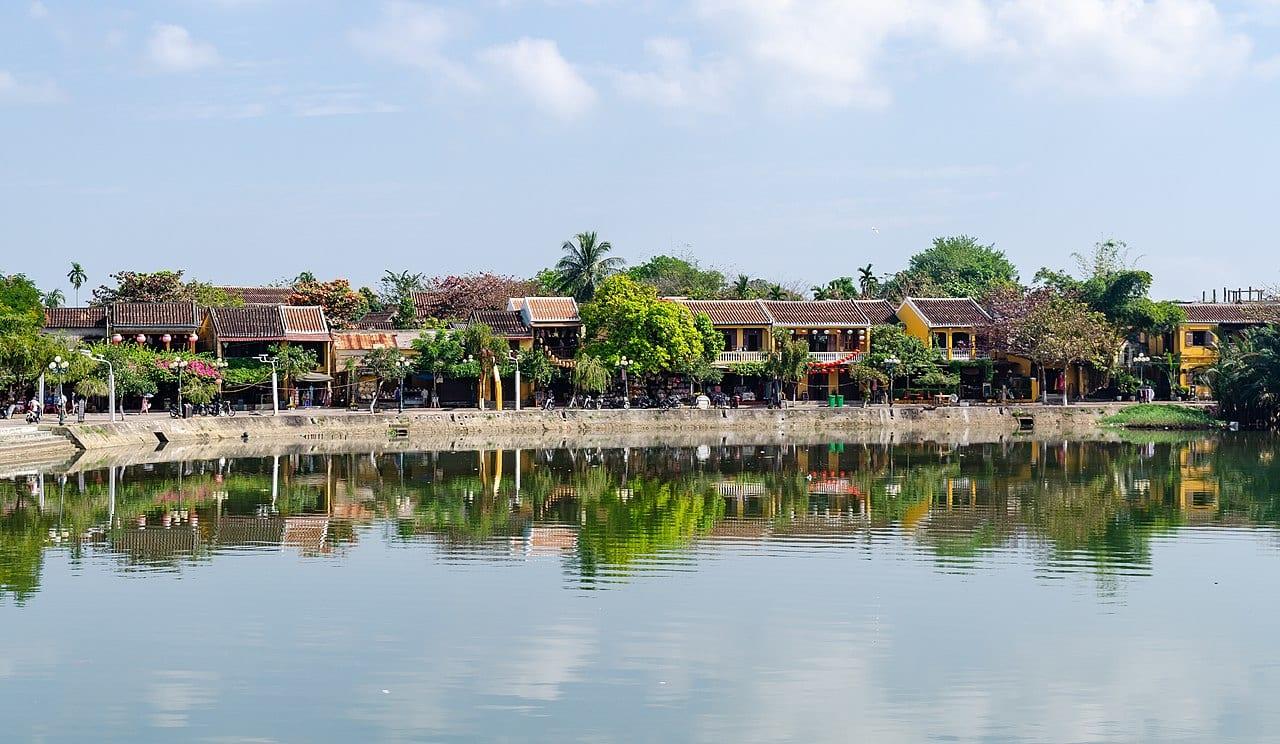 City guide · 7 minHoi AnHoi An, a UNESCO World Heritage Ancient Town on Vietnam's central coast, is one of the country's most distinctive lifestyle and tourism property markets. With a population of around 120,000 and a setting that blends a perfectly preserved 15th-century trading port, riverside lantern-lit streets and nearby beaches, the town anchors a golden tourist corridor linking it to the My Khe beaches, Ba Na Hills and the major coastal hub of Da Nang just to the north. The investment thesis is tourism cash flow rather than rapid appreciation: serviced apartments, holiday villas and short-term rentals dominate, with gross yields in the Quang Nam and Da Nang region running roughly 4.5-6%, higher than Hanoi or Ho Chi Minh City on paper, though tempered by seasonal tourism vacancy. Median house prices in the broader Quang Nam province sit near VND 4.3 billion (about USD 167,000), with prices per square metre around VND 73 million (USD 2,860). Vietnam's 2024 legal reforms clarified foreign ownership: overseas individuals may now own apartments and houses (but not land), subject to caps of 30% of any apartment building and 350 units per administrative ward, and leasehold-style certificates typically run 50 years. Investors should weigh real risks: foreign-ownership caps and the land-ownership prohibition, heavy dependence on tourism seasonality and arrivals, currency considerations around the dong, and conservation rules that restrict alteration of heritage properties in the protected Ancient Town.
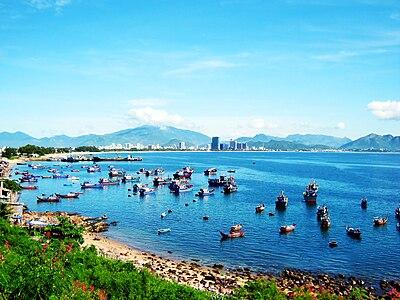 City guide · 8 minNha TrangVietnam's premier coastal resort city curves along a stunning 7-kilometer bay on the south-central coast, backed by lush mountains and dotted with offshore islands. Nha Trang has evolved from a sleepy fishing town into a dynamic tourism and property hub that attracts Russian, Chinese, Korean, and domestic Vietnamese buyers. The city offers year-round warm weather, world-class diving, and a beachfront boulevard lined with international hotels and emerging condo developments. Khanh Hoa province's GDP growth of 7-8% annually, combined with major infrastructure projects like the Cam Ranh International Airport expansion and the planned North-South Expressway connection, is driving sustained property demand. The city's 'Sponge City' initiative — Charmora City spanning 227 hectares — signals a new era of planned urban development.
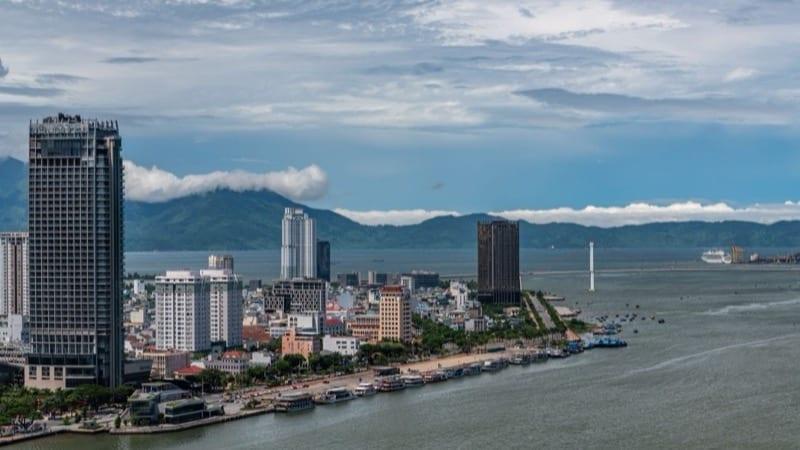 City guide · 8 minDa NangVietnam's most livable city stretches along the central coast between the East Sea and the Truong Son mountains. From the world-famous My Khe Beach to the sacred Marble Mountains and the ancient allure of nearby Hoi An, Da Nang offers a rare combination of beach lifestyle, modern infrastructure, and explosive investment growth — all at a fraction of Southeast Asian resort city prices. Da Nang has been transformed by massive government investment in infrastructure, including an international airport with direct flights to regional hubs, modern highways, and iconic bridges spanning the Han River. The city has been recognized by multiple international publications as Vietnam's most livable city, with clean streets, low crime, and a quality of life that attracts both Vietnamese domestic investors and international buyers. The proximity to the UNESCO World Heritage-listed ancient town of Hoi An adds cultural depth and tourism appeal.
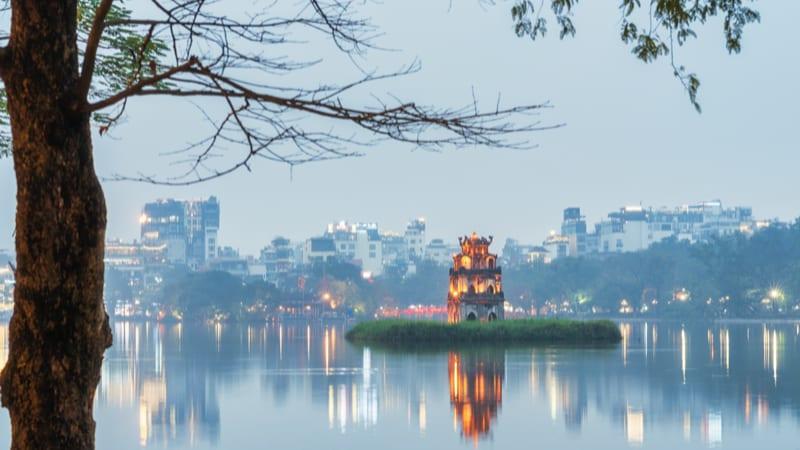 City guide · 8 minHanoiVietnam's thousand-year-old capital seamlessly layers ancient temples, French colonial boulevards, and modern high-rises across the banks of the Red River. From the legendary Old Quarter's 36 streets to the cosmopolitan West Lake expat enclave, Hanoi offers one of Southeast Asia's most compelling property markets — combining rapid economic growth, affordable entry prices, and a cultural depth that rivals any Asian capital. Hanoi is the political capital and cultural heart of Vietnam, home to government institutions, foreign embassies, and a growing number of international organizations and corporations. The city's remarkable cultural heritage — from the Temple of Literature to the French Quarter's grand boulevards — creates a sophisticated urban environment that appeals to diplomats, executives, and cultural travelers. The West Lake (Tay Ho) district has emerged as Hanoi's premier expatriate neighborhood, with lakeside villas, international restaurants, and a lifestyle that blends Vietnamese charm with international convenience.
Neighbourhoods44 guides
All Vietnam neighbourhoodsMarket insights on Vietnam
All market insights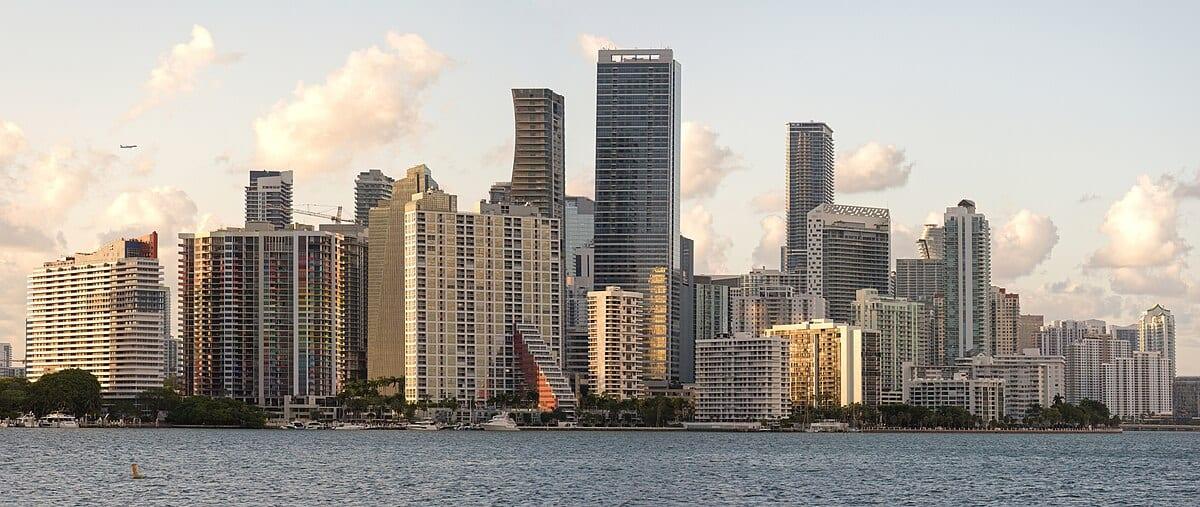 Market insight · 9 minBranded Residences in 2026Branded residences reached 910 schemes in 2025 at a 33% average premium. Where the premium holds, where it erodes, and what to check. Capital at risk.
 Market insight · 9 minVietnam's Industrial Real Estate Boom: How China+1 FDI Is Creating Southeast Asia's Highest-Yield Property MarketVietnam's record $38B FDI and 90% industrial occupancy tell a compelling story — but the highest-yielding opportunity sits in industrial parks and data centres, not residential property.
 Market insight · 9 minTrade War Real Estate: How US-China Tariffs Are Reshaping Asia Pacific Investment in 2026145% US tariffs on China are permanently redirecting factories and capital flows across Asia — here's where the real estate opportunity lies in 2026.
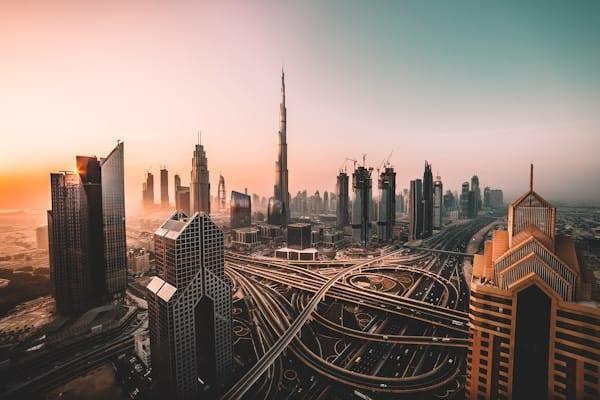 Market insight · 9 minThe Emerging Market Advantage: High-Growth Property Markets Offering 7-12% Yields in 2026Five emerging markets delivering 7-12% rental yields in 2026. A data-driven analysis of Dubai, Bali, Georgia, Vietnam, and Kenya for cross-border investors.