Property Investment Guide
Croatia
Adriatic scarcity, lifestyle demand, and long-term preservation
Market Type
Scarcity-driven EU lifestyle market
Risk Profile
Moderate
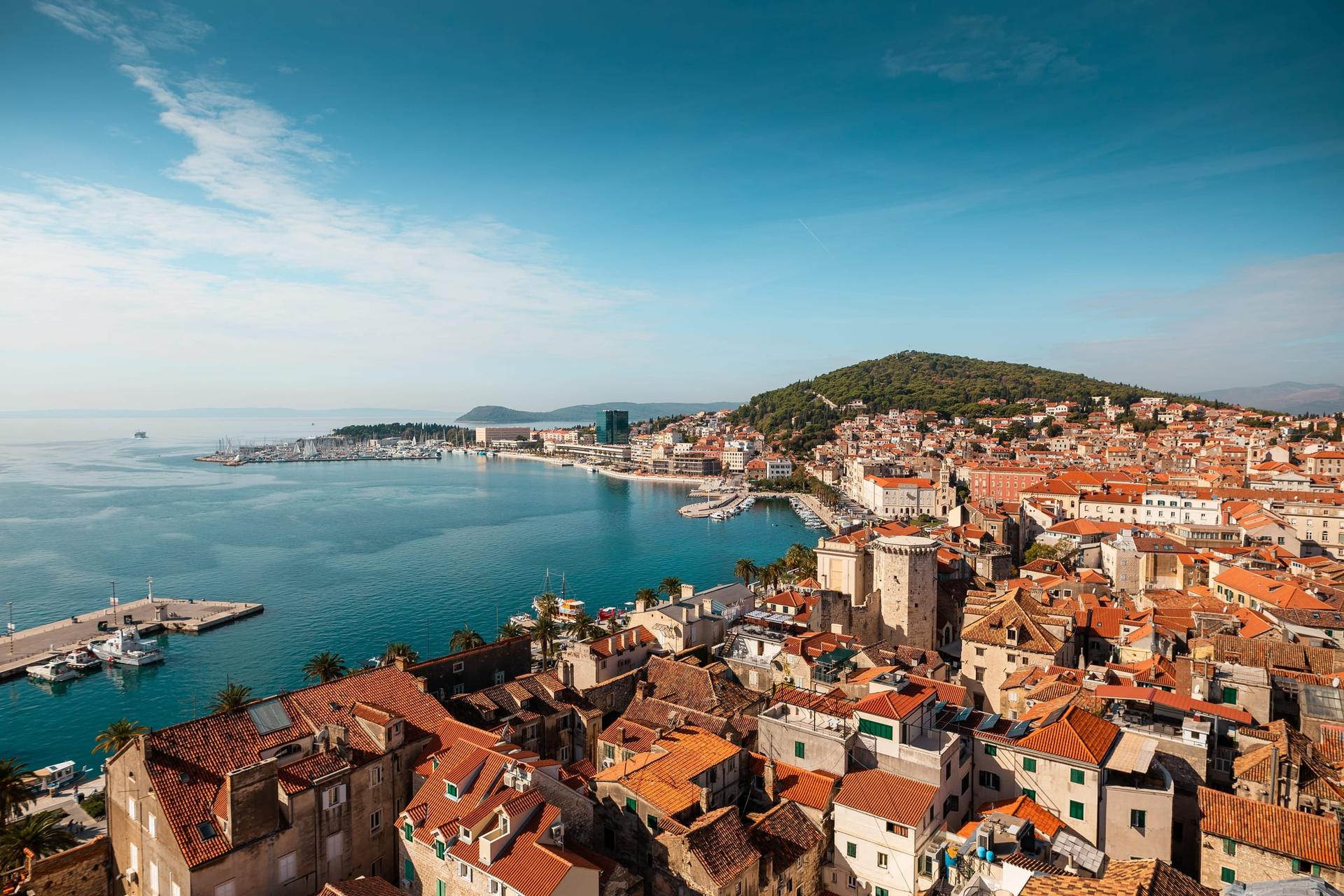
Croatia has emerged as one of Europe's most desirable coastal lifestyle property markets, attracting sustained interest from European HNWIs, international second-home buyers, and long-term investors. For global investors, Croatia is typically positioned as a lifestyle-led, capital-preservation market, rather than a high-yield or speculative growth destination.
Ideal For
- HNWIs seeking European coastal lifestyle assets
- Investors prioritising long-term capital preservation
- Buyers planning second homes or seasonal use
- Family offices allocating to scarcity-driven markets
- Investors seeking EU exposure with lifestyle optionality
Consider Carefully If
- • Yield-maximisation strategies
- • Large-scale institutional aggregation
- • Short-term speculative flipping
Why invest in Croatia?
Key factors driving global investor interest in Croatia property.
Scarcity of prime coastal supply
Croatia's Adriatic coastline is geographically constrained, tightly regulated, and environmentally protected. New development in prime locations is limited, supporting long-term value retention.
Strong and resilient tourism demand
Croatia consistently ranks among Europe's most visited destinations. Tourism demand is driven by island and coastal travel, yacht and marina tourism, cultural and heritage destinations, and repeat visitation from European travellers. This supports short-stay and seasonal rental demand.
EU membership and euro adoption
Croatia's EU membership provides regulatory alignment, improved legal certainty, and reduced currency risk through euro adoption. This has increased confidence among international buyers.
Key Investment Locations
Prime areas attracting international property investors in Croatia.
Dubrovnik
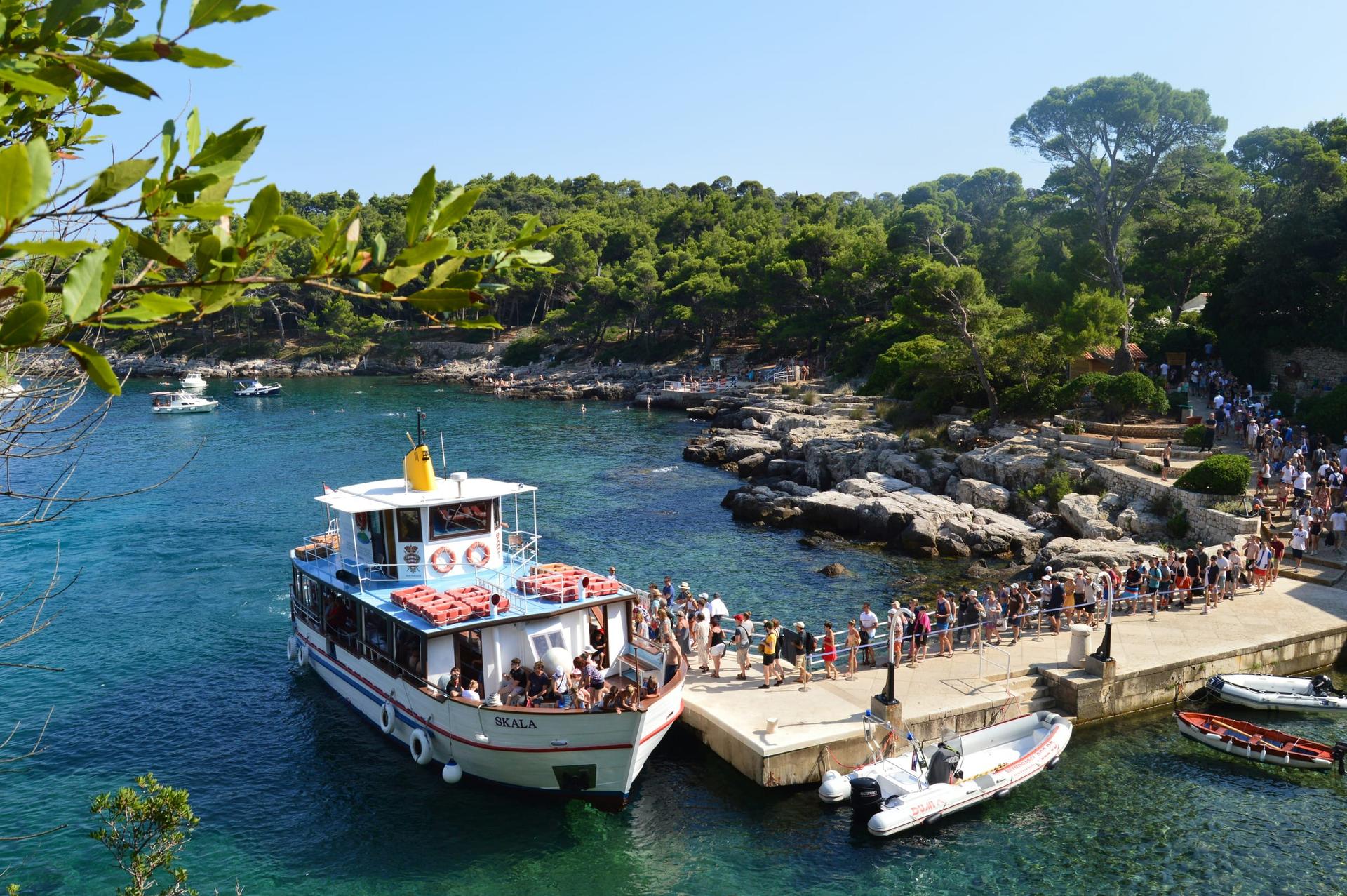
Croatia's most internationally recognised destination with extreme supply constraints and premium tourism demand.
→ Capital preservation and trophy lifestyle assets
Split
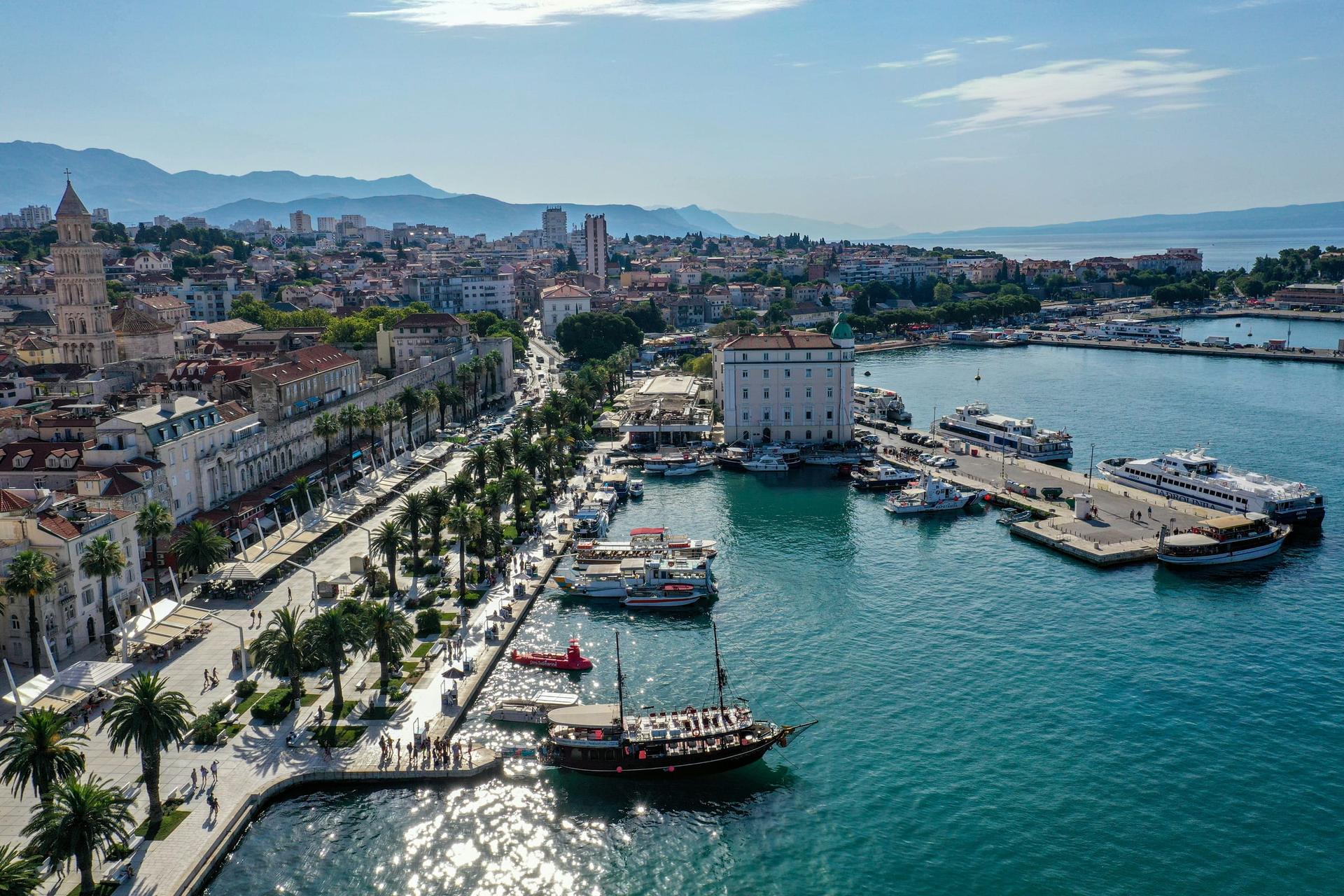
Combines historic appeal, urban infrastructure, year-round local population, and strong tourism flows.
→ Balance between lifestyle use and rental income
Hvar and the Islands
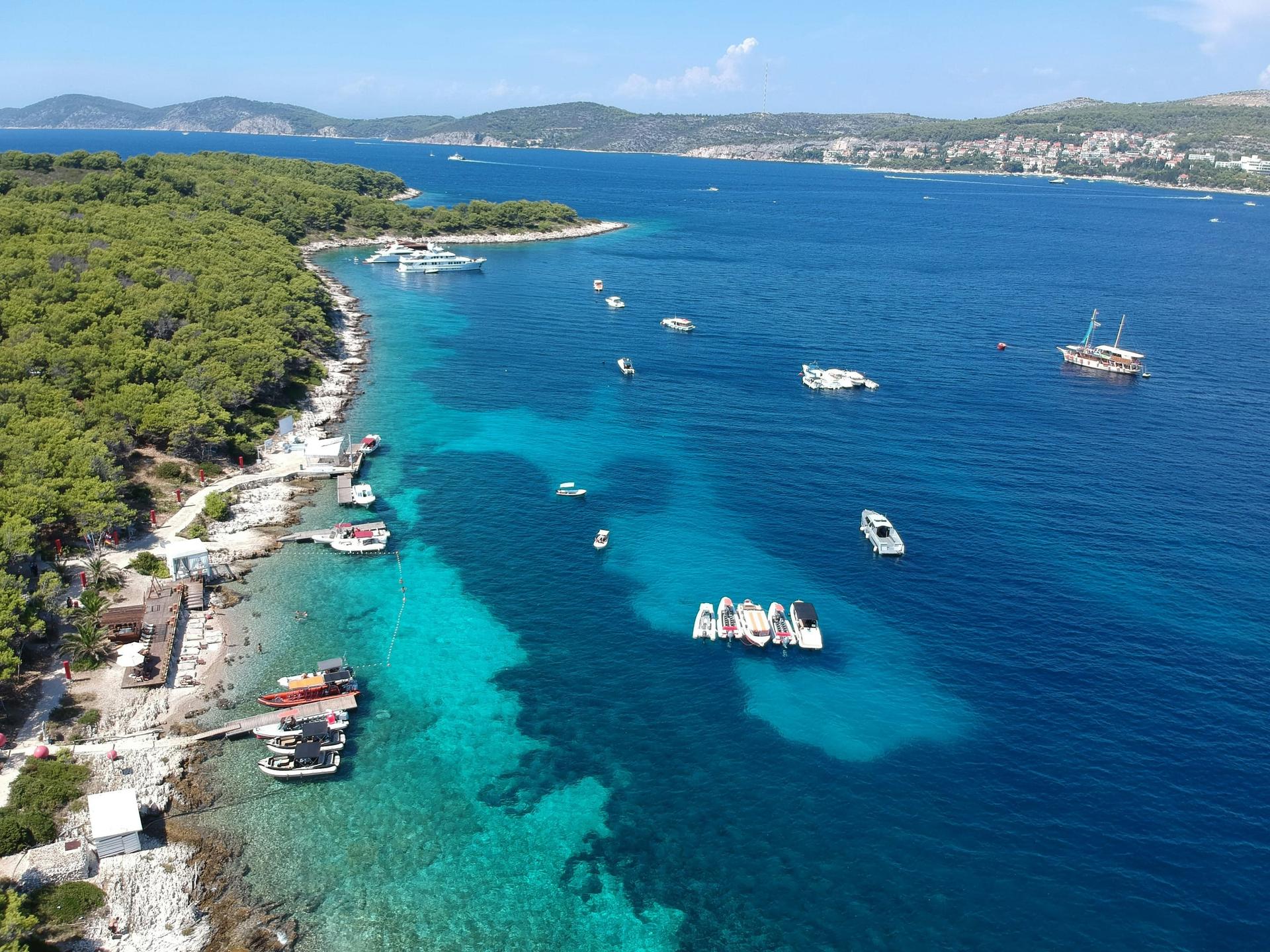
Croatia's islands attract high-net-worth leisure buyers, yacht-based tourism, and seasonal luxury demand.
→ Long-term, lifestyle-first investors with patience
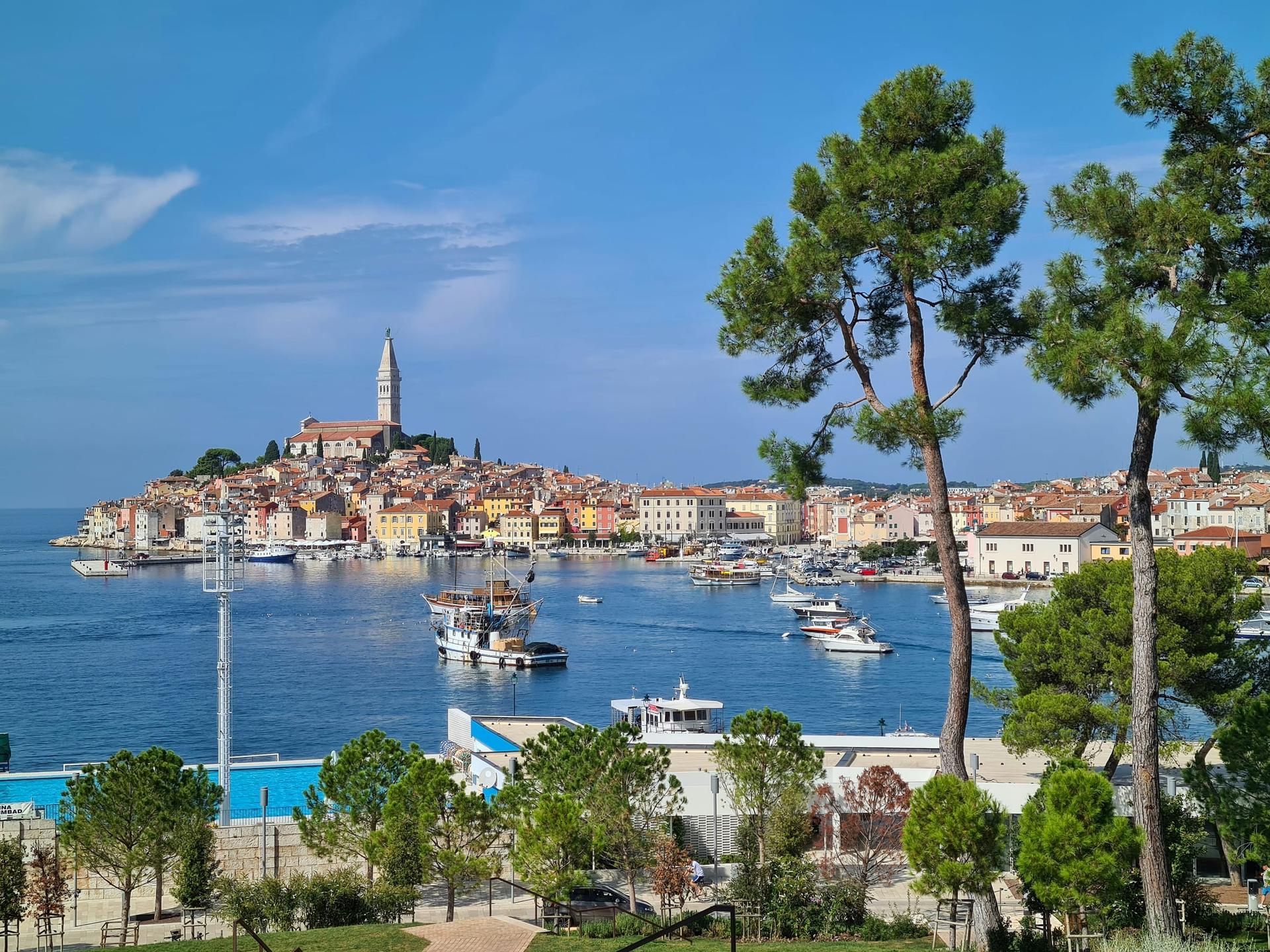
Istria
Offers proximity to Italy and Central Europe, countryside villas and coastal towns, and family-oriented lifestyle appeal.
→ Lower density and long-term living
Investment Strategies
Common approaches for Croatia property investment.
Lifestyle and second-home ownership
Investors prioritise personal use, seasonal living, and long-term appreciation. Rental income often offsets holding costs rather than maximising yield.
Short-term tourism rentals
In prime coastal locations, investors focus on apartments and villas suited to short-stay guests, and properties close to old towns, marinas, or beaches. Professional management is essential due to seasonality.
Scarcity-driven long-term holds
Some investors acquire rare coastal assets and properties in protected zones. This strategy emphasises capital preservation and emotional value.
Where Capital is Flowing
- Prime coastal towns with year-round appeal
- Properties within walking distance of historic centres
- Locations with limited future development
- Assets appealing to both personal use and tourism
Key Considerations
- Seasonality of rental income
- Property management availability
- Local zoning and development restrictions
- Liquidity outside peak locations
- Due diligence on title and permits
Read before you invest in Croatia
Buying process, city deep-dives, and on-the-ground neighborhood intelligence
Country buying guide
View all buying guides →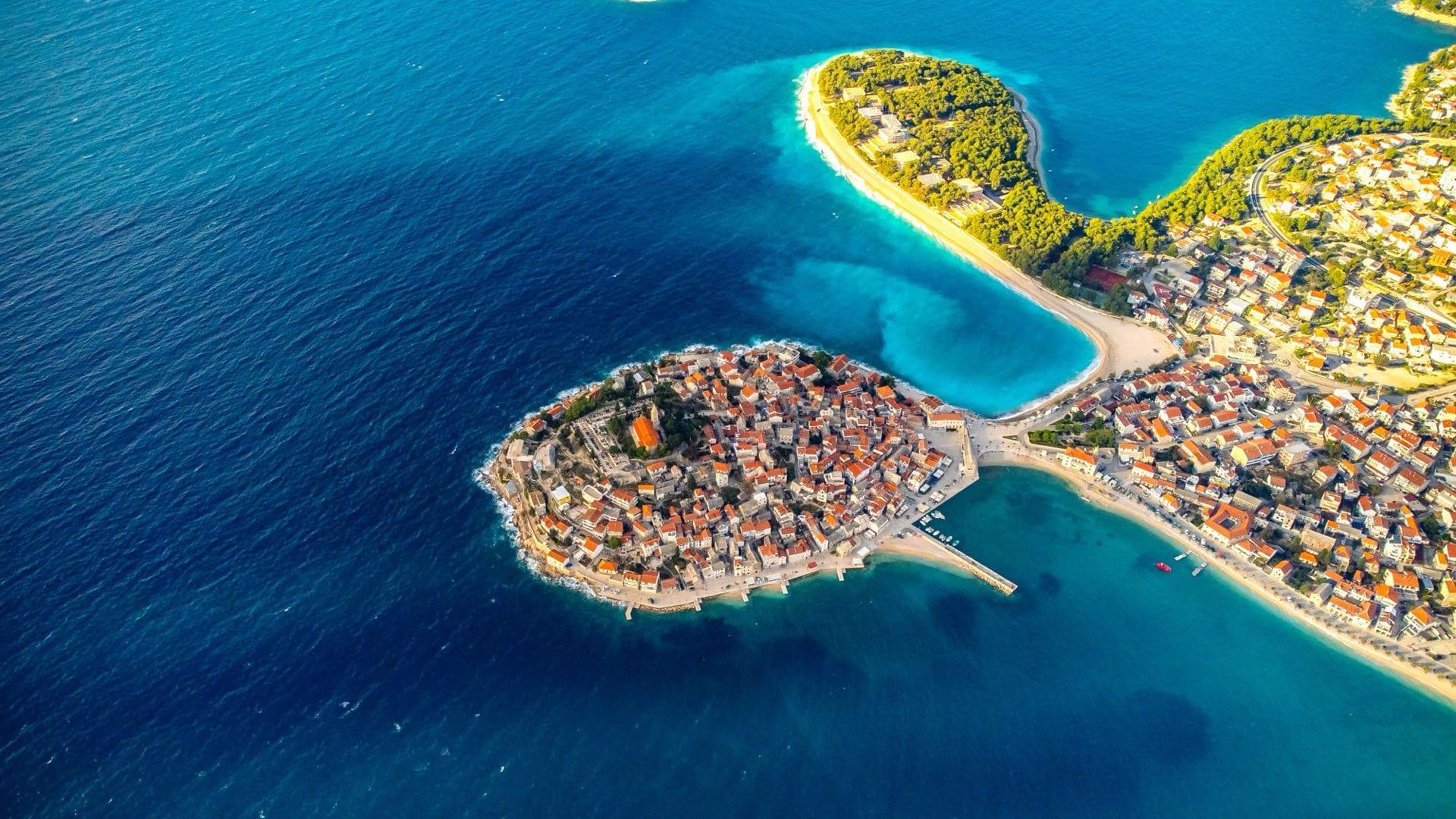
Buying Guide
Croatia Investor Guide
EU member and eurozone economy with 110M+ tourist nights, 4.4% rental yields, and full open access for EU buyers — plus reciprocity-based access for citizens of the US, UK, Australia, and most Western markets, verified case by case against the Ministry of Justice list
City guides
View all city guides →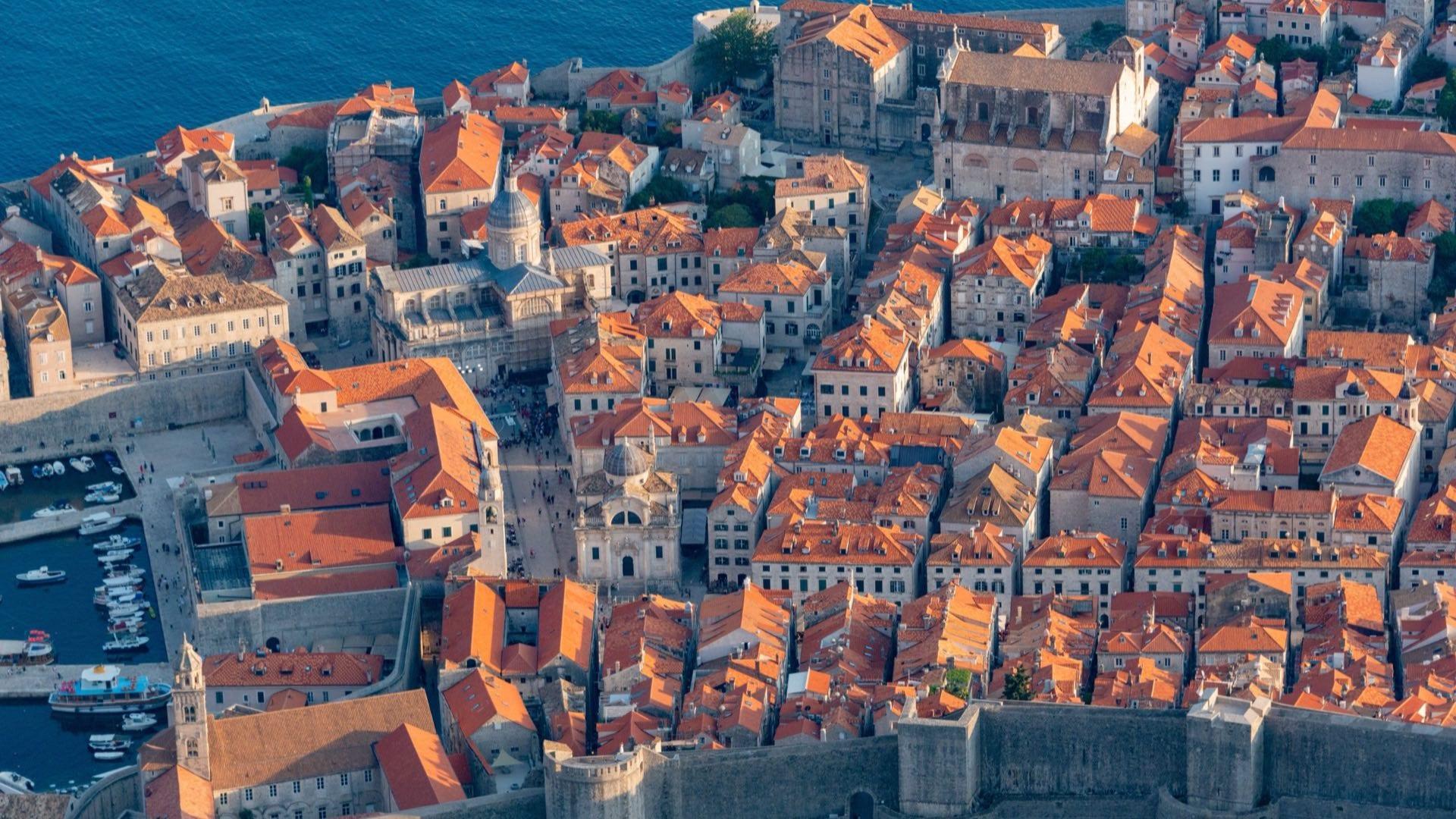
Dubrovnik City Guide
Dubrovnik is Croatia's most-prestigious coastal city and the 'Pearl of the Adriatic' — population 41,562 (city, only ~4,000 living within the UNESCO Old Town walls). The Old City of Dubrovnik was inscribed UNESCO World Heritage in 1979 — its medieval city walls, baroque streets, and limestone architecture have made it one of the Mediterranean's most-recognised destinations (further amplified by Game of Thrones filming the King's Landing scenes here 2011-2019). The city's prime market is ultra-luxury: Old Town €7,000+/m² with prime seafront/Old Town locations reaching €10,000/m². Even outside the Old Town, Dubrovnik commands €4,151-€4,700/m² (Jan 2026) — making it Croatia's most-expensive coastal market, 37% above Split. Foreign buyers dominate the ultra-prime segment: UK, US, German, Russian, Gulf-state, and increasingly Asian ultra-HNW.
10 min read
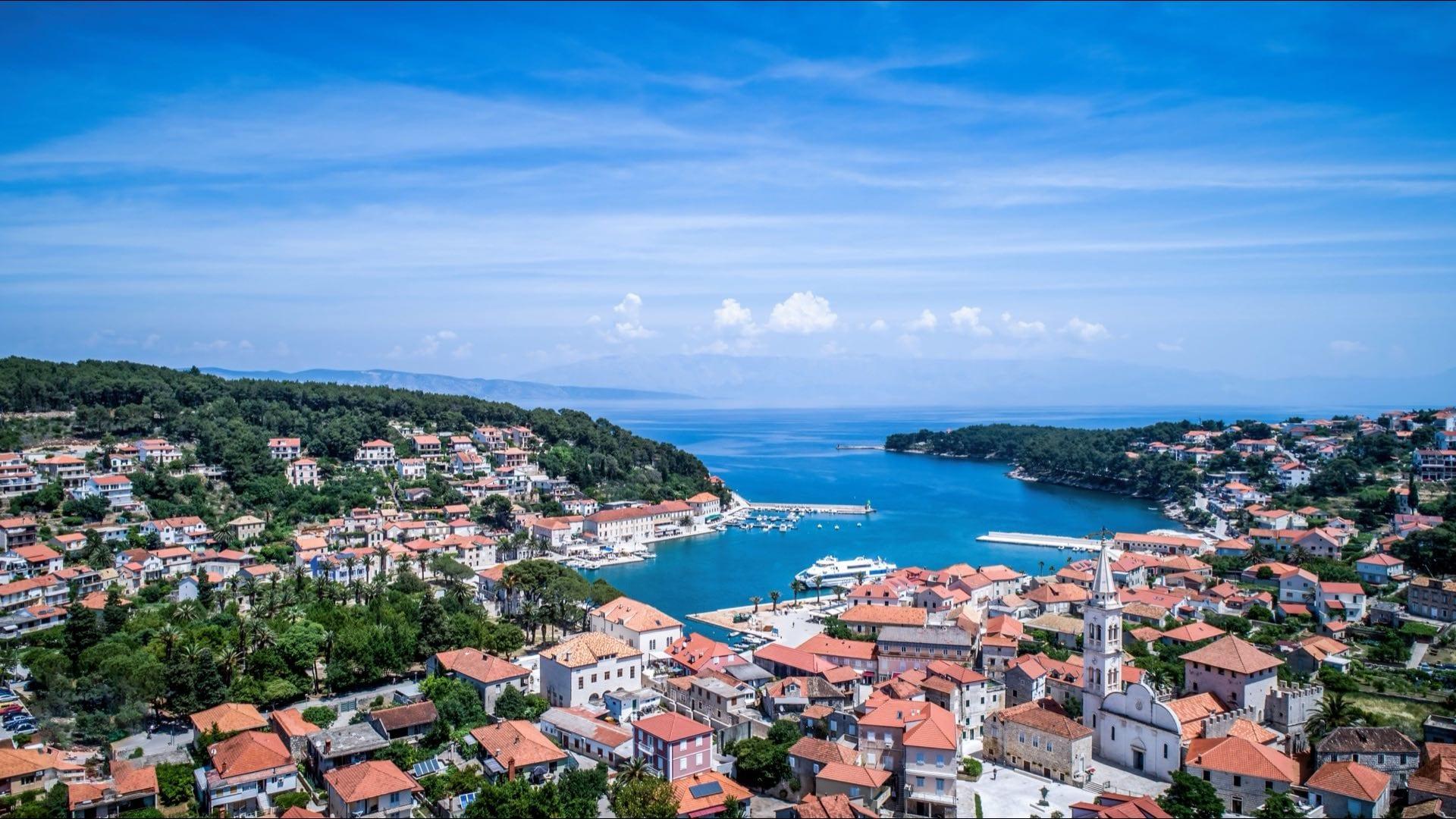
Hvar
Hvar is Croatia's glamour island, a sunlit Dalmatian destination where Hvar Town's Venetian piazza and Spanjola fortress sit above a yacht-filled harbour, and lavender fields and vineyards roll across the interior. It ranks among Croatia's most expensive markets alongside Dubrovnik, Opatija and Rovinj, with asking prices in Hvar municipality averaging around 4,530 EUR per m2 in 2026 and luxury seafront villas (200-350 m2) trading from roughly 1.5 to 6 million EUR. The Croatian islands carry a 15-25% per-m2 premium over the mainland, driven by limited buildable land and intense summer demand. Furnished stock dominates at over 75% of listings, as most homes double as short-term rentals. Island price growth, which ran double-digit in recent years, is now cooling to a more sustainable 3-7% for 2026. Gross yields are modest at roughly 3-3.5% given high values, but Hvar Town commands the strongest nightly rates and occupancy in the country. EU, EEA and Swiss buyers purchase freely; non-EU nationals buy via reciprocity with ministry approval. A 2025 annual property tax of 0.60-8 EUR per m2 applies.
8 min read
Makarska
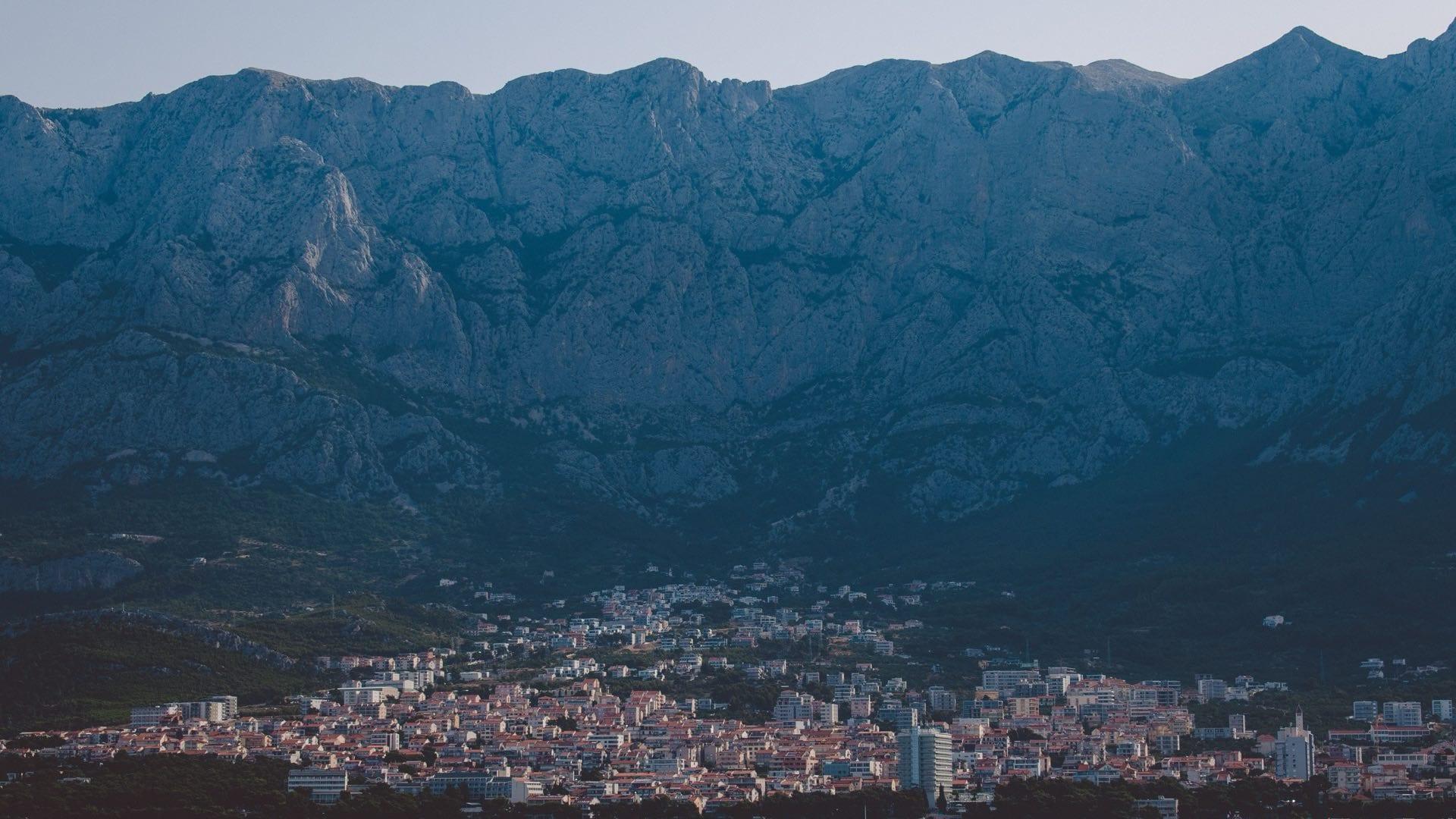
Makarska is the capital of the Makarska Riviera, a dramatic 60 km stretch of pebble beaches squeezed between the Adriatic and the towering Biokovo massif, about 90 minutes south of Split. Its palm-lined harbour, long Donja Makarska beach and pine-shaded promenade make it one of Dalmatia's premier beach-tourism markets. In 2025 Central Dalmatia averaged roughly €4,090/m², with Makarska-area apartments slightly below that on larger supply; first-row seafront apartments on the riviera start near €2,500/m² and prime new builds reach €4,500-5,500/m². Gross rental yields sit around 4-5%, supported by record 2025 visitor numbers and intense July-August occupancy that makes summer short-lets highly productive. Croatian prices are forecast to rise 4-7% in 2026, coastal towns at the upper end. EU, EEA and Swiss nationals buy on the same terms as Croatians; non-EU buyers acquire via the reciprocity principle with Ministry of Justice consent (1-6 months), with OECD-parity reforms approaching. Investors weigh Makarska's exceptional beach product and rental engine against pronounced seasonality. The town suits buyers wanting a high-occupancy beach-let or a sun-and-mountain lifestyle base in Central Dalmatia.
8 min read
Opatija
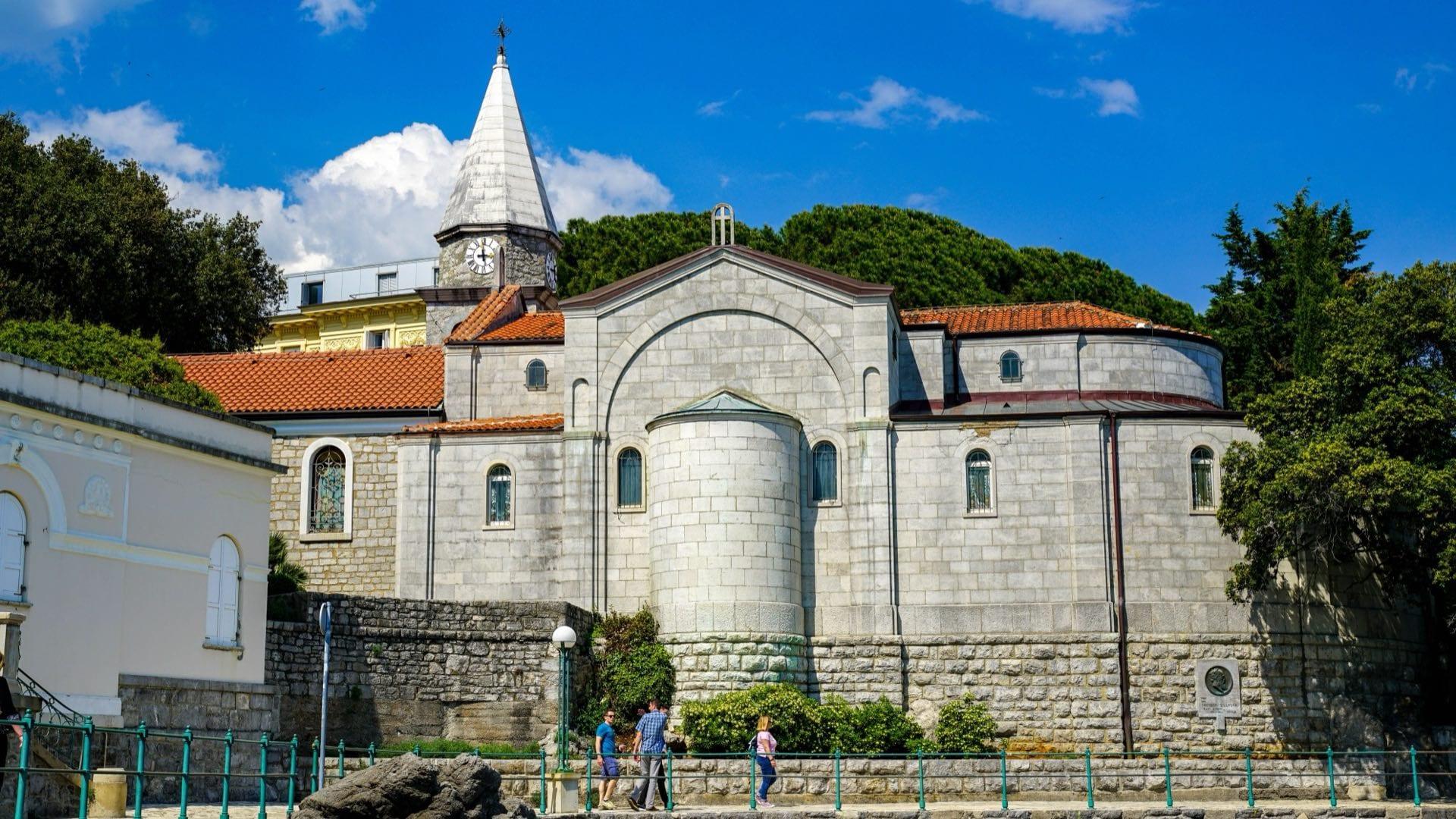
Opatija is Croatia's grande-dame Riviera resort on Kvarner Bay, a Habsburg-era spa town of Belle Époque villas, manicured parks and the famous 12 km Lungomare coastal promenade, 15 minutes from Rijeka and its airport links. It is the single most expensive residential market in Croatia, averaging roughly €5,340/m² in 2025, with premium and luxury stock typically €4,000-7,000/m² and trophy villas far higher. The luxury segment is deep: villa and penthouse listings routinely run €1.5m-11m. Gross rental yields are modest at around 3-4%, reflecting high capital values and a more year-round, wellness-and-conference clientele rather than pure beach seasonality. Some 2026 forecasts flag possible consolidation in the Lovran/Opatija premium band after strong recent gains, while nationally prices are seen rising 4-7%. Major investment continues, including a five-star Marriott-branded Riva's Hotel under construction at nearby Ičići. EU, EEA and Swiss buyers purchase freely; non-EU buyers acquire via reciprocity with Ministry of Justice consent (1-6 months), with OECD parity approaching. Opatija suits buyers prioritising prestige, year-round amenity and capital preservation over high yield. Its blend of heritage, healthcare and luxury hospitality makes it Croatia's premier blue-chip coastal address.
8 min read
Poreč
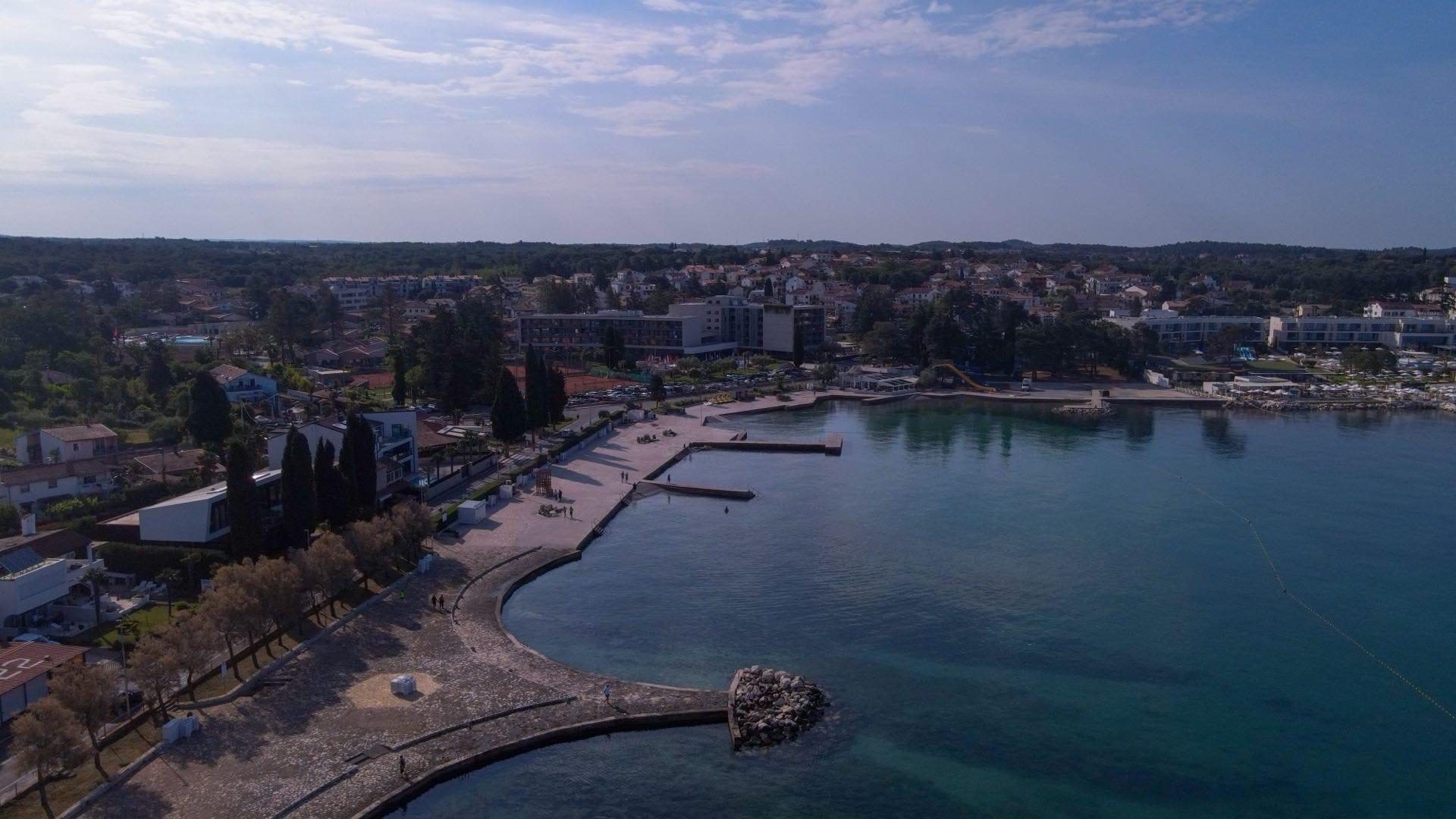
Poreč is western Istria's flagship tourist town, a peninsula old town crowned by the UNESCO-listed Euphrasian Basilica and ringed by the vast Plava Laguna and Zelena Laguna resort zones. Its blend of heritage, mass-tourism infrastructure and proximity to Italy and Central Europe makes it one of Croatia's strongest second-home and rental markets. Poreč apartment prices run roughly €3,350-4,000/m², with the wider Istria average about €3,744/m² in January 2026, up around 3.8% year on year; as an Istrian tourism hotspot, Poreč has seen some of the fastest local growth, with annual gains reported in the high single digits to mid-teens. Gross rental yields are attractive at around 5%, supported by record 2025 visitor numbers and strong German, Austrian and UK second-home demand; foreigners account for roughly 37.5% of Croatian transactions. National prices are forecast to rise 4-7% in 2026, Istria at the firmer end. EU, EEA and Swiss buyers purchase on equal terms; non-EU buyers acquire via reciprocity with Ministry of Justice consent (1-6 months), with OECD parity approaching. Poreč suits investors wanting a proven holiday-let market with heritage appeal, deep tourism infrastructure and a short reach to Western European feeder markets.
8 min read
Pula City Guide
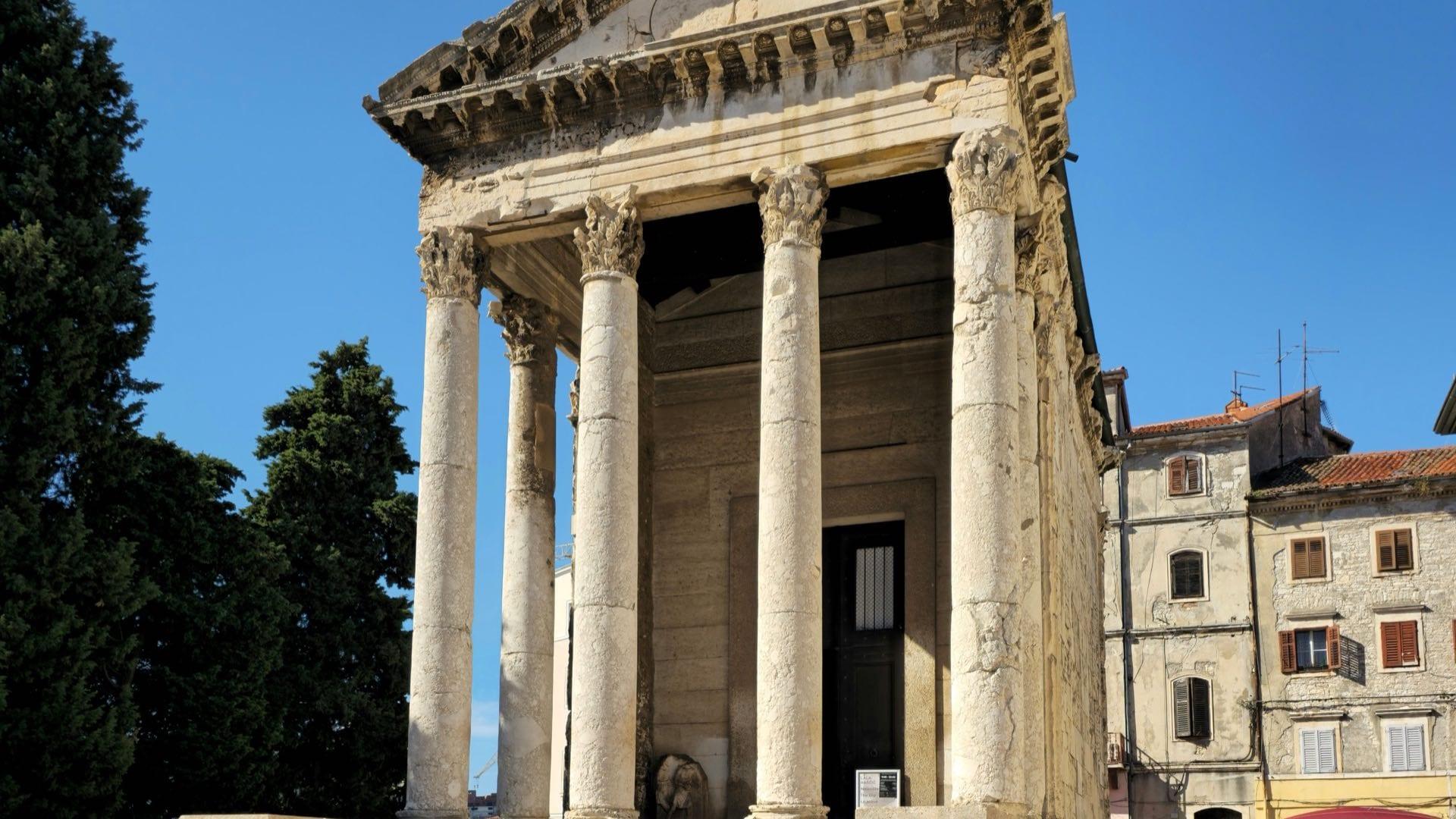
Pula is the largest city on the Istrian peninsula and Croatia's most underrated coastal-investor market, a Roman city with one of the world's best-preserved 1st-century amphitheatres (the Pula Arena), an Adriatic coastline of pine-shaded coves, and property prices that remain materially below Rovinj and South Dalmatia for comparable coastal lifestyle. Croatia's January 2023 Eurozone accession eliminated currency-conversion friction for EU buyers, and Pula's strong cultural identity, university (University of Pula / Sveučilište Jurja Dobrile), and shipbuilding-engineering economic base differentiate it from purely tourist-driven Croatian markets. The city's identity is shaped by overlapping waves of history, Roman, Venetian, Austro-Hungarian, Italian, and Yugoslav, and a diaspora-returning buyer base from Italy, Slovenia, Germany, and Croatian-descent second-generation Europeans is materially driving the current market. The 2026 annual property tax (replacing the prior holiday-home levy) sets the new operating cost baseline for non-residents and STR investors.
8 min read
Neighborhood deep-dives
View all neighborhood guides →Dubrovnik
Babin Kuk
A pine-shaded, beach-fringed resort peninsula on Lapad's tip, all wellness, greenery and Adriatic swimming.
Dubrovnik
Gruž
Dubrovnik's authentic working harbour, port, bus station and bustling market, and the city's best value.
Dubrovnik
Lapad
A leafy seaside peninsula with a pedestrian promenade and shallow family bay, calmer than the Old Town.
Dubrovnik
Old Town / Stari Grad
Croatia's UNESCO crown jewel, a marble-streeted walled city where the Stradun and city walls draw the world.
Dubrovnik
Ploče
The upscale, tranquil quarter just outside the Ploče gate, with Banje beach and direct views of the city walls.
Hvar
Hvar Town
The island's glamour capital, a Venetian harbour town of yachts, fine dining and the country's strongest nightly rental rates.
Hvar
Jelsa
A green, family-friendly harbour town on the island's north coast, relaxed, leafy and more affordable than Hvar Town.
Hvar
Stari Grad
The island's oldest town and main ferry port, a UNESCO-linked heritage harbour offering more authentic, better-value living than Hvar Town.
How INTRIC Supports Your
Croatia Investment
INTRIC does not sell property. INTRIC helps members make better decisions before committing capital.