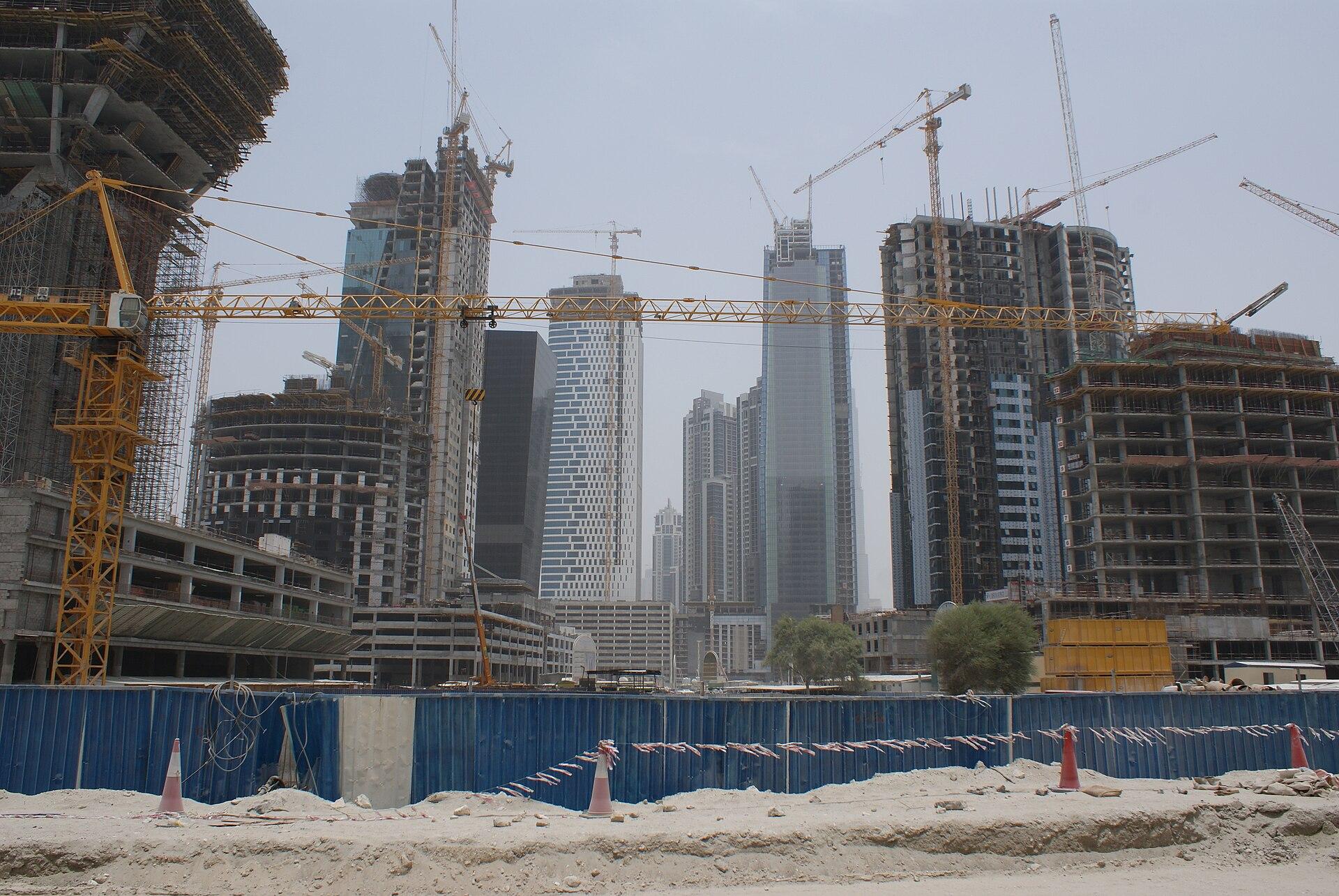
Same buildings. 137% in sterling, 42% in yen. Currency is not a footnote to your international property return, it is most of it. #CrossBorderInvesting #CurrencyRisk #RealEstateStrategy #FXHedging
 ByAbhii Dabas·
Introducción
Between 2008 and mid-2020, the MSCI Global Property Fund Index returned 137% to an investor who counted in sterling and 42% to an investor who counted in yen. Same buildings, same tenants, same rent cheques. The only variable was the currency the investor went home in. That gap is larger than the difference between a good market and a mediocre one, and yet it is the input most cross-border buyers never model. Currency is not a footnote to an international property decision. In many years it is the decision.
The 95-Point Gap: What Currency Actually Does to Property Returns
Where Currency Is Setting Prices Right Now
The High-Yield Illusion: Nominal Growth in Soft Currencies
The Mismatch That Has Actually Ruined People
Four Ways to Take the Currency Out of the Trade
The Contrarian View: When Hedging Is the Wrong Answer
Fuentes
- MSCI — Currency-Risk Hedging in Real Estate Benchmarks
- PERE — INREV: 71% of Real Estate Investors Hedge Currency
- Trading Economics — Turkey Residential Property Price Index
- AGBI — Egypt's Weaker Currency Attracting Foreign Real Estate Investors
- Bruegel — Foreign Loan Hangovers and Macro-Prudential Measures in Central Eastern Europe
- Chatham Financial — FX Forward Rates and Hedging Costs
- JLL Research — Global Real Estate Trends and Perspectives
Abhii Dabas is the Founder and CEO of INTRIC Global, the cross-border property intelligence platform for serious investors. He advises high-net-worth buyers on international real estate strategy and has evaluated residential markets across more than 40 countries, where the gap between a local-currency headline and a home-currency outcome is the single most common source of disappointed returns.