Costa Rica
- Also in the Americas
- United States
- Canada
- Mexico
- Panama
- Argentina
- Cayman Islands
Costa Rica Property Market for Overseas Buyers
Weekly alert
Be the first when Costa Rica listings go live
Pick a budget and we email you the week a new listing in Costa Rica is published. One email, six at most, nothing until then.
Also in the Americas


More in the Americas
Where buyers are looking now
All listings
Costa Rica
The property market in Costa Rica for overseas buyers: market figures, city guides and the INTRIC buying guide, with listings as they are published.
Also in the region: Property for sale in the United States, Property for sale in Canada, Property for sale in Mexico, Property for sale in Panama, Property for sale in Argentina, Property for sale in the Cayman Islands
Buying property in Costa Rica: questions buyers ask
Can foreigners buy property in Costa Rica?
Yes. Foreigners own freehold titled property on the same terms as Costa Ricans, with no approval or residency needed. The exception is the first 200 metres from the high tide line: the first 50 metres is public, and the rest is concession land held through a company at least 51% Costa Rican-owned.
What tax does an overseas buyer pay in Costa Rica?
Transfer tax of 1.5%, notary fees of 1% to 2% and registry stamps of 0.5%, about 3% to 4% in all. Capital gains tax is 15% of the gain, and a principal residence is exempt. Rental income is taxed at 15% after a standard 15% deduction, and short-term lets add 13% VAT.
Titled property or a maritime zone concession in Costa Rica?
Titled (titulado) land inland is full freehold, registered at the National Registry, and is what most foreign buyers should look for. Land 50 to 200 metres from the high tide line is a concession of 5 to 20 years, renewable, not freehold. Many resort areas sit inside this zone, so use a notary-lawyer and consider title insurance (US$1,000 to US$3,000).
Can a non-resident get a Costa Rican mortgage?
Yes, from local banks, usually at 50% to 70% loan-to-value with a 30% to 50% deposit. Rates were 8% to 10% in US dollars in early 2026, over 15 to 20 years. More than 70% of foreign buyers pay cash. Developers commonly take 30% to 50% down with the balance over one to five years.
Is Costa Rican property a good investment in 2026?
Beach towns such as Tamarindo, Nosara and Santa Teresa rose 10% to 15% a year in dollars, against 4% to 6% around San José. Beach short-term lets yield 6% to 10% gross, San José long-term lets 5% to 7%. Risks include capital gains tax, coastal rule enforcement and climate. Capital at risk.
Does buying property in Costa Rica give residency?
Not on its own. The Inversionista route needs an investment of US$200,000 in real estate, a business or securities; the reduced US$150,000 level ended in July 2026. The Pensionado route needs a lifetime pension of US$1,000 a month. Both lead to permanent residency after three years.
Guides and insights
Buying in Costa Rica
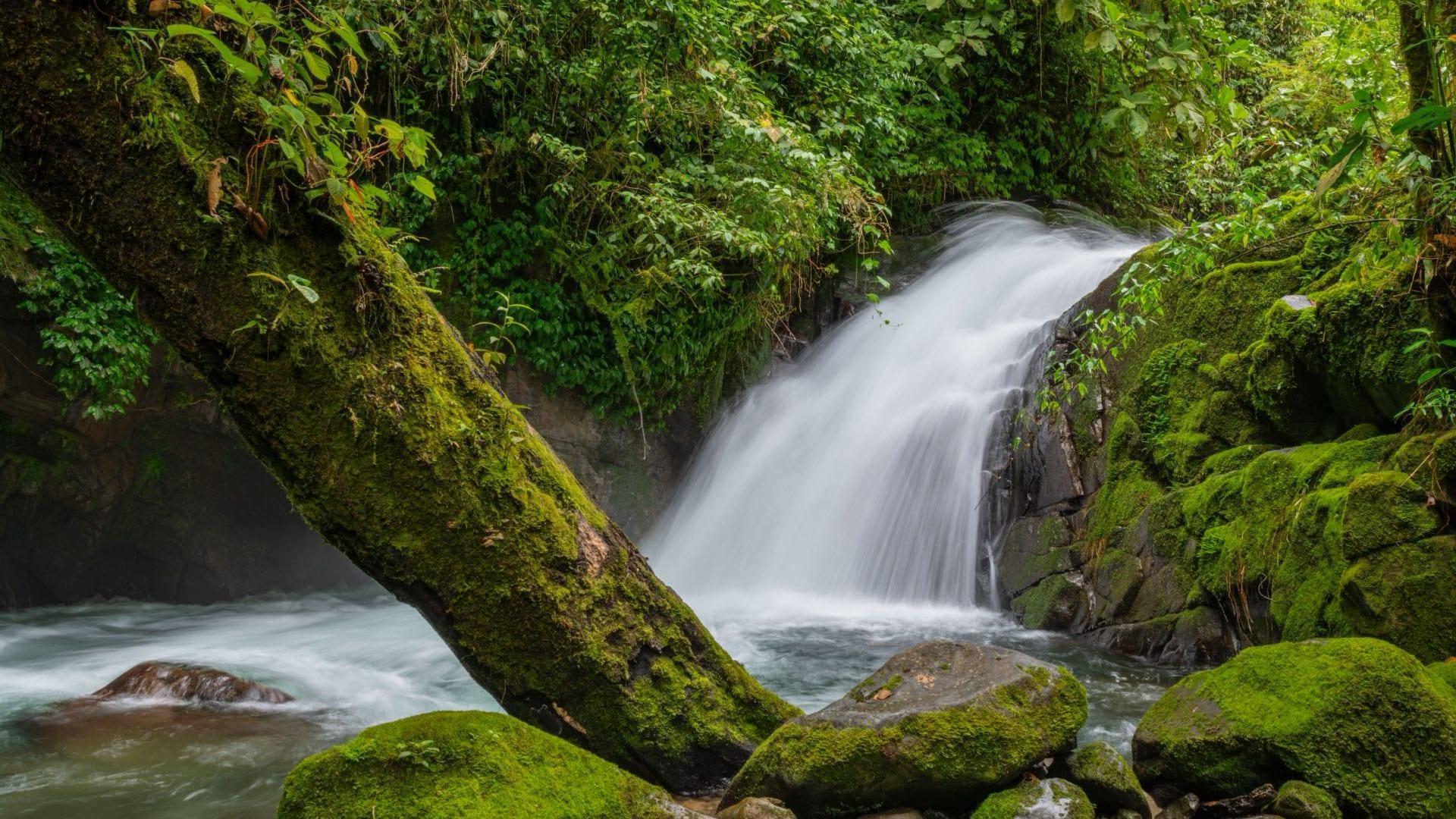 Country guide · 20 minCosta Rica Investor GuideInvesting in Costa Rica, San Jose, Guanacaste Beaches, and Pura Vida PropertyUSD Property MarketForeign-FriendlyPura VidaRead the guide
Cities2 guides
All Costa Rica city guides City guide · 8 minSan JoseSan Jose is Costa Rica's capital and the heart of the country's central valley, a temperate, eternal-spring climate region (1,170m elevation) home to ~70% of the country's population. The city is the political, financial, and educational centre of one of Latin America's most stable democracies, with strong English fluency and a long-running US/Canadian expatriate community. Residential prices in prime districts (Escazu, Santa Ana, Curridabat, Sabana, Rohrmoser) range from USD 1,800-3,500 per square metre, with gross yields of 5-8%. Foreign buyers face zero restrictions and can purchase freehold property anywhere in the country, one of Latin America's most open markets. The Costa Rican colon (CRC) tracks USD relatively closely. For international buyers, San Jose offers political stability, environmental safe-haven status, strong English-speaking professional services, and a long-established North American expat community. The catch: it's not a beach city (the Pacific coast is 1-2 hours away), traffic congestion is severe, and infrastructure is patchier than in major Mexican or Panamanian cities.
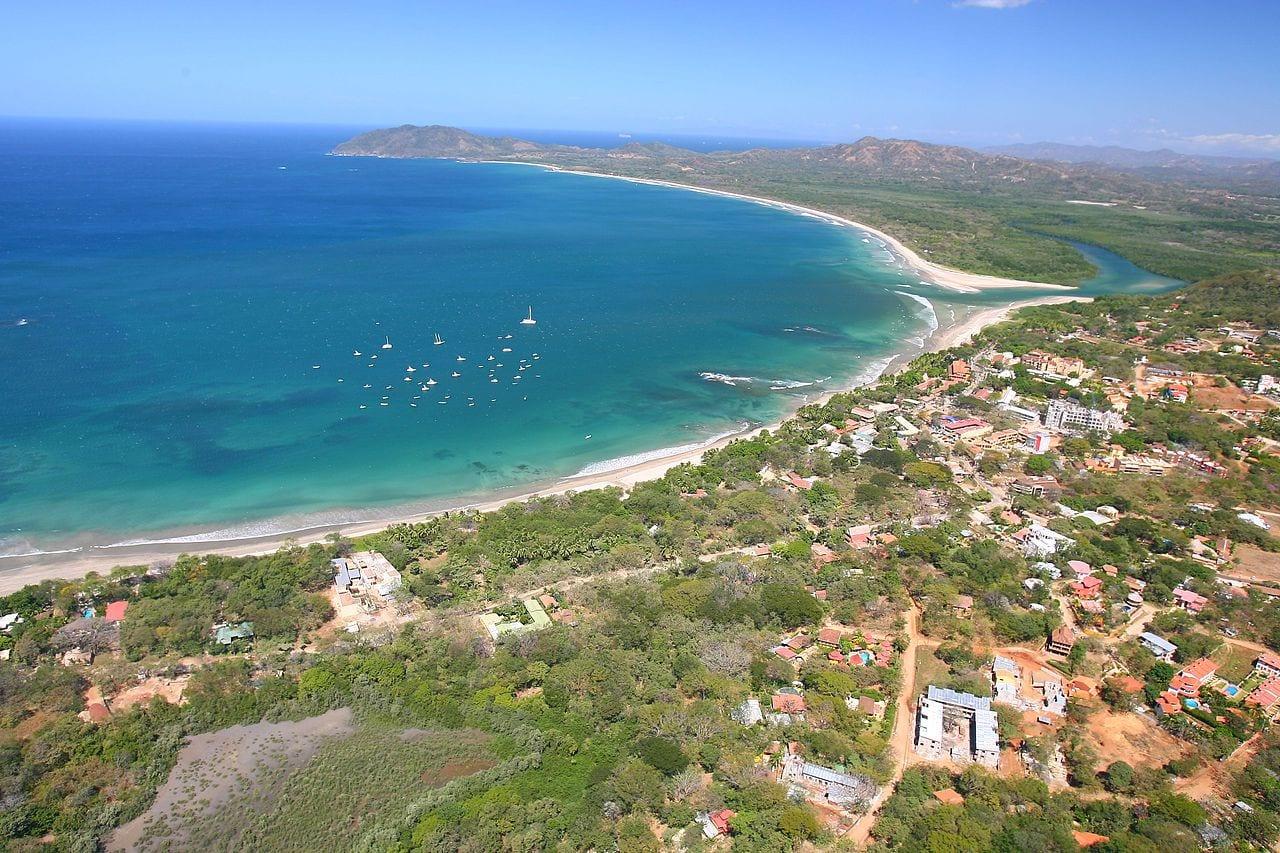 City guide · 7 minTamarindoTamarindo is the established beach-resort capital of Costa Rica's Guanacaste province on the northern Pacific coast, a surf-and-sun town that has matured into one of the country's most liquid second-home and vacation-rental markets. Costa Rica grants foreigners the same property rights as citizens (outside the maritime zone), and Tamarindo's proximity to Liberia's Daniel Oduber international airport, under 90 minutes away with direct North American flights, drives a deep pool of overseas buyers and short-let guests. Pricing spans entry-level condos from around USD 300,000 to single-family villas above USD 400,000, with the luxury segment averaging roughly USD 1.7 million. Beachfront and ocean-view condos near the centre, the Langosta and Playa Grande fringes, and gated hillside communities form the core investment zones. Annual occupancy in this high-tourism corridor typically runs 70-80%, with values appreciating in a steady 5-8% range over the past decade. Vacation-rental income is the primary return driver. Some local brokers cite gross yields of 8-12%, but those figures assume peak-season pricing and high occupancy; a defensible underwriting range is closer to 5-7%. Tamarindo enters 2026 as Guanacaste's most proven coastal market.