Property Investment Guide
Italy
Heritage, lifestyle depth, and selective long-term value
Market Type
Lifestyle-led European market
Risk Profile
Low to moderate (region-dependent)
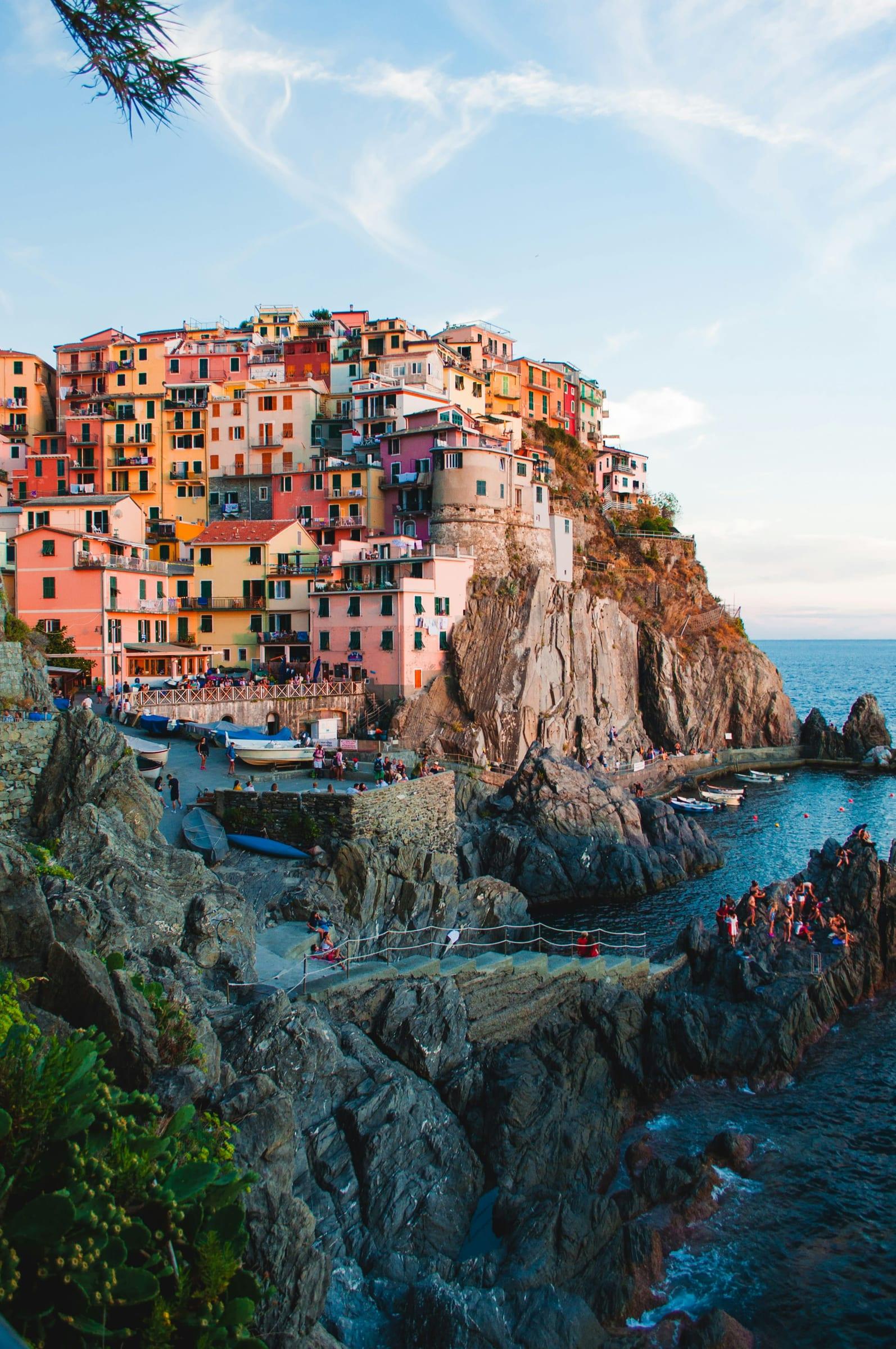
Italy is one of the world's most emotionally compelling and globally recognised property investment destinations, combining unmatched cultural heritage, diverse lifestyle markets, and enduring international demand. For global investors, Italy is typically positioned as a lifestyle-led, long-term allocation, where capital appreciation, personal use, and legacy value matter as much as income.
Ideal For
- HNWIs seeking European lifestyle and cultural depth
- Family offices allocating to heritage and preservation assets
- Buyers planning second homes or eventual relocation
- Investors comfortable with regional nuance and selectivity
- Capital allocators balancing emotion with long-term value
Consider Carefully If
- • Purely yield-maximisation strategies at scale
- • Short-term speculative trading
- • Investors seeking uniform national market dynamics
Why invest in Italy?
Key factors driving global investor interest in Italy property.
Unmatched cultural and lifestyle appeal
Italy offers a depth of lifestyle few markets can rival: world-class food, wine, art, and history, iconic cities and landscapes, and strong regional identities and traditions. For many investors, the emotional value of ownership is a core driver.
Supply constraints in historic and prime locations
Many of Italy's most desirable markets feature UNESCO-protected historic centres, strict planning and renovation controls, and limited new development. These constraints support long-term value preservation in prime locations.
International buyer demand across cycles
Italy attracts sustained interest from European buyers, North American lifestyle investors, and UK and Middle Eastern second-home buyers. This diversified demand base adds resilience to select markets.
Key Investment Locations
Prime areas attracting international property investors in Italy.
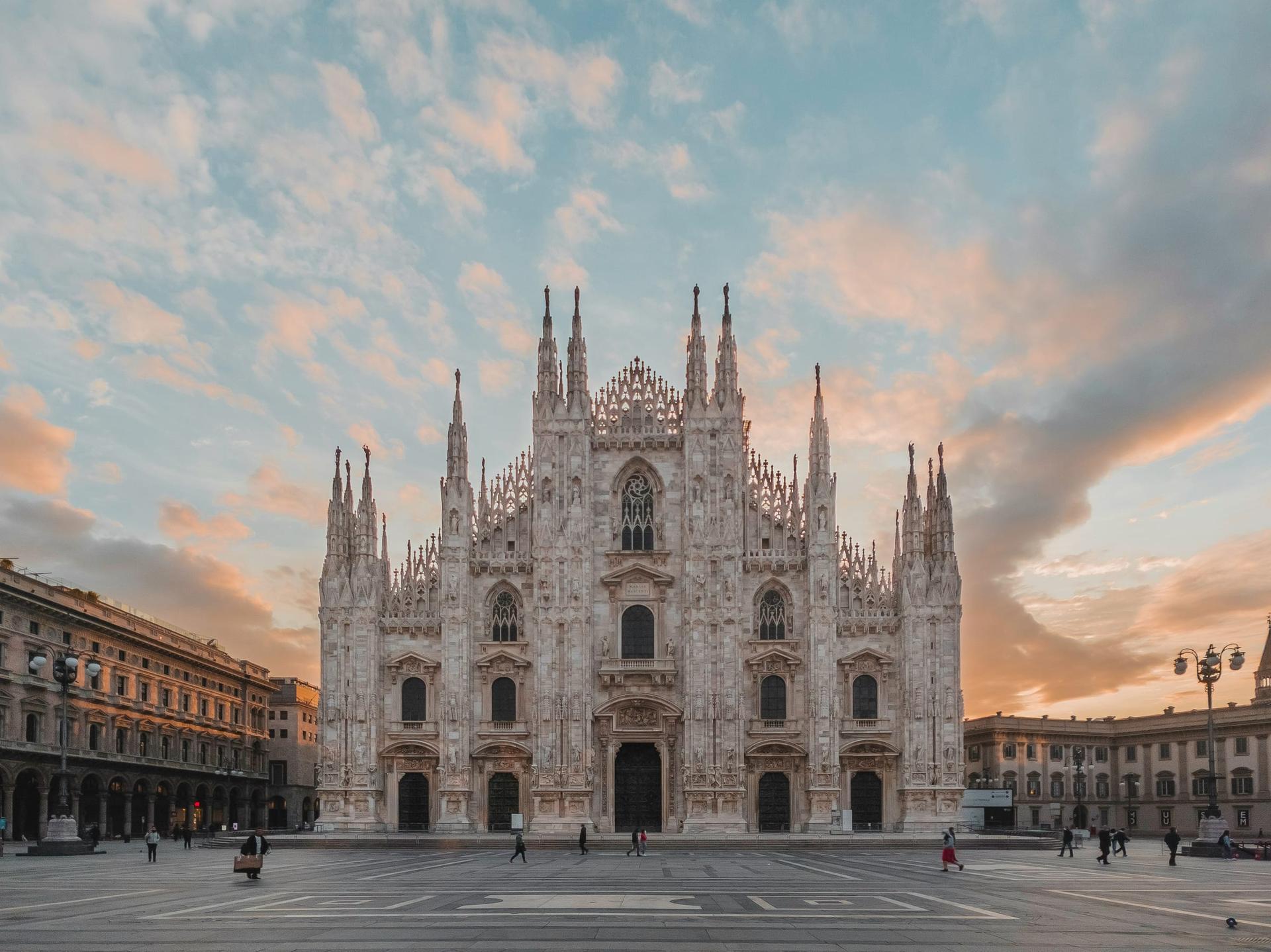
Milan
Italy's financial and commercial capital with strong domestic and international rental demand, deep professional and student populations, and modernisation.
→ Urban rental income and liquidity
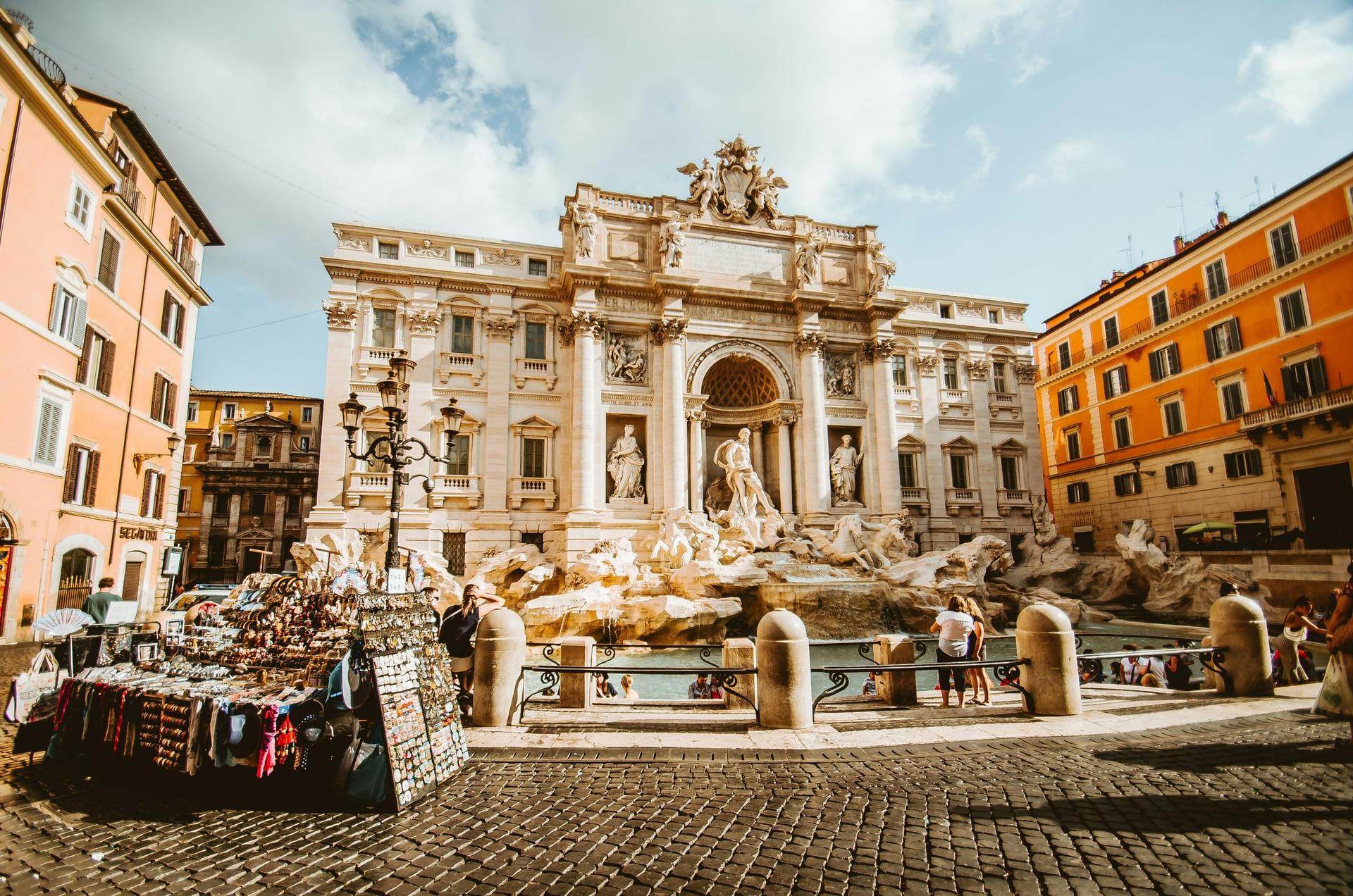
Rome
Combines historic significance, international tourism, and long-term global appeal. Property investment is typically preservation-oriented.
→ Preservation-oriented strategies with selective rental opportunities
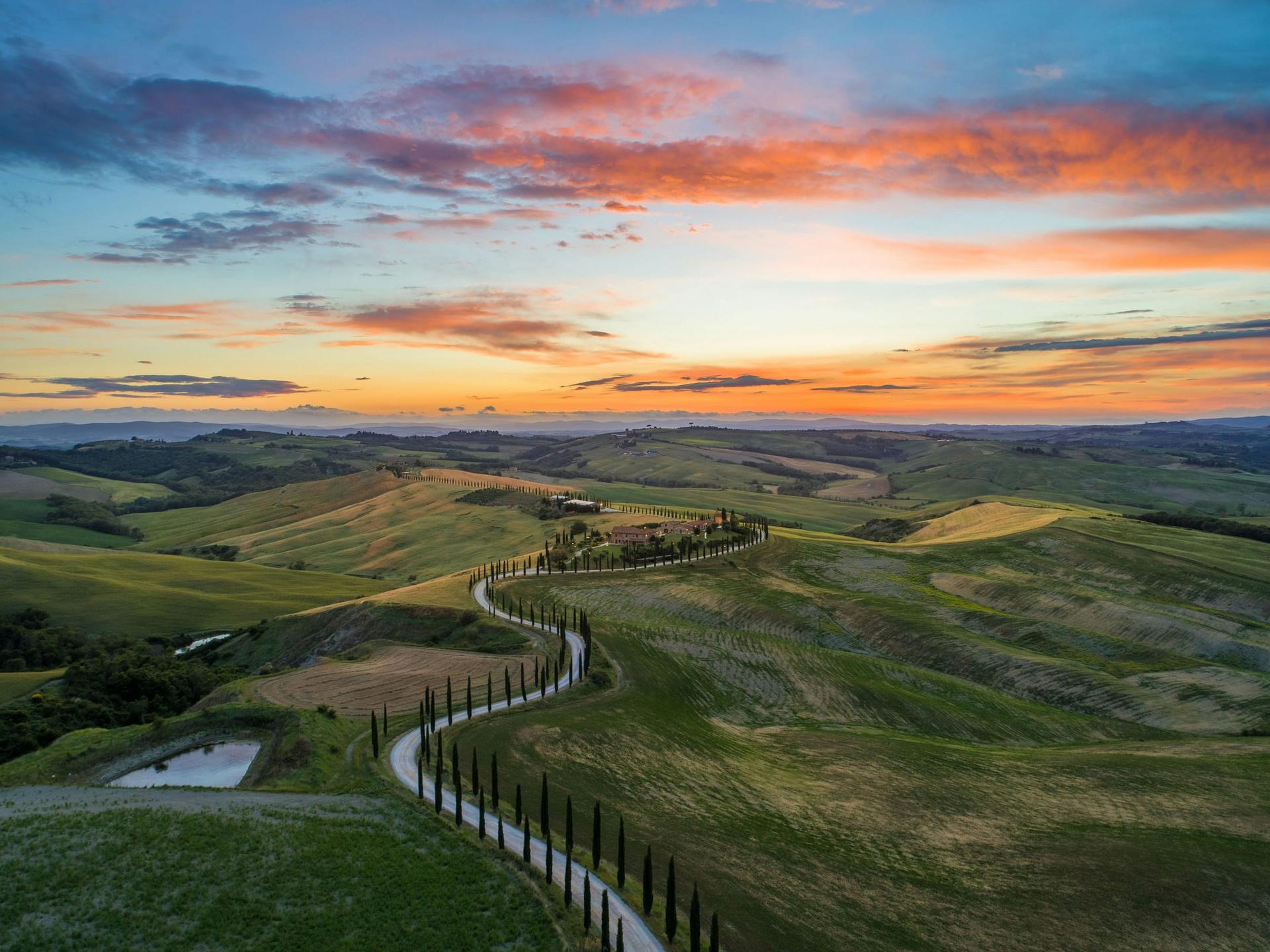
Tuscany
One of Italy's most internationally recognised lifestyle regions featuring countryside estates and villas, historic towns, and lifestyle-led second homes.
→ Long-term, lifestyle-first investors

Northern Italy Lakes
The Italian lakes (Como, Garda, Maggiore) attract European and international elites, second-home and trophy buyers. Scarcity-driven and preservation-focused.
→ Capital preservation and lifestyle prestige
Investment Strategies
Common approaches for Italy property investment.
Lifestyle and second-home ownership
Investors prioritise personal use, long-term enjoyment, and legacy value. Rental income often complements lifestyle use.
Urban buy-to-rent (selective)
In cities like Milan, investors focus on apartments in prime districts and professional and student tenant demand. This strategy supports moderate income with strong liquidity.
Renovation and repositioning plays
Some investors pursue restoration of historic properties and countryside estate upgrades. These strategies require local expertise and patience, but can unlock value.
Where Capital is Flowing
- Prime urban districts with rental depth
- Internationally recognised lifestyle regions
- Properties with irreplaceable location or character
- Assets suited to long-term holding rather than trading
Key Considerations
- Regional regulatory differences
- Renovation and heritage restrictions
- Tax structuring and holding costs
- Liquidity outside prime markets
- Importance of local professional support
Read before you invest in Italy
Buying process, city deep-dives, and on-the-ground neighborhood intelligence
Country buying guide
View all buying guides →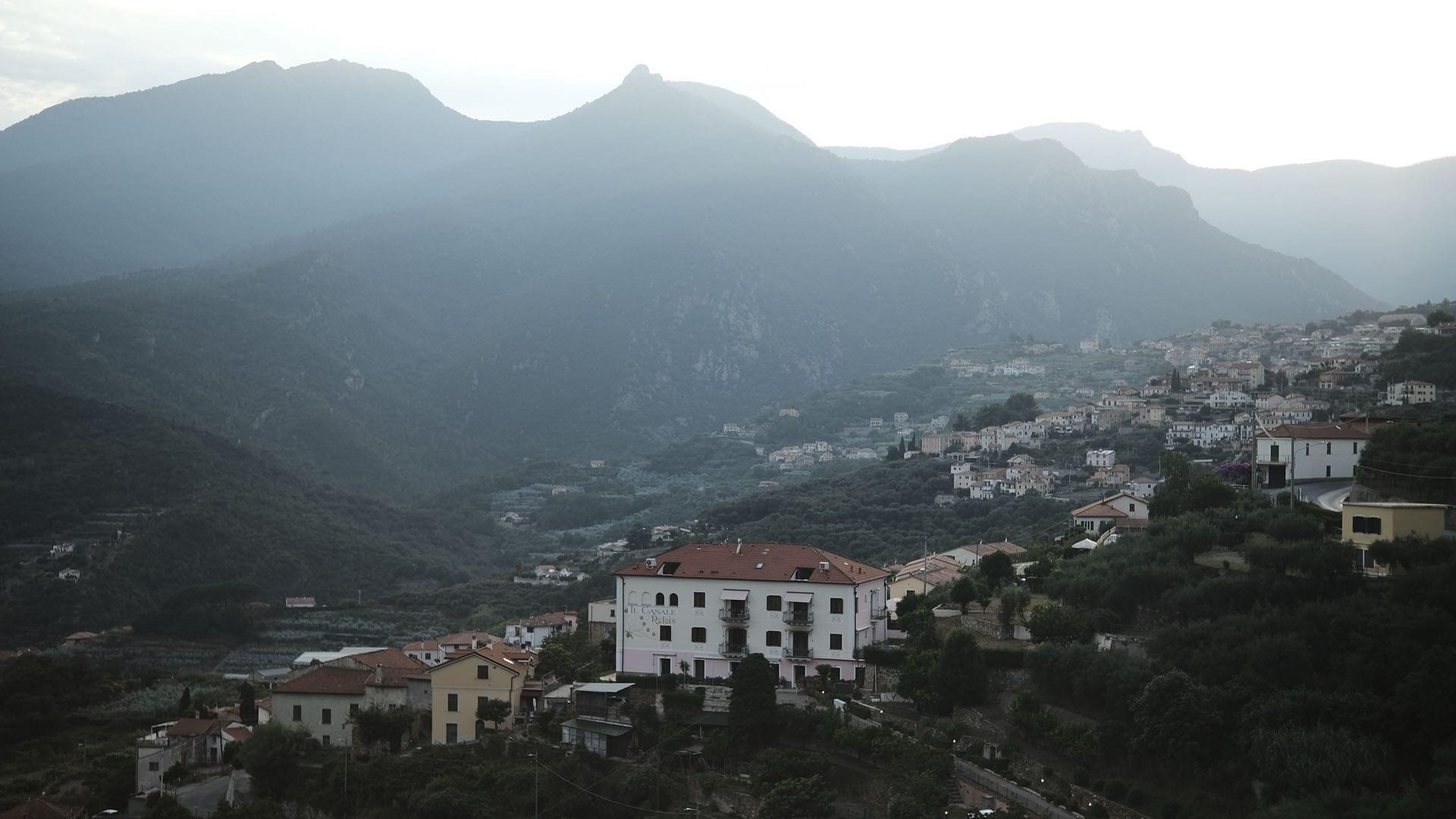
Buying Guide
Italy Investor Guide
Navigate Italy's residency-by-investment landscape — still-active Investor Visa, €300K Lump-Sum Tax for new residents, 5-year capital gains exemption, and Europe's richest cultural heritage market
City guides
View all city guides →
Bologna City Guide
Bologna, capital of Emilia-Romagna and home to the world's oldest university, is one of Italy's most resilient and rental-driven property markets. The city of roughly 391,000 (with more than a million in its metropolitan province) sits at the heart of the national rail network, two hours from both Milan and Florence, and combines a perfectly preserved medieval Centro Storico (Europe's largest network of porticoes) with a diversified economy spanning education, research, advanced manufacturing and a globally renowned food cluster. For investors the defining feature is rental demand: a vast student population and constant inflow of researchers and professionals keep vacancies minimal, with landlords often fielding multiple applications within hours of listing. Average asking prices reached roughly 3,600-3,818 euros per square metre by 2026, up around 6% year-on-year and the highest in years, while gross yields range from about 3% in the priciest pockets to above 7% in higher-yield neighbourhoods. Bologna is forecast among Italy's fastest-growing markets for 2026, with university districts expected to see the strongest rent growth. As a Eurozone city it offers legal and currency stability, but investors should weigh real headwinds: Italy's lengthy purchase and bureaucratic processes, rising prices that compress yields at the top end, and growing regulatory attention to short-term rentals in the historic centre.
7 min read
Florence City Guide
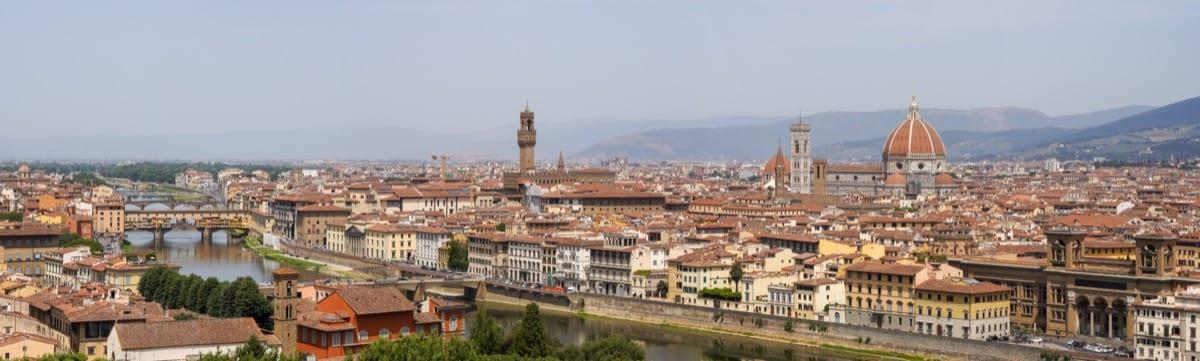
Florence is the cradle of the Italian Renaissance — Tuscany's regional capital, a UNESCO World Heritage City since 1982, and the city where Michelangelo's David, Botticelli's Birth of Venus, the Duomo, the Uffizi, and the Ponte Vecchio define an unrivalled concentration of cultural heritage. The city centre fits within a compact UNESCO buffer zone, with Centro Storico, Oltrarno (across the Arno), and the surrounding hills (San Miniato, Fiesole) anchoring the residential market. Population is 362,353 (city) / 714,000 (metro). Florence reached €4,737/m² in April 2026 (+5.43% YoY), with Centro Storico at €5,300/m² and Oltrarno/Historic Centre reaching €5,500-€6,000/m². Outer residential areas like Rifredi or Isolotto are €3,700-€3,900/m². Florence delivers Italy's strongest yield + heritage combination — gross rental yields ran 5.23-7.7% in Q3 2025 with city average 6.24%.
10 min read
Milan City Guide
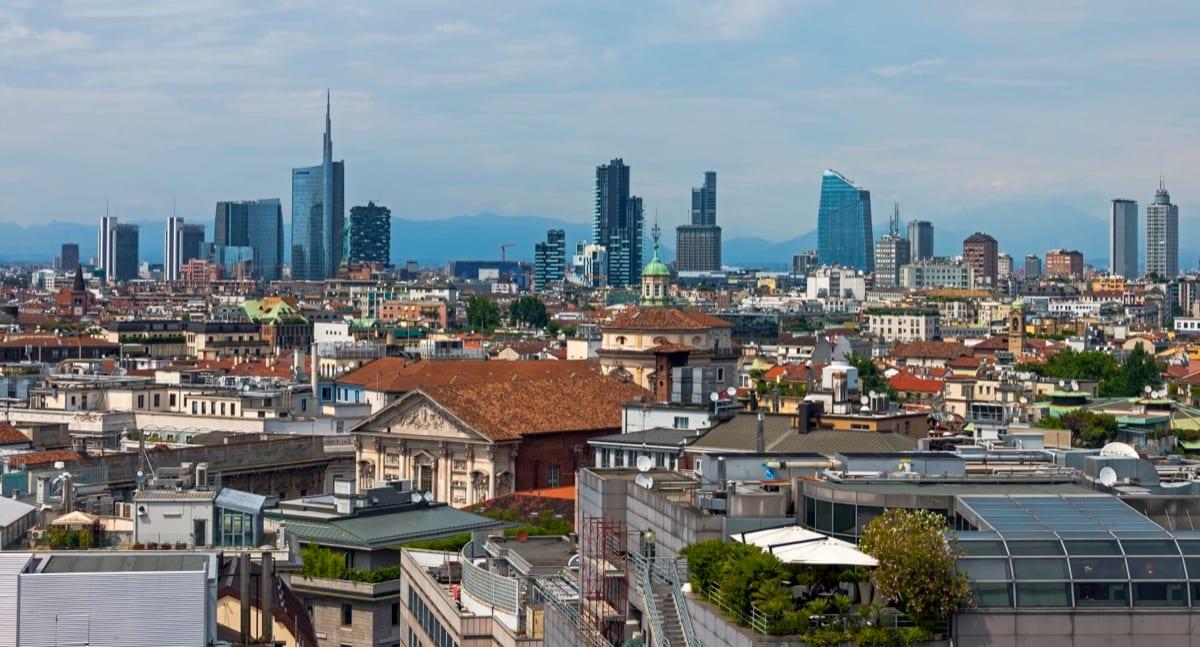
Milan is Italy's financial capital, fashion-and-design world centre, and the country's most expensive property market. Population is 1,362,863 (city) / 3,167,000 (metro). The city is anchored by the Duomo and the historic Centro Storico, the global luxury retail of the Quadrilatero d'Oro (Via Montenapoleone, Via della Spiga, Via Sant'Andrea), the art-and-design Brera district, and three landmark modern developments: Porta Nuova (Piazza Gae Aulenti and the Bosco Verticale vertical-forest skyscraper), CityLife (Hadid/Isozaki/Libeskind 'Three Towers' on the former Fiera grounds), and Garibaldi-Isola. Average property prices reached €5,188/m² in 2025 — the highest in Italy and roughly 50% above Rome's €3,759/m². Premium districts (Brera, Porta Nuova, CityLife) command €10,000+/m². Rental yields average 5.32% across the city. Milan captures a disproportionate share of Italy's HNW relocators using the renewed 2026 €300K Lump-Sum Tax regime.
10 min read
Naples City Guide
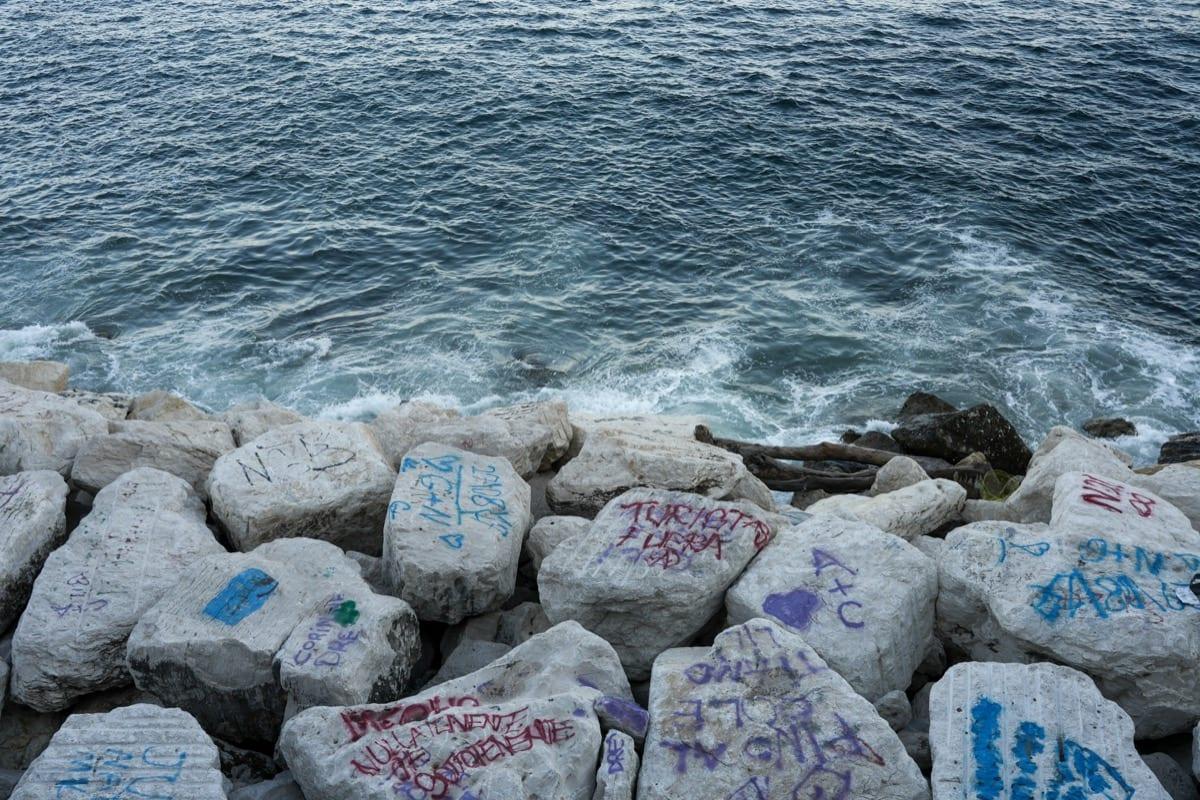
Naples is Italy's third-largest city and the cultural capital of Southern Italy — anchored by Mount Vesuvius, the Bay of Naples, Pompeii + Herculaneum, the UNESCO-listed historic centre (Italy's largest at 1,700 hectares), and the world's most celebrated pizza tradition. The city has emerged from decades of post-war stagnation into Italy's most-watched emerging real estate market: prices rose +8.5% YoY in April 2026 to €2,684/m² average, with Posillipo (prestige sea-view residential) at €5,345/m² and gentrifying areas like Barra/Ponticelli at €1,501/m². Gross rental yields are among Europe's highest — 7.27% city average with neighborhoods reaching 12.92% for value 1-bedroom apartments. Naples is increasingly attracting international remote workers, lifestyle buyers, and yield investors drawn by Italy's 2026 €300K Lump-Sum Tax and the city's value-pricing relative to Rome or Milan.
10 min read

Rome City Guide
Rome is the eternal city — 2,800 years of continuous habitation layered into a single urban fabric, from Imperial-era forums and Renaissance churches to fascist-era boulevards and post-war modernism. The city is divided into 22 historic rioni and 15 modern quartieri, each with distinct character and pricing. Centro Storico — the UNESCO-listed historic core — commands roughly €8,484/m² and the highest international-buyer share. Trastevere, Monti, Prati, and Testaccio anchor the next pricing tier. Across the city, average residential prices reached €3,759/m² in early 2026 (+6% YoY per Investropa), with gross rental yields ranging 3-8% depending on neighbourhood. Italy's national-level Imposta di Registro structure (2% prima casa or 9% non-prima-casa transfer tax) and the renewed 2026 €300K Lump-Sum Tax regime for HNW relocators support continued international buyer demand.
10 min read
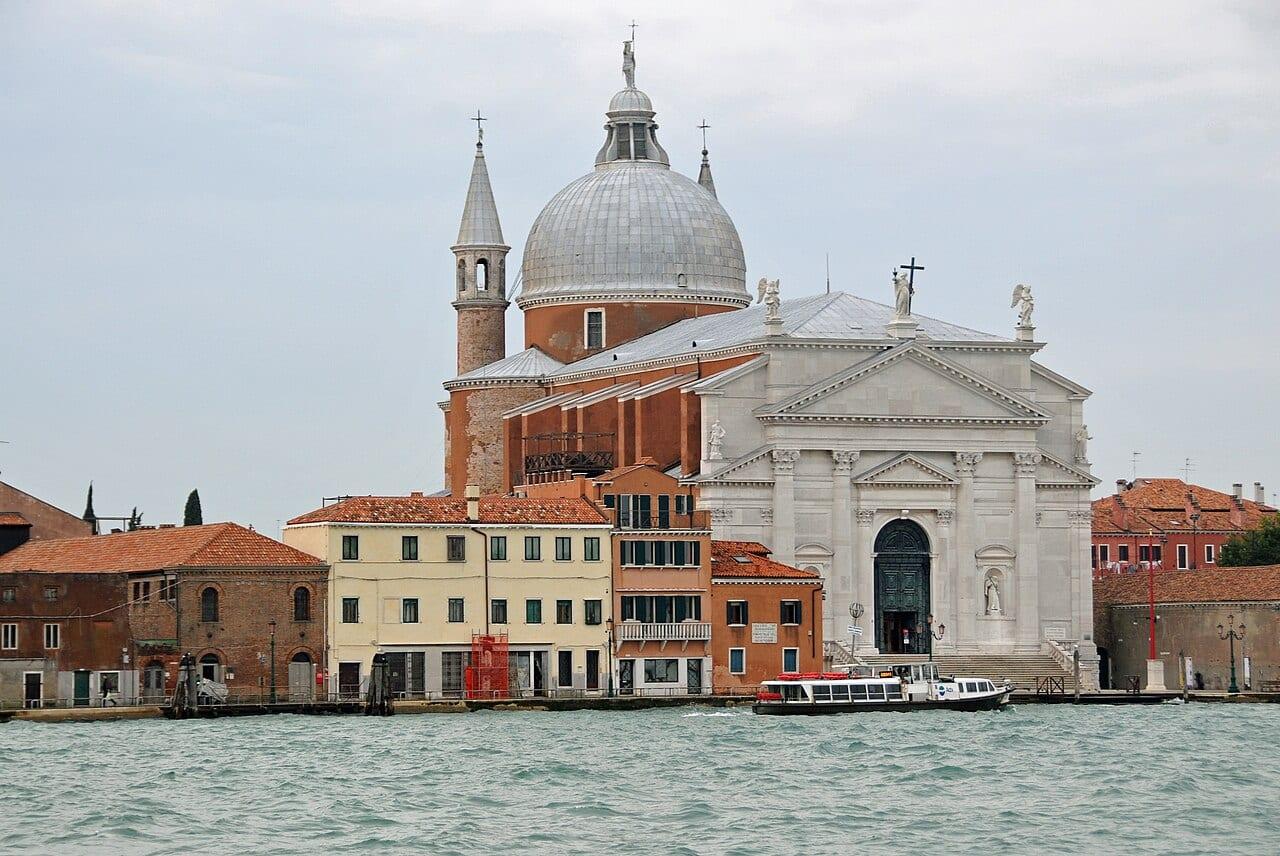
Venice City Guide
Venice is a property market like no other: a UNESCO-listed lagoon city of around 249,000 residents (less than 50,000 in the historic island core) where the near-total absence of new construction creates a structurally scarce supply of housing. That scarcity, combined with relentless global tourism and second-home demand, drives prices in the historic centre well above the Italian average: San Marco apartments range from 5,800 to 7,200 euros per square metre, while the citywide average reached roughly 4,800-4,900 euros/m2 in late 2025, up around 5% year-on-year. The market is sharply two-tiered: trophy lagoon apartments deliver modest long-let yields of 3.5-4.3% (Cannaregio near the Ghetto) but exceptional scarcity value, while the mainland districts of Mestre and Marghera offer entry prices as low as 1,400-2,000 euros/m2 and the strongest gross yields, around 4.5-5.5%, anchored by commuters, students and service workers. Tenant demand spans students, hospital and tourism staff, and a growing cohort of remote workers and expats. As a Eurozone city Venice offers currency and legal stability, but the risks are unusually specific: flood (acqua alta) exposure and the cost of maintaining historic island buildings, tightening short-term-rental and tourism regulation (including the day-tripper access fee), a shrinking resident population, and a flat-to-modest 12-month price outlook of roughly minus 3% to plus 5% for the historic centre.
7 min read
Neighborhood deep-dives
View all neighborhood guides →Bologna
Bolognina
A fast-gentrifying former working-class district north of the station, Bologna's value-growth play.
Bologna
Centro Storico
Bologna's porticoed medieval centre around Piazza Maggiore and the leaning Two Towers.
Bologna
Santo Stefano
Bologna's most elegant district, around the Seven Churches complex and prestigious Strada Maggiore.
Florence
Campo di Marte
Florence's green, family-friendly residential district, better value, sporty, and free of the historic-centre's tourist and STR pressures.
Florence
Centro Storico / Duomo
The Renaissance core, globally iconic, fully walkable, and Florence's most prestigious (and protected) address.
Florence
Oltrarno – Santo Spirito
Florence's artisan left bank, bohemian, food-led and authentic, with Pitti Palace and Boboli on the doorstep.
Florence
San Marco / SS Annunziata
Florence's cultured academic quarter, home to the David, the university and a calm, scholarly daily life.
Florence
San Niccolò
A tucked-away riverside village beneath Piazzale Michelangelo, quietly chic, green and central.
How INTRIC Supports Your
Italy Investment
INTRIC does not sell property. INTRIC helps members make better decisions before committing capital.