Bulgaria Property Market for Overseas Buyers
Weekly alert
Be the first when Bulgaria listings go live
Pick a budget and we email you the week a new listing in Bulgaria is published. One email, six at most, nothing until then.
Also in Europe
Where buyers are looking now
All listings
Bulgaria
The property market in Bulgaria for overseas buyers: market figures, city guides and the INTRIC buying guide, with listings as they are published.
Also in the region: Property for sale in Portugal, Property for sale in Spain, Property for sale in France, Property for sale in Italy, Property for sale in Germany, Property for sale in the UK, Property for sale in Greece, Property for sale in Cyprus, Property for sale in Croatia, Property for sale in Montenegro, Property for sale in Albania, Property for sale in Switzerland, Property for sale in Poland, Property for sale in Czechia, Property for sale in Romania
Buying property in Bulgaria: questions buyers ask
Can foreigners buy property in Bulgaria?
Yes. EU and EEA citizens buy any property in their own name. Non-EU citizens can buy apartments directly but cannot own land, so houses, villas and plots go through a Bulgarian single-shareholder company (EOOD) that you own 100%. Setting one up costs about €500 to €1,000, plus €300 to €600 a year for accounting.
What tax does an overseas buyer pay in Bulgaria?
A municipal transfer tax of 2% to 3% (3% in Sofia, Plovdiv, Varna and Burgas), notary fees of 0.4% to 1.2% plus 20% VAT on the fee, and a 0.1% registry fee. Rental income is taxed at a flat 10%, with a 10% allowance for costs. The buying guide lists the rest.
Apartment or house in Bulgaria: how does ownership work?
Apartments are the simple route for non-EU buyers: you own the unit and a share of the building, with no separate land title. Houses, villas and plots need an EOOD, which means running a company with annual accounts. For this reason many overseas buyers choose apartments in Sofia, on the Black Sea coast or in Bansko.
Can a non-resident get a Bulgarian mortgage?
Yes, but it is slow. Several banks lend to non-residents with heavier paperwork and a lower loan-to-value than for residents, and many want you to visit in person. Bulgaria adopted the euro on 1 January 2026, so rates are moving towards eurozone levels. Many buyers pay cash, release equity at home, or use a developer plan, often 10% to 30% on reservation.
Is Bulgarian property a good investment in 2026?
Analysts forecast 5% to 10% price growth nationally in 2026 and 10% to 12% for Varna, Burgas and Plovdiv. Gross yields run 4% to 5.5% in Sofia and 5% to 7% on seasonal resort lets. Population decline limits long-run growth, so five-year gains are unlikely to exceed 25% to 30%. Capital at risk.
Does buying property in Bulgaria give residency?
No. The investor permanent residency route, reintroduced in 2023, takes government bonds, licensed funds or a job-creating company from about €512,000, but not property. Non-EU buyers otherwise apply for a long-stay D visa. The citizenship by investment programme ended in 2022.
Guides and insights
Buying in Bulgaria
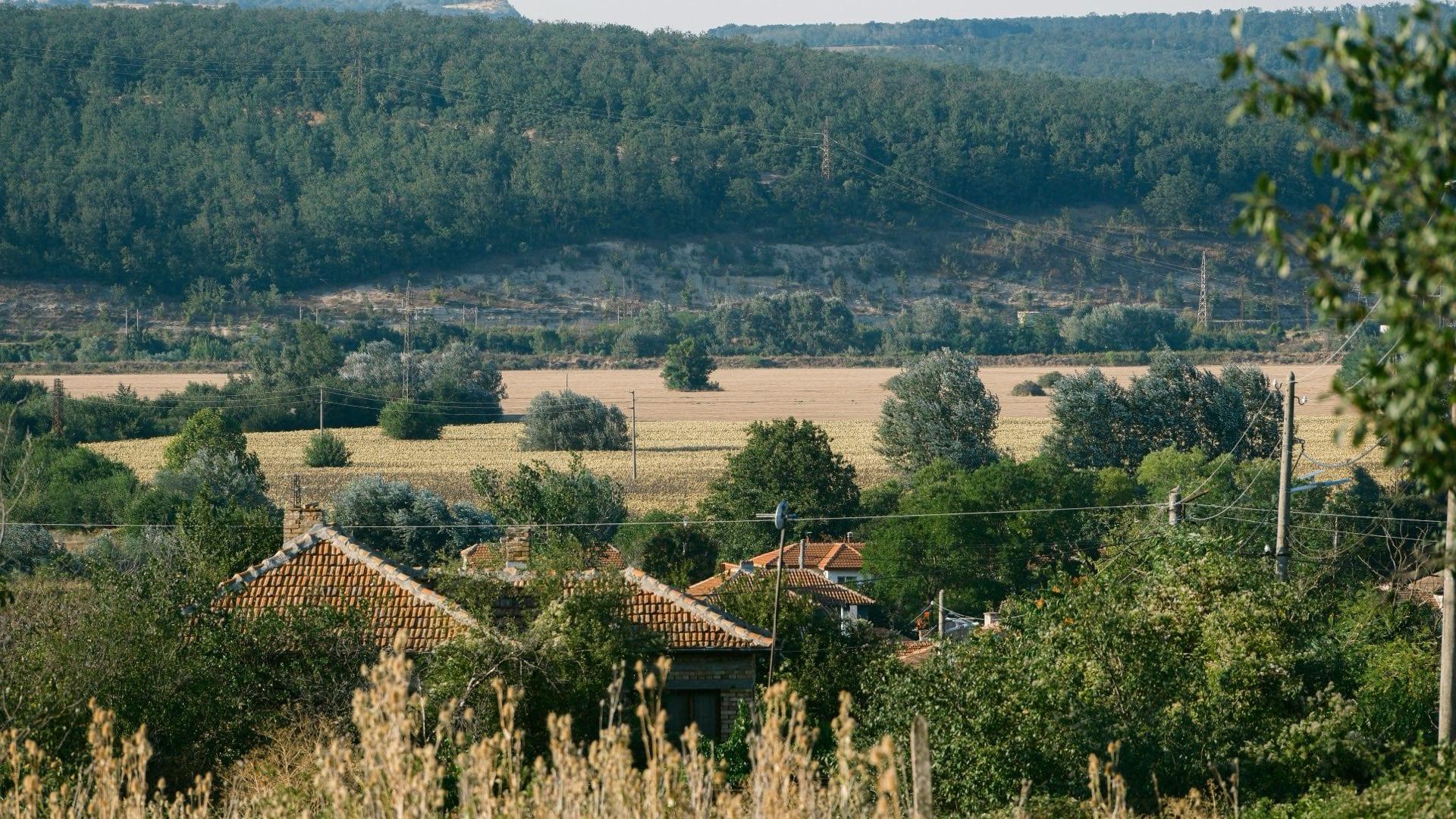 Country guide · 25 minBulgaria Investor GuideNavigate the EU's newest Eurozone member, low 10% flat taxes, Sofia tech-driven yields, and Black Sea lifestyle assets with currency stability finally locked inEU MemberEurozone (Jan 2026)10% Flat TaxRead the guide
Cities2 guides
All Bulgaria city guides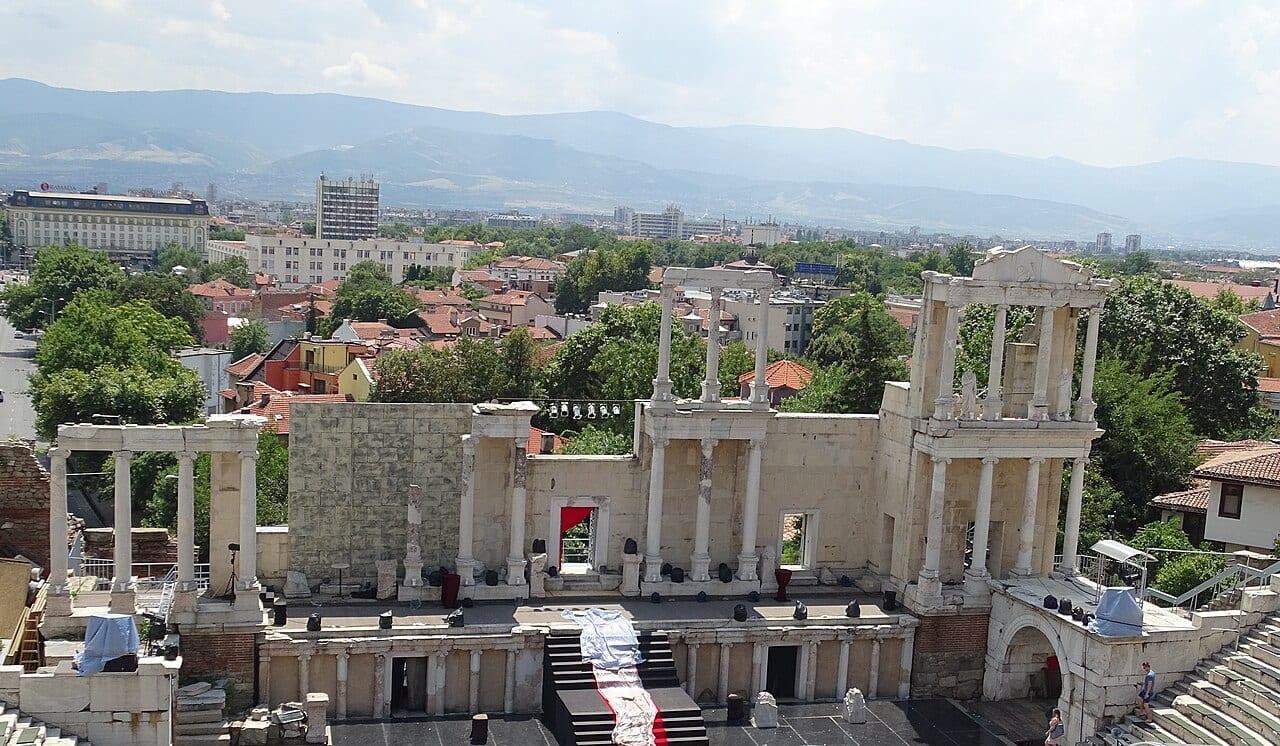 City guide · 8 minPlovdivPlovdiv is one of Europe's oldest continuously inhabited cities (~8,000 years) and a 2019 European Capital of Culture, Bulgaria's vibrant second city behind Sofia. It combines some of Europe's lowest entry prices with relatively high yields, drawing value-focused and cultural-tourism investors to its UNESCO-listed Old Town, Roman monuments and the creative Kapana district. Citywide prices average roughly €1,150–1,500/m² (city-centre €1,600–2,000/m²), up from ~€800/m² in 2020, and Bulgaria's January 2026 euro adoption has removed currency risk for eurozone buyers. For investors it is a low-cost, higher-yield European entry: gross yields run ~4.7–6.2%, strongest on new-builds and small units.
 City guide · 10 minSofiaSofia is Bulgaria's capital and largest city — population 1.24M (city) / 1.55M (metro) — and one of Europe's oldest continuously inhabited capitals (Thracian origins ~7000 BC). The city sits at the foot of Vitosha Mountain (2,290m) with a layered Roman + Byzantine + Ottoman + Soviet-era + post-1989 modern cityscape. Sofia hosts Bulgaria's government, central bank, the rapidly-growing technology cluster (Sofia Tech Park), and the country's professional-services + financial-services + manufacturing employment core. Average residential property prices reached €2,400/m² by January 2026 — roughly 60% cheaper than Lisbon at €5,500+/m². With Bulgaria's January 2026 Eurozone accession + 2024 Schengen membership + 2007 EU accession, Sofia is now a fully-integrated European capital at the EU's most affordable price point.