
Market Analysis

The Emerging Market Advantage: High-Growth Property Markets Offering 7-12% Yields in 2026

By Abhii Dabas
March 3, 2026
9 min read
Sign in·
The Emerging Market Advantage: High-Growth Property Markets Offering 7-12% Yields in 2026

Introduction

While mature real estate markets like London and New York offer rental yields of 3-4%, a select group of high-growth emerging markets are consistently delivering 7-12% returns backed by strong demographic fundamentals, regulatory reforms, and surging foreign demand. As global interest rates stabilize and investors seek yield beyond traditional safe havens, these markets are attracting record capital inflows. This analysis examines five high-growth property markets and the structural forces making them compelling investment destinations in 2026.

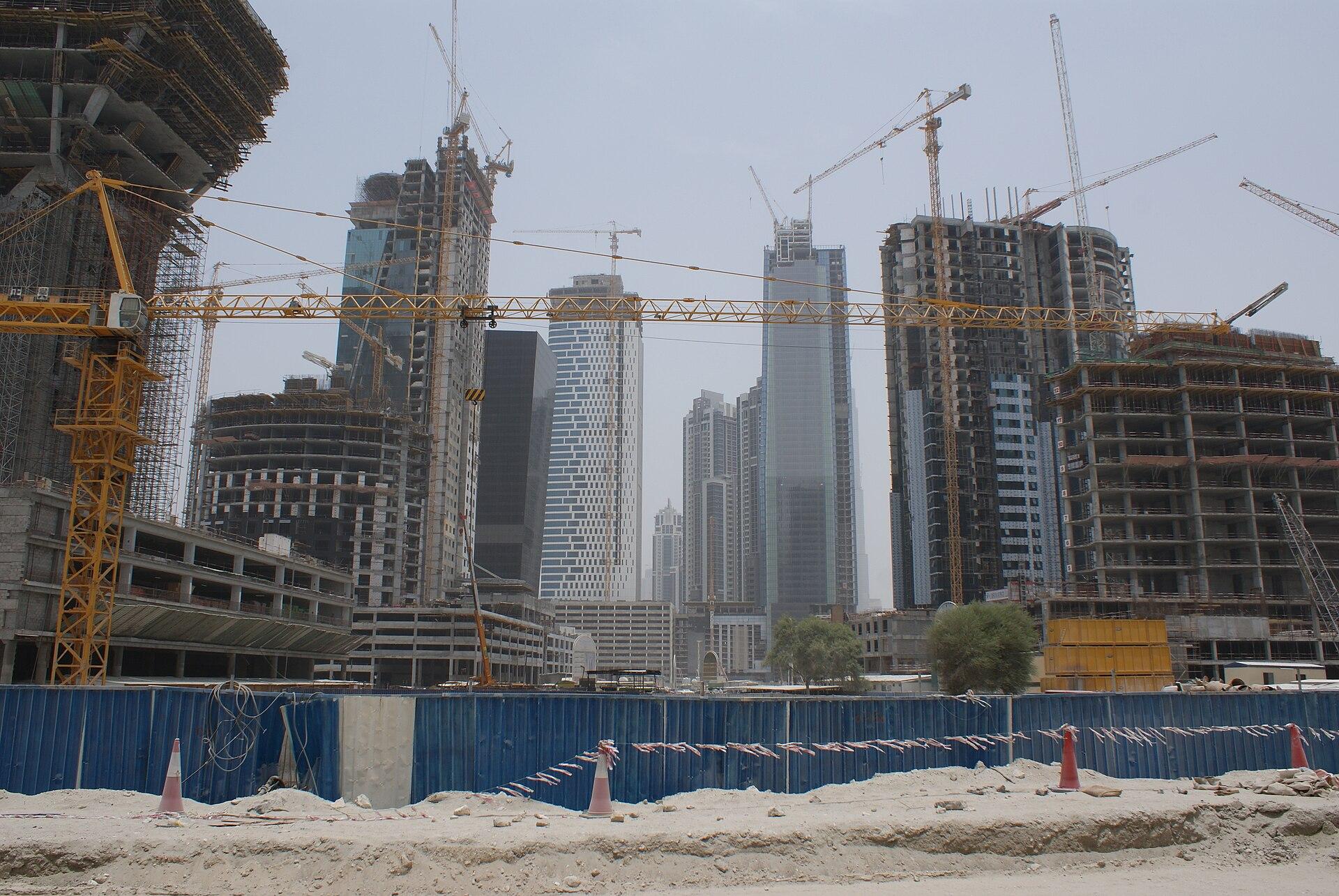
Dubai, UAE — The Yield-Growth Sweet Spot (6-8% Yields)

  • Market-Leading Yields:
    Dubai recorded average apartment rental yields of 7.12% in 2025, with mid-market segments reaching 7-8% and prime areas maintaining solid 5% returns. Savills ranked Dubai number one globally for prime residential capital value growth, with Knight Frank forecasting a further 3% price appreciation in 2026.
  • Controlled Supply Pipeline:
    While 120,000 new residential units were initially planned for 2026, construction delays are expected to reduce actual deliveries to 60,000-70,000 units — maintaining favorable supply-demand dynamics. Combined with sustained population growth from professional immigration, the structural undersupply supports continued rental and capital growth.
  • Zero Currency Risk for USD Investors:
    The UAE dirham's peg to the US dollar eliminates foreign exchange risk entirely for dollar-denominated investors. Combined with zero income tax, zero capital gains tax, and a transparent regulatory framework, Dubai offers one of the most investor-friendly environments globally.

Bali, Indonesia — Tourism-Driven High Yield (7-12% Yields)

  • Record Tourism Driving Demand:
    Bali welcomed a record-breaking 7 million international visitors in 2025, fueling unprecedented demand for short-term rental properties. BKPM data shows 72.1% of all Indonesia's foreign property investment is now concentrated in Bali, reflecting the island's outsized appeal.
  • Exceptional Yield Potential:
    Average rental yields across Bali range from 7-12%, with prime micro-locations in Canggu, Berawa, and Uluwatu achieving yields of 18-20% for well-managed short-term rental properties. The combination of low acquisition costs and high nightly rates creates compelling cash-on-cash returns.
  • Foreign Ownership Pathways:
    Foreign investors can access the Bali market through leasehold structures (25-30 years, renewable) or via PT PMA foreign-owned company entities offering leasehold rights of up to 80 years. New 2026 short-term rental regulations are tightening enforcement, which should benefit compliant operators by reducing unlicensed competition.

Tbilisi, Georgia — Europe's Hidden Gem (9-10% Yields)

  • Strong Price Momentum:
    Tbilisi property prices rose 11% year-over-year in early 2025, with average new apartment prices at USD 1,330 per square meter — a fraction of comparable European capitals. TBC Capital forecasts 3.2% price growth and 4.5% market volume growth in 2026, indicating a market still in its expansion phase.
  • Investor-Friendly Regime:
    Georgia places no restrictions on foreign property ownership, offers a flat 1% property tax rate, and maintains one of the most business-friendly regulatory environments in the region. Rental yields in central Tbilisi average 9-10%, driven by a growing expatriate and digital nomad community.
  • Residency Through Investment:
    The minimum qualifying property investment for a Georgian residence permit has increased to USD 150,000 effective March 2026 — up from USD 100,000 — signaling growing demand and government confidence in the market. Early investors benefit from both yield and potential residency pathways.

Ones to Watch: Vietnam and Kenya

  • Vietnam — Manufacturing Boom Tailwinds:
    Vietnam's economy continues to benefit from global manufacturing relocation, driving rapid urbanization and housing demand in Ho Chi Minh City and Hanoi. The emerging middle class is expanding at one of the fastest rates in Asia, creating sustained demand for both residential and commercial property. Forecasts point to compound annual growth rates of 7-10% in key urban markets.
  • Kenya — Africa's Investment Gateway:
    Nairobi's young, rapidly expanding population is driving residential and mixed-use development at scale. As East Africa's financial hub, Kenya attracts institutional capital seeking exposure to the continent's growth story. Rental yields of 7-9% in Nairobi's prime neighborhoods, combined with improving infrastructure and a maturing mortgage market, make Kenya an increasingly compelling destination for cross-border investors.

Managing Emerging Market Risk

  • Regulatory and Legal Risk:
    Emerging markets carry inherently higher regulatory risk. Foreign ownership laws, tax treatment, and repatriation rules can change with limited notice. Investors should engage qualified local counsel and structure investments through appropriate legal vehicles.
  • Liquidity and Exit Planning:
    Unlike London or Dubai, some emerging markets have thinner resale markets. Investors should plan for hold periods of 5-7 years minimum and ensure exit strategy clarity before committing capital. Rental income should be the primary return driver, with capital appreciation as upside.
  • Operational Complexity:
    Managing properties across emerging markets requires reliable local partners for tenant management, maintenance, and regulatory compliance. Investors should factor management fees of 15-25% into yield calculations and prioritize markets with established property management infrastructure.

Conclusion

The yield premium offered by emerging property markets is not a mirage — it is underpinned by real demographic growth, structural housing shortages, and regulatory frameworks increasingly designed to attract foreign investment. For investors willing to look beyond traditional markets and accept manageable additional complexity, the current window offers compelling risk-adjusted returns. The key is diversification across multiple emerging markets, robust local partnerships, and a disciplined focus on cash-flow-positive investments.

This content is AI-generated and may contain errors. Figures are indicative and subject to change. Do your own due diligence and seek independent legal and financial advice.

Author
Abhii Dabas
Abhii DabasFounder & CEO, INTRIC Global

Abhii Dabas is the Founder and CEO of INTRIC Global, the cross-border property intelligence platform for serious investors. He advises high-net-worth buyers on international real estate strategy and has evaluated residential markets across more than 40 countries.

Share this article

Share this insight with others

Share

Share this article with others

Found this useful? Send it to someone who should read it.

Share

Continue with INTRIC

Where to go next

China's 35-Month Decline and Hong Kong's Recovery: Why "China Property" Is Not One Trade

Read next · Market Analysis

China's 35-Month Decline and Hong Kong's Recovery: Why "China Property" Is Not One Trade

Membership and partnership approval required. Property availability and exclusive access subject to membership tier and KYC/AML checks.

Copyright © 2026 INTRIC. All Rights Reserved.