
Investment Strategy

The Great Capital Rotation: Why Cross-Border Real Estate Investment Is Entering a New Growth Cycle

By Abhii Dabas
February 10, 2026
8 min read
Sign in·
The Great Capital Rotation: Why Cross-Border Real Estate Investment Is Entering a New Growth Cycle

Introduction

Global cross-border real estate investment surged 25% year-over-year in 2025, signaling a decisive shift in how capital moves across borders. With pension fund reforms worldwide accelerating diversification into alternative assets, structural housing shortages in key European cities, and Asia-Pacific markets drawing record foreign inflows, 2026 is shaping up to be a pivotal year for international property investors. This article maps where the money is flowing and why the current cycle favors strategic cross-border allocation.

The New Capital Landscape

  • Record Capital Flows:
    Global real estate markets reached USD 4.34 trillion in transaction volume in 2025, with cross-border deals up 25% year-over-year. Projections indicate the market will hit USD 4.58 trillion in 2026 and exceed USD 7 trillion by 2034, driven by institutional capital seeking inflation-hedged returns.
  • Pension Fund Realignment:
    Pension funds globally are now allocating 30-50% of portfolios to alternative investments, with real estate commanding the largest share. Australian and Canadian pension funds are leading the charge, diversifying aggressively into European and Asia-Pacific residential markets in search of stable, long-duration yield.
  • Living Sector Dominance:
    The living and residential sector saw transaction volumes rise 24% in 2025, with global living investment forecast to surpass USD 250 billion in 2026. Multifamily, build-to-rent, and student housing are attracting capital that previously flowed into commercial office space.

Where Capital Is Flowing in 2026

  • Tokyo — The Consistent Leader:
    Tokyo has remained the number one city for cross-border real estate investment for seven consecutive years. Over 27% of all Japan property purchases are now made by international investors, with 20-40% of new apartment sales going to foreign buyers. The weak yen continues to create favorable entry points for dollar-denominated investors, while rental yields in central wards average 4.2-5.5%.
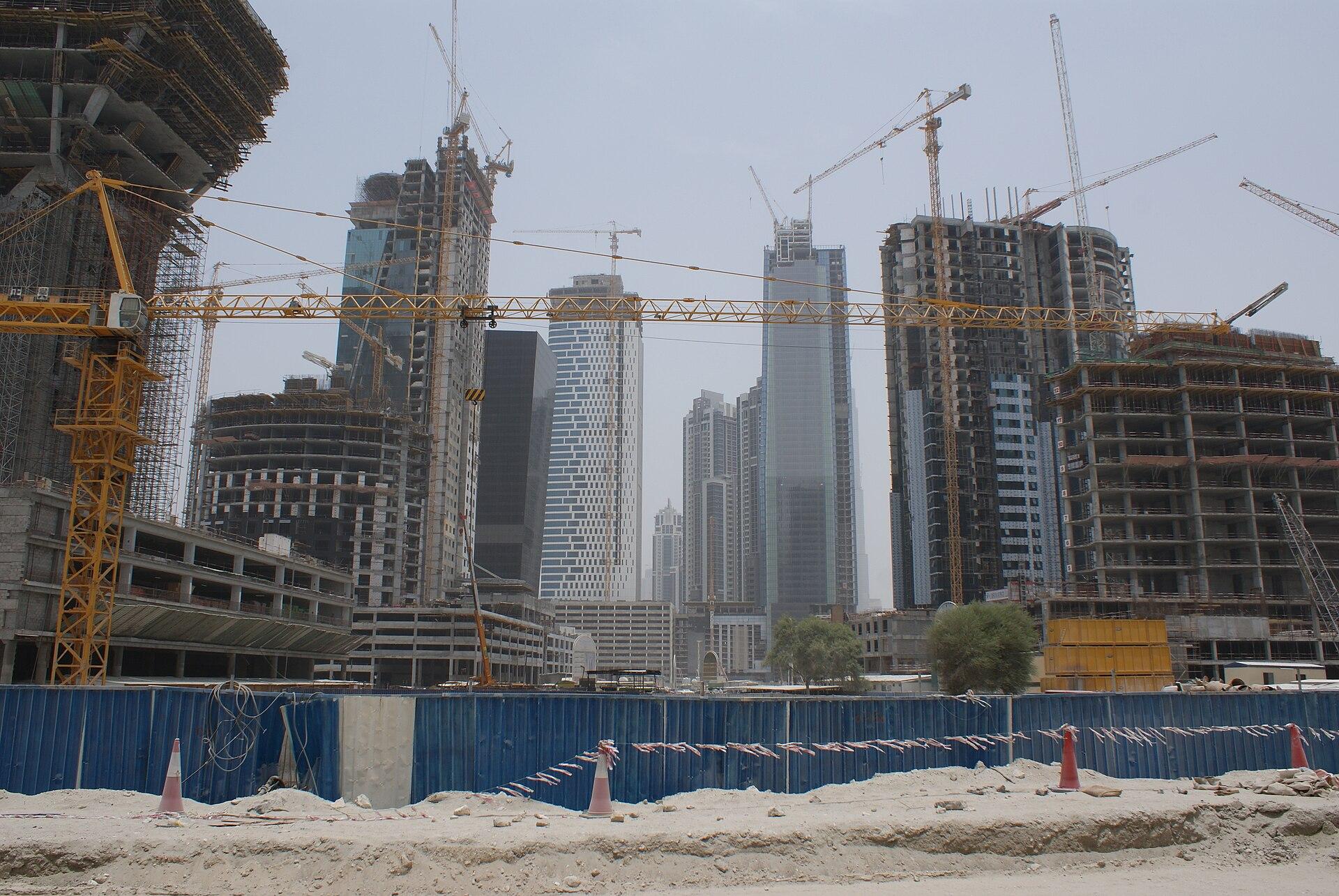
  • Dubai — Yield and Growth Combined:
    Dubai recorded average apartment rental yields of 7.12% in 2025, with mid-market segments hitting 7-8%. Savills ranked Dubai number one globally for prime residential capital value growth. Knight Frank forecasts a further 3% prime price growth in 2026, supported by population growth, a dollar-pegged currency eliminating FX risk, and controlled new supply of 60,000-70,000 units against strong demand.
  • United Kingdom — Regional Renaissance:
    Savills forecasts 13.6% cumulative London property price growth from 2026 to 2030, but the real opportunity lies in regional cities like Manchester, Birmingham, and Leeds, where rental yields of 6-8% significantly outperform the capital. The UK remains the largest European destination for cross-border residential capital.
  • France — Structural Undersupply:
    France has emerged as a top-five destination for international residential investment, driven by structural housing shortages in Paris, Lyon, and Toulouse. With construction completions running 30% below pre-pandemic levels and mortgage rates stabilizing near 3.5%, the supply-demand imbalance is creating sustained price appreciation in urban cores.

Strategic Positioning for Cross-Border Investors

  • The Diversification Imperative:
    Concentrated single-market portfolios underperformed diversified cross-border portfolios by an average of 2.8 percentage points annually over the past five years. Investors should target a minimum of three geographic markets with low correlation to maximize risk-adjusted returns.
  • Currency as a Return Driver:
    With the Japanese yen near multi-decade lows and several emerging market currencies trading at attractive discounts, currency positioning has become a meaningful component of total returns. Dollar-pegged markets like the UAE offer stability, while undervalued currencies present upside for patient investors willing to manage FX exposure.
  • Residential Over Commercial:
    European apartments are forecast by Hines Research to deliver the highest five-year price growth across all European property types. Investors should consider overweighting residential allocations, particularly in markets with favorable rental regulation and strong demographic tailwinds.

Risk Factors to Monitor

  • Regulatory Complexity:
    Cross-border investment requires navigating diverse regulatory frameworks, from foreign ownership restrictions in Southeast Asia to evolving tax treaties in Europe. Investors must account for withholding taxes, stamp duties, and potential capital controls when modeling returns.
  • Geopolitical Uncertainty:
    Trade tensions, election cycles, and shifting diplomatic relationships can impact capital flows rapidly. Maintaining portfolio flexibility and avoiding over-concentration in politically sensitive corridors is essential for managing downside risk.
  • Liquidity Considerations:
    Not all markets offer equal liquidity for exit. Tokyo, London, and Dubai provide deep buyer pools and transaction infrastructure, while smaller markets may require longer hold periods. Aligning investment horizons with market liquidity profiles is critical.

Conclusion

The great capital rotation of 2026 represents a structural shift, not a cyclical blip. Institutional capital is permanently reallocating toward international real estate, driven by the search for yield, inflation protection, and portfolio diversification. For individual investors, the window to align with these flows — particularly in high-growth markets like Dubai, Tokyo, and regional UK cities — is open now. Success will depend on geographic diversification, currency awareness, and working with platforms that provide transparent access to vetted cross-border opportunities.

This content is AI-generated and may contain errors. Figures are indicative and subject to change. Do your own due diligence and seek independent legal and financial advice.

Author
Abhii Dabas
Abhii DabasFounder & CEO, INTRIC Global

Abhii Dabas is the Founder and CEO of INTRIC Global, the cross-border property intelligence platform for serious investors. He advises high-net-worth buyers on international real estate strategy and has evaluated residential markets across more than 40 countries.

Share this article

Share this insight with others

Share

Share this article with others

Found this useful? Send it to someone who should read it.

Share

Continue with INTRIC

Where to go next

Cross-Border Property Tax Guide for Singapore, UAE, and UK-Based Investors in 2026

Read next · TAX & RESIDENCY

Cross-Border Property Tax Guide for Singapore, UAE, and UK-Based Investors in 2026

Membership and partnership approval required. Property availability and exclusive access subject to membership tier and KYC/AML checks.

Copyright © 2026 INTRIC. All Rights Reserved.