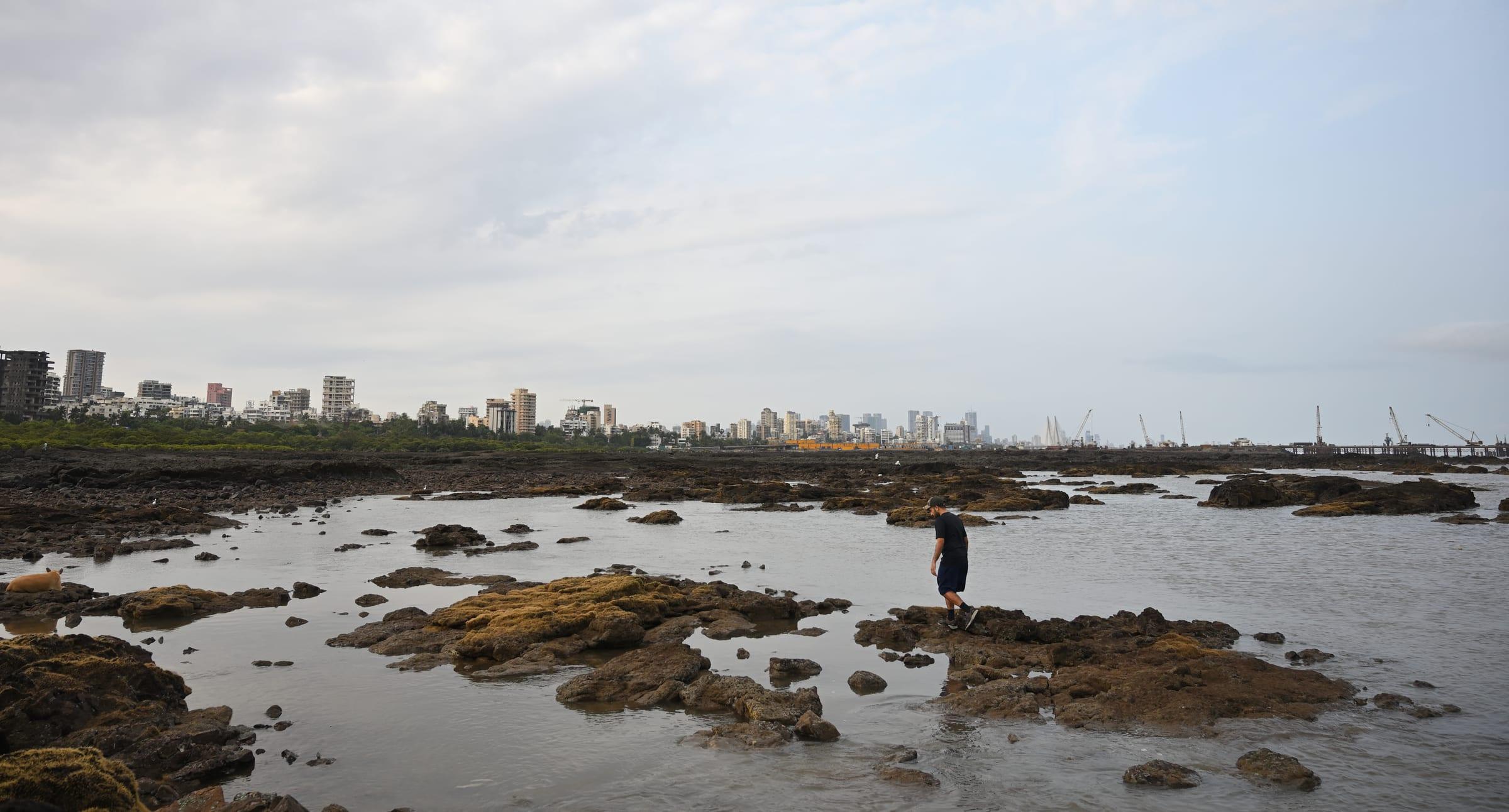
Singapore Investors Buying in Japan: The 2026 Guide to Tokyo and Osaka Property
Singapore citizens can buy property in Japan with no foreign ownership restrictions. Japan is one of the most open property markets in the world for foreign investors. There is no Golden Visa pathway through property. The weak yen has made 2026 the lowest SGD-denominated entry point into Japanese residential property in two decades. Net yields run 3 to 5% in Tokyo and 4 to 6% in Osaka.
Key takeaways
- 1Japan applies no foreign ownership restrictions. Singapore citizens own land and buildings freehold.
- 2The JPY to SGD exchange rate has moved by more than 30% in the past five years, creating an entry advantage that may compress as the yen recovers.
- 3There is no Golden Visa pathway in Japan. Property does not lead to residency.
- 4Japanese property management is professional, scalable, and reporting standards meet international audit grade.
- 5Tokyo prime central trades at JPY 1.5 to 2.5 million per sqm. Osaka equivalents trade 30 to 40% lower.
Introduction
Singapore citizens can buy property in Japan with no foreign ownership restrictions. Japan is one of the most open property markets in the world for foreign investors. There is no Golden Visa pathway through property. The weak yen has made 2026 the lowest SGD-denominated entry point into Japanese residential property in two decades. Net yields run 3 to 5% in Tokyo and 4 to 6% in Osaka.
Can Singapore citizens buy property in Japan without restrictions?
Singapore citizens can buy property in Japan with no foreign ownership restrictions. Japan is one of the most open property markets in the world. There is no minimum purchase price, no government approval requirement, and no residency or stay requirement. Foreign nationals can own both land and buildings freehold. The transaction is completed at a Japanese judicial scrivener (shiho-shoshi) office and registered with the Legal Affairs Bureau.
This contrasts with several other Asian markets. Singapore citizens buying in Thailand face the 49% foreign condominium quota and cannot own land. In the Philippines, foreigners can own condominiums but not land. In Indonesia, foreign ownership is structured through Hak Pakai or company holdings. Japan applies none of these constraints. The legal structure is straightforward.
What does the weak yen mean for Singapore investors buying in Japan in 2026?
The JPY to SGD rate has moved by more than 30% across the past five years, with the yen weakening significantly against most regional currencies. For a Singapore investor, this means a Tokyo apartment that cost SGD 800,000 in 2020 may be available for SGD 550,000 in 2026 at the same JPY purchase price. The currency entry advantage is real. The risk is that the same currency move can reverse when an investor wants to sell.
Currency exposure cuts both ways. A Singapore investor buying in 2026 at a favourable JPY rate locks in a low SGD entry cost. If the yen strengthens by 25% over the hold period, the property gains 25% in SGD terms before any capital appreciation in the underlying asset. If the yen continues to weaken, capital growth in JPY can be partially offset on remittance. The currency scenario should be modelled explicitly alongside the yield scenario.
“The yen position in 2026 is the most interesting currency window I have seen for Singapore capital entering Japan in twenty years. It does not mean every Tokyo asset is a good investment. It means the entry cost is structurally lower than it has been for a generation.”
How do Tokyo and Osaka compare for capital appreciation potential?
Tokyo has already repriced significantly over the past decade, particularly in the central five wards (Chiyoda, Chuo, Minato, Shinjuku, Shibuya). Osaka has not. Tokyo prime central trades at JPY 1.5 to 2.5 million per sqm. Osaka equivalents trade 30 to 40% lower. The Osaka Expo effect, infrastructure investment for the integrated resort district, and population in-migration support a stronger forward growth thesis in Osaka than in Tokyo for the 2026 to 2030 period.
Tokyo remains the safer asset choice for Singapore investors prioritising capital preservation and liquid resale market. Osaka offers higher gross yield and higher upside if the Expo and IR thesis materialises, with correspondingly higher execution risk. Most Intric members investing in Japan hold both: a Tokyo asset for stability and an Osaka asset for growth optionality.
| Market | Price (JPY/sqm) | Gross yield | Capital outlook | Mgmt depth |
|---|---|---|---|---|
| Tokyo Central 5 | 1.5-2.5m | 3.5-4.5% | Stable + steady | Excellent |
| Tokyo Outer | 0.8-1.4m | 4.5-5.5% | Steady | Excellent |
| Osaka Central | 0.9-1.4m | 4.5-6.0% | Upside thesis | Strong |
| Sapporo | 0.4-0.7m | 5.5-7.0% | Niche thesis | Adequate |
How do you manage Japanese property remotely from Singapore?
Japanese professional property management operates at international audit standards. Singapore-based investors typically engage a Japanese property management firm that handles tenant acquisition, rent collection, lease renewals, maintenance, and quarterly reporting in English. Management fees run 5 to 8% of gross rental income, which is materially lower than equivalent services in Thailand or the Philippines. Reporting is monthly and standardised.
Rental income is paid to the property manager's account in Japan, then remitted to the investor's home country bank account on a monthly or quarterly schedule. Japanese banks apply non-resident landlord withholding tax of 20.42% before remittance unless the investor structures rental collection through a Japan-based corporate vehicle. Most Singapore-based individual investors accept the withholding and credit it against Singapore tax on the income.
What is the realistic net yield from Japanese residential property?
Net yield from Japanese residential property after management, voids, withholding tax, and currency conversion typically runs 2.5 to 4% in Tokyo central, 3.5 to 4.5% in Tokyo outer, and 3.5 to 5% in Osaka central, all in SGD terms. The gap between gross and net yield is smaller in Japan than in higher-yield Southeast Asian markets because management infrastructure is better and voids are shorter. Japanese tenants typically sign two-year leases and renew.
Tenant turnover in Japan is lower than in most Asian markets because of cultural preference for stability and the upfront cost of moving (key money, agency fees, two months deposit). For a Singapore investor, this translates to predictable rental income and minimal void cost. The trade-off is that vacant unit re-letting is slower than in faster-turnover markets. Plan for 3 to 6 weeks of marketing time on any unit that becomes vacant.
Why doesn't Japan offer a Golden Visa and does that matter?
Japan does not offer a residency-by-investment programme through property purchase. Long-term residency in Japan is earned through employment, family ties, or the Highly Skilled Professional visa, none of which are property-linked. For Singapore investors prioritising residency optionality, Japan is the wrong market. For investors prioritising capital appreciation and yield from a stable jurisdiction, the absence of a Golden Visa is irrelevant.
The absence of a Golden Visa pathway has kept retail and speculative foreign investor competition lower in Japanese residential property than in markets with active residency programmes like Portugal, Greece, and the UAE. This contributes to the lower price points and more orderly market conditions Japan offers. For Singapore investors who do not need residency, the Japanese market is structurally less crowded.
“Singapore investors often ask whether the lack of a Golden Visa in Japan is a disadvantage. For investors optimising for residency, yes. For investors optimising for asset quality, regulatory stability, and capital safety, the absence of speculative residency demand is part of why Japanese property is the well-priced asset it is.”
Frequently asked questions
Do Singapore citizens need approval to buy property in Japan?+
Does buying property in Japan provide a residency pathway?+
What is the Japanese withholding tax on rental income for non-residents?+
Is Tokyo or Osaka the better market for Singapore investors in 2026?+
Does Intric list Japanese properties for Singapore-based investors?+

Abhii Dabas is the Founder and CEO of INTRIC Global, the cross-border property intelligence platform for serious investors. He advises high-net-worth buyers on international real estate strategy and has evaluated residential markets across more than 40 countries.
Share
Share this article with others
Singapore citizens can buy property in Japan with no foreign ownership restrictions. Japan is one of the most open property markets in the world for foreign investors. There is no Golden Visa pathway through property. The weak yen has made 2026 the lowest SGD-denominated entry point into Japanese residential property in two decades. Net yields run 3 to 5% in Tokyo and 4 to 6% in Osaka.
Key takeaways
- 1Japan applies no foreign ownership restrictions. Singapore citizens own land and buildings freehold.
- 2The JPY to SGD exchange rate has moved by more than 30% in the past five years, creating an entry advantage that may compress as the yen recovers.
- 3There is no Golden Visa pathway in Japan. Property does not lead to residency.
- 4Japanese property management is professional, scalable, and reporting standards meet international audit grade.
- 5Tokyo prime central trades at JPY 1.5 to 2.5 million per sqm. Osaka equivalents trade 30 to 40% lower.
Introduction
Singapore citizens can buy property in Japan with no foreign ownership restrictions. Japan is one of the most open property markets in the world for foreign investors. There is no Golden Visa pathway through property. The weak yen has made 2026 the lowest SGD-denominated entry point into Japanese residential property in two decades. Net yields run 3 to 5% in Tokyo and 4 to 6% in Osaka.
Can Singapore citizens buy property in Japan without restrictions?
Singapore citizens can buy property in Japan with no foreign ownership restrictions. Japan is one of the most open property markets in the world. There is no minimum purchase price, no government approval requirement, and no residency or stay requirement. Foreign nationals can own both land and buildings freehold. The transaction is completed at a Japanese judicial scrivener (shiho-shoshi) office and registered with the Legal Affairs Bureau.
This contrasts with several other Asian markets. Singapore citizens buying in Thailand face the 49% foreign condominium quota and cannot own land. In the Philippines, foreigners can own condominiums but not land. In Indonesia, foreign ownership is structured through Hak Pakai or company holdings. Japan applies none of these constraints. The legal structure is straightforward.
What does the weak yen mean for Singapore investors buying in Japan in 2026?
The JPY to SGD rate has moved by more than 30% across the past five years, with the yen weakening significantly against most regional currencies. For a Singapore investor, this means a Tokyo apartment that cost SGD 800,000 in 2020 may be available for SGD 550,000 in 2026 at the same JPY purchase price. The currency entry advantage is real. The risk is that the same currency move can reverse when an investor wants to sell.
Currency exposure cuts both ways. A Singapore investor buying in 2026 at a favourable JPY rate locks in a low SGD entry cost. If the yen strengthens by 25% over the hold period, the property gains 25% in SGD terms before any capital appreciation in the underlying asset. If the yen continues to weaken, capital growth in JPY can be partially offset on remittance. The currency scenario should be modelled explicitly alongside the yield scenario.
“The yen position in 2026 is the most interesting currency window I have seen for Singapore capital entering Japan in twenty years. It does not mean every Tokyo asset is a good investment. It means the entry cost is structurally lower than it has been for a generation.”
How do Tokyo and Osaka compare for capital appreciation potential?
Tokyo has already repriced significantly over the past decade, particularly in the central five wards (Chiyoda, Chuo, Minato, Shinjuku, Shibuya). Osaka has not. Tokyo prime central trades at JPY 1.5 to 2.5 million per sqm. Osaka equivalents trade 30 to 40% lower. The Osaka Expo effect, infrastructure investment for the integrated resort district, and population in-migration support a stronger forward growth thesis in Osaka than in Tokyo for the 2026 to 2030 period.
Tokyo remains the safer asset choice for Singapore investors prioritising capital preservation and liquid resale market. Osaka offers higher gross yield and higher upside if the Expo and IR thesis materialises, with correspondingly higher execution risk. Most Intric members investing in Japan hold both: a Tokyo asset for stability and an Osaka asset for growth optionality.
| Market | Price (JPY/sqm) | Gross yield | Capital outlook | Mgmt depth |
|---|---|---|---|---|
| Tokyo Central 5 | 1.5-2.5m | 3.5-4.5% | Stable + steady | Excellent |
| Tokyo Outer | 0.8-1.4m | 4.5-5.5% | Steady | Excellent |
| Osaka Central | 0.9-1.4m | 4.5-6.0% | Upside thesis | Strong |
| Sapporo | 0.4-0.7m | 5.5-7.0% | Niche thesis | Adequate |
How do you manage Japanese property remotely from Singapore?
Japanese professional property management operates at international audit standards. Singapore-based investors typically engage a Japanese property management firm that handles tenant acquisition, rent collection, lease renewals, maintenance, and quarterly reporting in English. Management fees run 5 to 8% of gross rental income, which is materially lower than equivalent services in Thailand or the Philippines. Reporting is monthly and standardised.
Rental income is paid to the property manager's account in Japan, then remitted to the investor's home country bank account on a monthly or quarterly schedule. Japanese banks apply non-resident landlord withholding tax of 20.42% before remittance unless the investor structures rental collection through a Japan-based corporate vehicle. Most Singapore-based individual investors accept the withholding and credit it against Singapore tax on the income.
What is the realistic net yield from Japanese residential property?
Net yield from Japanese residential property after management, voids, withholding tax, and currency conversion typically runs 2.5 to 4% in Tokyo central, 3.5 to 4.5% in Tokyo outer, and 3.5 to 5% in Osaka central, all in SGD terms. The gap between gross and net yield is smaller in Japan than in higher-yield Southeast Asian markets because management infrastructure is better and voids are shorter. Japanese tenants typically sign two-year leases and renew.
Tenant turnover in Japan is lower than in most Asian markets because of cultural preference for stability and the upfront cost of moving (key money, agency fees, two months deposit). For a Singapore investor, this translates to predictable rental income and minimal void cost. The trade-off is that vacant unit re-letting is slower than in faster-turnover markets. Plan for 3 to 6 weeks of marketing time on any unit that becomes vacant.
Why doesn't Japan offer a Golden Visa and does that matter?
Japan does not offer a residency-by-investment programme through property purchase. Long-term residency in Japan is earned through employment, family ties, or the Highly Skilled Professional visa, none of which are property-linked. For Singapore investors prioritising residency optionality, Japan is the wrong market. For investors prioritising capital appreciation and yield from a stable jurisdiction, the absence of a Golden Visa is irrelevant.
The absence of a Golden Visa pathway has kept retail and speculative foreign investor competition lower in Japanese residential property than in markets with active residency programmes like Portugal, Greece, and the UAE. This contributes to the lower price points and more orderly market conditions Japan offers. For Singapore investors who do not need residency, the Japanese market is structurally less crowded.
“Singapore investors often ask whether the lack of a Golden Visa in Japan is a disadvantage. For investors optimising for residency, yes. For investors optimising for asset quality, regulatory stability, and capital safety, the absence of speculative residency demand is part of why Japanese property is the well-priced asset it is.”
Frequently asked questions
Do Singapore citizens need approval to buy property in Japan?+
Does buying property in Japan provide a residency pathway?+
What is the Japanese withholding tax on rental income for non-residents?+
Is Tokyo or Osaka the better market for Singapore investors in 2026?+
Does Intric list Japanese properties for Singapore-based investors?+
Sources
Abhii Dabas is the Founder and CEO of INTRIC Global, the cross-border property intelligence platform for serious investors. He advises high-net-worth buyers on international real estate strategy and has evaluated residential markets across more than 40 countries.
Share this article
Share this insight with others
Share
Share this article with others
Related Market Insights
View More Market Insights
Investment Guide
India's Luxury Real Estate Boom: NRI Capital, Branded Residences, and Record Mumbai Sales Are Redefining the Market in 2026
By Abhii Dabas · September 3, 2026

Investment Guide
Education-led Property in 2026
By Abhii Dabas · August 28, 2026
Investment Guide
Who Inherits Your Foreign Property: The Succession Rules That Override Your Will
By Abhii Dabas · July 31, 2026
Found this useful? Send it to someone who should read it.
Continue with INTRIC