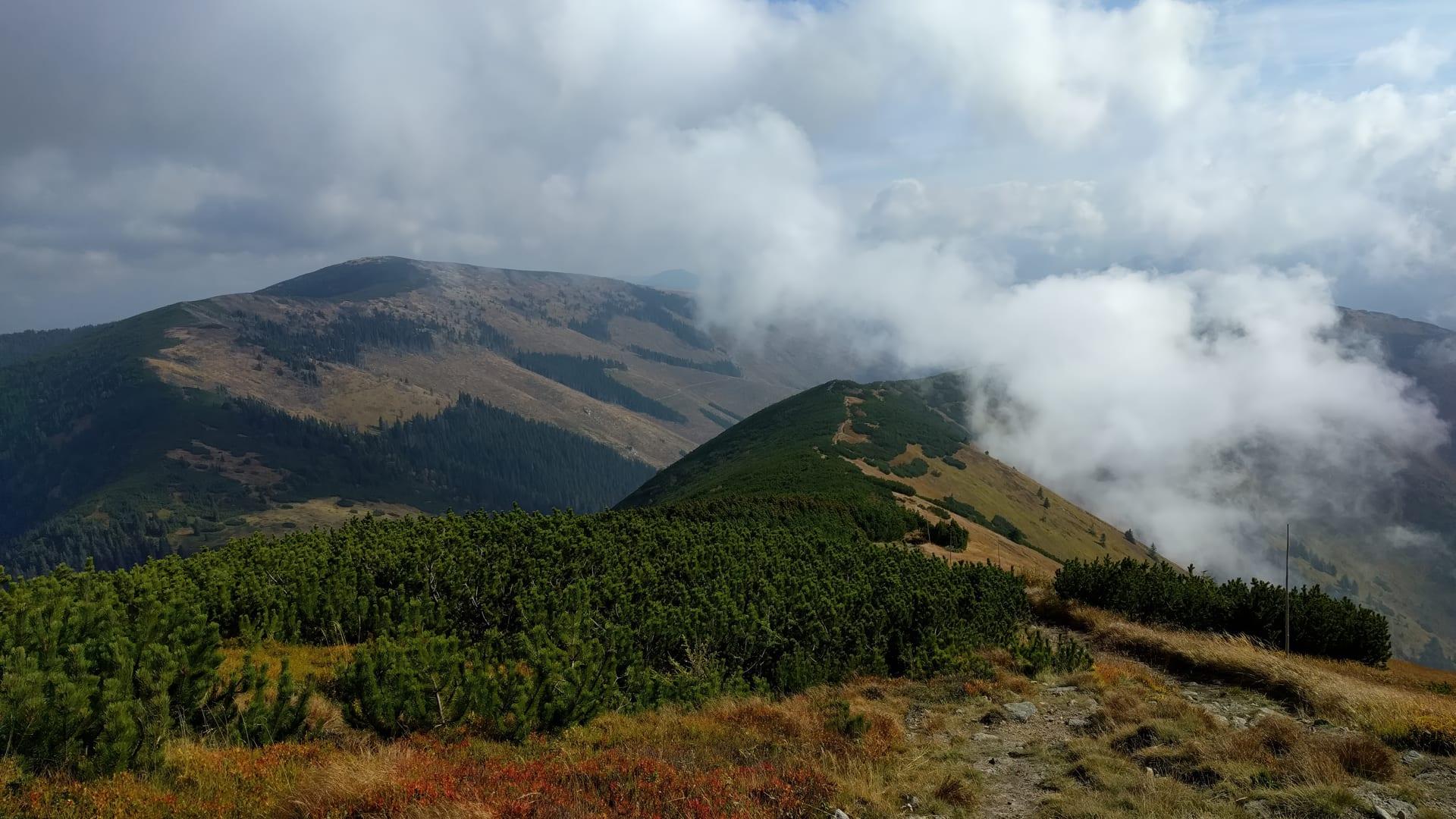
Slovakia Investor Guide

Eurozone access without transfer tax -- Slovakia's small but stable market offers EU stability, low transaction costs, and exposure to Bratislava's capital-city economy and Košice's industrial growth corridor

Mis à jour le 18 mai 2026Intermédiaire22 min de lecture

Hausse des prix
14.4%
Sur un an · sept. 2026
Droits de mutation
0.0%
Devise
EUR

Aperçu du marché

Slovakia is a small, open, EU- and Eurozone-integrated economy with manufacturing exports (notably automotive -- highest per-capita car production globally) as its backbone. Growth has slowed -- the National Bank of Slovakia and European Commission forecast 0.8% GDP growth for 2025 and approximately 1.0% for 2026, weighed down by fiscal consolidation, a VAT increase, and weaker external demand. Inflation remains stubborn at 4.1-4.2%, among the highest in the Eurozone. Property fundamentals are supported by structural housing undersupply, EUR-denominated mortgages, and zero transfer tax, but capital growth is expected to be steady rather than spectacular.

Pays
Slovakia
Devise
EUR
Population
5.4 million (stable, mild aging trend)
Croissance du PIB
0.8% (2025); 1.0% projected (2026, European Commission)
Inflation
4.2% (2025); 4.1% projected (2026) -- elevated due to VAT hike, sugary-drinks tax, and wage growth

Secteurs clés

  • Automotive Manufacturing (Volkswagen, Kia, Stellantis, Jaguar Land Rover, Volvo)
  • IT & Shared Service Centres (IBM, Dell, Amazon)
  • Steel & Heavy Industry (US Steel Košice)
  • Tourism (High Tatras, Bratislava city breaks)
  • Energy & Logistics

Restrictions

Foreign Ownership Rights (EU vs Non-EU Asymmetry)

Ouvert

Slovakia operates a two-tier ownership regime that depends on citizenship and property type. EU/EEA/Swiss citizens have fully equal rights to Slovak nationals -- no restrictions, no permits, no quotas. Non-EU citizens can freely purchase residential, commercial, and urban property, but face restrictions on agricultural and forest land under Act No. 140/2014. The agricultural-land regime applies a reciprocity principle: a buyer from a country that does not permit Slovaks to acquire equivalent land is generally barred from acquiring it themselves. Non-EU buyers commonly use a Slovak s.r.o. (limited liability company) structure to acquire agricultural assets where this is permissible.

  • EU/EEA/Swiss citizens: zero restrictions on any property type, including agricultural and forest land
  • Non-EU citizens: free purchase of residential, commercial, and urban land (no permit required since the 2004 EU-accession amendments)
  • Non-EU citizens: restricted from direct acquisition of agricultural and forest land under Act No. 140/2014 (reciprocity principle)
  • Slovak s.r.o. structures owned by non-EU shareholders can typically hold agricultural land where direct personal ownership is restricted
  • No minimum investment amount for property purchase
  • No restriction on the number of properties owned
  • Property ownership does NOT grant Slovak residency -- no Golden Visa programme exists
  • Cadastre registration is the legally effective moment of ownership transfer, not contract signature
Accédez au guide complet. C’est gratuit.

Vous avez lu l’aperçu. 8 sections supplémentaires sont ouvertes aux membres Explorer, immédiatement, avec une simple adresse e-mail.

Aucun spam, aucun mot de passe, désabonnement à tout moment.

Déjà membre ? Se connecter

  • Taxes et frais
  • Conditions requises
  • Étapes d'achat
  • Types de biens
  • Moteurs d'investissement
  • Tendances du marché
  • Visa et résidence
  • Financement

Figures are indicative and subject to change. Regulations, taxes and market conditions vary by jurisdiction. Do your own due diligence and seek independent legal and financial advice.