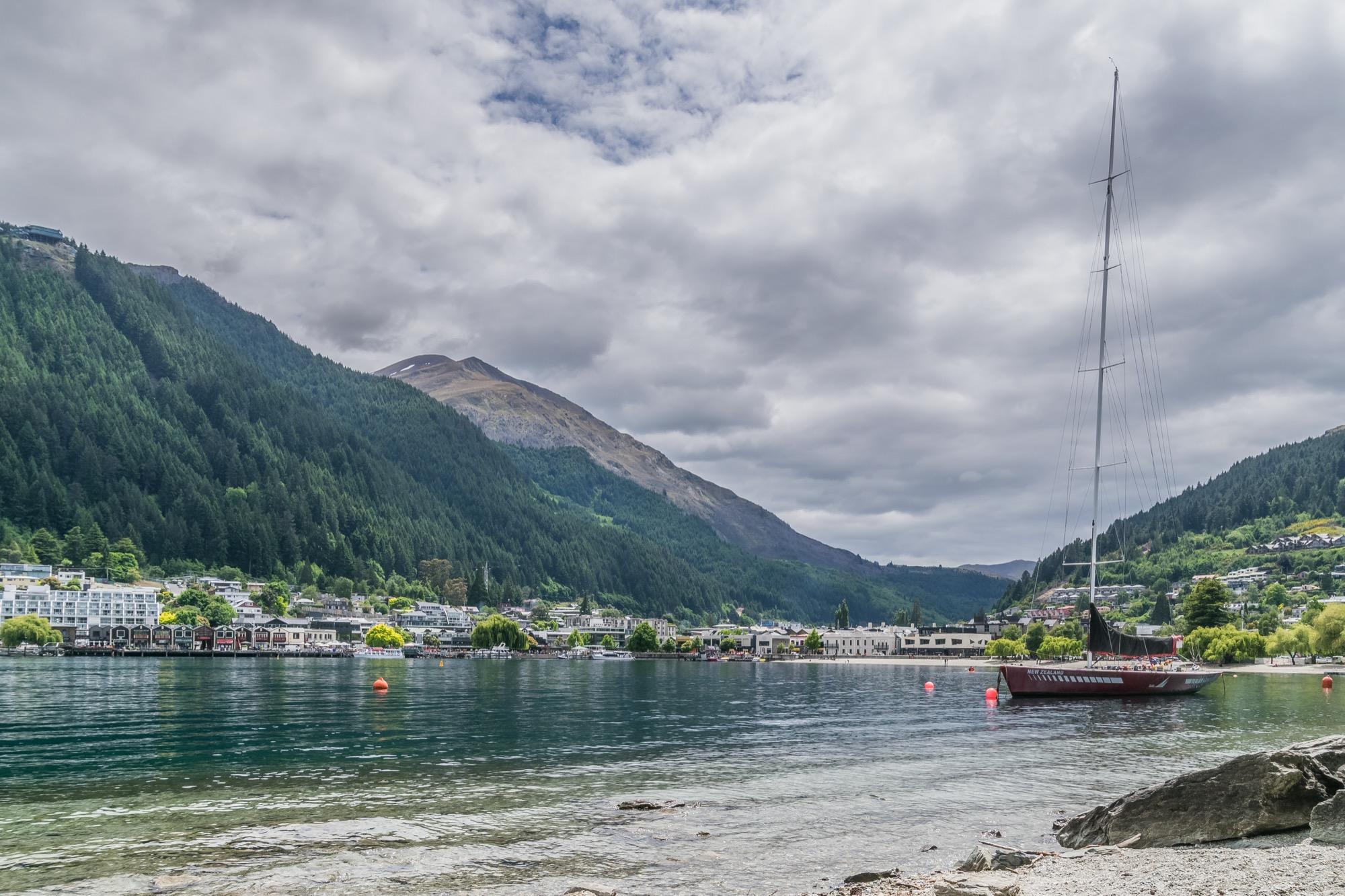
Saudi Arabia Opened Its Property Market. It Also Froze Riyadh's Rents Until 2030.
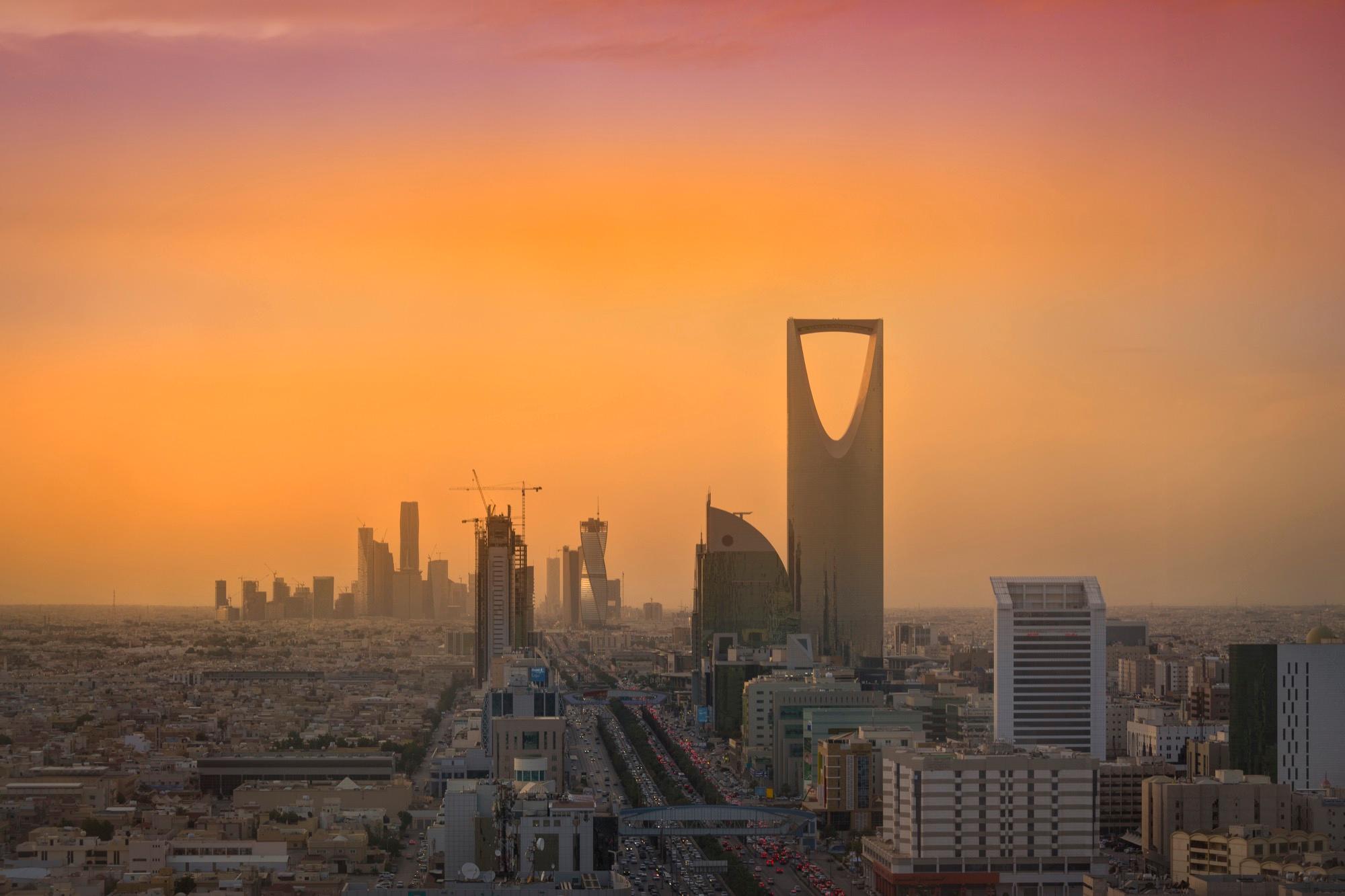
Saudi Arabia opened property ownership to non-Saudis on 22 January 2026, but the zone map that determines where you can actually buy only landed in late June. Riyadh has 10 zones, Jeddah 56. Riyadh rents are frozen until 2030, round-trip transfer costs approach 10%, and villa prices fell 9.7% year on year in Q2 2026.
Key takeaways
- 1The law took effect 22 January 2026, but the Geographical Zones Document that actually determines where non-Saudis can buy was only approved by the Cabinet in late June 2026.
- 2Riyadh has 10 designated zones and they are almost entirely giga-project led: Qiddiya, New Murabba, Diriyah Gate, King Salman Park, KAFD, Sedra. Jeddah has 56.
- 3Riyadh rents are frozen at their 25 September 2025 level for five years, enforced automatically through Ejar, with fines up to twelve months' rent.
- 4Round-trip transaction cost for a non-Saudi can approach 10%: the standard 5% RETT plus a disposal fee of up to 5% authorised by the new law.
- 5The market is not moving as one asset. In Q2 2026 residential land rose 6.3% year on year and apartments 1.1%, while villas fell 9.7%.
Introduction
Saudi Arabia spent 2026 doing two things that look contradictory and are not. In January it opened residential and commercial property ownership to non-Saudis for the first time under a modern framework, replacing a restrictive purpose-based regime that had stood since 2000. In June, five months later, the Cabinet finally published the document that determines whether any of that applies to the building you were looking at. And running underneath both is a royal decree from September 2025 that froze every residential and commercial rent inside Riyadh's urban boundary until 2030. The opening is real. The income it produces in the capital, for now, is fixed.
What Actually Changed, and When
- The Law Came Into Force in January:The Law on Real Estate Ownership by Non-Saudis was approved on 14 July 2025, published in the official gazette on 25 July 2025, and entered into force on 22 January 2026 according to the Real Estate General Authority's own announcement. It replaces the regime that had governed foreign ownership since 2000, which worked on capital thresholds, licensing conditions and mandated development timelines. The new framework discards all of that and substitutes a single organising principle: geography.
- The Zone Map Arrived Five Months Later:REGA had signalled that the Geographical Zones Document would be published in the first quarter of 2026. The Cabinet approved the executive regulations and the zones in late June 2026, five months after the law itself took effect. For that intervening period the market had a right without a map, which is worth remembering when the next tranche of detail is promised for a specific quarter. The functional start date of this reform was June, not January.
- Who Counts as Non-Saudi Is the First Question to Answer:The distinction that matters most is not individual versus company but Saudi-incorporated versus foreign-incorporated. A Saudi company with foreign shareholders is not classified as a Non-Saudi under the law, which means it can acquire property for business purposes and employee housing both inside and outside the designated zones, and can own in Makkah and Madinah. Publicly listed companies, licensed investment funds and special-purpose entities established under Saudi law sit in the same favourable category. Structure determines access here more than nationality does.
The Zone Map Is the Product
- Riyadh Is Ten Zones, Almost All of Them Giga-Projects:The approved Riyadh zones are Qiddiya, New Murabba, Diriyah Gate, King Salman Park, KAFD, Sedra, the Sports Boulevard and arts district, King Salman International Airport and a transit-oriented development site. That list is a policy statement. Foreign capital is being routed toward the developments the state most wants funded and delivered, not toward the existing residential stock in established districts. An investor expecting to buy a villa in Al Malqa because Saudi Arabia has opened up has misread what opened.
- Jeddah Is the Volume Market:Jeddah carries 56 designated zones, the city centre plus 55 development zones, against Riyadh's ten. Makkah has 11 and Madinah 9, and AlUla is also included. On zone count alone Jeddah is where the framework is most permissive, which is a genuine asymmetry given how much more attention Riyadh receives from international buyers. Anyone screening Saudi entry on headlines rather than on the zone document will be looking at the wrong city.
- The Zone Determines the Right, Not Just the Location:Each zone specifies which right is actually available, whether full ownership, usufruct or another in-rem right, along with permitted ownership percentages, duration limits and its own conditions. The right on offer depends on the zone and on the buyer category together. This is the single most important practical point in the reform: two properties a few kilometres apart, both nominally open to foreigners, can convey materially different things. Confirm the right before the price.
- The Holy Cities Are Open, With Hard Caps:Makkah and Madinah are included in the zone map, with 11 and 9 zones respectively, but ownership there is restricted to Saudi companies and Muslim individuals. Non-Saudi ownership in a Saudi company holding property in the holy cities cannot exceed 49% in aggregate, and no single non-Saudi shareholder may hold more than 5%. Companies incorporated abroad are excluded entirely. The effect is to permit diffuse foreign participation through Saudi vehicles while preventing any foreign party from controlling an asset.
The Rent Freeze Nobody Prices In
- Riyadh Rents Are Frozen Until 2030:On 25 September 2025 a royal decree and Council of Ministers resolution froze residential and commercial rents inside Riyadh's urban boundary for five years. The applicable rent is the amount in effect on that date, and it binds for the full period on both existing and new leases. This preceded the ownership opening and has been largely absent from the international coverage of it, which is a significant omission: the two policies govern opposite sides of the same investment.
- Enforcement Is Automated, Which Changes Its Weight:The Ejar platform was updated to block non-compliant rent increases at the point of registration rather than relying on tenant complaint, and violations carry fines of up to twelve months' rent. Rent controls that depend on enforcement capacity frequently leak. One that is enforced by the registration system itself does not. The appeal route is narrow, limited to cases such as major structural renovation affecting rental value or a last lease signed before 2024.
- The Supply Response Was Legislated Alongside It:The freeze was not issued alone. Restrictions were lifted on two large undeveloped areas in northern Riyadh, with the first newly opened zone spanning 17 square kilometres and the total area released for development reaching 81.48 square kilometres including 48.28 square kilometres freed earlier. White land tax settings were adjusted in the same package. This is a government treating the rent problem as a supply problem and buying itself five years to fix it, which is a more coherent policy than a cap issued in isolation.
- What This Does to a Riyadh Underwriting:A Riyadh acquisition completed today is a capital growth instrument with a fixed coupon until at least September 2030. Rent growth forecasts for the city sit near flat at zero to two percent, against three to five percent for Jeddah and the Eastern Province where no freeze applies. Any Riyadh model that assumes rental escalation inside the freeze period is not conservative, it is simply wrong. The honest version of the case rests entirely on the exit.
What the Price Data Actually Says
- The Headline Index Is Almost Flat:Saudi Arabia's Real Estate Price Index rose 1.3% year on year in Q2 2026 and 3.0% quarter on quarter, according to GASTAT. That is a modest number for a market being described internationally as a boom, and it conceals far more than it reveals, because the components moved in genuinely opposite directions. Residential prices rose 2.6% and agricultural 11.3%, while commercial fell 3.2%.
- Land Is Rising, Villas Are Falling:Within residential, the divergence is stark. Residential plots rose 6.3% year on year and apartments 1.1%, while villas fell 9.7%. On a quarterly basis residential land gained 6.1% and villas lost a further 2.1%. A nearly ten percent annual decline in the villa segment, in the same year the market opened to foreign buyers, is the most important single figure in the Saudi data and the one least likely to appear in a sales deck.
- Riyadh Outperforms, Much of the Kingdom Does Not:Riyadh recorded a 4.2% annual increase, behind Al-Jawf at 10.4% and Northern Borders at 4.6%. Makkah managed 0.4%. Meanwhile Hail fell 10.1%, Qassim 5.4%, Madinah 4.5% and Al-Baha 2.8%, with the Eastern Province, Tabuk, Aseer, Najran and Jazan all posting annual declines. Saudi Arabia is not one property market having one experience, and a national index applied to a regional decision will mislead in both directions.
The Cost of Entry and Exit
- Budget for Roughly Ten Percent, Not Five:The existing 5% Real Estate Transfer Tax applies universally. The new law additionally authorises REGA to levy a fee of up to 5% on disposals by non-Saudis, so the combined burden on a qualifying transfer can approach 10% before agency and registry costs. On an asset with frozen rent, a transaction cost of that size sets a meaningful hurdle: the capital appreciation has to clear roughly a tenth of the value before the position is even flat.
- Registration Is Constitutive, Not Administrative:An acquisition by a non-Saudi is not legally effective until it is recorded in the national Real Estate Registry. Registration runs through the Saudi Properties portal, with residents using their Iqama, non-residents obtaining a digital identity through Saudi embassies, and companies first registering with the Ministry of Investment to obtain a Unified Number. Treat the registry entry, not the signed contract, as the moment ownership exists.
- The Penalty Regime Has Teeth:Fines run to 5% of property value, capped at SAR 10 million, and intentional misrepresentation can trigger compulsory sale of the asset alongside prosecution. A framework this new, administered by an authority still building its case history, is not the place to be creative with structuring. Where a zone's conditions are ambiguous, the correct response is to get the position confirmed in writing before completion rather than to proceed on a reasonable interpretation.
How to Underwrite Saudi Entry
- Read the Zone Document Before the Brochure:The most common error available in Saudi Arabia right now is to treat the law as the framework. It is not. The Geographical Zones Document is, and it specifies the right, the permitted percentage and the duration zone by zone. Any diligence process that starts with a development's marketing material and never reaches the zone entry is inverted. The question is not whether foreigners can buy in Saudi Arabia, which is settled, but what precisely you would own in this particular polygon on the map.
- Separate the Riyadh Case From the Saudi Case:Riyadh is the city with the tightest rent regulation and the fewest zones, and it is also where nearly all international attention is pointed. Jeddah has more than five times as many designated zones and no rent freeze, and the Eastern Province is forecast to see three to five percent rent growth while Riyadh sits near zero. That does not make Jeddah the better asset, but it does mean the two require entirely different underwriting, and a single Saudi allocation decision is usually a Riyadh decision wearing a national label.
- Underwrite Delivery Risk, Because You Are Buying Giga-Projects:The Riyadh zone list is dominated by developments still under construction. Buying inside Qiddiya, New Murabba or Diriyah Gate means accepting completion and phasing risk on top of market risk, in an environment where the villa segment is down 9.7% year on year and commercial values are falling 3.2%. Evaluate the developer's delivery record and the project's current funded phase with the same rigour you would apply to any off-plan purchase, and do not let sovereign association substitute for that work.
- Expect the Rules to Keep Arriving:A law that took effect in January and received its operative map in June is a framework still being built. The zone document can be extended, ownership percentages can be revised, and the disposal fee is currently expressed as a ceiling of five percent rather than a fixed rate. Position sizing should reflect that. Saudi Arabia is a credible long-horizon opportunity backed by an unusually determined state, and it is simultaneously a jurisdiction where the terms of your investment are still being written after you have made it.
Frequently asked questions
Can foreigners buy property in Saudi Arabia in 2026?+
What are the transaction costs for a non-Saudi buyer?+
Can non-Saudis buy in Makkah and Madinah?+
Can I raise the rent on a Riyadh property I buy?+
Does buying property give me residency in Saudi Arabia?+
Sources
- REGA — Non-Saudi Property Ownership System Enters into Force
- REGA — Non-Saudi Real Estate Ownership in Saudi Arabia
- King & Spalding — Saudi Arabia's New Foreign Ownership Law: Key Implications for Real Estate M&A
- Enterprise KSA — Mapping the Real Estate Foreign Ownership Zones
- Arab News — Saudi Home Prices Lift Real Estate Index 1.3% in Q2: GASTAT
- Al Arabiya — Saudi Crown Prince Orders Freeze on Riyadh Rent Hikes for Five Years
- King & Spalding — Saudi Arabia Introduces Rent Controls and Automatic Lease Renewal
- Gulf Business — Saudi Freezes Rents in Riyadh for 5 Years

Abhii Dabas is the Founder and CEO of INTRIC Global, the cross-border property intelligence platform for serious investors. He advises high-net-worth buyers on international real estate strategy across more than 40 countries, and has spent the past two years tracking the Gulf's regulatory opening, where the headline law and the document that actually governs what you can buy are rarely published on the same day.
Share
Share this article with others
Saudi Arabia opened property ownership to non-Saudis on 22 January 2026, but the zone map that determines where you can actually buy only landed in late June. Riyadh has 10 zones, Jeddah 56. Riyadh rents are frozen until 2030, round-trip transfer costs approach 10%, and villa prices fell 9.7% year on year in Q2 2026.
Key takeaways
- 1The law took effect 22 January 2026, but the Geographical Zones Document that actually determines where non-Saudis can buy was only approved by the Cabinet in late June 2026.
- 2Riyadh has 10 designated zones and they are almost entirely giga-project led: Qiddiya, New Murabba, Diriyah Gate, King Salman Park, KAFD, Sedra. Jeddah has 56.
- 3Riyadh rents are frozen at their 25 September 2025 level for five years, enforced automatically through Ejar, with fines up to twelve months' rent.
- 4Round-trip transaction cost for a non-Saudi can approach 10%: the standard 5% RETT plus a disposal fee of up to 5% authorised by the new law.
- 5The market is not moving as one asset. In Q2 2026 residential land rose 6.3% year on year and apartments 1.1%, while villas fell 9.7%.
Introduction
Saudi Arabia spent 2026 doing two things that look contradictory and are not. In January it opened residential and commercial property ownership to non-Saudis for the first time under a modern framework, replacing a restrictive purpose-based regime that had stood since 2000. In June, five months later, the Cabinet finally published the document that determines whether any of that applies to the building you were looking at. And running underneath both is a royal decree from September 2025 that froze every residential and commercial rent inside Riyadh's urban boundary until 2030. The opening is real. The income it produces in the capital, for now, is fixed.
What Actually Changed, and When
- The Law Came Into Force in January:The Law on Real Estate Ownership by Non-Saudis was approved on 14 July 2025, published in the official gazette on 25 July 2025, and entered into force on 22 January 2026 according to the Real Estate General Authority's own announcement. It replaces the regime that had governed foreign ownership since 2000, which worked on capital thresholds, licensing conditions and mandated development timelines. The new framework discards all of that and substitutes a single organising principle: geography.
- The Zone Map Arrived Five Months Later:REGA had signalled that the Geographical Zones Document would be published in the first quarter of 2026. The Cabinet approved the executive regulations and the zones in late June 2026, five months after the law itself took effect. For that intervening period the market had a right without a map, which is worth remembering when the next tranche of detail is promised for a specific quarter. The functional start date of this reform was June, not January.
- Who Counts as Non-Saudi Is the First Question to Answer:The distinction that matters most is not individual versus company but Saudi-incorporated versus foreign-incorporated. A Saudi company with foreign shareholders is not classified as a Non-Saudi under the law, which means it can acquire property for business purposes and employee housing both inside and outside the designated zones, and can own in Makkah and Madinah. Publicly listed companies, licensed investment funds and special-purpose entities established under Saudi law sit in the same favourable category. Structure determines access here more than nationality does.
The Zone Map Is the Product
- Riyadh Is Ten Zones, Almost All of Them Giga-Projects:The approved Riyadh zones are Qiddiya, New Murabba, Diriyah Gate, King Salman Park, KAFD, Sedra, the Sports Boulevard and arts district, King Salman International Airport and a transit-oriented development site. That list is a policy statement. Foreign capital is being routed toward the developments the state most wants funded and delivered, not toward the existing residential stock in established districts. An investor expecting to buy a villa in Al Malqa because Saudi Arabia has opened up has misread what opened.
- Jeddah Is the Volume Market:Jeddah carries 56 designated zones, the city centre plus 55 development zones, against Riyadh's ten. Makkah has 11 and Madinah 9, and AlUla is also included. On zone count alone Jeddah is where the framework is most permissive, which is a genuine asymmetry given how much more attention Riyadh receives from international buyers. Anyone screening Saudi entry on headlines rather than on the zone document will be looking at the wrong city.
- The Zone Determines the Right, Not Just the Location:Each zone specifies which right is actually available, whether full ownership, usufruct or another in-rem right, along with permitted ownership percentages, duration limits and its own conditions. The right on offer depends on the zone and on the buyer category together. This is the single most important practical point in the reform: two properties a few kilometres apart, both nominally open to foreigners, can convey materially different things. Confirm the right before the price.
- The Holy Cities Are Open, With Hard Caps:Makkah and Madinah are included in the zone map, with 11 and 9 zones respectively, but ownership there is restricted to Saudi companies and Muslim individuals. Non-Saudi ownership in a Saudi company holding property in the holy cities cannot exceed 49% in aggregate, and no single non-Saudi shareholder may hold more than 5%. Companies incorporated abroad are excluded entirely. The effect is to permit diffuse foreign participation through Saudi vehicles while preventing any foreign party from controlling an asset.
The Rent Freeze Nobody Prices In
- Riyadh Rents Are Frozen Until 2030:On 25 September 2025 a royal decree and Council of Ministers resolution froze residential and commercial rents inside Riyadh's urban boundary for five years. The applicable rent is the amount in effect on that date, and it binds for the full period on both existing and new leases. This preceded the ownership opening and has been largely absent from the international coverage of it, which is a significant omission: the two policies govern opposite sides of the same investment.
- Enforcement Is Automated, Which Changes Its Weight:The Ejar platform was updated to block non-compliant rent increases at the point of registration rather than relying on tenant complaint, and violations carry fines of up to twelve months' rent. Rent controls that depend on enforcement capacity frequently leak. One that is enforced by the registration system itself does not. The appeal route is narrow, limited to cases such as major structural renovation affecting rental value or a last lease signed before 2024.
- The Supply Response Was Legislated Alongside It:The freeze was not issued alone. Restrictions were lifted on two large undeveloped areas in northern Riyadh, with the first newly opened zone spanning 17 square kilometres and the total area released for development reaching 81.48 square kilometres including 48.28 square kilometres freed earlier. White land tax settings were adjusted in the same package. This is a government treating the rent problem as a supply problem and buying itself five years to fix it, which is a more coherent policy than a cap issued in isolation.
- What This Does to a Riyadh Underwriting:A Riyadh acquisition completed today is a capital growth instrument with a fixed coupon until at least September 2030. Rent growth forecasts for the city sit near flat at zero to two percent, against three to five percent for Jeddah and the Eastern Province where no freeze applies. Any Riyadh model that assumes rental escalation inside the freeze period is not conservative, it is simply wrong. The honest version of the case rests entirely on the exit.
What the Price Data Actually Says
- The Headline Index Is Almost Flat:Saudi Arabia's Real Estate Price Index rose 1.3% year on year in Q2 2026 and 3.0% quarter on quarter, according to GASTAT. That is a modest number for a market being described internationally as a boom, and it conceals far more than it reveals, because the components moved in genuinely opposite directions. Residential prices rose 2.6% and agricultural 11.3%, while commercial fell 3.2%.
- Land Is Rising, Villas Are Falling:Within residential, the divergence is stark. Residential plots rose 6.3% year on year and apartments 1.1%, while villas fell 9.7%. On a quarterly basis residential land gained 6.1% and villas lost a further 2.1%. A nearly ten percent annual decline in the villa segment, in the same year the market opened to foreign buyers, is the most important single figure in the Saudi data and the one least likely to appear in a sales deck.
- Riyadh Outperforms, Much of the Kingdom Does Not:Riyadh recorded a 4.2% annual increase, behind Al-Jawf at 10.4% and Northern Borders at 4.6%. Makkah managed 0.4%. Meanwhile Hail fell 10.1%, Qassim 5.4%, Madinah 4.5% and Al-Baha 2.8%, with the Eastern Province, Tabuk, Aseer, Najran and Jazan all posting annual declines. Saudi Arabia is not one property market having one experience, and a national index applied to a regional decision will mislead in both directions.
The Cost of Entry and Exit
- Budget for Roughly Ten Percent, Not Five:The existing 5% Real Estate Transfer Tax applies universally. The new law additionally authorises REGA to levy a fee of up to 5% on disposals by non-Saudis, so the combined burden on a qualifying transfer can approach 10% before agency and registry costs. On an asset with frozen rent, a transaction cost of that size sets a meaningful hurdle: the capital appreciation has to clear roughly a tenth of the value before the position is even flat.
- Registration Is Constitutive, Not Administrative:An acquisition by a non-Saudi is not legally effective until it is recorded in the national Real Estate Registry. Registration runs through the Saudi Properties portal, with residents using their Iqama, non-residents obtaining a digital identity through Saudi embassies, and companies first registering with the Ministry of Investment to obtain a Unified Number. Treat the registry entry, not the signed contract, as the moment ownership exists.
- The Penalty Regime Has Teeth:Fines run to 5% of property value, capped at SAR 10 million, and intentional misrepresentation can trigger compulsory sale of the asset alongside prosecution. A framework this new, administered by an authority still building its case history, is not the place to be creative with structuring. Where a zone's conditions are ambiguous, the correct response is to get the position confirmed in writing before completion rather than to proceed on a reasonable interpretation.
How to Underwrite Saudi Entry
- Read the Zone Document Before the Brochure:The most common error available in Saudi Arabia right now is to treat the law as the framework. It is not. The Geographical Zones Document is, and it specifies the right, the permitted percentage and the duration zone by zone. Any diligence process that starts with a development's marketing material and never reaches the zone entry is inverted. The question is not whether foreigners can buy in Saudi Arabia, which is settled, but what precisely you would own in this particular polygon on the map.
- Separate the Riyadh Case From the Saudi Case:Riyadh is the city with the tightest rent regulation and the fewest zones, and it is also where nearly all international attention is pointed. Jeddah has more than five times as many designated zones and no rent freeze, and the Eastern Province is forecast to see three to five percent rent growth while Riyadh sits near zero. That does not make Jeddah the better asset, but it does mean the two require entirely different underwriting, and a single Saudi allocation decision is usually a Riyadh decision wearing a national label.
- Underwrite Delivery Risk, Because You Are Buying Giga-Projects:The Riyadh zone list is dominated by developments still under construction. Buying inside Qiddiya, New Murabba or Diriyah Gate means accepting completion and phasing risk on top of market risk, in an environment where the villa segment is down 9.7% year on year and commercial values are falling 3.2%. Evaluate the developer's delivery record and the project's current funded phase with the same rigour you would apply to any off-plan purchase, and do not let sovereign association substitute for that work.
- Expect the Rules to Keep Arriving:A law that took effect in January and received its operative map in June is a framework still being built. The zone document can be extended, ownership percentages can be revised, and the disposal fee is currently expressed as a ceiling of five percent rather than a fixed rate. Position sizing should reflect that. Saudi Arabia is a credible long-horizon opportunity backed by an unusually determined state, and it is simultaneously a jurisdiction where the terms of your investment are still being written after you have made it.
Frequently asked questions
Can foreigners buy property in Saudi Arabia in 2026?+
What are the transaction costs for a non-Saudi buyer?+
Can non-Saudis buy in Makkah and Madinah?+
Can I raise the rent on a Riyadh property I buy?+
Does buying property give me residency in Saudi Arabia?+
Sources
- REGA — Non-Saudi Property Ownership System Enters into Force
- REGA — Non-Saudi Real Estate Ownership in Saudi Arabia
- King & Spalding — Saudi Arabia's New Foreign Ownership Law: Key Implications for Real Estate M&A
- Enterprise KSA — Mapping the Real Estate Foreign Ownership Zones
- Arab News — Saudi Home Prices Lift Real Estate Index 1.3% in Q2: GASTAT
- Al Arabiya — Saudi Crown Prince Orders Freeze on Riyadh Rent Hikes for Five Years
- King & Spalding — Saudi Arabia Introduces Rent Controls and Automatic Lease Renewal
- Gulf Business — Saudi Freezes Rents in Riyadh for 5 Years
Abhii Dabas is the Founder and CEO of INTRIC Global, the cross-border property intelligence platform for serious investors. He advises high-net-worth buyers on international real estate strategy across more than 40 countries, and has spent the past two years tracking the Gulf's regulatory opening, where the headline law and the document that actually governs what you can buy are rarely published on the same day.
Share this article
Share this insight with others
Share
Share this article with others
Related Market Insights
View More Market Insights
Regulation
New Zealand Did Not Lift Its Foreign Buyer Ban. It Opened a NZ$5 Million Keyhole.
By Abhii Dabas · August 7, 2026
Regulation
The Rent Regulation Wave: What Section 21, Ireland's National Cap and Spain's Vanishing Listings Mean for Yields
By Abhii Dabas · July 31, 2026
Regulation
The EPBD Deadline Has Passed: Europe's Brown Discount Between Law, Evidence and Marketing
By Abhii Dabas · July 10, 2026
Found this useful? Send it to someone who should read it.
Continue with INTRIC