Golden Visa Guide 2026: Residency-by-Investment Programmes for Asian and Middle East HNW Investors

Five Golden Visa programmes are most relevant to Asian and Middle East HNW investors in 2026: UAE (AED 2 million property), Greece (EUR 250,000 to 800,000 depending on location), Spain (EUR 500,000 property, closing 2025), Portugal (no property route since October 2023; EUR 500,000 fund route), and Thailand LTR (10-year visa with USD 80,000 income criteria). Portugal's property pathway is closed. Greece has tiered thresholds since 2024.
Key takeaways
- 1Portugal closed its Golden Visa property route in October 2023. The fund route remains open at EUR 500,000.
- 2Greece raised Golden Visa property thresholds in 2024 to EUR 800,000 in Athens and the islands, EUR 400,000 elsewhere.
- 3UAE Golden Visa at AED 2 million in property provides 10-year renewable residency with no minimum stay.
- 4Spain announced closure of its Golden Visa programme to new applications in 2025.
- 5Thailand LTR visa is not strictly a property programme but combines with property investment for the Wealthy Pensioner track.
Introduction
The 2026 Golden Visa landscape is materially different from 2020. Several major programmes have either closed the property route or raised thresholds, redirecting rather than eliminating HNW demand. This guide compares the five programmes most relevant to Asian and Middle East investors and explains how to evaluate visa-qualifying property as a sound investment in its own right.
What is a Golden Visa and how does property investment qualify?
A Golden Visa is a residency-by-investment programme that grants a residency permit or visa to a foreign national in exchange for a qualifying investment in the host country. The investment is typically property, government bonds, business equity, or a contribution to research or cultural funds. The visa usually carries minimum-stay requirements and a pathway to permanent residency or citizenship after a set holding period.
Property-linked Golden Visas have historically been the most popular pathway for Asian and Middle East HNW investors because the investment delivers a tangible asset alongside the residency benefit. Several major programmes have either closed the property route (Portugal in 2023, Ireland in 2023) or raised thresholds (Greece in 2024, Spain announcing closure 2025). The 2026 landscape is materially different from 2020.
Which Golden Visa programmes are open to Asian and Middle East investors in 2026?
Five programmes are most relevant in 2026: UAE Golden Visa via property at AED 2 million, Greece Golden Visa via property at EUR 250,000 to 800,000 depending on location, Spain Golden Visa (closing to new applicants 2025), Portugal Golden Visa via fund investment at EUR 500,000 (property route closed), and Thailand LTR visa via income or property-plus-income criteria. Each has different residency duration, minimum stay, and citizenship pathway.
The Cyprus and Malta investor programmes are not included here because both have either closed or restructured fundamentally in recent years and now carry materially higher thresholds and EU scrutiny than they did when they originally attracted Asian and Middle East capital.
Did Portugal close its Golden Visa property route and what replaced it?
Yes. Portugal closed the Golden Visa property route in October 2023 under the Mais Habitacao law. Property purchase no longer qualifies for the Portugal Golden Visa, regardless of value or location. The programme remains open for investment in regulated Portuguese funds at EUR 500,000, scientific research contributions at EUR 500,000, or cultural production at EUR 250,000. Investors who hold pre-October 2023 property-route Golden Visas can renew them under the original terms.
The closure was driven by Portuguese housing affordability concerns. Property prices in Lisbon and Porto had risen materially during the Golden Visa programme's peak years. The fund route is the most direct replacement for Asian and Middle East investors who want a Portugal Golden Visa, though it does not deliver the dual asset-plus-residency benefit of the original property programme.
The closure of Portugal's property route in 2023 did not eliminate demand. It redirected it. Greece picked up most of the European-Golden-Visa demand from Asia. The UAE programme captured most of the Middle East demand looking for proximity-based residency. The decision to apply for a Golden Visa has not become harder. The choice of programme has become more deliberate.
How does the Greek Golden Visa compare to Portugal for non-EU investors?
The Greek Golden Visa remains open to property investment with tiered thresholds since the August 2024 reform. Property in Athens, Thessaloniki, and high-demand island areas requires a EUR 800,000 minimum investment. Property in lower-density regional areas requires EUR 400,000. The programme grants 5-year renewable residency with no minimum stay requirement and a pathway to Greek citizenship after 7 years of residency.
The Greek programme contrasts with Portugal's current fund route in three important ways: Greek Golden Visa delivers a property asset alongside residency, applicants can include spouse, children up to 21, and parents of both spouses as dependents, and Greek residency provides Schengen area visa-free access. Portugal's fund route delivers residency without a tangible asset, with a similar dependents allowance and Schengen access.
| Country | Investment route | Threshold | Min stay | Pathway |
|---|---|---|---|---|
| UAE | Property | AED 2m (~USD 545k) | None | 10-yr renewable |
| Greece | Property | EUR 400k to 800k | None | 5-yr; citizenship after 7 |
| Spain | Property (closing 2025) | EUR 500k | None | 5-yr; citizenship after 10 |
| Portugal | Fund (no property) | EUR 500k | 7 days/yr | 5-yr; citizenship after 5 |
| Thailand | Income + property optional | USD 80k income | None | 10-yr LTR renewable |
What are the minimum investment thresholds for each Golden Visa programme?
UAE: AED 2 million (approximately USD 545,000) in property for the 10-year Golden Visa, or AED 750,000 for the 3-year residency. Greece: EUR 800,000 in Athens, Thessaloniki, Mykonos, Santorini and high-demand areas; EUR 400,000 elsewhere. Portugal: EUR 500,000 in regulated Portuguese funds. Spain: EUR 500,000 in property (closing to new applicants in 2025). Thailand LTR: USD 80,000 annual passive income for Wealthy Pensioner, or USD 40,000 plus USD 250,000 Thai property.
Thresholds in EUR-denominated programmes are subject to revision. Greek thresholds doubled between 2023 and 2024. Portugal raised contribution thresholds for the cultural route during 2023. Investors evaluating a 2026 application should confirm current thresholds with the relevant immigration authority before committing to a specific property or fund.
How does Intric help investors evaluate Golden Visa-linked properties?
Intric evaluates property in Golden Visa jurisdictions on the same 10-point due diligence framework applied across all markets, with additional verification for visa-qualifying compliance. The framework confirms that the property meets the programme's investment threshold, that the title structure permits Golden Visa application, and that the developer and asset will support the post-visa rental and resale market beyond the residency holding period.
Intric's role is to ensure the property is a sound investment regardless of the Golden Visa benefit. A property bought purely for residency qualification, with no consideration of rental yield or resale liquidity, often becomes a non-performing asset after the visa is granted. Intric's curation filters this out at the development-selection stage.
Frequently asked questions
Is the Portugal Golden Visa still available through property purchase?+
What is the minimum investment for the Greek Golden Visa in 2026?+
Can I get UAE residency by buying property in Dubai?+
Does the Thailand LTR visa require a property purchase?+
Which Golden Visa gives the fastest path to citizenship?+

Abhii Dabas is the Founder and CEO of INTRIC Global, the cross-border property intelligence platform for serious investors. He advises high-net-worth buyers on international real estate strategy and has evaluated residential markets across more than 40 countries.
Share
Share this article with others
Five Golden Visa programmes are most relevant to Asian and Middle East HNW investors in 2026: UAE (AED 2 million property), Greece (EUR 250,000 to 800,000 depending on location), Spain (EUR 500,000 property, closing 2025), Portugal (no property route since October 2023; EUR 500,000 fund route), and Thailand LTR (10-year visa with USD 80,000 income criteria). Portugal's property pathway is closed. Greece has tiered thresholds since 2024.
Key takeaways
- 1Portugal closed its Golden Visa property route in October 2023. The fund route remains open at EUR 500,000.
- 2Greece raised Golden Visa property thresholds in 2024 to EUR 800,000 in Athens and the islands, EUR 400,000 elsewhere.
- 3UAE Golden Visa at AED 2 million in property provides 10-year renewable residency with no minimum stay.
- 4Spain announced closure of its Golden Visa programme to new applications in 2025.
- 5Thailand LTR visa is not strictly a property programme but combines with property investment for the Wealthy Pensioner track.
Introduction
The 2026 Golden Visa landscape is materially different from 2020. Several major programmes have either closed the property route or raised thresholds, redirecting rather than eliminating HNW demand. This guide compares the five programmes most relevant to Asian and Middle East investors and explains how to evaluate visa-qualifying property as a sound investment in its own right.
What is a Golden Visa and how does property investment qualify?
A Golden Visa is a residency-by-investment programme that grants a residency permit or visa to a foreign national in exchange for a qualifying investment in the host country. The investment is typically property, government bonds, business equity, or a contribution to research or cultural funds. The visa usually carries minimum-stay requirements and a pathway to permanent residency or citizenship after a set holding period.
Property-linked Golden Visas have historically been the most popular pathway for Asian and Middle East HNW investors because the investment delivers a tangible asset alongside the residency benefit. Several major programmes have either closed the property route (Portugal in 2023, Ireland in 2023) or raised thresholds (Greece in 2024, Spain announcing closure 2025). The 2026 landscape is materially different from 2020.
Which Golden Visa programmes are open to Asian and Middle East investors in 2026?
Five programmes are most relevant in 2026: UAE Golden Visa via property at AED 2 million, Greece Golden Visa via property at EUR 250,000 to 800,000 depending on location, Spain Golden Visa (closing to new applicants 2025), Portugal Golden Visa via fund investment at EUR 500,000 (property route closed), and Thailand LTR visa via income or property-plus-income criteria. Each has different residency duration, minimum stay, and citizenship pathway.
The Cyprus and Malta investor programmes are not included here because both have either closed or restructured fundamentally in recent years and now carry materially higher thresholds and EU scrutiny than they did when they originally attracted Asian and Middle East capital.
Did Portugal close its Golden Visa property route and what replaced it?
Yes. Portugal closed the Golden Visa property route in October 2023 under the Mais Habitacao law. Property purchase no longer qualifies for the Portugal Golden Visa, regardless of value or location. The programme remains open for investment in regulated Portuguese funds at EUR 500,000, scientific research contributions at EUR 500,000, or cultural production at EUR 250,000. Investors who hold pre-October 2023 property-route Golden Visas can renew them under the original terms.
The closure was driven by Portuguese housing affordability concerns. Property prices in Lisbon and Porto had risen materially during the Golden Visa programme's peak years. The fund route is the most direct replacement for Asian and Middle East investors who want a Portugal Golden Visa, though it does not deliver the dual asset-plus-residency benefit of the original property programme.
The closure of Portugal's property route in 2023 did not eliminate demand. It redirected it. Greece picked up most of the European-Golden-Visa demand from Asia. The UAE programme captured most of the Middle East demand looking for proximity-based residency. The decision to apply for a Golden Visa has not become harder. The choice of programme has become more deliberate.
How does the Greek Golden Visa compare to Portugal for non-EU investors?
The Greek Golden Visa remains open to property investment with tiered thresholds since the August 2024 reform. Property in Athens, Thessaloniki, and high-demand island areas requires a EUR 800,000 minimum investment. Property in lower-density regional areas requires EUR 400,000. The programme grants 5-year renewable residency with no minimum stay requirement and a pathway to Greek citizenship after 7 years of residency.
The Greek programme contrasts with Portugal's current fund route in three important ways: Greek Golden Visa delivers a property asset alongside residency, applicants can include spouse, children up to 21, and parents of both spouses as dependents, and Greek residency provides Schengen area visa-free access. Portugal's fund route delivers residency without a tangible asset, with a similar dependents allowance and Schengen access.
| Country | Investment route | Threshold | Min stay | Pathway |
|---|---|---|---|---|
| UAE | Property | AED 2m (~USD 545k) | None | 10-yr renewable |
| Greece | Property | EUR 400k to 800k | None | 5-yr; citizenship after 7 |
| Spain | Property (closing 2025) | EUR 500k | None | 5-yr; citizenship after 10 |
| Portugal | Fund (no property) | EUR 500k | 7 days/yr | 5-yr; citizenship after 5 |
| Thailand | Income + property optional | USD 80k income | None | 10-yr LTR renewable |
What are the minimum investment thresholds for each Golden Visa programme?
UAE: AED 2 million (approximately USD 545,000) in property for the 10-year Golden Visa, or AED 750,000 for the 3-year residency. Greece: EUR 800,000 in Athens, Thessaloniki, Mykonos, Santorini and high-demand areas; EUR 400,000 elsewhere. Portugal: EUR 500,000 in regulated Portuguese funds. Spain: EUR 500,000 in property (closing to new applicants in 2025). Thailand LTR: USD 80,000 annual passive income for Wealthy Pensioner, or USD 40,000 plus USD 250,000 Thai property.
Thresholds in EUR-denominated programmes are subject to revision. Greek thresholds doubled between 2023 and 2024. Portugal raised contribution thresholds for the cultural route during 2023. Investors evaluating a 2026 application should confirm current thresholds with the relevant immigration authority before committing to a specific property or fund.
How does Intric help investors evaluate Golden Visa-linked properties?
Intric evaluates property in Golden Visa jurisdictions on the same 10-point due diligence framework applied across all markets, with additional verification for visa-qualifying compliance. The framework confirms that the property meets the programme's investment threshold, that the title structure permits Golden Visa application, and that the developer and asset will support the post-visa rental and resale market beyond the residency holding period.
Intric's role is to ensure the property is a sound investment regardless of the Golden Visa benefit. A property bought purely for residency qualification, with no consideration of rental yield or resale liquidity, often becomes a non-performing asset after the visa is granted. Intric's curation filters this out at the development-selection stage.
Frequently asked questions
Is the Portugal Golden Visa still available through property purchase?+
What is the minimum investment for the Greek Golden Visa in 2026?+
Can I get UAE residency by buying property in Dubai?+
Does the Thailand LTR visa require a property purchase?+
Which Golden Visa gives the fastest path to citizenship?+
Sources
Abhii Dabas is the Founder and CEO of INTRIC Global, the cross-border property intelligence platform for serious investors. He advises high-net-worth buyers on international real estate strategy and has evaluated residential markets across more than 40 countries.
Share this article
Share this insight with others
Share
Share this article with others
Related Market Insights
View More Market Insights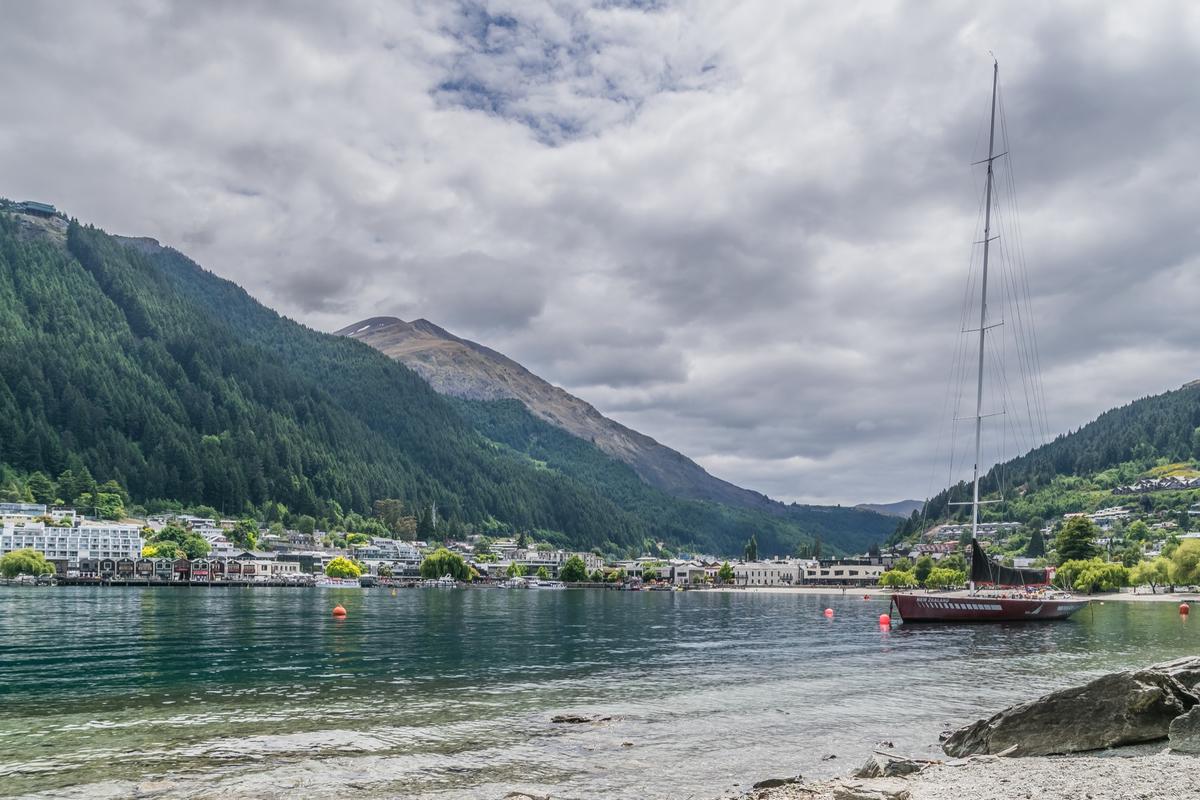
Regulation
New Zealand Did Not Lift Its Foreign Buyer Ban. It Opened a NZ$5 Million Keyhole.
By Abhii Dabas · August 7, 2026

Regulation
Saudi Arabia Opened Its Property Market. It Also Froze Riyadh's Rents Until 2030.
By Abhii Dabas · August 7, 2026
Regulation
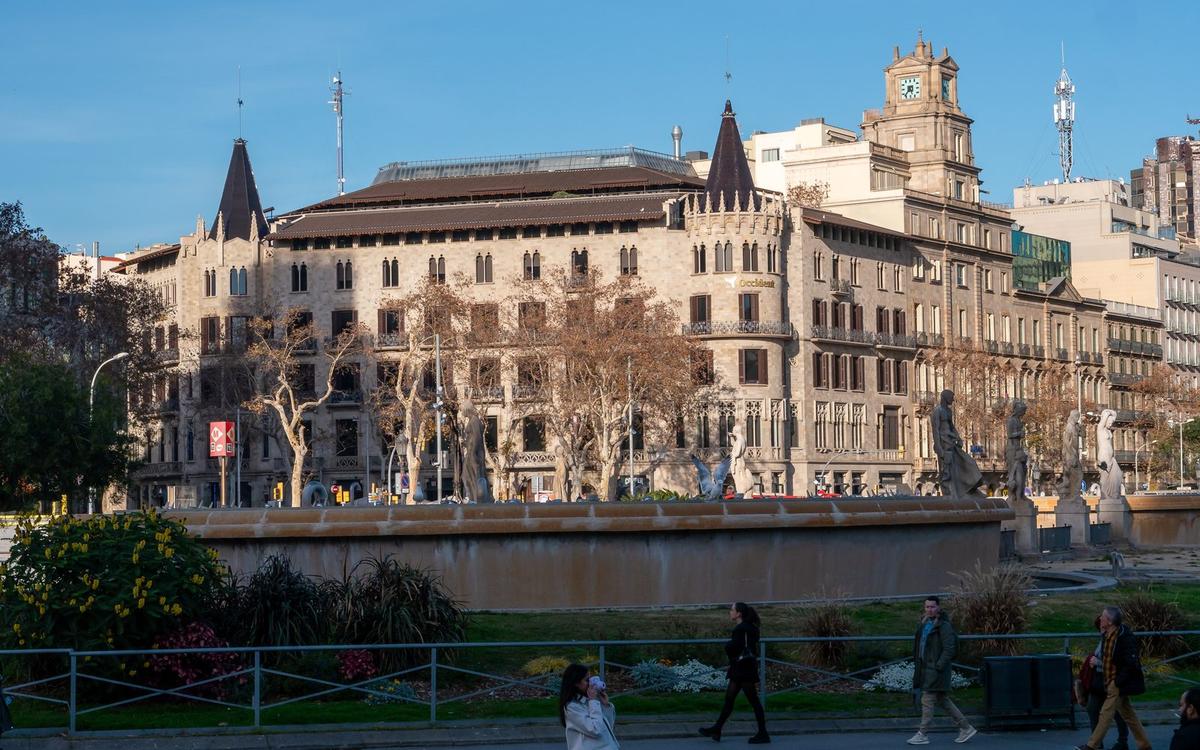
The Rent Regulation Wave: What Section 21, Ireland's National Cap and Spain's Vanishing Listings Mean for Yields
By Abhii Dabas · July 31, 2026
Found this useful? Send it to someone who should read it.
Continue with INTRIC