LEED, Estidama, and Al Sa'fat: How Green Certifications Are Repricing UAE Real Estate

Introduction
The UAE's green building market has surged to USD 6.94 billion in 2024 and is projected to more than double to USD 15.51 billion by 2032 — and for real estate investors, the implications are no longer theoretical. In Dubai, 35% of all real estate transactions now involve sustainable properties, with green-certified residential developments commanding 8-15% valuation premiums over conventional equivalents. Abu Dhabi's mandatory Estidama Pearl Rating System has issued permits for 385 projects meeting sustainability standards in the first months of 2025 alone. With the UAE's Net Zero 2050 strategy committing to a 79% reduction in building-sector emissions by 2035, and 90% of UAE residents now ranking sustainable homes as a top priority, the question for investors is no longer whether green certification matters — but which certifications deliver measurable returns and how to position ahead of tightening mandates.
The Certification Landscape: LEED, Estidama, and Al Sa'fat Explained
- LEED — The International Benchmark:The UAE now hosts over 1,500 LEED-registered and certified projects, with Dubai alone accounting for more than 550 certified buildings and 35% of new office spaces carrying LEED ratings. While not mandatory, LEED has become the de facto standard for projects targeting international investors and institutional tenants. Over 2,500 LEED professionals operate in the UAE, reflecting deep market infrastructure. For investors, LEED Platinum assets demonstrate 92% occupancy rates in Dubai's prime districts and 35% lower volatility during market corrections — making certification a proxy for asset resilience.
- Estidama — Abu Dhabi's Mandatory Framework:Unlike LEED, Estidama is legally required for all new developments in Abu Dhabi. The Pearl Rating System (1-5 pearls) mandates a minimum one-pearl rating for private projects and two pearls for government-funded developments. Since early 2025, 304 projects in design phase and 81 in construction have met Estidama standards. Critically, 100% of Abu Dhabi government leases now require Pearl 2+ certification, creating a floor for tenant demand that directly supports rental income stability for certified assets.
- Al Sa'fat — Dubai's Homegrown System:Approved in 2016 and updated to its 2nd Edition in January 2023, Dubai's Al Sa'fat system classifies buildings into Bronze, Silver, Gold, and Platinum tiers across 79 mandatory green-building specifications. Since 2020, Silver Sa'fa compliance has been mandatory for all new buildings — residential, commercial, industrial, and mixed-use — making it a baseline requirement for any development seeking a Dubai Municipality building permit. Investors acquiring off-plan in Dubai should verify Al Sa'fat tier as a minimum due diligence step.
The Green Premium: Hard Numbers on Pricing and Performance
- Valuation Premiums:Green-certified properties in the UAE now deliver 17-23% valuation premiums over conventional assets, according to recent market analysis. In the residential segment, certified developments in Dubai command 8-15% higher prices, while Estidama-certified industrial properties in Abu Dhabi achieve a striking 27% rental premium. A 2024 Knight Frank report confirmed that buildings with recognized green certification command a 6-11% premium on sales value across major cities — a figure that rises substantially in markets where certified supply remains scarce.
- Occupancy and Rental Uplift:In high-demand districts including Downtown Dubai, Business Bay, and Dubai Marina, newer certified buildings command 5-10% rental premiums based on sustainability credentials rather than finish quality alone. High-performance buildings across the UAE achieve rental uplifts of 7-11%, with the premium widening as corporate tenants increasingly mandate green-certified offices to meet their own ESG reporting requirements. The 62% of new commercial leases that now contain green provisions — up from roughly 50% just two years ago — confirms this is a structural shift, not a cyclical trend.
- Capital Allocation Momentum:AED 18.2 billion was allocated to sustainable real estate projects in the first half of 2025 alone — a 42% year-over-year increase that signals accelerating institutional conviction. In the broader MENA region, ESG-aligned investment reached USD 4.42 trillion in 2025, accounting for 11.3% of the global ESG market, with sovereign wealth funds and institutional investors increasingly using ESG compliance as a prerequisite for capital deployment rather than a differentiator.
Net Zero 2050: The Regulatory Tightening That Changes Everything
- The National Commitment:The UAE became the first Middle Eastern nation to pledge net-zero emissions by 2050, with its third Nationally Determined Contribution (NDC 3.0) committing to a 79% reduction in building-sector emissions by 2035 from a 2019 baseline. This is not aspirational language — it translates to over 25 active programs targeting buildings, power, transport, and waste. For real estate, the most immediate impact is a 9,000-building retrofit program targeting 30% energy reduction and AED 10 billion in savings by 2030.
- The Energy Problem Buildings Must Solve:Buildings consume approximately 70% of all energy produced in Dubai, with cooling systems alone accounting for 80-85% of total building energy consumption — a staggering figure driven by the UAE's extreme climate. The government's expectation that green building standards will reduce around 30% of carbon emissions by 2030 means that non-compliant buildings face an increasingly hostile regulatory and economic environment. Investors holding older, inefficient stock should model retrofit costs now rather than face forced compliance later.
- Upcoming Regulatory Pressure Points:The trajectory is clear: mandatory Silver Al Sa'fat for all new Dubai buildings, mandatory Estidama for all Abu Dhabi construction, and an expanding retrofit mandate for existing stock. With the UAE's per-capita emissions at approximately 24 tonnes of CO2e annually — among the highest globally — the political and economic pressure to accelerate green building standards will only intensify through 2030. Early movers who certify above minimum thresholds will capture premium positioning before compliance becomes universal.
Developer Strategies: How the Market Leaders Are Positioning
- Emaar — Systematic LEED Integration:Emaar has moved beyond voluntary certification to systematically pursuing LEED across its portfolio, with developments like Golf Acres and Jumeirah Golf Estates 2 embedding sustainability as a core value proposition rather than a marketing afterthought. This reflects a strategic calculation: as institutional buyers increasingly screen for ESG compliance, LEED certification protects resale liquidity and supports premium pricing across market cycles.
- Aldar — Estidama as Competitive Advantage:Aldar applies Estidama principles across its entire Abu Dhabi portfolio, with wellness-oriented developments like The Wilds emphasizing nature-centric design, walkability, and integrated community services. By exceeding minimum Pearl requirements, Aldar positions its assets to capture the growing segment of tenants and buyers who prioritize health and environmental performance — a segment that now represents 90% of UAE residents according to a 2025 YouGov poll.
- Masdar City — The Living Proof of Concept:Masdar City remains the UAE's most ambitious sustainability showcase: a $22 billion, 3.8-square-kilometer development housing approximately 15,000 residents with LEED Communities Platinum certification — the highest-scoring and largest such certification in the UAE. In 2024, the development achieved a 22.7% reduction in energy use intensity while producing 17,500 MWh of clean electricity annually. Its buildings use 40% less energy than the Abu Dhabi average, proving that sustainable urban development can achieve both environmental and financial performance at scale.
The Contrarian View: Greenwashing, Costs, and Certification Gaps
- The Greenwashing Problem:Not all sustainability claims withstand scrutiny. Critics argue that some high-profile "sustainable cities" were initiated primarily for profit and real estate income, with sustainability as a marketing overlay rather than a design fundamental. The risk of "certification shopping" — selecting certifications based on ease of attainment rather than genuine environmental impact — is real. Investors should demand operational energy performance data, not just design-stage certification, before accepting green premium pricing.
- Upfront Cost Reality:Green construction carries a 5-10% upfront cost premium, and certification fees, audits, and specialized consultants add further expense. For smaller developers and investors, these costs can meaningfully impact project economics, particularly when certification does not yet command sufficient rental premiums in secondary locations. The financial case is strongest in prime districts and for institutional-grade assets; in emerging submarkets, the payback period may extend beyond comfortable investment horizons.
- The Multi-Certification Complexity:The UAE's overlapping certification landscape — Estidama in Abu Dhabi, Al Sa'fat in Dubai, LEED internationally — creates compliance complexity that adds cost and administrative burden. Projects spanning multiple emirates may need to navigate conflicting requirements, and tenants or buyers may not distinguish between certification systems. Sophisticated investors should evaluate which certification carries the most weight with their target tenant or buyer pool rather than pursuing multiple certifications for marketing purposes alone.
Investment Implications: Positioning for the Green Transition
- New-Build Strategy:With mandatory green certification already in place across Dubai and Abu Dhabi, acquiring certified new-build stock is the most straightforward path to capturing green premiums. Target developments that exceed minimum requirements — Gold or Platinum Al Sa'fat, Pearl 3+ Estidama, or LEED Gold/Platinum — as these tiers command the steepest premiums and attract the most resilient tenant demand. The 55% residential share of the green building market confirms that demand extends well beyond the commercial sector.
- Retrofit Opportunity:The government's 9,000-building retrofit program and the widening brown discount on non-compliant assets create a value-add opportunity for investors willing to acquire underperforming buildings and certify them. With operational savings of 20-30% post-retrofit and rental uplifts of 7-11%, the economics can be compelling — provided retrofit costs are accurately modeled and the target certification tier is achievable within the building's physical constraints.
- Due Diligence Framework:For every UAE property acquisition, investors should now verify: (1) current certification status and tier, (2) operational energy performance data versus design-stage projections, (3) compliance trajectory under tightening mandates, and (4) whether the certification system used is recognized by the target tenant or buyer pool. The 80% of UAE residents willing to pay extra for sustainable homes creates genuine demand-side support — but only for assets where sustainability claims can be independently verified.
This content is AI-generated and may contain errors. Figures are indicative and subject to change. Do your own due diligence and seek independent legal and financial advice.
Sources
- UAE Government — Net Zero 2050 Strategy
- Estate Magazine — Green Building Certifications Boosting Value in 2025
- JLL — From Concept to Reality: Net Zero Real Estate in the UAE
- Construction Week — LEED, Estidama, BREEAM: Green Building Certifications in UAE
- Gulf News — 385 Projects Meet Sustainability Standards in Abu Dhabi (2025)
- DX Best Estate Watch — How LEED & Estidama Are Reshaping UAE Property Values
- Markets and Data — UAE Green Building Market Report 2032

Abhii Dabas is the Founder and CEO of INTRIC Global, the cross-border property intelligence platform for serious investors. He advises high-net-worth buyers on international real estate strategy and has evaluated residential markets across more than 40 countries.
Share
Share this article with others
Introduction
The UAE's green building market has surged to USD 6.94 billion in 2024 and is projected to more than double to USD 15.51 billion by 2032 — and for real estate investors, the implications are no longer theoretical. In Dubai, 35% of all real estate transactions now involve sustainable properties, with green-certified residential developments commanding 8-15% valuation premiums over conventional equivalents. Abu Dhabi's mandatory Estidama Pearl Rating System has issued permits for 385 projects meeting sustainability standards in the first months of 2025 alone. With the UAE's Net Zero 2050 strategy committing to a 79% reduction in building-sector emissions by 2035, and 90% of UAE residents now ranking sustainable homes as a top priority, the question for investors is no longer whether green certification matters — but which certifications deliver measurable returns and how to position ahead of tightening mandates.
The Certification Landscape: LEED, Estidama, and Al Sa'fat Explained
- LEED — The International Benchmark:The UAE now hosts over 1,500 LEED-registered and certified projects, with Dubai alone accounting for more than 550 certified buildings and 35% of new office spaces carrying LEED ratings. While not mandatory, LEED has become the de facto standard for projects targeting international investors and institutional tenants. Over 2,500 LEED professionals operate in the UAE, reflecting deep market infrastructure. For investors, LEED Platinum assets demonstrate 92% occupancy rates in Dubai's prime districts and 35% lower volatility during market corrections — making certification a proxy for asset resilience.
- Estidama — Abu Dhabi's Mandatory Framework:Unlike LEED, Estidama is legally required for all new developments in Abu Dhabi. The Pearl Rating System (1-5 pearls) mandates a minimum one-pearl rating for private projects and two pearls for government-funded developments. Since early 2025, 304 projects in design phase and 81 in construction have met Estidama standards. Critically, 100% of Abu Dhabi government leases now require Pearl 2+ certification, creating a floor for tenant demand that directly supports rental income stability for certified assets.
- Al Sa'fat — Dubai's Homegrown System:Approved in 2016 and updated to its 2nd Edition in January 2023, Dubai's Al Sa'fat system classifies buildings into Bronze, Silver, Gold, and Platinum tiers across 79 mandatory green-building specifications. Since 2020, Silver Sa'fa compliance has been mandatory for all new buildings — residential, commercial, industrial, and mixed-use — making it a baseline requirement for any development seeking a Dubai Municipality building permit. Investors acquiring off-plan in Dubai should verify Al Sa'fat tier as a minimum due diligence step.
The Green Premium: Hard Numbers on Pricing and Performance
- Valuation Premiums:Green-certified properties in the UAE now deliver 17-23% valuation premiums over conventional assets, according to recent market analysis. In the residential segment, certified developments in Dubai command 8-15% higher prices, while Estidama-certified industrial properties in Abu Dhabi achieve a striking 27% rental premium. A 2024 Knight Frank report confirmed that buildings with recognized green certification command a 6-11% premium on sales value across major cities — a figure that rises substantially in markets where certified supply remains scarce.
- Occupancy and Rental Uplift:In high-demand districts including Downtown Dubai, Business Bay, and Dubai Marina, newer certified buildings command 5-10% rental premiums based on sustainability credentials rather than finish quality alone. High-performance buildings across the UAE achieve rental uplifts of 7-11%, with the premium widening as corporate tenants increasingly mandate green-certified offices to meet their own ESG reporting requirements. The 62% of new commercial leases that now contain green provisions — up from roughly 50% just two years ago — confirms this is a structural shift, not a cyclical trend.
- Capital Allocation Momentum:AED 18.2 billion was allocated to sustainable real estate projects in the first half of 2025 alone — a 42% year-over-year increase that signals accelerating institutional conviction. In the broader MENA region, ESG-aligned investment reached USD 4.42 trillion in 2025, accounting for 11.3% of the global ESG market, with sovereign wealth funds and institutional investors increasingly using ESG compliance as a prerequisite for capital deployment rather than a differentiator.
Net Zero 2050: The Regulatory Tightening That Changes Everything
- The National Commitment:The UAE became the first Middle Eastern nation to pledge net-zero emissions by 2050, with its third Nationally Determined Contribution (NDC 3.0) committing to a 79% reduction in building-sector emissions by 2035 from a 2019 baseline. This is not aspirational language — it translates to over 25 active programs targeting buildings, power, transport, and waste. For real estate, the most immediate impact is a 9,000-building retrofit program targeting 30% energy reduction and AED 10 billion in savings by 2030.
- The Energy Problem Buildings Must Solve:Buildings consume approximately 70% of all energy produced in Dubai, with cooling systems alone accounting for 80-85% of total building energy consumption — a staggering figure driven by the UAE's extreme climate. The government's expectation that green building standards will reduce around 30% of carbon emissions by 2030 means that non-compliant buildings face an increasingly hostile regulatory and economic environment. Investors holding older, inefficient stock should model retrofit costs now rather than face forced compliance later.
- Upcoming Regulatory Pressure Points:The trajectory is clear: mandatory Silver Al Sa'fat for all new Dubai buildings, mandatory Estidama for all Abu Dhabi construction, and an expanding retrofit mandate for existing stock. With the UAE's per-capita emissions at approximately 24 tonnes of CO2e annually — among the highest globally — the political and economic pressure to accelerate green building standards will only intensify through 2030. Early movers who certify above minimum thresholds will capture premium positioning before compliance becomes universal.
Developer Strategies: How the Market Leaders Are Positioning
- Emaar — Systematic LEED Integration:Emaar has moved beyond voluntary certification to systematically pursuing LEED across its portfolio, with developments like Golf Acres and Jumeirah Golf Estates 2 embedding sustainability as a core value proposition rather than a marketing afterthought. This reflects a strategic calculation: as institutional buyers increasingly screen for ESG compliance, LEED certification protects resale liquidity and supports premium pricing across market cycles.
- Aldar — Estidama as Competitive Advantage:Aldar applies Estidama principles across its entire Abu Dhabi portfolio, with wellness-oriented developments like The Wilds emphasizing nature-centric design, walkability, and integrated community services. By exceeding minimum Pearl requirements, Aldar positions its assets to capture the growing segment of tenants and buyers who prioritize health and environmental performance — a segment that now represents 90% of UAE residents according to a 2025 YouGov poll.
- Masdar City — The Living Proof of Concept:Masdar City remains the UAE's most ambitious sustainability showcase: a $22 billion, 3.8-square-kilometer development housing approximately 15,000 residents with LEED Communities Platinum certification — the highest-scoring and largest such certification in the UAE. In 2024, the development achieved a 22.7% reduction in energy use intensity while producing 17,500 MWh of clean electricity annually. Its buildings use 40% less energy than the Abu Dhabi average, proving that sustainable urban development can achieve both environmental and financial performance at scale.
The Contrarian View: Greenwashing, Costs, and Certification Gaps
- The Greenwashing Problem:Not all sustainability claims withstand scrutiny. Critics argue that some high-profile "sustainable cities" were initiated primarily for profit and real estate income, with sustainability as a marketing overlay rather than a design fundamental. The risk of "certification shopping" — selecting certifications based on ease of attainment rather than genuine environmental impact — is real. Investors should demand operational energy performance data, not just design-stage certification, before accepting green premium pricing.
- Upfront Cost Reality:Green construction carries a 5-10% upfront cost premium, and certification fees, audits, and specialized consultants add further expense. For smaller developers and investors, these costs can meaningfully impact project economics, particularly when certification does not yet command sufficient rental premiums in secondary locations. The financial case is strongest in prime districts and for institutional-grade assets; in emerging submarkets, the payback period may extend beyond comfortable investment horizons.
- The Multi-Certification Complexity:The UAE's overlapping certification landscape — Estidama in Abu Dhabi, Al Sa'fat in Dubai, LEED internationally — creates compliance complexity that adds cost and administrative burden. Projects spanning multiple emirates may need to navigate conflicting requirements, and tenants or buyers may not distinguish between certification systems. Sophisticated investors should evaluate which certification carries the most weight with their target tenant or buyer pool rather than pursuing multiple certifications for marketing purposes alone.
Investment Implications: Positioning for the Green Transition
- New-Build Strategy:With mandatory green certification already in place across Dubai and Abu Dhabi, acquiring certified new-build stock is the most straightforward path to capturing green premiums. Target developments that exceed minimum requirements — Gold or Platinum Al Sa'fat, Pearl 3+ Estidama, or LEED Gold/Platinum — as these tiers command the steepest premiums and attract the most resilient tenant demand. The 55% residential share of the green building market confirms that demand extends well beyond the commercial sector.
- Retrofit Opportunity:The government's 9,000-building retrofit program and the widening brown discount on non-compliant assets create a value-add opportunity for investors willing to acquire underperforming buildings and certify them. With operational savings of 20-30% post-retrofit and rental uplifts of 7-11%, the economics can be compelling — provided retrofit costs are accurately modeled and the target certification tier is achievable within the building's physical constraints.
- Due Diligence Framework:For every UAE property acquisition, investors should now verify: (1) current certification status and tier, (2) operational energy performance data versus design-stage projections, (3) compliance trajectory under tightening mandates, and (4) whether the certification system used is recognized by the target tenant or buyer pool. The 80% of UAE residents willing to pay extra for sustainable homes creates genuine demand-side support — but only for assets where sustainability claims can be independently verified.
This content is AI-generated and may contain errors. Figures are indicative and subject to change. Do your own due diligence and seek independent legal and financial advice.
Sources
- UAE Government — Net Zero 2050 Strategy
- Estate Magazine — Green Building Certifications Boosting Value in 2025
- JLL — From Concept to Reality: Net Zero Real Estate in the UAE
- Construction Week — LEED, Estidama, BREEAM: Green Building Certifications in UAE
- Gulf News — 385 Projects Meet Sustainability Standards in Abu Dhabi (2025)
- DX Best Estate Watch — How LEED & Estidama Are Reshaping UAE Property Values
- Markets and Data — UAE Green Building Market Report 2032
Abhii Dabas is the Founder and CEO of INTRIC Global, the cross-border property intelligence platform for serious investors. He advises high-net-worth buyers on international real estate strategy and has evaluated residential markets across more than 40 countries.
Share this article
Share this insight with others
Share
Share this article with others
Properties in DUBAI & ABU_DHABI
View all properties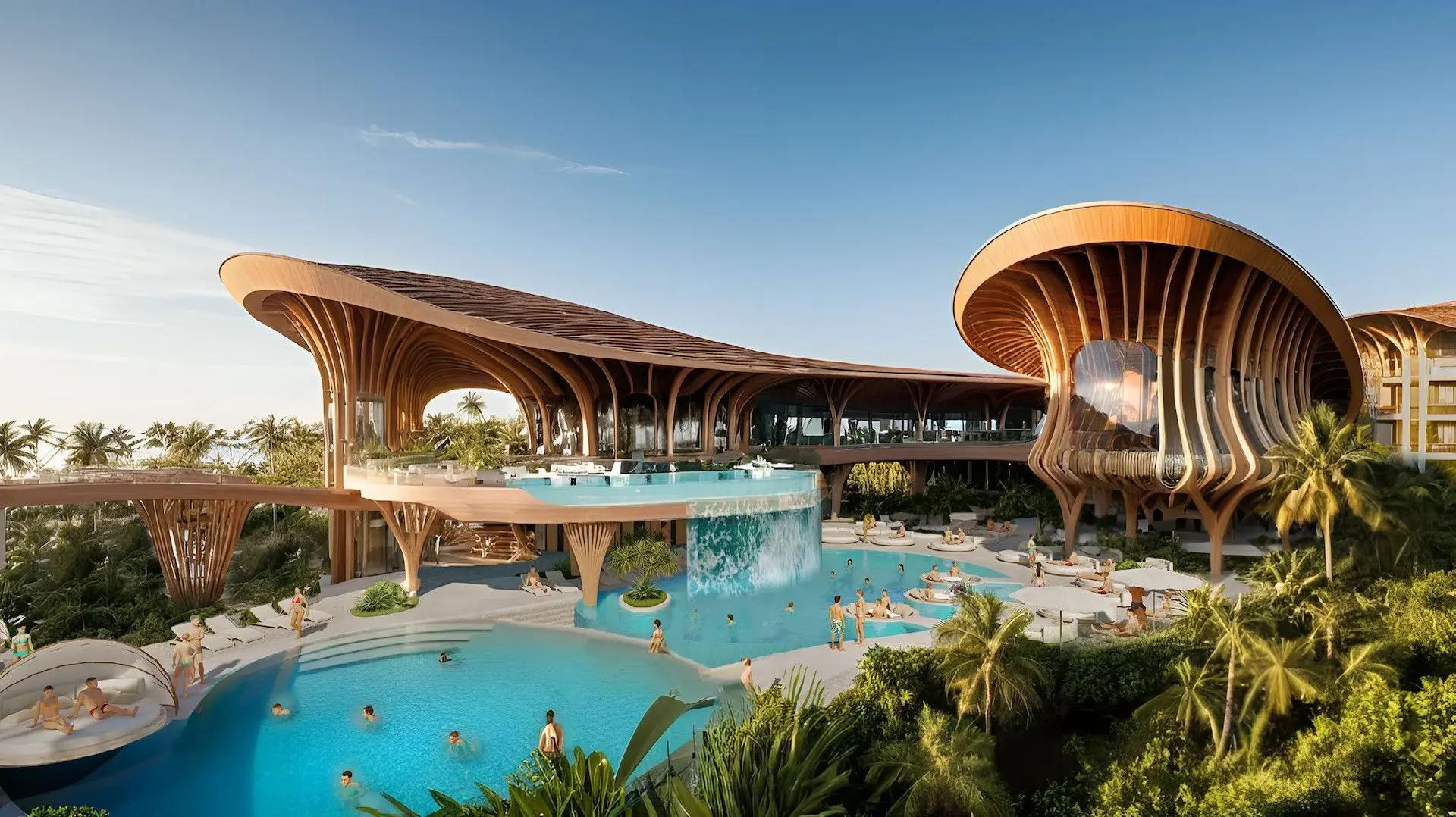
Indonesia
Fashion-Branded Beachfront Resort in Seminyak, Bali
Bali's first internationally fashion-branded beachfront resort residence
UAE
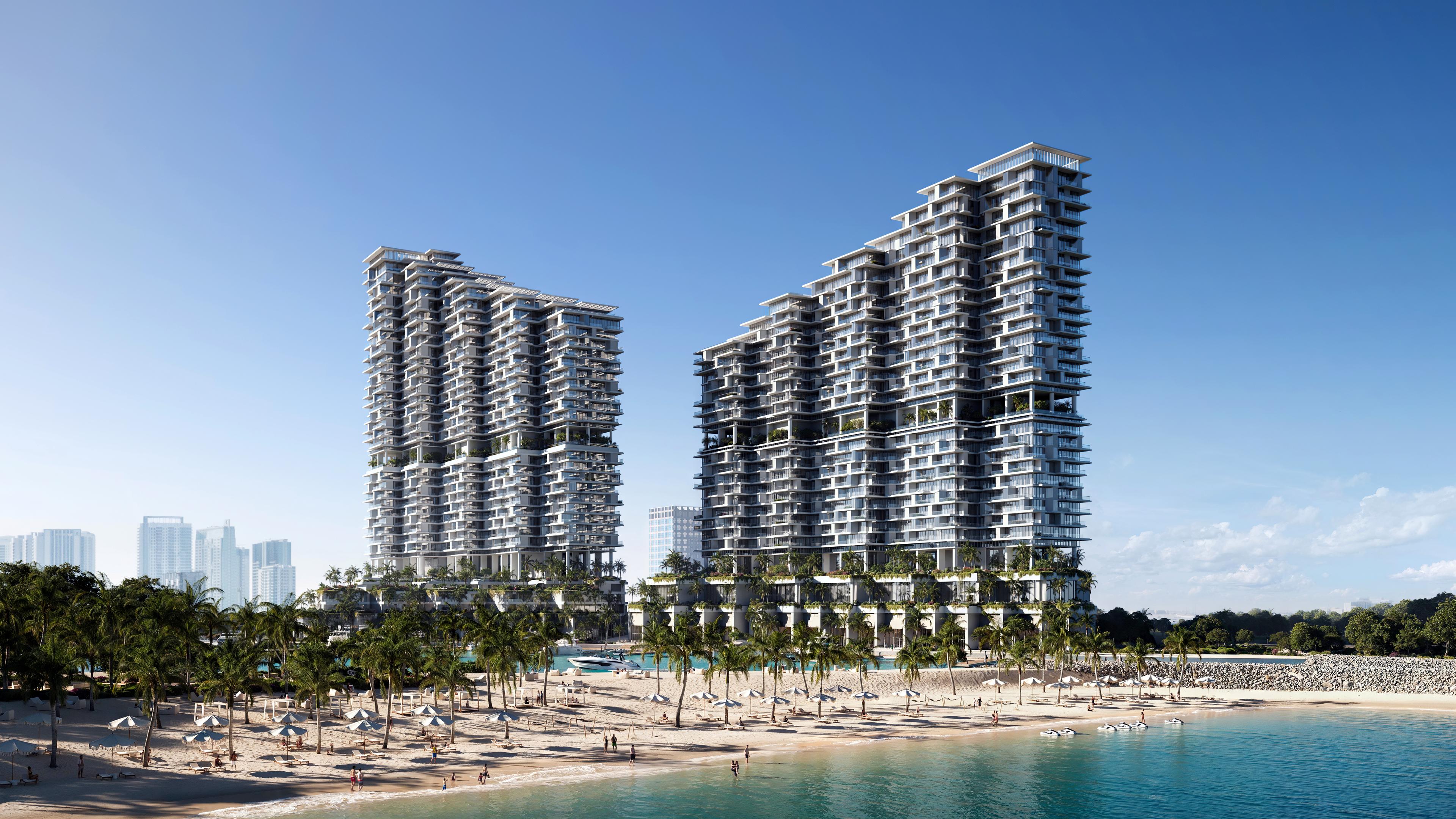
Branded Waterfront Apartment in Abu Dhabi, UAE
An award-winning architect's first Abu Dhabi residence
Vietnam
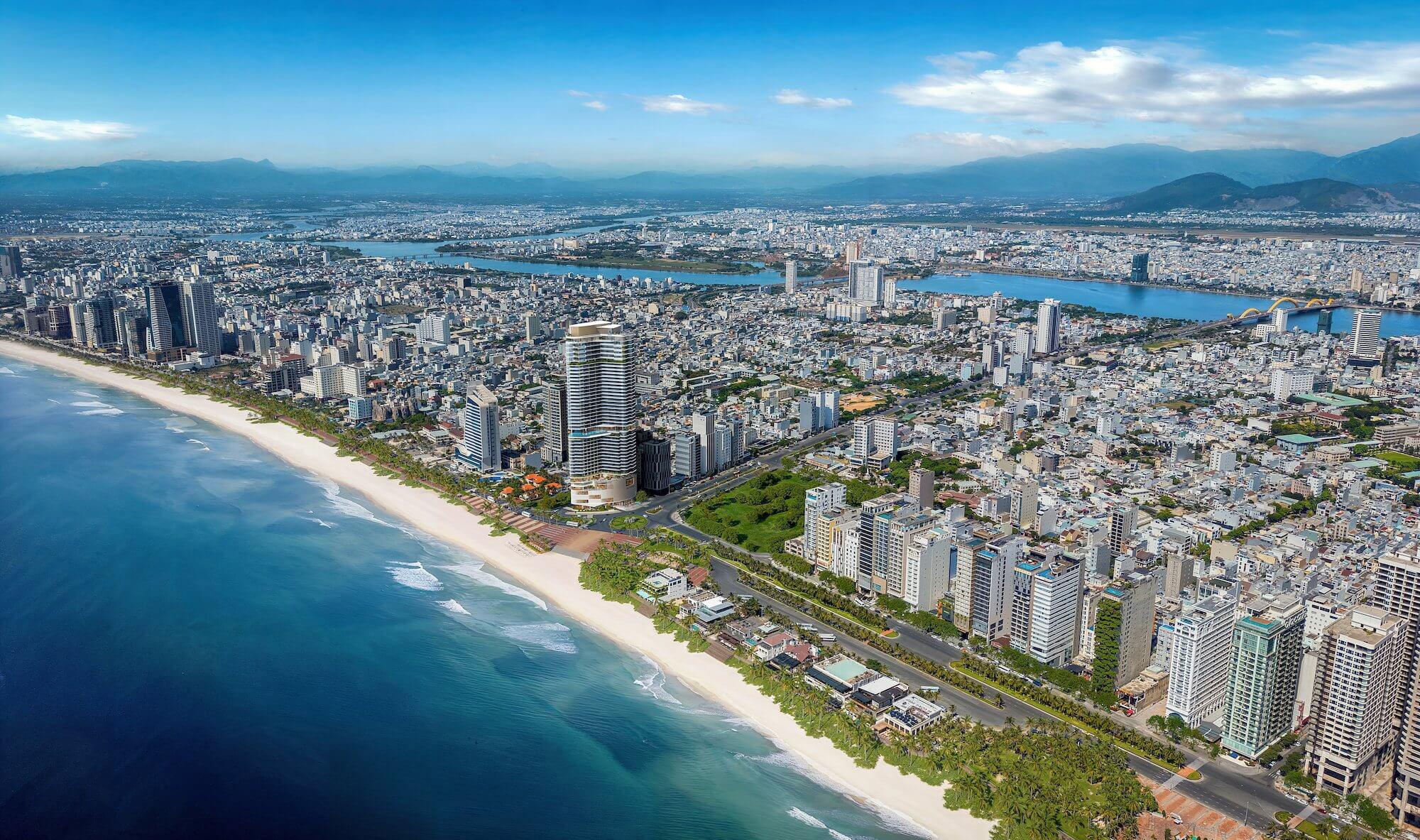
Beachfront Branded Residences in Da Nang, Vietnam
Vietnam's first residence by a globally recognised hospitality brand, on a celebrated stretch of Da Nang coastline
Related Market Insights
View More Market Insights
TAX & RESIDENCY
Cross-Border Property Tax Guide for Singapore, UAE, and UK-Based Investors in 2026
By Abhii Dabas · July 27, 2026
Investment Guide
Why Gulf HNW Investors Still Buy in London: The Case for UK Property in 2026
By Abhii Dabas · July 21, 2026
Investment Guide
Buying Property in Australia in 2026: A Guide for Indonesian and Malaysian Investors
By Abhii Dabas · July 17, 2026
Found this useful? Send it to someone who should read it.
Continue with INTRIC