GCC Sovereign Wealth Funds Are Reshaping Global Real Estate: A $5 Trillion Force in 2026
Introduction
The Gulf Cooperation Council's sovereign wealth funds have quietly become the most consequential force in global real estate capital markets. With combined assets under management approaching USD 5–6 trillion — representing approximately 40% of total global sovereign wealth fund AUM — the four principal GCC funds (Saudi Arabia's Public Investment Fund, the Abu Dhabi Investment Authority, the Kuwait Investment Authority, and the Qatar Investment Authority) collectively manage more investable capital than the entire GDP of Japan. Their strategic shift from passive bond holders into active real estate owners, developers, and operators over the past decade has permanently altered the demand dynamics of trophy asset markets globally. In 2026, as domestic Vision programs accelerate, as geopolitical diversification pressures intensify, and as real estate's inflation-hedging qualities become more prized in an era of persistent price pressure, GCC sovereign capital is positioning more deliberately than ever before.
The Scale of GCC Sovereign Capital
- AUM Overview — A Trillion-Dollar Club:Saudi Arabia's Public Investment Fund (PIF) has grown to USD 1.15 trillion in assets under management, positioning it as the world's largest sovereign wealth fund by ambition if not yet by investment maturity. The Abu Dhabi Investment Authority (ADIA), with approximately USD 1.11 trillion AUM, remains one of the most sophisticated institutional investors in history, having operated since 1976. Kuwait Investment Authority (KIA), established in 1953 as the world's first sovereign wealth fund, recently crossed USD 1 trillion in AUM. Qatar Investment Authority (QIA), the most transactional of the four, manages approximately USD 580 billion. Together, these four funds represent a concentration of investable capital with few precedents in financial history.
- Real Estate as a Strategic Allocation:Each GCC fund approaches real estate differently. ADIA allocates 5–10% of its portfolio directly to real estate, with an additional allocation to infrastructure that overlaps with real estate-adjacent assets. KIA maintains 15–18% in real estate, one of the highest allocations among major sovereign funds. QIA treats real estate as a cornerstone of its portfolio, with landmark trophy assets serving dual investment and diplomatic functions — its London holdings alone encompass Canary Wharf Group, the Shard, the Harrods building site, and multiple Park Lane properties. PIF's real estate strategy is split between domestic mega-project development (NEOM, Diriyah, Red Sea Project) and international acquisitions, with a stated target of 37% alternatives allocation that spans real estate, infrastructure, and private equity.
- A Multipolar Global Strategy:GCC sovereign funds have evolved from their original mandate of diversifying petrodollar revenues into Western government bonds into genuinely global, multi-asset investment organisations. Their 2026 geographic allocation reflects a deliberate multipolar strategy: traditional exposure to London, Paris, New York, and Washington DC trophy assets is being supplemented by accelerating investments across Asia (GCC funds invested USD 9.5 billion into China in the year ending September 2024), Latin America (logistics and infrastructure), and Africa (agricultural land and urban development). This diversification reflects both risk management considerations and the diplomatic investment strategies that sovereign funds increasingly deploy as instruments of foreign policy.
Trophy Asset Holdings and Landmark Strategies
- QIA — London's Most Powerful Landlord:Qatar Investment Authority's London real estate portfolio reads as a who's who of the city's most recognisable addresses. QIA's ownership of a significant stake in Canary Wharf Group — the master developer and landlord for the docklands financial district — represents not merely an investment but a strategic position in the future of London's commercial infrastructure. The Shard, Harrods building, and multiple Mayfair and Park Lane residential and hotel assets complete a portfolio that generates consistent income while appreciating alongside the fundamental scarcity of world-class London assets. In 2025, QIA's CEO confirmed plans to double US investments, with infrastructure and real estate primary targets alongside technology.
- PIF — Strategic Acquisitions and Domestic Megaprojects:Saudi Arabia's PIF has pursued a distinctive dual strategy in real estate. Internationally, its 15% stake in London Heathrow Airport and 40% stake in luxury retailer Selfridges represent trophy positions at the intersection of infrastructure, retail real estate, and brand. Domestically, PIF is the financial engine behind the most ambitious real estate development programme in human history: NEOM (the $500 billion smart city on the Red Sea coast), Diriyah (the historic cultural and hospitality capital being restored as a premium visitor destination), the Red Sea Project (a luxury island tourism development), and Qiddiya (an entertainment and sports city outside Riyadh). These projects together represent over $1 trillion in committed development capital and are fundamentally reshaping the real estate landscape of an entire country.
- ADIA — Systematic, Long-Duration Value:Abu Dhabi Investment Authority operates with a long-duration, systematic investment philosophy that distinguishes it from more transactional GCC peers. ADIA's real estate portfolio is global, diversified, and managed to a 20–30 year investment horizon — it targets assets that are unlikely to face functional obsolescence and that benefit from structural demand drivers such as urbanisation, demographic growth, and infrastructure investment cycles. ADIA has increased its private equity and private real estate allocations in recent years, deploying substantial capital into the secondaries market as other institutional investors were rebalancing portfolios. Its low profile relative to PIF and QIA understates the portfolio's quality and the discipline with which it has been constructed.
Domestic Vision Programs — Saudi Arabia Reshaping Its Own Market
- NEOM and the New City Typology:NEOM represents the most radical single real estate project in modern history: a planned city-state on Saudi Arabia's northwest coast designed to house one million people, powered entirely by renewable energy, with no cars and no carbon emissions. The flagship linear city, The Line, has attracted both international fascination and scepticism about its deliverability, but the infrastructure investment flowing into the region — roads, airports, desalination plants, fibre networks — is creating real estate value in the surrounding area regardless of The Line's ultimate built form. For international investors, early-stage land positions adjacent to NEOM's infrastructure footprint offer potentially significant appreciation as the project matures through the 2030s.
- Riyadh's Residential and Commercial Boom:Saudi Arabia's capital is experiencing one of the fastest urban transformations of any major city globally. Riyadh's population is projected to reach 15–20 million by 2030 under Vision 2030's urbanisation strategy, driving demand for commercial office, residential, retail, and hospitality real estate at a scale that domestic supply is struggling to match. Grade A office vacancy has fallen below 7% in prime Riyadh districts as international corporations establish regional headquarters under Saudi Arabia's Regional Headquarters Program, which requires qualifying multinationals to locate their Middle East HQ in Riyadh by 2024 or face exclusion from government contracts. This corporate migration is creating a Class A office market with few precedents in the Middle East.
- Hospitality and Tourism Infrastructure — Red Sea and AlUla:Saudi Arabia's tourism sector is being built largely from scratch through PIF-backed mega-projects targeting 100 million visitors annually by 2030. The Red Sea Project — a luxury island tourism development across 90+ islands with a target of 50 resorts and 8,000 hotel keys by 2030 — is creating an entirely new hospitality real estate market with global brand partnerships including Ritz-Carlton, Nujuma, and Six Senses. AlUla's UNESCO-protected Nabataean heritage landscape is being developed as a premium cultural tourism destination with limited, high-value hospitality supply. These projects represent branded hospitality real estate opportunities at the ground-floor stage in a market that will attract tens of millions of visitors within a decade.
International Capital Deployment Strategy in 2026
- Technology-Enabled Real Estate — The New Priority:GCC sovereign funds are increasingly targeting real estate assets with technology overlay: data centres, logistics automation facilities, smart city infrastructure, and mixed-use developments incorporating PropTech systems. ADIA's participation in global infrastructure funds with data centre components and QIA's interest in technology-anchored mixed-use in major cities reflect a recognition that the highest-quality real estate of the next decade will be defined by digital infrastructure integration rather than physical location alone. This technology-first lens is influencing both direct acquisition criteria and fund manager selection across all four major GCC funds.
- ESG and Climate-Aligned Portfolio Construction:Despite the GCC's hydrocarbon origins, its sovereign funds are among the most active implementers of ESG-aligned real estate strategies globally. ADIA's long-duration investment horizon makes climate risk — particularly physical risk to coastal assets and transition risk in carbon-intensive buildings — a material underwriting factor for 20–30 year hold periods. QIA has publicly committed to net-zero portfolio operations and is actively divesting assets that cannot achieve BREEAM Excellent or equivalent certification. For European and UK office assets in particular, energy performance certificate requirements are becoming a de facto acquisition filter, with sub-EPC B assets excluded from consideration regardless of location quality.
- Co-Investment and Partnership Opportunities:GCC sovereign funds are increasingly structured to co-invest alongside institutional partners rather than deploying capital exclusively through fund structures — a shift that creates direct partnership opportunities for international real estate platforms, developers, and asset managers. ADIA has established formal co-investment programmes with selected global real estate managers, providing deal-by-deal access to ADIA balance sheet capital at terms that are materially better than traditional fund economics. PIF's domestic megaproject programme explicitly targets international co-development partnerships, offering revenue-sharing and land access arrangements to global developers willing to commit capital alongside the fund. For real estate investment platforms with relevant expertise, engaging with GCC sovereign co-investment programmes represents access to some of the largest and best-capitalised counterparts in the market.
What This Means for Global Property Markets
- Price Floor Effects in Trophy Markets:GCC sovereign capital has become a structural price floor in trophy asset markets globally. The willingness of QIA, ADIA, and PIF to hold assets at yields that domestic institutional investors cannot justify — anchored by long-term asset marking policies, diplomatic investment mandates, and non-commercial holding period assumptions — means that prime London, Paris, New York, and selected Asian gateway markets benefit from a buyer of last resort with near-infinite holding capacity. For co-investors in markets where GCC funds are active, this price support is a real and measurable portfolio risk mitigant. It also means that GCC fund selling — which occurs infrequently — can trigger disproportionate price corrections in markets that have priced in the sovereign backstop.
- The Emerging Market Reorientation:The most significant forward-looking signal from GCC sovereign fund strategy is the accelerating reorientation toward emerging market real estate. Investments across Sub-Saharan Africa (logistics, agricultural land, urban mixed-use), Southeast Asia (logistics infrastructure, data centres, hospitality), and South Asia (India's logistics and residential sectors) reflect a view that the highest-magnitude long-term real estate returns in the 2030s will accrue to markets with 400–600 million people entering the middle class rather than established Gateway cities with mature supply and compressed yields. Investors who can access these markets alongside GCC sovereign co-investment structures will benefit from the due diligence, political risk mitigation, and exit liquidity that sovereign backstop provides.
This content is AI-generated and may contain errors. Figures are indicative and subject to change. Do your own due diligence and seek independent legal and financial advice.
Sources
- Dakota — Middle East Sovereign Wealth Funds: $3.2T Opportunity
- ADIA — A Diverse Global Portfolio Built for the Long Term
- Zawya — Qatar's Wealth Fund Plans to Double US Investments
- Zawya — Sovereign Giants PIF, ADIA, KIA Thrive in Trillion-Dollar Club
- M&A Worldwide — From Oil to Opportunity: Middle Eastern Sovereign Funds
- Global SWF — Sovereign Wealth Fund Rankings
- Pensions & Investments — ADIA Deploys Capital in Private Equity Secondaries
Abhii Dabas is the Founder and CEO of INTRIC Global, the cross-border property intelligence platform for serious investors. He advises high-net-worth buyers on international real estate strategy and has evaluated residential markets across more than 40 countries.
Share
Share this article with others
Introduction
The Gulf Cooperation Council's sovereign wealth funds have quietly become the most consequential force in global real estate capital markets. With combined assets under management approaching USD 5–6 trillion — representing approximately 40% of total global sovereign wealth fund AUM — the four principal GCC funds (Saudi Arabia's Public Investment Fund, the Abu Dhabi Investment Authority, the Kuwait Investment Authority, and the Qatar Investment Authority) collectively manage more investable capital than the entire GDP of Japan. Their strategic shift from passive bond holders into active real estate owners, developers, and operators over the past decade has permanently altered the demand dynamics of trophy asset markets globally. In 2026, as domestic Vision programs accelerate, as geopolitical diversification pressures intensify, and as real estate's inflation-hedging qualities become more prized in an era of persistent price pressure, GCC sovereign capital is positioning more deliberately than ever before.
The Scale of GCC Sovereign Capital
- AUM Overview — A Trillion-Dollar Club:Saudi Arabia's Public Investment Fund (PIF) has grown to USD 1.15 trillion in assets under management, positioning it as the world's largest sovereign wealth fund by ambition if not yet by investment maturity. The Abu Dhabi Investment Authority (ADIA), with approximately USD 1.11 trillion AUM, remains one of the most sophisticated institutional investors in history, having operated since 1976. Kuwait Investment Authority (KIA), established in 1953 as the world's first sovereign wealth fund, recently crossed USD 1 trillion in AUM. Qatar Investment Authority (QIA), the most transactional of the four, manages approximately USD 580 billion. Together, these four funds represent a concentration of investable capital with few precedents in financial history.
- Real Estate as a Strategic Allocation:Each GCC fund approaches real estate differently. ADIA allocates 5–10% of its portfolio directly to real estate, with an additional allocation to infrastructure that overlaps with real estate-adjacent assets. KIA maintains 15–18% in real estate, one of the highest allocations among major sovereign funds. QIA treats real estate as a cornerstone of its portfolio, with landmark trophy assets serving dual investment and diplomatic functions — its London holdings alone encompass Canary Wharf Group, the Shard, the Harrods building site, and multiple Park Lane properties. PIF's real estate strategy is split between domestic mega-project development (NEOM, Diriyah, Red Sea Project) and international acquisitions, with a stated target of 37% alternatives allocation that spans real estate, infrastructure, and private equity.
- A Multipolar Global Strategy:GCC sovereign funds have evolved from their original mandate of diversifying petrodollar revenues into Western government bonds into genuinely global, multi-asset investment organisations. Their 2026 geographic allocation reflects a deliberate multipolar strategy: traditional exposure to London, Paris, New York, and Washington DC trophy assets is being supplemented by accelerating investments across Asia (GCC funds invested USD 9.5 billion into China in the year ending September 2024), Latin America (logistics and infrastructure), and Africa (agricultural land and urban development). This diversification reflects both risk management considerations and the diplomatic investment strategies that sovereign funds increasingly deploy as instruments of foreign policy.
Trophy Asset Holdings and Landmark Strategies
- QIA — London's Most Powerful Landlord:Qatar Investment Authority's London real estate portfolio reads as a who's who of the city's most recognisable addresses. QIA's ownership of a significant stake in Canary Wharf Group — the master developer and landlord for the docklands financial district — represents not merely an investment but a strategic position in the future of London's commercial infrastructure. The Shard, Harrods building, and multiple Mayfair and Park Lane residential and hotel assets complete a portfolio that generates consistent income while appreciating alongside the fundamental scarcity of world-class London assets. In 2025, QIA's CEO confirmed plans to double US investments, with infrastructure and real estate primary targets alongside technology.
- PIF — Strategic Acquisitions and Domestic Megaprojects:Saudi Arabia's PIF has pursued a distinctive dual strategy in real estate. Internationally, its 15% stake in London Heathrow Airport and 40% stake in luxury retailer Selfridges represent trophy positions at the intersection of infrastructure, retail real estate, and brand. Domestically, PIF is the financial engine behind the most ambitious real estate development programme in human history: NEOM (the $500 billion smart city on the Red Sea coast), Diriyah (the historic cultural and hospitality capital being restored as a premium visitor destination), the Red Sea Project (a luxury island tourism development), and Qiddiya (an entertainment and sports city outside Riyadh). These projects together represent over $1 trillion in committed development capital and are fundamentally reshaping the real estate landscape of an entire country.
- ADIA — Systematic, Long-Duration Value:Abu Dhabi Investment Authority operates with a long-duration, systematic investment philosophy that distinguishes it from more transactional GCC peers. ADIA's real estate portfolio is global, diversified, and managed to a 20–30 year investment horizon — it targets assets that are unlikely to face functional obsolescence and that benefit from structural demand drivers such as urbanisation, demographic growth, and infrastructure investment cycles. ADIA has increased its private equity and private real estate allocations in recent years, deploying substantial capital into the secondaries market as other institutional investors were rebalancing portfolios. Its low profile relative to PIF and QIA understates the portfolio's quality and the discipline with which it has been constructed.
Domestic Vision Programs — Saudi Arabia Reshaping Its Own Market
- NEOM and the New City Typology:NEOM represents the most radical single real estate project in modern history: a planned city-state on Saudi Arabia's northwest coast designed to house one million people, powered entirely by renewable energy, with no cars and no carbon emissions. The flagship linear city, The Line, has attracted both international fascination and scepticism about its deliverability, but the infrastructure investment flowing into the region — roads, airports, desalination plants, fibre networks — is creating real estate value in the surrounding area regardless of The Line's ultimate built form. For international investors, early-stage land positions adjacent to NEOM's infrastructure footprint offer potentially significant appreciation as the project matures through the 2030s.
- Riyadh's Residential and Commercial Boom:Saudi Arabia's capital is experiencing one of the fastest urban transformations of any major city globally. Riyadh's population is projected to reach 15–20 million by 2030 under Vision 2030's urbanisation strategy, driving demand for commercial office, residential, retail, and hospitality real estate at a scale that domestic supply is struggling to match. Grade A office vacancy has fallen below 7% in prime Riyadh districts as international corporations establish regional headquarters under Saudi Arabia's Regional Headquarters Program, which requires qualifying multinationals to locate their Middle East HQ in Riyadh by 2024 or face exclusion from government contracts. This corporate migration is creating a Class A office market with few precedents in the Middle East.
- Hospitality and Tourism Infrastructure — Red Sea and AlUla:Saudi Arabia's tourism sector is being built largely from scratch through PIF-backed mega-projects targeting 100 million visitors annually by 2030. The Red Sea Project — a luxury island tourism development across 90+ islands with a target of 50 resorts and 8,000 hotel keys by 2030 — is creating an entirely new hospitality real estate market with global brand partnerships including Ritz-Carlton, Nujuma, and Six Senses. AlUla's UNESCO-protected Nabataean heritage landscape is being developed as a premium cultural tourism destination with limited, high-value hospitality supply. These projects represent branded hospitality real estate opportunities at the ground-floor stage in a market that will attract tens of millions of visitors within a decade.
International Capital Deployment Strategy in 2026
- Technology-Enabled Real Estate — The New Priority:GCC sovereign funds are increasingly targeting real estate assets with technology overlay: data centres, logistics automation facilities, smart city infrastructure, and mixed-use developments incorporating PropTech systems. ADIA's participation in global infrastructure funds with data centre components and QIA's interest in technology-anchored mixed-use in major cities reflect a recognition that the highest-quality real estate of the next decade will be defined by digital infrastructure integration rather than physical location alone. This technology-first lens is influencing both direct acquisition criteria and fund manager selection across all four major GCC funds.
- ESG and Climate-Aligned Portfolio Construction:Despite the GCC's hydrocarbon origins, its sovereign funds are among the most active implementers of ESG-aligned real estate strategies globally. ADIA's long-duration investment horizon makes climate risk — particularly physical risk to coastal assets and transition risk in carbon-intensive buildings — a material underwriting factor for 20–30 year hold periods. QIA has publicly committed to net-zero portfolio operations and is actively divesting assets that cannot achieve BREEAM Excellent or equivalent certification. For European and UK office assets in particular, energy performance certificate requirements are becoming a de facto acquisition filter, with sub-EPC B assets excluded from consideration regardless of location quality.
- Co-Investment and Partnership Opportunities:GCC sovereign funds are increasingly structured to co-invest alongside institutional partners rather than deploying capital exclusively through fund structures — a shift that creates direct partnership opportunities for international real estate platforms, developers, and asset managers. ADIA has established formal co-investment programmes with selected global real estate managers, providing deal-by-deal access to ADIA balance sheet capital at terms that are materially better than traditional fund economics. PIF's domestic megaproject programme explicitly targets international co-development partnerships, offering revenue-sharing and land access arrangements to global developers willing to commit capital alongside the fund. For real estate investment platforms with relevant expertise, engaging with GCC sovereign co-investment programmes represents access to some of the largest and best-capitalised counterparts in the market.
What This Means for Global Property Markets
- Price Floor Effects in Trophy Markets:GCC sovereign capital has become a structural price floor in trophy asset markets globally. The willingness of QIA, ADIA, and PIF to hold assets at yields that domestic institutional investors cannot justify — anchored by long-term asset marking policies, diplomatic investment mandates, and non-commercial holding period assumptions — means that prime London, Paris, New York, and selected Asian gateway markets benefit from a buyer of last resort with near-infinite holding capacity. For co-investors in markets where GCC funds are active, this price support is a real and measurable portfolio risk mitigant. It also means that GCC fund selling — which occurs infrequently — can trigger disproportionate price corrections in markets that have priced in the sovereign backstop.
- The Emerging Market Reorientation:The most significant forward-looking signal from GCC sovereign fund strategy is the accelerating reorientation toward emerging market real estate. Investments across Sub-Saharan Africa (logistics, agricultural land, urban mixed-use), Southeast Asia (logistics infrastructure, data centres, hospitality), and South Asia (India's logistics and residential sectors) reflect a view that the highest-magnitude long-term real estate returns in the 2030s will accrue to markets with 400–600 million people entering the middle class rather than established Gateway cities with mature supply and compressed yields. Investors who can access these markets alongside GCC sovereign co-investment structures will benefit from the due diligence, political risk mitigation, and exit liquidity that sovereign backstop provides.
This content is AI-generated and may contain errors. Figures are indicative and subject to change. Do your own due diligence and seek independent legal and financial advice.
Sources
- Dakota — Middle East Sovereign Wealth Funds: $3.2T Opportunity
- ADIA — A Diverse Global Portfolio Built for the Long Term
- Zawya — Qatar's Wealth Fund Plans to Double US Investments
- Zawya — Sovereign Giants PIF, ADIA, KIA Thrive in Trillion-Dollar Club
- M&A Worldwide — From Oil to Opportunity: Middle Eastern Sovereign Funds
- Global SWF — Sovereign Wealth Fund Rankings
- Pensions & Investments — ADIA Deploys Capital in Private Equity Secondaries
Abhii Dabas is the Founder and CEO of INTRIC Global, the cross-border property intelligence platform for serious investors. He advises high-net-worth buyers on international real estate strategy and has evaluated residential markets across more than 40 countries.
Share this article
Share this insight with others
Share
Share this article with others
Properties in DUBAI & ABU_DHABI
View all properties
Indonesia
Fashion-Branded Beachfront Resort in Seminyak, Bali
Bali's first internationally fashion-branded beachfront resort residence
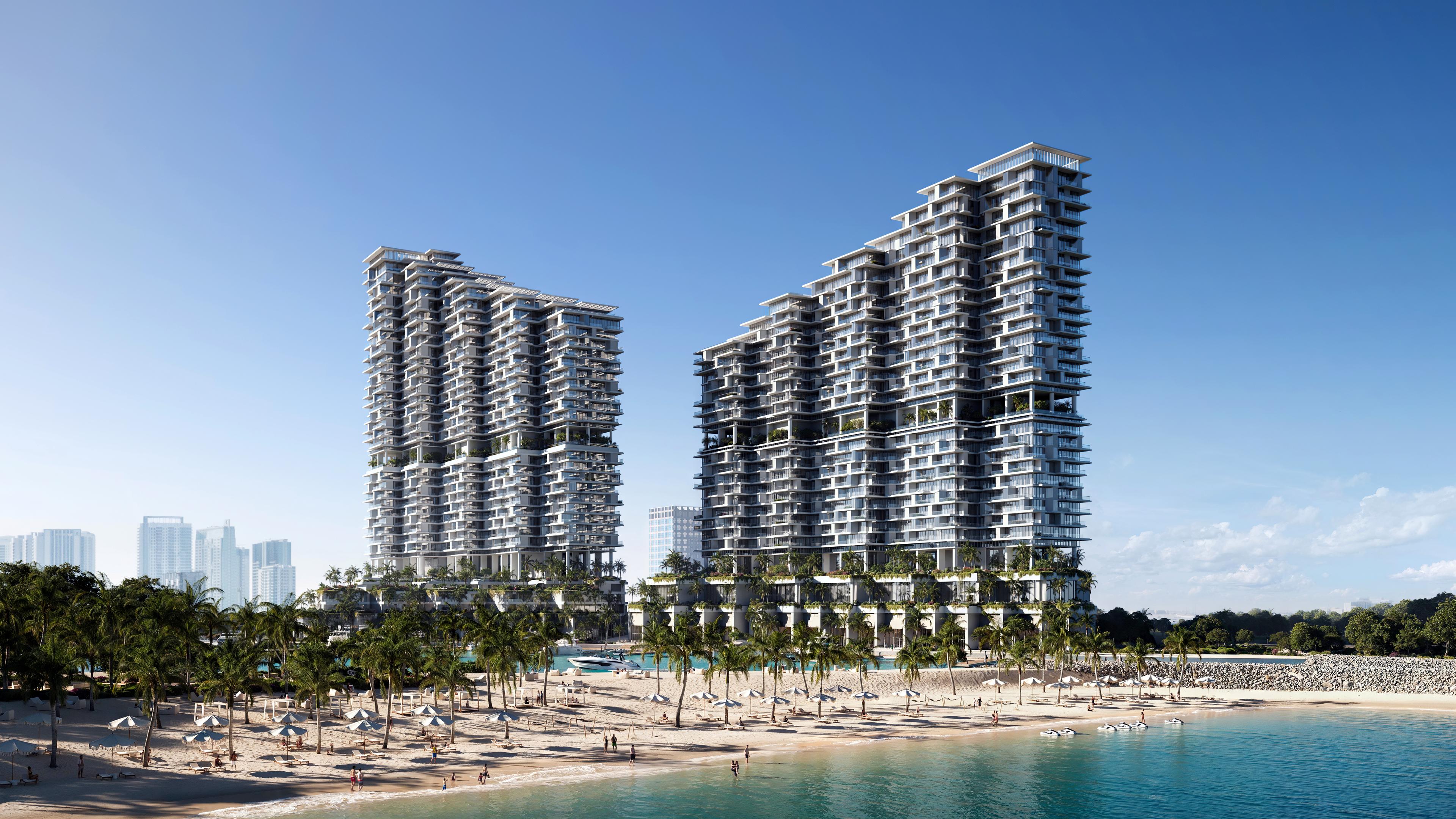
UAE
Branded Waterfront Apartment in Abu Dhabi, UAE
An award-winning architect's first Abu Dhabi residence
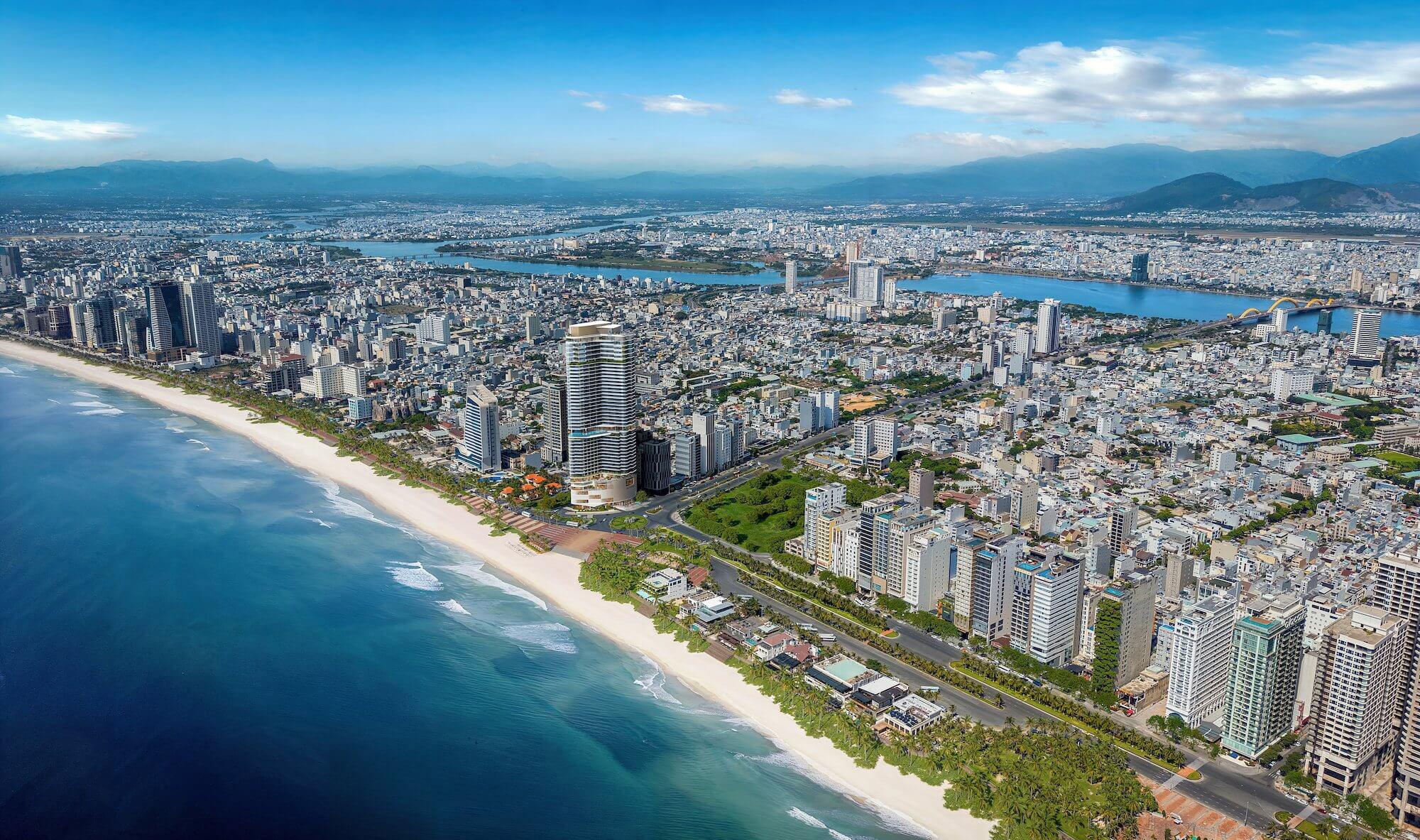
Vietnam
Beachfront Branded Residences in Da Nang, Vietnam
Vietnam's first residence by a globally recognised hospitality brand, on a celebrated stretch of Da Nang coastline
Related Market Insights
View More Market Insights
Market Analysis
China's 35-Month Decline and Hong Kong's Recovery: Why "China Property" Is Not One Trade
By Abhii Dabas · July 10, 2026

Market Analysis
Nordic Real Estate in 2026: Record Institutional Capital Meets Europe's Worst Housing Shortage
By Abhii Dabas · June 25, 2026
Market Analysis
Spain and Iberia in 2026: Europe's Top Investment Market Navigates a Housing Paradox
By Abhii Dabas · June 25, 2026
Found this useful? Send it to someone who should read it.
Continue with INTRIC