How much does property in Japan cost?from today's listings⌄
Property in Japan on INTRIC runs from JPY 39.80M to JPY 970.00M, in Osaka, Tokyo, Kyoto, Fukuoka, Sapporo and Niseko. Prices are the sellers' own, in the listing's currency, and change as listings are added.
Can foreigners buy property in Japan?⌄
Yes. In principle, foreign nationals can buy property in Japan on the same terms as Japanese citizens, whether that is a condominium, a house, land, or a whole apartment building, and the title is registered in the buyer's own name. Ownership is open to buyers of every nationality, and residency in Japan is optional. After the purchase, a non-resident buyer files a report with the Minister of Finance through the Bank of Japan within 20 days, written in Japanese, which the buyer or an agent based in Japan can submit; since 1 April 2026 this applies to homes bought to live in as well. Your property specialist can walk you through each step for the home you choose.
What taxes does an overseas buyer pay in Japan?⌄
Buying a home brings a one-off real estate acquisition tax, which in Tokyo is 3% of the assessed value for land and homes acquired up to 31 March 2027, with housing land assessed at half its value. Each year you pay fixed asset tax and city planning tax on the assessed value, at the Tokyo rates shown in the fact box above. Rental income and any gain on sale are taxed in Japan, and a gain on a property held for more than five years, counted to 1 January of the year you sell, is taxed at a lower rate than one held for five years or less. When a non-resident sells, the buyer generally withholds tax from the purchase price, and the seller files a Japanese tax return through an appointed tax agent. Your property specialist and a Japanese tax adviser can confirm the exact figures for your purchase.
Does owning a home in Japan give you residency?⌄
Buying a home and holding a residence status are separate matters in Japan: A home of any value gives you a base for every visit, and the right to live in Japan comes from a visa. One route open to investors is the Business Manager status, which since 16 October 2025 asks for at least ¥30 million in capital invested in a business, at least one full-time employee, and Japanese at B2 level from the applicant or a full-time employee, according to the Immigration Services Agency. Your property specialist can help you plan a purchase around how often you expect to be in Japan.
Where is the best place to find property for sale in Japan?⌄
The best place depends on what you want the home to do, whether that is rental income, a family base, or a holiday home. These are the areas overseas buyers ask us about most.
- Tokyo: For city living close to business districts, international schools, and an extensive rail network.
- Osaka: For a lively second city with a broad mix of detached houses, condominiums, and apartment buildings.
- Kyoto: For heritage and character, with residences near the old city and quiet residential streets.
- Fukuoka: For a growing city that added more residents between 2015 and 2020 than anywhere in Japan except Tokyo's 23 wards.
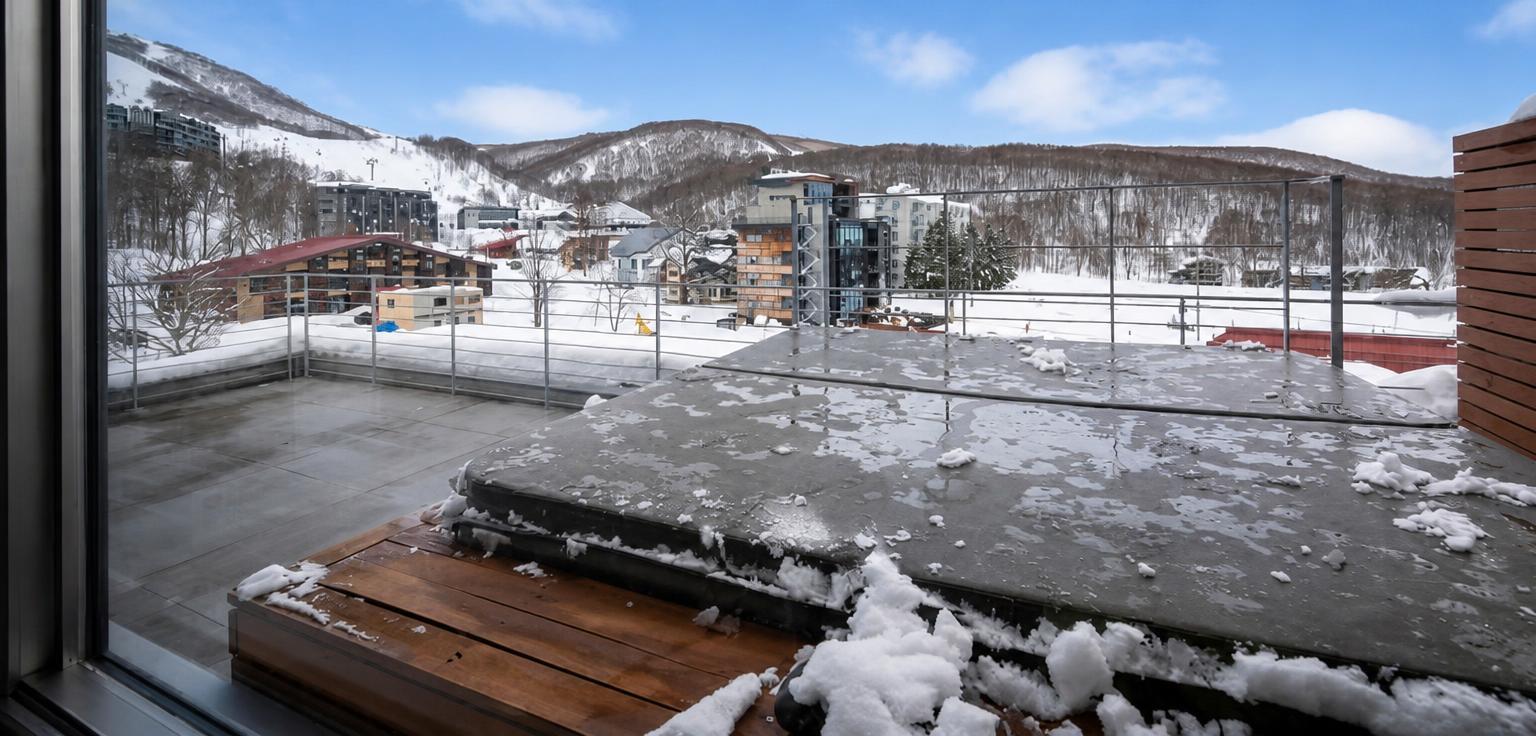
- Sapporo and Niseko: For Hokkaido's famous powder snow, from city homes in Sapporo to ski-season residences in Niseko Hirafu.
- Hakuba: For the Japanese Alps and a year-round mountain lifestyle.
- Okinawa: For subtropical beaches and island living.
Your property specialist can put together a personal shortlist across these cities.
Should I buy a house in Japan or a condominium?⌄
You can buy a house in Japan as readily as a condominium, so the choice comes down to how you plan to use the home. A detached house usually comes with the land it stands on, which gives you full control over renovation and future use. A condominium gives you a unit with a share of the building and its land, with the common areas run by the building's management. Houses for sale in Japan range from new family homes in Osaka and Fukuoka to houses in Kyoto and ski-season homes in Niseko, while condominiums suit buyers who want a lock-up-and-leave home in Tokyo or Osaka.
Are there affordable houses for sale in Japan?⌄
Yes. Japan has millions of vacant homes, as the fact box above shows, and they are often called akiya, the Japanese word for a vacant house. On INTRIC you can browse homes under USD 500,000 from the budget column above, alongside new condominiums in the big cities. For an older house, the building's condition, renovation needs, and access shape the true cost, so your property specialist can review those details with you before you make an offer.
Is Japan real estate a good investment in 2026?⌄
For many international buyers, yes. Japan offers outright ownership for foreigners, demand driven by record tourism and its major business cities, and annual property taxes that are set out clearly in advance. Returns vary widely between a central Tokyo condominium, a regional apartment building, and a ski-season home, and costs such as property tax, management fees, and letting fees shape the net yield. As with any investment, capital is at risk, and your property specialist can model the numbers for a specific home.
Why should I consider buying property in Japan?⌄
Because life in Japan is beautifully put together. Mornings begin with a train that arrives to the minute and a bowl of ramen around the corner; winters bring deep powder snow to Hokkaido and the Japanese Alps; spring fills Kyoto and Tokyo with cherry blossom. Owning a home here means you can return to all of it on your own schedule, and property in Japan holds that appeal for families, skiers, and food lovers alike.