Market brief · Europe
Investing in Bulgaria
The first listings in Bulgaria are being prepared with our partners. Members hear about them first, and the markets below are open now.
Buying in Bulgaria
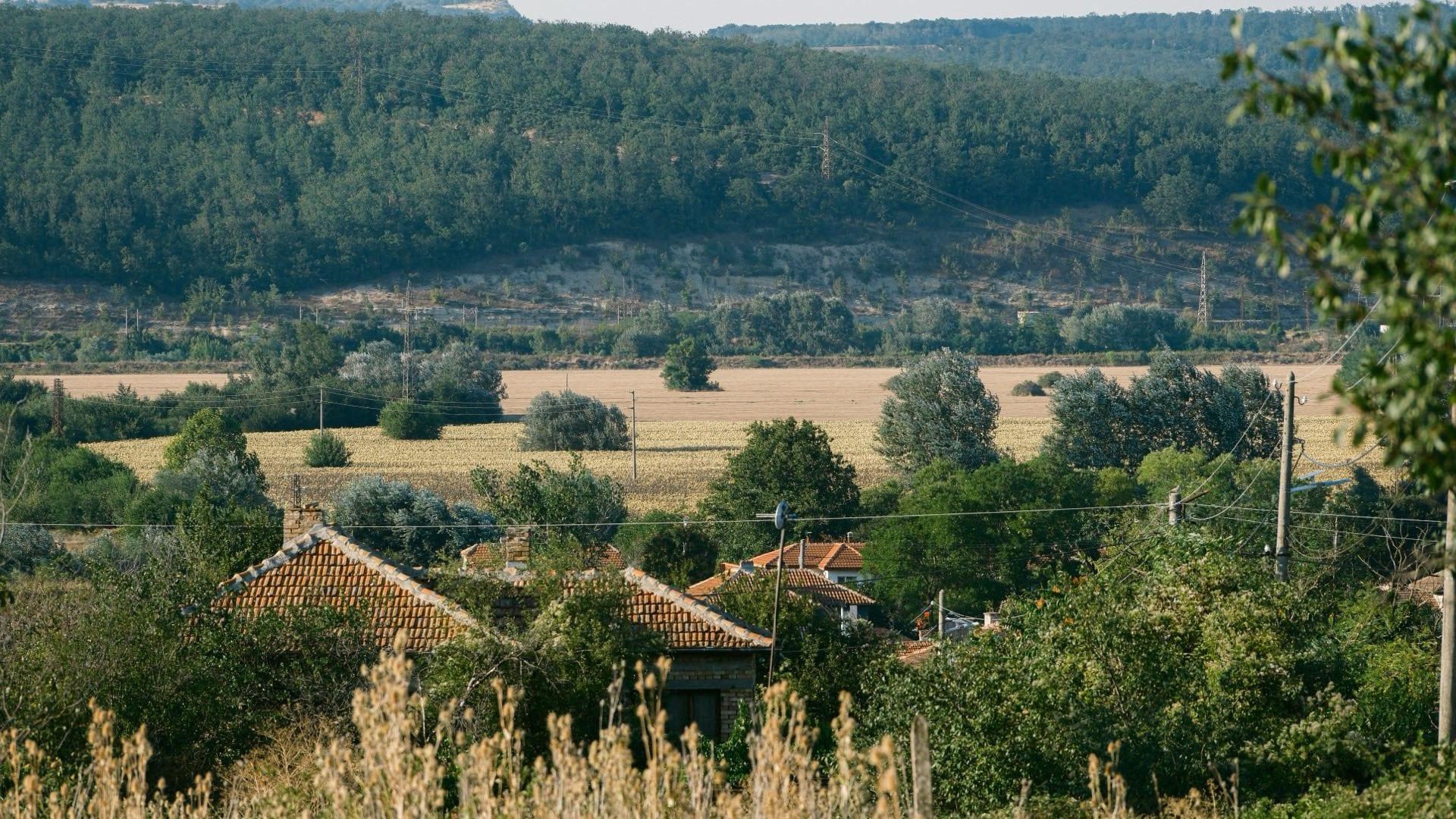 Country guide · 25 minBulgaria Investor GuideNavigate the EU's newest Eurozone member, low 10% flat taxes, Sofia tech-driven yields, and Black Sea lifestyle assets with currency stability finally locked inEU MemberEurozone (Jan 2026)10% Flat TaxRead the guide
Cities2 guides
All Bulgaria city guides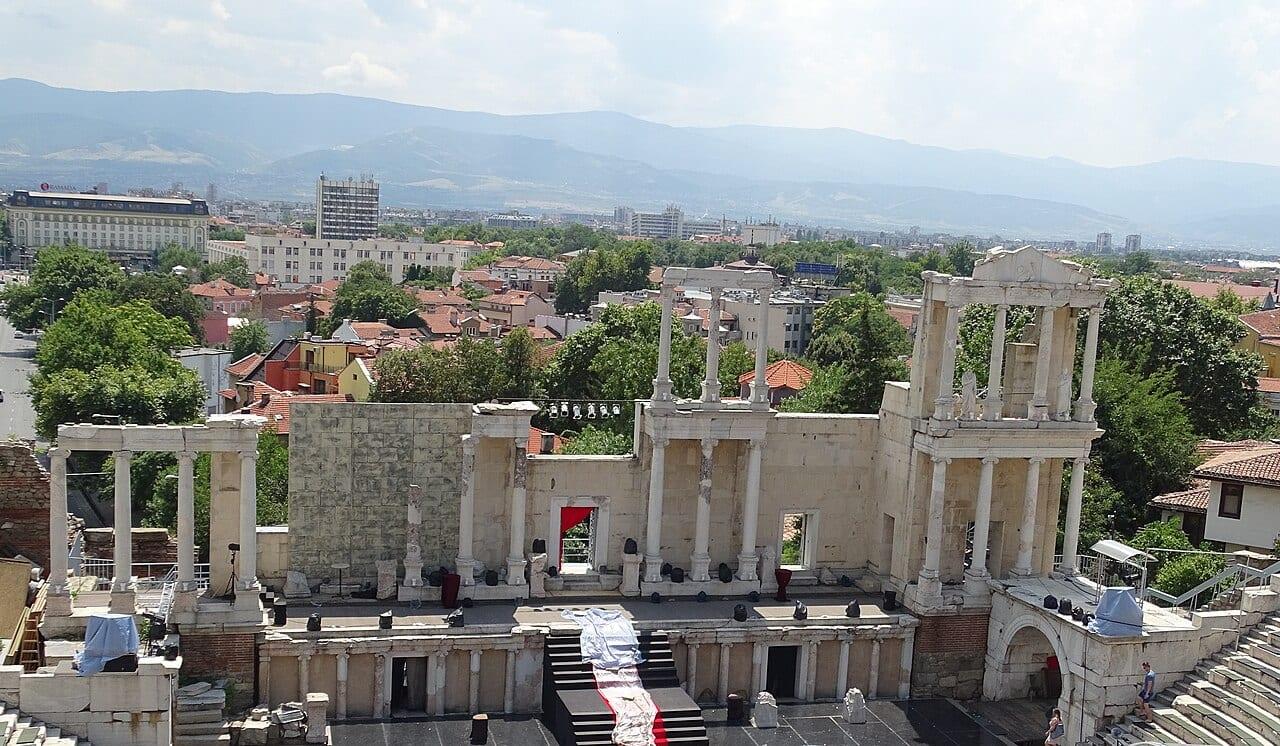 City guide · 8 minPlovdivPlovdiv is one of Europe's oldest continuously inhabited cities (~8,000 years) and a 2019 European Capital of Culture, Bulgaria's vibrant second city behind Sofia. It combines some of Europe's lowest entry prices with relatively high yields, drawing value-focused and cultural-tourism investors to its UNESCO-listed Old Town, Roman monuments and the creative Kapana district. Citywide prices average roughly €1,150–1,500/m² (city-centre €1,600–2,000/m²), up from ~€800/m² in 2020, and Bulgaria's January 2026 euro adoption has removed currency risk for eurozone buyers. For investors it is a low-cost, higher-yield European entry: gross yields run ~4.7–6.2%, strongest on new-builds and small units.
 City guide · 10 minSofiaSofia is Bulgaria's capital and largest city — population 1.24M (city) / 1.55M (metro) — and one of Europe's oldest continuously inhabited capitals (Thracian origins ~7000 BC). The city sits at the foot of Vitosha Mountain (2,290m) with a layered Roman + Byzantine + Ottoman + Soviet-era + post-1989 modern cityscape. Sofia hosts Bulgaria's government, central bank, the rapidly-growing technology cluster (Sofia Tech Park), and the country's professional-services + financial-services + manufacturing employment core. Average residential property prices reached €2,400/m² by January 2026 — roughly 60% cheaper than Lisbon at €5,500+/m². With Bulgaria's January 2026 Eurozone accession + 2024 Schengen membership + 2007 EU accession, Sofia is now a fully-integrated European capital at the EU's most affordable price point.