Safety used to be the assumption behind a purchase. In 2026 it is the product.
 ByAbhii Dabas
In short
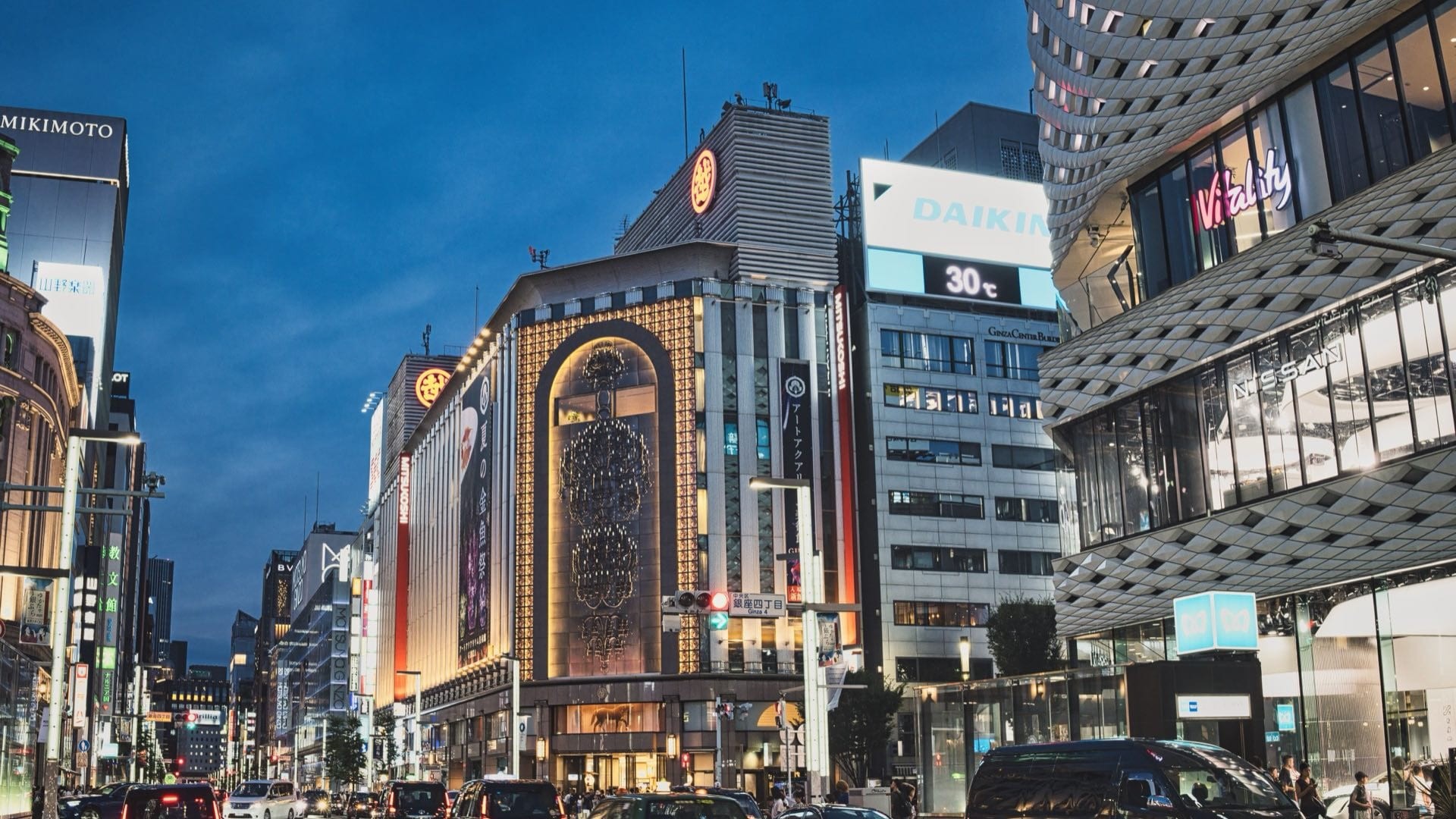
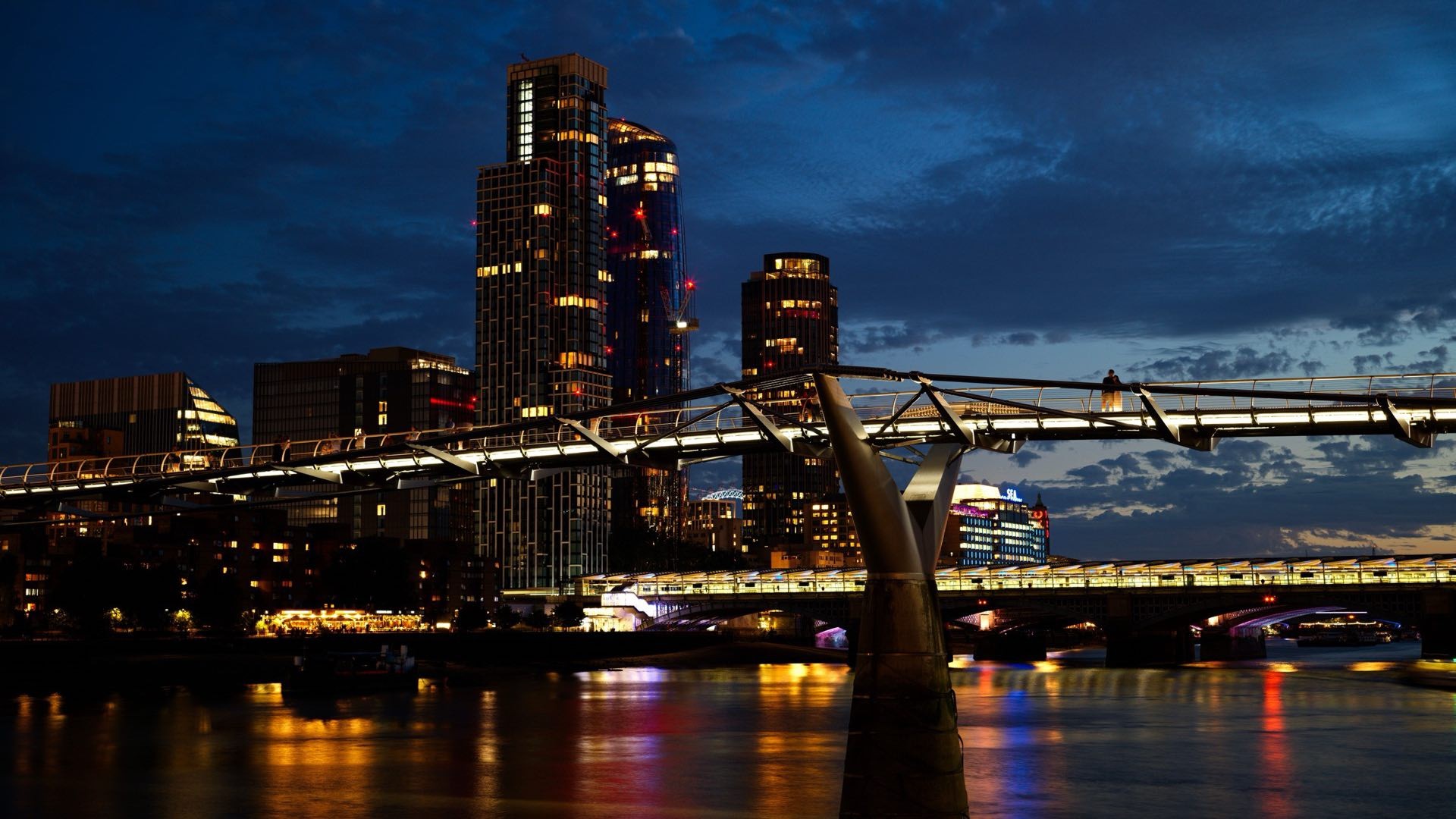
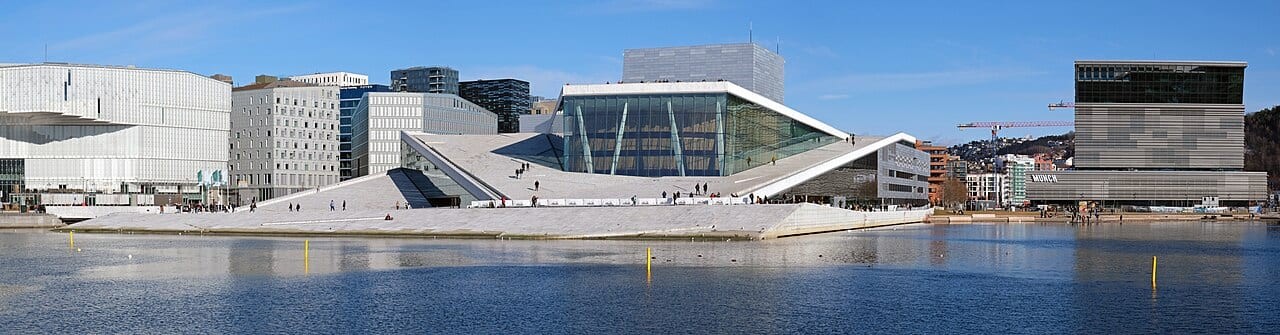
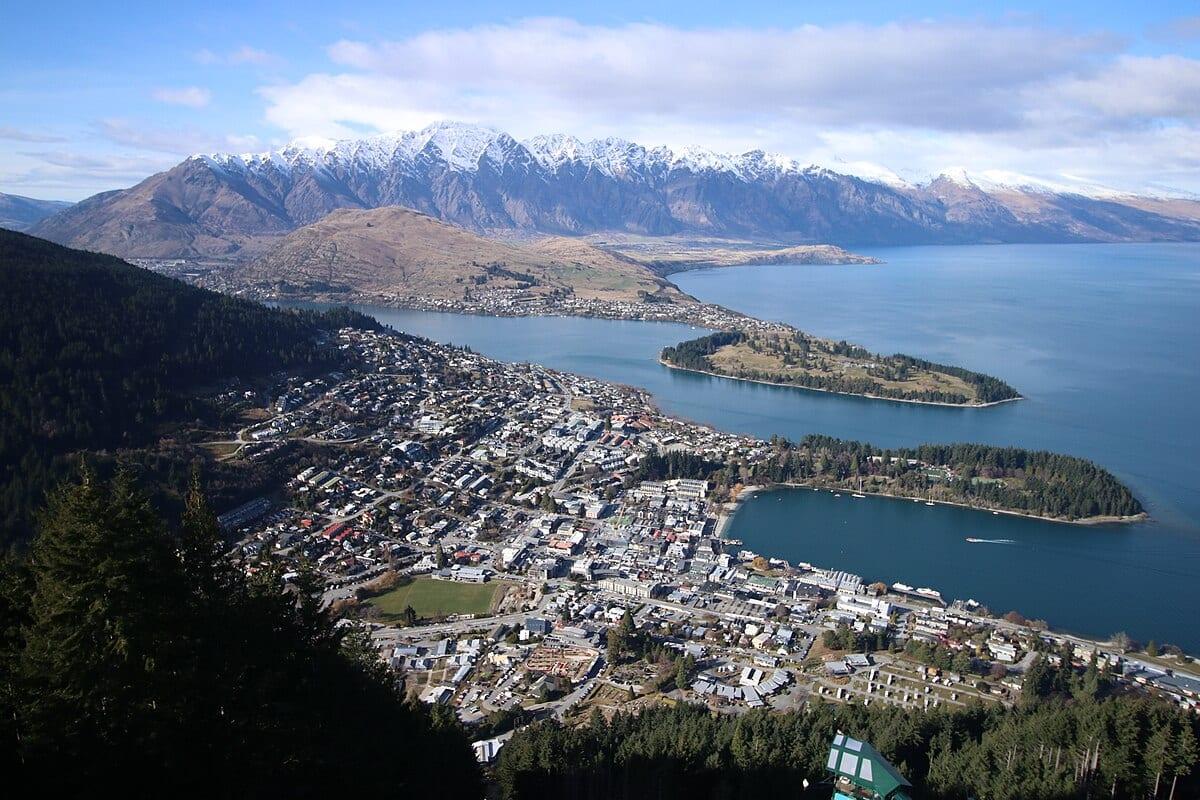
Safety has moved from a lifestyle preference to a core buyer intent. The 2026 Global Peace Index from the Institute for Economics & Peace records a twelfth consecutive year of global deterioration, with 103 countries involved in an external conflict in the past five years, up from 59 in 2008. Yet the countries at the top have barely moved: Iceland leads for the 19th straight year, followed by New Zealand, Switzerland, Slovenia, Ireland, Austria, Portugal, Singapore, Finland, and Japan. For cross-border buyers, that stability is itself the asset. Capital at risk.
Key takeaways
- The safety gap is widening, not closing. Global peacefulness deteriorated for a twelfth consecutive year in 2026, while the top-ranked countries barely moved, per the Institute for Economics & Peace.
- Europe dominates the safe list, but not exclusively. Seven of the top ten are European; New Zealand (2nd), Singapore (8th), and Japan (10th) carry the flag elsewhere.
- Several of the safest markets are also residency markets. Portugal (7th) runs a fund-route golden visa, Singapore (8th) is a global prime market, and New Zealand (2nd) offers the Active Investor Plus route.
- Safety is more than crime. The index blends domestic security, conflict exposure, and militarisation; buyers should add disaster preparedness and rule of law to the screen.
- Small safe markets can carry a liquidity cost. Iceland and Slovenia rank at the top for peace but offer thin prime markets; safety and exit liquidity have to be weighed together.
What safety-led buyers should actually screen
The ranking is the start of the work, not the end of it.
What should a safety-led property buyer check beyond the headline ranking?
Four things the index does not price for a property owner.
- Disaster preparedness. Peacefulness and natural-hazard exposure are different risks; New Zealand pairs its second-place peace rank with world-class earthquake codes, which is the combination that matters.
- Rule of law and title security. A safe street is worth little without a clean, enforceable title; Singapore, Switzerland, and Ireland lead on this pairing.
- Market depth. Iceland and Slovenia top the peace table but trade thinly; a safety premium that cannot be sold on is a cost, not a hedge.
- The right that comes with it. Several safe markets attach residency options; Portugal (fund route) and New Zealand (Active Investor Plus) let one purchase or investment do two jobs.
On INTRIC now — Residences on INTRIC are open to enquiry straight from this page.
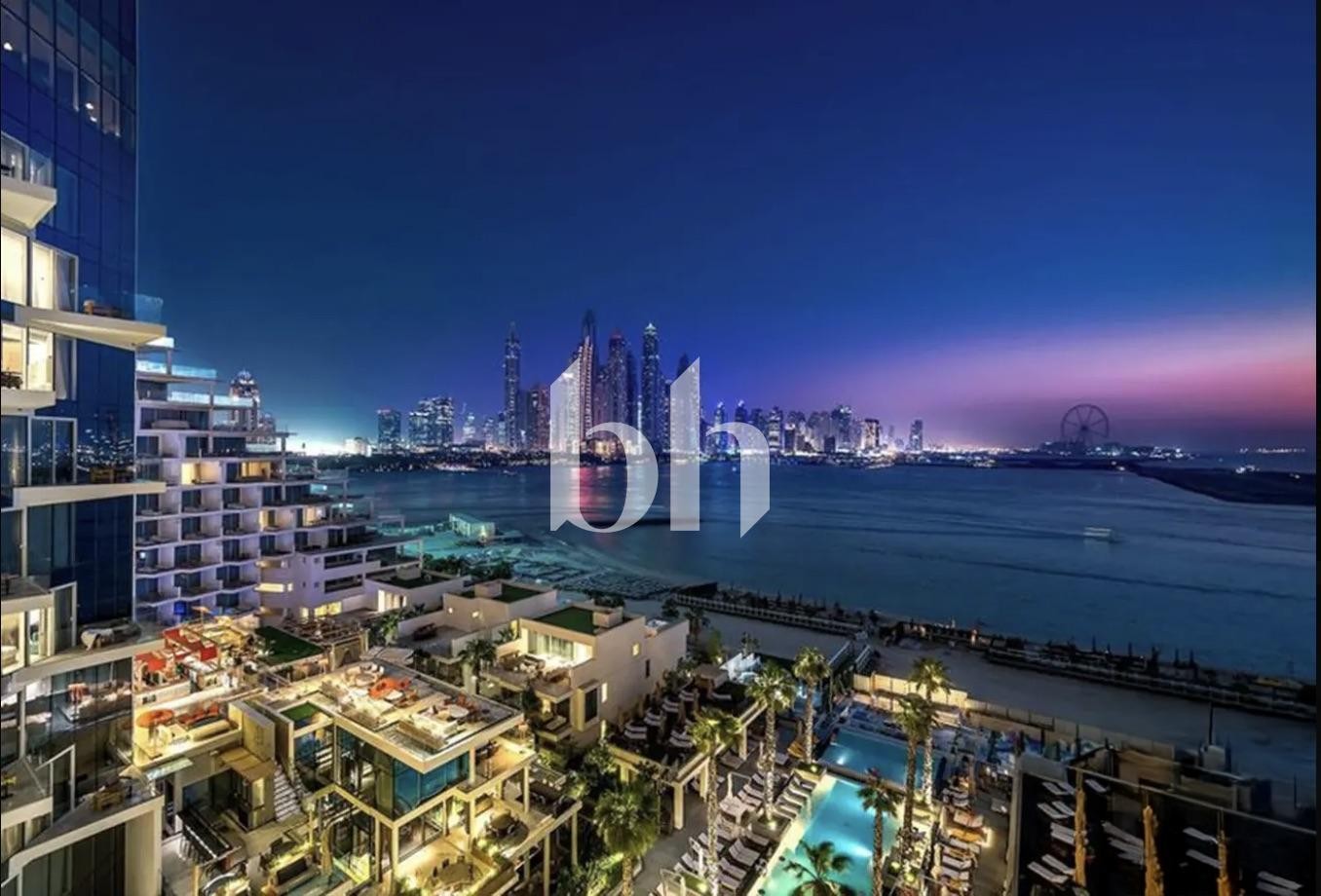
Five Palm Jumeirah
APARTMENT · Five Palm Jumeirah, West Beach, Palm Jumeirah, Dubai, United Arab Emirates
AED 2.15M – AED 2.38M
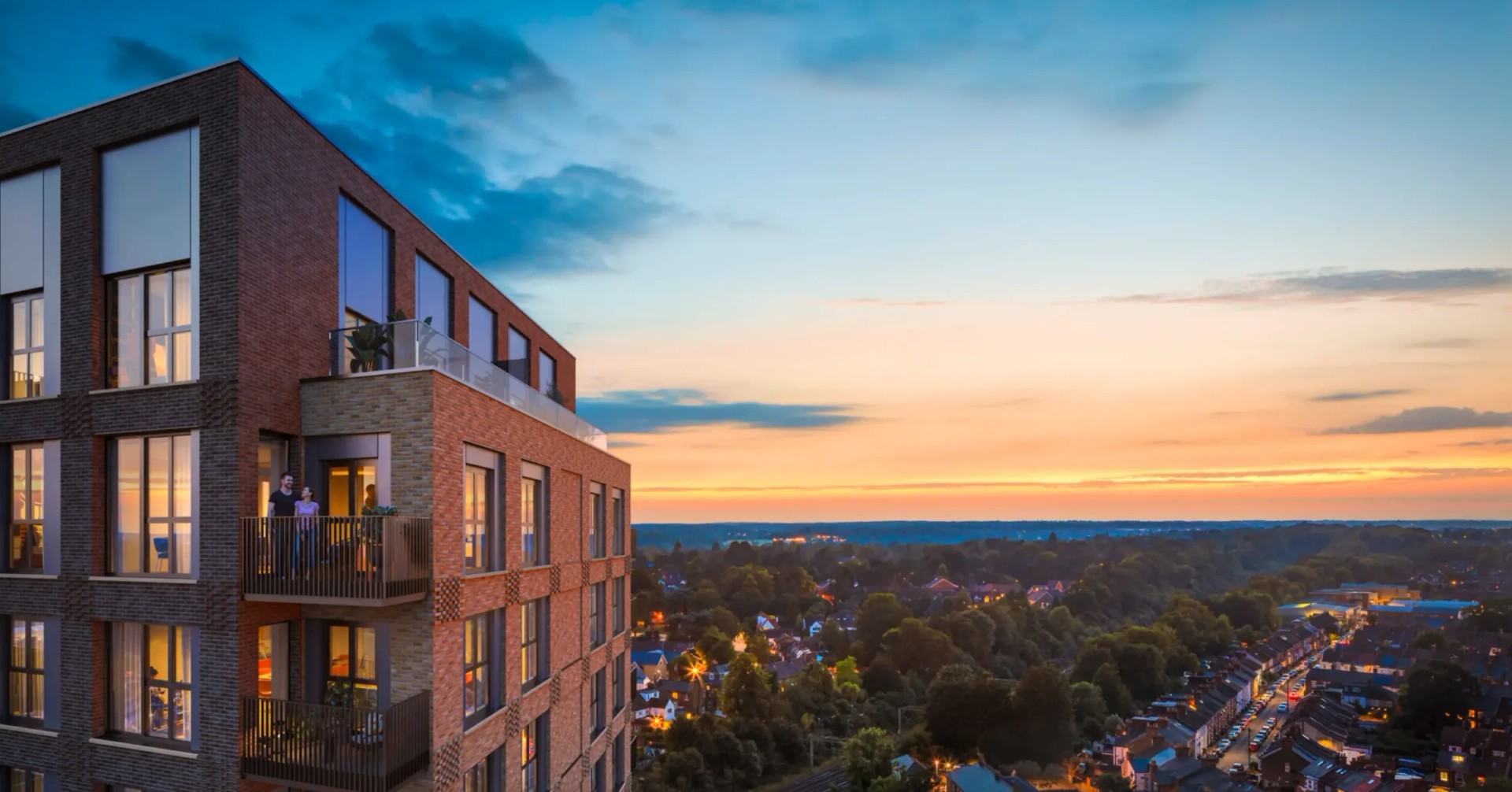
The Exchange
APARTMENT · Penn Road, Watford WD24 4AD, United Kingdom
GBP 297.5K – GBP 700K
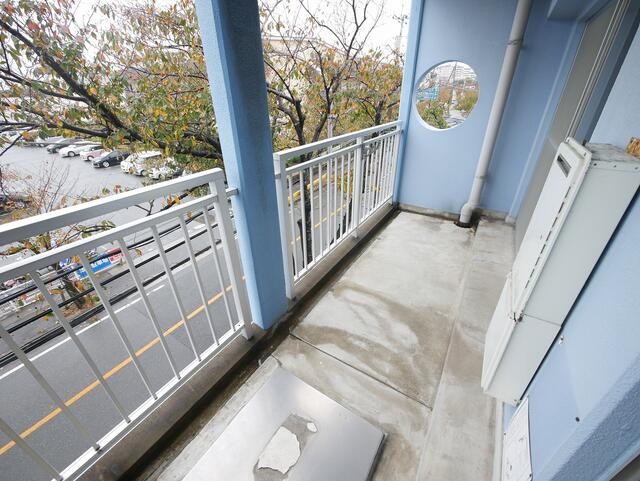
Apartment Building in Higashi-ku, Fukuoka
COMMERCIAL · Kasumigaoka 2-chome, Higashi-ku, Fukuoka, Japan
From JPY 185.00M
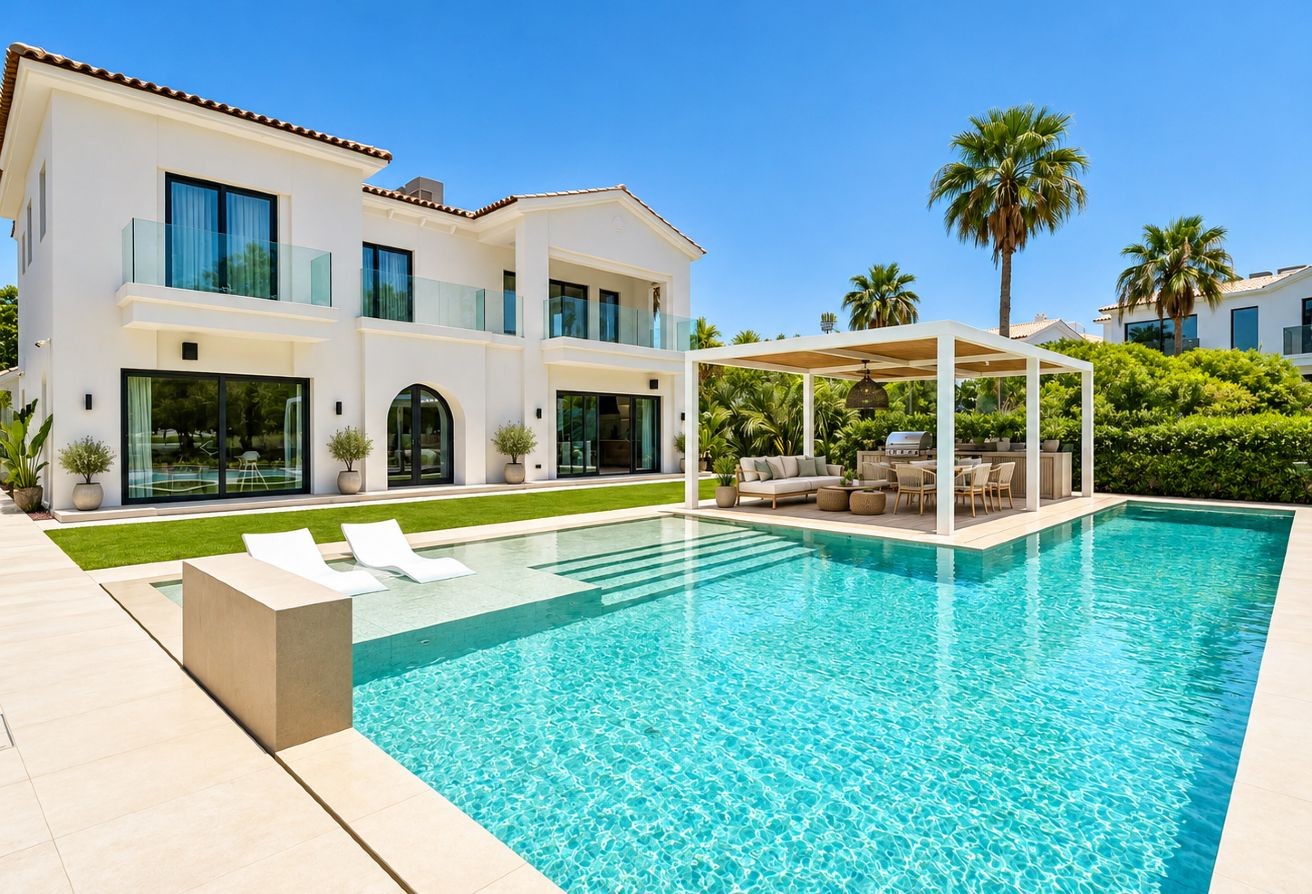
5-Bedroom Villa in The Sundials, Jumeirah Golf Estates, Dubai
HOUSE · Hillside street, The Sundials, Jumeirah Golf Estates, Dubai, United Arab Emirates
From AED 33.00M
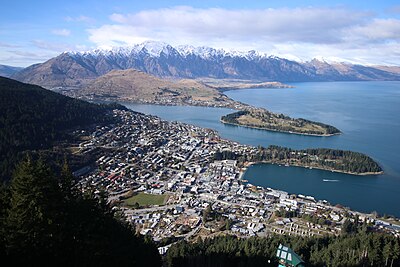
Safety rarely travels alone
The quiet partner to preservation and education.
How does the safety intent combine with the other buyer intents?
It multiplies them. Safety underwrites the preservation case (a store of value in an unstable jurisdiction is not a store of value), anchors the education case (families relocate to where children are safe first), and increasingly filters the residency case, as buyers weigh what a right is worth in a country they would not actually live in.
Intric maps this intent alongside residency implications, preservation characteristics, and education access across more than 70 markets on a comparable basis, so a family can see where a single purchase satisfies the most of what it is actually trying to do. The intelligence layer surfaces the comparison and the trade-offs. The judgment, and the decision, stay with the investor and their advisers.
For HNW investors and families. Intric is a private, invitation-only network for cross-border residential investment across 70+ markets. Members access comparative intelligence first, and specific opportunities second. Explore the free Explorer tier at intricglobal.com/en/subscribe.
On INTRIC now — Still open on INTRIC — every one of these answers enquiries directly.
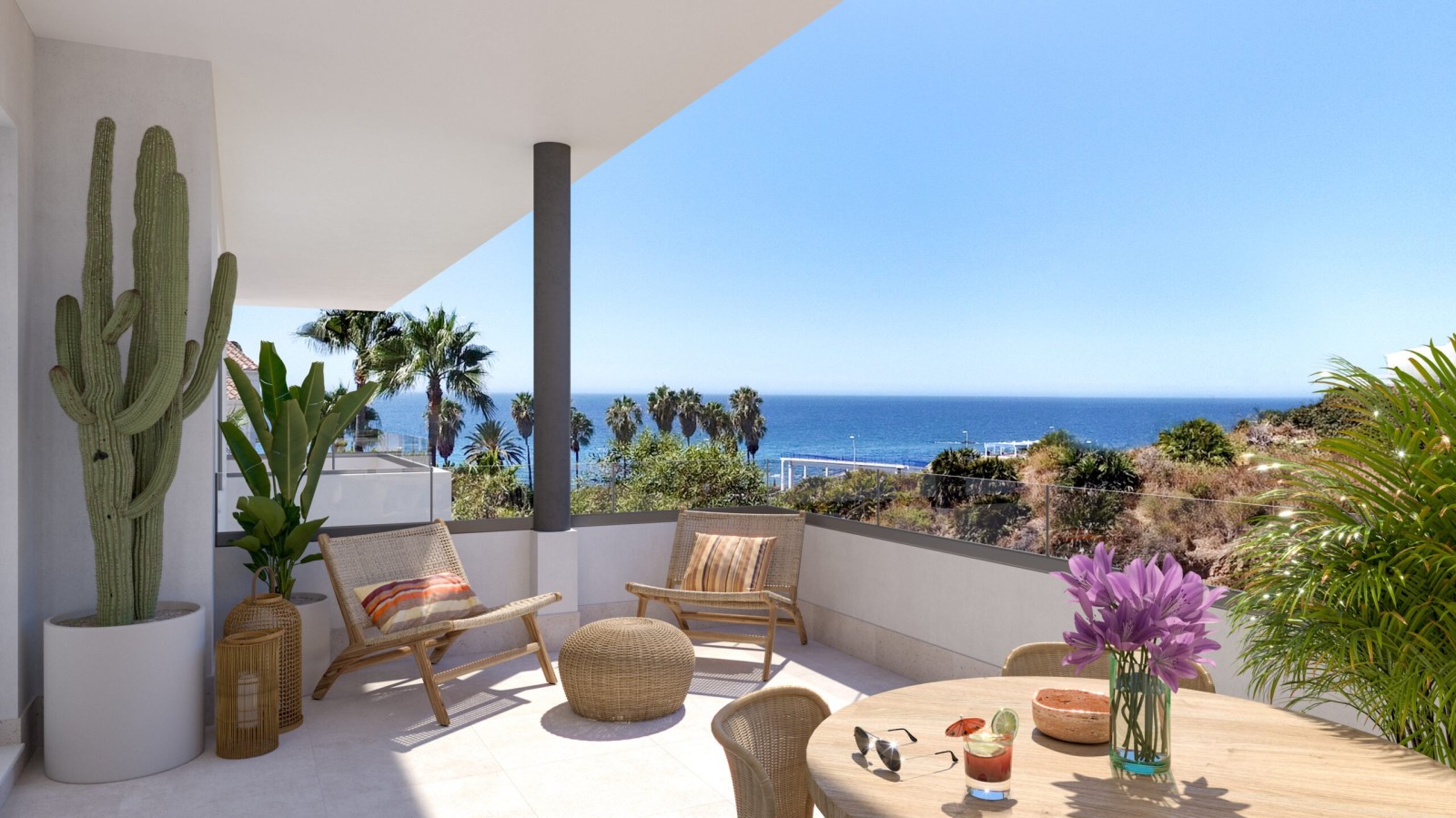
Brand New Sea View Apartments in Mijas Malaga
APARTMENT · Mijas, Málaga, Spain
EUR 483.5K – EUR 749K
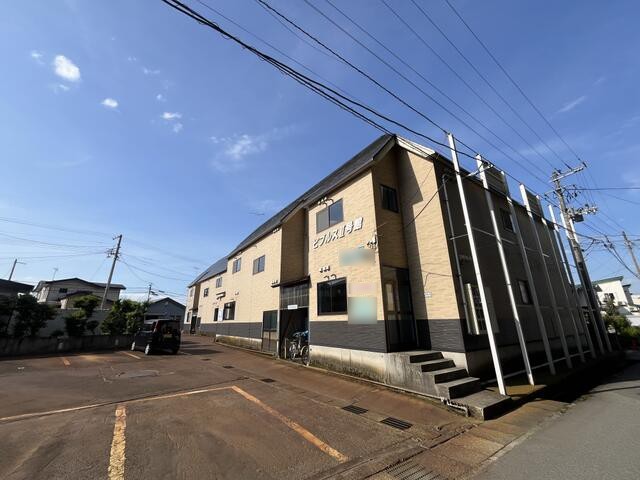
Apartment Building in Gobyo, Yonezawa
COMMERCIAL · Gobyo 1-chome, Yonezawa, Yamagata, Japan
From JPY 50.00M
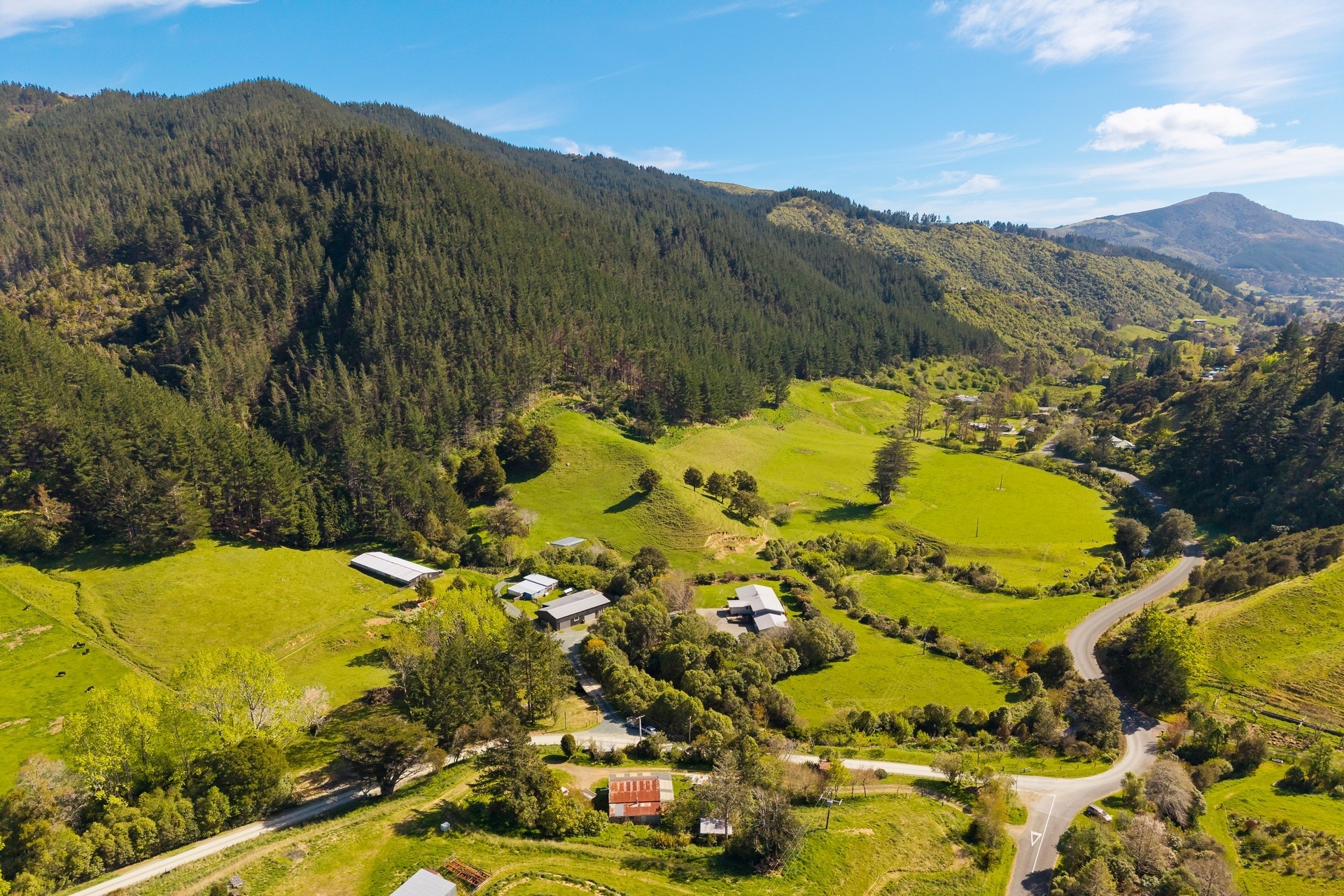
312 Lud Valley Road
HOUSE · 312 Lud Valley Road, Hira, Nelson 7071, New Zealand
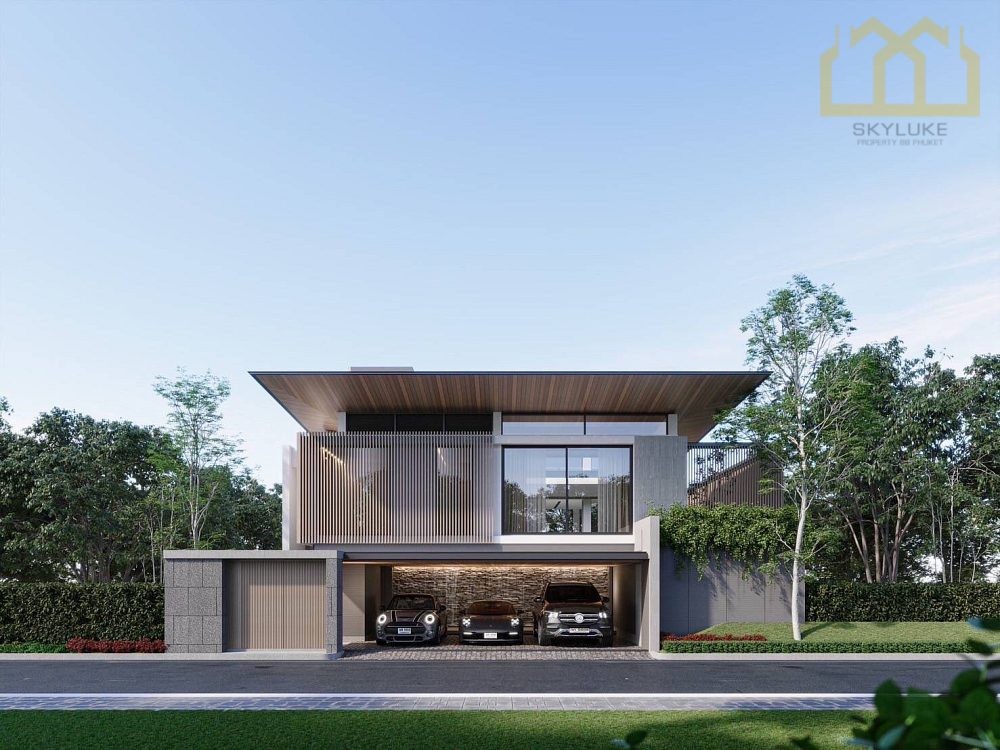
4-Bedroom Villa in Rawai, Mueang Phuket
HOUSE · Rawai, Mueang Phuket, Phuket, Thailand
From THB 34.80M
Abhii Dabas is the Founder and CEO of INTRIC Global, the cross-border property intelligence platform for serious investors. He advises high-net-worth buyers on international real estate strategy and has evaluated residential markets across more than 40 countries.