Market brief · Europe
Investing in Italy
The first listings in Italy are being prepared with our partners. Members hear about them first, and the markets below are open now.
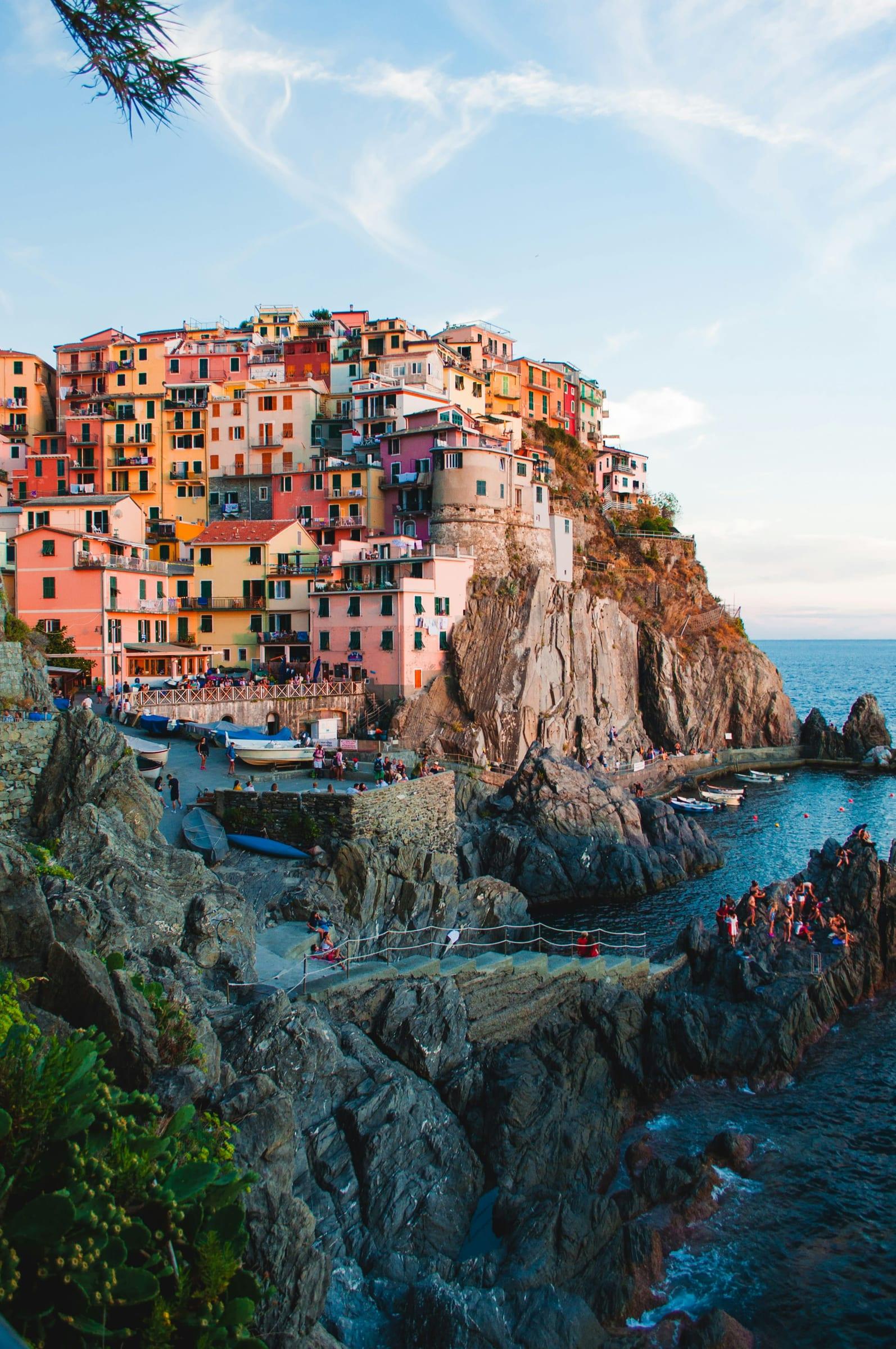
Buying in Italy
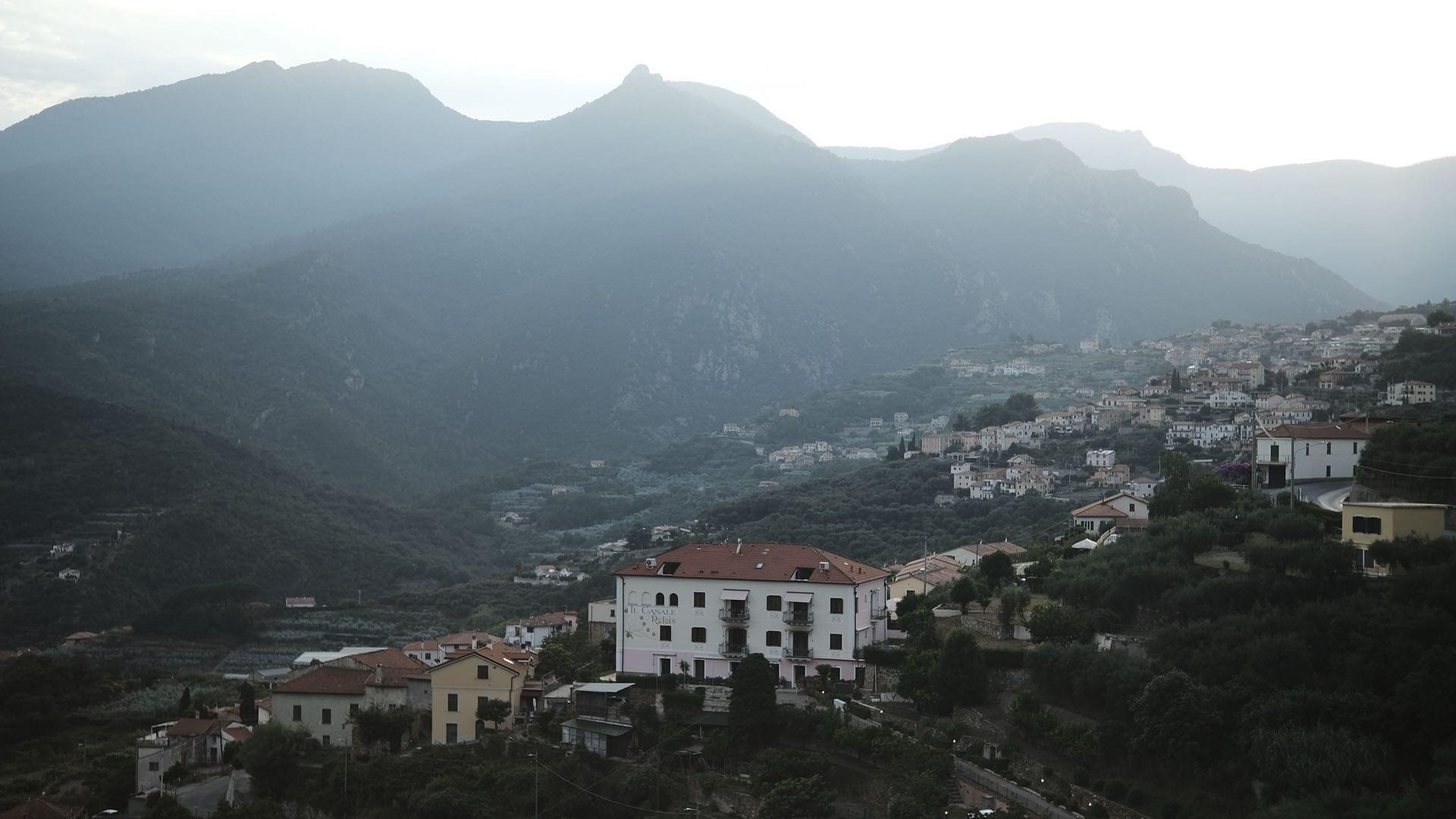 Country guide · 25 minItaly Investor GuideNavigate Italy's residency-by-investment landscape — still-active Investor Visa, €300K Lump-Sum Tax for new residents, 5-year capital gains exemption, and Europe's richest cultural heritage marketStable MarketForeign-FriendlyFreeholdRead the guide
Cities6 guides
All Italy city guides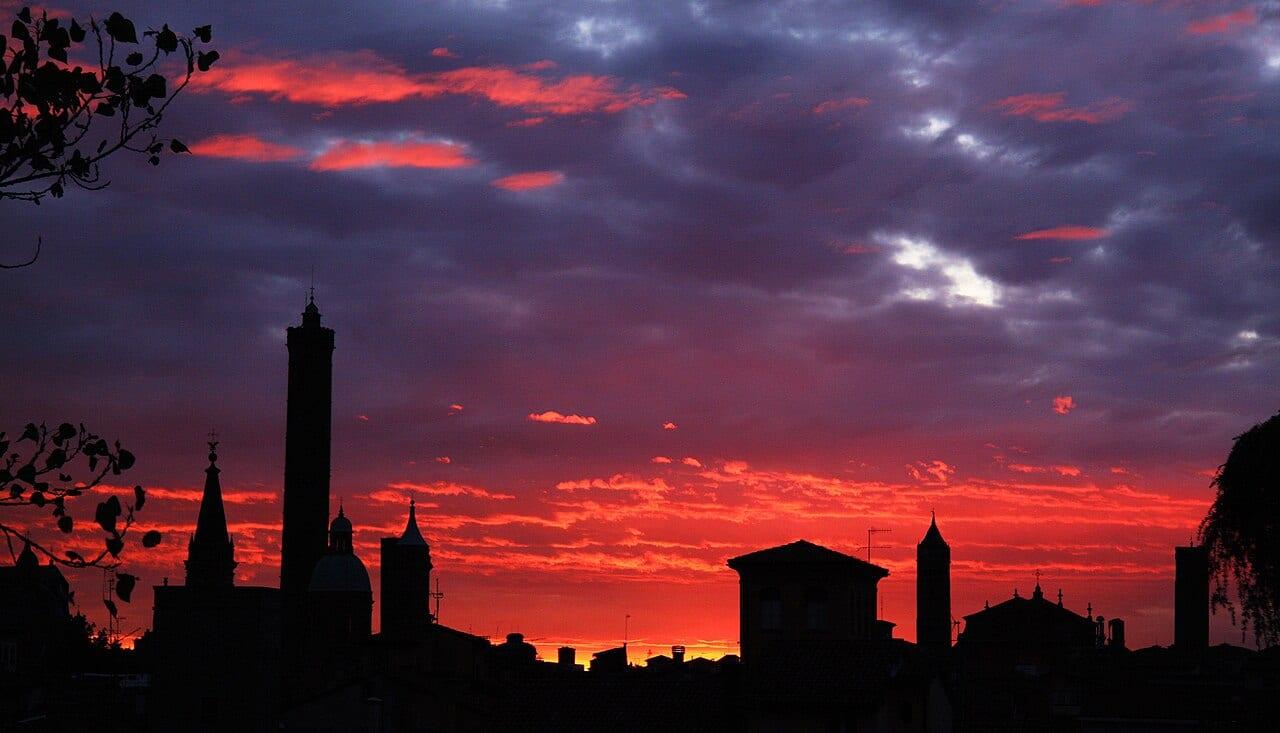 City guide · 7 minBolognaBologna, capital of Emilia-Romagna and home to the world's oldest university, is one of Italy's most resilient and rental-driven property markets. The city of roughly 391,000 (with more than a million in its metropolitan province) sits at the heart of the national rail network, two hours from both Milan and Florence, and combines a perfectly preserved medieval Centro Storico (Europe's largest network of porticoes) with a diversified economy spanning education, research, advanced manufacturing and a globally renowned food cluster. For investors the defining feature is rental demand: a vast student population and constant inflow of researchers and professionals keep vacancies minimal, with landlords often fielding multiple applications within hours of listing. Average asking prices reached roughly 3,600-3,818 euros per square metre by 2026, up around 6% year-on-year and the highest in years, while gross yields range from about 3% in the priciest pockets to above 7% in higher-yield neighbourhoods. Bologna is forecast among Italy's fastest-growing markets for 2026, with university districts expected to see the strongest rent growth. As a Eurozone city it offers legal and currency stability, but investors should weigh real headwinds: Italy's lengthy purchase and bureaucratic processes, rising prices that compress yields at the top end, and growing regulatory attention to short-term rentals in the historic centre.
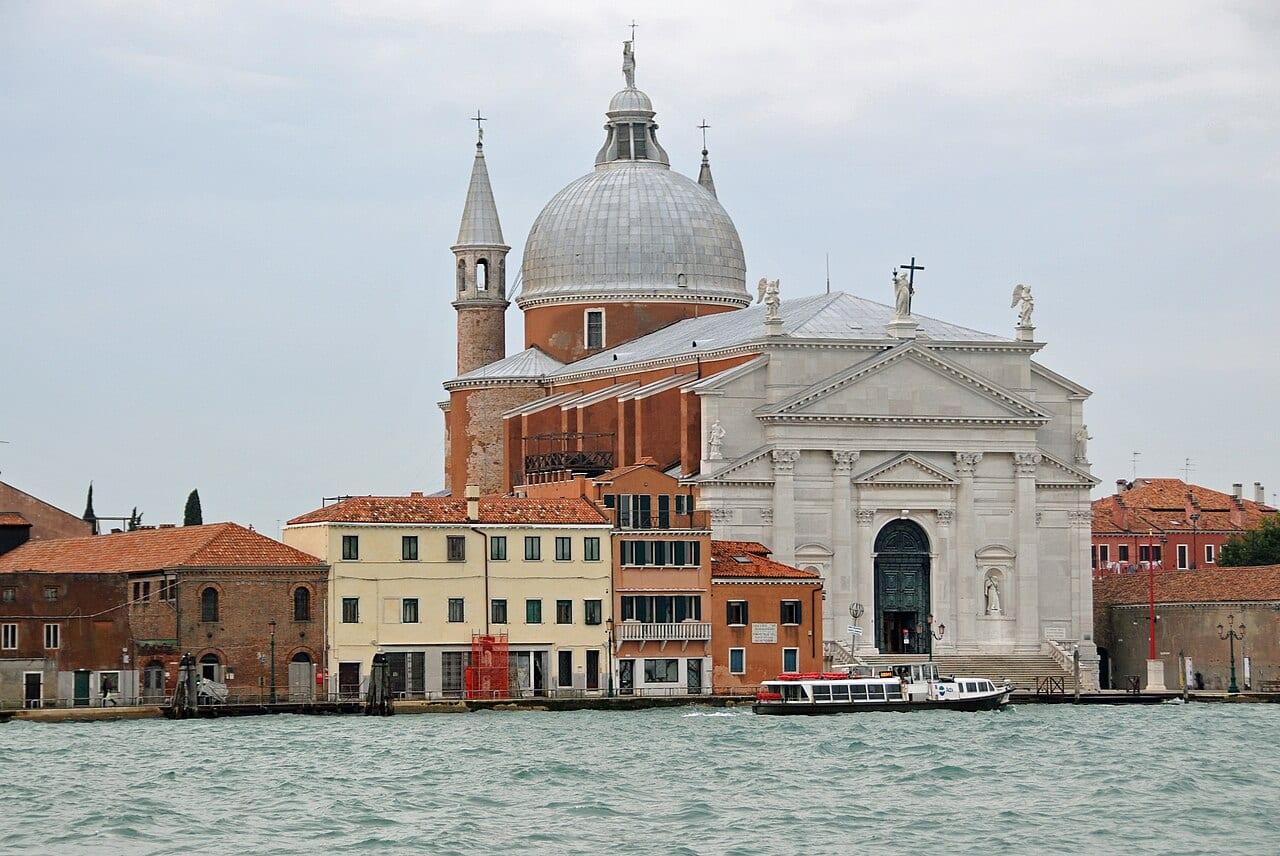 City guide · 7 minVeniceVenice is a property market like no other: a UNESCO-listed lagoon city of around 249,000 residents (less than 50,000 in the historic island core) where the near-total absence of new construction creates a structurally scarce supply of housing. That scarcity, combined with relentless global tourism and second-home demand, drives prices in the historic centre well above the Italian average: San Marco apartments range from 5,800 to 7,200 euros per square metre, while the citywide average reached roughly 4,800-4,900 euros/m2 in late 2025, up around 5% year-on-year. The market is sharply two-tiered: trophy lagoon apartments deliver modest long-let yields of 3.5-4.3% (Cannaregio near the Ghetto) but exceptional scarcity value, while the mainland districts of Mestre and Marghera offer entry prices as low as 1,400-2,000 euros/m2 and the strongest gross yields, around 4.5-5.5%, anchored by commuters, students and service workers. Tenant demand spans students, hospital and tourism staff, and a growing cohort of remote workers and expats. As a Eurozone city Venice offers currency and legal stability, but the risks are unusually specific: flood (acqua alta) exposure and the cost of maintaining historic island buildings, tightening short-term-rental and tourism regulation (including the day-tripper access fee), a shrinking resident population, and a flat-to-modest 12-month price outlook of roughly minus 3% to plus 5% for the historic centre.
 City guide · 10 minFlorenceFlorence is the cradle of the Italian Renaissance — Tuscany's regional capital, a UNESCO World Heritage City since 1982, and the city where Michelangelo's David, Botticelli's Birth of Venus, the Duomo, the Uffizi, and the Ponte Vecchio define an unrivalled concentration of cultural heritage. The city centre fits within a compact UNESCO buffer zone, with Centro Storico, Oltrarno (across the Arno), and the surrounding hills (San Miniato, Fiesole) anchoring the residential market. Population is 362,353 (city) / 714,000 (metro). Florence reached €4,737/m² in April 2026 (+5.43% YoY), with Centro Storico at €5,300/m² and Oltrarno/Historic Centre reaching €5,500-€6,000/m². Outer residential areas like Rifredi or Isolotto are €3,700-€3,900/m². Florence delivers Italy's strongest yield + heritage combination — gross rental yields ran 5.23-7.7% in Q3 2025 with city average 6.24%.
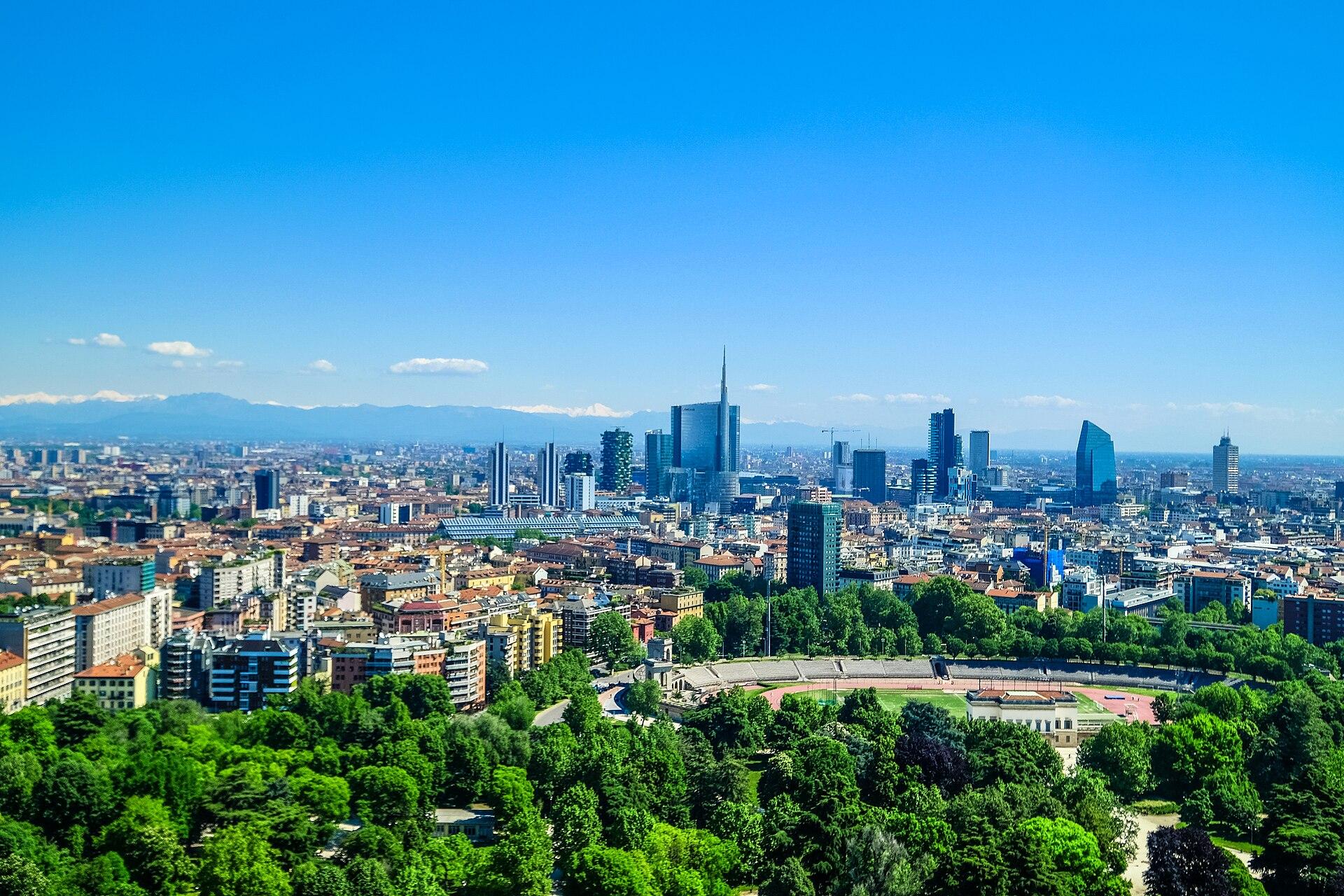
 City guide · 10 minMilanMilan is Italy's financial capital, fashion-and-design world centre, and the country's most expensive property market. Population is 1,362,863 (city) / 3,167,000 (metro). The city is anchored by the Duomo and the historic Centro Storico, the global luxury retail of the Quadrilatero d'Oro (Via Montenapoleone, Via della Spiga, Via Sant'Andrea), the art-and-design Brera district, and three landmark modern developments: Porta Nuova (Piazza Gae Aulenti and the Bosco Verticale vertical-forest skyscraper), CityLife (Hadid/Isozaki/Libeskind 'Three Towers' on the former Fiera grounds), and Garibaldi-Isola. Average property prices reached €5,188/m² in 2025 — the highest in Italy and roughly 50% above Rome's €3,759/m². Premium districts (Brera, Porta Nuova, CityLife) command €10,000+/m². Rental yields average 5.32% across the city. Milan captures a disproportionate share of Italy's HNW relocators using the renewed 2026 €300K Lump-Sum Tax regime.