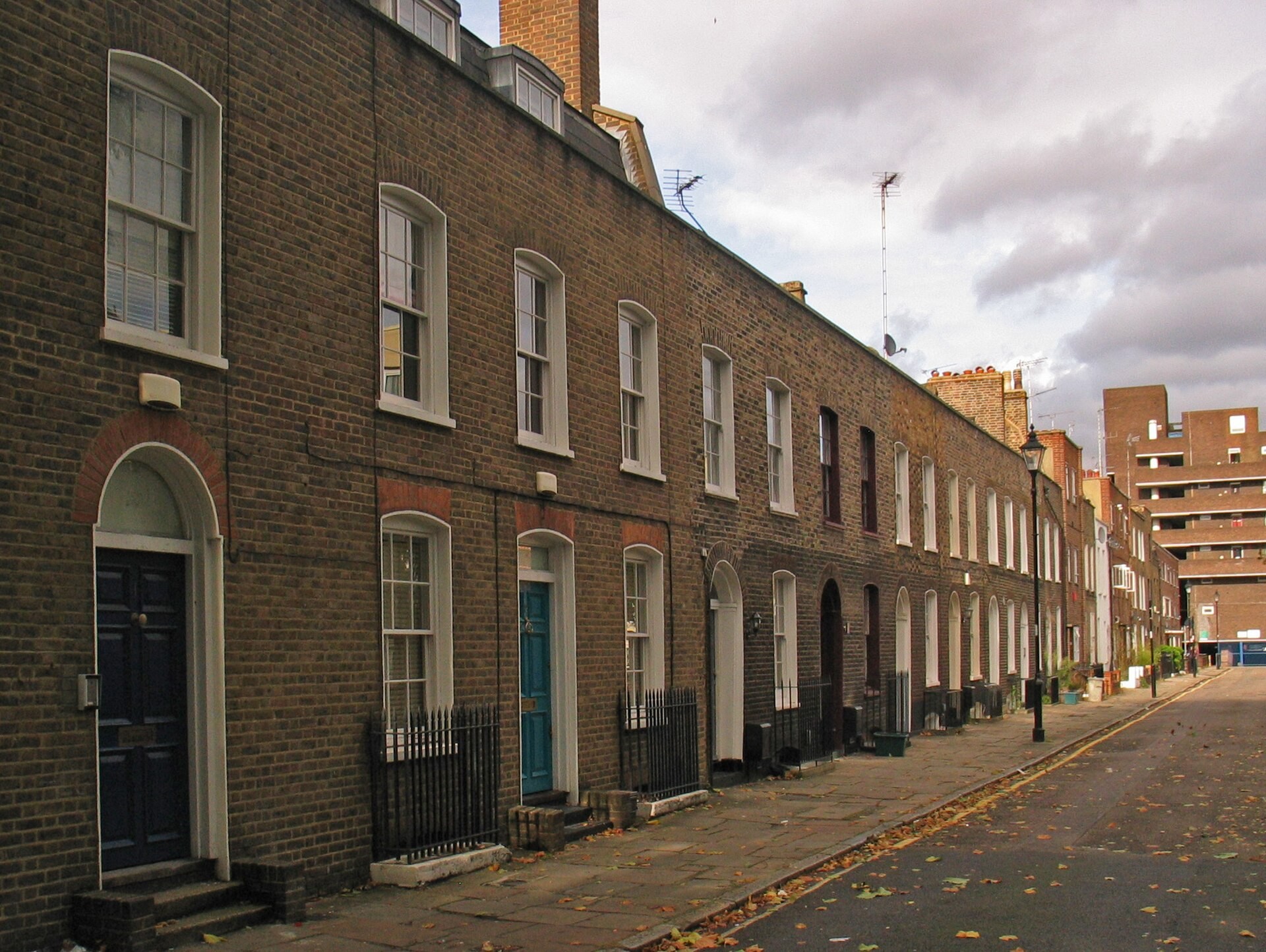
Saudi opens with a 7% exit cost and Australia's ban runs to 2029. Japan wants a form within 20 days. England's landlord register opens 15 December. Canada's ban expires 1 January. Seven rule changes for foreign buyers in 2026. #PropertyLaw #ForeignBuyers #INTRIC
 ByAbhii Dabas
In short
Seven rule changes for foreign property buyers in 2026. Saudi Arabia opened designated zones to non-Saudis on 22 January, with a 7% exit cost in its four main cities. Australia extended its established-home ban to 30 June 2029. Japan added a 20-day purchase report and a nationality declaration, with a permit bill for land near defence sites pending. England ended no-fault evictions and opens a £65 landlord register on 15 December. New Zealand lets investor-visa holders buy one NZ$5m home. Italy's flat tax rose to €300,000. Canada's ban expires 1 January 2027 with no successor announced.
Key takeaways
- Saudi Arabia opened ownership to non-Saudis on 22 January 2026, inside designated zones. A sale in Riyadh, Jeddah, Makkah or Madinah costs 7%: 5% transaction tax plus a 2% non-Saudi fee.
- Australia extended its ban on foreigners buying established homes to 30 June 2029. The FIRB fee on a new home up to AUD 1 million is AUD 15,600.
- Japan added a 20-day purchase report for non-residents from 1 April and a nationality declaration at registration from 5 October. A permit bill for land near defence sites is heading to the Diet.
- England's Renters' Rights Act ended no-fault evictions on 1 May. Landlords must register each property, at £65 a year, between 15 December 2026 and 14 November 2027.
- Canada's federal ban expires on 1 January 2027 with no replacement announced. New Zealand let wealthy investor-visa holders buy one NZ$5 million home, and Italy raised its flat tax for new residents to €300,000.
1. Saudi Arabia opens, zone by zone
The Law on Real Estate Ownership by Non-Saudis took effect on 22 January 2026 and replaced a regime that let foreigners own only for a stated purpose. The Council of Ministers approved the zones on 23 June. Regulations followed on 3 July. Non-Saudi individuals, foreign companies and licensed funds can now own inside designated geographic zones: 10 in Riyadh, 56 in Jeddah, 11 in Makkah, 9 in Madinah, and AlUla. A non-Saudi already resident in the Kingdom may own one home for personal use outside the zones, but not in Makkah or Madinah.
The cost sits at the exit. Any sale by a non-Saudi in Riyadh, Jeddah, Makkah or Madinah carries a 2% fee on top of the 5% Real Estate Transaction Tax. The law allows the fee to go as high as 5%, and early commentary quoted that ceiling, but the regulations set it at 2%. Each zone defines whether the right is freehold or usufruct, the ownership percentage and the duration, so the zone matters more than the city. Riyadh rents are frozen until 25 September 2030 under a royal decree of September 2025, which caps how fast income can grow there.
On INTRIC now — Residences on INTRIC are open to enquiry straight from this page.

NEXT Address
Apartment · 11 Tbel Abuseridze Str, Batumi, 6010, Georgia
USD 50.9K – USD 191.2K
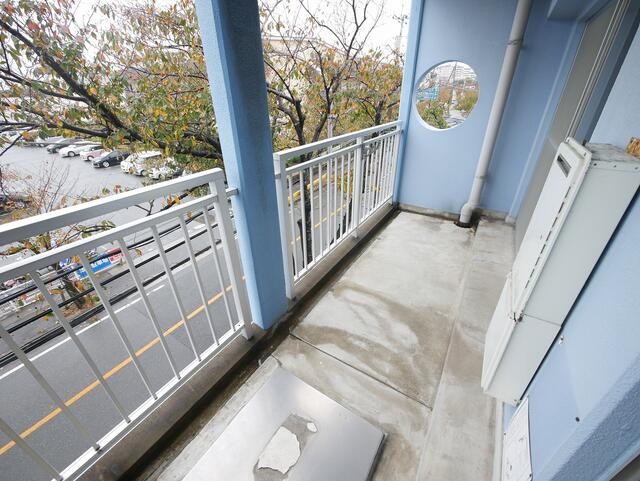
Apartment Building in Higashi-ku, Fukuoka
COMMERCIAL · Kasumigaoka 2-chome, Higashi-ku, Fukuoka, Japan
From JPY 185.00M
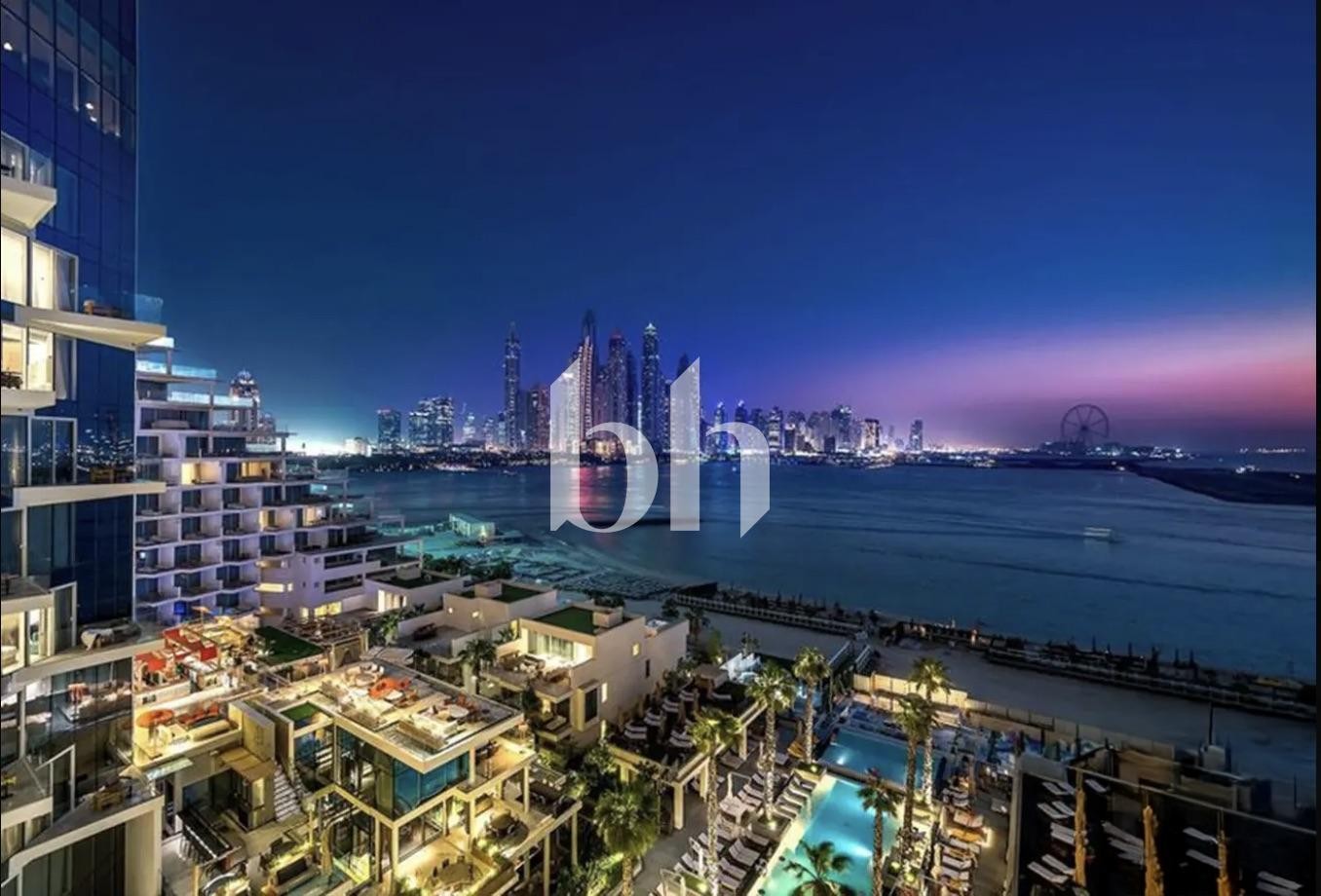
Five Palm Jumeirah
APARTMENT · Five Palm Jumeirah, West Beach, Palm Jumeirah, Dubai, United Arab Emirates
AED 2.15M – AED 2.38M

312 Lud Valley Road
HOUSE · 312 Lud Valley Road, Hira, Nelson 7071, New Zealand
3. Japan adds paperwork, and a permit bill
Japan has no ban on foreign buyers and has not proposed one since June. What it has added is a paper trail. Since 1 April 2026 a non-resident who buys any Japanese property, including a home to live in, must file Form 22 under the Foreign Exchange and Foreign Trade Act within 20 days. Before April, residential purchases were exempt. Since 5 October every new registered owner, Japanese citizens included, declares their nationality to the Legal Affairs Bureau. The nationality is held internally and does not appear on the public register.
One more rule is coming. On 13 October the government presented the ruling LDP with an amendment to the Important Land Survey Act that would require prior state permission for land deals within about 1 km of Self-Defense Force and Coast Guard sites and on uninhabited border islands. It applies to buyers of any nationality. Deals made without permission would face up to three years in prison or a ¥3 million fine. Cabinet approval was expected within days, with passage targeted in the current Diet session, but as of 17 October it is a bill, not a law.
On INTRIC now — Still open on INTRIC — every one of these answers enquiries directly.

Apartment Building in Gobyo, Yonezawa
COMMERCIAL · Gobyo 1-chome, Yonezawa, Yamagata, Japan
From JPY 50.00M
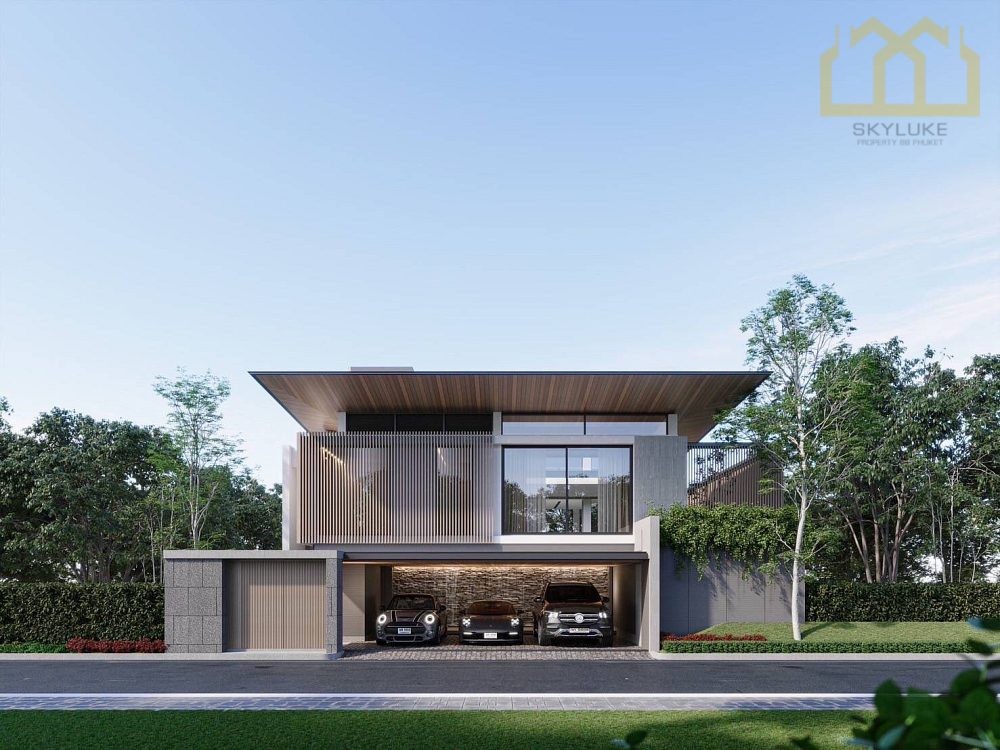
4-Bedroom Villa in Rawai, Mueang Phuket
HOUSE · Rawai, Mueang Phuket, Phuket, Thailand
From THB 34.80M
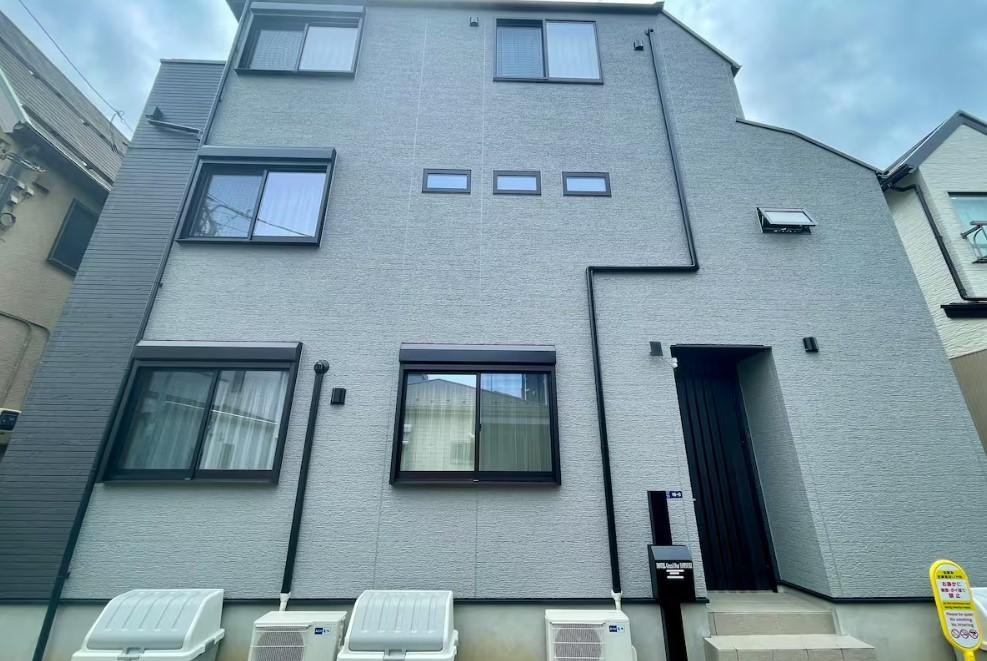
Ryokan in Katsushika-ku, Tokyo
COMMERCIAL · Yotsugi 1-chome, Katsushika-ku, Tokyo, Japan
From JPY 120.00M
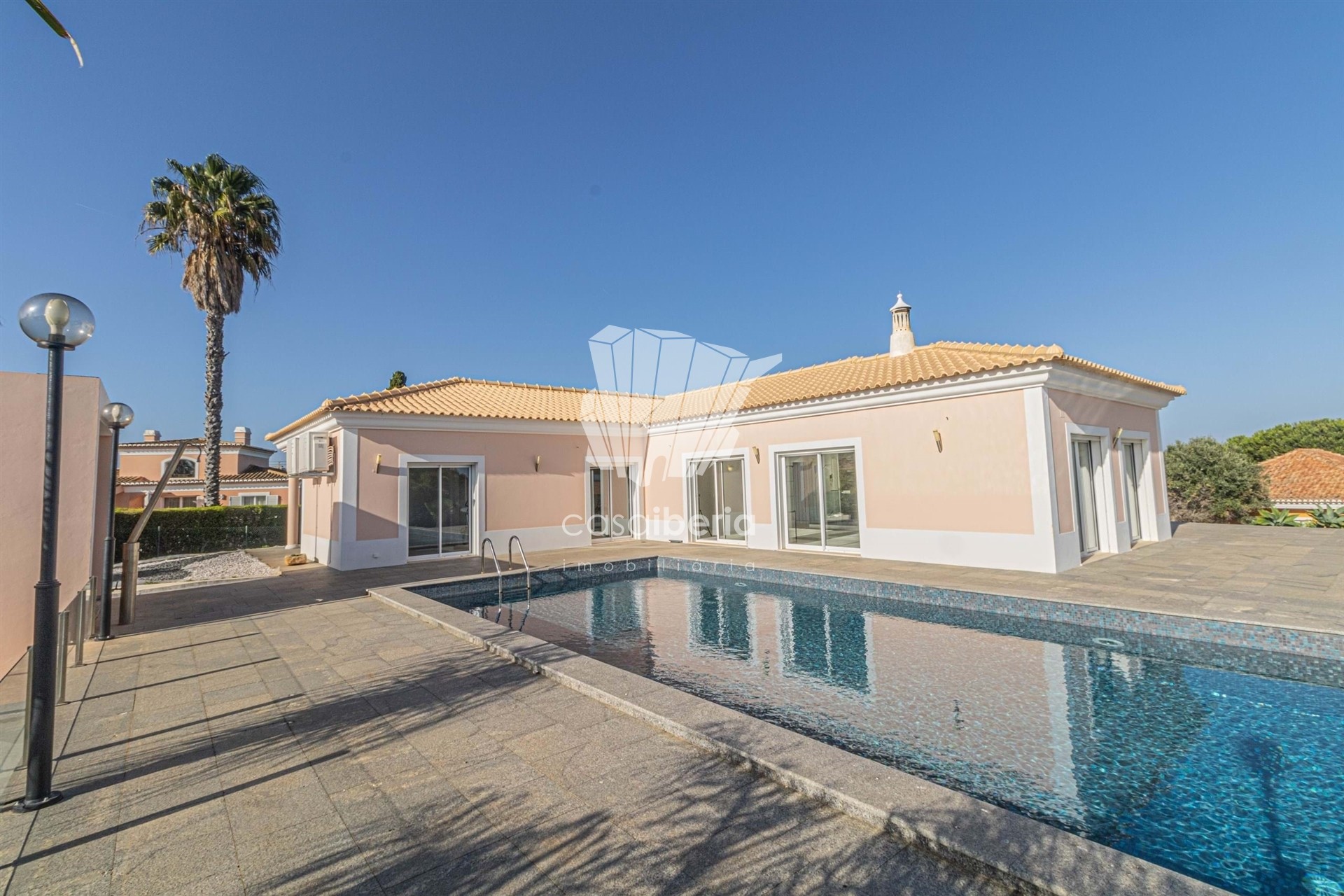
3-Bedroom House in Vale da Lama, Lagos
HOUSE · Vale da Lama, Lagos, Faro, Portugal
From EUR 1.25M
Sources
- REGA: Non-Saudi property ownership system enters into force
- Deloitte: Implementing regulations to the non-Saudi real estate ownership law
- Enterprise KSA, 30 June 2026: Mapping the real estate foreign ownership zones
- FIRB Guidance Note 6: Residential land, v5 (1 July 2026)
- FIRB Schedule of fees, v8 (1 July 2026)
- Financial Standard: Foreign investors housing ban extended
- Ministry of Justice (Japan) circular, 4 September 2026: nationality declaration at registration from 5 October
- Japan Real Estate Analytics: FEFTA Form 22 reporting from 1 April 2026
- Jiji Press, 13 October 2026: draft permit system for land near defence sites
- Japan Today, 3 June 2026: government postpones proposals to restrict purchases by foreigners
- GOV.UK: Guide to the Renters' Rights Act
- GOV.UK, 9 September 2026: Stronger protections and greater confidence for renters
- NRLA, 9 September 2026: Landlord database rollout to start December
- GOV.UK: Rates of Stamp Duty Land Tax for non-UK residents
- LINZ: Reform of the Overseas Investment Act
- Anderson Lloyd: Changes to the Overseas Investment Act for Active Investor Plus visa holders
- Gazzetta Ufficiale: Legge 30 dicembre 2025, n. 199 (Budget Law 2026)
- Agenzia delle Entrate: Opzione per i neo-residenti
- CMHC: Prohibition on the Purchase of Residential Property by Non-Canadians Act
- Canadian Mortgage Professional, 13 July 2026: Canada's foreign buyer ban is expiring
Abhii Dabas is the Founder and CEO of INTRIC Global, the cross-border property intelligence platform for serious investors. He advises high-net-worth buyers on international real estate strategy across more than 40 countries. In 2026 he has spent more time explaining rules that changed than rules that did not, and more time correcting headlines about bans that never happened.