Nobody calls their home a position, but that is what it is.
 ByAbhii Dabas
In short
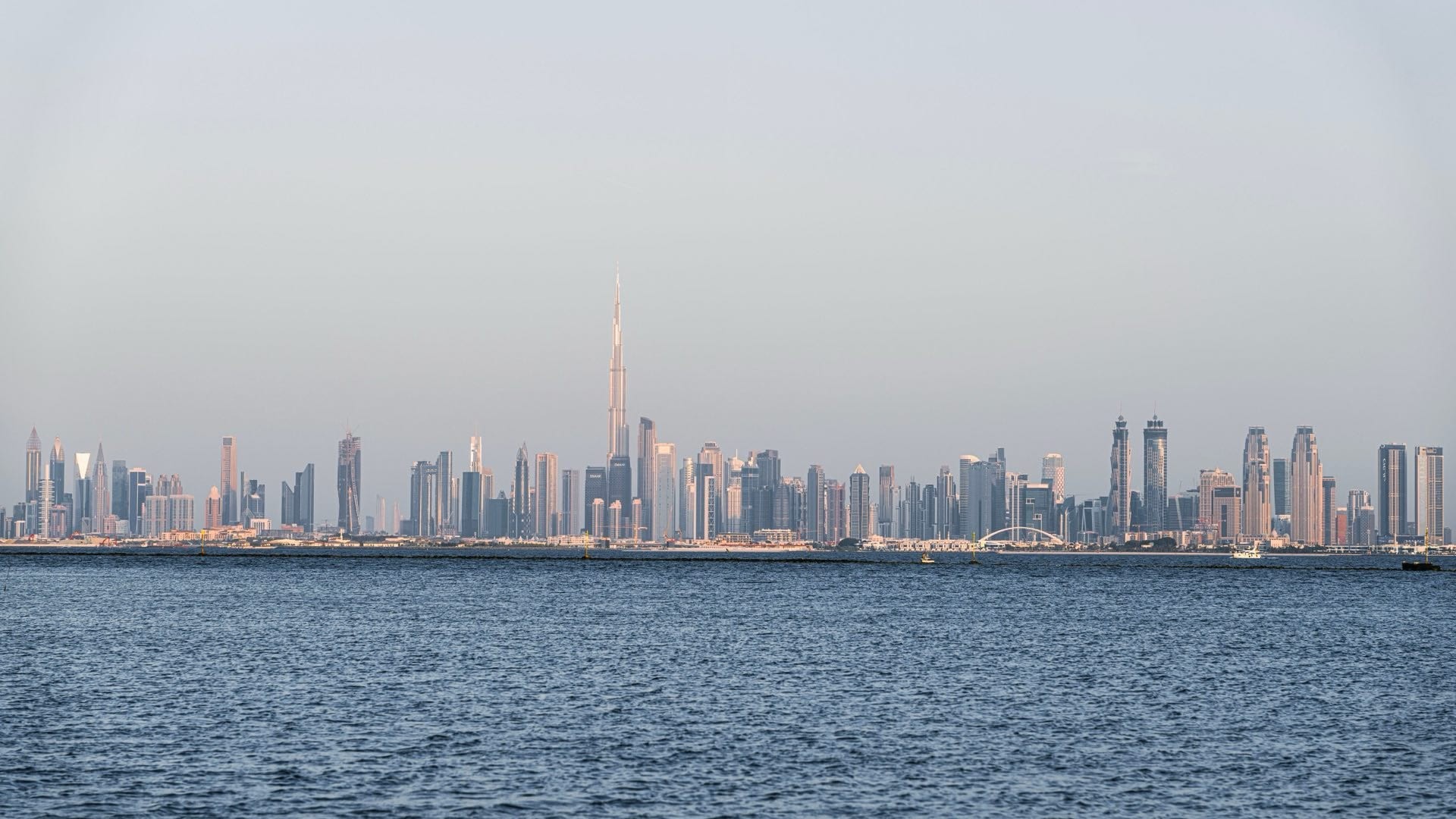
The case for diversification wrote itself in 2026. Within the same Knight Frank prime index year, Tokyo rose around 58.5%, Dubai around 25.1%, the global average managed 3.2%, and prime central London fell around 7.0%: a 65.5-point spread between the best and worst outcomes an undiversified buyer could have owned. With Capgemini counting around US$98.3 trillion of HNWI wealth and 22% of UHNWIs adding prime property this year, the portfolio question is no longer whether to hold property, but across how many currencies, regimes, and cycles to hold it. Capital at risk.
Key takeaways
- The 2026 spread was extreme. Tokyo around +58.5%, Dubai around +25.1%, the global prime average around +3.2%, and prime central London around -7.0%, per Knight Frank’s PIRI data.
- Currency is half the return. Tokyo’s year was substantially a weak-yen story for dollar buyers; over a five-year hold, currency moves can outweigh the entire yield differential between two markets.
- Regimes diversify too. Tax and policy shocks are jurisdiction-specific: the UK’s non-dom abolition moved capital in one direction while Italy’s and Greece’s regimes pulled in another.
- The sovereign portfolio is diversification with a passport. Henley & Partners describes families assembling rights and assets across several jurisdictions, treating mobility itself as an asset class.
- Diversify intents, not just dots on a map. Two apartments in the same regime and currency are one position; a preservation base, a rights base, and an education base are three.
Diversify currency, regime, and intent
A map dot is not diversification.
What does real property diversification look like?
Three axes at once: currency, regime, and intent.
- Currency: hold across at least two currency blocs; over a five-year hold, FX can outweigh the entire yield differential between markets.
- Regime: spread across tax and policy jurisdictions; the UK’s 2025 reforms moved millionaires while other regimes pulled them in, and no single government controls a spread portfolio.
- Intent: let each base do a different job, preservation, rights, education, lifestyle; two assets doing the same job in the same regime are one position.
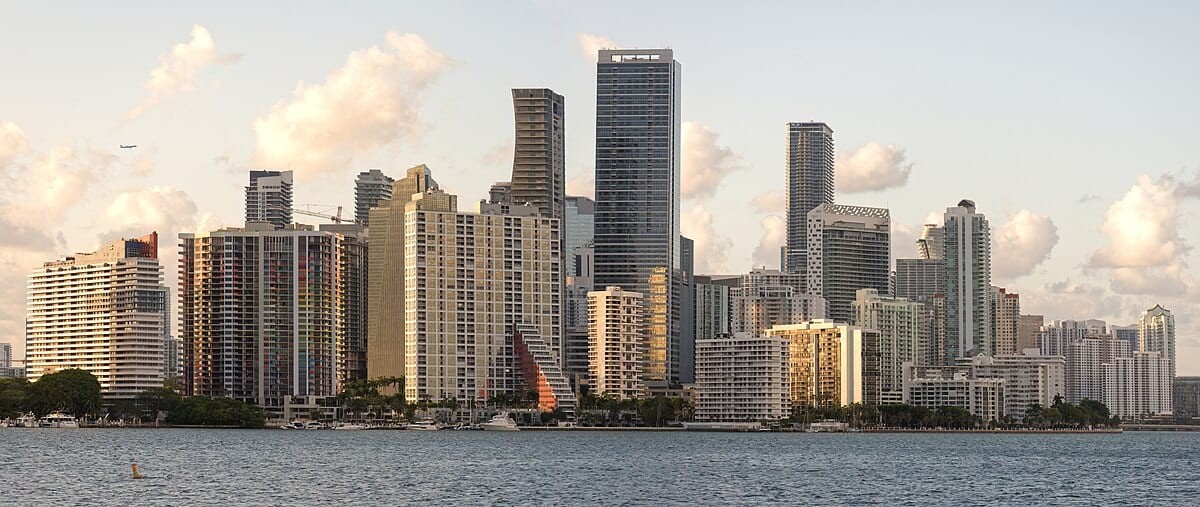
- Liquidity: pair deep markets (Dubai, Miami, Singapore) with satellites, so the portfolio can always raise cash without selling the strategic core.
On INTRIC now — Residences in JAPAN are open to enquiry straight from this page.
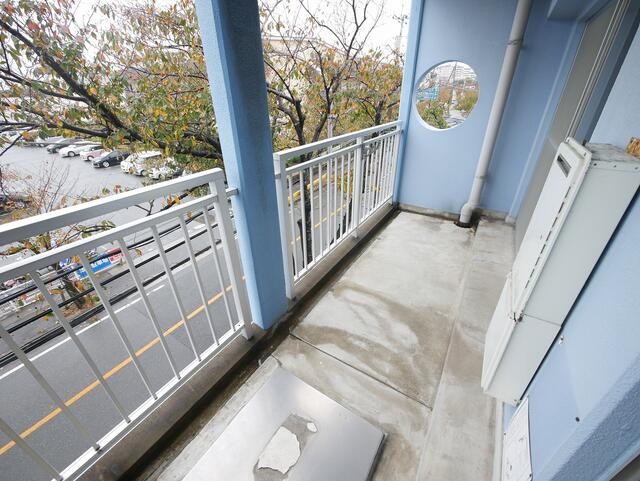
Apartment Building in Higashi-ku, Fukuoka
COMMERCIAL · Kasumigaoka 2-chome, Higashi-ku, Fukuoka, Japan
From JPY 185.00M
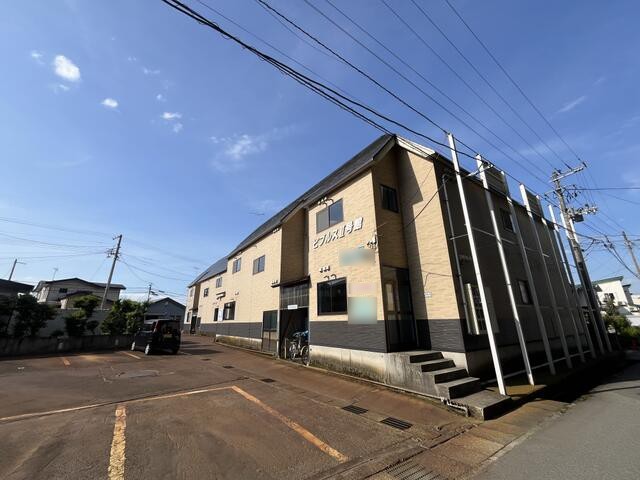
Apartment Building in Gobyo, Yonezawa
COMMERCIAL · Gobyo 1-chome, Yonezawa, Yamagata, Japan
From JPY 50.00M
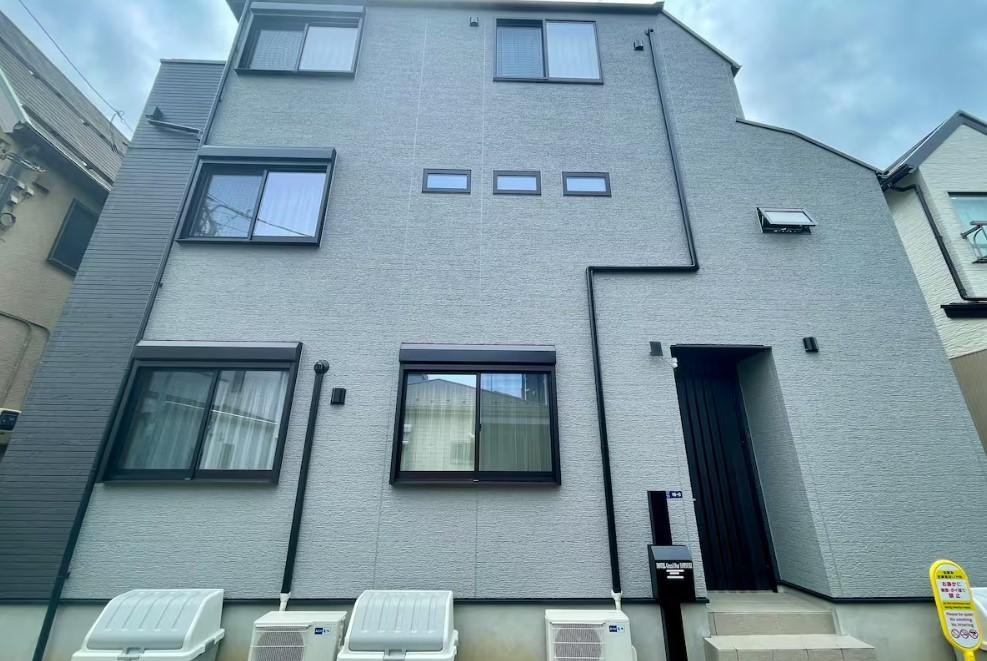
Ryokan in Katsushika-ku, Tokyo
COMMERCIAL · Yotsugi 1-chome, Katsushika-ku, Tokyo, Japan
From JPY 120.00M
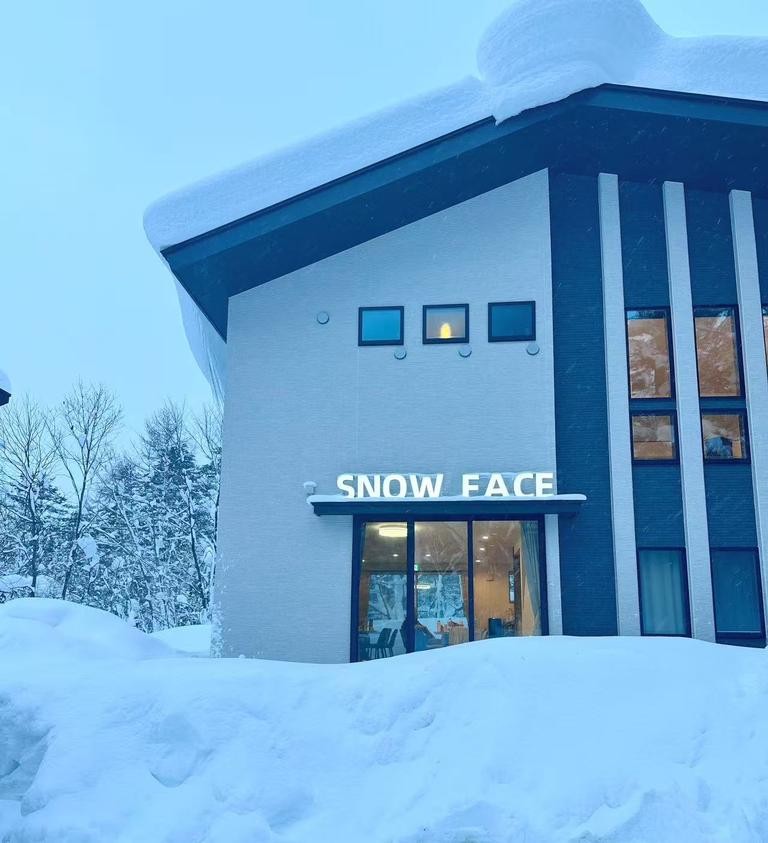
Hotel in Kamishiro, Hakuba
COMMERCIAL · Kamishiro, Hakuba, Nagano, Japan
From JPY 300.00M
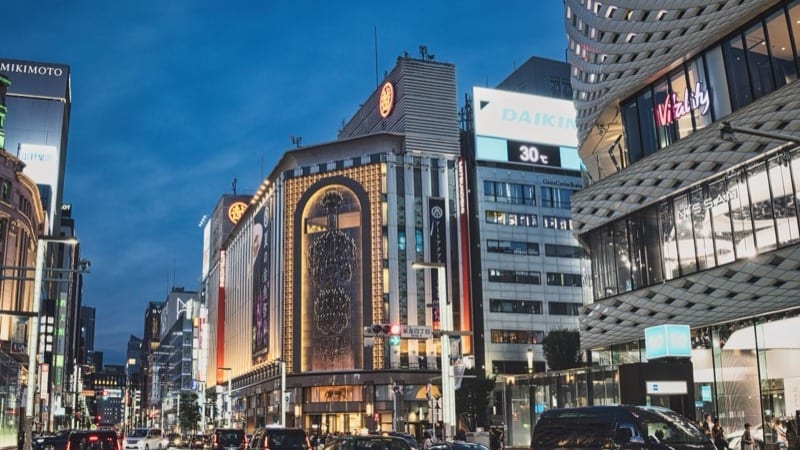
Diversification is the portfolio view of every intent
The meta-intent.
How does diversification relate to the other buyer intents?
It is the discipline that arranges them. Each intent picks a base; diversification decides how the bases fit together, across currencies, regimes, and cycles. It is the reason a family that could buy twice in one city buys once in two.
Intric maps this intent alongside residency implications, preservation characteristics, and education access across more than 70 markets on a comparable basis, so a family can see where a single purchase satisfies the most of what it is actually trying to do. The intelligence layer surfaces the comparison and the trade-offs. The judgment, and the decision, stay with the investor and their advisers.
For HNW investors and families. Intric is a private, invitation-only network for cross-border residential investment across 70+ markets. Members access comparative intelligence first, and specific opportunities second. Explore the free Explorer tier at intricglobal.com/en/subscribe.
On INTRIC now — Still open in JAPAN — every one of these answers enquiries directly.
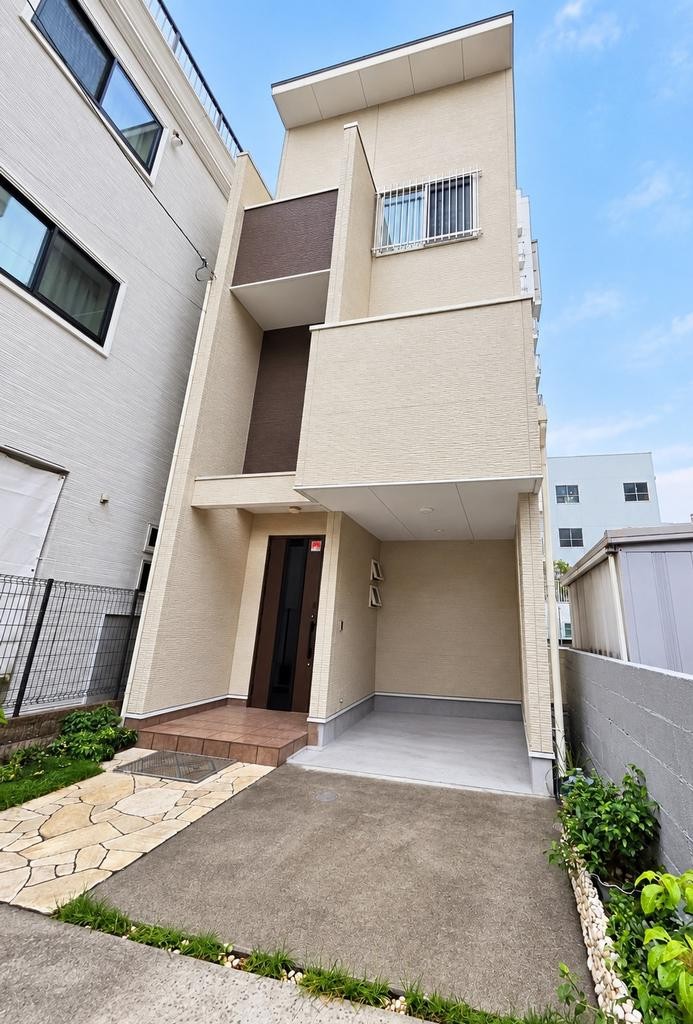
4-Bedroom Detached House in Tennoji-ku, Osaka
HOUSE · Daido 3-chome, Tennoji-ku, Osaka, Osaka, Japan
From JPY 180.00M
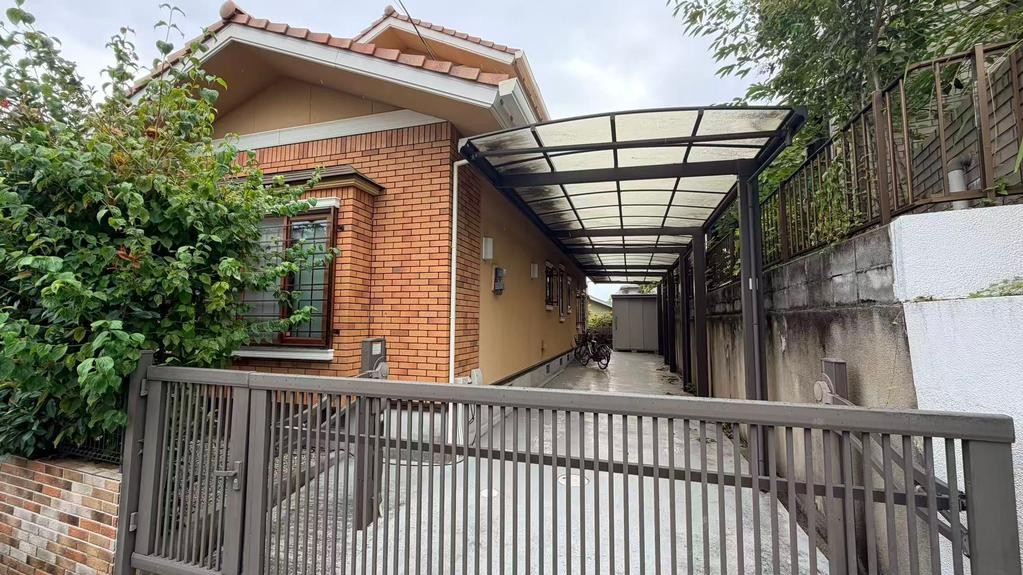
4-Bedroom Detached House in Shinsenrikitamachi, Toyonaka
HOUSE · Shinsenrikitamachi 1-chome, Toyonaka, Osaka, Japan
From JPY 159.00M
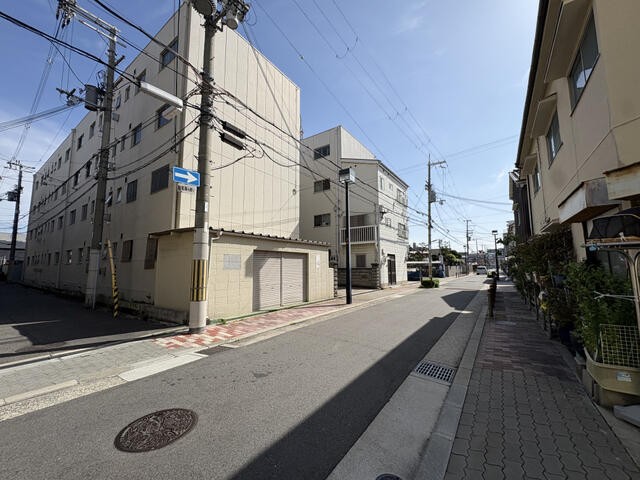
Apartment Building in Asahi-ku, Osaka
COMMERCIAL · Shinmori 7-chome, Asahi-ku, Osaka, Japan
From JPY 140.00M
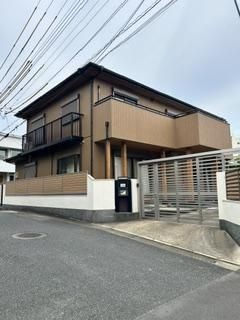
8-Bedroom Detached House in Minami-ku, Fukuoka
HOUSE · Nagaoka 1-chome, Minami-ku, Fukuoka, Fukuoka, Japan
From JPY 135.00M
Abhii Dabas is the Founder and CEO of INTRIC Global, the cross-border property intelligence platform for serious investors. He advises high-net-worth buyers on international real estate strategy and has evaluated residential markets across more than 40 countries.