Photo 1 of 8
Properties for Sale in Japan


Photo 1 of 10
Photo 1 of 8
Photo 1 of 10
Photo 1 of 9
Photo 1 of 5
Photo 1 of 9
Photo 1 of 5
Photo 1 of 7
Photo 1 of 9
Photo 1 of 8
Photo 1 of 5
Weekly alert
New homes for sale in Japan, straight to your inbox
Set your budget once and we'll send you the week's best new property for sale in Japan, from Tokyo towers to ski-season homes in Niseko, hand-picked to match. Short, selective, and only when there's something worth seeing.
Properties for sale in Japan, reserved for the most discerning investors
Most people fall for Japan on their first trip, somewhere between the powder snow, the food, and a long soak in a hot spring. What surprises them is how easy owning a piece of it can be. Japan real estate is open to buyers from every country, on the same freehold title a Japanese citizen holds, so the apartment above a quiet Tokyo street or the family house near Kyoto's temples is yours outright, land and all.
That is why buying property in Japan so often starts with a feeling: A winter base in Niseko, a bolthole in Tokyo for long weekends, or a family home within easy reach of Osaka. Every listing here comes straight from the developer or agent who knows it best, priced in yen with a live dollar figure beside it, so you can browse homes for sale in Japan city by city and ask the people selling them anything you like.
By place
By property type and budget
Also in the region: Property for sale in Thailand, Property for sale in Vietnam, Property for sale in the Philippines, Property for sale in Malaysia, Property for sale in Indonesia, Property for sale in Cambodia, Property for sale in Sri Lanka, Property for sale in the Maldives
Why invest in Japan
Why buyers are drawn to Japanese real estate
In Japan you can own the land beneath your home outright, on the same terms as a Japanese citizen. Add record numbers of visitors, property taxes you can work out before you buy, and homes for every kind of life, from glassy Tokyo towers to older houses in quiet country towns, and the appeal is easy to see. Here are four numbers worth knowing.
- FreeholdThe same title as a Japanese citizenForeign buyers can, in principle, own land and buildings in Japan outright, registered in their own name, with the same private rights as Japanese nationals. A non-resident buyer files a report with the Minister of Finance within 20 days, and since 1 April 2026 that includes a home bought to live in.Source: Ministry of Finance, Japan; House of Representatives research office ↗
- 42.7MVisitors in 2025, a new recordJapan welcomed 42.7 million international visitors in 2025, up 15.8% on 2024 and the first year above 40 million. For an owner, that means a larger pool of guests for short-stay lets, from Tokyo and Kyoto to the ski towns of Hokkaido. Rules on holiday letting vary by city, so your property specialist can confirm what applies to a specific home.Source: Japan National Tourism Organization ↗
- 1.7%Annual property tax in TokyoTokyo charges a 1.4% fixed asset tax and a 0.3% city planning tax each year on the assessed value of land and buildings, and residential land is assessed at a reduced value, as low as one-sixth for a small plot. Because the assessed value is set by the local authority and recorded for each property, you can find out the yearly bill before you buy and build it into your rental numbers.Source: Tokyo Metropolitan Government Bureau of Taxation ↗
- 9.0MVacant homes counted in 2023Japan's 2023 Housing and Land Survey counted 9.0 million vacant dwellings, 13.8% of all homes, both the highest since the survey began in 1948. The 2020 census found the population falling in most municipalities while Tokyo and cities such as Fukuoka grew, so for an investor, the city and neighbourhood matter as much as the home itself.Source: Statistics Bureau of Japan ↗
Frequently asked questions
Properties for sale in Japan: FAQs
Straight answers to the questions overseas buyers ask us most. Still unsure? Ask an INTRIC concierge, free.
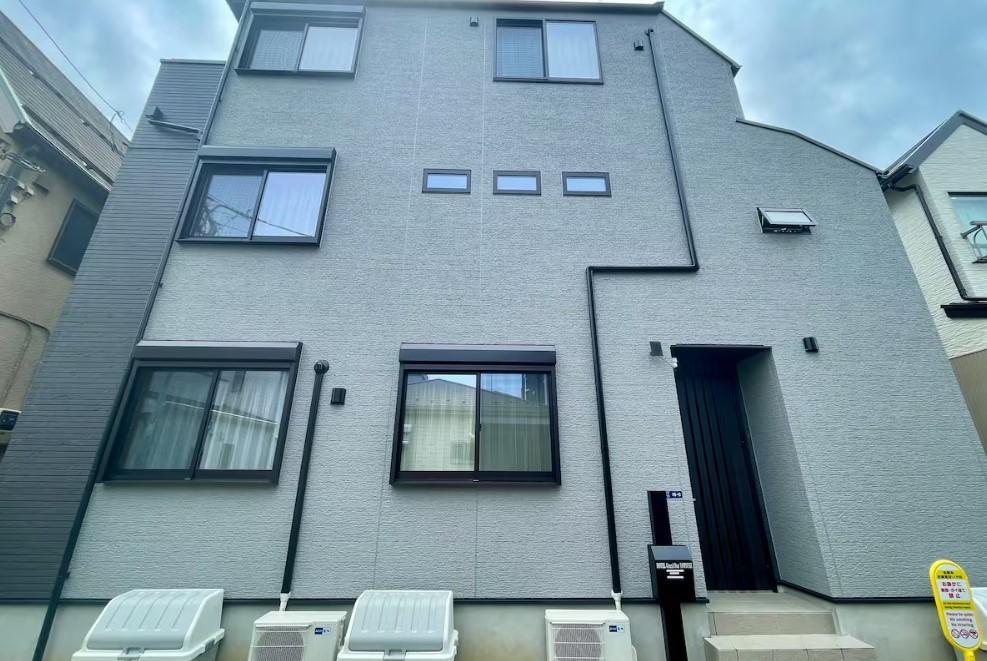
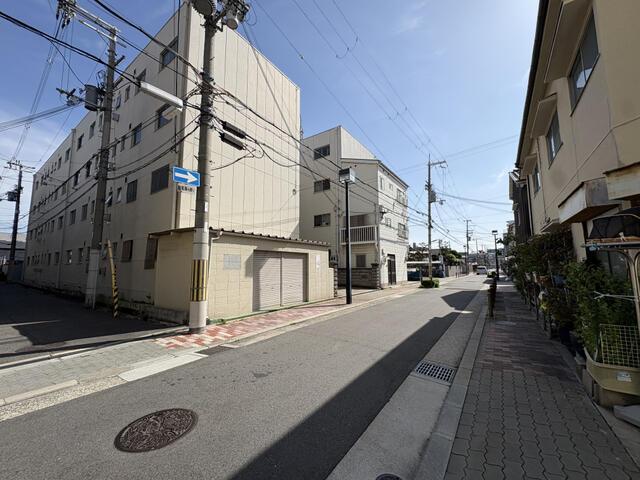
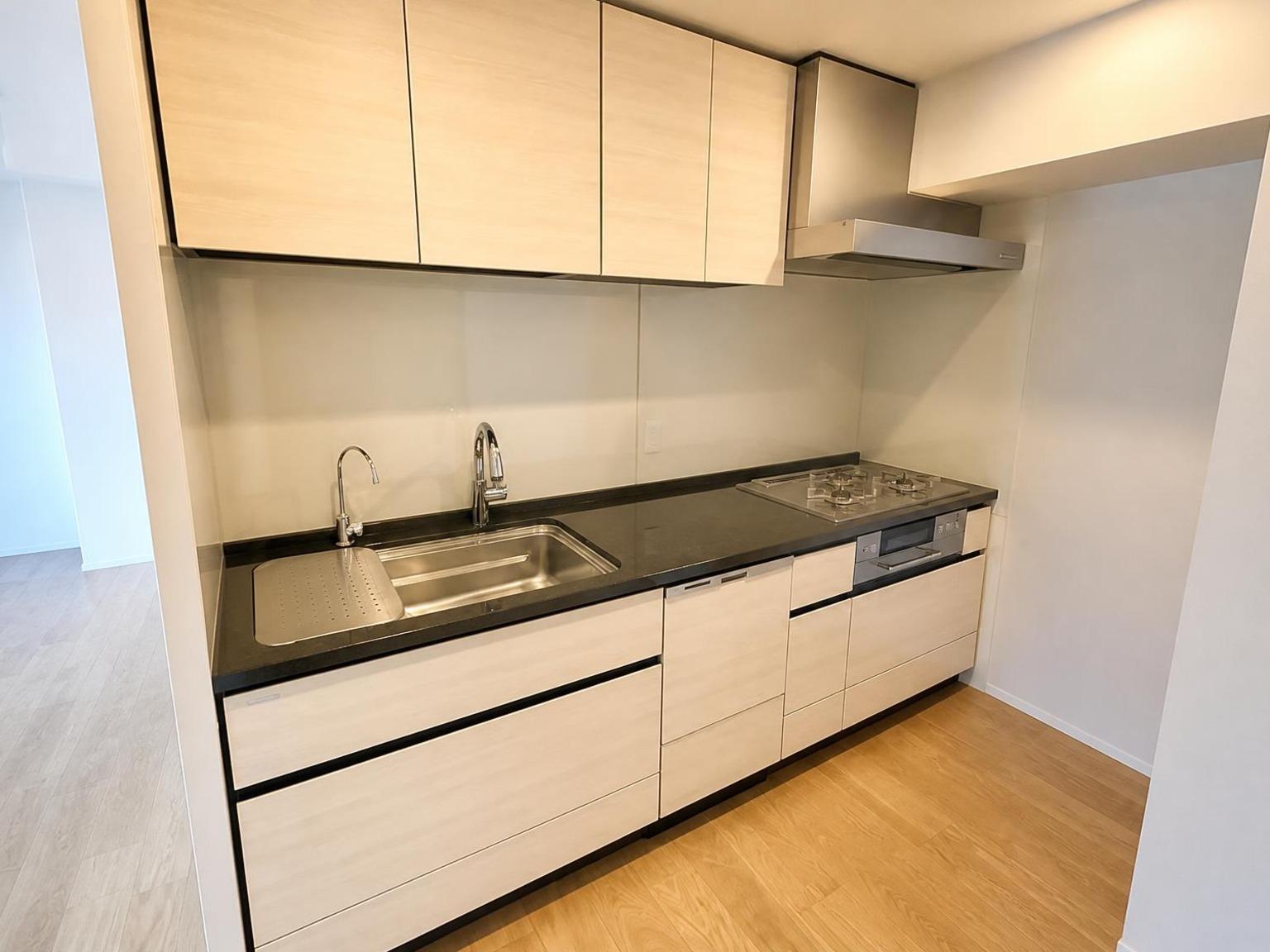
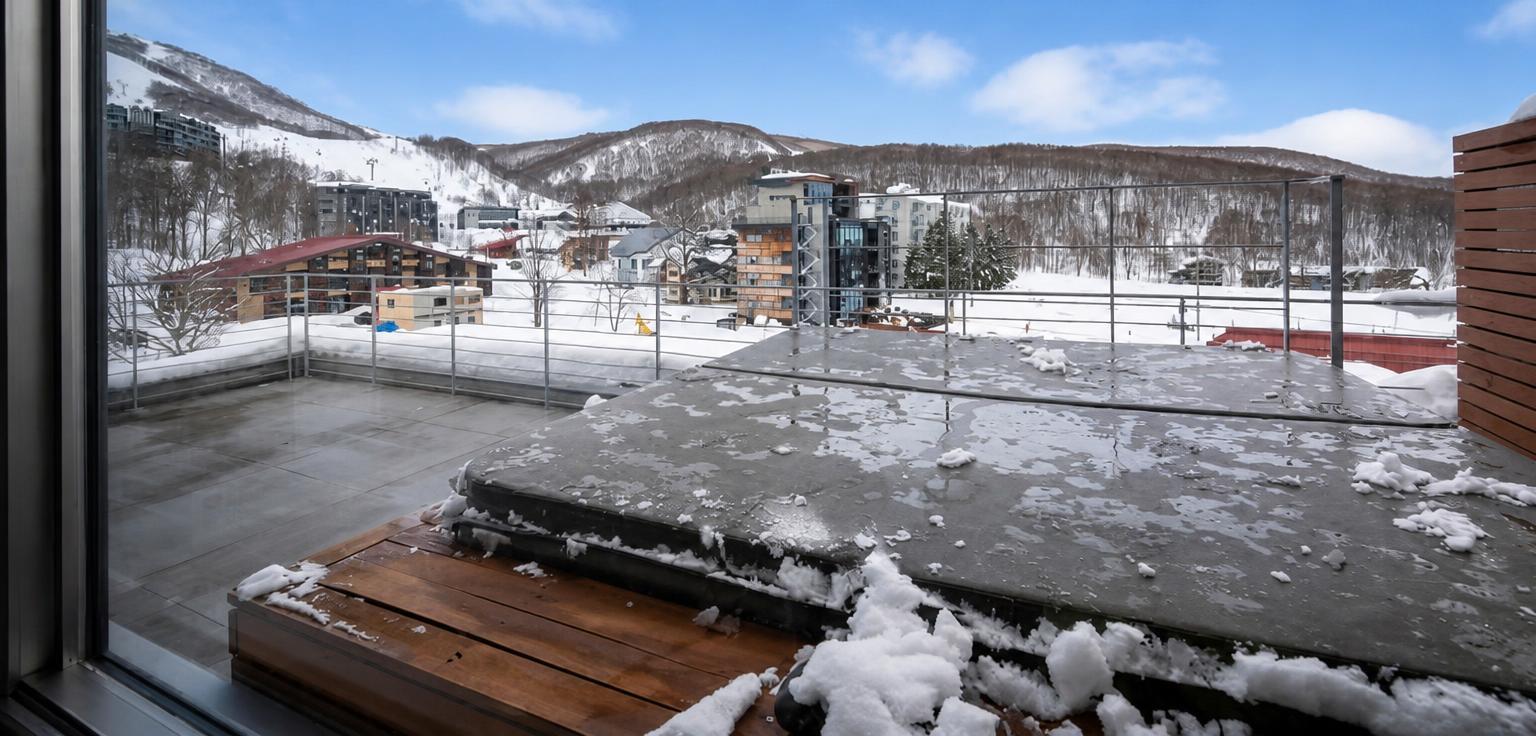
How much does property in Japan cost?from today's listings
Property in Japan on INTRIC runs from JPY 39.80M to JPY 970.00M, in Osaka, Tokyo, Kyoto, Fukuoka, Sapporo and Niseko. Prices are the sellers' own, in the listing's currency, and change as listings are added.
Can foreigners buy property in Japan?
Yes. In principle, foreign nationals can buy property in Japan on the same terms as Japanese citizens, whether that is a condominium, a house, land, or a whole apartment building, and the title is registered in the buyer's own name. Ownership is open to buyers of every nationality, and residency in Japan is optional. After the purchase, a non-resident buyer files a report with the Minister of Finance through the Bank of Japan within 20 days, written in Japanese, which the buyer or an agent based in Japan can submit; since 1 April 2026 this applies to homes bought to live in as well. Your property specialist can walk you through each step for the home you choose.
What taxes does an overseas buyer pay in Japan?
Buying a home brings a one-off real estate acquisition tax, which in Tokyo is 3% of the assessed value for land and homes acquired up to 31 March 2027, with housing land assessed at half its value. Each year you pay fixed asset tax and city planning tax on the assessed value, at the Tokyo rates shown in the fact box above. Rental income and any gain on sale are taxed in Japan, and a gain on a property held for more than five years, counted to 1 January of the year you sell, is taxed at a lower rate than one held for five years or less. When a non-resident sells, the buyer generally withholds tax from the purchase price, and the seller files a Japanese tax return through an appointed tax agent. Your property specialist and a Japanese tax adviser can confirm the exact figures for your purchase.
Does owning a home in Japan give you residency?
Buying a home and holding a residence status are separate matters in Japan: A home of any value gives you a base for every visit, and the right to live in Japan comes from a visa. One route open to investors is the Business Manager status, which since 16 October 2025 asks for at least ¥30 million in capital invested in a business, at least one full-time employee, and Japanese at B2 level from the applicant or a full-time employee, according to the Immigration Services Agency. Your property specialist can help you plan a purchase around how often you expect to be in Japan.
Where is the best place to find property for sale in Japan?
The best place depends on what you want the home to do, whether that is rental income, a family base, or a holiday home. These are the areas overseas buyers ask us about most.
- Tokyo: For city living close to business districts, international schools, and an extensive rail network.
- Osaka: For a lively second city with a broad mix of detached houses, condominiums, and apartment buildings.
- Kyoto: For heritage and character, with residences near the old city and quiet residential streets.
- Fukuoka: For a growing city that added more residents between 2015 and 2020 than anywhere in Japan except Tokyo's 23 wards.
- Sapporo and Niseko: For Hokkaido's famous powder snow, from city homes in Sapporo to ski-season residences in Niseko Hirafu.
- Hakuba: For the Japanese Alps and a year-round mountain lifestyle.
- Okinawa: For subtropical beaches and island living.
Your property specialist can put together a personal shortlist across these cities.
Should I buy a house in Japan or a condominium?
You can buy a house in Japan as readily as a condominium, so the choice comes down to how you plan to use the home. A detached house usually comes with the land it stands on, which gives you full control over renovation and future use. A condominium gives you a unit with a share of the building and its land, with the common areas run by the building's management. Houses for sale in Japan range from new family homes in Osaka and Fukuoka to houses in Kyoto and ski-season homes in Niseko, while condominiums suit buyers who want a lock-up-and-leave home in Tokyo or Osaka.
Are there affordable houses for sale in Japan?
Yes. Japan has millions of vacant homes, as the fact box above shows, and they are often called akiya, the Japanese word for a vacant house. On INTRIC you can browse homes under USD 500,000 from the budget column above, alongside new condominiums in the big cities. For an older house, the building's condition, renovation needs, and access shape the true cost, so your property specialist can review those details with you before you make an offer.
Is Japan real estate a good investment in 2026?
For many international buyers, yes. Japan offers outright ownership for foreigners, demand driven by record tourism and its major business cities, and annual property taxes that are set out clearly in advance. Returns vary widely between a central Tokyo condominium, a regional apartment building, and a ski-season home, and costs such as property tax, management fees, and letting fees shape the net yield. As with any investment, capital is at risk, and your property specialist can model the numbers for a specific home.
Why should I consider buying property in Japan?
Because life in Japan is beautifully put together. Mornings begin with a train that arrives to the minute and a bowl of ramen around the corner; winters bring deep powder snow to Hokkaido and the Japanese Alps; spring fills Kyoto and Tokyo with cherry blossom. Owning a home here means you can return to all of it on your own schedule, and property in Japan holds that appeal for families, skiers, and food lovers alike.
Before you buy
Know the market before you commit
The best deals in Japanese real estate go to buyers who understand assessed values, the post-purchase report, and the five-year rule on gains before the agent brings them up. These guides give you that edge, caveats included, so the only surprises are good ones.
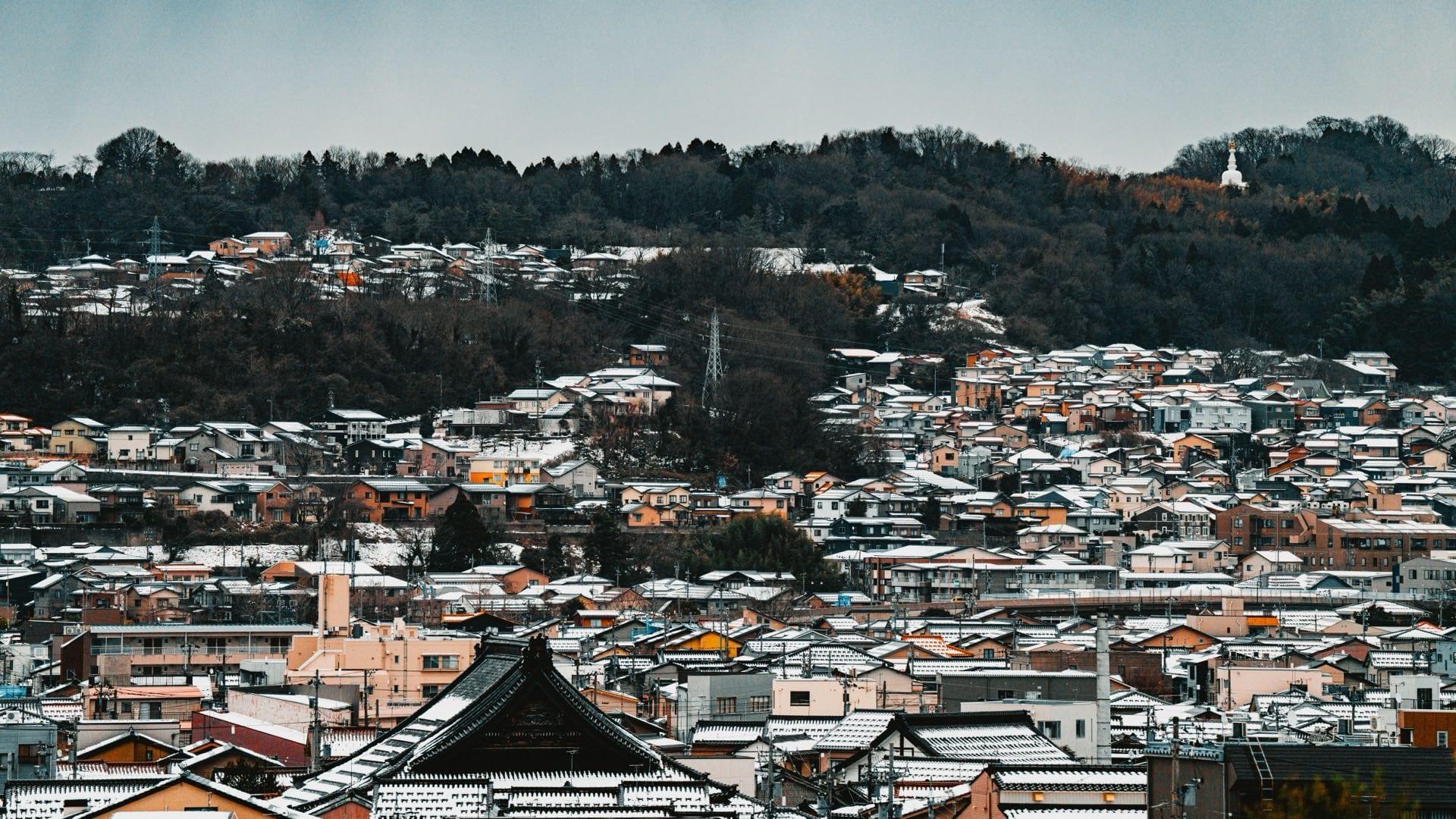 Country guide · 25 minComplete Investor Guide to Japanese PropertyForeign-friendly ownership, ultra-low rates, and weak yen create a compelling entry point into Asia's most stable property market
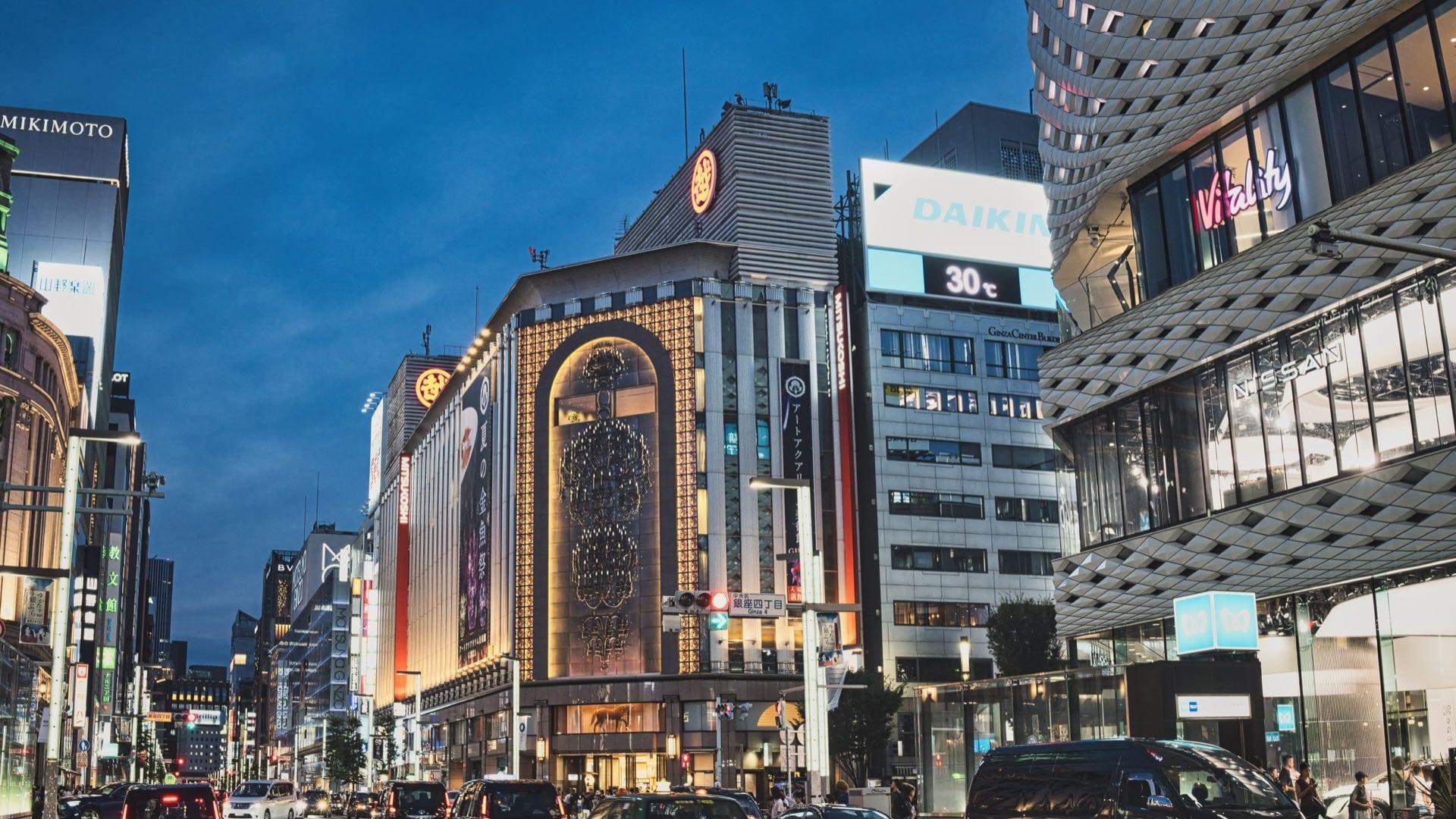 Market insight · 8 minProperty Diversification in 2026Tokyo +58.5%, London -7.0%: the 2026 prime spread in one index year. Why currency, regime and intent are the axes to spread. Capital at risk.
 Market insight · 8 minSafety-Led Property in 2026Global peace has fallen for 12 straight years while the safest markets barely moved. Where safety-led capital goes, and what to check. Capital at risk.
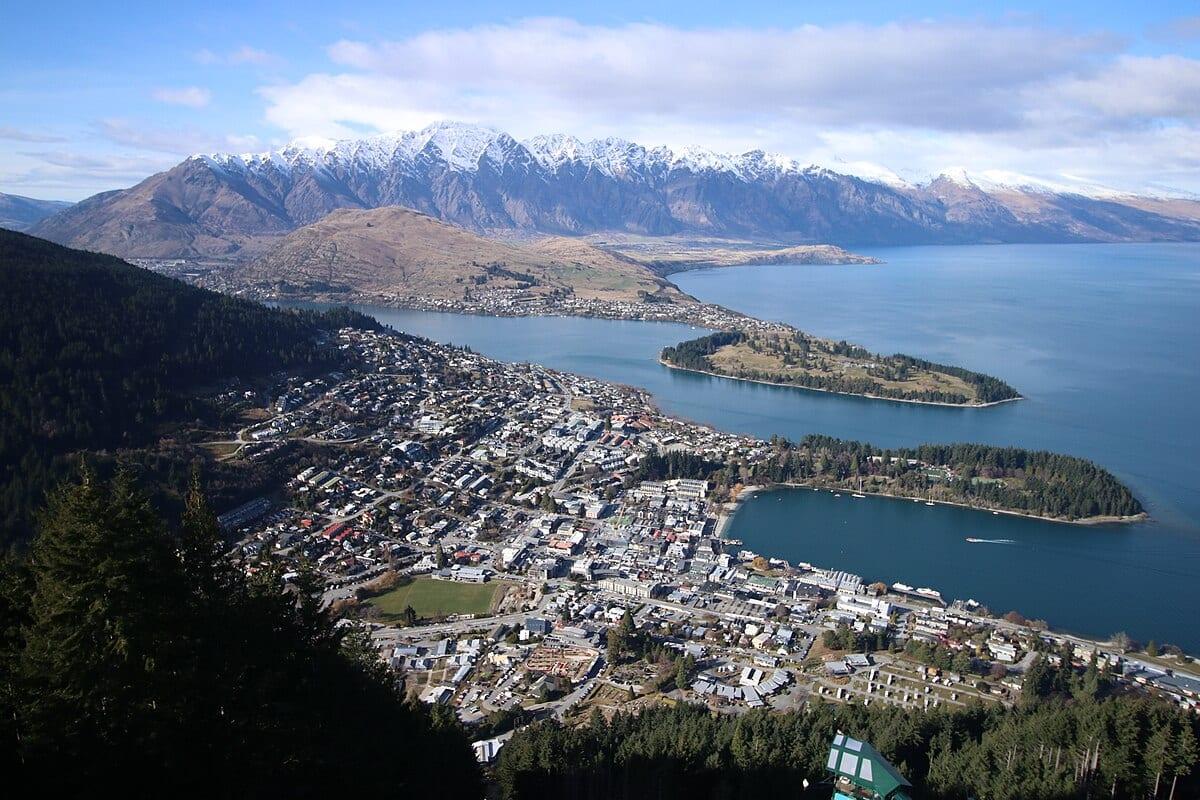
 Market insight · 10 min7 Rule Changes Foreign Property Buyers Face in 2026: Saudi Opens, Australia Extends, Canada's Ban Runs OutSaudi Arabia opened. Australia closed for longer. Japan added paperwork and Canada's ban expires on 1 January 2027. Seven rule changes for foreign property buyers in 2026, each checked against the source.