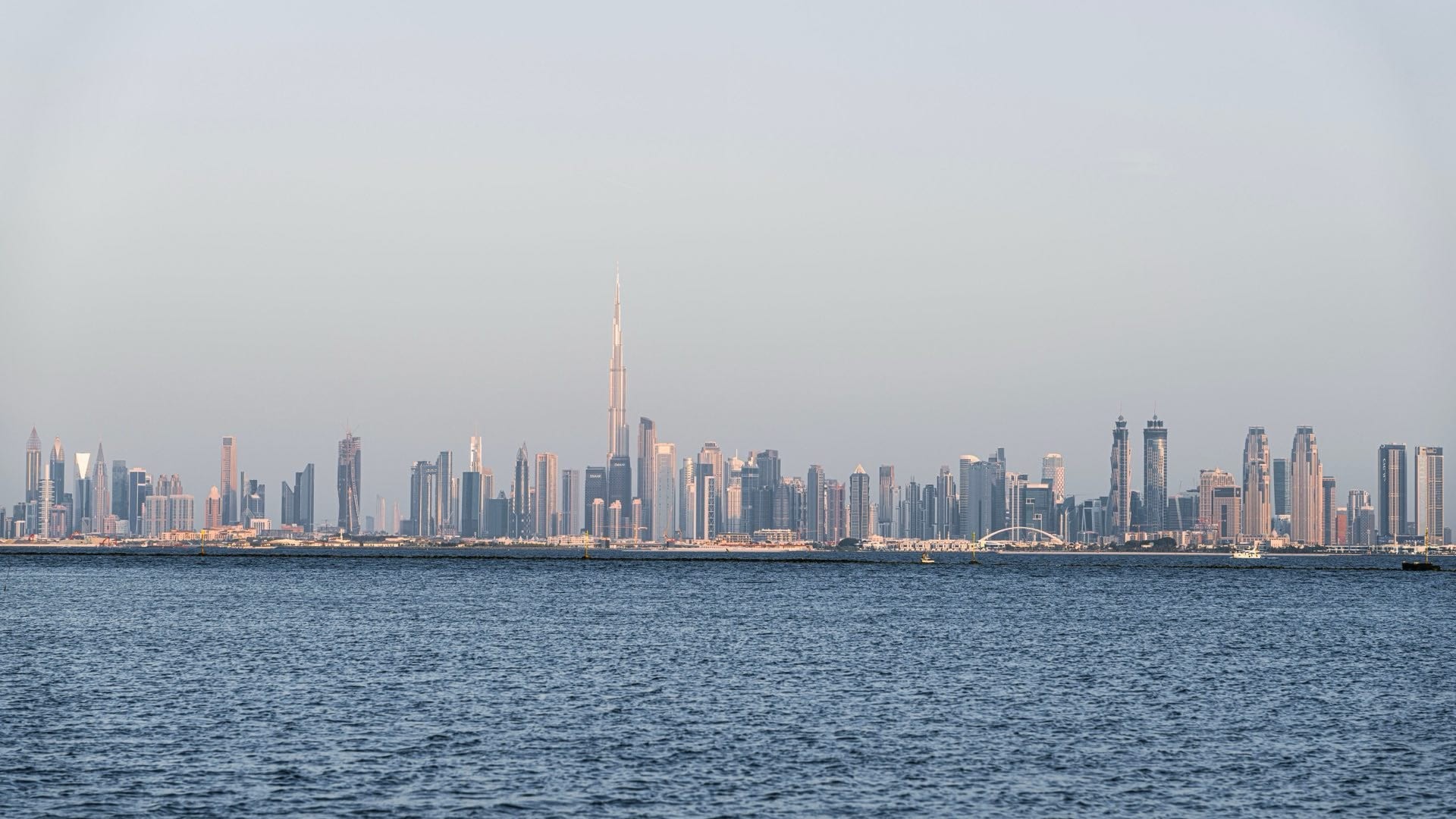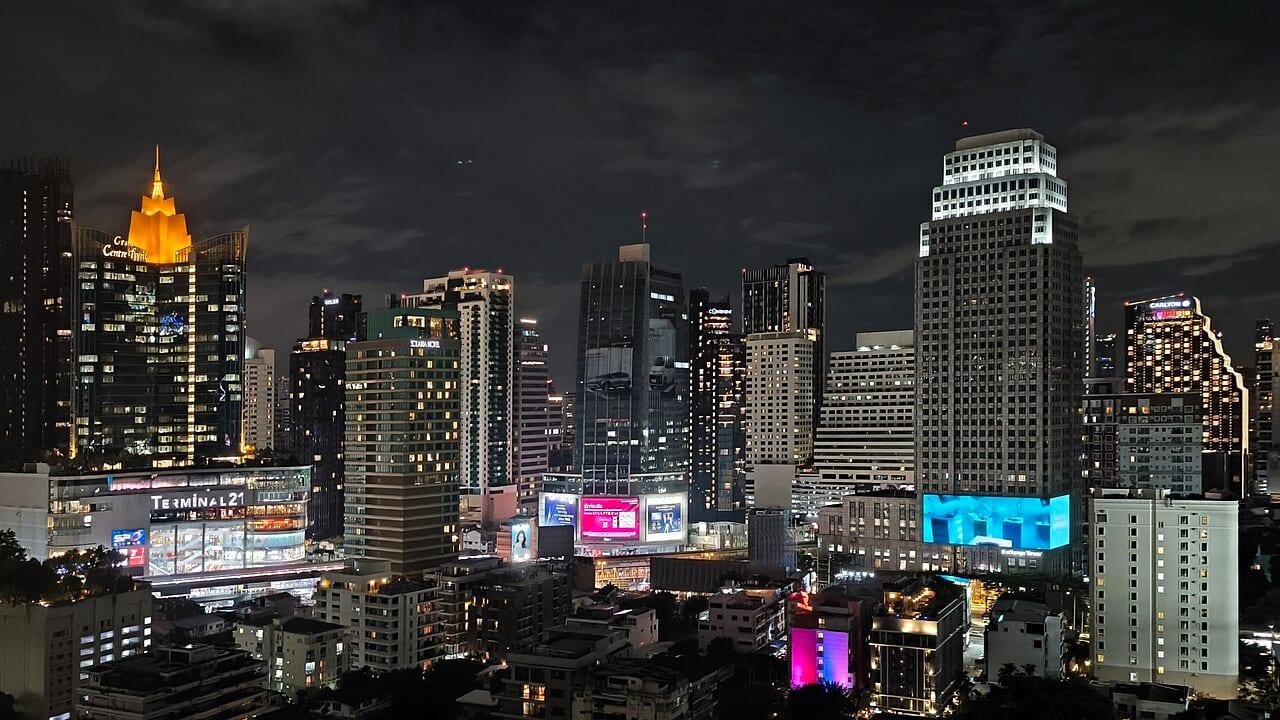
The 10-year investment thesis behind Bangkok’s infrastructure rerating.
 ByAbhii Dabas
The 10-year thesis for Bangkok
The Bangkok thesis for 2026 to 2035 rests on three structural drivers: the EEC infrastructure programme, regional capital migration from higher-cost Asian cities, and Thailand's positioning as the most accessible HNW residency base through the LTR visa. None are fully reflected in current pricing. Investors who enter in 2026 to 2029 capture the rerating window. Investors who wait until the thesis is consensus pay the rerated price.
The thesis is not that Bangkok replaces Singapore or Hong Kong as a regional financial centre. It is that Bangkok's secondary positioning, combined with materially lower operating cost and significantly improved infrastructure, attracts the share of regional residential demand that no longer fits Singapore's price point or Hong Kong's political trajectory. Bangkok captures the overflow, and at the regional HNW level the overflow is substantial.
I have watched Bangkok for twenty years. Most of those years, the thesis was wrong because the infrastructure was not there. The 2026 to 2030 window is the first time the infrastructure delivers in a sequence that meaningfully changes what Bangkok connects to and what it costs to operate from there.
The infrastructure behind the rerating
Thailand has committed around USD 50 billion through the Eastern Economic Corridor between 2017 and 2027, with further public and PPP investment scheduled through 2030. It covers high-speed rail, port expansion at Laem Chabang and Map Ta Phut, the U-Tapao international airport, and the three-airport high-speed link connecting Don Mueang, Suvarnabhumi, and U-Tapao.
Connectivity determines value. The U-Tapao link expands Bangkok's effective catchment to the Eastern Seaboard industrial zone, where Japanese, Chinese, and European manufacturing investment has accelerated since 2020. The Bangkok-Chiang Mai high-speed rail, scheduled for completion by 2028, creates a north-south corridor that changes how regional cities feed into Bangkok-based business and residential demand.
The EEC itself is a 13,285 square kilometre special economic zone across Chonburi, Rayong, and Chachoengsao, positioned for high-value manufacturing, EV, aerospace, and digital industries. The strategic effect is that Bangkok becomes the residential, education, and lifestyle base for executives working in the EEC zone, a pattern comparable to Tokyo serving the Kanagawa and Saitama industrial corridors.
On INTRIC now — Residences on INTRIC are open to enquiry straight from this page.
Montauroux Architect Villa
HOUSE · Montauroux, 83440, Var, Provence-Alpes-Cote d'Azur, France
EUR 950K – EUR 1.65M

Nobu Residences
APARTMENT · POA - Son Tra, Danang, Vietnam
USD 180K – USD 2.70M
Redwood Avenue
HOUSE · Dubai, Jumeirah Golf Estates, United Arab Emirates
From AED 53.99M
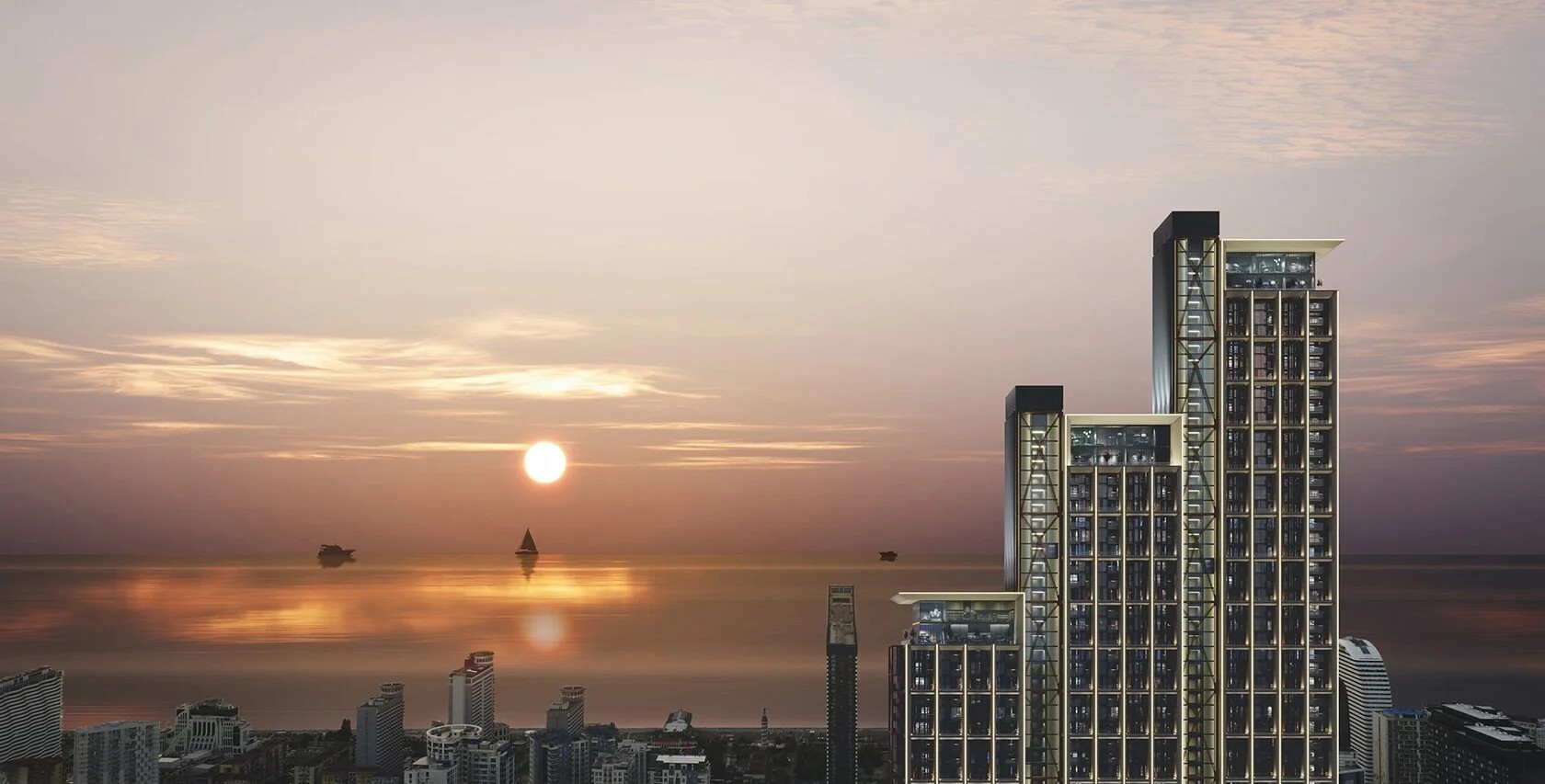
NEXT Address
Apartment · 11 Tbel Abuseridze Str, Batumi, 6010, Georgia
USD 50.9K – USD 191.2K
A demand picture that has split in two
Thailand's domestic demographic profile is ageing, a long-run headwind for mass-market residential demand. The counterweight is foreign HNW in-migration through the LTR visa and Elite Card, which has brought retiree, remote-worker, and HNW family demand into Bangkok since 2022.
The result is a bifurcated market. The domestic mass-market thesis weakens with demographics. The foreign HNW and upper-middle Thai thesis strengthens with infrastructure and visa-led inflow. Investors targeting Bangkok prime are betting on the second thesis, which makes submarket selection matter more than at any prior point.
Bangkok against its regional alternatives
| Market | Entry price/sqm (USD) | Current yield | Infrastructure pipeline | Management depth |
|---|---|---|---|---|
| Bangkok prime | 7,800-12,500 | 5-6% | EEC, HSR, airport link | Strong international |
| KL central | 2,300-3,800 | 4-5% | MRT extension, airport upgrade | Moderate |
| HCMC District 1 | 4,500-7,500 | 4-6% | Metro Line 1, ring road | Emerging |
Bangkok is more expensive on entry than both regional alternatives. The 10-year thesis assumes its infrastructure-driven rerating outperforms the lower-base growth in KL and HCMC. The risk is execution: KL and HCMC have lower entry prices and broad emerging-market potential. Bangkok's edge is the scale and visibility of committed infrastructure, the policy stability supporting it, and the depth of professional residential management already at international standard.
On INTRIC now — Still open on INTRIC — every one of these answers enquiries directly.
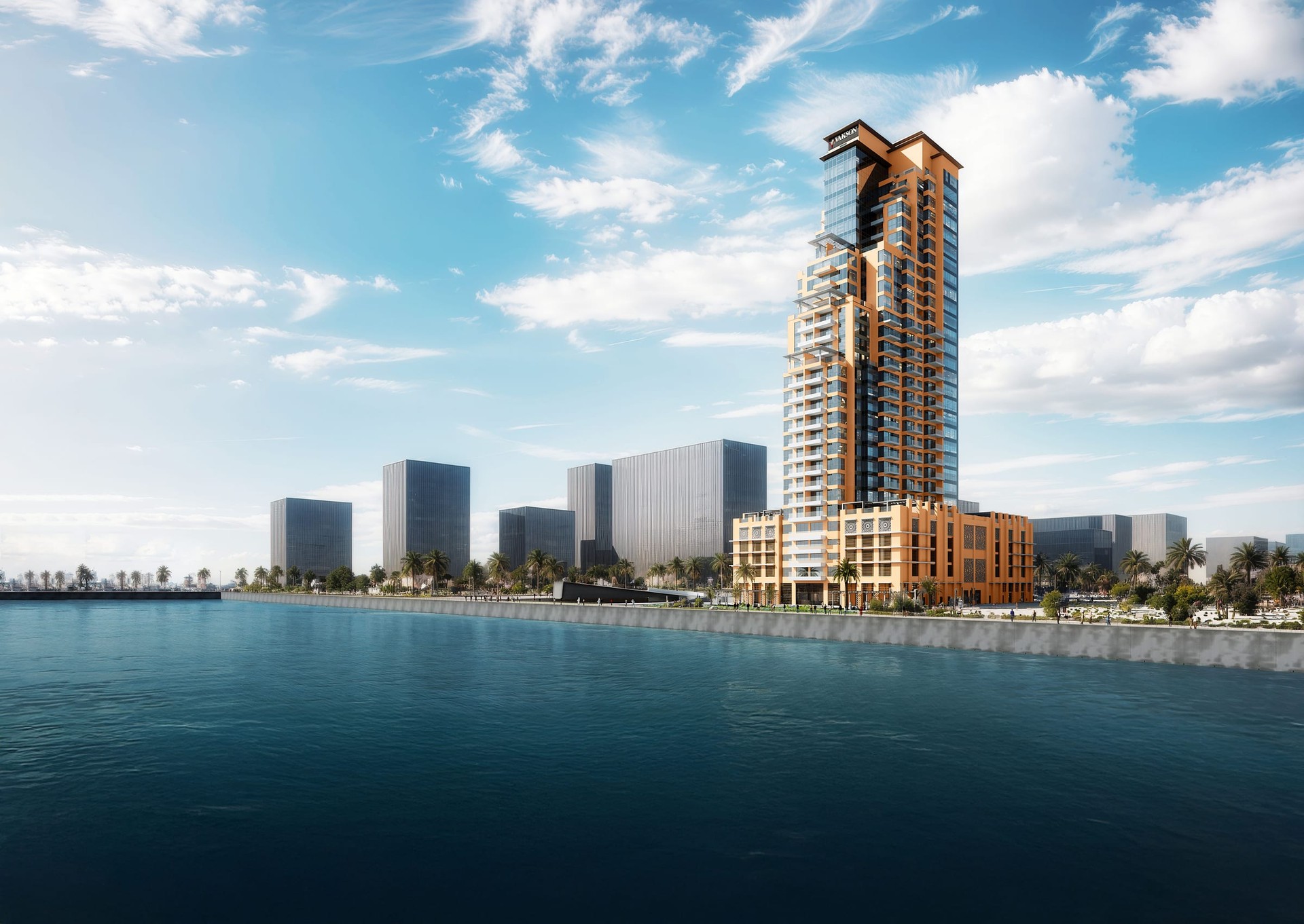
Riva Residences
APARTMENT · Dubai Maritime City, Dubai, United Arab Emirates
AED 2.53M – AED 5.80M
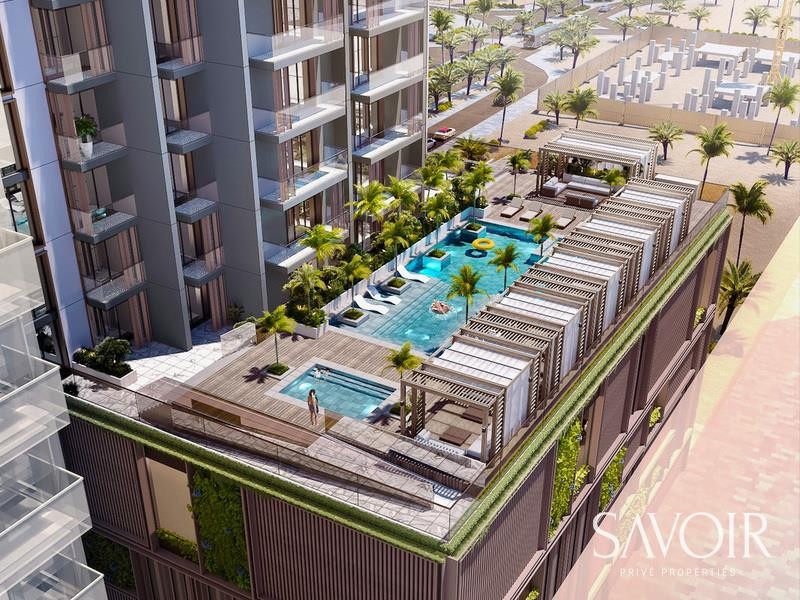
Q Gardens Lofts 2
APARTMENT · Q Gardens Lofts 2, District 12, Jumeirah Village Circle, Dubai, United Arab Emirates
From AED 597K
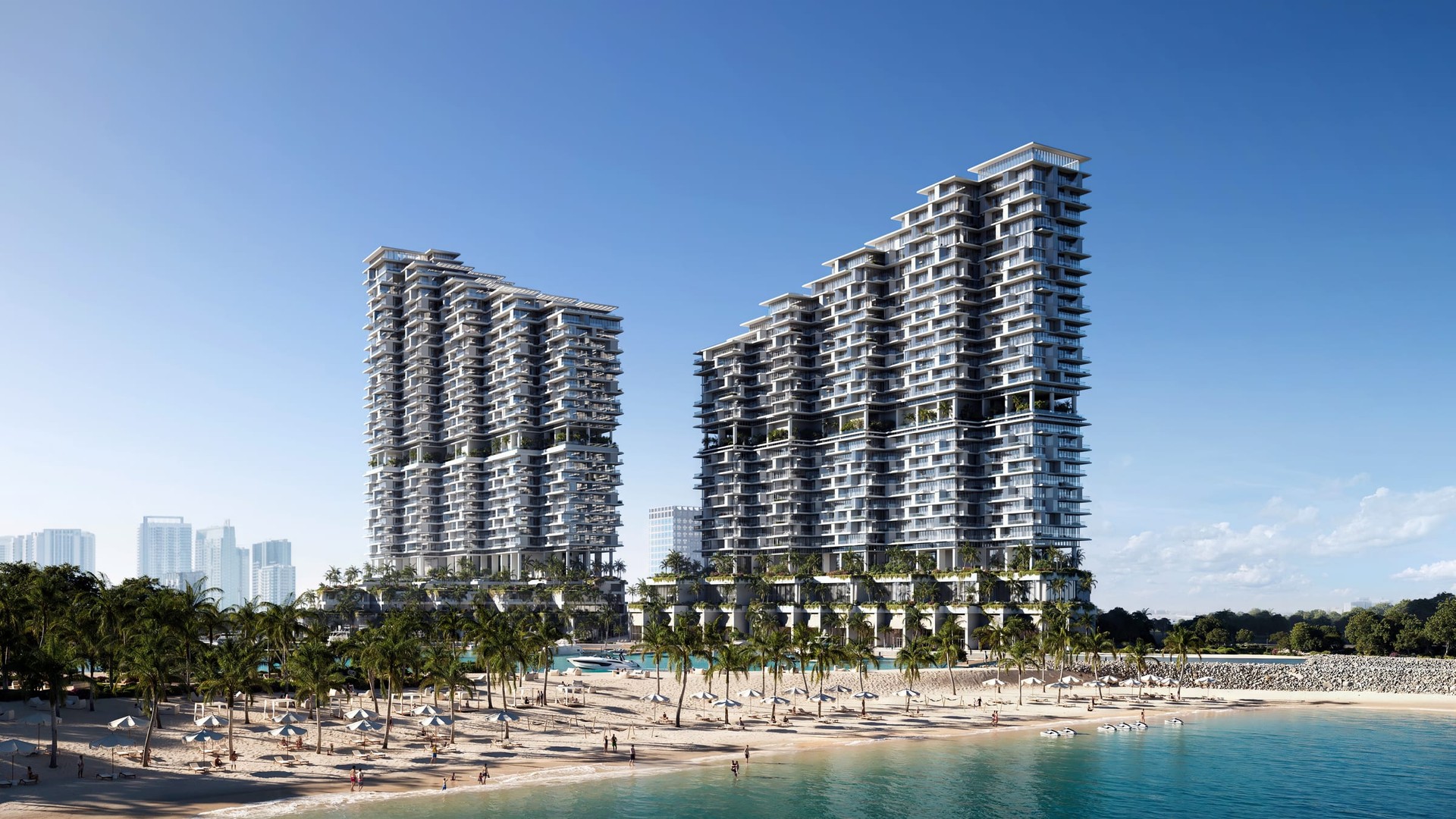
Riviera Residences
Apartment · Al Reem Island, Abu Dhabi, UAE
AED 1.90M – AED 4.85M
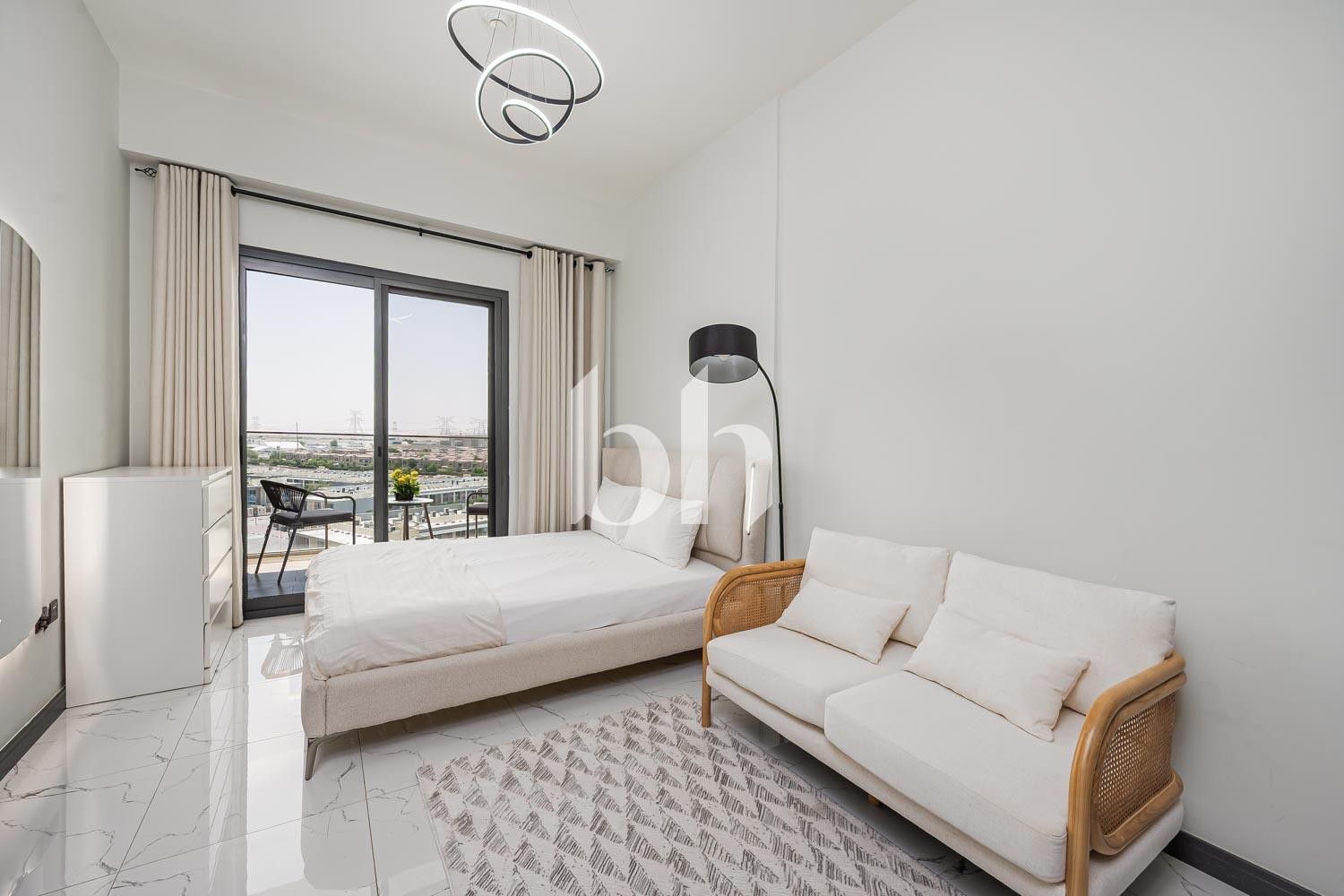
Rukan Tower B
APARTMENT · Rukan Tower B, Rukan Tower, Dubai Land, UAE
AED 555K – AED 850K
The realistic 10-year return
A Singapore investor buying Bangkok prime in 2026 at a 5 to 6% entry yield in THB, holding for 10 years, can model three scenarios: a base case of 4 to 5% annual capital growth plus rental yield for roughly 8 to 9% total annual return in THB; an upside case where the infrastructure thesis fully materialises, at 6 to 8% capital growth and 11 to 13% total; and a downside case of 0 to 2% capital growth with yield holding, at 5 to 7% total.
In SGD terms, the base case typically lands at 6 to 7% annualised after currency drag. The actual return is bounded more by currency exposure than by the underlying property thesis, which is why investors prioritising Bangkok exposure typically hold for at least 7 to 10 years to amortise currency volatility across the cycle.
Frequently asked questions
Is Bangkok a good property investment in 2026? Bangkok prime residential is positioned at a structural entry point in 2026, driven by infrastructure, regional capital migration, and the LTR visa. The 2026 to 2029 window captures the rerating before the infrastructure thesis is fully priced.
What is the Eastern Economic Corridor and why does it matter? The EEC is a 13,285 square kilometre special economic zone east of Bangkok, hosting around USD 50 billion of infrastructure and industrial investment through 2027. It repositions Bangkok as the residential base for EEC professionals and expands the city's commercial catchment.
How much does a prime Bangkok apartment cost in 2026? Prime Bangkok residential in Sukhumvit, Sathorn, and Silom trades at roughly USD 7,800 to 12,500 per square metre. A two-bedroom of 80 to 100 sqm typically costs USD 700,000 to 1.2 million depending on submarket and developer.
Can foreigners own property in Bangkok? Foreigners can own condominium units freehold, subject to the 49% foreign ownership quota per building. Foreigners cannot own land directly; villa and land-based purchases use 30-year leasehold structures or Thai company ownership.
Does INTRIC list Bangkok properties? INTRIC lists vetted Bangkok developments that meet the platform's 10-point due diligence framework, spanning prime Sukhumvit, Sathorn, and Silom alongside emerging EEC-adjacent submarkets.
Sources and further reading
- Thailand Eastern Economic Corridor Office - Official EEC investment data
- Bank of Thailand Economic Outlook - Thai macroeconomic projections
- JLL Bangkok Residential Research - Bangkok submarket pricing and yield
- Knight Frank Wealth Report 2025 - Asia-Pacific HNW migration data
Abhii Dabas is the Founder and CEO of INTRIC Global, the cross-border property intelligence platform for serious investors. He advises high-net-worth buyers on international real estate strategy and has evaluated residential markets across more than 40 countries.