What the numbers say about the four lifestyle categories buyers search for most, and what each one actually costs to own.
 ByAbhii Dabas
Golf Property: The Longest Rental Season in Lifestyle Real Estate
Golf solves the problem that quietly ruins most holiday-home economics: the twelve-week season. A beach apartment in the western Mediterranean earns for July and August and sits empty from November. A golf property earns in March, April, May, September and October, because golfers deliberately avoid the heat.
That single fact changes the underwriting. On the Costa del Sol, two-bedroom units within walking distance of a clubhouse are reported to produce 4% to 6% gross yields with 70% to 85% occupancy through the shoulder seasons, provided they are licensed and professionally managed. Those last five words carry most of the risk.
Price range is wide. Sotogrande estate property runs from about EUR 2 million to well above EUR 10 million depending on the course, the frontline position and the plot. The Western Algarve offers a materially better ratio of course quality to entry price, which is why it keeps appearing on shortlists that started out as Spanish.
The reliable value driver is frontline position. Homes with an actual fairway view and clubhouse walkability sell faster than comparable non-golf stock in the same resort, because the buyer pool is specific and motivated. A "golf resort" address two kilometres from the tee is a different asset with a different exit.
A fairway view is a scarce thing that a developer cannot add later. A golf postcode is marketing. Buyers routinely pay for the second thinking they bought the first.
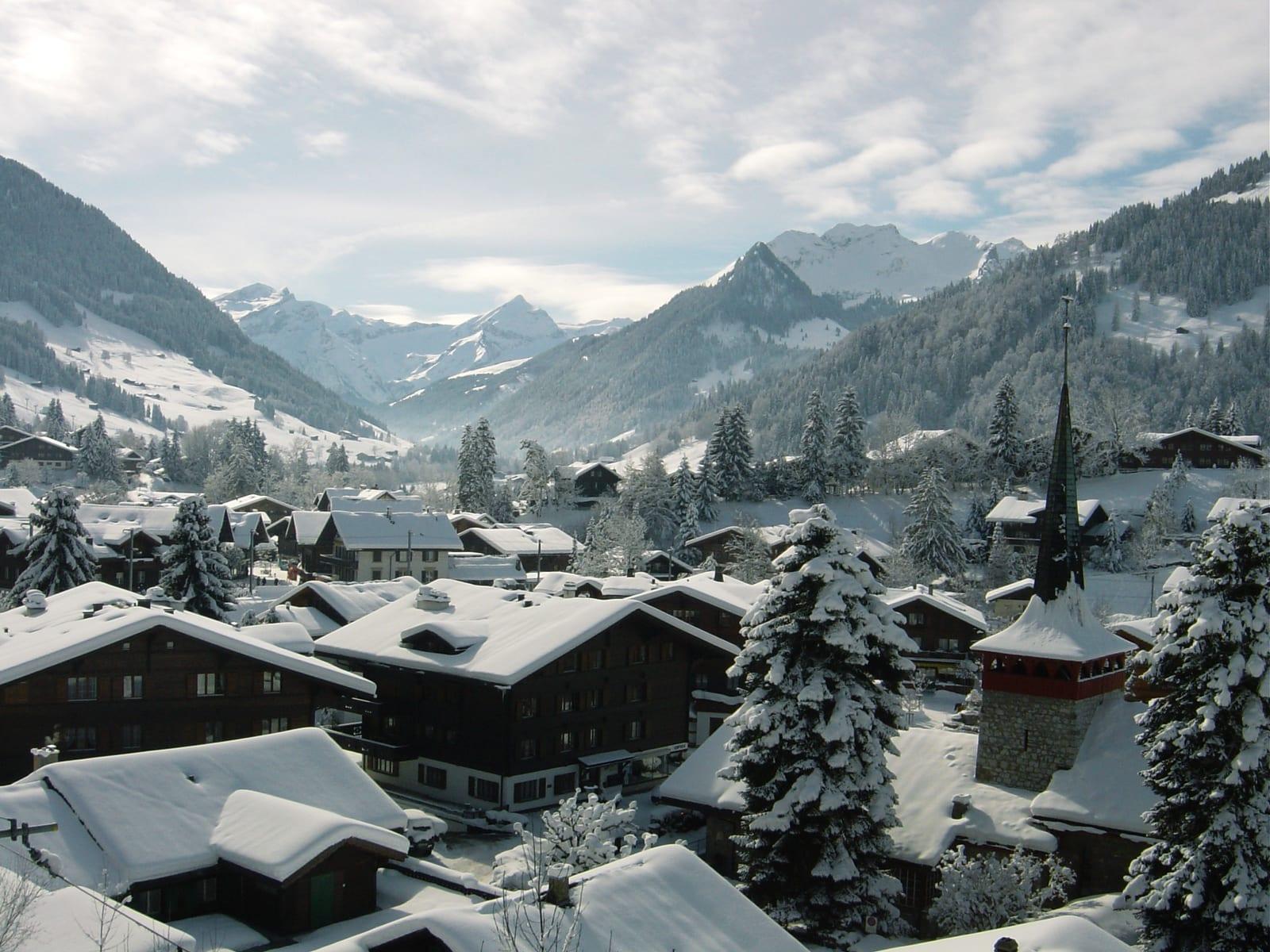
Ski Property: Scarcity Written Into Law
Alpine property has done well, up about 23% on average over five years, with high-end mountain homes in many resorts up close to 30% since the end of 2019. What matters more is why, and whether it continues.
Two forces. The first is a genuine behavioural shift: the post-pandemic buyer wants a year-round mountain base, not a February fortnight, and summer hiking and wellness demand has extended the alpine season materially. Nearly three-quarters of high-net-worth buyers now say they would consider full-time alpine living. The second is supply, and it is a matter of statute. Switzerland's Lex Weber caps second homes at 20% of a commune's housing stock, and Lex Koller restricts foreign purchases outright. Supply cannot respond to demand. That is the whole investment case.
The averages hide sharp dispersion, so choose the resort, not the region:
| Resort | Price level | Recent movement |
|---|---|---|
| Gstaad | Above EUR 45,000 per sqm | Top of the Swiss market |
| Courchevel 1850 | About EUR 33,200 per sqm | Up about 9% in twelve months |
| Verbier | About CHF 22,100 per sqm | About 0.5%, effectively plateaued |
| Crans-Montana | Roughly half Verbier's level | The value position in the Swiss majors |
Verbier is the instructive case. It is an excellent resort with a poor recent growth number, which makes it a wealth-preservation hold rather than an appreciation play. Both are legitimate. Buying one while believing you bought the other is not. International demand is led by British, US and Middle Eastern buyers, which also means alpine pricing carries currency risk most buyers never model.
On INTRIC now — Residences on INTRIC are open to enquiry straight from this page.
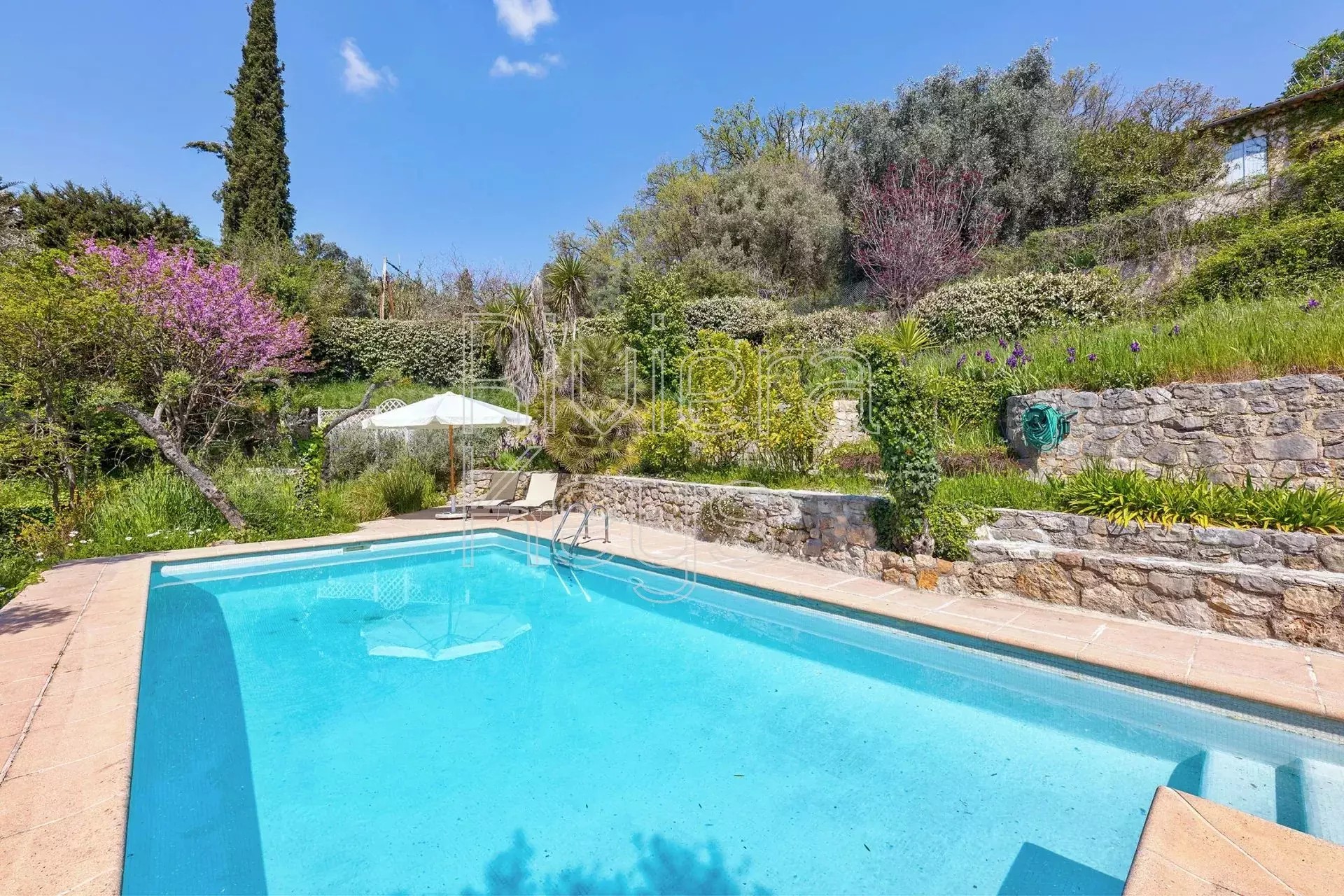
Montauroux Architect Villa
HOUSE · Montauroux, 83440, Var, Provence-Alpes-Cote d'Azur, France
EUR 950K – EUR 1.65M

Nobu Residences
APARTMENT · POA - Son Tra, Danang, Vietnam
USD 180K – USD 2.70M
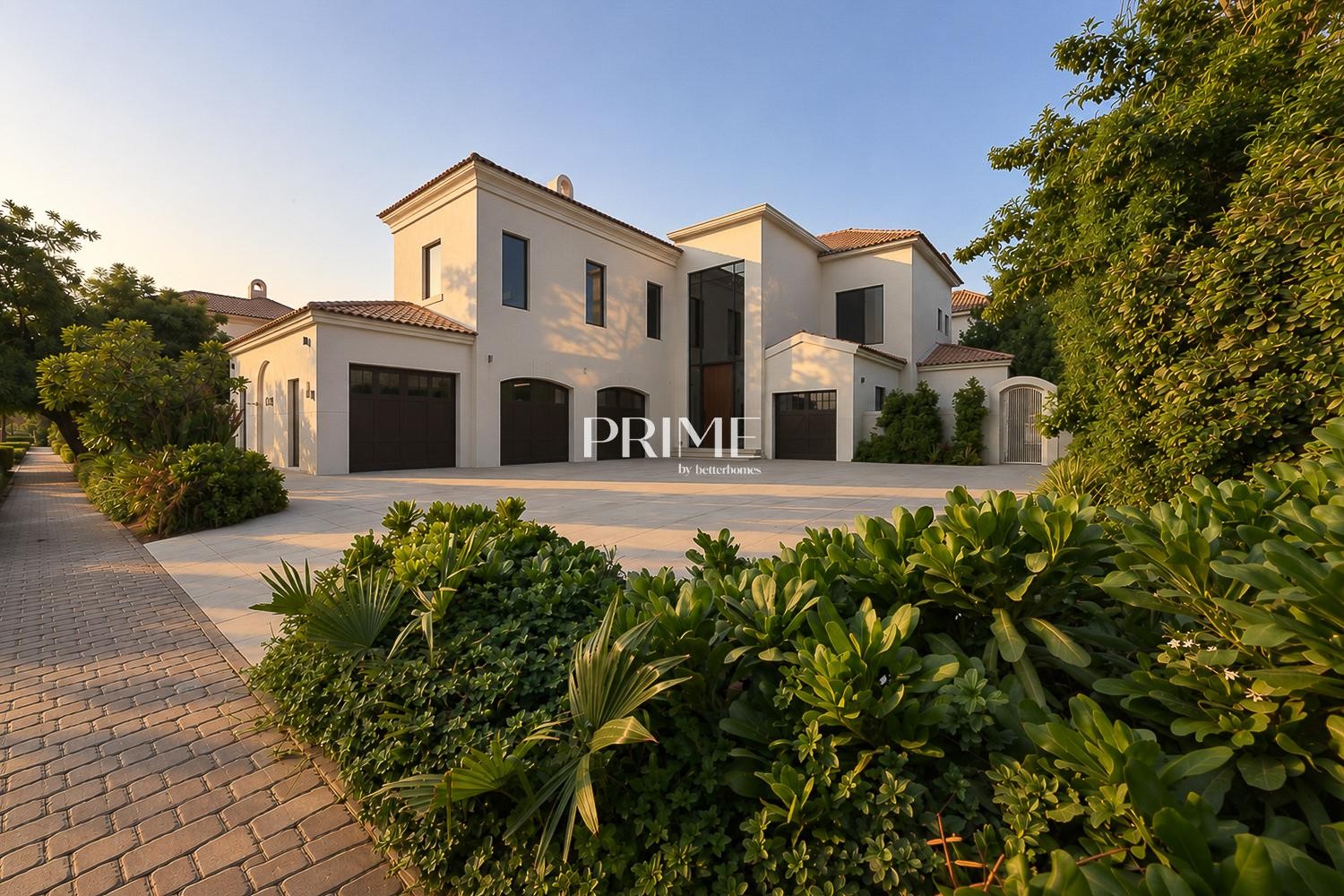
Redwood Avenue
HOUSE · Dubai, Jumeirah Golf Estates, United Arab Emirates
From AED 53.99M

NEXT Address
Apartment · 11 Tbel Abuseridze Str, Batumi, 6010, Georgia
USD 50.9K – USD 191.2K
Beachfront and Marina Property: The Premium You Cannot Manufacture
Coastal land supply is fixed. That is an unglamorous sentence and it is the entire reason waterfront works. Oceanfront homes price roughly 29% above comparable landlocked homes in the same area, and the rental spread is wider still: beachfront units command 27% to 76% higher nightly rates than equivalent properties a few blocks inland.
The discipline is to be precise about what "waterfront" means. Frontline with direct beach access, second row with a sea view, and "walking distance to the beach" are three different assets that developers price as though they were one. The premium attaches to the first, decays fast through the second, and is largely absent in the third.
Two risks deserve naming. Climate and insurance costs are rising fastest exactly where the premium is highest, and coastal insurance is repricing faster than coastal property. And short-term letting rules are tightening across the Mediterranean, which matters because the waterfront rental premium is the main reason the numbers work.
Wellness and Wine Country: The Fastest-Growing Category
Wellness real estate is now worth about USD 548 billion globally and is the fastest-growing sector of the wellness economy, forecast to exceed USD 1 trillion by 2029. Growth from 2019 to 2025 was led by Italy at 50%, Spain at 46% and Saudi Arabia at 34%.
The emerging shape of this category is land-led. The vineyard, farm or regenerative system comes first, and the residential component is designed around it, which inverts the usual resort model. Demand is visible in the rental data too: Expedia recorded a 300% year-on-year rise in listings mentioning farm stays.
This is the least mature of the four categories, and the most likely to contain projects sold on a story rather than an operating business. A working vineyard is an agricultural enterprise with agricultural risk. Underwrite it as one.
On INTRIC now — Still open on INTRIC — every one of these answers enquiries directly.
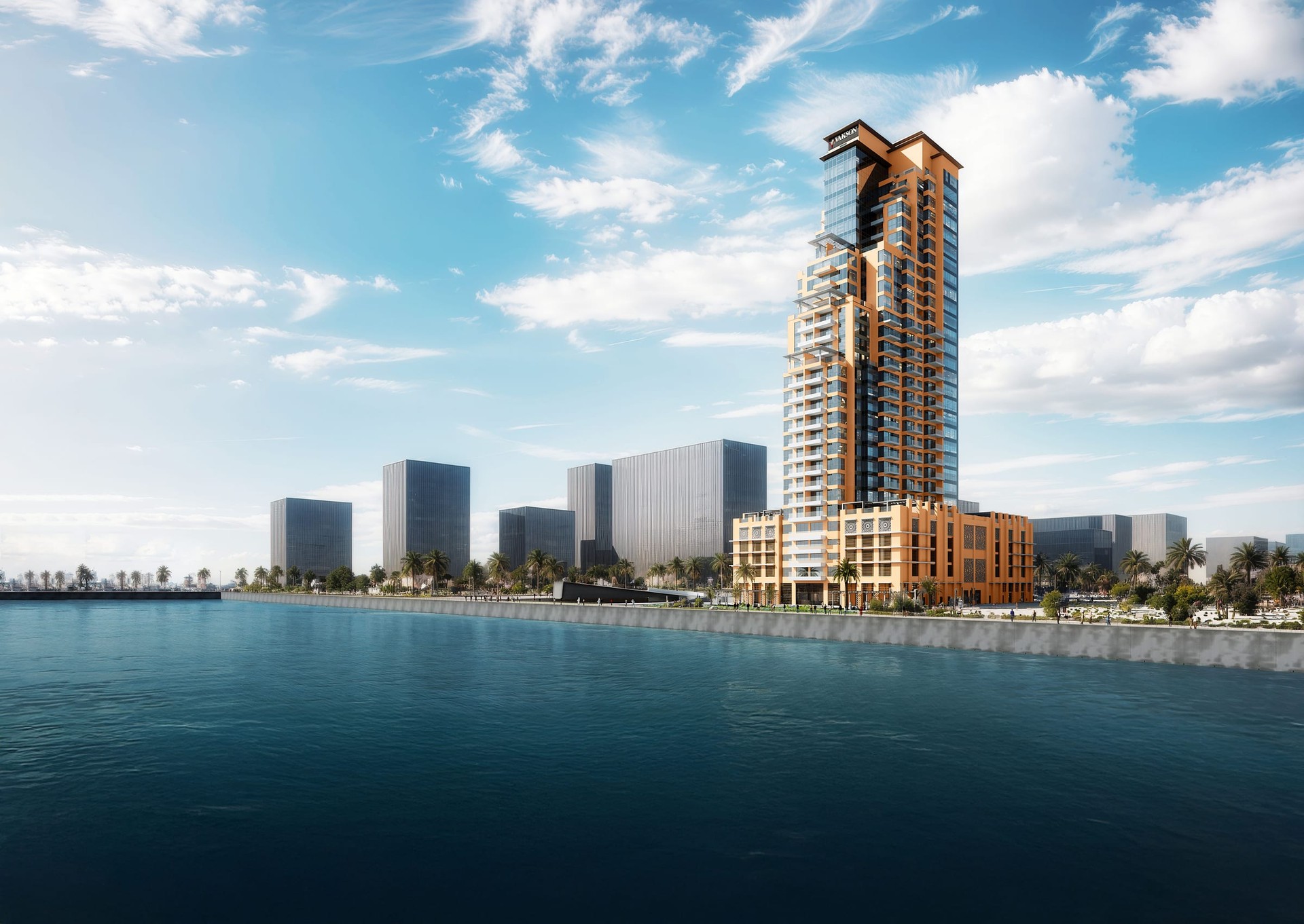
Riva Residences
APARTMENT · Dubai Maritime City, Dubai, United Arab Emirates
AED 2.53M – AED 5.80M
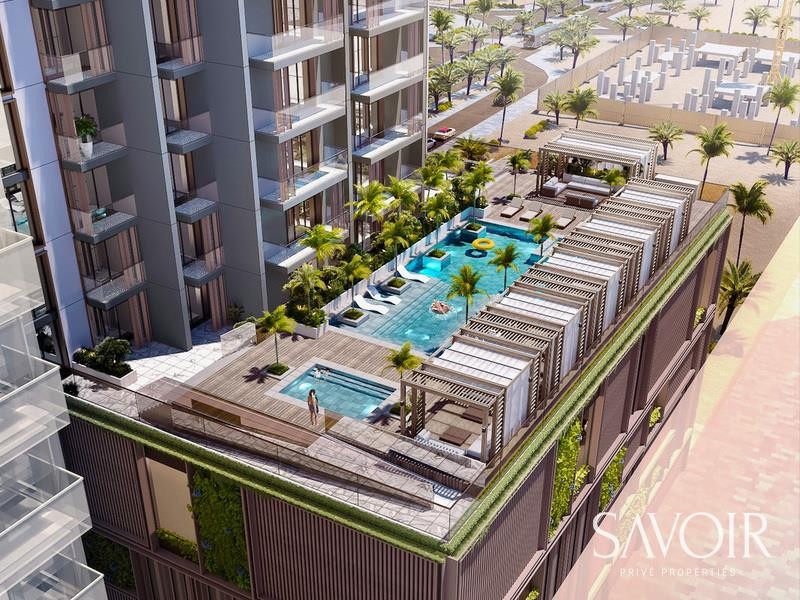
Q Gardens Lofts 2
APARTMENT · Q Gardens Lofts 2, District 12, Jumeirah Village Circle, Dubai, United Arab Emirates
From AED 597K
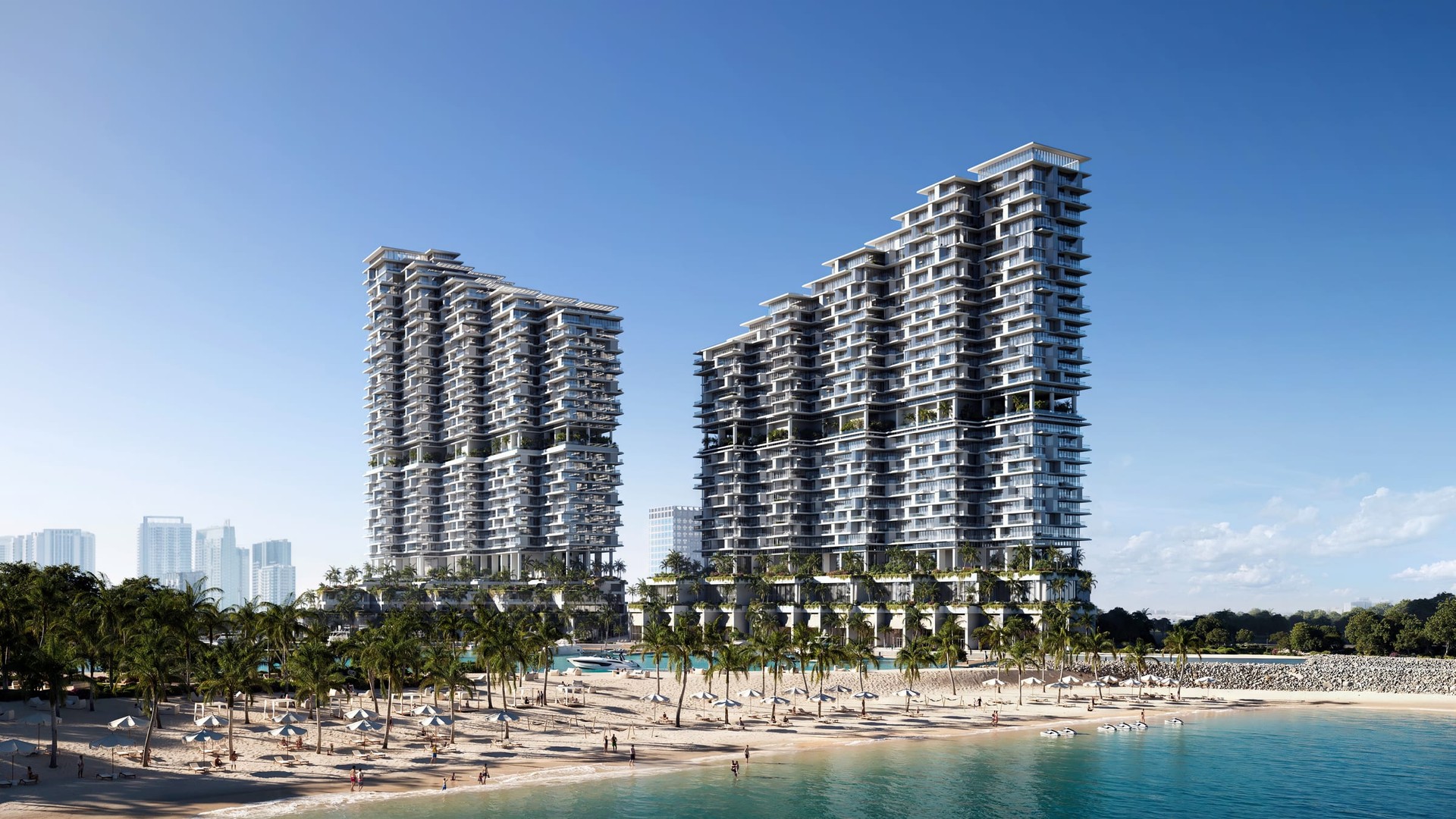
Riviera Residences
Apartment · Al Reem Island, Abu Dhabi, UAE
AED 1.90M – AED 4.85M
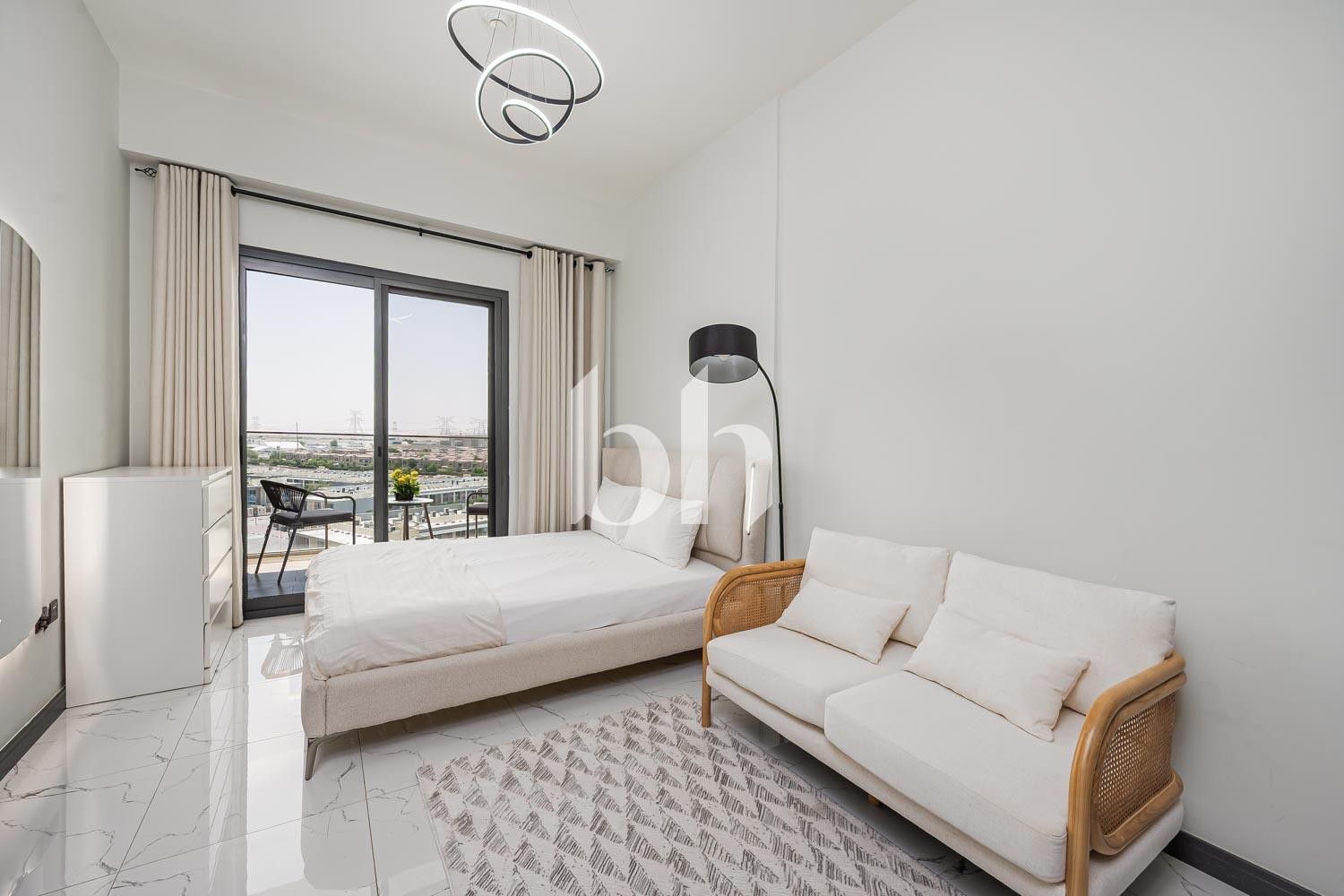
Rukan Tower B
APARTMENT · Rukan Tower B, Rukan Tower, Dubai Land, UAE
AED 555K – AED 850K
What Is Driving All Four
The demand side is the same story across every category: people with money are moving. Henley & Partners recorded 120,000 millionaire relocations in 2023, 134,000 in 2024 and about 142,000 in 2025, with 2026 forecast as high as 165,000. The UAE led for a second year, attracting roughly 9,800 millionaires in 2025 carrying an estimated USD 63 billion.
Two structural changes turned that flow into lifestyle purchases specifically. Governments started pricing lifestyle desirability directly: Greece's golden visa now runs EUR 800,000 for Attica, Thessaloniki, Mykonos and Santorini, EUR 400,000 elsewhere, and EUR 250,000 only for conversions and listed-building restorations. When a state charges double for the desirable postcode, it has confirmed the scarcity. Meanwhile branded and serviced schemes removed the management burden that historically made overseas ownership painful. Savills counted 764 schemes at the end of 2024, roughly 910 by the end of 2025, and projects about 1,747 by 2032, with buyers paying a 33% premium globally and 39% in resort locations.
What Can Go Wrong
Regulation moves faster than your holding period. Spain's constitutional court voided the national short-term rental registry in May 2026, leaving a fragmented patchwork of regional and city rules. Switzerland's Lex Weber and Lex Koller constrain who may buy and what may be built. Stress-test every model against rental income going to zero.
Programmes get repriced or closed. Spain shut its golden visa on 3 April 2025 and Portugal removed the real estate route. Buying mainly for a residency benefit means buying something the issuing government controls.
The category is not one trade. Of the 100 markets in Knight Frank's PIRI index, 73 rose in 2025 and 24 fell, with global prime growth cooling to 3.2% from 3.6%. Verbier at 0.5% and Courchevel at 9% sit in the same mountain range.
Carrying costs compound quietly. A serviced European holiday home commonly absorbs 2% to 4% of value each year once service charges, insurance, local taxes and management are counted. If the case only works at ten weeks of personal use a year, be honest about whether you will go.
One correction, because it circulates as fact: the proposed 100% tax on Spanish property purchases by non-EU nationals is a proposal, not enacted law, and it faces significant opposition. Spain remains fully open to foreign buyers.
The most expensive mistakes I see are not bad buildings. They are good buildings bought into the wrong rental regime, the wrong residence position, or the wrong assumption about how often the family will actually fly there.
How INTRIC Approaches Lifestyle Markets
INTRIC tracks residential and lifestyle markets across 70+ countries, holding golf, alpine, coastal and wellness inventory alongside the residency thresholds, rental regulation and carrying-cost data that decide whether any of it performs. That lets a family compare a Sotogrande fairway villa, a Courchevel apartment and an Algarve beachfront unit on the same evidence rather than on three different sales decks. Members can request access to the underlying market data and to the developers and advisers behind specific schemes.
Frequently Asked Questions
Is golf property a good investment?
Golf property's main advantage is season length. Because golfers travel in spring and autumn rather than midsummer, well-located units near a clubhouse report 4% to 6% gross yields at 70% to 85% shoulder-season occupancy, which is a longer earning window than a pure beach let. The premium attaches to genuine frontline or fairway-view positions, not to a golf-resort address generally.
Are ski chalets a good investment in 2026?
Alpine property rose about 23% over five years, supported by year-round demand and by hard supply limits such as Switzerland's Lex Weber cap of 20% second homes per commune. Resort selection dominates the outcome: Courchevel 1850 rose about 9% in twelve months while Verbier moved about 0.5%. Treat plateaued blue-chip resorts as wealth preservation rather than growth.
How much more does beachfront property cost than inland?
Oceanfront homes price roughly 29% above comparable landlocked homes in the same area, and beachfront rentals achieve 27% to 76% higher nightly rates than properties a few blocks inland. The premium is concentrated in true frontline positions with direct access and decays quickly for second-row and "walking distance" stock.
Which countries still offer residency through property purchase?
Greece is the most prominent European route, running EUR 250,000 to EUR 800,000 by location with a five-year renewable permit and no minimum stay. Spain closed its golden visa on 3 April 2025 and Portugal removed the real estate route. The UAE continues to offer long-term residency and led global millionaire inflows in 2024 and 2025.
What are the biggest risks in lifestyle property?
Four dominate: short-term rental rules changing after purchase, residency programmes being repriced or closed, wide dispersion between individual resorts within the same region, and annual carrying costs of roughly 2% to 4% of value that erode returns when personal use is lower than planned.
Sources and Further Reading
- Knight Frank, The Wealth Report 2026: PIRI 100. Prime price growth across 100 global markets, including second-home and alpine resort locations.
- Knight Frank, Alpine Property Report 2026. Resort-level alpine pricing, year-round living trends and Swiss regulatory constraints.
- Forbes, Why Property Investors Cannot Resist The Alps. Alpine demand drivers and resort performance.
- Henley & Partners, Private Wealth Migration. Millionaire relocation volumes and destination rankings.
- Savills, Branded Residence Price Premiums. Global and resort premium data for branded schemes.
- Global Wellness Institute, Wellness Real Estate Market. Sector size, growth rates and leading national markets.
- Global Property Guide, Portugal Residential Market Analysis. Portuguese price history including Algarve performance.
- Global Citizen Solutions, Spain Golden Visa Closure. Confirmation of the 3 April 2025 programme end and remaining residency routes.
Cover image: Gstaad village panorama by GstaadTourismus, licensed under CC BY-SA 3.0.
Abhii Dabas is the Founder and CEO of INTRIC Global, the cross-border property intelligence platform for serious investors. He advises high-net-worth buyers on international real estate strategy and has evaluated residential markets across more than 40 countries.