
The education corridor, FIRB rules, and what happens after graduation.
 ByAbhii Dabas
Why Chinese families buy property near UK and Australian universities
Chinese families buy in this corridor for three reasons that combine into one decision: housing the child for the duration of a 3 to 4 year degree, diversifying family capital out of yuan-denominated assets, and creating a long-term rental income stream after graduation. The investment case only works when all three are planned together. Buyers who focus only on housing the child miss the post-graduation gap that erodes returns.
The decision is shaped by the structure of Chinese household wealth. A significant portion of Chinese HNW assets are concentrated in domestic real estate and equities. International property in a stable jurisdiction provides currency diversification and asset class diversification at the same time. The presence of a child at the university anchors the purchase to a specific geography and timeframe, which simplifies what would otherwise be an abstract diversification decision.
The most common mistake I see Chinese family buyers make is treating this as a housing transaction. It is a 15 to 20 year investment that happens to start with a student tenant. The brokers who calibrate advice to that timeframe are rare.
What the FIRB rules mean for Chinese nationals buying in Australia
The Foreign Investment Review Board (FIRB) requires approval before a non-resident foreign national, including Chinese nationals, can purchase residential property in Australia. Non-residents are generally restricted to new dwellings or off-the-plan apartments, not established homes. The application fee starts at AUD 13,200 for properties under AUD 1 million and scales upward. Processing typically takes 30 days but can extend to 60.
FIRB approval is property-specific, not investor-specific. An approval to buy a particular apartment does not transfer to a different property if the original deal falls through. Chinese buyers should secure FIRB approval before signing a contract, or use a contract with a subject-to-FIRB-approval clause. The fee is not refundable if the purchase does not proceed.
Additional state-level surcharges apply. New South Wales charges an 8% Foreign Purchaser Additional Duty on top of standard transfer duty. Victoria charges 8% Additional Duty on residential property. Queensland charges 7% Additional Foreign Acquirer Duty. These surcharges materially affect the total cost of acquisition and should be modelled into the yield calculation before exchange.
On INTRIC now — Residences on INTRIC are open to enquiry straight from this page.

Montauroux Architect Villa
HOUSE · Montauroux, 83440, Var, Provence-Alpes-Cote d'Azur, France
EUR 950K – EUR 1.65M

Nobu Residences
APARTMENT · POA - Son Tra, Danang, Vietnam
USD 180K – USD 2.70M

Redwood Avenue
HOUSE · Dubai, Jumeirah Golf Estates, United Arab Emirates
From AED 53.99M

NEXT Address
Apartment · 11 Tbel Abuseridze Str, Batumi, 6010, Georgia
USD 50.9K – USD 191.2K
How ownership works for non-resident Chinese nationals in the UK
Non-resident Chinese nationals can purchase residential property in the UK with no restriction on freehold or leasehold ownership. The UK applies a 2% Non-Resident SDLT surcharge on top of standard Stamp Duty Land Tax rates as of April 2021. For a GBP 650,000 property purchased as a second home by a non-resident, total SDLT including the 3% additional dwellings surcharge and the 2% non-resident surcharge reaches approximately GBP 47,000.
Most UK city centre apartments are leasehold, with ground rent and service charges payable to the freeholder. Buyers should verify the remaining lease term, where over 80 years is preferred for resale liquidity, and the service charge trajectory. Service charges in new-build London developments have escalated by 50 to 100% in the past decade. This is the single most common cause of net yield disappointment in the corridor.
What yield to expect near Russell Group and Go8 universities
Gross yield in the UK university property corridor ranges from 4 to 6% in cities like Manchester, Birmingham, Bristol, and Leeds, and 3 to 4.5% in central London. Australian Go8 cities such as Melbourne and Sydney deliver 3.5 to 4.5% gross. Student tenancy commands a 10 to 15% premium during term time, but voids during summer and the post-graduation transition typically compress net yield by 1.5 to 3 percentage points below gross.
The yield calculation should distinguish between term-time student tenancy and 12-month professional tenancy. A two-bedroom flat near the University of Manchester let to students at GBP 1,800 per month from September to June achieves an annual gross yield around 5%. The same flat let to professionals on a 12-month tenancy at GBP 1,500 per month achieves 4.2% gross with significantly lower management overhead. The second scenario is the more sustainable one post-graduation.
UK vs Australian university property markets in 2026
The table below sets out the typical entry conditions, yield, and post-graduation flexibility across the four most common destination cities for Chinese family buyers.
| Market | Typical entry | Gross yield | Foreign tax surcharge | Post-grad demand |
|---|---|---|---|---|
| London Zone 2 (UK) | GBP 550-800k | 4.0-4.5% | 2% NR SDLT + 3% ADS | Strong professional |
| Manchester (UK) | GBP 250-400k | 5.0-6.0% | 2% NR SDLT + 3% ADS | Moderate professional |
| Melbourne (AU) | AUD 600-900k | 3.5-4.5% | 8% VIC Additional Duty | Strong professional |
| Sydney (AU) | AUD 750-1.1m | 3.0-4.0% | 8% NSW FPAD | Strong professional |
On INTRIC now — Still open on INTRIC — every one of these answers enquiries directly.

Riva Residences
APARTMENT · Dubai Maritime City, Dubai, United Arab Emirates
AED 2.53M – AED 5.80M

Q Gardens Lofts 2
APARTMENT · Q Gardens Lofts 2, District 12, Jumeirah Village Circle, Dubai, United Arab Emirates
From AED 597K
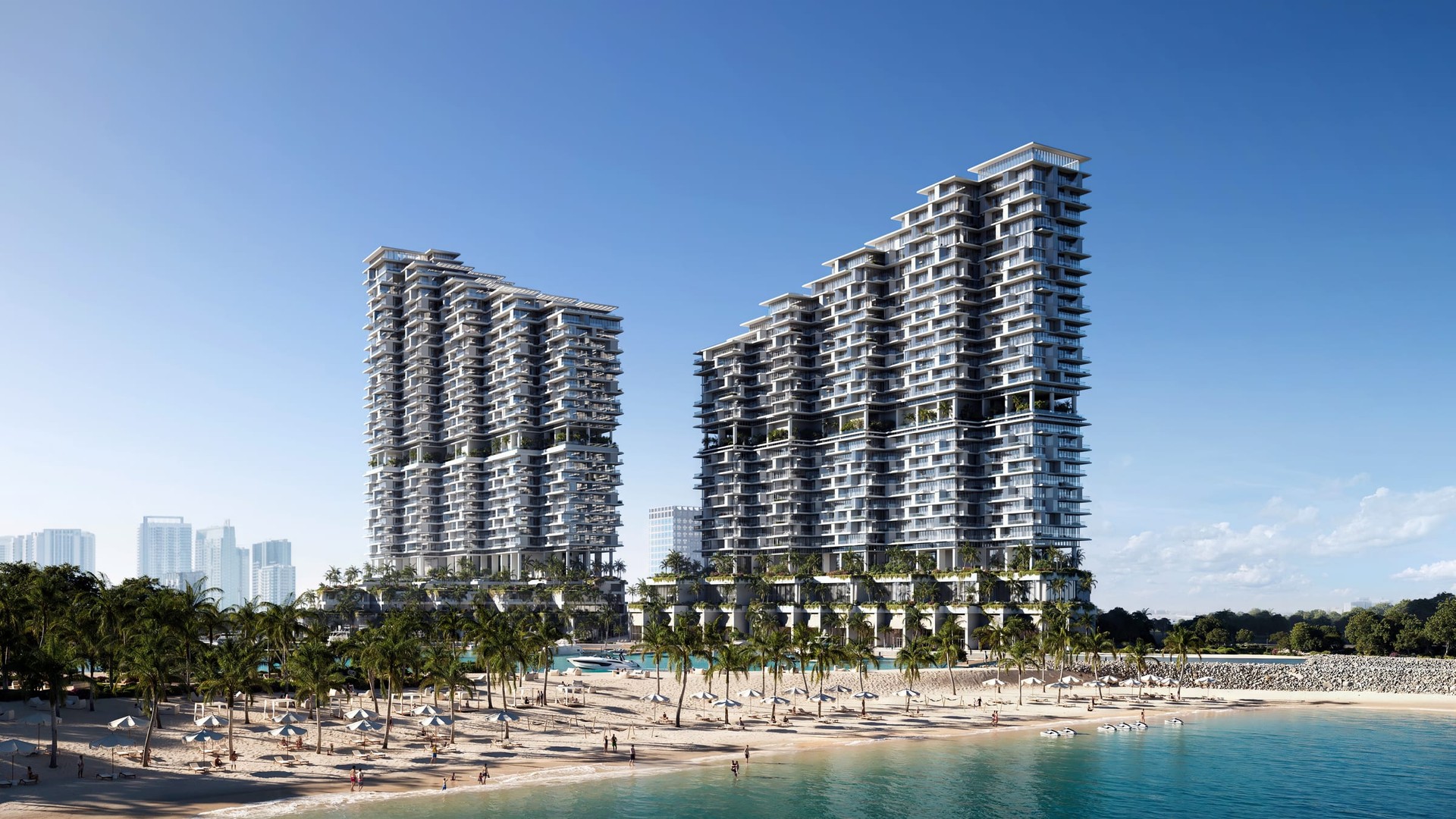
Riviera Residences
Apartment · Al Reem Island, Abu Dhabi, UAE
AED 1.90M – AED 4.85M
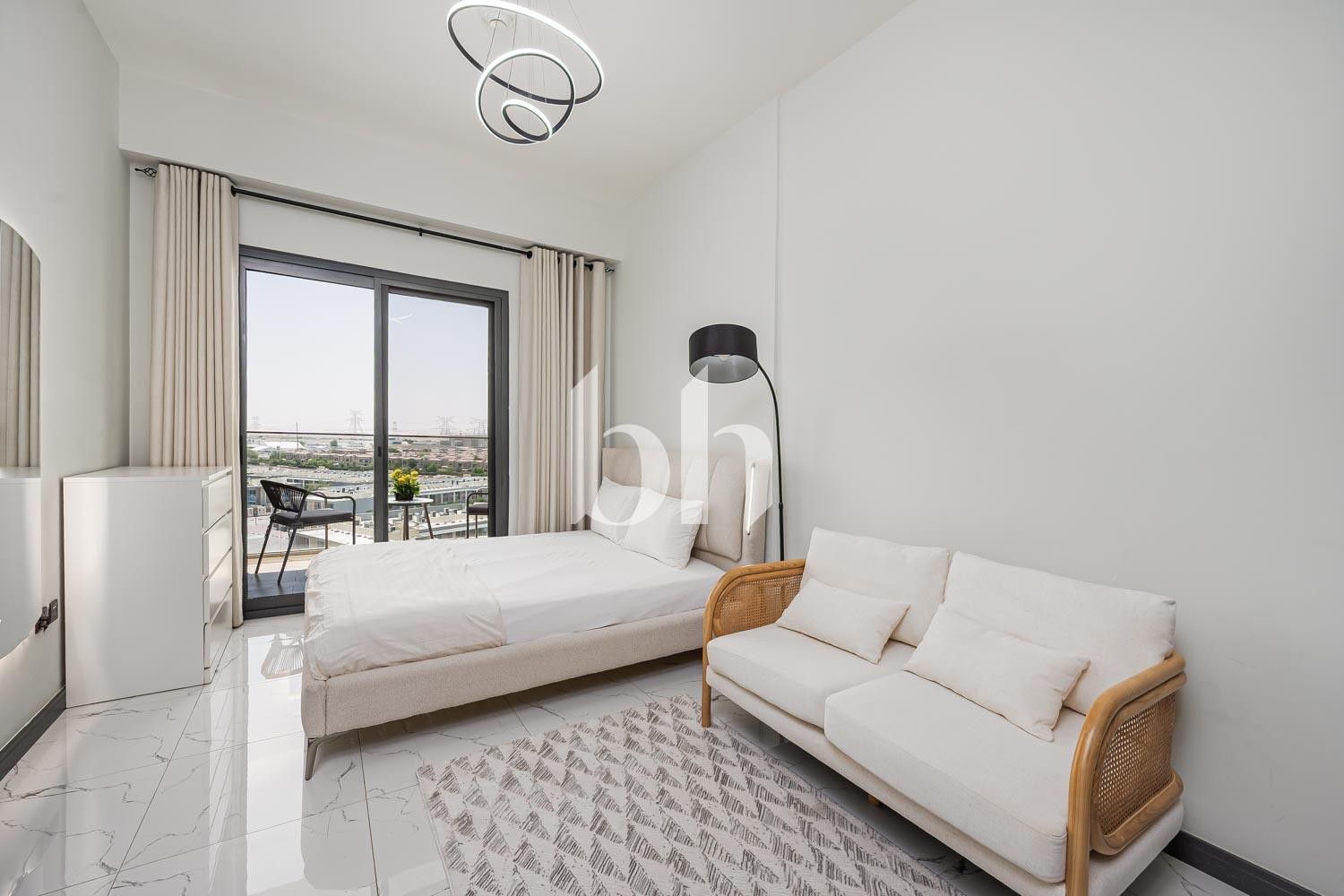
Rukan Tower B
APARTMENT · Rukan Tower B, Rukan Tower, Dubai Land, UAE
AED 555K – AED 850K
What happens to the property after the child graduates
The post-graduation transition is the most underestimated risk in the corridor. The property must either continue as a rental asset with a non-student tenant, become accommodation for a sibling or extended family member, or be sold. Each option carries different financial and logistical requirements. Buyers who do not plan for this transition before purchase typically face a 3 to 6 month void period as the student tenancy ends and the property is re-positioned for the professional market.
Properties near established teaching hospitals, business schools, and law schools tend to hold stronger non-student professional rental demand because the surrounding employment ecosystem retains graduates. Properties near purely undergraduate campuses are more dependent on the next intake of students for stable occupancy. This distinction should inform the choice of submarket at the time of purchase, not five years later.
INTRIC only lists developments in this corridor that have demonstrated rental demand from both student and professional tenants. We do not list pure student-block developments where the only buyer at exit is another foreign investor.
How INTRIC vets developments in this corridor
INTRIC applies a 10-point due diligence framework before listing any developer or asset in the corridor. The framework verifies title security and lease length, developer track record and financial standing, projected versus actual rental yield in comparable completed properties, and the realistic profile of the post-graduation buyer or tenant. Developers who cannot evidence comparable post-graduation tenancy data are not listed.
INTRIC is private and invitation-only, with vetted developments across 70+ markets. Chinese family buyers seeking access to vetted developments in the UK and Australian university corridor come to INTRIC through an existing member referral or through the platform's curated outreach. The platform does not solicit retail applications and does not publish open listings.
Frequently asked questions
Can Chinese nationals buy property in Australia without FIRB approval? No. All non-resident foreign nationals, including Chinese nationals, must obtain FIRB approval before purchasing residential property in Australia. The application fee starts at AUD 13,200 and approval typically takes 30 days.
What is the total cost of UK stamp duty for a Chinese non-resident buying a second home? A Chinese non-resident buying a GBP 650,000 second home pays approximately GBP 47,000 in total SDLT, combining the standard rate, the 3% Additional Dwellings Supplement, and the 2% Non-Resident Surcharge. Investors should model SDLT into total acquisition cost before signing.
Are student-let properties a good long-term investment for Chinese families? Student-let properties produce higher gross yield during term time but face voids during summer and post-graduation. Properties that can transition smoothly to professional tenancy after the child graduates are more durable as long-term investments. Pure student-block developments carry exit-liquidity risk.
Which UK universities have the strongest property investment thesis for Chinese family buyers? Universities embedded in deep professional ecosystems, including the Russell Group institutions in London, Manchester, Edinburgh, Bristol, and Leeds, support both student and post-graduate tenancy demand. Pure-campus universities in smaller towns offer higher yields but weaker exit liquidity.
Does INTRIC list student property developments in the UK and Australia? INTRIC lists vetted residential developments in the UK and Australian university corridor that meet the platform's 10-point due diligence framework. Listings are visible to members of the private network. INTRIC does not list pure student-block developments without demonstrated professional tenancy demand.
Sources and further reading
- UK Land Registry Price Paid Data - UK transaction-level pricing
- Australian FIRB Annual Report - FIRB approval data and fees
- Knight Frank Student Property Index - Student housing market data
- HMRC Non-Resident SDLT Guidance - UK non-resident stamp duty rules
Abhii Dabas is the Founder and CEO of INTRIC Global, the cross-border property intelligence platform for serious investors. He advises high-net-worth buyers on international real estate strategy and has evaluated residential markets across more than 40 countries.