
The tax regime is the foundation and the property is the furniture: choose the regime, then the residency, then the home.
 ByAbhii Dabas
2026 in four numbers
| Figure | What it measures |
|---|---|
| 0% | Personal income tax in the UAE |
| 40+ | Countries not taxing foreign-source income |
| €300k | Italy’s annual flat tax on foreign income, live since January 2026 |
| 7% | Greece’s flat rate for qualifying foreign retirees |
Sources: PwC Worldwide Tax Summaries, Henley & Partners, International Living 2026, and 2026 residency-tax surveys.
The seven, in order
1. United Arab Emirates
The reference point: no personal income tax on PwC data, paired with the Golden Visa from AED 2m of property. The zero that comes with a deep prime market and a 10-year right, which is why it sits on most 2026 relocation shortlists.
2. Singapore
Territorial in practice, with most foreign-source income untaxed, wrapped in the world’s most compliance-grade institutions. The base for wealth that needs to bank, not just save.
3. Italy
The flat-tax flagship: €300,000 a year on foreign income, live since January 2026, buying certainty inside the EU with a lifestyle no zero-tax jurisdiction matches.
4. Greece
The retiree’s regime: a 7% flat rate on foreign income for qualifying retirees, stacked on the country’s new number-one retirement ranking and golden visa options.
5. Malta
The remittance play: roughly 15% on foreign income brought into Malta under its resident programmes, in an English-speaking EU jurisdiction.
6. Cyprus
The investor’s non-dom: dividends and interest untaxed for 17 years, which suits portfolio-income wealth better than any headline zero.
7. Panama
The territorial classic: foreign-source income exempt, a US dollar economy, and the most accessible Americas base for internationally sourced income.
On INTRIC now — Residences on INTRIC are open to enquiry straight from this page.
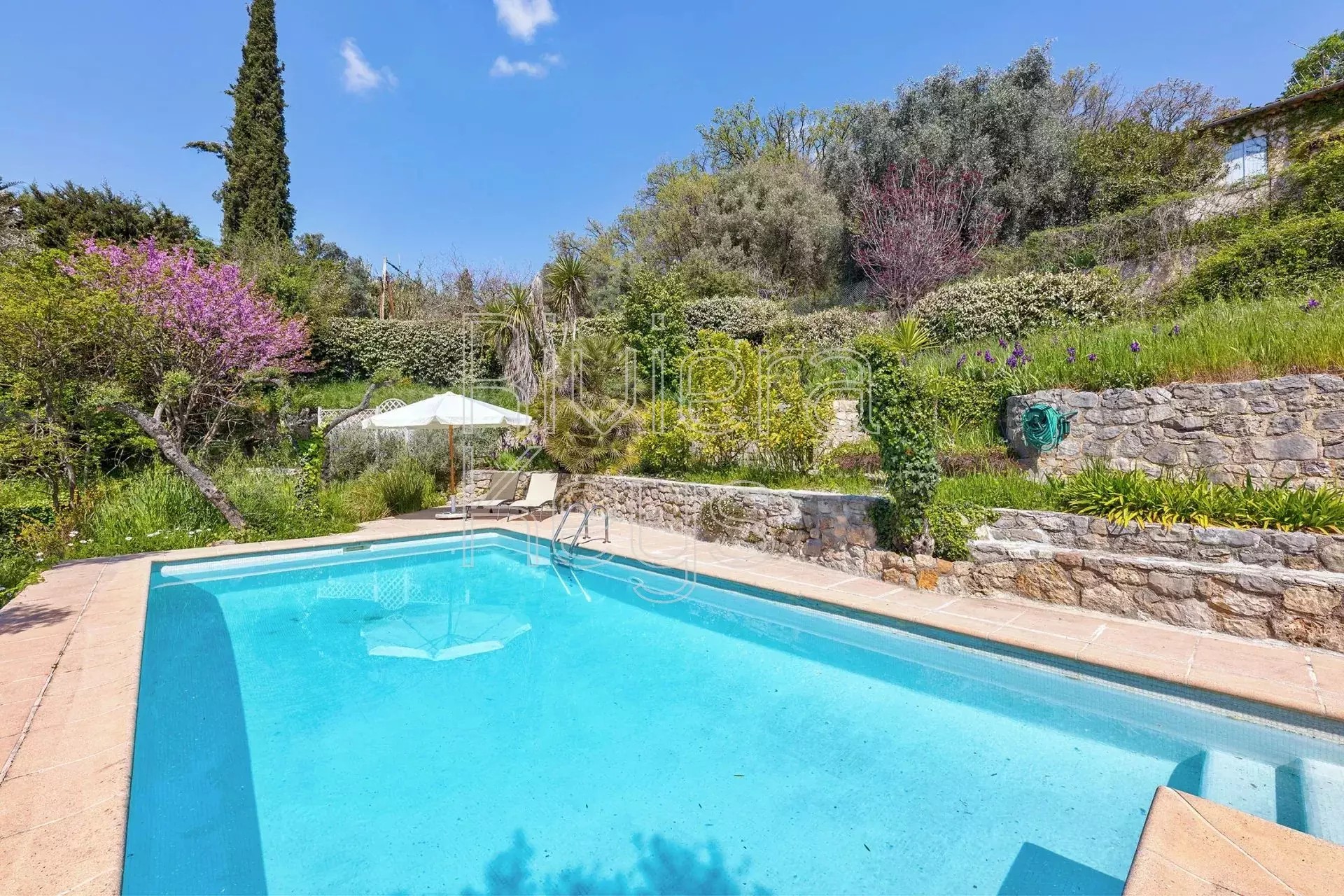
Montauroux Architect Villa
HOUSE · Montauroux, 83440, Var, Provence-Alpes-Cote d'Azur, France
EUR 950K – EUR 1.65M

Nobu Residences
APARTMENT · POA - Son Tra, Danang, Vietnam
USD 180K – USD 2.70M
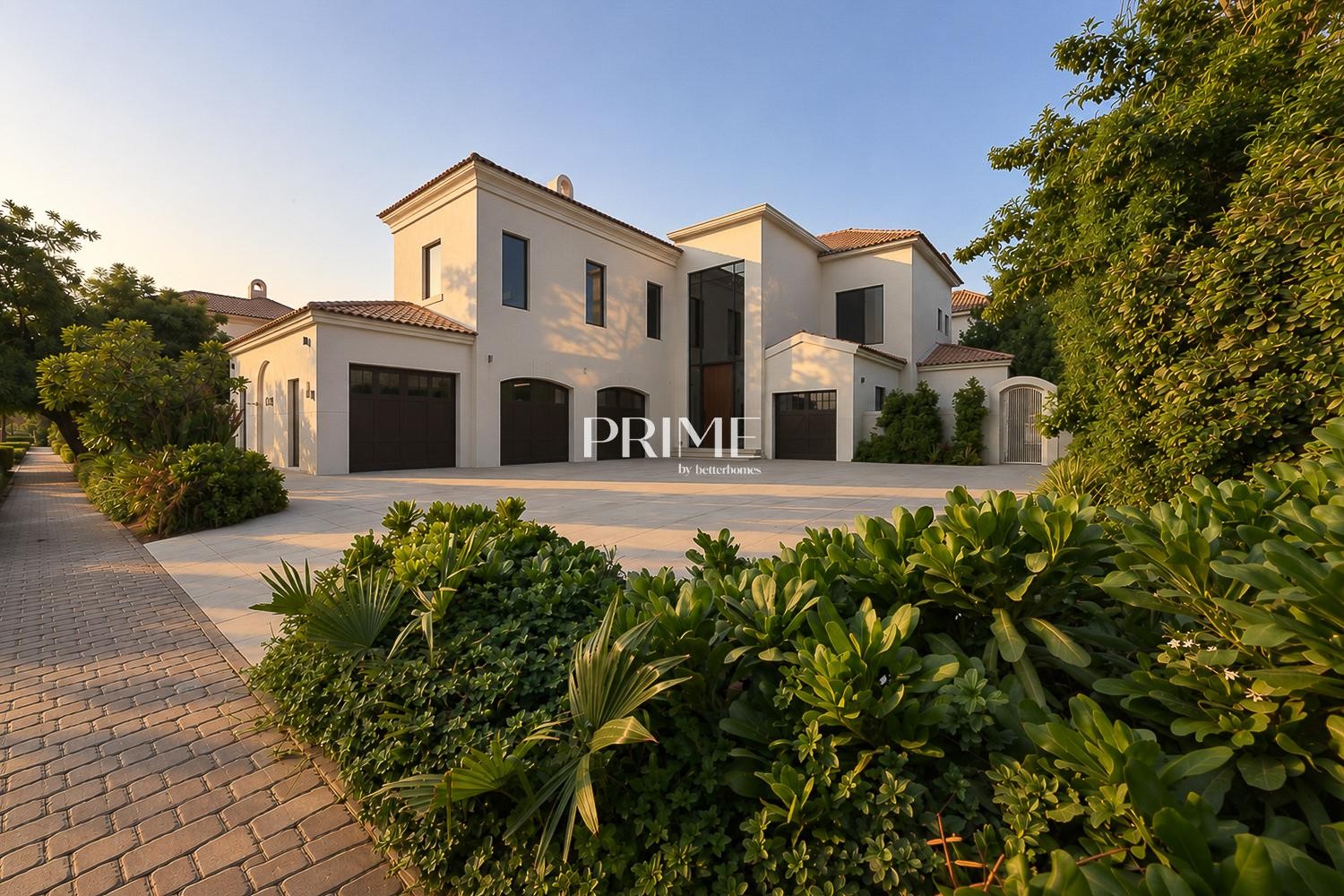
Redwood Avenue
HOUSE · Dubai, Jumeirah Golf Estates, United Arab Emirates
From AED 53.99M

NEXT Address
Apartment · 11 Tbel Abuseridze Str, Batumi, 6010, Georgia
USD 50.9K – USD 191.2K
The seven side by side
| Base | Model | The 2026 deal |
|---|---|---|
| UAE | Zero-tax | No personal income tax; Golden Visa from AED 2m pairs the regime with a right |
| Singapore | Territorial in practice | Most foreign-source income untaxed; the compliance-grade Asian base |
| Italy | Special regime | Flat tax of €300,000 a year on foreign income, live since January 2026 |
| Greece | Special regime | 7% flat rate for qualifying foreign retirees; golden visa alongside |
| Malta | Special regime | Around 15% on foreign income remitted to Malta under its resident programmes |
| Cyprus | Special regime | Non-dom treatment: dividends and interest untaxed for 17 years |
| Panama | Territorial | Foreign-source income exempt; the accessible Americas base |
Regimes carry conditions and minimum stays; verify against official sources with qualified advice. Figures rounded.
Why the model comes before the country
Each of the three models suits a different income profile. Zero-tax jurisdictions charge nothing on personal income; territorial systems tax only local-source income; special regimes give incoming residents a preferential deal inside an otherwise normal system. A founder with a single large income stream, a retiree on a pension, and a family living on dividends will each land on a different country, which is why the model choice precedes the country choice.
Europe sells regimes, not zeros. Italy, Greece, Malta, and Cyprus all tax residents normally, then carve out a deal for the incoming wealth they want. That makes the EU options more conditional than the UAE, and more durable for families who want an EU right alongside the saving.
On INTRIC now — Still open on INTRIC — every one of these answers enquiries directly.

Riva Residences
APARTMENT · Dubai Maritime City, Dubai, United Arab Emirates
AED 2.53M – AED 5.80M

Q Gardens Lofts 2
APARTMENT · Q Gardens Lofts 2, District 12, Jumeirah Village Circle, Dubai, United Arab Emirates
From AED 597K

Riviera Residences
Apartment · Al Reem Island, Abu Dhabi, UAE
AED 1.90M – AED 4.85M
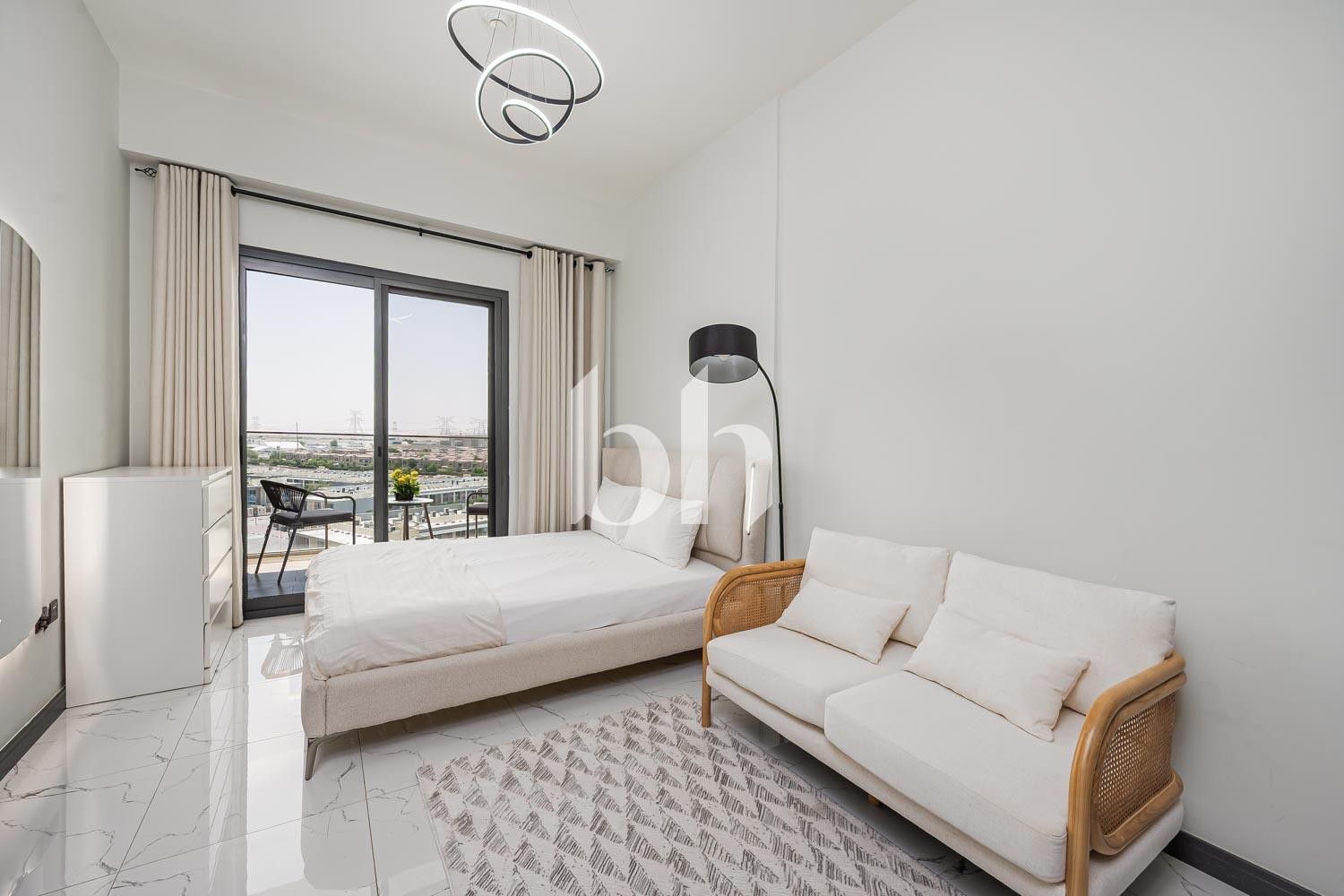
Rukan Tower B
APARTMENT · Rukan Tower B, Rukan Tower, Dubai Land, UAE
AED 555K – AED 850K
Where tax moves fail
Usually at home, before the flight. The country being left causes more failed relocations than the country being joined.
- Day counts: the regime only works if the residency behind it is real, documented, and maintained; a residency of convenience is one the old country will challenge.
- CFC and anti-avoidance rules: several high-tax countries attribute a foreign company’s income back to residents; the structure has to move properly, not just the person.
- Exit taxes: some jurisdictions charge on unrealised gains at departure; the leaving cost belongs in the arithmetic.
- US citizens: taxed on worldwide income regardless of residence; the tools are exclusions and credits, not geography alone.
- Trajectory: regimes change, as UK non-doms learned when the regime was abolished in 2025; buy the direction of travel, not the brochure.
The tax regime is the foundation and the property is the furniture. Build in that order.
Read the full intelligence report
“The regime comes first: tax-led property buying in 2026” goes deeper on the full three-model map, the regime table, and the five traps that break tax relocations. Access it through the free Explorer tier at intricglobal.com/en/subscribe.
Frequently asked questions
Which country has no income tax in 2026?
The UAE is the leading example on PwC data, with no personal income tax, alongside jurisdictions such as Monaco, Qatar, and the Bahamas.
What is Italy’s flat tax in 2026?
€300,000 a year on foreign income for new residents, live since January 2026, per Henley & Partners.
Does Greece really tax retirees at 7%?
Qualifying foreign retirees can access a 7% flat rate on foreign income, one of the drivers of Greece’s first-ever number-one retirement ranking in 2026.
Does buying property reduce taxes by itself?
No. The regime follows residency, which follows physical presence and ties. Regime first, residency second, property third, with qualified advice throughout.
This article is information only and is not tax, legal, immigration, or investment advice. Rules change frequently and vary by circumstance; take qualified professional advice. Property values can fall as well as rise and capital is at risk. Figures are rounded and attributed to PwC, Henley & Partners, and International Living.
Abhii Dabas is the Founder and CEO of INTRIC Global, the cross-border property intelligence platform for serious investors. He advises high-net-worth buyers on international real estate strategy and has evaluated residential markets across more than 40 countries.