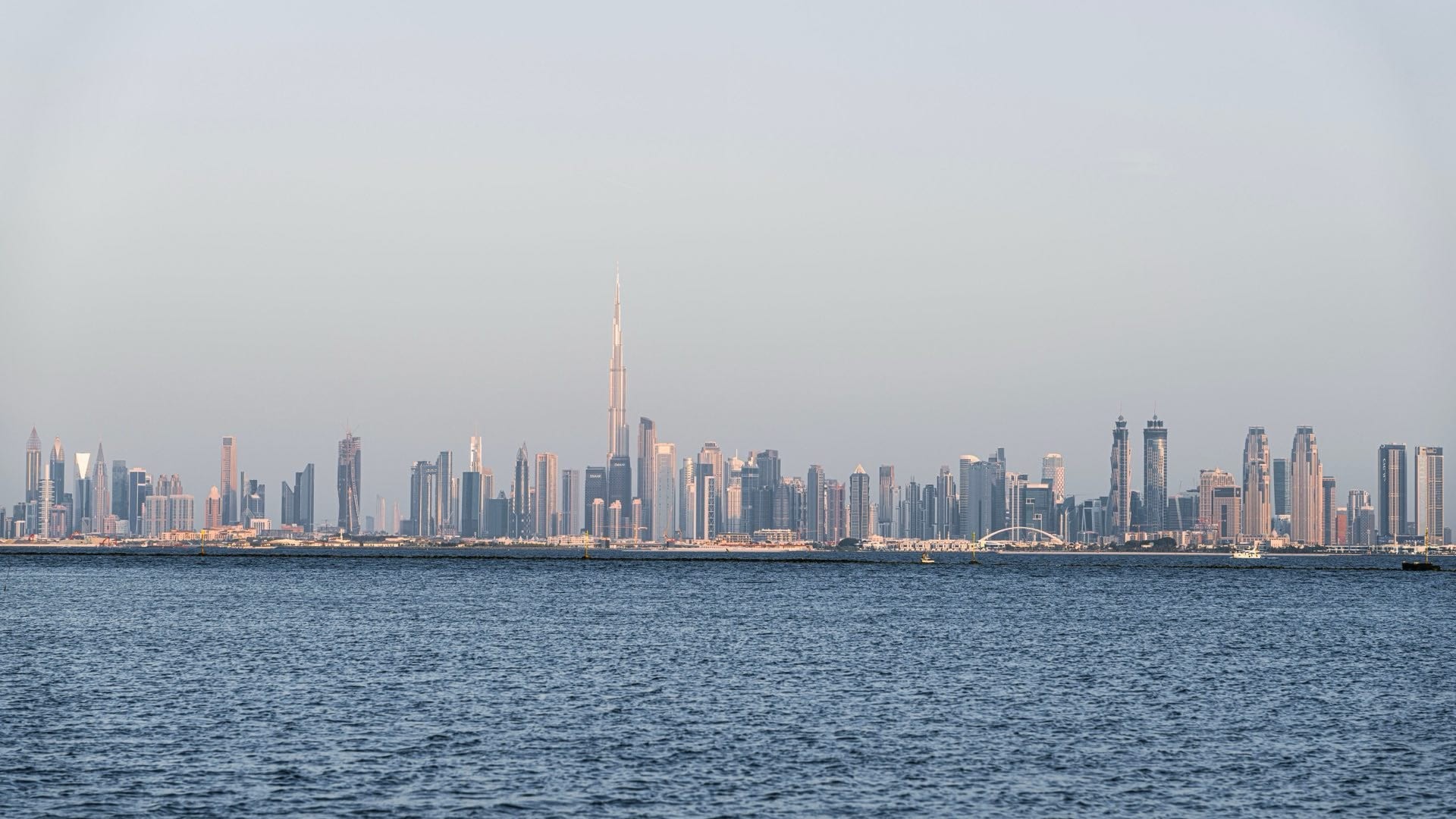
Five corridors reshaping cross-border property capital flows through 2035.
 ByAbhii Dabas
What a wealth corridor is, and why it predicts demand
A wealth corridor is a sustained pattern of capital flow between a source region and a destination, driven by residency policy, tax framework, infrastructure investment, lifestyle attraction, and family-level migration. Corridors form over decades, not quarters. Once established, they support residential demand in the destination market because the underlying drivers keep pulling new capital and new family relocations through the same channel.
That is why corridors are predictive. A market sitting at the receiving end of an established corridor, London for Gulf capital, Dubai for Indian capital, Singapore for Greater China capital, has supported demand that is structurally different from a market dependent on speculative or yield-chasing flows. The corridor matters more than the asset selection.
Where the new wealth is being created
Asia-Pacific holds the fastest HNW population growth globally. The Knight Frank Wealth Report 2025 tracks around 75,000 individuals with USD 30 million or more across Asia, expected to grow about 38% by 2028. Within Asia, India, Vietnam, Indonesia, and the Philippines show the fastest percentage growth; China and Japan hold the largest absolute populations; the Middle East shows fast in-migration alongside organic growth.
HNW population growth is the upstream driver of corridor formation. A region producing new wealth at scale generates cross-border demand in line with the destinations that wealth prefers, particularly Singapore, the UAE, the UK, Japan, Australia, Portugal, and Greece.
On INTRIC now — Residences on INTRIC are open to enquiry straight from this page.
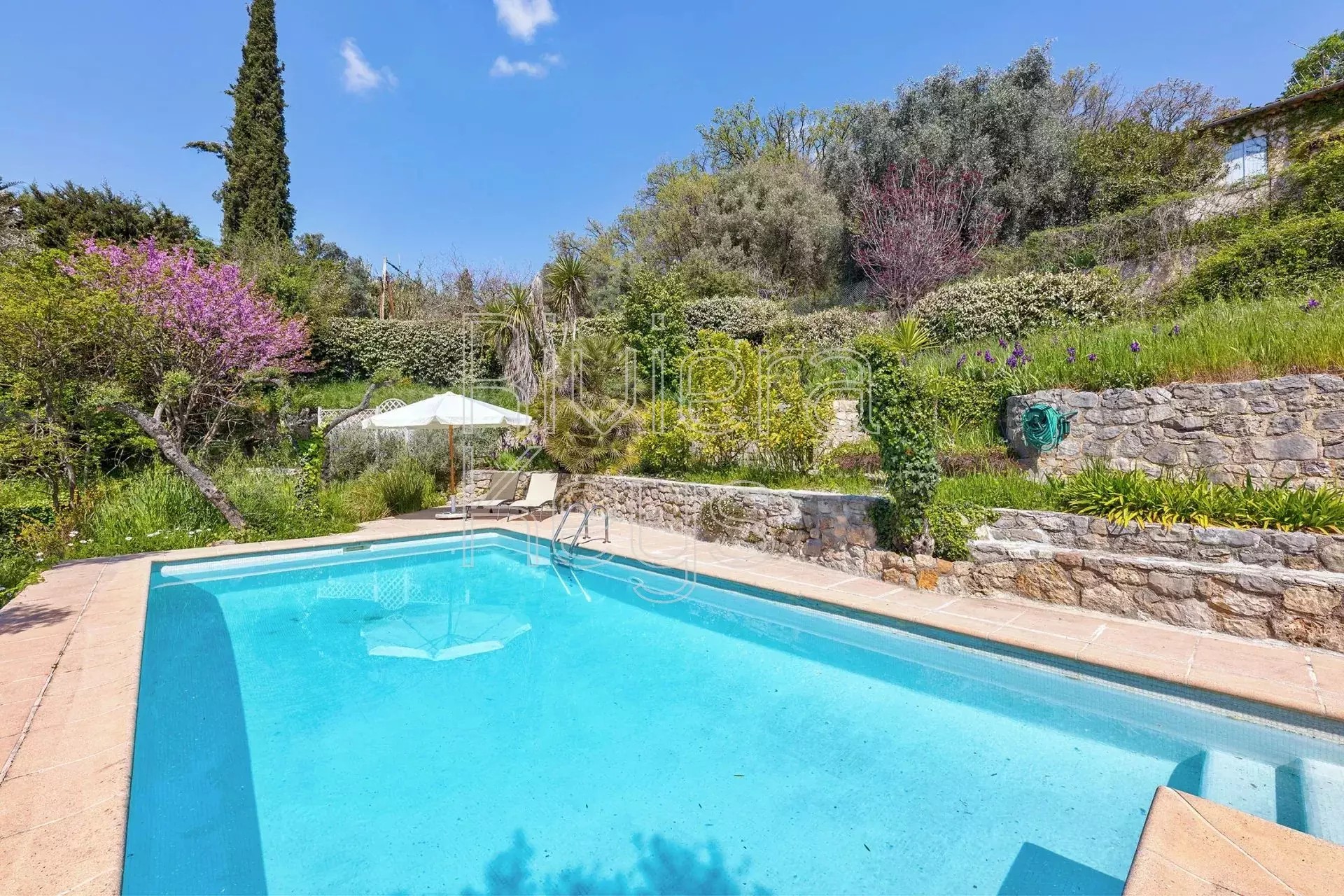
Montauroux Architect Villa
HOUSE · Montauroux, 83440, Var, Provence-Alpes-Cote d'Azur, France
EUR 950K – EUR 1.65M

Nobu Residences
APARTMENT · POA - Son Tra, Danang, Vietnam
USD 180K – USD 2.70M
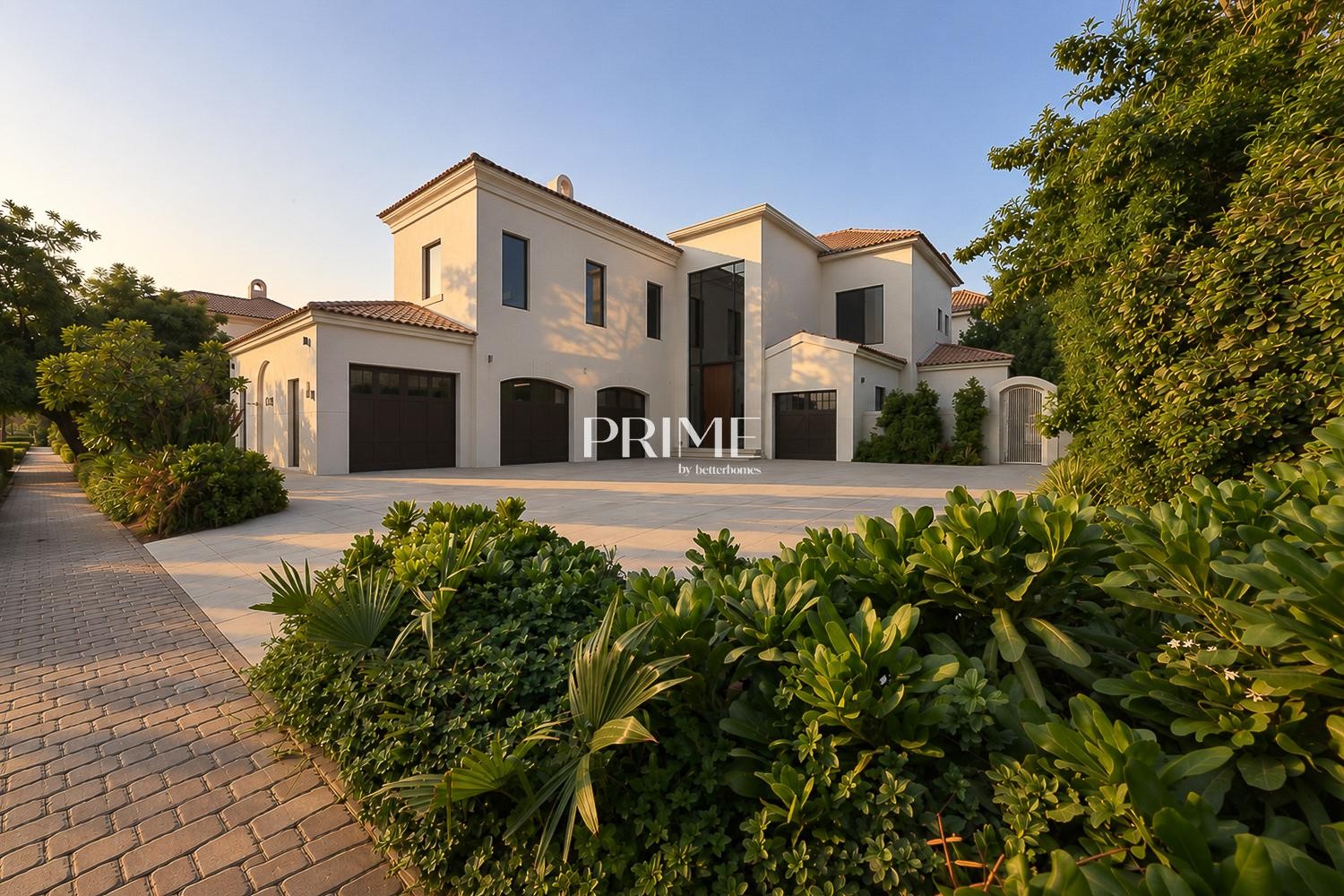
Redwood Avenue
HOUSE · Dubai, Jumeirah Golf Estates, United Arab Emirates
From AED 53.99M
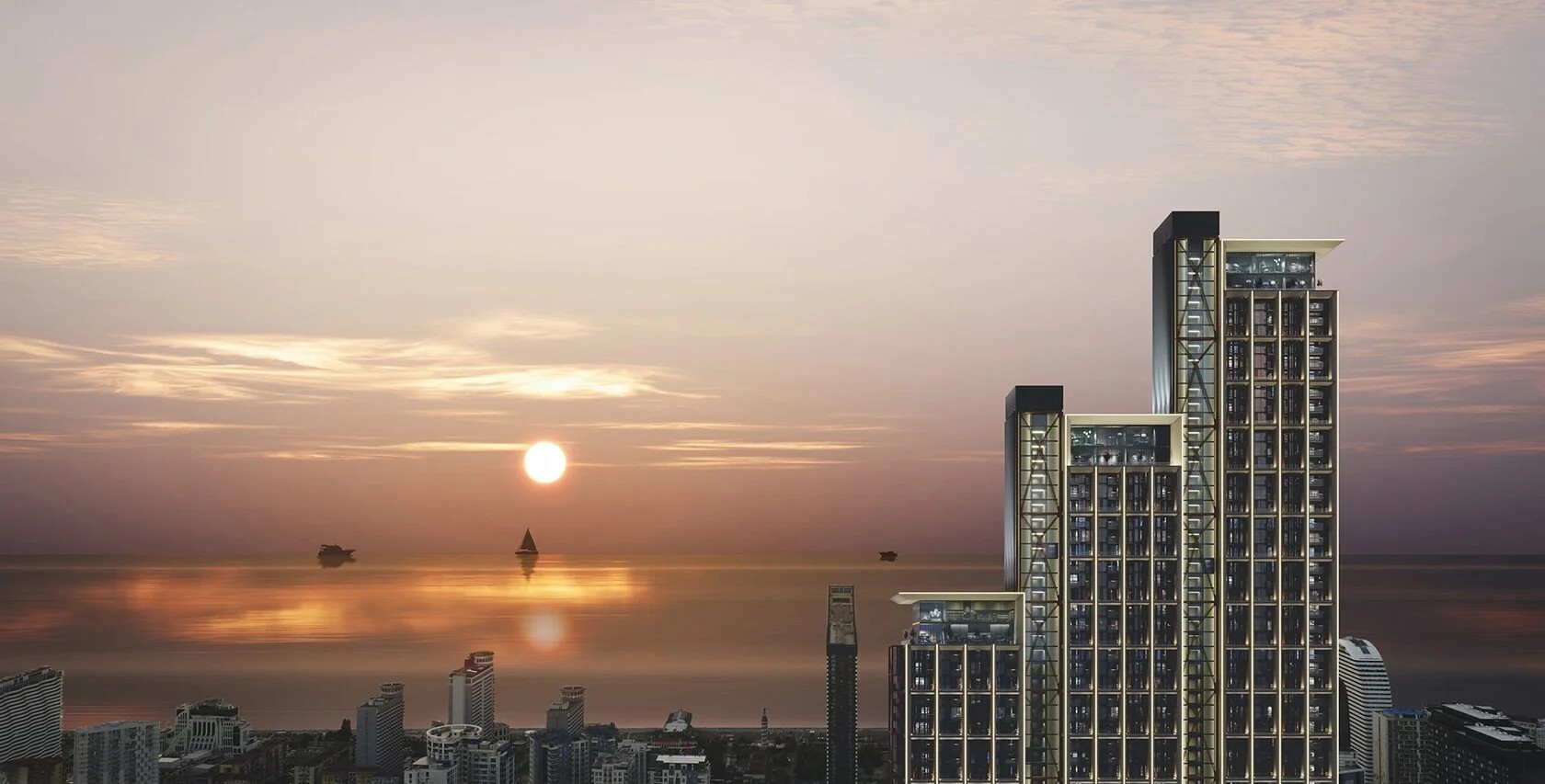
NEXT Address
Apartment · 11 Tbel Abuseridze Str, Batumi, 6010, Georgia
USD 50.9K – USD 191.2K
How infrastructure and demographics move capital
Infrastructure mega-projects change property values twice: directly, by improving connectivity and amenity in the immediate catchment, and indirectly, by repositioning the host city in regional capital flows. Thailand's Eastern Economic Corridor reshapes Bangkok's position by 2030. Saudi Arabia's NEOM and the Riyadh Metro reshape the Saudi market by 2032. Japan's Linear Chuo Shinkansen connects Tokyo to Nagoya by 2027 and Osaka by 2037.
Infrastructure thesis is the slowest of the wealth corridor signals, but it is the most reliable. By the time a major project completes, the residential market has already priced it. The entry window is during construction, not after.
Three demographic shifts matter most through 2035: the ageing of wealth-holders in developed Asia driving multi-generational transfer and relocation planning, the demographic dividend in India and Southeast Asia producing the next generation of capital, and the lifestyle and remote-work migration of under-50s into lower-cost destinations supported by residency-by-investment. The under-50 cohort weights lifestyle infrastructure, international schools, healthcare, climate, community, alongside yield. Markets that built that infrastructure capture the cohort. Markets that did not are losing share.
The five corridors most active in 2026
| Corridor | Source | Destination | Primary driver |
|---|---|---|---|
| Asia-Iberia | Singapore, Gulf, China | Portugal, Spain, Greece | EU residency and lifestyle |
| Asia-Japan | Singapore, HK, India | Tokyo, Osaka | Yen window and value |
| India-UAE | India (NRI) | Dubai, Abu Dhabi | Golden Visa and tax |
| Greater Bay-AU | Hong Kong family offices | Sydney, Melbourne | Political and education |
| Gulf-Europe | UAE, Saudi Arabia | Paris, Milan, Madrid | UK non-dom rebalancing |
Each corridor runs on identifiable structural factors. Asia-to-Iberia is driven by Schengen-area residency optionality and lifestyle. Asia-to-Japan is driven by the yen entry advantage and the structural undervaluation of Tokyo and Osaka residential. India-to-UAE is driven by the Golden Visa and proximity to India. Greater Bay to Australia is driven by political and education considerations. Gulf-to-Europe diversification is driven by post-2025 UK non-dom reform planning.
On INTRIC now — Still open on INTRIC — every one of these answers enquiries directly.
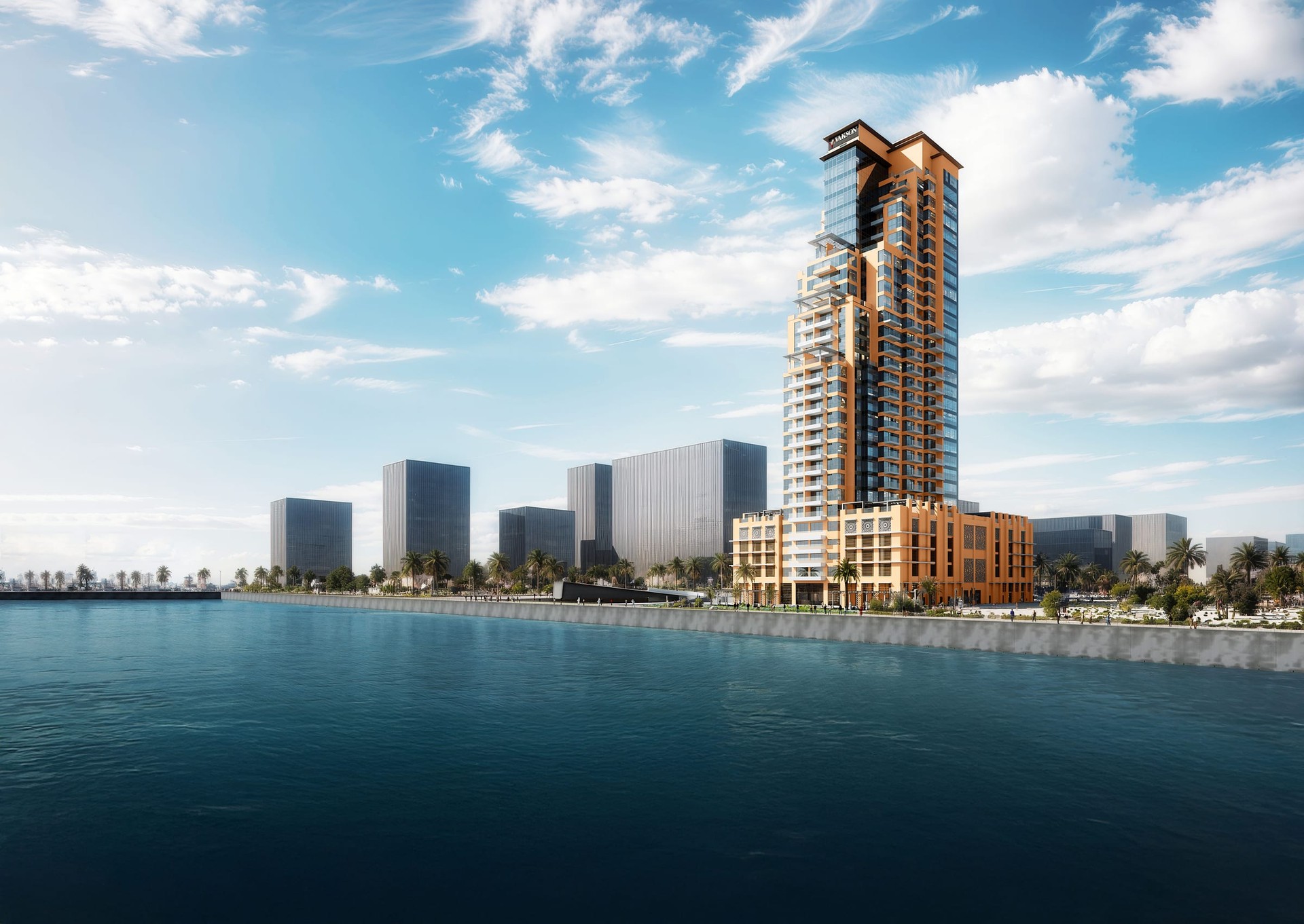
Riva Residences
APARTMENT · Dubai Maritime City, Dubai, United Arab Emirates
AED 2.53M – AED 5.80M
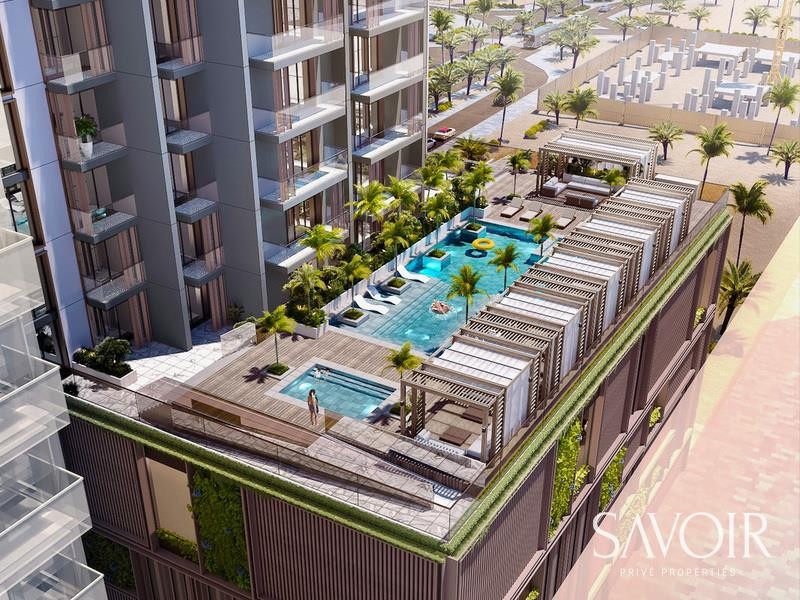
Q Gardens Lofts 2
APARTMENT · Q Gardens Lofts 2, District 12, Jumeirah Village Circle, Dubai, United Arab Emirates
From AED 597K
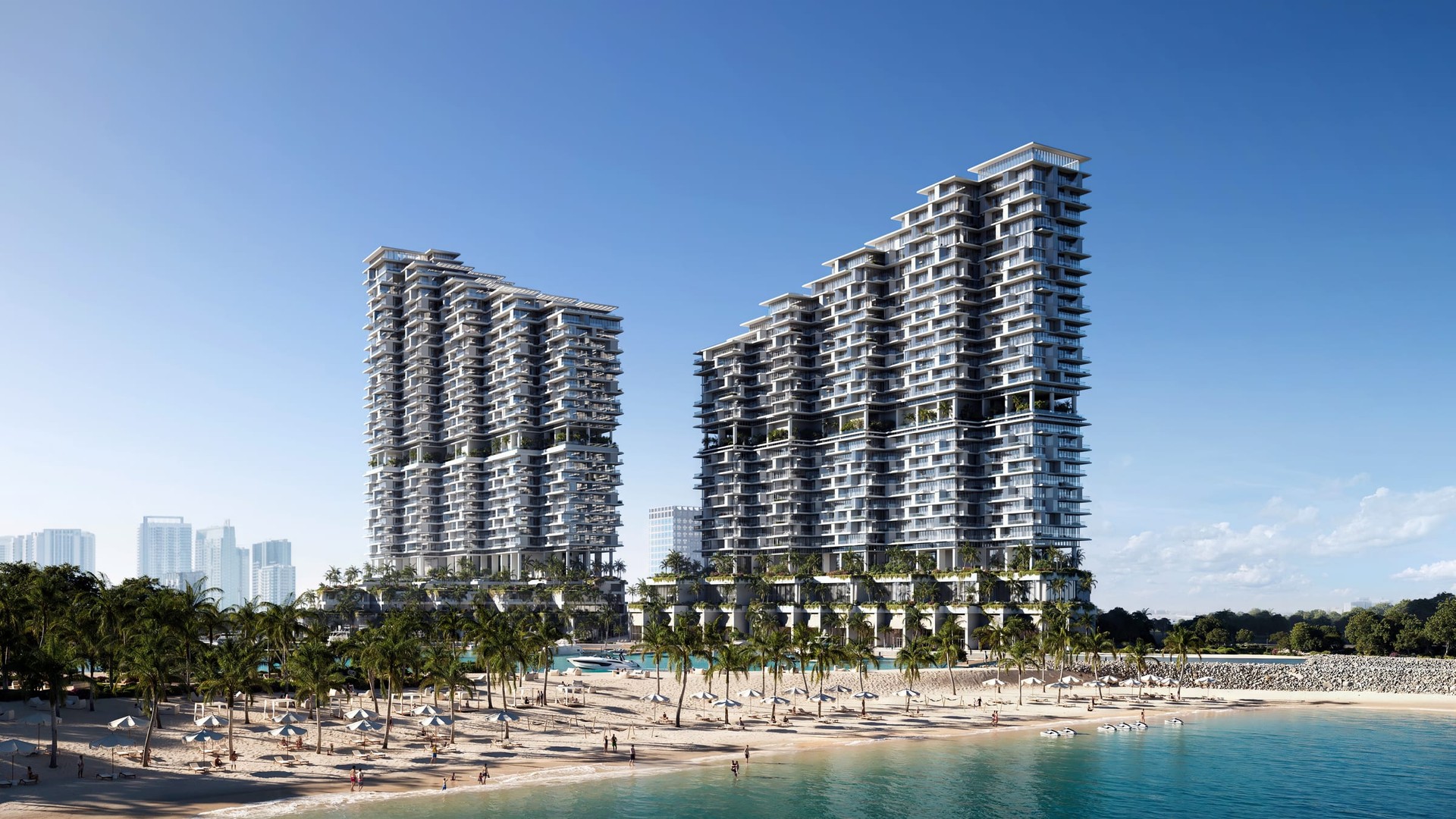
Riviera Residences
Apartment · Al Reem Island, Abu Dhabi, UAE
AED 1.90M – AED 4.85M
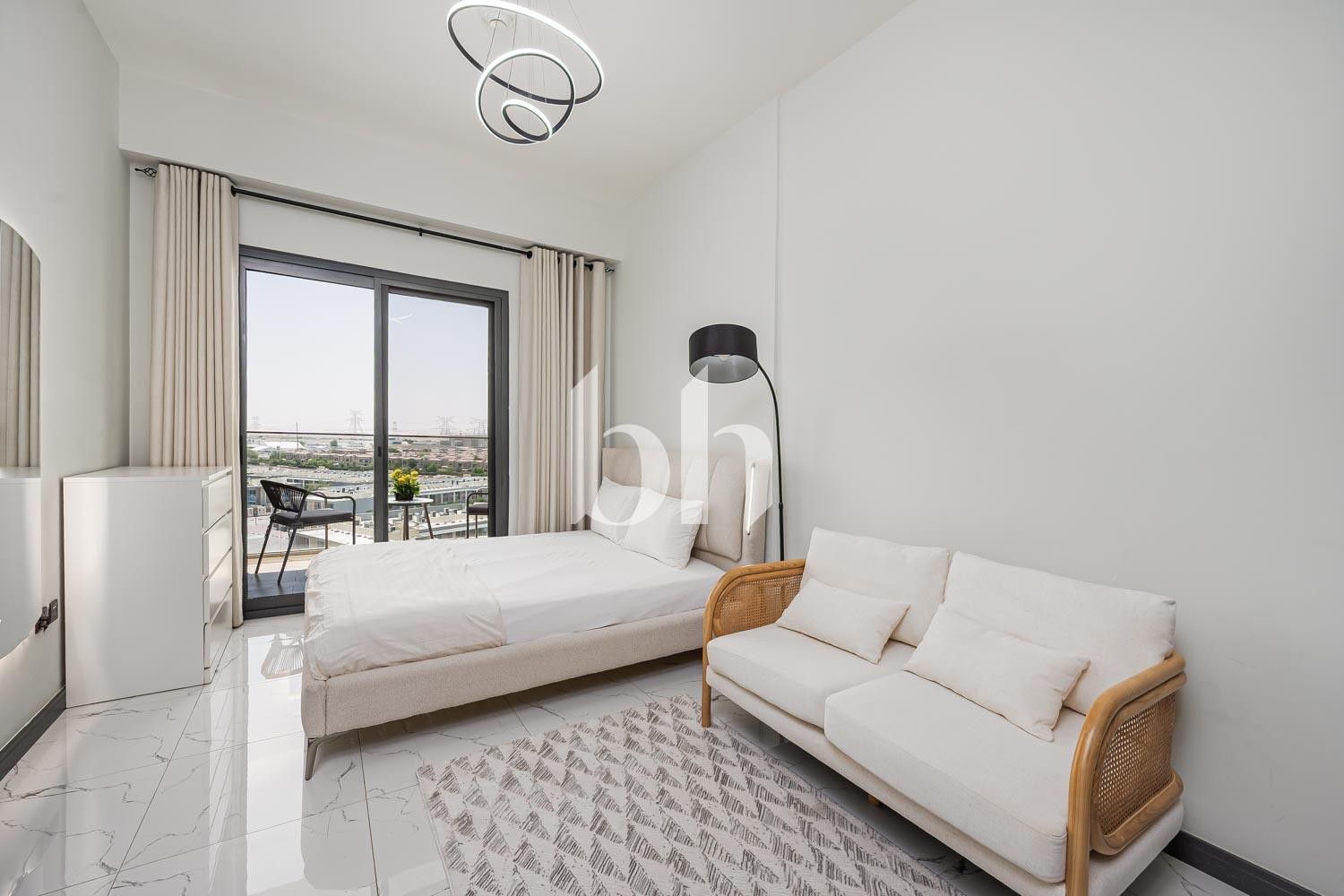
Rukan Tower B
APARTMENT · Rukan Tower B, Rukan Tower, Dubai Land, UAE
AED 555K – AED 850K
Why timing the corridor is the whole game
The investors I see consistently outperform in cross-border property are the ones who read corridor signals years before consensus. They are not predicting markets. They are pattern-matching against structural drivers that other capital is not yet pricing. That is the entire game.
The window between signal and consensus is typically 24 to 48 months across these five corridors. Entering an established corridor late means buying at the rerated price. Entering as the corridor strengthens means capturing the rerating.
How INTRIC tracks and acts on corridor trends
INTRIC tracks corridor formation through three inputs: institutional wealth research (Knight Frank, Henley, Capgemini), member transaction patterns across 70+ markets, and direct evaluation of policy changes in source and destination jurisdictions that change the structural drivers of capital flow. When a signal strengthens, we expand curation depth in the receiving markets so members have vetted developer and asset options before the corridor becomes consensus. The intelligence layer surfaces the signal. Members and their advisors decide whether to act on it.
Frequently asked questions
What is a wealth corridor in cross-border real estate? A sustained pattern of capital flow between a source country and a destination, driven by residency policy, tax framework, infrastructure investment, and lifestyle attraction. Established corridors support residential demand more durably than yield-chasing flows.
Which is the fastest-growing corridor in 2026? India-to-UAE is the fastest-growing by volume of relocation, supported by the UAE Golden Visa and proximity-driven family migration. Asia-to-Iberia is the fastest-growing by Schengen-residency-led investment, despite Portugal closing its property route in 2023.
Why is Gulf capital diversifying beyond London after 2025? The April 2025 UK non-dom reform replaced domicile-based taxation with a 4-year FIG regime, creating a cliff edge at year five of UK residency. Gulf families are rebalancing across multiple European jurisdictions to manage long-term exposure. London positions are typically maintained, with additions in Paris, Milan, and Madrid.
Should investors enter emerging corridors before consensus? Entering during the 24 to 48 month signal-to-consensus window captures the rerating. Entering after consensus means buying at the rerated price. The signal phase rewards a higher tolerance for being early, which longer holding periods absorb more easily.
Sources and further reading
- Knight Frank Wealth Report 2025 - HNW population and wealth migration data
- Henley Private Wealth Migration Report - HNW residency migration trends
- Capgemini World Wealth Report - Global HNW asset allocation data
- OECD Cross-Border Capital Flow Statistics - Cross-border investment data
Abhii Dabas is the Founder and CEO of INTRIC Global, the cross-border property intelligence platform for serious investors. He advises high-net-worth buyers on international real estate strategy and has evaluated residential markets across more than 40 countries.