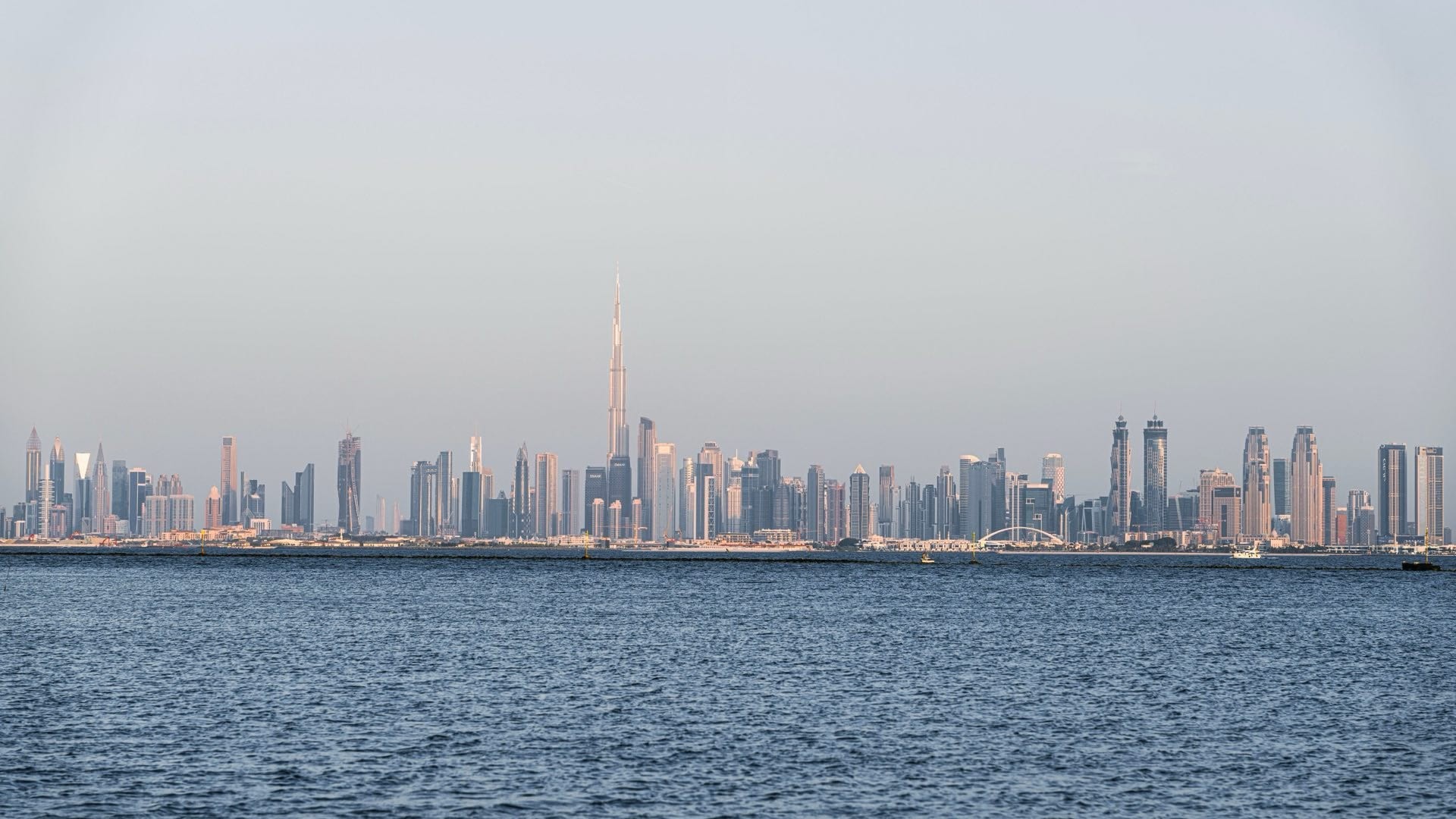
The tax regime is the foundation and the property is the furniture.
 ByAbhii Dabas
In short
Legal tax optimisation in 2026 runs through three models: zero-tax jurisdictions (the UAE, Monaco, the Bahamas), territorial systems that exempt foreign income (Panama, Paraguay, Costa Rica, Malaysia, and in practice Singapore’s treatment of most foreign income), and special regimes inside otherwise normal countries (Italy’s €300,000 flat tax, Greece’s 7% retiree rate, Malta’s 15% remittance regime, Cyprus’s 17-year non-dom treatment). More than 40 countries now leave foreign-source income untaxed. The order never changes: choose the regime, establish the residency it requires, then buy the home that anchors it. Capital at risk.
Key takeaways
- Three models cover the map. Zero-tax jurisdictions, territorial systems, and special regimes inside normal countries; more than 40 countries leave foreign-source income untaxed on 2026 surveys.
- The UAE remains the reference point. No personal income tax on PwC data, paired with the Golden Visa from AED 2m, is the single pairing on most 2026 relocation shortlists.
- Europe sells regimes, not zeros. Italy’s flat tax rose to €300,000 a year from January 2026, Greece offers 7% for qualifying foreign retirees, Malta 15% on remitted income, and Cyprus non-dom treatment on dividends and interest for 17 years.
- Day counts decide everything. Tax residency follows physical presence and ties; the regime only works if the residency behind it is real, documented, and maintained.
- The traps sit at home, not abroad. CFC rules, exit taxes, and US citizenship-based taxation can claw back what the new regime saves; the analysis starts with the country being left, not the one being joined.
Where optimisation fails
Usually at home, before the flight.
What makes a tax relocation fail?
The country being left, more often than the country being joined.
- Day counts: the new regime requires real, documented physical presence; a residency of convenience is a residency the old country will challenge.
- CFC and anti-avoidance rules: several high-tax countries attribute a foreign company’s income back to residents; the corporate structure has to move properly, not just the person.
- Exit taxes: some jurisdictions charge on unrealised gains at departure; the leaving cost belongs in the arithmetic.
- US citizens: taxed on worldwide income regardless of residence; the relevant tools are exclusions and credits, not geography alone.
- Trajectory: the UK’s 2025 non-dom abolition is the standing reminder that regimes change; buy the direction of travel, not the brochure.
On INTRIC now — Residences on INTRIC are open to enquiry straight from this page.
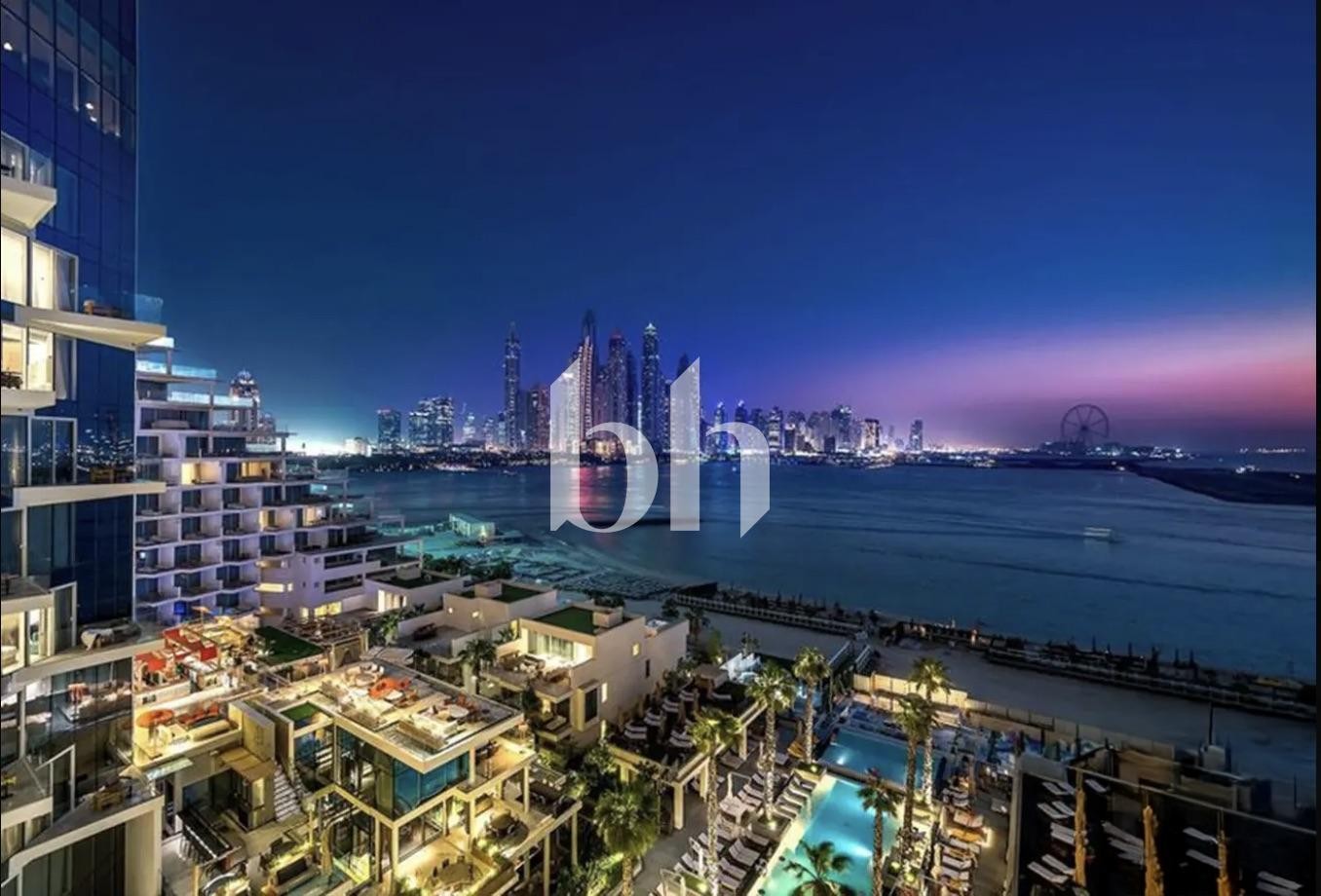
Five Palm Jumeirah
APARTMENT · Five Palm Jumeirah, West Beach, Palm Jumeirah, Dubai, United Arab Emirates
AED 2.15M – AED 2.38M

The Exchange
APARTMENT · Penn Road, Watford WD24 4AD, United Kingdom
GBP 297.5K – GBP 700K
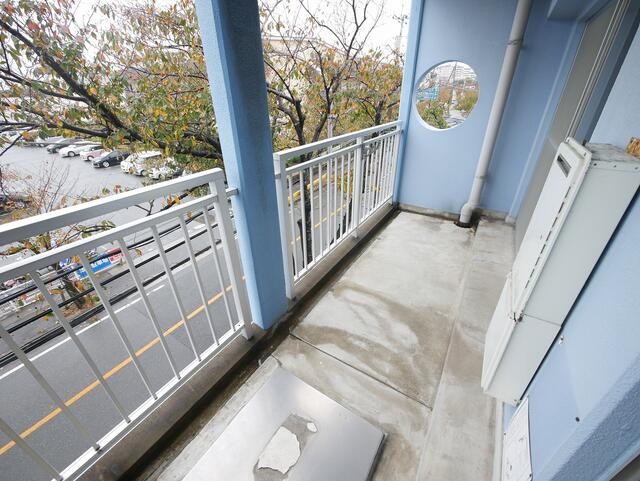
Apartment Building in Higashi-ku, Fukuoka
COMMERCIAL · Kasumigaoka 2-chome, Higashi-ku, Fukuoka, Japan
From JPY 185.00M

5-Bedroom Villa in The Sundials, Jumeirah Golf Estates, Dubai
HOUSE · Hillside street, The Sundials, Jumeirah Golf Estates, Dubai, United Arab Emirates
From AED 33.00M

Tax is the invisible half of every intent
The regime under the purchase.
How does tax optimisation combine with the other buyer intents?
It prices all of them. The preservation buyer’s destination list is a tax list; the retiree’s Greece-versus-Portugal choice turns on a 7% rate; the founder’s Dubai case is the zero. The property purchase is how the tax decision takes physical form.
Intric maps this intent alongside residency implications, preservation characteristics, and education access across more than 70 markets on a comparable basis, so a family can see where a single purchase satisfies the most of what it is actually trying to do. The intelligence layer surfaces the comparison and the trade-offs. The judgment, and the decision, stay with the investor and their advisers.
For HNW investors and families. Intric is a private, invitation-only network for cross-border residential investment across 70+ markets. Members access comparative intelligence first, and specific opportunities second. Explore the free Explorer tier at intricglobal.com/en/subscribe.
On INTRIC now — Still open on INTRIC — every one of these answers enquiries directly.

Brand New Sea View Apartments in Mijas Malaga
APARTMENT · Mijas, Málaga, Spain
EUR 483.5K – EUR 749K

Apartment Building in Gobyo, Yonezawa
COMMERCIAL · Gobyo 1-chome, Yonezawa, Yamagata, Japan
From JPY 50.00M

312 Lud Valley Road
HOUSE · 312 Lud Valley Road, Hira, Nelson 7071, New Zealand

4-Bedroom Villa in Rawai, Mueang Phuket
HOUSE · Rawai, Mueang Phuket, Phuket, Thailand
From THB 34.80M
Abhii Dabas is the Founder and CEO of INTRIC Global, the cross-border property intelligence platform for serious investors. He advises high-net-worth buyers on international real estate strategy and has evaluated residential markets across more than 40 countries.