Leverage is the one part of a cross-border purchase that never travels first class.
 ByAbhii Dabas
In short
Non-resident financing is available in most major markets in 2026, but on tighter terms than locals get. Dubai lends foreigners 50% to 65% of value, requiring 35% to 50% down, with fixed rates from around 4% and mortgage-backed transactions up 30% year on year on Property Finder data. UK lenders cap non-residents around 75% LTV against 80% to 85% for residents, with non-sterling income stress-tested at conservative exchange rates. The rules that matter everywhere: borrow in the asset’s currency, budget the full acquisition costs beyond the deposit, and remember that for preservation buyers, unleveraged is a strategy, not a failure. Capital at risk.
Key takeaways
- The non-resident discount is an LTV haircut. Dubai lends foreigners 50% to 65% against up to 80% for residents; the UK caps non-residents around 75% against 80% to 85% for locals.
- The financing market is growing anyway. Dubai mortgage-backed transactions grew about 30% year on year in early 2026, with foreign buyers driving significant volume, per Property Finder data.
- Currency-match the debt. A loan in the asset’s currency hedges itself; a loan in another currency stacks FX risk on top of leverage, and lenders stress-test foreign income at conservative rates for the same reason.
- The deposit is not the entry cost. Dubai adds roughly 7.5% to 8% in fees on top of the down payment, and the UK’s non-resident stamp duty can reach an effective 16%-plus on prime purchases.
- Cash is a strategy. Preservation buyers holding for decades often forgo leverage deliberately; the option to finance later against an unencumbered asset is itself a form of liquidity.
Four financing rules for cross-border buyers
The arithmetic beneath the term sheet.
What should cross-border buyers check before financing a purchase?
Currency, full cost, stress, and the cash alternative.
- Currency-match the debt to the asset: borrowing in a third currency stacks FX risk on top of leverage.
- Budget the full entry cost: Dubai adds roughly 7.5% to 8% in fees beyond the deposit, and UK non-resident stamp duty can reach an effective 16%-plus on prime purchases.
- Stress-test yourself before the bank does: rates float on benchmarks like EIBOR, and lenders convert foreign income at conservative rates for a reason.
- Price the cash alternative: for long-hold preservation buyers, an unencumbered asset that can be financed later is itself a liquidity reserve.
On INTRIC now — Residences on INTRIC are open to enquiry straight from this page.
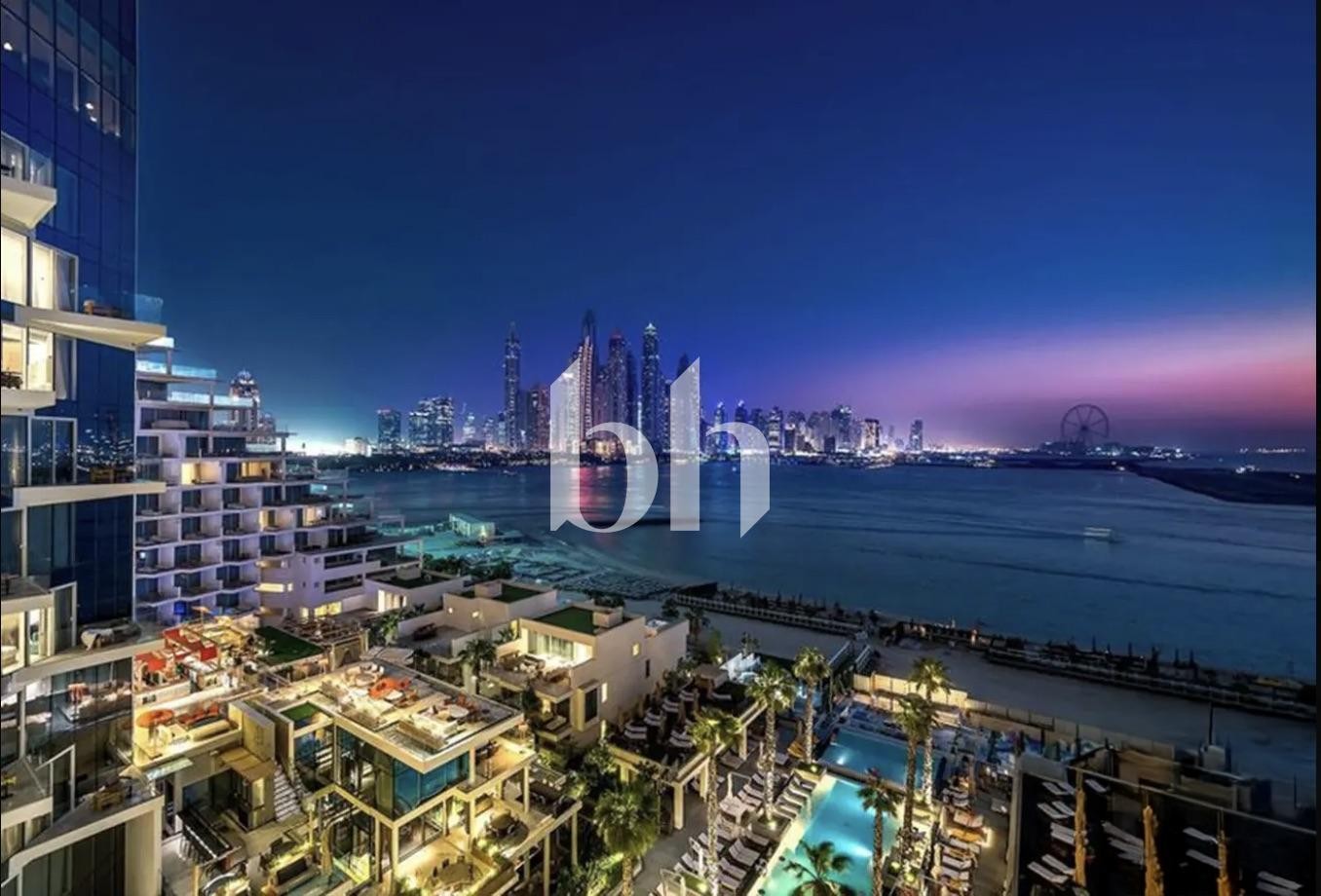
Five Palm Jumeirah
APARTMENT · Five Palm Jumeirah, West Beach, Palm Jumeirah, Dubai, United Arab Emirates
AED 2.15M – AED 2.38M

The Exchange
APARTMENT · Penn Road, Watford WD24 4AD, United Kingdom
GBP 297.5K – GBP 700K
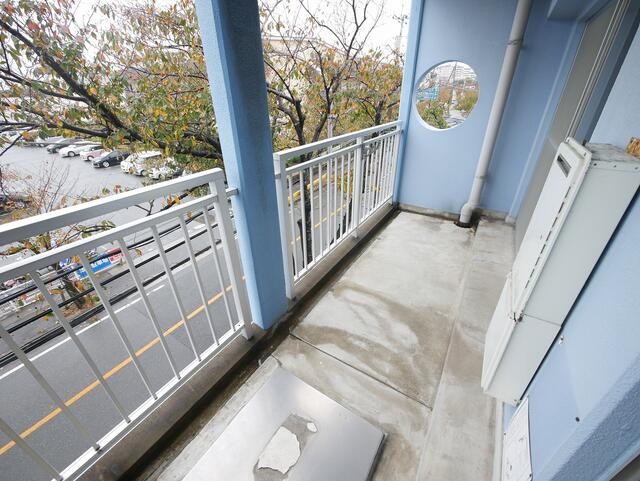
Apartment Building in Higashi-ku, Fukuoka
COMMERCIAL · Kasumigaoka 2-chome, Higashi-ku, Fukuoka, Japan
From JPY 185.00M

5-Bedroom Villa in The Sundials, Jumeirah Golf Estates, Dubai
HOUSE · Hillside street, The Sundials, Jumeirah Golf Estates, Dubai, United Arab Emirates
From AED 33.00M

Financing is the multiplier on every intent
Leverage amplifies the plan, and the mistakes.
How does financing interact with the other buyer intents?
It scales whichever intent is driving, in both directions. Leverage lets the diversification buyer hold three markets instead of two, and lets the yield-free preservation purchase stay affordable; it also converts a currency wobble into a margin call. The intent decides whether debt belongs in the structure at all.
Intric maps this intent alongside residency implications, preservation characteristics, and education access across more than 70 markets on a comparable basis, so a family can see where a single purchase satisfies the most of what it is actually trying to do. The intelligence layer surfaces the comparison and the trade-offs. The judgment, and the decision, stay with the investor and their advisers.
For HNW investors and families. Intric is a private, invitation-only network for cross-border residential investment across 70+ markets. Members access comparative intelligence first, and specific opportunities second. Explore the free Explorer tier at intricglobal.com/en/subscribe.
On INTRIC now — Still open on INTRIC — every one of these answers enquiries directly.

Brand New Sea View Apartments in Mijas Malaga
APARTMENT · Mijas, Málaga, Spain
EUR 483.5K – EUR 749K

Apartment Building in Gobyo, Yonezawa
COMMERCIAL · Gobyo 1-chome, Yonezawa, Yamagata, Japan
From JPY 50.00M

312 Lud Valley Road
HOUSE · 312 Lud Valley Road, Hira, Nelson 7071, New Zealand

4-Bedroom Villa in Rawai, Mueang Phuket
HOUSE · Rawai, Mueang Phuket, Phuket, Thailand
From THB 34.80M
Sources
Abhii Dabas is the Founder and CEO of INTRIC Global, the cross-border property intelligence platform for serious investors. He advises high-net-worth buyers on international real estate strategy and has evaluated residential markets across more than 40 countries.