Cross-Border Property

Lifestyle and Climate-Resilient Bases in 2026

8 min read

The 2026 seasonal portfolio is built like an insurance programme.

Abhii DabasByAbhii Dabas

In short

The lifestyle purchase professionalised in 2026. Wealthy families increasingly run a seasonal system of homes rather than owning one holiday house, the pattern Henley & Partners calls the sovereign portfolio, and climate resilience has joined schools and tax on the screening list. The Notre Dame Global Adaptation Initiative (ND-GAIN) index puts Norway, Finland, Switzerland, Denmark, and Singapore at the top for climate resilience, and Henley’s 180-country ranking, which blends ND-GAIN with GDP, adds the large developed economies. With around 22% of the world’s 713,626 UHNWIs buying prime property this year, a growing share of that capital is being placed against seasons and climate, not just cities. Capital at risk.

Key takeaways

  • The lifestyle buyer runs a system, not a house. Summer base, winter base, and a work hub, rebalanced like a portfolio, which is the sovereign portfolio pattern Henley & Partners describes.
  • Climate resilience is now a screening criterion. ND-GAIN ranks Norway, Finland, Switzerland, Denmark, and Singapore as the most climate-resilient countries, and Henley’s ranking of 180 countries blends that data with GDP.
  • Resilience and lifestyle overlap more than expected. Switzerland and Singapore sit near the top of the climate, safety, and business tables at once, which is why both stay permanently expensive.
  • Seasonality has a cost line. Empty months carry service charges, insurance, and in some markets vacancy rules; the second home’s true yield is net of its empty season.
  • Exposure is priced in slowly. Insurance markets reprice climate risk faster than property markets do; the gap between the two is where lifestyle buyers get caught.

Introduction

The lifestyle purchase professionalised in 2026. Wealthy families increasingly run a seasonal system of homes rather than owning one holiday house, the pattern Henley & Partners calls the sovereign portfolio, and climate resilience has joined schools and tax on the screening list. The Notre Dame Global Adaptation Initiative (ND-GAIN) index puts Norway, Finland, Switzerland, Denmark, and Singapore at the top for climate resilience, and Henley’s 180-country ranking, which blends ND-GAIN with GDP, adds the large developed economies. With around 22% of the world’s 713,626 UHNWIs buying prime property this year, a growing share of that capital is being placed against seasons and climate, not just cities. Capital at risk.

Climate resilience joins the screen

The data behind the new criterion.

Which countries are most climate-resilient for property buyers in 2026?

Norway, Finland, Switzerland, Denmark, and Singapore top the ND-GAIN index. The Notre Dame Global Adaptation Initiative scores 45 indicators across vulnerability and readiness for more than 190 countries. Henley & Partners builds on it, blending ND-GAIN with GDP across 180 countries to indicate where people, assets, and infrastructure are best protected, a list led by large developed economies including the USA, Germany, the UK, Switzerland, and Canada. For buyers, the two lists answer different questions: ND-GAIN scores the country’s resilience, Henley’s blend scores where capital and infrastructure can absorb the shock.

Lifestyle and Climate-Resilient Bases in four numbers
FigureWhat it measuresSource
22%Of UHNWIs plan to buy prime residential in 2026Knight Frank 2026
713,626UHNWIs worldwide, ~89 new every dayKnight Frank 2026
Top 5ND-GAIN climate resilience: Norway, Finland, Switzerland, Denmark, SingaporeND-GAIN
180Countries in Henley’s climate resilience rankingHenley & Partners
BaseThe climate caseThe lifestyle case
SwitzerlandTop-five ND-GAIN resilienceAlpine seasonality, safety (3rd, GPI), wealth infrastructure
SingaporeTop-five ND-GAIN; engineered urban resilienceYear-round base, top-ten safety, Asia’s service hub
NorwayND-GAIN leaderSummer-season base with abundant water and energy
DenmarkTop-five ND-GAINNordic quality of life; residence generally required to buy
FinlandTop-five ND-GAINLake-country seasonality at accessible prices
CanadaHigh on Henley’s blended resilience rankingFour-season lifestyle range from coast to mountains
New ZealandStrong disaster preparedness2nd on the Global Peace Index; the southern-summer counterweight

Sources: Notre Dame Global Adaptation Initiative (ND-GAIN) index, Henley & Partners climate resilience ranking, Institute for Economics & Peace, published 2025-2026.

INTRIC READ

The old second home was bought for the view. The 2026 seasonal portfolio is built like an insurance programme: summers where the water is, winters where the sun is, and every deed in a country that can absorb a bad decade.

What seasonality really costs

The empty months are the price.

What should multi-home buyers check before adding a seasonal base?

The cost of the months you are not there.

  • Model the empty season: service charges, insurance, staff, and security run twelve months against a three-month stay.
  • Check occupancy and letting rules: some markets restrict short lets that would otherwise offset the empty months.
  • Price the insurance trajectory, not the premium: insurers reprice climate exposure faster than property markets do.
  • Match the base to a durable right where possible: a seasonal home in a jurisdiction that also grants residence does two jobs.

On INTRIC now — Residences on INTRIC are open to enquiry straight from this page.
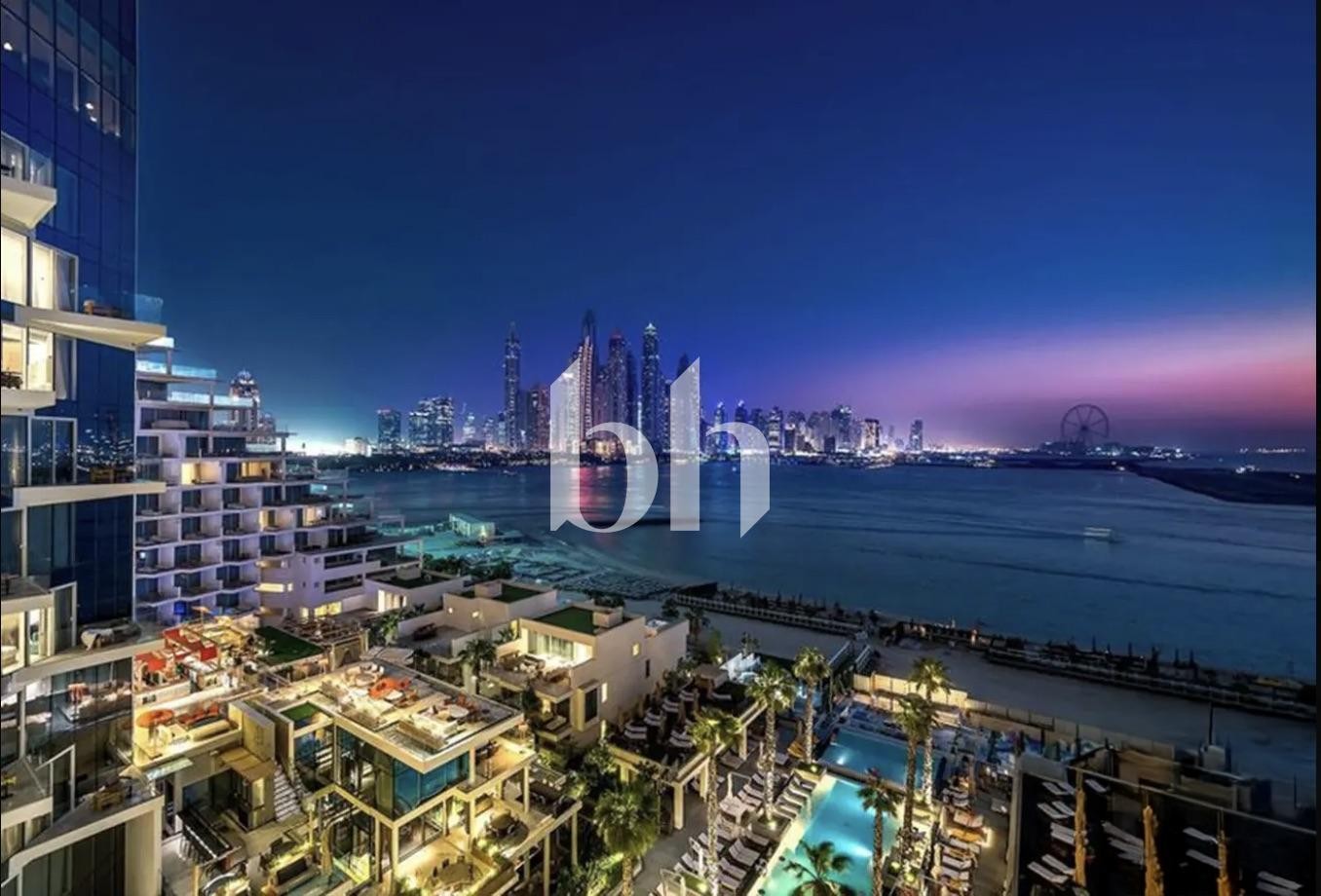
Lifestyle is the visible layer of the portfolio

The intent that carries the others.

How does the lifestyle intent combine with the other buyer intents?

It is the surface expression of all of them. The Alpine winter base doubles as a preservation asset in a hard currency, the Singapore apartment doubles as the business hub, and the seasonal rotation itself is the sovereign portfolio made visible. Lifestyle is rarely frivolous at this level; it is the family’s asset allocation, lived in.

Intric maps this intent alongside residency implications, preservation characteristics, and education access across more than 70 markets on a comparable basis, so a family can see where a single purchase satisfies the most of what it is actually trying to do. The intelligence layer surfaces the comparison and the trade-offs. The judgment, and the decision, stay with the investor and their advisers.

For HNW investors and families. Intric is a private, invitation-only network for cross-border residential investment across 70+ markets. Members access comparative intelligence first, and specific opportunities second. Explore the free Explorer tier at intricglobal.com/en/subscribe.

On INTRIC now — Still open on INTRIC — every one of these answers enquiries directly.
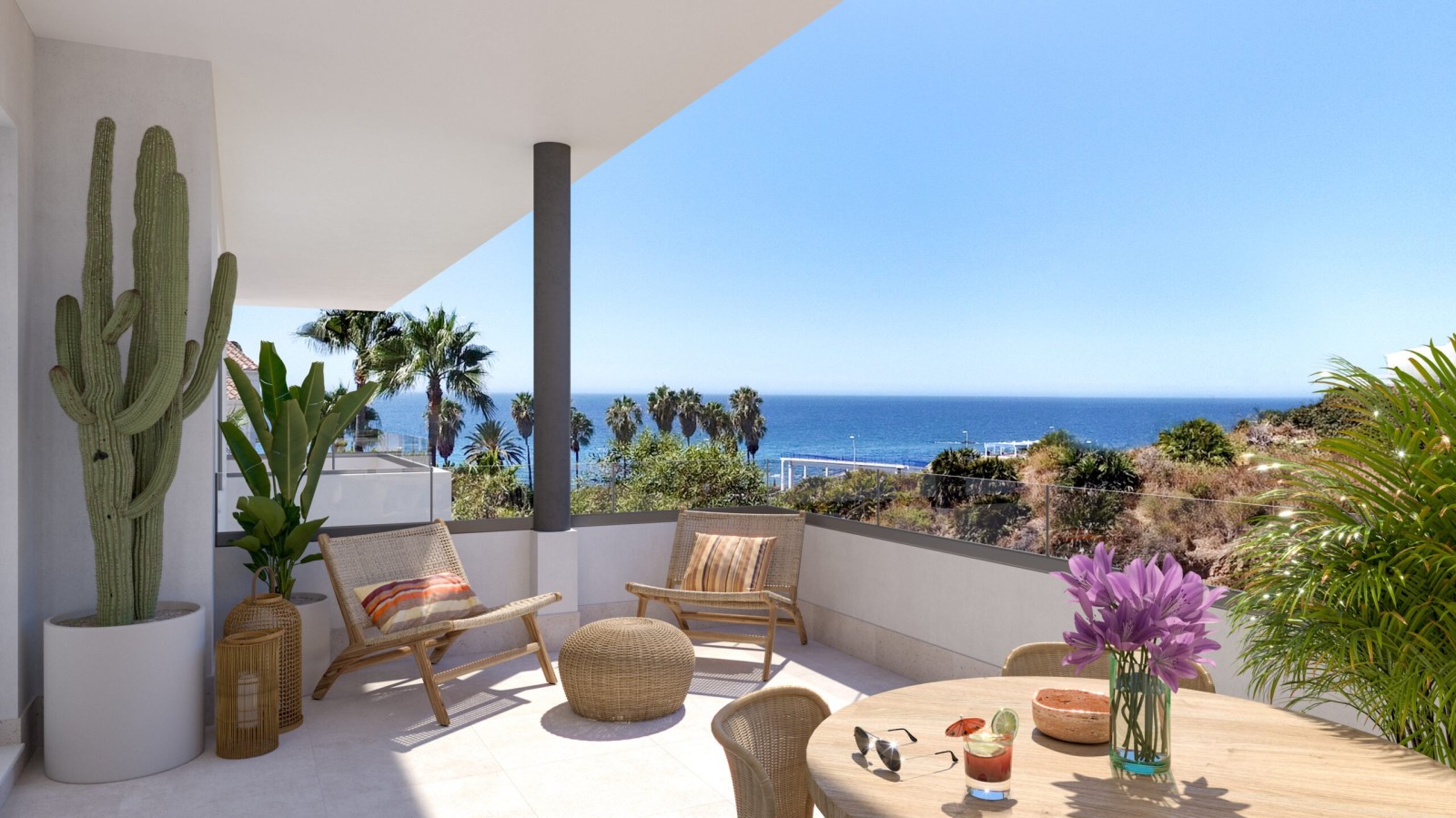
The questions buyers ask most

Which countries are most climate-resilient in 2026?

Norway, Finland, Switzerland, Denmark, and Singapore top the ND-GAIN index, while Henley & Partners’ blended ranking of 180 countries adds large developed economies such as the USA, Germany, the UK, and Canada.

What is a seasonal property portfolio?

A set of homes matched to seasons and functions, typically a summer base, a winter base, and a work hub, run and rebalanced like a portfolio, consistent with the sovereign portfolio pattern Henley & Partners describes.

What do multi-home owners underestimate most?

The empty months. Service charges, insurance, and security run year-round against a short stay, and insurers reprice climate exposure faster than property markets do.

Do climate-resilient countries make good property markets?

Often, but not automatically. Switzerland and Singapore pair resilience with deep markets; several other resilient countries restrict foreign purchases or trade thinly, so resilience has to be weighed with access and liquidity.

Sources and further reading: Notre Dame Global Adaptation Initiative (ND-GAIN country index); Henley & Partners (climate resilience ranking of 180 countries); Knight Frank The Wealth Report 2026 (UHNWI population and buying intentions); Institute for Economics & Peace (safety context).

This report is provided for information only and is not tax, legal, immigration, or investment advice. Rules change frequently and vary by individual circumstance; take qualified professional advice before acting. Property values can fall as well as rise and capital is at risk. Past performance is not a guide to future performance. Figures are rounded and attributed to the named third parties above. A UK property confers no residency or visa right.

Frequently asked questions

Which countries are most climate-resilient in 2026?
Norway, Finland, Switzerland, Denmark, and Singapore top the ND-GAIN index, while Henley & Partners’ blended ranking of 180 countries adds large developed economies such as the USA, Germany, the UK, and Canada.
What is a seasonal property portfolio?
A set of homes matched to seasons and functions, typically a summer base, a winter base, and a work hub, run and rebalanced like a portfolio, consistent with the sovereign portfolio pattern Henley & Partners describes.
What do multi-home owners underestimate most?
The empty months. Service charges, insurance, and security run year-round against a short stay, and insurers reprice climate exposure faster than property markets do.
Do climate-resilient countries make good property markets?
Often, but not automatically. Switzerland and Singapore pair resilience with deep markets; several other resilient countries restrict foreign purchases or trade thinly, so resilience has to be weighed with access and liquidity.
Author
Abhii Dabas
Abhii DabasFounder & CEO, INTRIC Global

Abhii Dabas is the Founder and CEO of INTRIC Global, the cross-border property intelligence platform for serious investors. He advises high-net-worth buyers on international real estate strategy and has evaluated residential markets across more than 40 countries.

Share this

Subscribe to the INTRIC newsletter

Curated market intelligence, new buying guides and the listings worth knowing about, across 70+ countries.

No spam, unsubscribe any time.