A brand is a promise with a service charge attached.
 ByAbhii Dabas
In short
Branded residences hit roughly 910 schemes globally at end-2025, up 19% in a year and nearly triple the 323 of 2015, with 837 contracted projects through 2032 taking the total toward 1,747 across more than 90 countries, per Savills. Knight Frank’s survey of over 1,000 developments in 80 countries projects 59% growth in the five years to 2029, and puts the price premium at 20% to 35% over non-branded peers, against a Savills global average of around 33% (39% in resorts). The 2026 caution: the average premium blends scarce top-tier brands that hold their pricing with mass-luxury supply where premiums compress in oversupplied markets. Capital at risk.
Key takeaways
- The scale is now structural. Around 910 schemes at end-2025, nearly triple 2015, with the contracted pipeline pointing to 1,747 by 2032 across more than 90 countries, per Savills.
- The premium is real, and averaged. Savills puts the global average at about 33%, rising to 39% in resort locations, while Knight Frank frames it at 20% to 35% with stronger resale and rental performance.
- The average hides a split. 2026 sector analysis of the Savills and Knight Frank data distinguishes scarce top-tier brands, where premiums can run far higher, from mass-luxury supply where premiums compress toward single digits in oversupplied markets.
- Geography is shifting east and south. North America still holds the largest share, but Asia-Pacific grew 55% in five years on Vietnam, Thailand, and India, and 25 countries launched their first branded scheme.
- The running costs are the fine print. Service charges, rental-programme terms, and the length and renewal of the brand agreement decide whether the premium survives the hold.
What the 33% actually buys
And where it erodes.
Is the branded residence price premium worth paying in 2026?
It depends on scarcity, not on the logo. Savills puts the average global premium around 33%, and 39% in resorts; Knight Frank frames 20% to 35% with better resale and rental performance. But the average blends two different markets: scarce top-tier brands whose premiums hold or compound, and mass-luxury supply whose premiums compress sharply where several branded towers compete in one district. The buyer’s question is which distribution the specific scheme belongs to.
- Check brand scarcity in that city: the premium erodes fastest where the same tier of brand is oversupplied.
- Read the brand agreement: its length, renewal terms, and what happens to services (and the premium) if the operator exits.
- Model the service charges over a ten-year hold: the running cost is where paper premiums go to die.
- Test resale evidence, not launch pricing: the premium that matters is the one the second owner pays.
On INTRIC now — Residences on INTRIC are open to enquiry straight from this page.

NEXT Address
Apartment · 11 Tbel Abuseridze Str, Batumi, 6010, Georgia
USD 50.9K – USD 191.2K
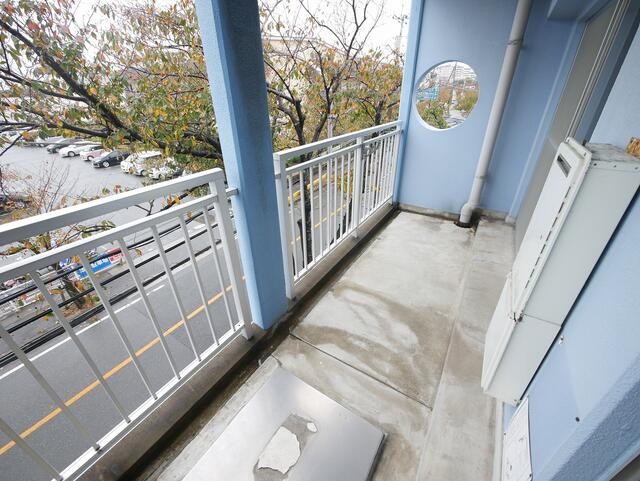
Apartment Building in Higashi-ku, Fukuoka
COMMERCIAL · Kasumigaoka 2-chome, Higashi-ku, Fukuoka, Japan
From JPY 185.00M

312 Lud Valley Road
HOUSE · 312 Lud Valley Road, Hira, Nelson 7071, New Zealand
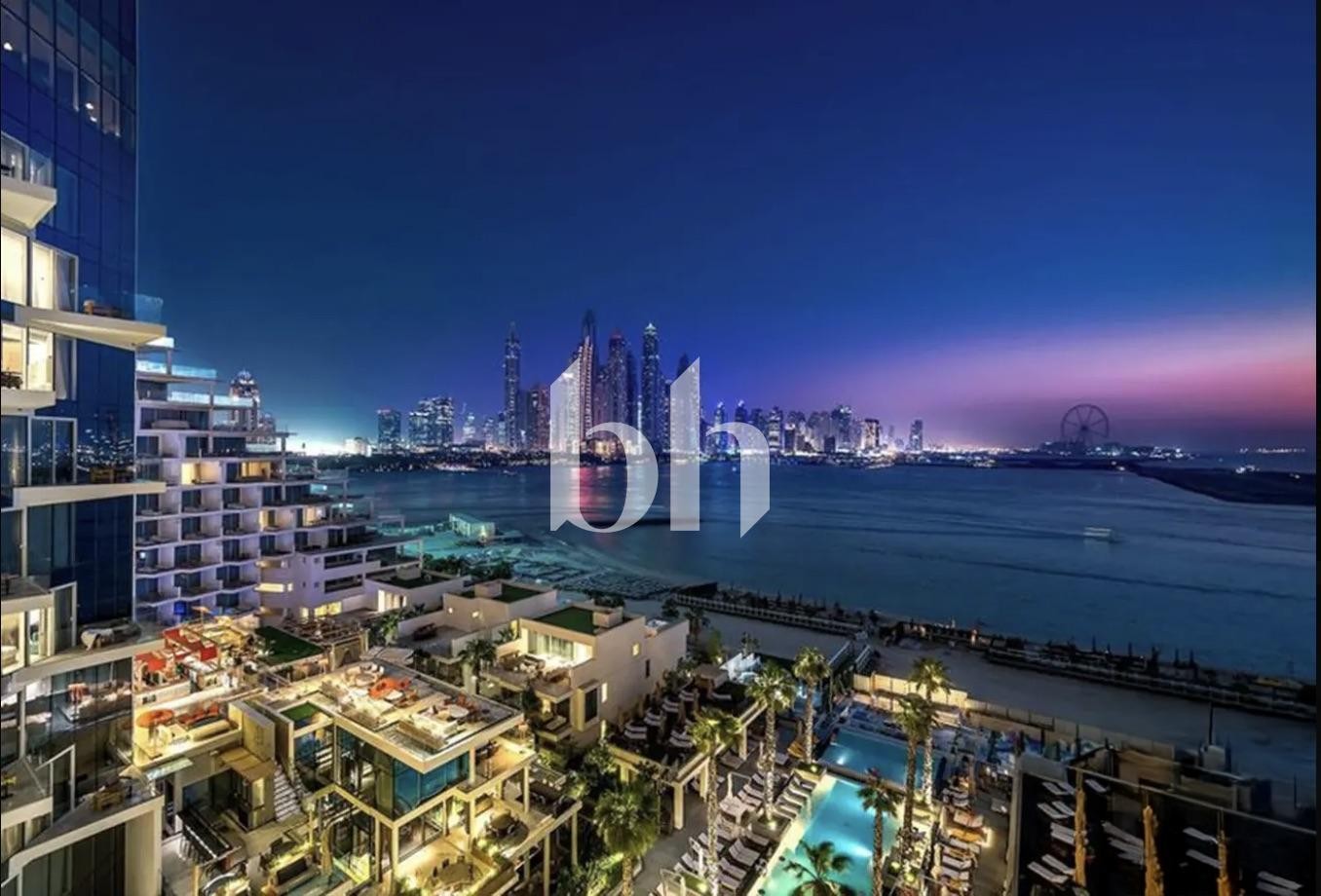
Five Palm Jumeirah
APARTMENT · Five Palm Jumeirah, West Beach, Palm Jumeirah, Dubai, United Arab Emirates
AED 2.15M – AED 2.38M
The brand as a proxy for trust
Why the category fits cross-border buyers.
Why do cross-border buyers overweight branded residences?
Because the brand substitutes for the local knowledge they do not have. A buyer landing in a new market cannot easily verify build quality, management standards, or rental performance; a global operator’s name is a bond posted against all three. That is why the category over-indexes in exactly the markets cross-border capital favours: Dubai, Miami, London, and the resort coasts.
Intric maps this intent alongside residency implications, preservation characteristics, and education access across more than 70 markets on a comparable basis, so a family can see where a single purchase satisfies the most of what it is actually trying to do. The intelligence layer surfaces the comparison and the trade-offs. The judgment, and the decision, stay with the investor and their advisers.
For HNW investors and families. Intric is a private, invitation-only network for cross-border residential investment across 70+ markets. Members access comparative intelligence first, and specific opportunities second. Explore the free Explorer tier at intricglobal.com/en/subscribe.
On INTRIC now — Still open on INTRIC — every one of these answers enquiries directly.
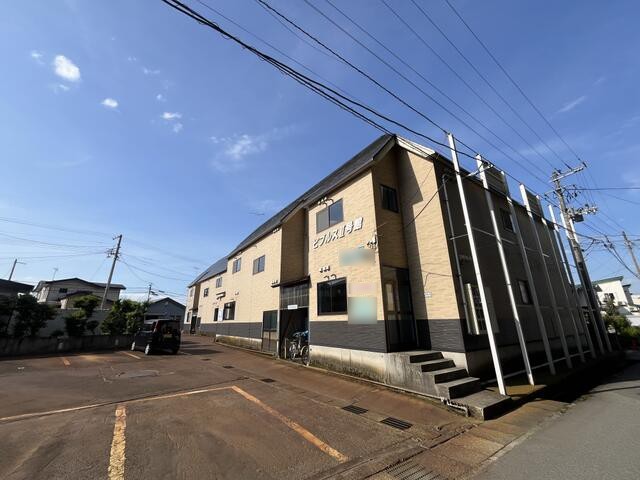
Apartment Building in Gobyo, Yonezawa
COMMERCIAL · Gobyo 1-chome, Yonezawa, Yamagata, Japan
From JPY 50.00M
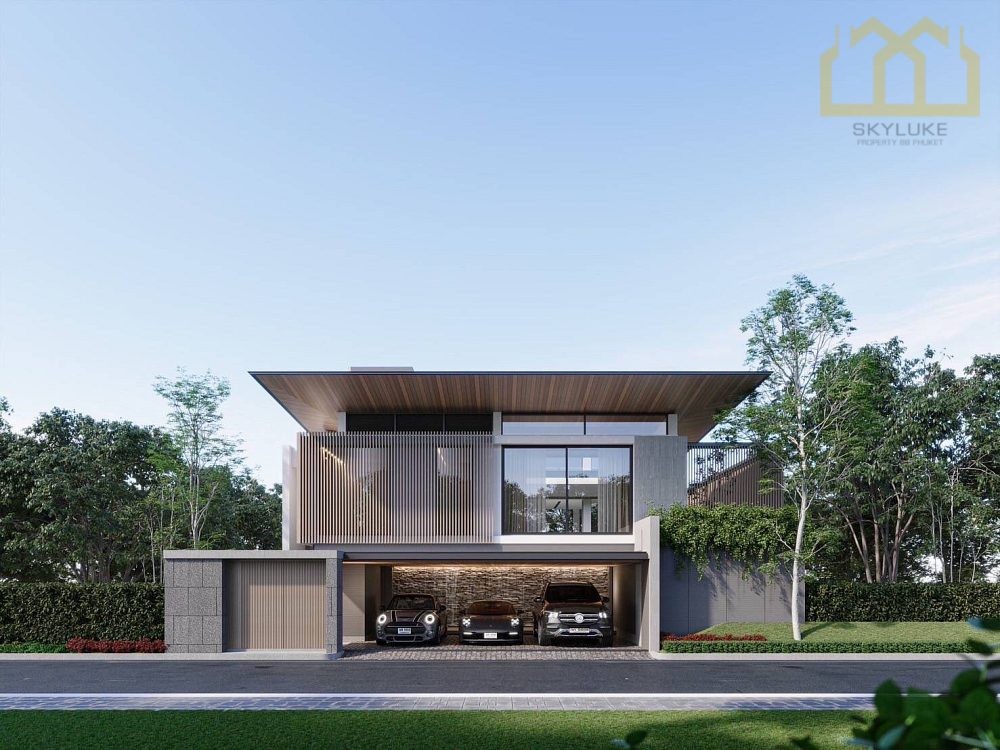
4-Bedroom Villa in Rawai, Mueang Phuket
HOUSE · Rawai, Mueang Phuket, Phuket, Thailand
From THB 34.80M
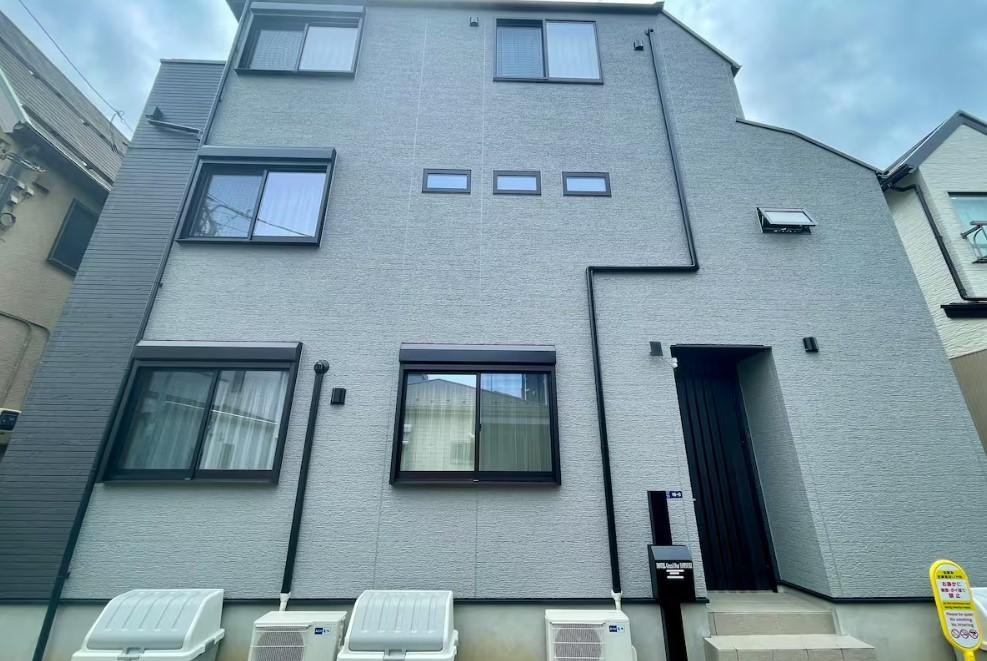
Ryokan in Katsushika-ku, Tokyo
COMMERCIAL · Yotsugi 1-chome, Katsushika-ku, Tokyo, Japan
From JPY 120.00M
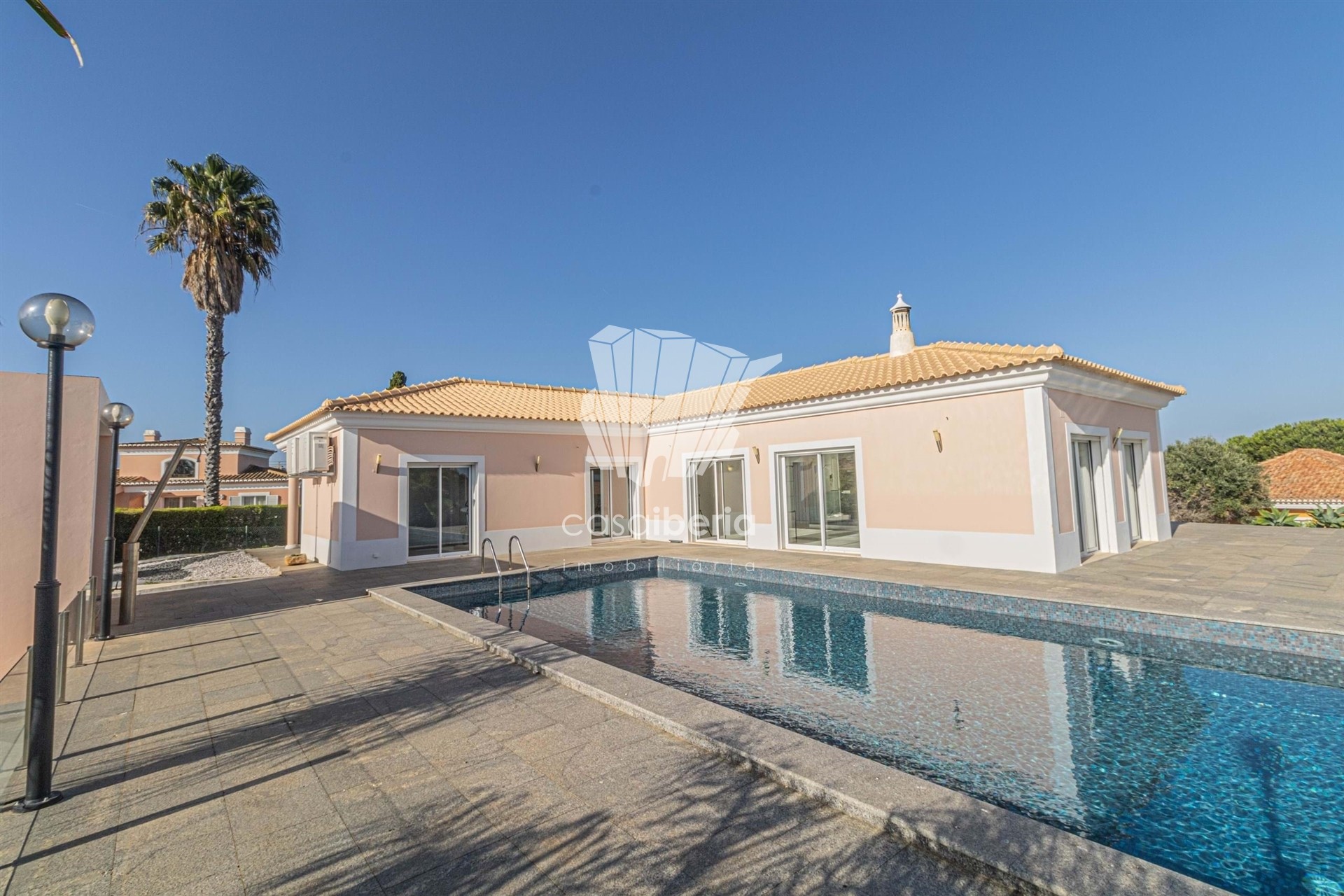
3-Bedroom House in Vale da Lama, Lagos
HOUSE · Vale da Lama, Lagos, Faro, Portugal
From EUR 1.25M
Abhii Dabas is the Founder and CEO of INTRIC Global, the cross-border property intelligence platform for serious investors. He advises high-net-worth buyers on international real estate strategy and has evaluated residential markets across more than 40 countries.