Investment Guide

Your Next Property Could Be Your Next Passport: The Complete 2026 Guide to Residency Through Real Estate

By Abhii Dabas
March 20, 2026
10 min read
Sign in·
Your Next Property Could Be Your Next Passport: The Complete 2026 Guide to Residency Through Real Estate

Introduction

In 2026, a property purchase is no longer just a financial transaction — it is a mobility strategy. Across 10 jurisdictions with active real estate listings, investors can convert a single property acquisition into a legal right to live, work, and in some cases obtain citizenship in a second country. From the UAE's zero-tax 10-year Golden Visa at AED 2 million to Sri Lanka's US$75,000 condominium route and Georgia's newly expanded fast-track citizenship programme, the intersection of real estate and residency has never offered more options — or more complexity. This guide maps every property-to-residency pathway available through current listings, compares thresholds and timelines, and identifies the programmes offering the strongest return on both capital and mobility.

Tier 1: The Strongest Property-to-Residency Programmes

  • The UAE — Zero-Tax, 10-Year Certainty:
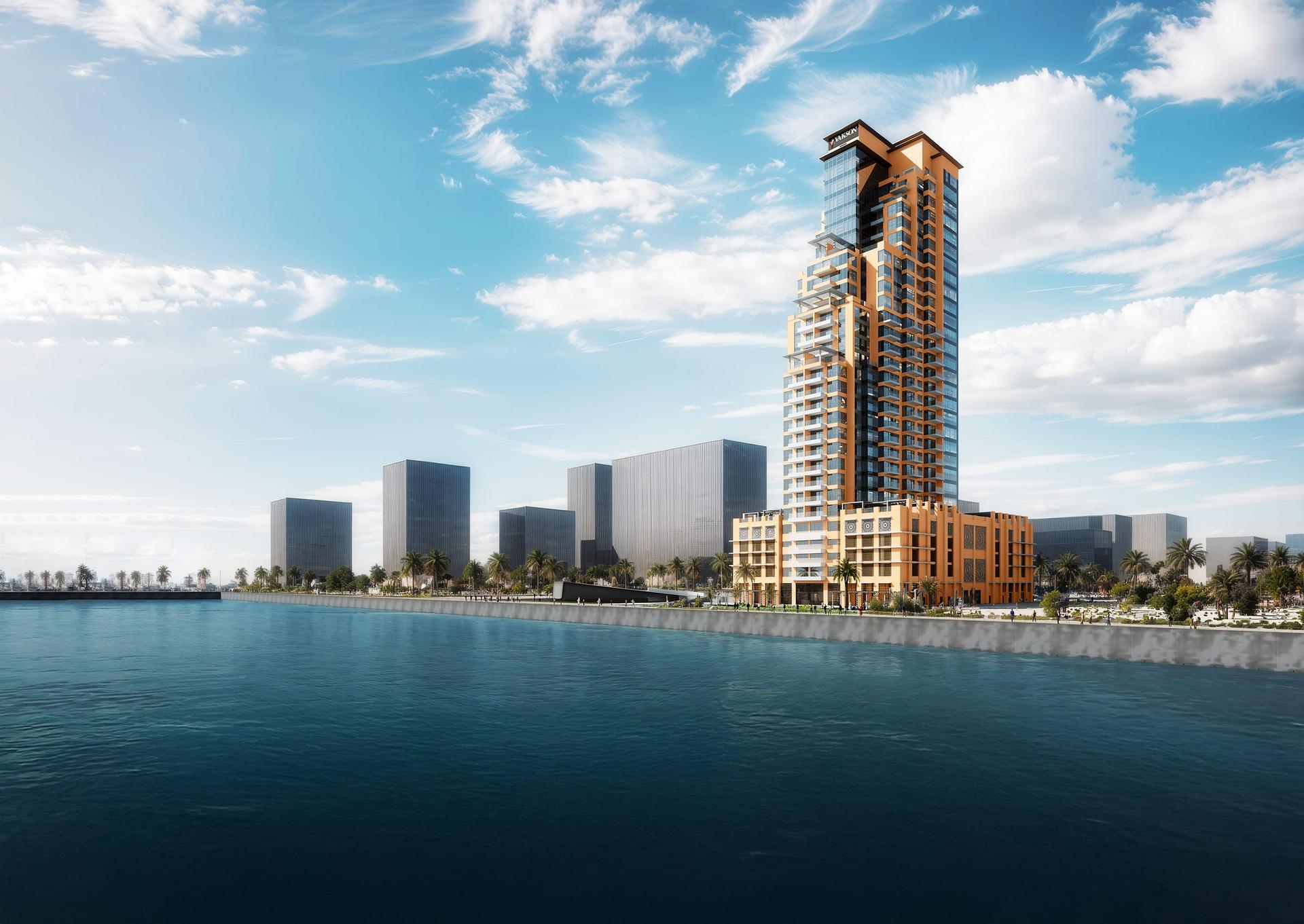
    The UAE's Golden Visa remains the global benchmark for property-linked residency. A single real estate purchase of AED 2 million (approximately US$545,000) secures a 10-year renewable visa with full family inclusion — spouse, children, and parents. The 2026 update eases mortgage restrictions: what matters is the total property value on the title deed, not the equity paid. Combined with zero personal income tax, zero capital gains tax, and zero inheritance tax, the UAE offers a structurally unmatched tax-residency package. Multiple listings across Dubai and Abu Dhabi qualify, from NEXT Coral on Dubai Islands (from US$333,000) to Mandarin Oriental Residences on Saadiyat Island (from US$1.5 million).
  • Georgia — The Fastest Passport in the Market:
    Georgia has fundamentally reshaped its investment migration offering in 2025-2026. Property investment of US$150,000 (increased from US$100,000 in March 2026) secures a 1-year renewable residence permit; US$300,000 unlocks a 5-year permit convertible to permanent residency. But the headline is Georgia's Special Contribution Citizenship Programme, launched February 2025: a non-refundable EUR 250,000 contribution delivers a Georgian passport in 3-6 months (with expedited processing available in some cases) — no prior residency required. Georgia charges zero tax on foreign-sourced income, no wealth tax, and no inheritance tax. Eight NEXT-branded properties in Batumi and Tbilisi start from just US$45,900.
  • Portugal — The Route Has Changed, Not Closed:
    Portugal eliminated direct property purchases from its Golden Visa programme in October 2023, but the programme itself remains active through investment fund subscriptions (minimum EUR 500,000). The D7 Visa — which requires property acquisition at any price point plus passive income of EUR 870/month — still provides a pathway to EU residency and, after five years, Portuguese citizenship. However, a December 2025 Constitutional Court ruling may extend the citizenship timeline to 10 years for some applicants. Twelve Portuguese listings across Porto, the Algarve, and Vilamoura — from EUR 170,000 to EUR 8 million — qualify for D7 purposes.

Tier 2: Emerging Programmes with Strategic Upside

  • Montenegro — The EUR 150K EU Bet:
    Montenegro's property-based residency requires a minimum taxable property value of EUR 150,000 (effective January 2026), securing a 1-year renewable temporary residence permit. The strategic play is Montenegro's EU accession trajectory: the country aims to close all negotiating chapters by end of 2027, with a target accession date of 2028. If achieved, early property investors would hold residency in an EU member state acquired at a fraction of the cost of a Greek or Portuguese programme. The catch: Montenegro does not recognise dual nationality, and the path to citizenship requires 10 years of continuous residence. Montis Mountain Resort in Kolasin (from EUR 250,000) exceeds the threshold with year-round mountain lifestyle appeal.
  • Sri Lanka — The Lowest Threshold in the Market:
    Sri Lanka offers what may be the most accessible property-to-residency conversion globally: a condominium purchase of just US$75,000 secures a 5-10 year visa. The Golden Paradise Visa programme provides an alternative route via a US$200,000 bank deposit, with up to 50% withdrawable after the first year. Foreigners can only own condominiums (not land), but coastal developments in Galle and the southern coast are delivering rental yields of 8-12%. Southbeach Weligama (from US$195,000) qualifies for both programmes, positioned in a market where suburban land values are appreciating 20% annually.
  • Indonesia — Second Home Programme with Conditions:
    Indonesia's Second Home Programme requires IDR 2 billion (~US$135,000) in property or an equivalent bank deposit, providing a 5-year residence permit extendable to 10 years. The Golden Visa offers a higher-tier route: US$1 million in residential property for a 10-year permit. Critical restriction: Second Home Visa properties cannot be leased or rented out — they are for personal use only. This makes the programme a lifestyle play, not an income play. Four Indonesian listings span Bali and Lombok, from Serangan Indah land plots (US$20,000) to ELLE Resort & Beach Club (from US$728,000).

Tier 3: Specialist and Ultra-Premium Routes

  • Thailand — Multiple Routes, Multiple Price Points:
    Thailand offers the most fragmented residency landscape of any INTRIC market. The Long-Term Resident (LTR) Visa requires US$500,000 in Thai property (plus US$1 million in global assets) for wealthy global citizens, delivering a 10-year visa with a 17% flat income tax. The Thailand Privilege programme (formerly Elite Visa) ranges from THB 650,000 (~US$19,000) for a 5-year Bronze tier to THB 10 million for 20-year Diamond membership. A developer-specific THB 3 million (~US$87,000) property route provides 1-year renewable visas. Foreigners cannot own land — only condominiums in buildings with less than 49% foreign ownership. Six Banyan Tree Beach Residences in Phuket (from US$2.17 million) qualify for the LTR Visa.
  • New Zealand — The Ultra-Premium Safe Haven:
    New Zealand's Active Investor Plus Visa requires a minimum NZD 5 million (~US$3 million) investment for permanent residency after 3 years, with a 2026 update allowing AIP holders to purchase one residential property valued at NZD 5 million or more. This is the most expensive programme on this list — but it provides permanent residency in the world's third most peaceful country, with no capital gains tax on property held beyond the 2-year bright-line period. As of February 2026, 589 applications (1,891 people) have been received, with 37% from American applicants. Five New Zealand listings are in pipeline across Auckland and Northland.
  • Maldives — Zero Tax, Launching 2026:
    The Maldives' Pearl Residency Programme, developed in partnership with Henley & Partners, is the newest entry in the market. Starting investment is US$250,000 in approved real estate, securing a 5-year renewable permit in a jurisdiction with zero personal income tax, zero capital gains tax, and zero inheritance tax. The programme is still in its launch phase, with designated investor zones in Kaafu Atoll near Male. Baccarat Maldives Residences on South Male Atoll (from US$4.94 million) represents the ultra-luxury tier of this emerging programme.

Critical Watch-Outs: What the Brochure Won't Tell You

  • Portugal's Property Route Is Gone — Plan Accordingly:
    Investors still citing Portugal's Golden Visa as a property-based programme are working with outdated information. Direct real estate purchases have been excluded since October 2023. The D7 Visa remains viable for property-owning residents, but it requires passive income proof and physical presence — it is a relocation visa, not an investment visa. The Golden Visa now requires EUR 500,000 in approved funds, with real estate-focused funds also excluded. Investors targeting EU residency through property alone should look to Montenegro or Greece (not currently available on platform).
  • Dual Citizenship Restrictions:
    Montenegro and Indonesia both require renunciation of existing citizenship for naturalisation. This is a dealbreaker for most Western investors and effectively limits these programmes to residency value only — not citizenship. Georgia stands alone in offering fast-track citizenship (EUR 250,000, 1-2 months) without renunciation requirements and with a Georgian passport providing visa-free access to 116 countries including the EU Schengen zone.
  • Threshold Inflation Is Real:
    Georgia's property residency threshold jumped 50% (US$100,000 to US$150,000) in March 2026. Montenegro formalised EUR 150,000 in January 2026. Mauritius is doubling registration fees from 5% to 10% in July 2026. New Zealand's NZD 5 million floor may rise further. Every programme profiled here has either recently increased its threshold or is expected to. The cost of waiting is not just opportunity cost — it is structural price escalation in the programmes themselves.

Building Your Residency Portfolio: Three Strategies

  • The Tax-Optimised Dual Residency:
    The highest-value configuration pairs UAE Golden Visa (zero tax on all income and capital gains) with a Georgian or Portuguese secondary residency for geographic diversification. A US$545,000 Dubai property plus a US$150,000 Georgian asset delivers 10-year UAE residency, Georgian residency, and access to a EUR 250,000 fast-track citizenship — total outlay under US$1 million for a zero-tax primary base and a European-accessible passport.
  • The Budget Mobility Stack:
    For investors allocating under US$300,000 total, the optimal configuration is a Georgian studio (US$150,000 for residency) plus a Sri Lankan condominium (US$75,000 for 5-10 year visa) — securing residency in two jurisdictions across two continents for US$225,000. Georgia's zero foreign income tax and Sri Lanka's coastal lifestyle create a practical dual-base for remote workers, retirees, or investors seeking geographic optionality without premium pricing.
  • The EU Access Play:
    Montenegro's EUR 150,000 property threshold is the cheapest current route to potential EU residency — contingent on accession by 2028. Portugal's D7 Visa (no minimum property price, EUR 870/month passive income) remains the most accessible confirmed EU pathway, with citizenship eligibility after 5-10 years. Investors should hold both positions if EU access is a strategic priority: Montenegro for the upside bet, Portugal for the certainty. Combined with twelve Portuguese and one Montenegrin listing on platform, the total allocation for dual EU exposure can start below EUR 400,000.

This content is AI-generated and may contain errors. Figures are indicative and subject to change. Do your own due diligence and seek independent legal and financial advice.

Author
Abhii Dabas
Abhii DabasFounder & CEO, INTRIC Global

Abhii Dabas is the Founder and CEO of INTRIC Global, the cross-border property intelligence platform for serious investors. He advises high-net-worth buyers on international real estate strategy and has evaluated residential markets across more than 40 countries.
Share this article

Share this insight with others

Share

Share this article with others

Found this useful? Send it to someone who should read it.

Share

Continue with INTRIC

Where to go next

Why Gulf HNW Investors Still Buy in London: The Case for UK Property in 2026

Read next · Investment Guide

Why Gulf HNW Investors Still Buy in London: The Case for UK Property in 2026

Fashion-Branded Beachfront Resort in Seminyak, Bali

See a property · Indonesia

Fashion-Branded Beachfront Resort in Seminyak, Bali

Membership and partnership approval required. Property availability and exclusive access subject to membership tier and KYC/AML checks.

Copyright © 2026 INTRIC. All Rights Reserved.