Every estate pays one of two prices: the tax, or the planning. The cheapest planning is done a decade before anyone needs it.
 ByAbhii Dabas
2026 in four numbers
| Figure | What it measures |
|---|---|
| 55% | Japan’s top inheritance tax rate, the world’s highest |
| 40% | UK inheritance tax above the £325,000 nil-rate band |
| 0% | Inheritance tax in the UAE, Singapore, Australia, NZ, and others |
| US$60k | US estate-tax exemption for non-residents’ US-situs assets |
Sources: PwC / OECD data, HMRC, PwC data, 2026 tax guides.
The seven, in order
1. United Arab Emirates
No inheritance tax, no personal income tax on PwC data, and a deep prime market in Dubai. The zero applies at the asset’s end; a UK-scoped or US-scoped owner may still owe at home.
2. Singapore
No estate duty since 2008, top-tier title security, and Asia’s deepest prime market. The preservation-and-succession pairing in one jurisdiction.
3. Australia
No inheritance tax since 1979. Capital gains rules apply to inherited assets when later sold, so the zero is at death, not forever.
4. New Zealand
No inheritance tax, second-safest country on the 2026 Global Peace Index, and an investor residency route via Active Investor Plus.
5. Hong Kong
Estate duty abolished, bilingual legal infrastructure, and direct pathways for family succession planning in Asia’s traditional wealth hub.
6. Portugal
Spouses and children inherit Portuguese assets with zero tax, which quietly strengthens the retirement-and-golden-visa case for direct-line family wealth.
7. Canada
No inheritance tax, but death triggers a deemed disposition for capital gains, so the estate pays on accrued growth. Clean, but not free.
On INTRIC now — Residences on INTRIC are open to enquiry straight from this page.

The Exchange
APARTMENT · Penn Road, Watford WD24 4AD, United Kingdom
GBP 297.5K – GBP 700K

Riva Residences
APARTMENT · Dubai Maritime City, Dubai, United Arab Emirates
AED 2.53M – AED 5.80M

Five Palm Jumeirah
APARTMENT · Five Palm Jumeirah, West Beach, Palm Jumeirah, Dubai, United Arab Emirates
AED 2.15M – AED 2.38M
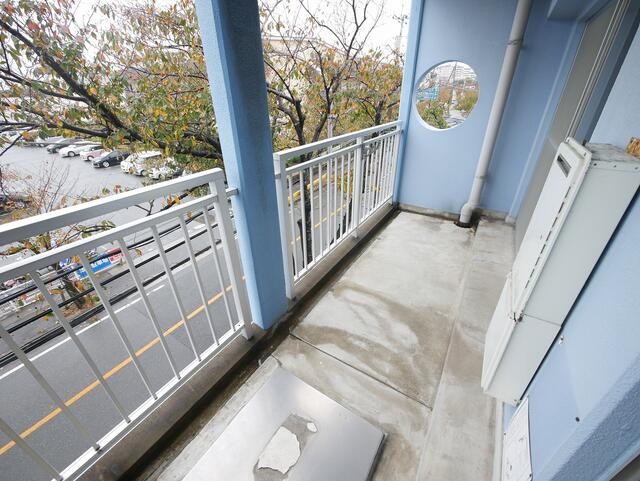
Apartment Building in Higashi-ku, Fukuoka
COMMERCIAL · Kasumigaoka 2-chome, Higashi-ku, Fukuoka, Japan
From JPY 185.00M
The 2026 picture side by side
| Jurisdiction | 2026 headline position | The note that matters |
|---|---|---|
| Japan | Up to 55% | The world’s highest top rate |
| South Korea | Up to 50% | Among the heaviest regimes globally |
| France | 5-45% direct line; 60% non-family | Small allowances outside the direct line |
| United Kingdom | 40% above £325,000 | Residence-based scope from April 2025; business and agricultural reliefs capped from April 2026 |
| Germany | 7-50% by tax class | Relationship and amount drive the rate |
| United States | 40% top federal rate above a multi-million exemption | 2026 guides report a US$15m exemption made permanent by 2025 legislation; non-residents face tax above just US$60,000 of US-situs assets |
| UAE, Singapore, Australia, NZ, Hong Kong | No inheritance tax | Canada also levies none but applies capital gains via deemed disposition at death; Portugal exempts direct-line heirs |
Sources: PwC Worldwide Tax Summaries, OECD data, HMRC, and 2026 international tax guides. Reliefs, treaties, and forced-heirship rules vary by circumstance; take qualified advice.
Estate planning is preservation’s final chapter
How does estate planning combine with the other buyer intents? It is the reason preservation buyers hold what they hold, where they hold it. The London purchase made for sterling safety and clean succession structures, the Dubai purchase made where nothing is due at death, the residence chosen a decade early: estate planning is rarely the stated reason for a purchase, and very often the real one.
On INTRIC now — Still open on INTRIC — every one of these answers enquiries directly.
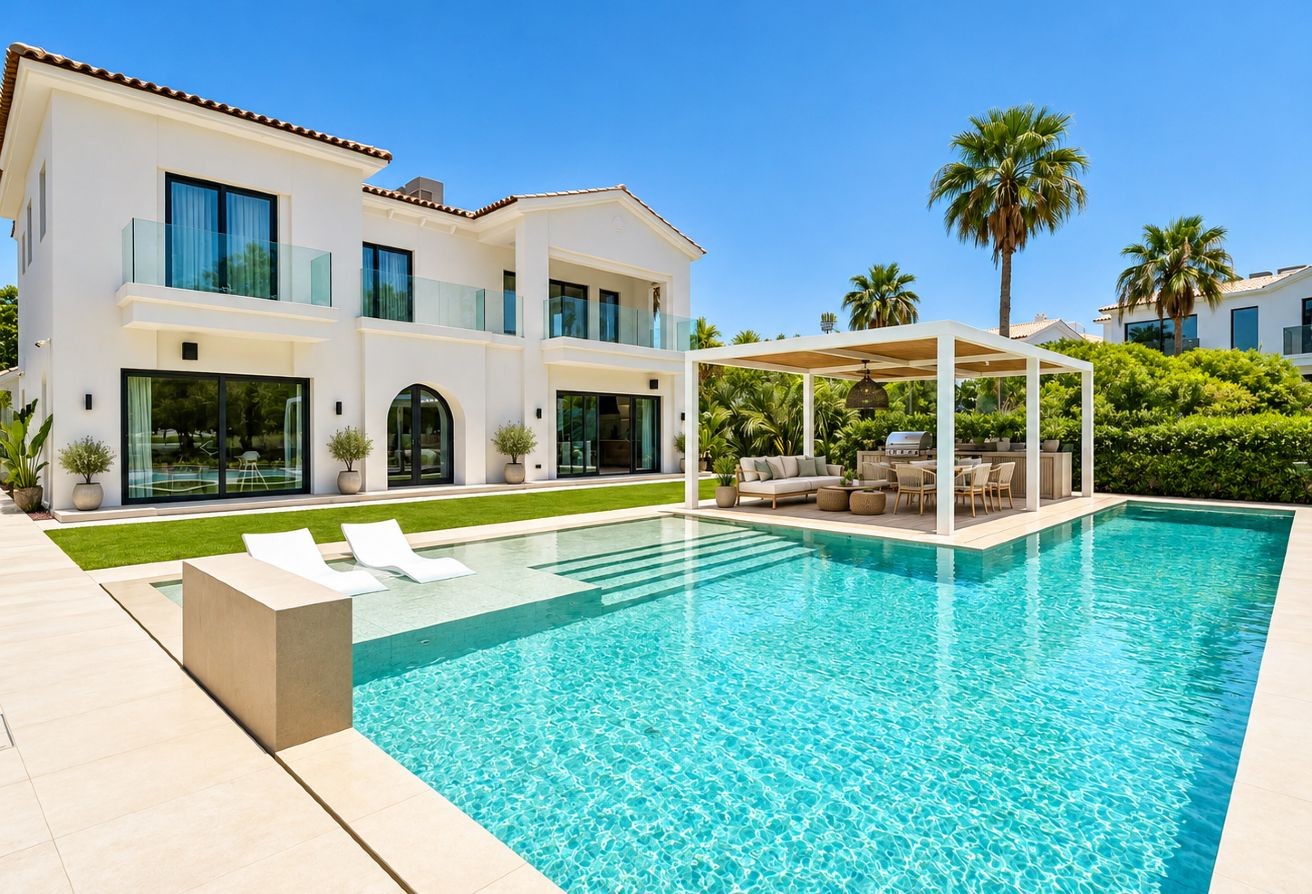
5-Bedroom Villa in The Sundials, Jumeirah Golf Estates, Dubai
HOUSE · Hillside street, The Sundials, Jumeirah Golf Estates, Dubai, United Arab Emirates
From AED 33.00M
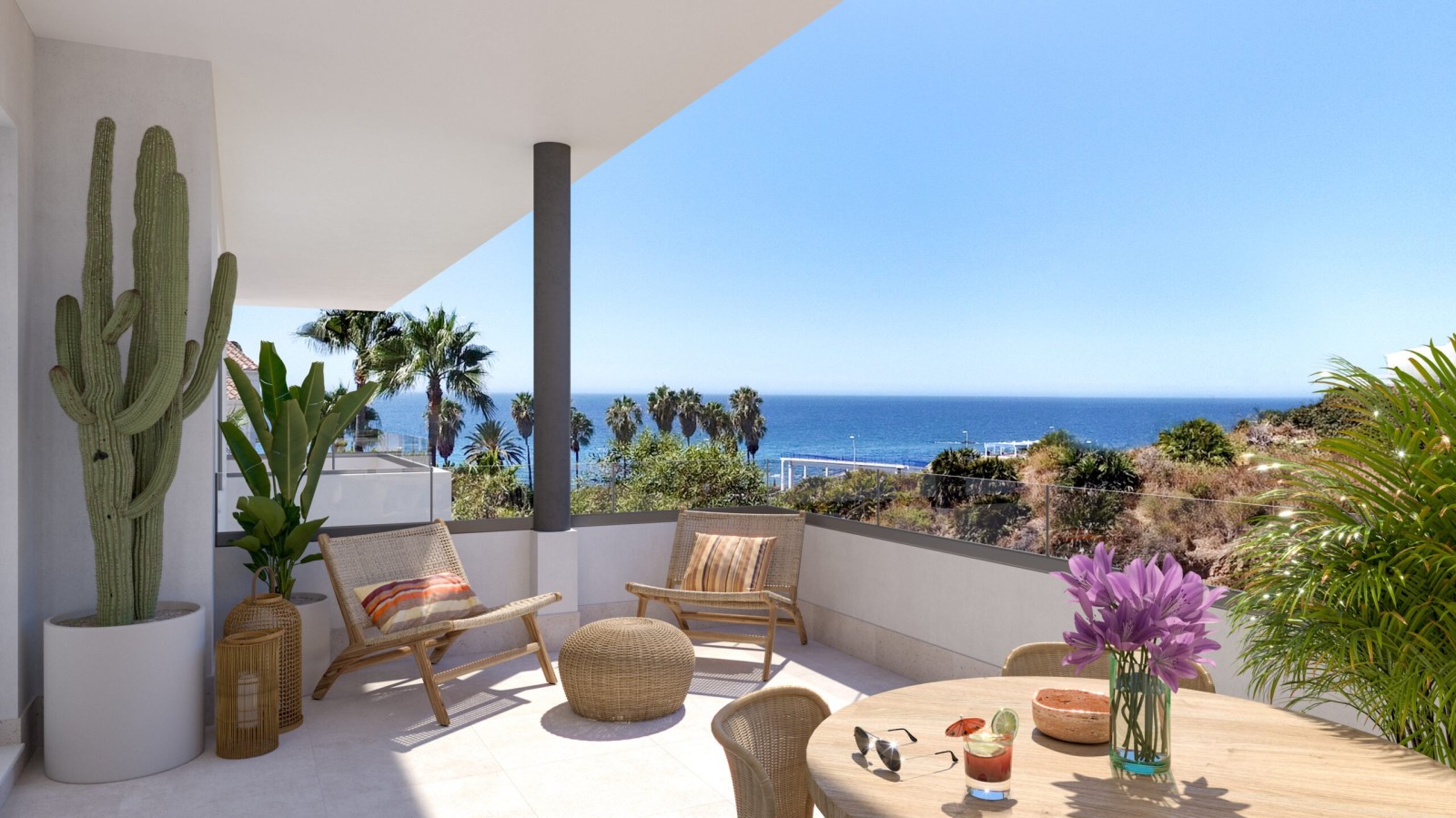
Brand New Sea View Apartments in Mijas Malaga
APARTMENT · Mijas, Málaga, Spain
EUR 483.5K – EUR 749K

Apartment Building in Gobyo, Yonezawa
COMMERCIAL · Gobyo 1-chome, Yonezawa, Yamagata, Japan
From JPY 50.00M
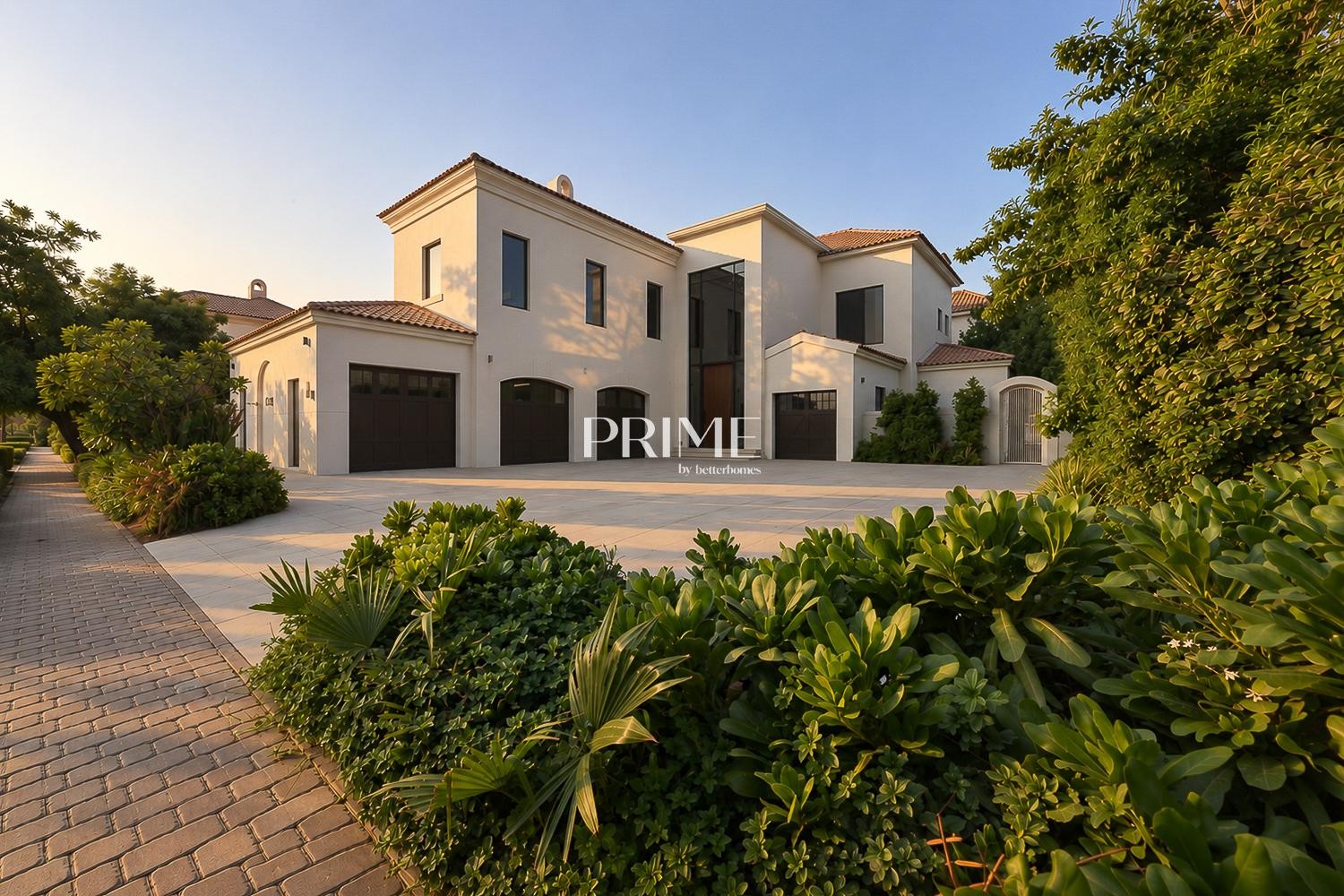
Redwood Avenue
HOUSE · Dubai, Jumeirah Golf Estates, United Arab Emirates
From AED 53.99M
The three traps
- Situs: a UK property stays in UK IHT scope whoever owns it, and non-residents face US estate tax above just US$60,000 of US-situs assets.
- The owner’s regime travels: the UK now scopes worldwide estates by residence (ten of the last twenty years, with a tail after leaving).
- Envelopes are dead: offshore company ownership stopped sheltering UK homes in 2017 and still triggers ATED; plan with qualified advice, not structures from 2015.
Every estate pays one of two prices: the tax, or the planning. The cheapest planning is done a decade before anyone needs it.
Read the full intelligence report
“The last tax bill: estate planning and inheritance tax in 2026” goes deeper on the full 2026 rate map from 0% to 55%, the situs traps, and the residence rules that changed in the UK. Access it through the free Explorer tier at intricglobal.com/en/subscribe.
Frequently asked questions
Which countries have no inheritance tax in 2026?
The UAE, Singapore, Australia, New Zealand, and Hong Kong among others, with Portugal exempting direct-line heirs and Canada applying capital gains rather than inheritance tax at death.
Which country has the highest inheritance tax?
Japan, at up to 55%, followed by South Korea at 50%. France charges up to 60% on non-family transfers.
Do non-residents pay US estate tax on US property?
Yes, on US-situs assets above an exemption of just US$60,000, one of the most commonly missed cross-border traps.
What changed in UK inheritance tax recently?
Scope became residence-based from April 2025, covering worldwide estates after ten years of UK residence in the last twenty, and full business and agricultural reliefs were capped from April 2026.
This article is information only and is not tax, legal, immigration, or investment advice. Rules change frequently and vary by circumstance; take qualified professional advice. Property values can fall as well as rise and capital is at risk. Figures are rounded and attributed to PwC, HMRC, the OECD, and 2026 international tax guides.
Abhii Dabas is the Founder and CEO of INTRIC Global, the cross-border property intelligence platform for serious investors. He advises high-net-worth buyers on international real estate strategy and has evaluated residential markets across more than 40 countries.