The strongest 2026 bases are the ones where one signature covers the company registry, the residence permit, and the title deed.
 ByAbhii Dabas
2026 in four numbers
| Figure | What it measures |
|---|---|
| 3 | B-READY pillars: regulatory framework, public services, operational efficiency |
| 10 | Topics scored across the life cycle of a firm, from business entry to insolvency |
| 50 → 180 | Economies covered, expanding from the first edition through 2026 |
| #1 | Singapore, atop the EIU business environment ranking |
Sources: World Bank B-READY 2026 and the Economist Intelligence Unit business environment rankings 2026.
The seven, in order
1. Singapore
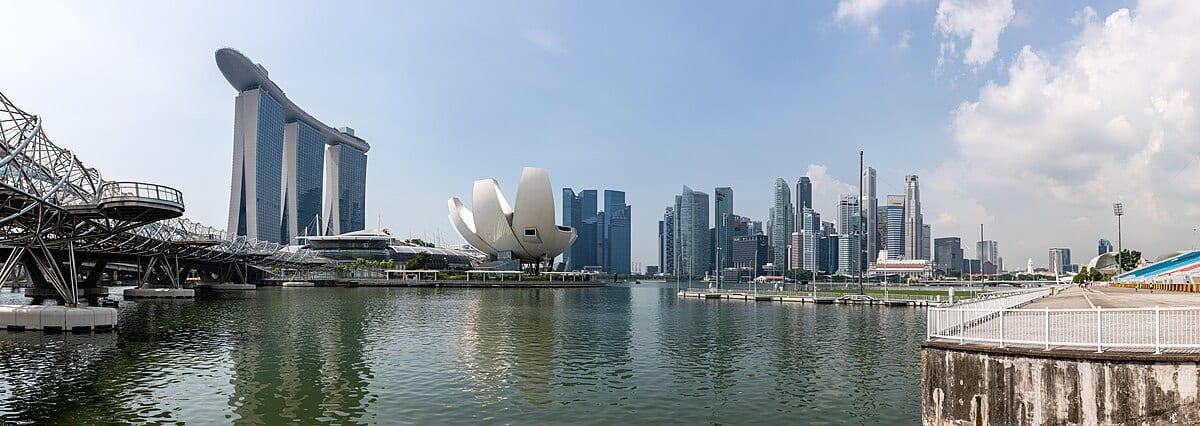
The EIU’s number one business environment and the B-READY operational efficiency leader. The prime market is deep and the rules for foreign buyers are strict but transparent, which is the trade preservation buyers accept gladly.
2. United Arab Emirates
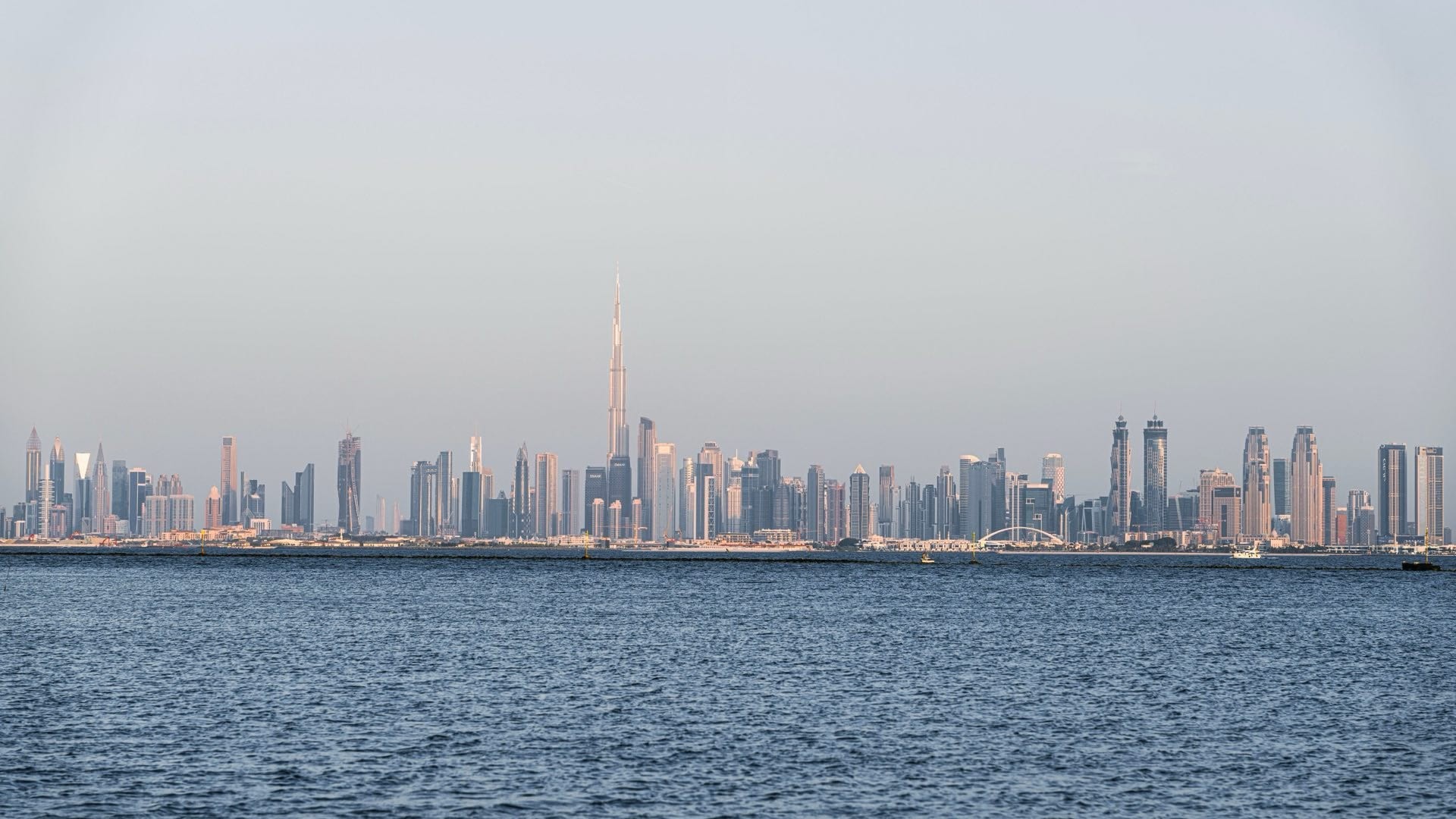
The founder hub where the company licence, the 10-year Golden Visa (from AED 2m), and the home can align in one jurisdiction, with no personal income tax on PwC data.
3. United States
Third on the EIU ranking and the deepest property market on earth. EB-5 (from US$800k) and the new US$1m Gold Card give founders a rights route alongside the purchase.
4. Estonia
The B-READY public services leader and the e-residency pioneer. Company admin is genuinely digital-first, and Tallinn offers a small but modern property market at accessible prices.
5. Denmark
Second on the EIU ranking, with Nordic stability and clean institutions. Note that buying generally requires residence, so the business move comes before the property move.
6. Greece
The surprise: World Bank data scores Greece best for ease of starting a business, and it pairs that with Europe’s main live golden visa from €400,000.
7. Hungary
The B-READY regulatory framework leader and a low-cost EU base, with a revived investor residency route and Budapest prices well below Western European peers.
On INTRIC now — Residences on INTRIC are open to enquiry straight from this page.
NEXT Address
Apartment · 11 Tbel Abuseridze Str, Batumi, 6010, Georgia
USD 50.9K – USD 191.2K
Apartment Building in Higashi-ku, Fukuoka
COMMERCIAL · Kasumigaoka 2-chome, Higashi-ku, Fukuoka, Japan
From JPY 185.00M
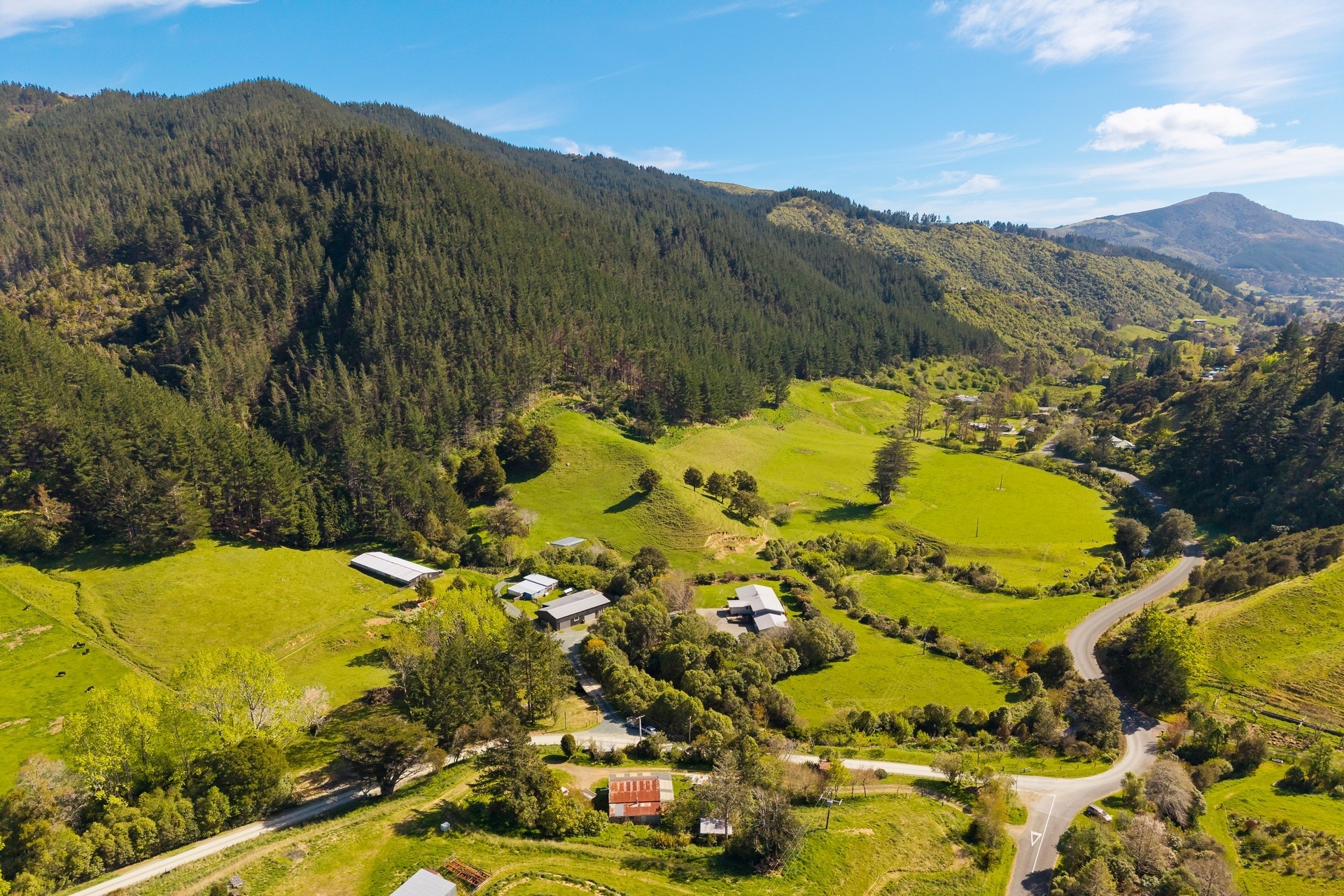
312 Lud Valley Road
HOUSE · 312 Lud Valley Road, Hira, Nelson 7071, New Zealand
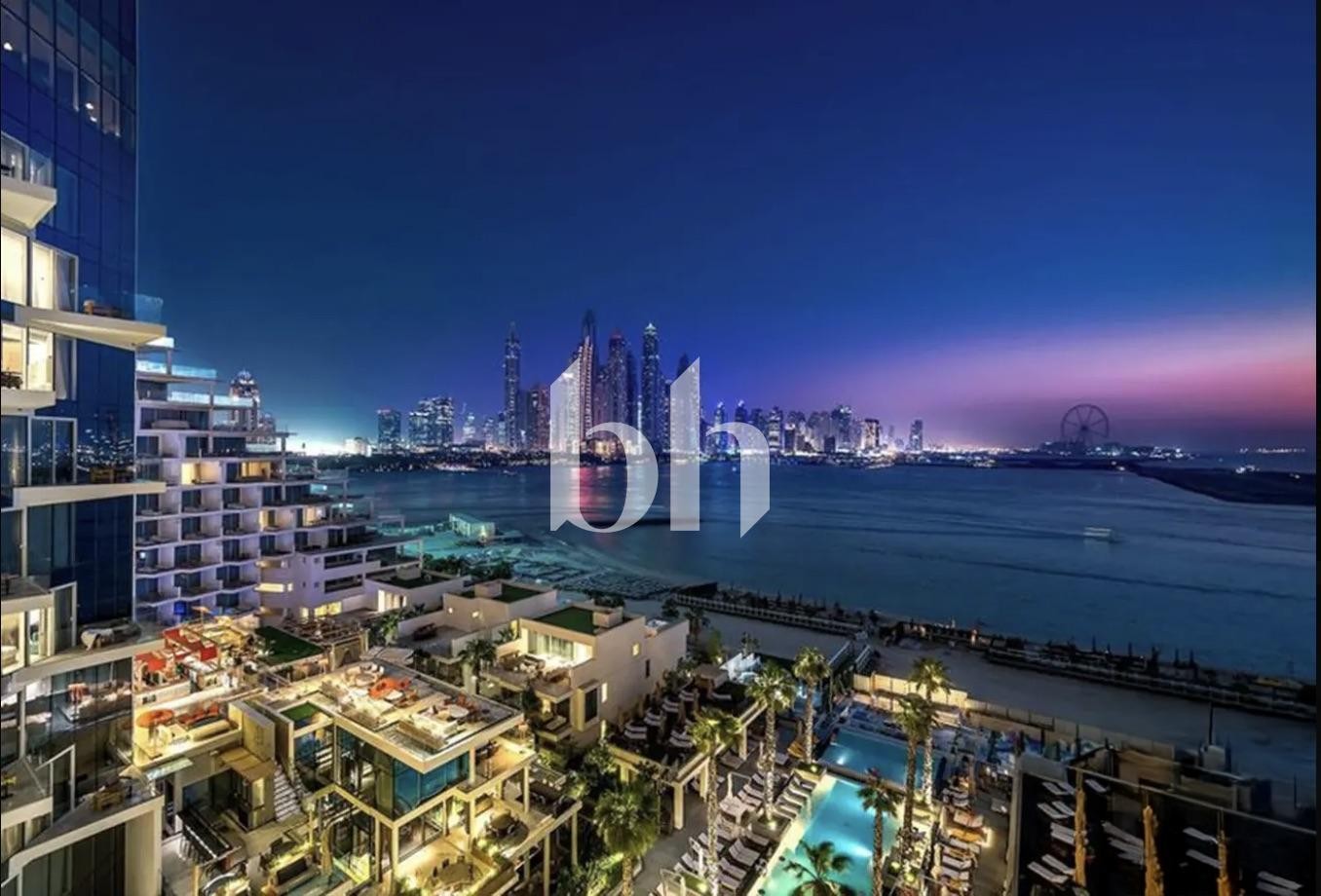
Five Palm Jumeirah
APARTMENT · Five Palm Jumeirah, West Beach, Palm Jumeirah, Dubai, United Arab Emirates
AED 2.15M – AED 2.38M
The seven side by side
| Base | The 2026 evidence | The property angle |
|---|---|---|
| Singapore | EIU #1; B-READY operational efficiency leader | Deep prime market; strict but transparent foreign-buyer rules |
| UAE | Zero personal income tax; Golden Visa from AED 2m | The founder hub where the company, visa, and home can align |
| United States | EIU #3 | Deepest property market on earth; EB-5 and Gold Card routes for founders |
| Estonia | B-READY public services leader; e-residency pioneer | Digital-first admin; small but modern property market |
| Denmark | EIU #2 business environment | Stable Nordic base; residence generally required to buy |
| Greece | B-READY best for business entry | Pairs start-up ease with a live golden visa from €400k |
| Hungary | B-READY regulatory framework leader | Low-cost EU base with a revived investor residency route |
Sources: World Bank B-READY data, Economist Intelligence Unit business environment rankings, Henley & Partners programme data, published 2025-2026. Figures rounded.
Why the old ranking had to go
The World Bank discontinued Doing Business in 2021 after data irregularities eroded trust in the index. Its replacement, Business Ready, launched in 2024 and deliberately publishes pillar and topic scores rather than one headline rank. Expert questionnaires and surveys of thousands of firms sit behind each score.
That design matters for buyers. A country can write excellent rules and deliver them badly, or the reverse. B-READY separates the two, which is exactly the distinction a founder relocating a company and a family needs to see.
On INTRIC now — Still open on INTRIC — every one of these answers enquiries directly.
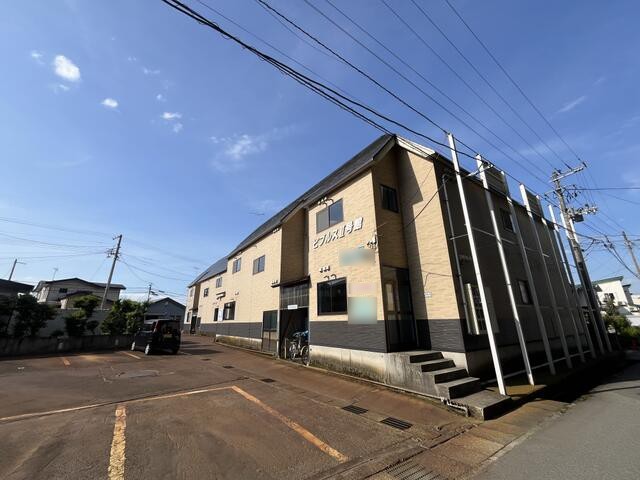
Apartment Building in Gobyo, Yonezawa
COMMERCIAL · Gobyo 1-chome, Yonezawa, Yamagata, Japan
From JPY 50.00M
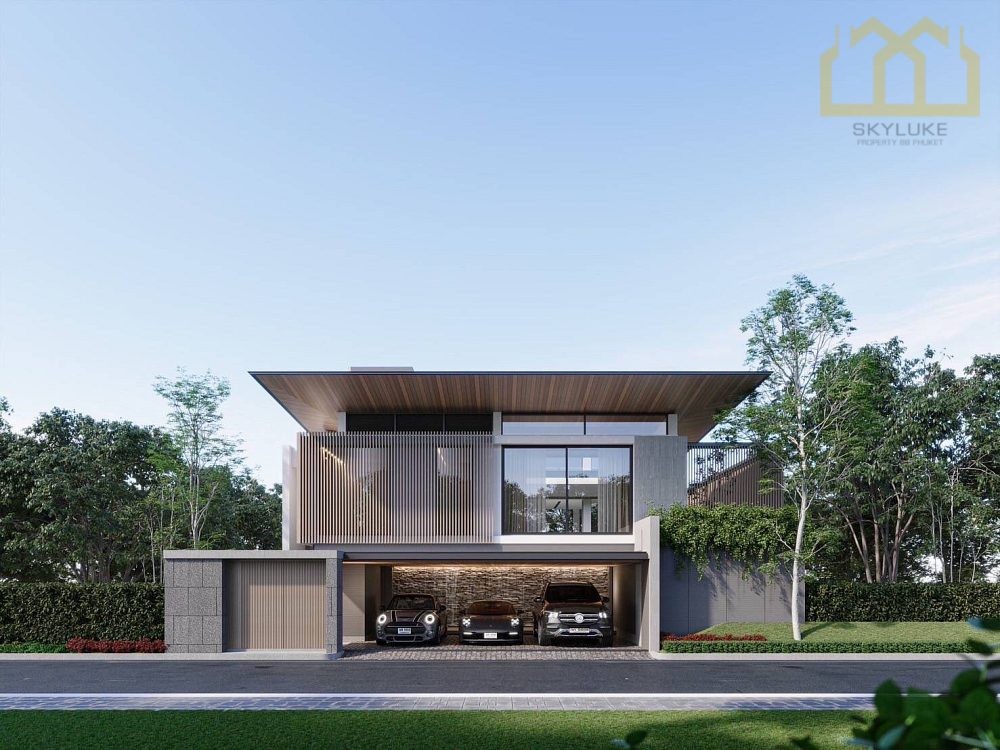
4-Bedroom Villa in Rawai, Mueang Phuket
HOUSE · Rawai, Mueang Phuket, Phuket, Thailand
From THB 34.80M
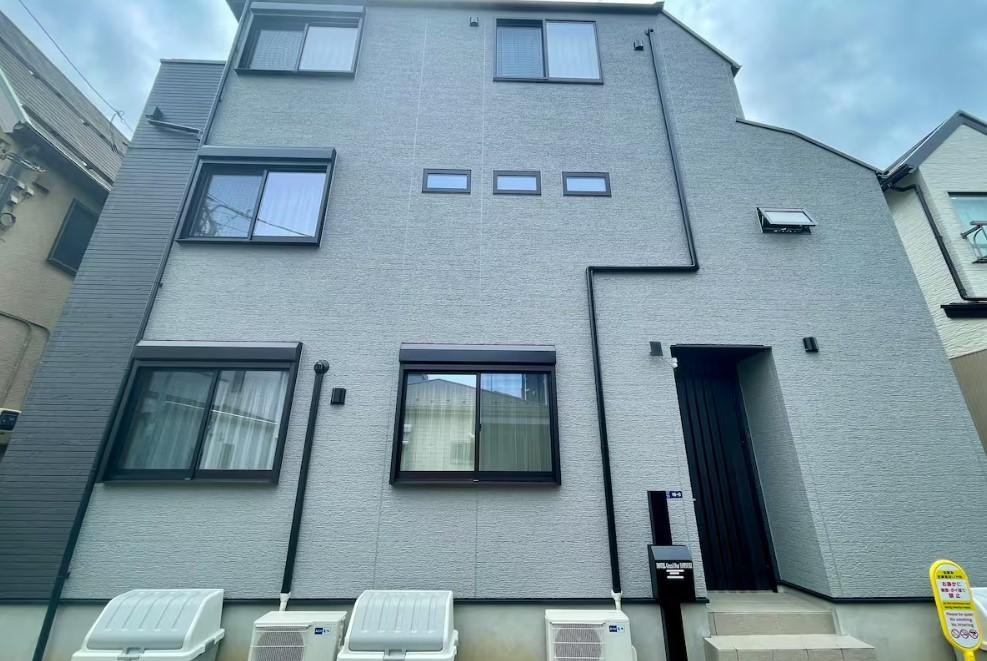
Ryokan in Katsushika-ku, Tokyo
COMMERCIAL · Yotsugi 1-chome, Katsushika-ku, Tokyo, Japan
From JPY 120.00M
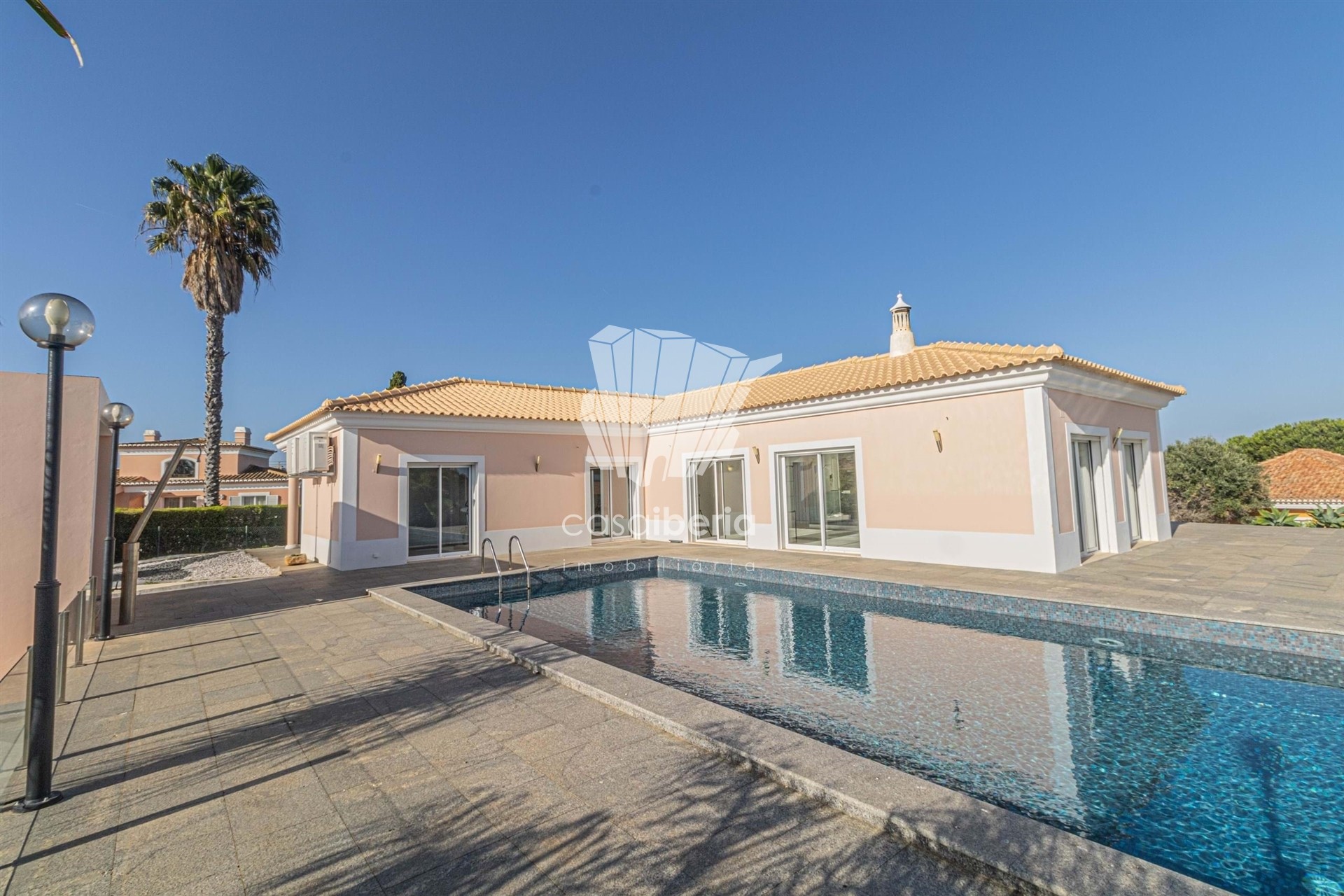
3-Bedroom House in Vale da Lama, Lagos
HOUSE · Vale da Lama, Lagos, Faro, Portugal
From EUR 1.25M
Business ease picks the shortlist
A founder choosing between Singapore, Dubai, and Lisbon is choosing a regulatory regime, a tax base, a school system, and a property market in one decision. Ease of business is rarely the stated reason for the purchase, but it is often the filter that produced the shortlist.
Before you buy: three checks
- Check practice, not just rules: B-READY separates what the law says from what the queue actually does.
- Ask whether the business base carries a right: some jurisdictions attach visas to founders and investors, most do not.
- Confirm foreign-buyer property rules early: business-friendly and buyer-friendly are not always the same thing.
The strongest 2026 bases are the ones where one signature covers the company registry, the residence permit, and the title deed.
Read the full intelligence report
“Where business is easy: the 2026 map after Doing Business” goes deeper on the full B-READY framework explained, the pillar leaders, and the founder’s jurisdiction table. Access it through the free Explorer tier at intricglobal.com/en/subscribe.
Frequently asked questions
Which country is easiest to do business in for 2026?
Singapore tops the Economist Intelligence Unit’s business environment ranking, followed by Denmark and the United States, and leads the World Bank B-READY operational efficiency pillar.
What replaced the Ease of Doing Business ranking?
The World Bank’s Business Ready (B-READY) framework, launched in 2024 and expanding through 2026, which scores regulation, public services, and operational efficiency instead of issuing one rank.
Can founders get residency through business-friendly countries?
In several: the UAE Golden Visa runs from AED 2m, Greece’s golden visa from €400,000, and the United States offers EB-5 from US$800k and the US$1m Gold Card.
Is Estonia good for business in 2026?
Estonia leads the B-READY public services pillar and pioneered e-residency, making it one of the most digitally efficient places to run a company from.
This article is information only and is not tax, legal, immigration, or investment advice. Rules change frequently and vary by circumstance; take qualified professional advice. Property values can fall as well as rise and capital is at risk. Figures are rounded and attributed to the World Bank, the Economist Intelligence Unit, PwC, and Henley & Partners.
Abhii Dabas is the Founder and CEO of INTRIC Global, the cross-border property intelligence platform for serious investors. He advises high-net-worth buyers on international real estate strategy and has evaluated residential markets across more than 40 countries.