The nomad year is the trial period for every bigger decision: the markets winning remote workers in 2026 are building the buyer pipelines of 2028.
 ByAbhii Dabas
2026 in four numbers
| Figure | What it measures |
|---|---|
| Top 5 | New Zealand, Dominica, Malta, Australia, and Malaysia |
| Malta | Europe’s leader on the Passportivity index |
| #1 | New Zealand atop the 2026 nomad visa index |
| ~US$610 | New Zealand’s monthly minimum income bar |
Source: Passportivity 2026.
The seven, in order
1. New Zealand
Number one on the Passportivity 2026 index, with a minimum income bar put at roughly US$610 a month by Passportivity, and second on the 2026 Global Peace Index for good measure. New Zealand has no dedicated nomad visa, but its visitor visas allow remote work for employers outside the country. The far time zone is the trade-off for European clients.
2. Malta
Europe’s index leader: English-speaking, EU-based, Mediterranean, with special resident tax regimes running alongside the nomad route for those who stay.
3. Malaysia
Asia’s index leader on the affordability-infrastructure balance. Kuala Lumpur living costs are a fraction of Singapore’s next door, and foreigners can readily buy property.
4. Portugal
The volume favourite via the D9 remote work visa, with the most mature nomad scenes in Europe across Lisbon, Porto, and Madeira: co-working, meet-ups, and a soft landing for solo arrivals.
5. Spain
A top-tier programme with big-city infrastructure and deep, liquid property markets when the base turns permanent. Income thresholds rise with dependants.
6. Greece
The 2026 stack: nomad demand landing on top of retirement demand and golden-visa demand in one market, which is worth knowing whether you rent or buy.
7. Dubai
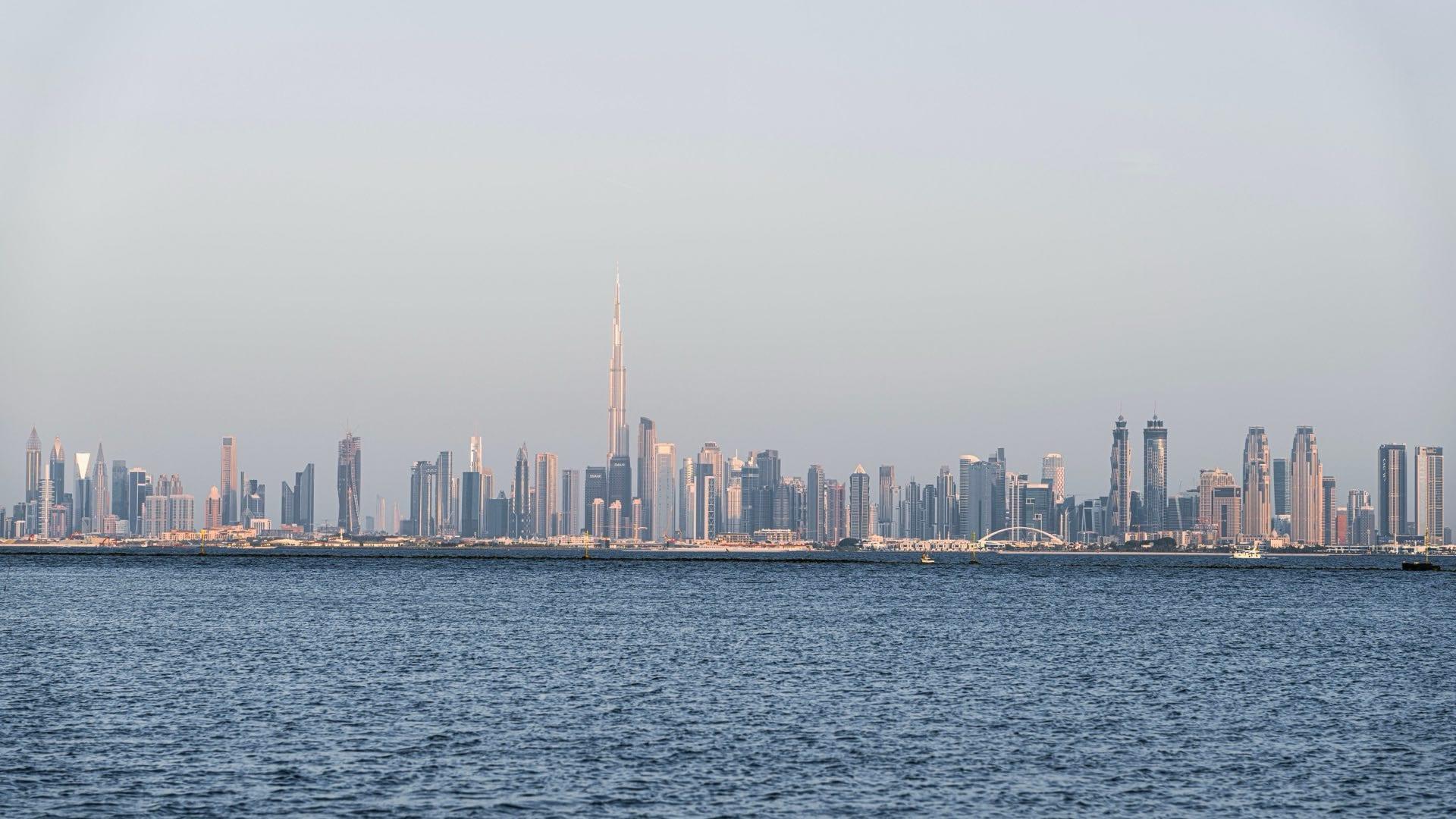
Remote-work permits inside the Golden Visa ecosystem, no income tax on individuals, according to the UAE government, and the clearest upgrade path on the list: nomad first, Golden Visa (from AED 2m) when committed.
On INTRIC now — Residences on INTRIC are open to enquiry straight from this page.
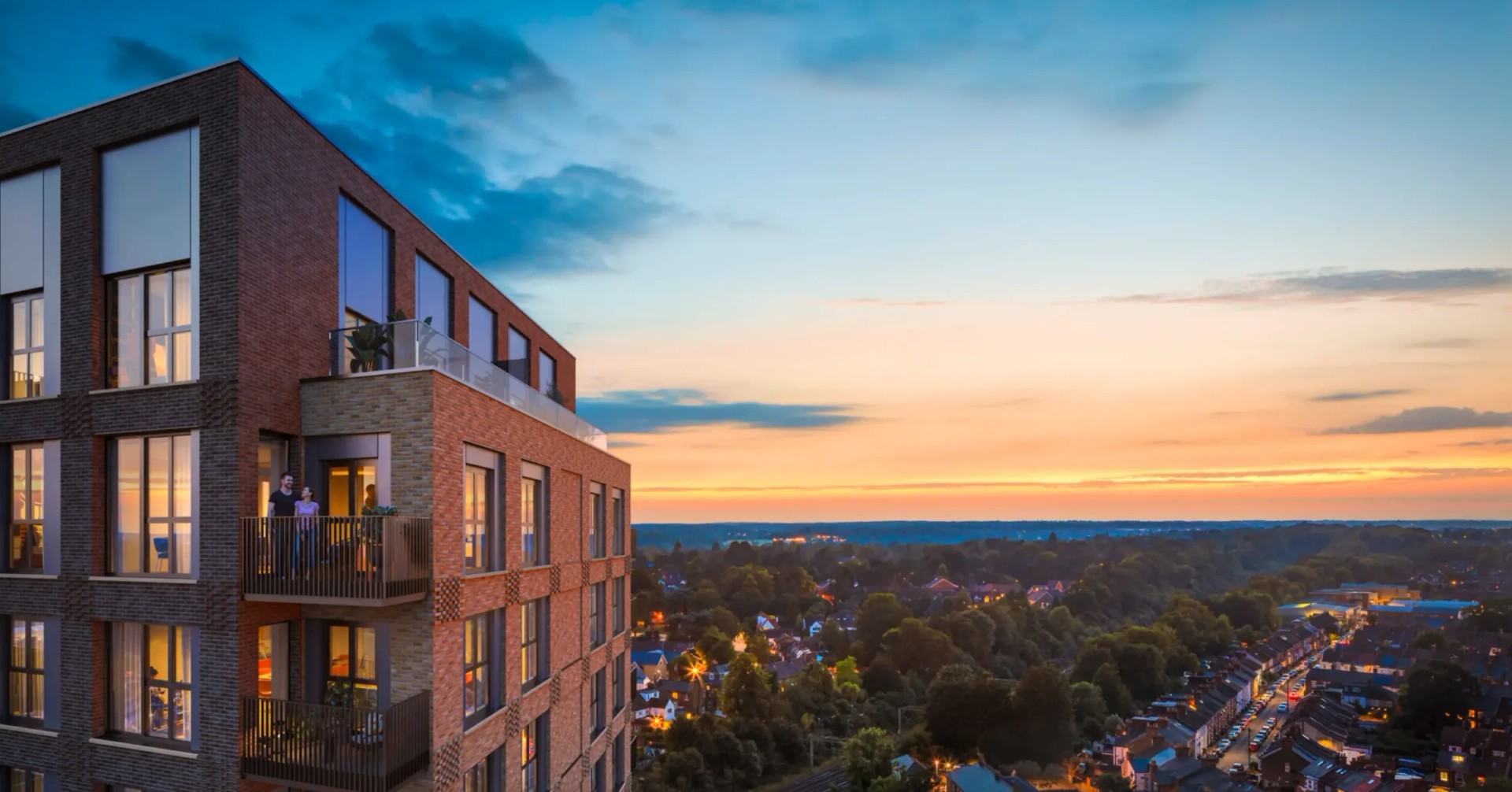
The Exchange
APARTMENT · Penn Road, Watford WD24 4AD, United Kingdom
GBP 297.5K – GBP 700K
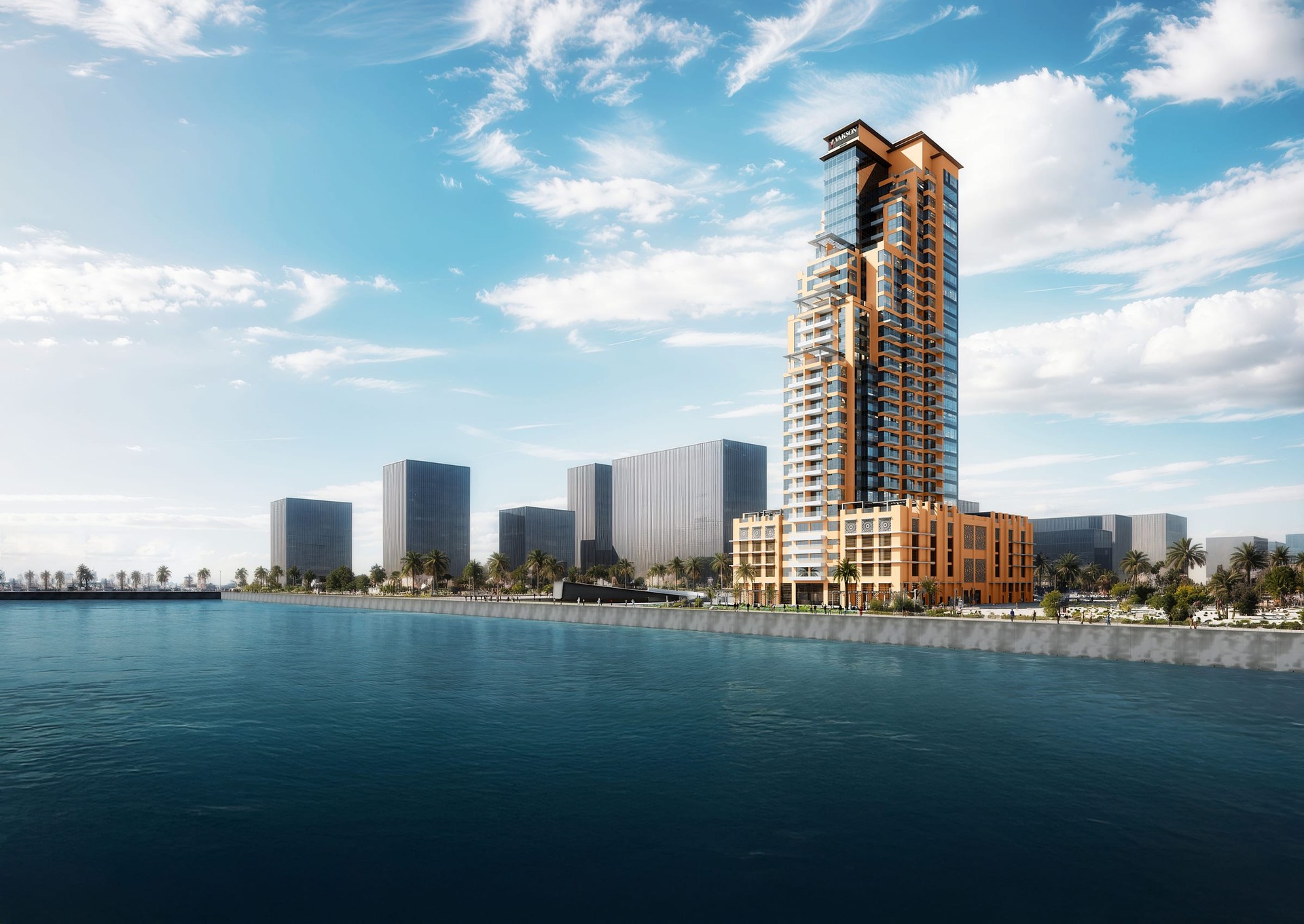
Riva Residences
APARTMENT · Dubai Maritime City, Dubai, United Arab Emirates
AED 2.53M – AED 5.80M
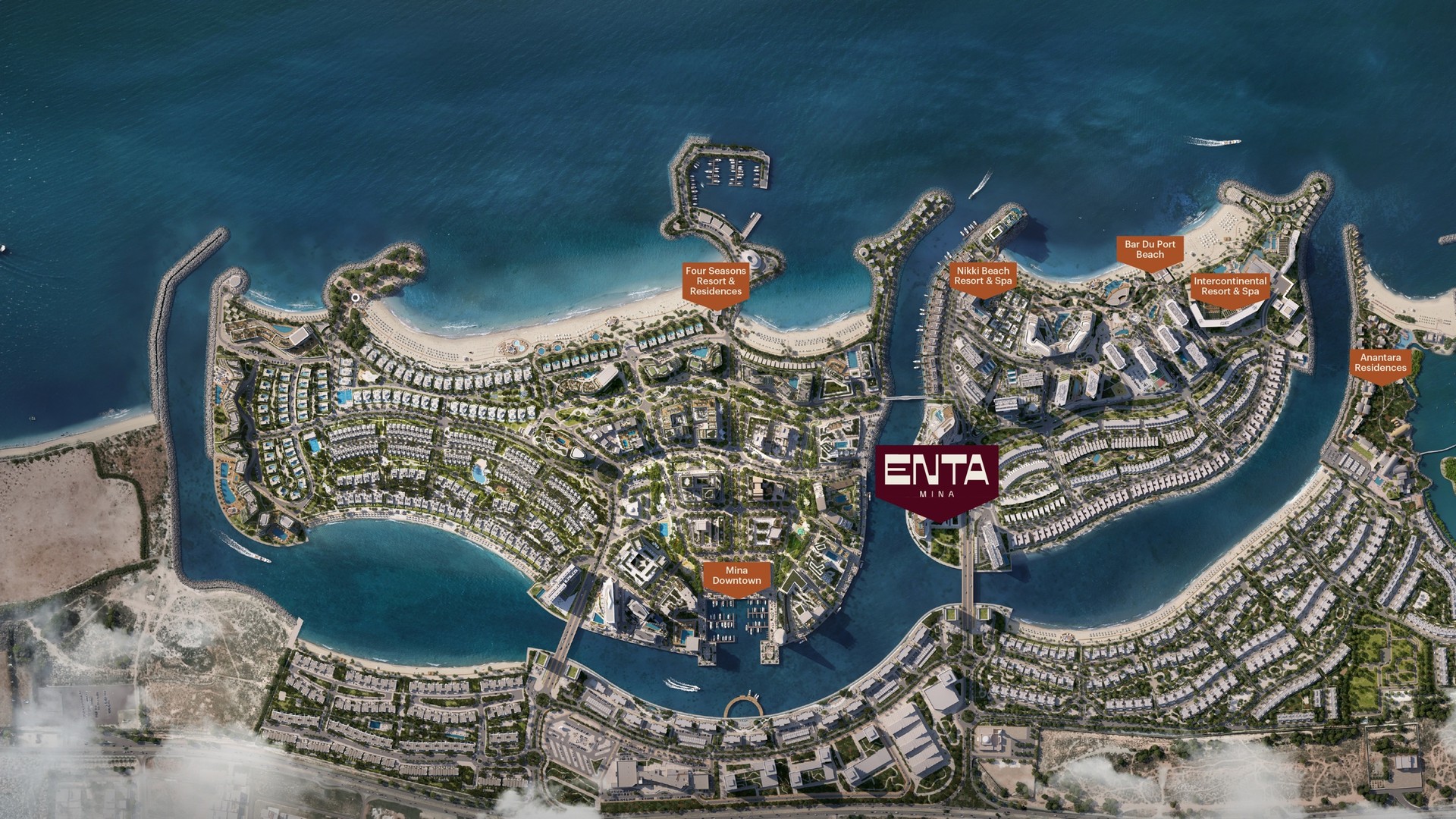
ENTA
APARTMENT · Hayat Island, Mina, Ras Al Khaimah, UAE
AED 960K – AED 2.87M
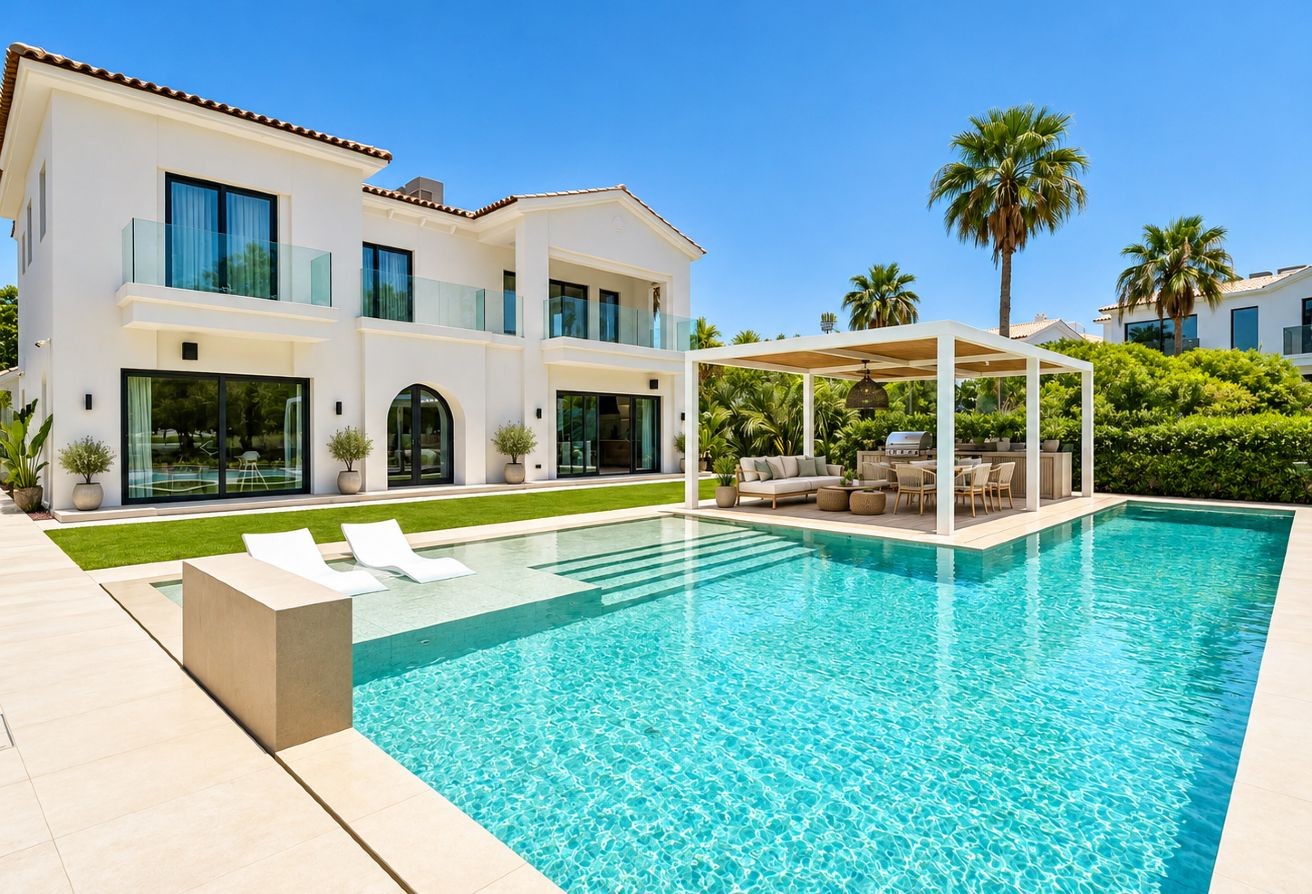
5-Bedroom Villa in The Sundials, Jumeirah Golf Estates, Dubai
HOUSE · Hillside street, The Sundials, Jumeirah Golf Estates, Dubai, United Arab Emirates
From AED 33.00M
The 2026 picture side by side
| Base | The 2026 signal | The property angle |
|---|---|---|
| New Zealand | #1 on the 2026 index; ~US$610/month income bar | Also second on the 2026 Global Peace Index |
| Malta | Europe’s index leader | EU base; special resident tax regimes exist alongside |
| Malaysia | Asia’s index leader on affordability and infrastructure | Foreigners can readily buy; MM2H offers a longer-stay track |
| Portugal | The volume favourite via the D9 visa | Mature nomad scenes in Lisbon, Porto, and Madeira |
| Spain | Top-tier programme with strong infrastructure | Deep, liquid coastal and city markets |
| Greece | Nomad demand stacking on retirement and golden-visa demand | One market, three demand streams in 2026 |
| UAE (Dubai) | Remote-work permits alongside the Golden Visa ecosystem | The upgrade path: nomad first, Golden Visa when committed |
Sources: Passportivity Digital Nomad Visa Index 2026, Global Citizen Solutions, 2026 programme surveys. Income thresholds and conditions move; verify against official sources at application time.
The nomad is tomorrow’s resident
How does the digital nomad intent connect to property buying? It is the trial period for every other intent. The nomad year is how a family test-drives a jurisdiction’s safety, schools, tax regime, and lifestyle before committing capital. The markets winning nomads in 2026, Portugal, Greece, Malaysia, the UAE, are building the buyer pipelines of 2028.
On INTRIC now — Still open on INTRIC — every one of these answers enquiries directly.
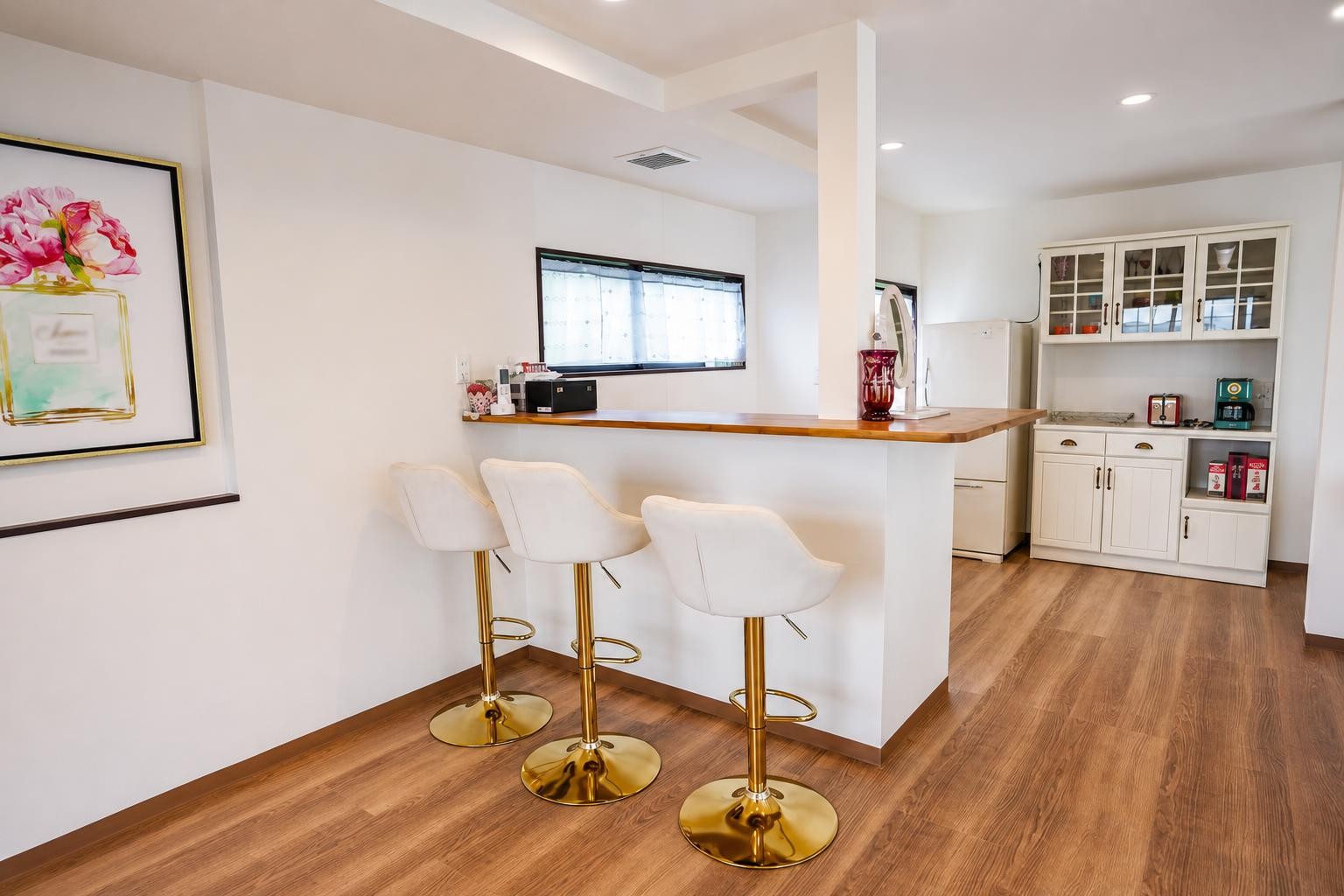
4-Bedroom Detached House in Izusan, Atami
HOUSE · Jikoku Pass-Izu San Line, Izusan, Atami, Shizuoka, Japan
From JPY 390.00M
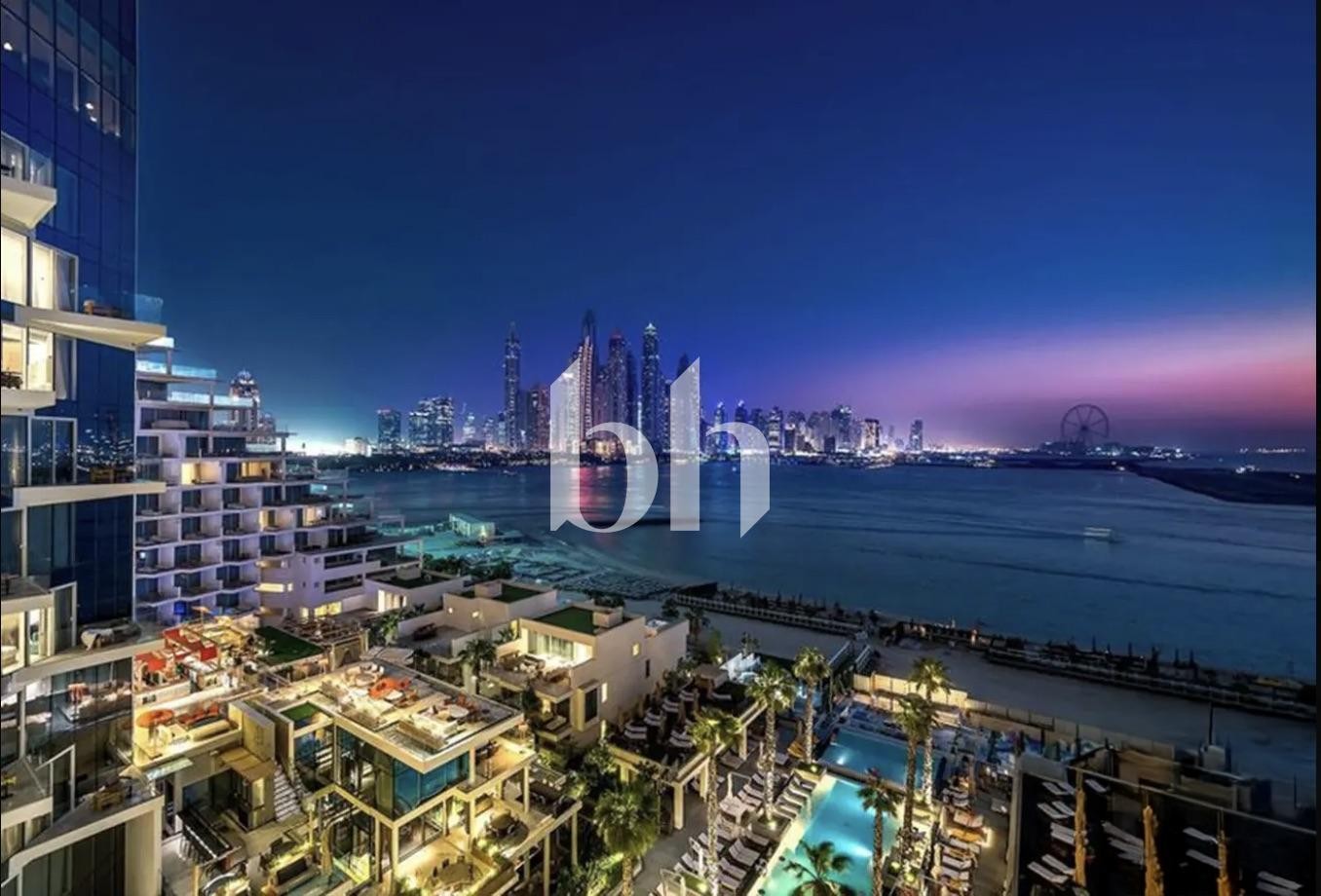
Five Palm Jumeirah
APARTMENT · Five Palm Jumeirah, West Beach, Palm Jumeirah, Dubai, United Arab Emirates
AED 2.15M – AED 2.38M
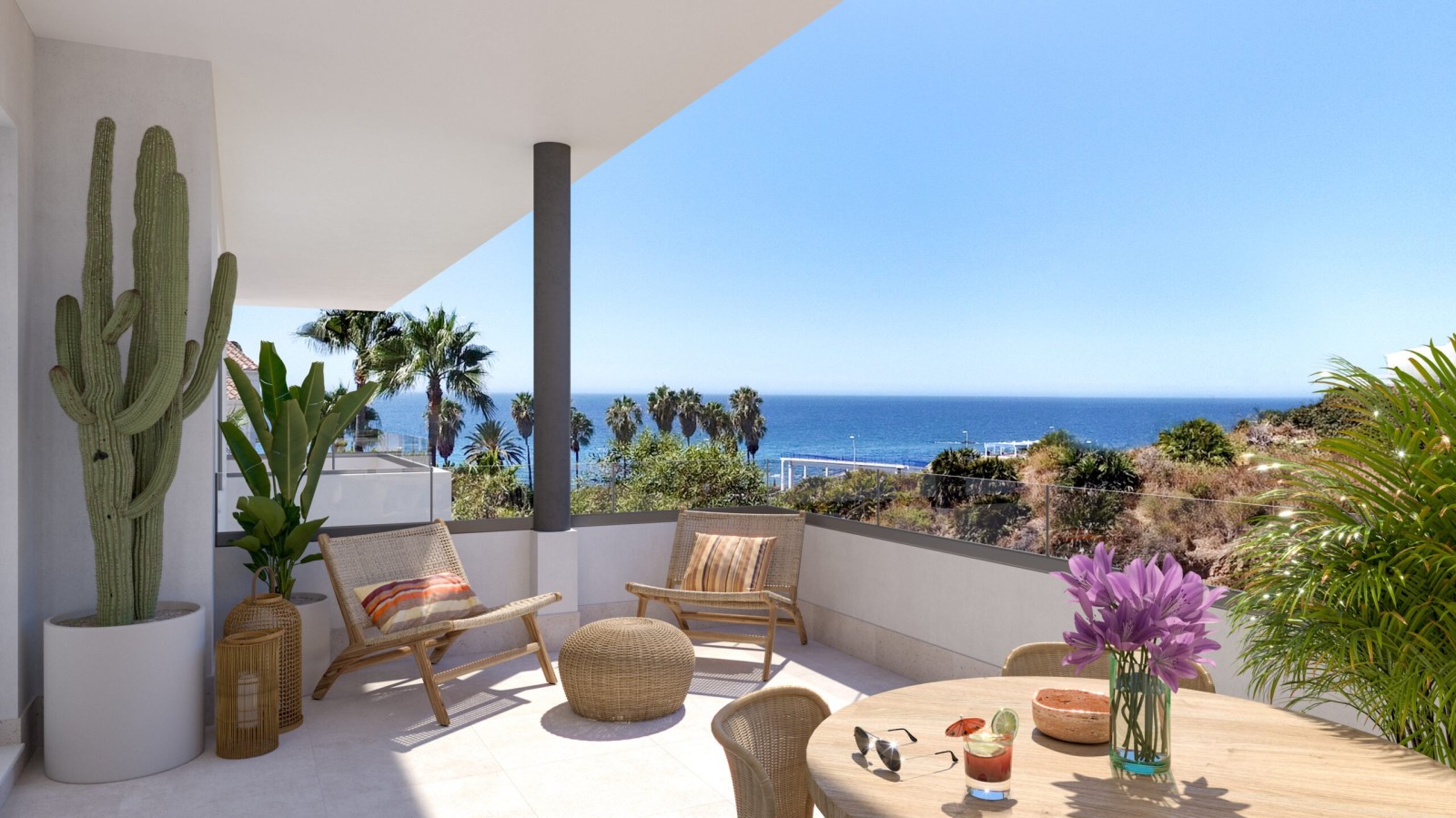
Brand New Sea View Apartments in Mijas Malaga
APARTMENT · Mijas, Málaga, Spain
EUR 483.5K – EUR 749K
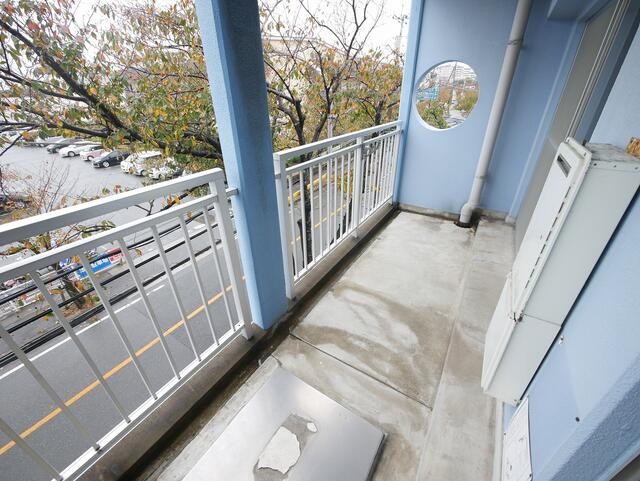
Apartment Building in Higashi-ku, Fukuoka
COMMERCIAL · Kasumigaoka 2-chome, Higashi-ku, Fukuoka, Japan
From JPY 185.00M
The three traps
- Tax residency follows day counts, not visa labels: stay long enough anywhere and you are taxed there, and US citizens file at home regardless.
- Income thresholds move and rise with dependants: verify against official sources at application time.
- Rent the jurisdiction before you buy it: nomad visas run one to two years, so a purchase must stand on the market’s own merits.
The nomad year is the trial period for every bigger decision: the markets winning remote workers in 2026 are building the buyer pipelines of 2028.
Read the full intelligence report
“The remote-work map: digital nomad bases in 2026” goes deeper on the full index picture, the regional leaders, and the day-count tax trap explained. Access it through the free Explorer tier at intricglobal.com/en/subscribe.
Frequently asked questions
Which country has the best digital nomad visa in 2026?
New Zealand tops the Passportivity 2026 index, with a minimum income requirement of roughly US$610 a month, followed by Dominica, Malta, Australia, and Malaysia.
How many countries offer digital nomad visas in 2026?
Dozens of countries offer one, and the list changes often. The Passportivity index compares them on measurable criteria such as income, cost of living, safety, and internet access.
Do digital nomad visas affect taxes?
The visa itself rarely changes tax residency, which follows day counts and personal ties. Stay beyond a few months anywhere and get advice; US citizens are taxed on worldwide income regardless.
Should digital nomads buy property in their base?
Only where the market or a separate durable right would hold you without the visa. Otherwise rent: nomad visas typically run one to two years.
This article is information only and is not tax, legal, immigration, or investment advice. Rules change frequently and vary by circumstance; take qualified professional advice. Property values can fall as well as rise and capital is at risk. Figures are rounded and attributed to Passportivity, Global Citizen Solutions, the UAE government, and the Institute for Economics & Peace.
Abhii Dabas is the Founder and CEO of INTRIC Global, the cross-border property intelligence platform for serious investors. He advises high-net-worth buyers on international real estate strategy and has evaluated residential markets across more than 40 countries.