Johannesburg 13.47%. Cairo 10.86%. Istanbul 9.92%. Jeddah 9.10%, open to foreigners since January. The top 10 rental-yield cities foreign buyers can own in, 2026. Dubai is at 5.53%. #RentalYield #PropertyInvestment #INTRIC
 ByAbhii Dabas
In short
The ten highest gross rental yields in cities foreigners can buy into, from Global Property Guide data read on 17 October 2026: Johannesburg 13.47%, Cairo 10.86%, Istanbul 9.92%, Santo Domingo 9.35%, Jeddah 9.10%, Philadelphia 8.87%, Catania 8.75%, Liverpool 8.64%, Tangier 8.57% and Barranquilla 8.41%. Jeddah is new, after Saudi Arabia opened ownership to non-Saudis in January 2026. Net yields run 1.5 to 2 points below these figures, and the top three are earned in currencies that have fallen against the dollar.
Key takeaways
- Johannesburg tops the 2026 list at 13.47% gross (Q2 2026), followed by Cairo at 10.86% and Istanbul at 9.92%. All three yields come with a currency that has lost ground to the dollar.
- Jeddah enters at 9.10% because Saudi Arabia opened ownership to non-Saudis in January 2026. Implementing regulations were approved on 23 June, with a 2% REGA fee on sales in Jeddah and Riyadh.
- Two developed-market cities make the ten: Philadelphia at 8.87% and Liverpool at 8.64%. Both offer lower currency risk than the emerging names above them, and both lose more of the gross to tax and running costs.
- The usual cross-border favourites sit well below: Dubai 5.53% on GPG (6.66% for apartments on Property Monitor), Bangkok 5.93%, Kuala Lumpur 4.81%, Lisbon 3.76%.
- Every figure is gross, from asking prices, in local currency. Global Property Guide puts net yields 1.5 to 2 points lower.
Johannesburg, Cairo and Istanbul: the yield is in the currency
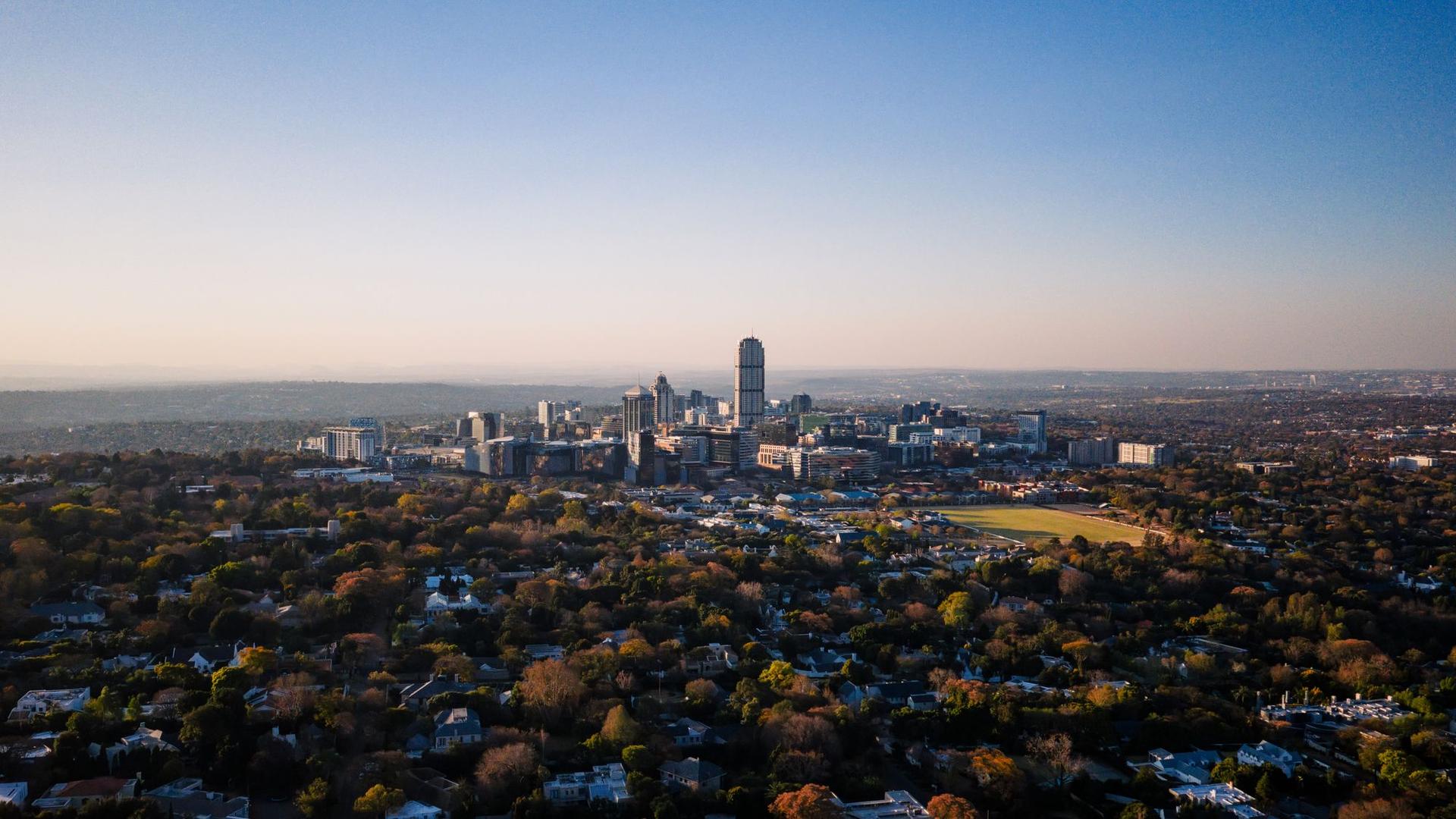
Johannesburg averages 13.47% across all locations. A one-bedroom has a median asking price of USD 37,100 and rents at USD 430 a month. In Sandton, the financial district, a two-bedroom costs USD 76,100 and still yields 15.30%. The South African average rose from 10.93% at the end of 2025 to 11.53% in Q2 2026, though GPG notes it changed data source in the latest round. The yield is high because prices are low, and prices are low because buyers price in rand weakness and security costs. Net yields in the cheapest stock fall further than the usual two points once levies, municipal rates and vacancy are counted.
Studios lead Cairo at 13.17% on a median USD 57,400. The city average is 10.86%. In New Cairo, where much of the new compound stock sits, a two-bedroom is USD 155,600 and yields 8.71%. GPG's Egypt buying guide says foreigners can own up to two residential properties, each under 4,000 square metres. The figures are converted to dollars at today's rate. The pound has been devalued several times since 2022, and a buyer earning 10.86% in pounds can lose money in dollars.
Istanbul averages 9.92%, up 1.77 points in a year and 3.71 points over three. A two-bedroom has a median price of USD 99,500 and lets for USD 790. Turkish rents reset quickly with inflation. Prices quoted in dollars have lagged, and that gap explains most of the rise. Turkey's buying guide, updated January 2026, keeps military zones off limits and requires governor approval in some areas. A property purchase of at least USD 400,000 still qualifies for citizenship.
On INTRIC now — Residences on INTRIC are open to enquiry straight from this page.

NEXT Address
Apartment · 11 Tbel Abuseridze Str, Batumi, 6010, Georgia
USD 50.9K – USD 191.2K
Apartment Building in Higashi-ku, Fukuoka
COMMERCIAL · Kasumigaoka 2-chome, Higashi-ku, Fukuoka, Japan
From JPY 185.00M

312 Lud Valley Road
HOUSE · 312 Lud Valley Road, Hira, Nelson 7071, New Zealand
Five Palm Jumeirah
APARTMENT · Five Palm Jumeirah, West Beach, Palm Jumeirah, Dubai, United Arab Emirates
AED 2.15M – AED 2.38M
Philadelphia, Liverpool and Catania: lower currency risk, higher running costs
A three-bedroom in Philadelphia at USD 249,900 renting for USD 2,100 yields 10.08%, against a city average of 8.87%. For comparison, GPG puts New York at 5.03% and Los Angeles at 4.59%. Foreigners face no federal restriction on buying. The gross figure flatters it more than most, because US property tax and insurance come out of the rent, and the IRS withholds 15% of the gross sale price from foreign sellers under FIRPTA.
At 8.64%, Liverpool sits ahead of Birmingham at 8.41% and Glasgow at 8.31%. London manages 6.62%. Non-residents can own in the UK without restriction, though a non-resident buying an additional home in England pays Stamp Duty Land Tax at 7 points over standard rates. Landlords now let under the Renters' Rights Act, which ended fixed-term tenancies and no-fault evictions in England, and that adds compliance work for an owner managing from abroad.
Catania, in Sicily, averages 8.75%. A studio at €55,000 rents for €500 a month, 10.91% gross. Palermo is at 7.84%, Rome 6.59%, Milan 4.97%. EU citizens buy freely. Non-EU buyers fall under Italy's reciprocity principle, which means the answer depends on whether your country lets Italians buy.
On INTRIC now — Still open on INTRIC — every one of these answers enquiries directly.
Apartment Building in Gobyo, Yonezawa
COMMERCIAL · Gobyo 1-chome, Yonezawa, Yamagata, Japan
From JPY 50.00M

4-Bedroom Villa in Rawai, Mueang Phuket
HOUSE · Rawai, Mueang Phuket, Phuket, Thailand
From THB 34.80M
Ryokan in Katsushika-ku, Tokyo
COMMERCIAL · Yotsugi 1-chome, Katsushika-ku, Tokyo, Japan
From JPY 120.00M
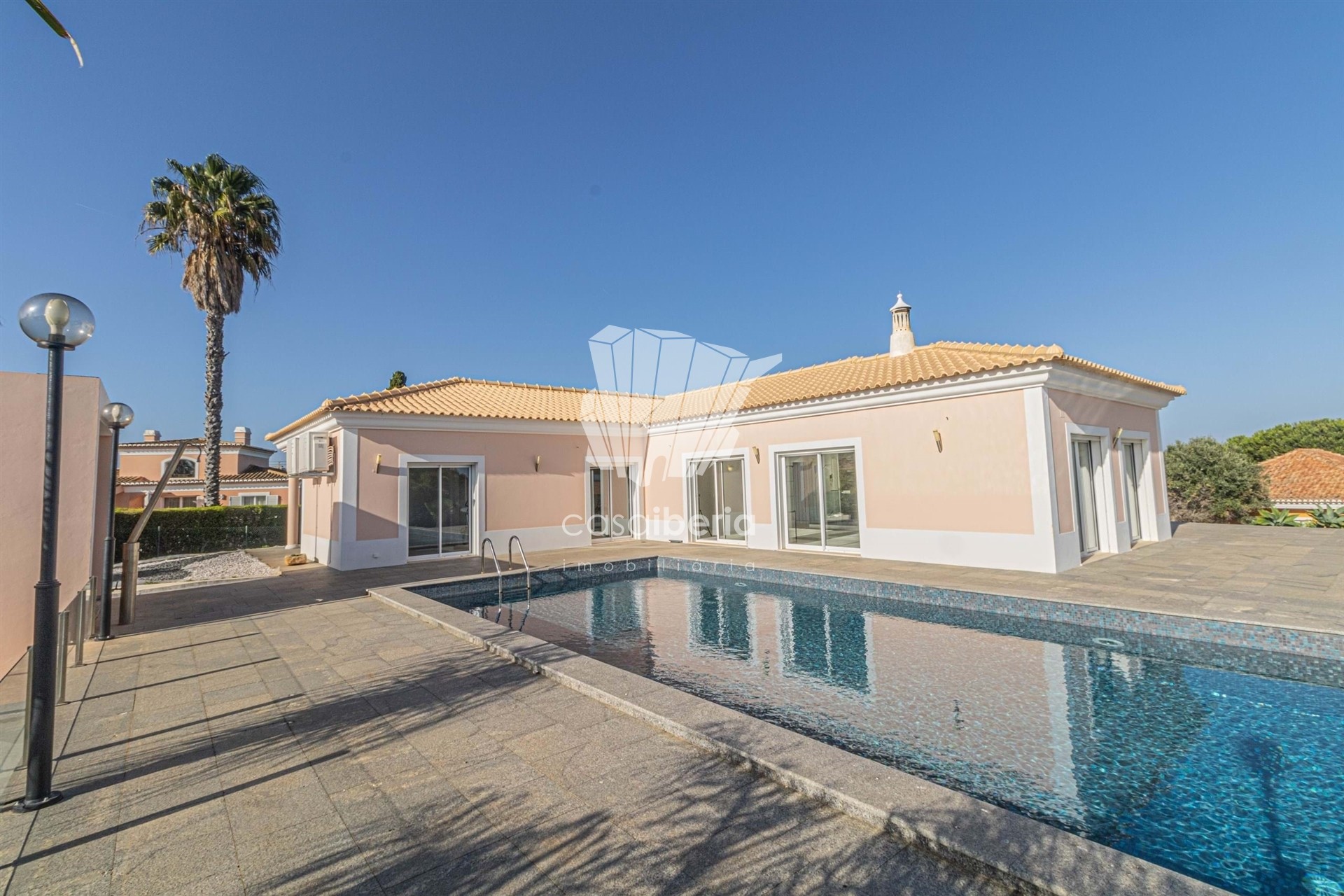
3-Bedroom House in Vale da Lama, Lagos
HOUSE · Vale da Lama, Lagos, Faro, Portugal
From EUR 1.25M
Sources
- Global Property Guide: residential rental yields by country and city (updated October 2026)
- Global Property Guide: South Africa rental yields, Q2 2026
- Global Property Guide: Egypt rental yields, Q4 2026
- Global Property Guide: Turkey rental yields, Q3 2026
- Global Property Guide: Dominican Republic rental yields, Q3 2026
- Global Property Guide: Saudi Arabia rental yields, Q3 2026
- Global Property Guide: United States rental yields, Q2 2026
- Global Property Guide: Italy rental yields, Q3 2026
- Global Property Guide: United Kingdom rental yields, Q2 2026
- Global Property Guide: Morocco rental yields, Q3 2026
- Global Property Guide: United Arab Emirates rental yields
- Global Property Guide: Kazakhstan buying guide (permanent-residence requirement)
- Greenberg Traurig, July 2026: Saudi Arabia publishes implementing regulations to the foreign ownership of real estate law
- Lexis Middle East, 30 January 2026: KSA new rules on foreign property ownership
- Engel & Völkers UAE: rental yield in Dubai (Property Monitor data, August 2026)
- IRS: FIRPTA withholding
Abhii Dabas is the Founder and CEO of INTRIC Global, the cross-border property intelligence platform for serious investors. He advises high-net-worth buyers on international real estate strategy across more than 40 countries, and the first question most of them ask is where the rent is highest. The second, which matters more, is whether they are allowed to own the building.