Photo 1 of 6
USD 3.00M – USD 5.50M
≈ $2,995,000 - $5,495,000est.
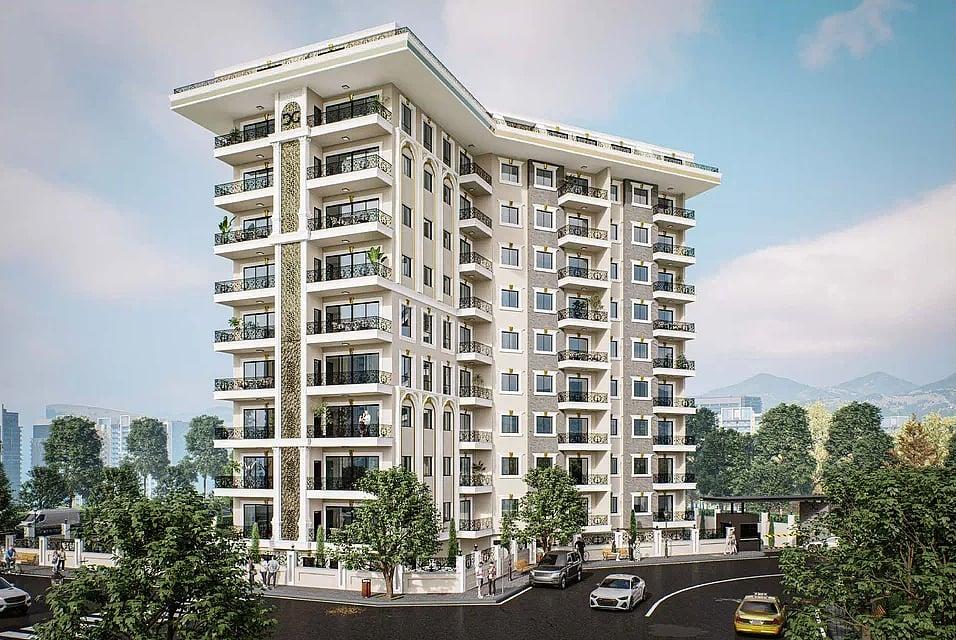
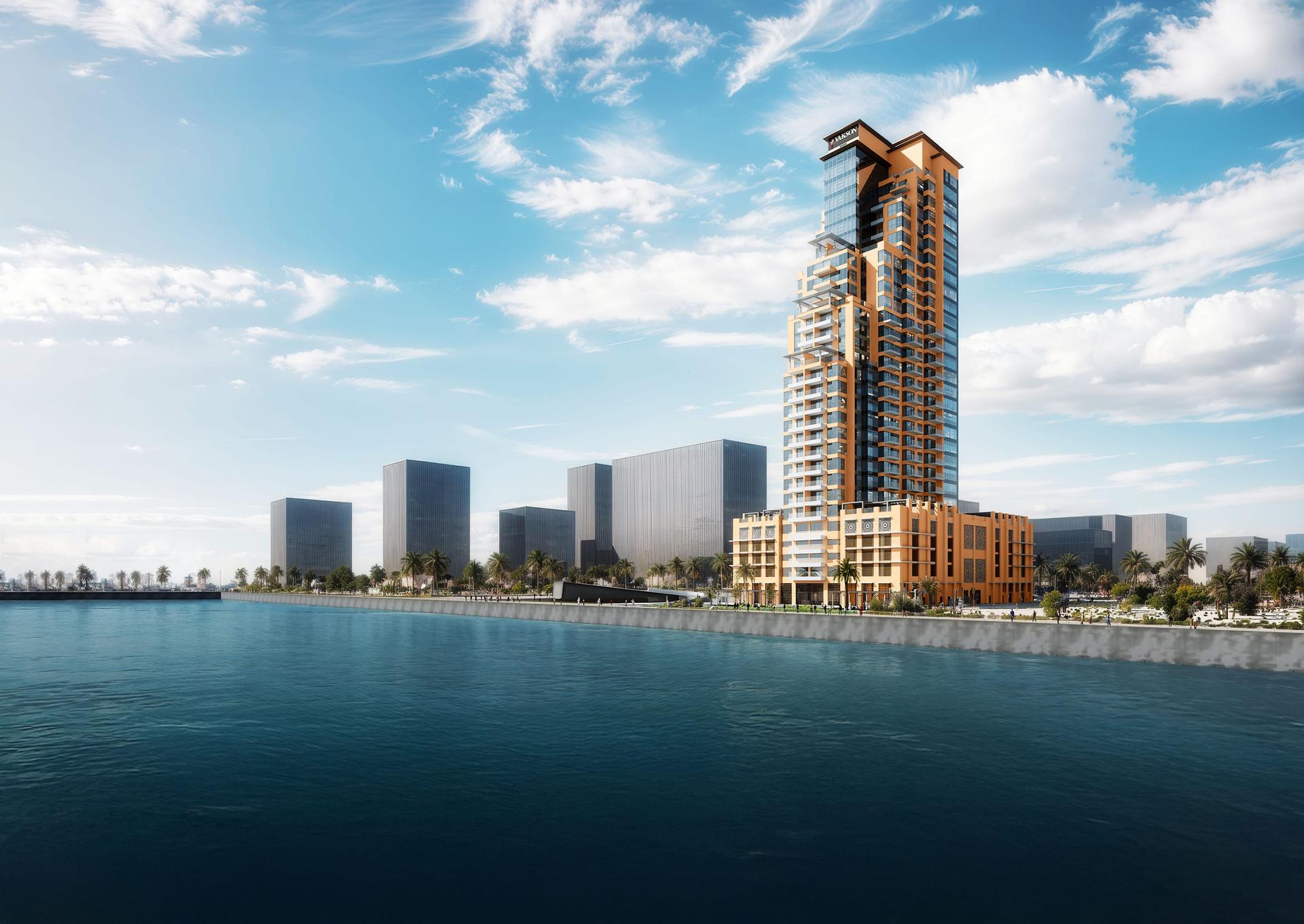
The Edge Sarasota
CondominiumUnited States1297 N Palm Avenue, Sarasota, FL 34236, United States
 Clara (Sales Concierge)
 Clara (Sales Concierge)
Weekly alert
Pick a budget and we email you the week a new listing in the United States is published. One email, six at most, nothing until then.
More in the Americas
Property for sale in the United States: new developments and resale homes, listed by the developers and agents selling them, with prices and a buying…
Also in the region: Property for sale in Canada, Property for sale in Mexico, Property for sale in Costa Rica, Property for sale in Panama, Property for sale in Argentina, Property for sale in the Cayman Islands
Property in the United States on INTRIC runs from USD 1.15M to USD 6.54M, in Sarasota. Prices are the sellers' own, in the listing's currency, and change as listings are added.
Yes. Any nationality can buy and own US property outright, with no visa, residency or government approval, and no limit on the number of properties. A few exceptions exist: some states restrict foreign ownership of farmland, and sites near military bases can be reviewed. Property can be held personally or through an LLC.
Annual property tax of about 0.3% to 2.5% of assessed value, set by state and county. Rent is taxed at 10% to 37% federal on net income if you file a return, or 30% withholding on gross rent if you do not. Capital gains and estate tax also apply, and a non-resident's estate tax allowance is only about USD 60,000.
FIRPTA makes the buyer withhold 15% of the gross sale price when a foreign owner sells. It is an advance payment of your tax, not an extra tax, and you can claim back any excess by filing a US return. The rate is 10% for sales between USD 300,000 and USD 1 million to a buyer who will live there.
Yes, through lenders that offer foreign national loans. Expect a down payment of 30% to 50% and a rate above the domestic one. Rental income loans (DSCR) lend 65% to 75% of the price based on the rent, with no US income check. Many overseas buyers pay cash.
Sun Belt markets such as Miami, Austin, Phoenix and Nashville have the strongest rental demand. Gross yields average about 3.5% to 5.5%, with Miami at 4.5% to 6% and New York at 2.5% to 3.5%. Mortgage rates are the key variable for prices. Capital at risk.
No. Owning a home gives no visa or Green Card. The EB-5 investor route needs an investment in a job-creating business, not a house, and the E-2 visa is for active business investment by nationals of treaty countries. Speak to a US immigration attorney.
 Country guide · 28 minComplete Investor Guide to U.S. PropertyNavigate the world's largest property market with state-by-state insights for international investorsStable MarketFreeholdForeign-FriendlyRead the guide
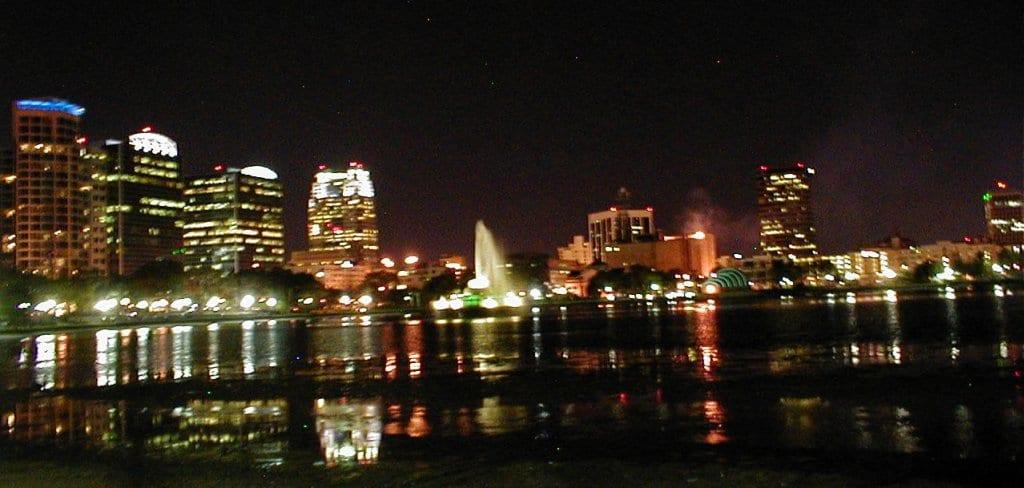 City guide · 7 minOrlandoOrlando, the heart of Central Florida, is one of the United States' most resilient sunbelt investment markets, combining a globally dominant tourism economy with some of the fastest population growth in the country. The Orlando-Kissimmee-Sanford metro reached nearly 3 million residents in mid-2025, adding roughly 725 new residents a week, a 1.3% annual gain that outpaced both Florida and most large US metros. The economy rests on theme-park tourism (Walt Disney World, Universal and its new Epic Universe park), a growing tech and aerospace Medical City cluster at Lake Nona, and the University of Central Florida. The 2026 housing market has cooled to a more balanced footing: the metro median sale price sits around USD 378,000-410,000 with prices roughly flat to modestly down year-on-year, giving buyers more negotiating room. Gross rental yields range from about 5.3% in affluent Windermere to 7.7% in Horizon West, with affordable areas such as Rosemont and Poinciana reaching 8-10% gross, though net cap rates after taxes, insurance and management typically land between 2.5% and 5%. As a US-dollar market it offers legal and currency stability for international buyers. Investors should weigh real risks: a soft, supply-rebalancing market with prices flat-to-down and rents easing about 2% in early 2026, sharply higher Florida property-insurance costs, and the saturation and regulation of short-term vacation rentals in the tourist-corridor submarkets.
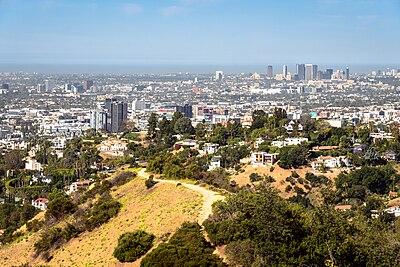 City guide · 8 minLos AngelesThe entertainment capital of the world, Los Angeles is a sprawling metropolis of 3.9 million residents and a metro area of nearly 13 million. Its real estate market is defined by extreme neighborhood diversity — from ultra-luxury Beverly Hills estates to bohemian Venice Beach bungalows. LA attracts strong international buyer interest from Asia, the Middle East, and Europe, drawn by its global brand recognition, world-class entertainment industry, and year-round Mediterranean climate. The city's tech sector — dubbed 'Silicon Beach' — continues to grow, while massive 2028 Olympics infrastructure spending is reshaping transportation and public spaces across the region.
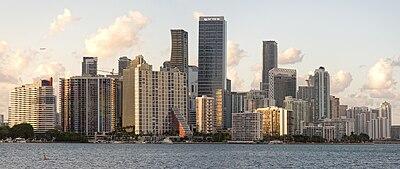 City guide · 8 minMiamiMiami is the undisputed gateway between the United States and Latin America, channeling billions in cross-border capital into one of the world's most dynamic luxury real estate markets. From the glittering condo towers of Brickell to the art-fueled streets of Wynwood, Miami offers investors a rare combination of no state income tax, year-round tropical climate, and a diversified economy spanning finance, tech, healthcare, and international trade. The city's transformation from a vacation destination into a global business hub has accelerated since 2020, with major firms including Citadel, Blackstone, and Microsoft establishing or expanding operations here.
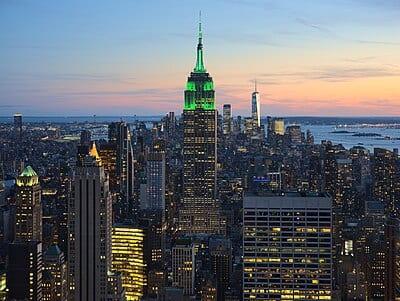 City guide · 8 minNew YorkNew York City is the world's premier property market, anchoring global finance, media, tech, and culture across five distinct boroughs. From ultra-luxury Manhattan condos to rapidly appreciating Brooklyn brownstones and Queens waterfront towers, NYC offers unmatched depth and diversity for real estate investors. With a population of 8.3 million, sub-2% rental vacancy, and over 65 million tourists annually, the city generates relentless demand for both residential and short-term rental properties. No state matches New York's combination of global capital flows, institutional-grade assets, and neighborhood-level upside.
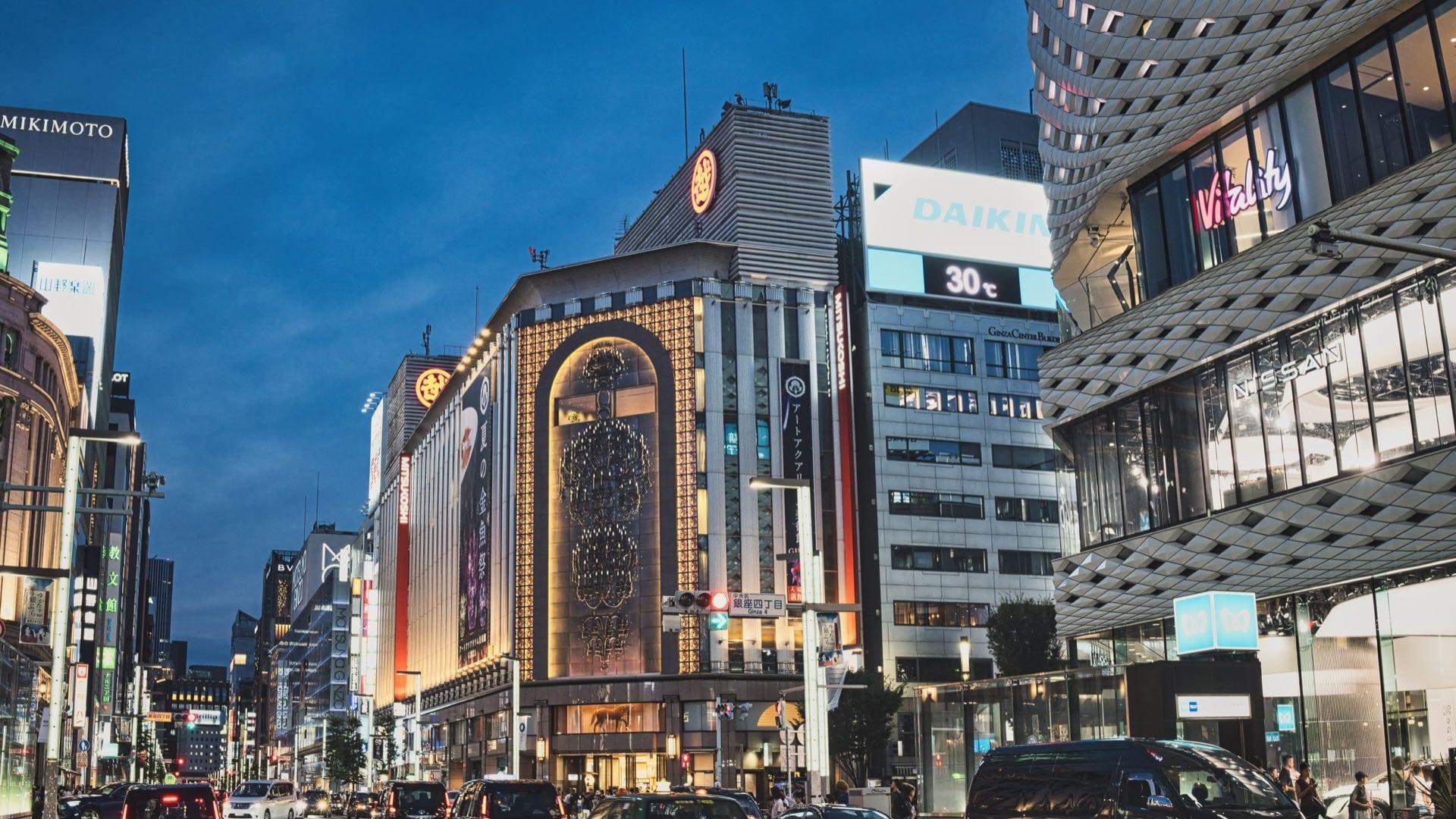 Market insight · 8 minProperty Diversification in 2026Tokyo +58.5%, London -7.0%: the 2026 prime spread in one index year. Why currency, regime and intent are the axes to spread. Capital at risk.
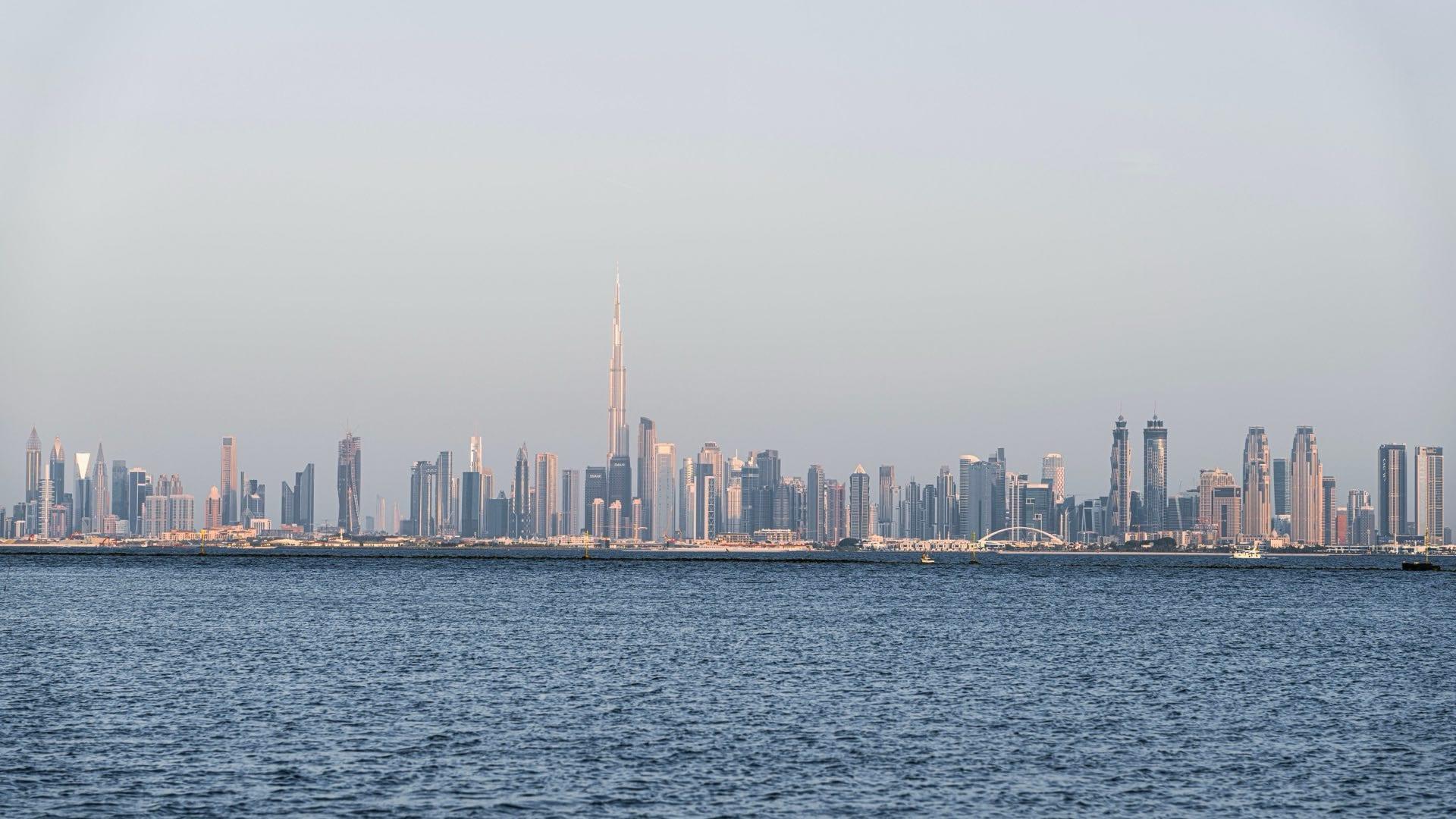 Market insight · 8 minFinancing Cross-Border Property in 2026What non-residents can borrow in 2026: Dubai 50-65% LTV, UK around 75%, the currency-match rule, and when cash wins. Capital at risk.
 Market insight · 8 minEase of Doing Business in 2026Doing Business is gone and B-READY replaced it. Who leads in 2026, and where the company, residence and home align. Capital at risk.
 Market insight · 3 minThe race of the twenty-first century will not only be for technology. It will be for the materials that make it possible.Every day we read news about artificial intelligence, data centers, batteries, electric cars, renewable energies or advanced computing. We talk about the technological race between the United States, China and Europe as…