Photo 1 of 10
Properties for Sale in Thailand



Weekly alert
New properties for sale in Thailand straight to your inbox
Set your budget once and we'll send you the week's best new houses for sale in Bangkok, Pattaya, Phuket, and beyond, hand-picked to match. Short, selective, and only when there's something worth seeing.
Properties for sale in Thailand, reserved for the most discerning investors
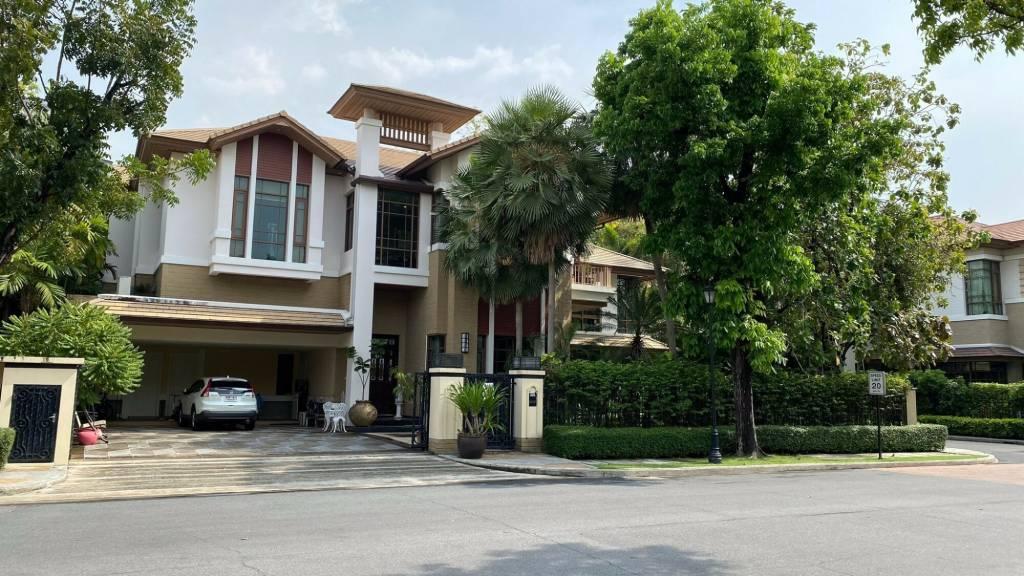
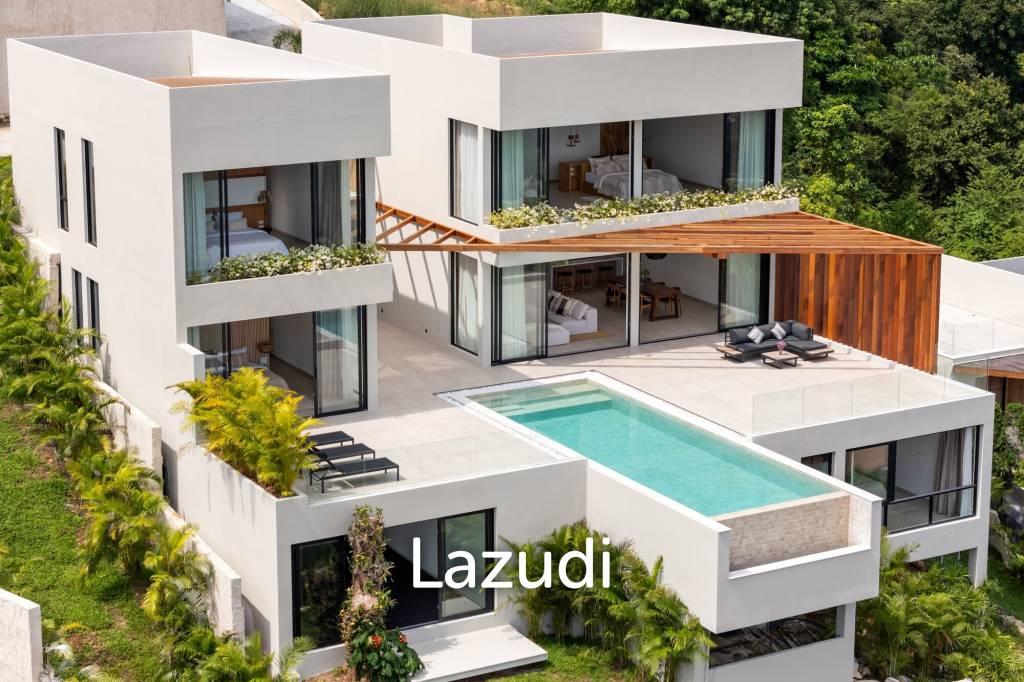
Thailand gives investors the opportunity to pair a high-end lifestyle with a considered property strategy. Think a private pool villa in Phuket, a branded beachfront residence in Koh Samui, or a premium condominium in Bangkok positioned for long-term tenants. Explore properties for sale in Thailand that align with your investment goals, whether you're seeking a second home, rental income, or a long-term foothold in Southeast Asia.
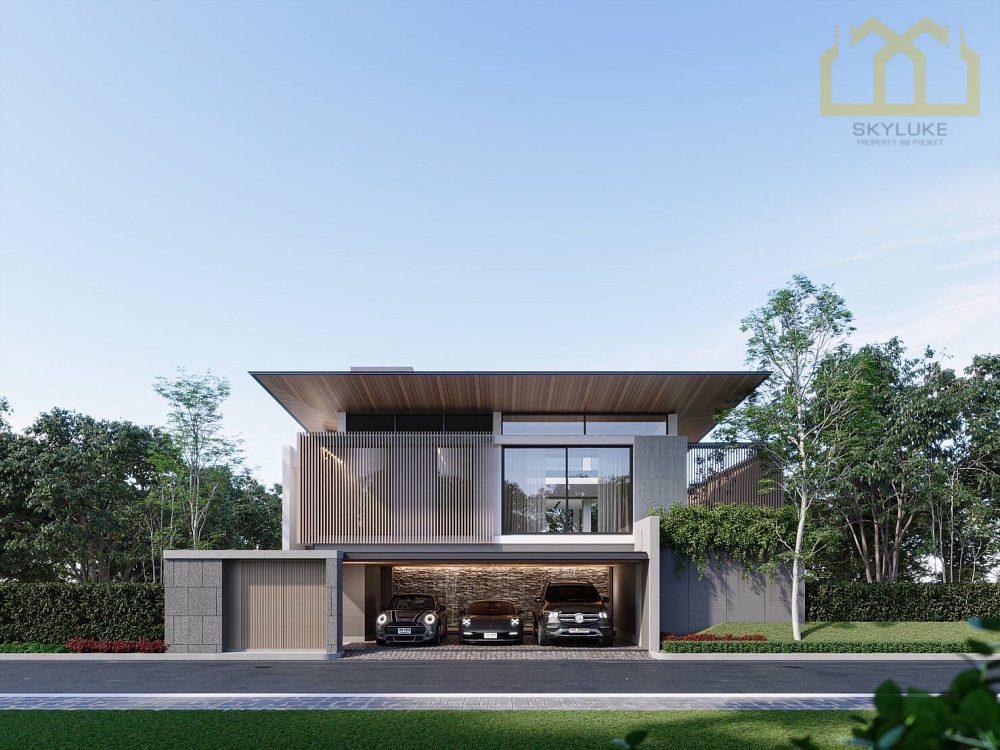
INTRIC puts you in front of the developers and licensed agents who hold the best of it, MQDC, Richmont's, SkyLuke and ROOF21 among them, with the quota, the title and the price already on the table. The buyers who moved while the market was quiet are the ones who own the sea view now.
By place
By property type
- Houses for sale in Thailand
- Luxury villas for sale in Thailand
- Apartments for sale in Thailand
- Duplexes for sale in Thailand
- Condominiums for sale in Thailand
- Penthouses for sale in Thailand
- Townhouses for sale in Thailand
- Land for sale in Thailand
- Off-plan property in Thailand
- Completed Thai house for sale
- Beachfront and sea-view properties in Thailand
By goal
- Property for remote working in Thailand
- Golf property in Thailand
- Property near international schools in Thailand
- High rental yield property in Thailand
- Property near the beach in Thailand
- Family-friendly property in Thailand
- Property under USD 250,000 in Thailand
- Property with a private pool in Thailand
Also in the region: Property for sale in Japan, Property for sale in Vietnam, Property for sale in the Philippines, Property for sale in Malaysia, Property for sale in Indonesia, Property for sale in Cambodia, Property for sale in Sri Lanka, Property for sale in the Maldives
Why invest in Thailand
Why this is a buyer's moment in Thailand
Here's the thing about Thailand right now: nobody is queuing. Prices have sat still for a couple of years, fewer homes changed hands in 2025, and if you ask a developer about terms you'll find they're more open to a conversation than they were. That's not a reason to wait, it's the reason the buyer who walks in today gets the corner unit on the high floor instead of whatever's left. Meanwhile the rents are as good as ever, the tourists haven't stopped coming, and the rules on what you can own as a foreigner are clearer than they've ever been. Have a look at the four numbers on the right and judge for yourself.
- 6.5%Rental yields most of Europe can only envyGross rental yields in Thailand average about 6.5%, with Bangkok at 6.2%, Chonburi (Pattaya) at 5.5% and Phuket at 5.1%. That is roughly double what a comparable flat earns in Lisbon or Athens, and it comes with an entry price that is a fraction of either.
- 33MVisitors who fill the holiday letsNearly 33 million foreign visitors came to Thailand in 2025 and spent around THB 1.5 trillion. The year was softer than 2024, but the mix is shifting toward longer-staying, higher-spending guests from India, Russia and Europe, which is better news for an owner letting a villa than a record headcount would be.
- 14,899Foreign buyers kept buying while locals pausedForeigners bought 14,899 condominiums in Thailand in 2025, up 2.2% in a year when overall transfers fell 9%. They now account for one in four baht spent on condos nationwide. Bangkok took 7,029 of those units, Chonburi 4,164 and Phuket 1,190, with Chinese, Myanmar and Russian buyers leading.
- 10 yearsA decade of residency, and your foreign income untaxedThe Long-Term Resident visa gives ten years of residency to anyone with USD 80,000 a year in passive income, or USD 40,000 plus a USD 250,000 investment that can be Thai property. Income earned outside Thailand is exempt from Thai tax, and your spouse and children are included.
Frequently asked questions
Properties for sale in Thailand: FAQs
Straight answers to the questions overseas buyers ask us most. Still unsure? Ask an INTRIC concierge, free.
How much does an average house cost in Thailand?
The price of a house in Thailand varies significantly by location, land size, construction, amenities, and whether the property is in a city, a resort area, or a rural setting.
On INTRIC, listings range from more accessible homes and condominiums to luxury residences priced in the millions of US dollars. For example, a house for sale in Bangkok will serve a different market from a private villa in Phuket or Koh Samui. Compare current listings by location and budget, and consider taxes, transfer costs, maintenance, and management expenses alongside the asking price.
Can a foreigner buy property in Thailand?
Yes, with one clear rule. Under the Condominium Act a foreigner can own a condominium unit outright, in their own name, as long as foreign owners hold no more than 49% of the building's total floor area. That is true freehold, registered at the Land Office, inheritable and resaleable. Land is different: the Land Code does not allow foreign nationals to own it, so a villa or house comes with a registered lease on the land of up to 30 years, or sits inside a condominium-titled villa scheme. The money must arrive from abroad in foreign currency, documented on a Foreign Exchange Transaction form, which is what lets the Land Office register the unit to you. Avoid any structure that puts land in a Thai company with nominee shareholders; it is unlawful and the authorities have been unwinding them. Consult an independent Thai property lawyer before committing to a purchase.
Is it easy to buy property in Thailand?
For a condominium, yes, and faster than most of Europe. You reserve, sign a sale agreement, transfer the funds from overseas, and the developer or seller meets you at the Land Office to register the title; a completed resale can close in a few weeks, and there is no permit, residency test or minimum spend. The checks that matter are the building's remaining foreign quota, the developer's track record and, for a resale, that the seller has a clean title deed (chanote). A villa on leased land takes more care: the lease must be registered at the Land Office to be enforceable, and any promise of renewal beyond 30 years is a contractual promise, not a right. Use an independent Thai lawyer, not the developer's, and the process is straightforward.
How long can you stay in Thailand if you own property?
Owning a property in Thailand does not automatically grant a visa, permanent residency, or the right to stay indefinitely. However, Thailand offers several long-term visa programs ideal for real estate investors and expatriates, including the Long-Term Resident (LTR) visa and the Thailand Elite visa. The length of your stay depends on the immigration permission or visa you qualify for and its applicable conditions.
If you intend to spend extended periods in Thailand, review the available visa options with the Thai authorities or a qualified immigration adviser. Choose a property based on your intended use, but treat immigration eligibility as a separate consideration.
Can foreigners buy freehold property for sale in Thailand?
Yes. Qualifying condominium units for sale in Thailand can be purchased as freehold property by foreign buyers, subject to the applicable legal requirements and the building's foreign ownership quota. Freehold ownership of a condominium unit does not mean the buyer owns the land beneath the building.
For houses and villas, the ownership of the building and the rights over the underlying land must be examined separately. A property advertised as freehold should be checked against its title and the exact rights being transferred.
Freehold condo or leasehold villa: which should a foreigner choose?
If you want the simplest, most liquid asset, a condominium inside the 49% foreign quota is the only form of freehold property for sale in Thailand open to a foreigner, and it is what most overseas buyers hold. If you want a garden, a pool and privacy, a villa is a 30-year registered lease on the land, often with the house itself owned outright, or a unit in a condominium-titled villa project that gives you freehold. The lease is a perfectly good way to hold a home you will live in for decades; it is a weaker way to hold an asset you plan to sell in year 25. Price the difference accordingly, and have a lawyer confirm the lease is registered on the title deed, not just signed.
Where are the best places to buy property in Thailand?
If you want to enter the Thailand real estate market, it's crucial to identify which location suits your investment goals. The best location depends on your lifestyle, budget, and investment objectives.
- Bangkok: Consider city condominiums, penthouses, and houses if you value business access, transport links, dining, and urban amenities.
- Phuket: Explore villas and houses if you are drawn to coastal living, resort communities, and a wide range of island lifestyles.
- Koh Samui: Consider private villas and island residences for a more secluded setting.
- Pattaya: Explore apartments, condominiums, and houses close to coastal amenities and established urban services.
- Hua Hin: Look at villas, houses, and apartments if you prefer a more relaxed coastal base.
- Chiang Mai: Consider houses and villas if you value northern Thailand's cultural character and access to the surrounding countryside.
- Krabi: Explore the area if coastal scenery and access to nature are high on your list.
Is buying property in Thailand a good investment?
For income and lifestyle, yes; for fast capital growth, be patient. The Bank of Thailand's price index rose only about 1.3% year on year in early 2026 and nationwide transfers fell 9% in 2025, so this is a buyer's market with motivated developers, not a boom. What has held up is the yield: 6.5% gross nationally, 6.2% in Bangkok, 5.5% in Pattaya, 5.1% in Phuket, among the highest in Asia. Foreign buyers kept buying through the slowdown, 14,899 condos in 2025, up 2.2%. The risks are oversupply in some Bangkok and Pattaya sub-markets, slow resale when a building's foreign quota is full, and the baht. Buy in a building with quota headroom, a strong developer and a transit or beach location, and the numbers work. Capital at risk.
Can foreigners buy beachfront property in Thailand?
Foreign buyers can explore beachfront and coastal properties, but the ownership structure is crucial. A condominium may qualify for foreign freehold ownership if the applicable conditions are met. A beachfront villa or house involving land generally requires a different legal assessment because foreigners ordinarily cannot directly own land.
Before purchasing a beachfront property for sale in Thailand, verify the title, access rights, boundaries, applicable planning and building requirements, and any restrictions that may affect your intended use.
What types of property can foreigners buy in Thailand?
Depending on the legal structure and property, foreign buyers may consider:
- Qualifying freehold condominium units
- Leasehold villas and houses, where the lease and building ownership arrangements are lawful
- Buildings on leased land, where the relevant rights are properly established
- Other property interests after obtaining specialist legal advice on the proposed arrangement
The key is to distinguish between a property's physical features and the legal rights a buyer will actually receive.
Are there houses for sale in Thailand for expats?
Yes. Expats can explore houses, villas, townhouses, and condominiums in locations such as Bangkok, Phuket, Pattaya, Hua Hin, and Chiang Mai. However, the ability to purchase a particular property depends on the buyer's circumstances and the ownership structure.
For foreign buyers, a condominium may offer a more direct path to freehold ownership than a house with land. If you are considering a house or villa, obtain independent advice on the land rights, lease terms, title, and any restrictions before signing. You can explore various homes for sale in Thailand on INTRIC where every property is listed directly by the developer and agents.
Are there mountain homes for sale in Chiang Mai, Thailand?
Chiang Mai and its surrounding areas offer houses and villas in urban neighbourhoods and greener, more rural settings. Buyers seeking mountain views or a quieter environment should compare the exact location, road access, utilities, title documents, and distance from healthcare and other essential services.
Listings described as mountain homes for sale in Chiang Mai, Thailand, can differ considerably in their setting and legal structure, so review each property individually.
Before you buy
Know the market before you commit
The best Thailand real estate deals go to buyers who understand the 49% quota, the difference between a lease and a title, the Foreign Exchange Transaction form and the LTR arithmetic before the agent brings them up. These guides give you that edge, caveats included, so the only surprises are good ones.
 Country guide · 22 minComplete Investor Guide to Thai PropertyNavigate Thailand's foreign ownership restrictions and capitalize on Asia's premier tourism and lifestyle market
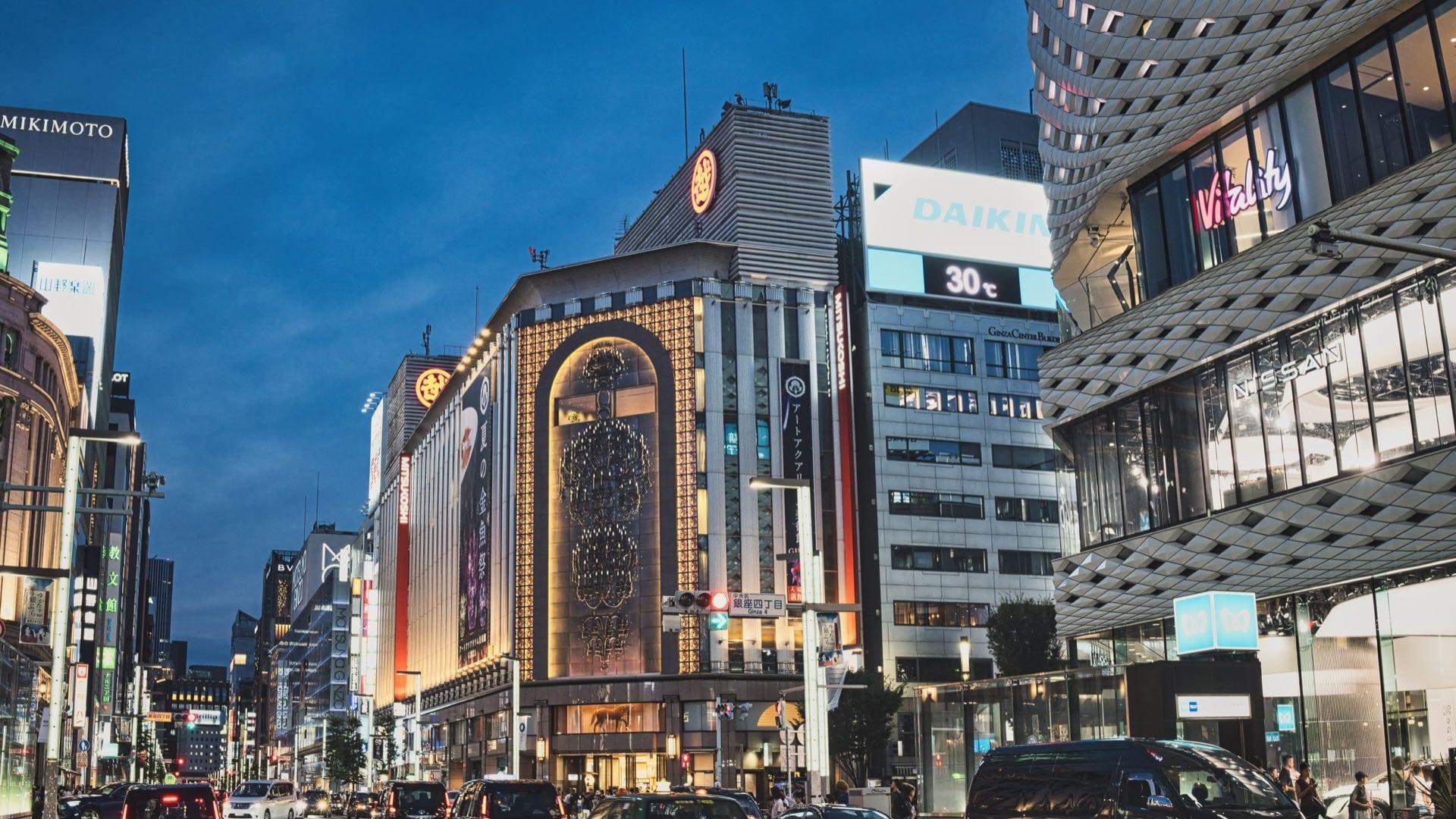 Market insight · 8 minProperty Diversification in 2026Tokyo +58.5%, London -7.0%: the 2026 prime spread in one index year. Why currency, regime and intent are the axes to spread. Capital at risk.
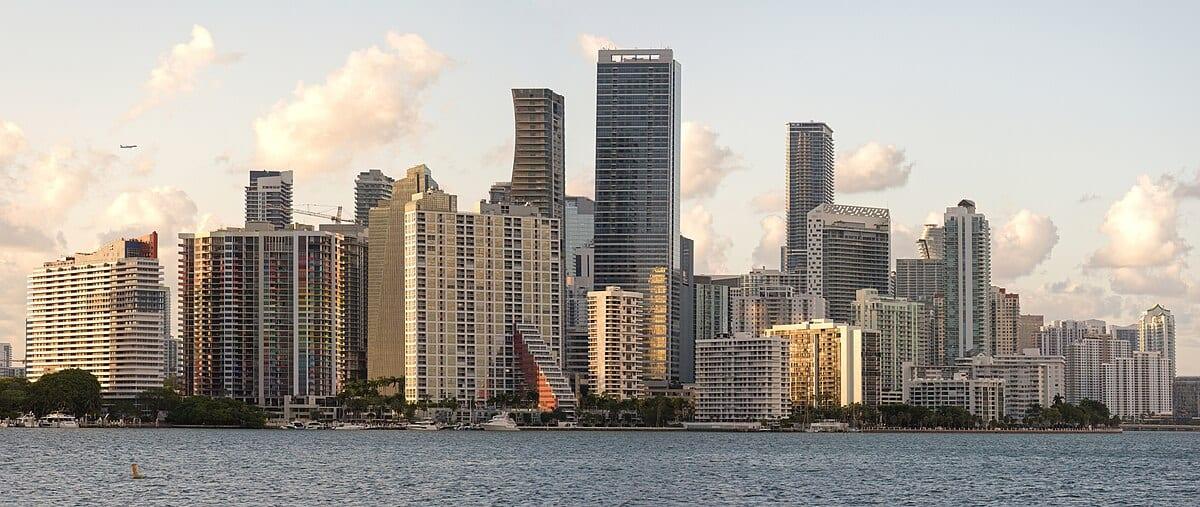 Market insight · 9 minBranded Residences in 2026Branded residences reached 910 schemes in 2025 at a 33% average premium. Where the premium holds, where it erodes, and what to check. Capital at risk.
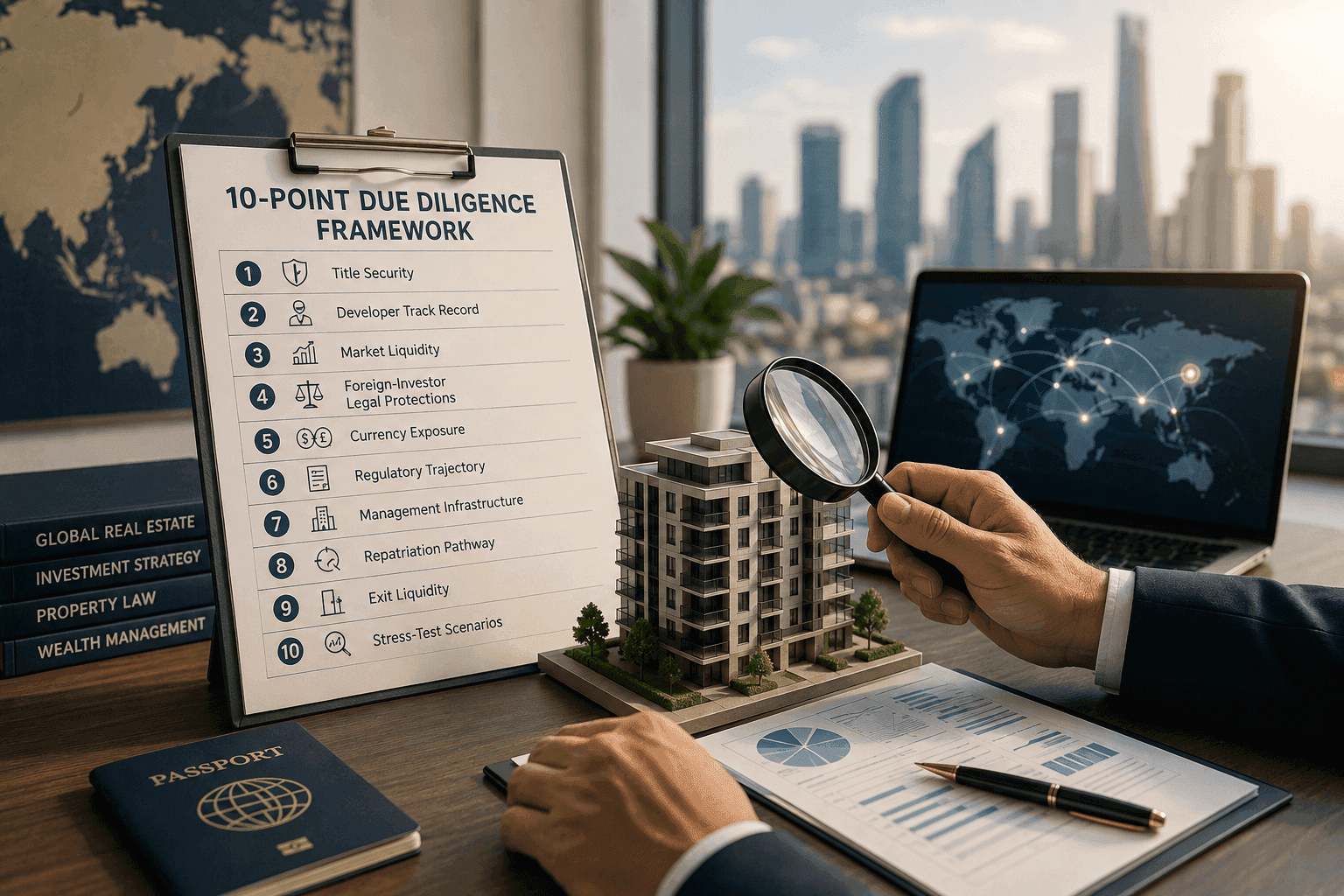 Market insight · 5 minThe Cross-Border Property Due Diligence Framework: A 10-Point Standard for HNW InvestorsLearn the 10-point cross-border property due diligence framework for HNW investors. Evaluate title security, developers, legal risks, market liquidity, and global investment opportunities.