Is Portugal a good place to buy property?⌄
Yes, and the case is stronger now than during the Golden Visa years. House prices rose 17.6% in 2025 and were still growing 16.5% year on year in mid-2026, the fastest in the EU, on record sales of nearly 170,000 homes. The market is carried by residents rather than speculators, tourism is at a record and spread across the year, and residency is available on passive income without any purchase minimum. Gross yields are modest at 3.8% in Lisbon and about 4.5% in the Algarve, Braga and Setúbal, so Portugal is a capital-growth and lifestyle market more than an income one. Weigh that against affordability limits after a decade of growth and tightening short-let rules in the big cities. Capital at risk.
Can a foreigner buy a home in Portugal?⌄
Yes, anyone can. Portugal places no restriction on foreign buyers: no nationality rule, no residency requirement, no permit and no minimum spend, whether you are from the EU, the UK, the US, the Gulf or Asia. The one thing you need before you sign anything is a Portuguese tax number (NIF), which a lawyer or fiscal representative can obtain for you in a day, and a Portuguese bank account to pay through. Title passes by public deed before a notary and is registered at the Land Registry in your own name, and the whole process can be done from abroad under power of attorney.
How long can you stay in Portugal if you own a property?⌄
Owning a real estate property in Portugal does not change your right to stay. As a non-EU citizen you can spend 90 days in any 180 in the Schengen area, property or not; EU citizens can stay indefinitely. To live in Portugal, you need a residence visa, and for property owners that is usually the D7. You show passive income of about €920 a month, which can come from a pension, investments or rent, including rent from the home you have bought in Portugal, and you receive a renewable two-year permit. That leads to permanent residency after five years and citizenship after ten (seven for EU and CPLP citizens). The Golden Visa no longer accepts property, so the D7 is the route most overseas buyers take.
How much money do you need in a bank to get residency in Portugal?⌄
For the D7 visa, the 2026 benchmark is savings of about €11,040 for the main applicant, which is 12 months of the Portuguese minimum wage of €920, plus 50% more for a spouse and 30% for each child, so a couple would show roughly €16,560. On top of the savings you need to show the passive income itself: at least €920 a month for the main applicant, from pensions, dividends, rent or similar. There is no requirement to buy property, though owning your home in Portugal satisfies the accommodation condition. The Golden Visa, by contrast, now needs a €500,000 investment in a qualifying fund.
What are property prices in Portugal right now?⌄
Rising faster than anywhere else in the EU. The INE median transaction price reached about €2,200 per square metre nationally at the end of 2025, with Lisbon asking prices around €6,100 per square metre and Porto around €4,100. On INTRIC the Portugal listings run from EUR 170K for a Matosinhos apartment to EUR 7.4M for an Estoril penthouse, with the Algarve houses mostly between €600K and €1.5M and Braga quintas from €650K. Prices are the sellers' own, in euros, with a live USD equivalent on every listing.
What taxes does an overseas buyer pay in Portugal?⌄
On purchase: property transfer tax (IMT) and 0.8% stamp duty. Non-residents pay a flat 7.5% IMT on a home, but you can claim back the difference to the resident scale of 0% to 8% if you become a tax resident within two years or let the property long-term at a moderate rent. Rustic land pays a flat 5%. Each year: IMI of about 0.3% to 0.45% of the rateable value, which is usually well below market value. On rent: 25% flat for non-residents. On sale: since 2023 non-residents are taxed as residents are, on half the gain at progressive rates. There is no inheritance tax between spouses and direct descendants, only 10% stamp duty for others.
Does buying property still give you a Golden Visa in Portugal?⌄
No. The real-estate route closed on 7 October 2023 under Law 56/2023, and no property purchase anywhere in Portugal qualifies now. The Golden Visa continues through investment funds from €500,000, scientific research or cultural donations, and job creation, with a stay requirement of just seven days in the first year. For most property buyers the D7 passive-income visa is the practical route to residency, and a home you own in Portugal supports that application.
Where is the best place to live in Portugal?⌄
The best place to live in Portugal depends on what you want from the move, so here is the honest shortlist.
- Lisbon: for city life, culture and the widest choice of work, schools and flights. Highest prices on the mainland.
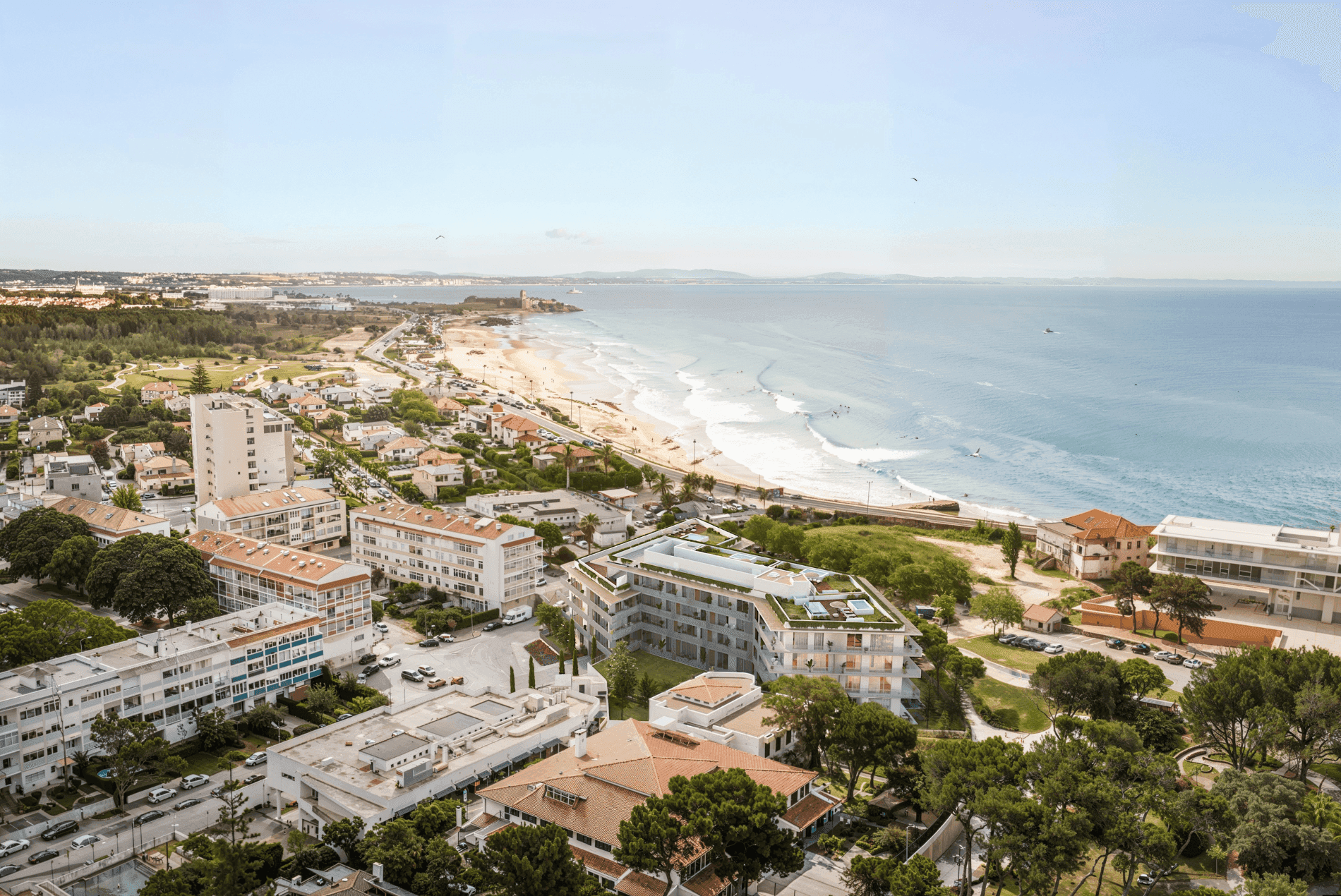
- Cascais and Estoril: for families who want the sea, international schools and a 30-minute train to the capital.
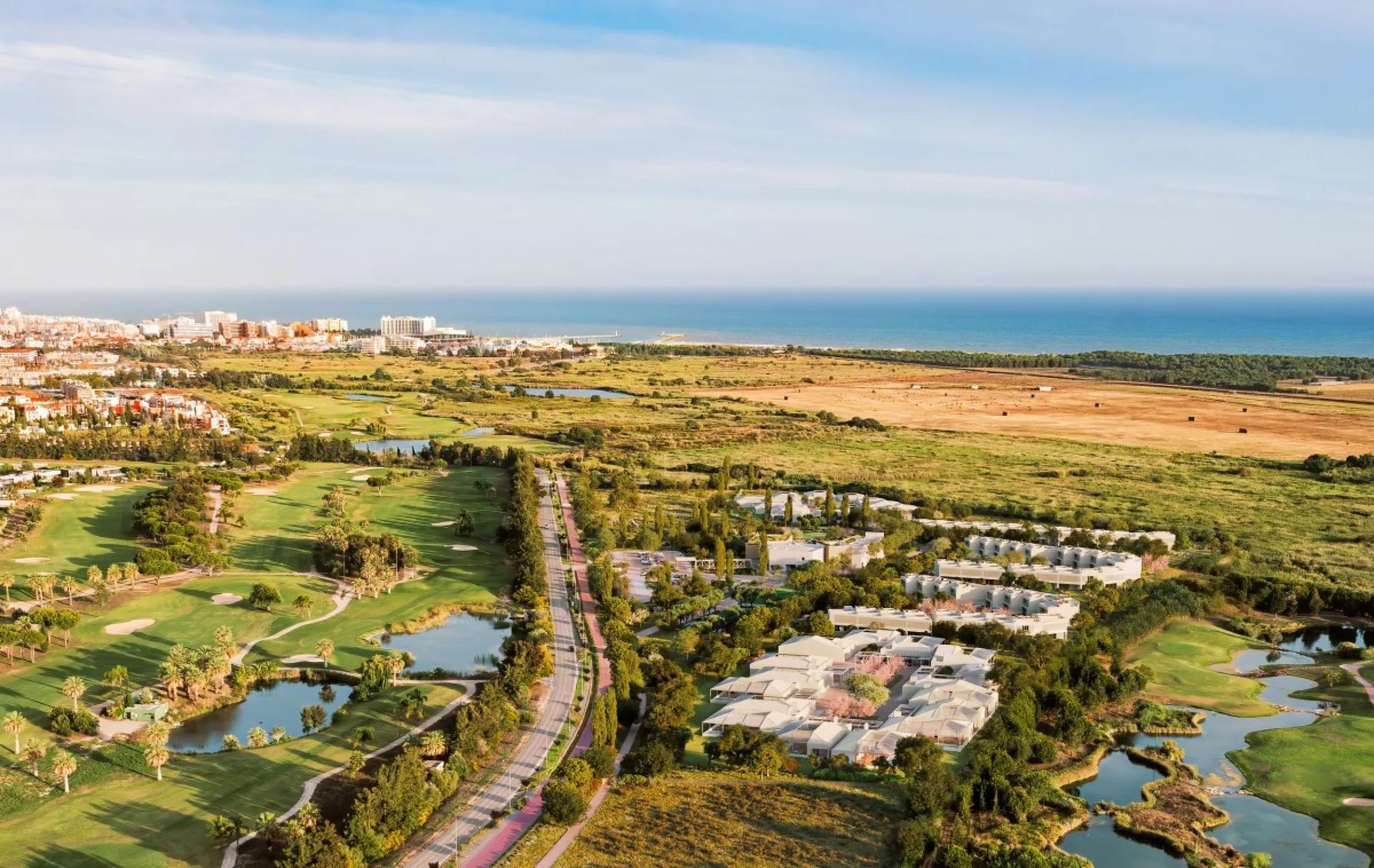
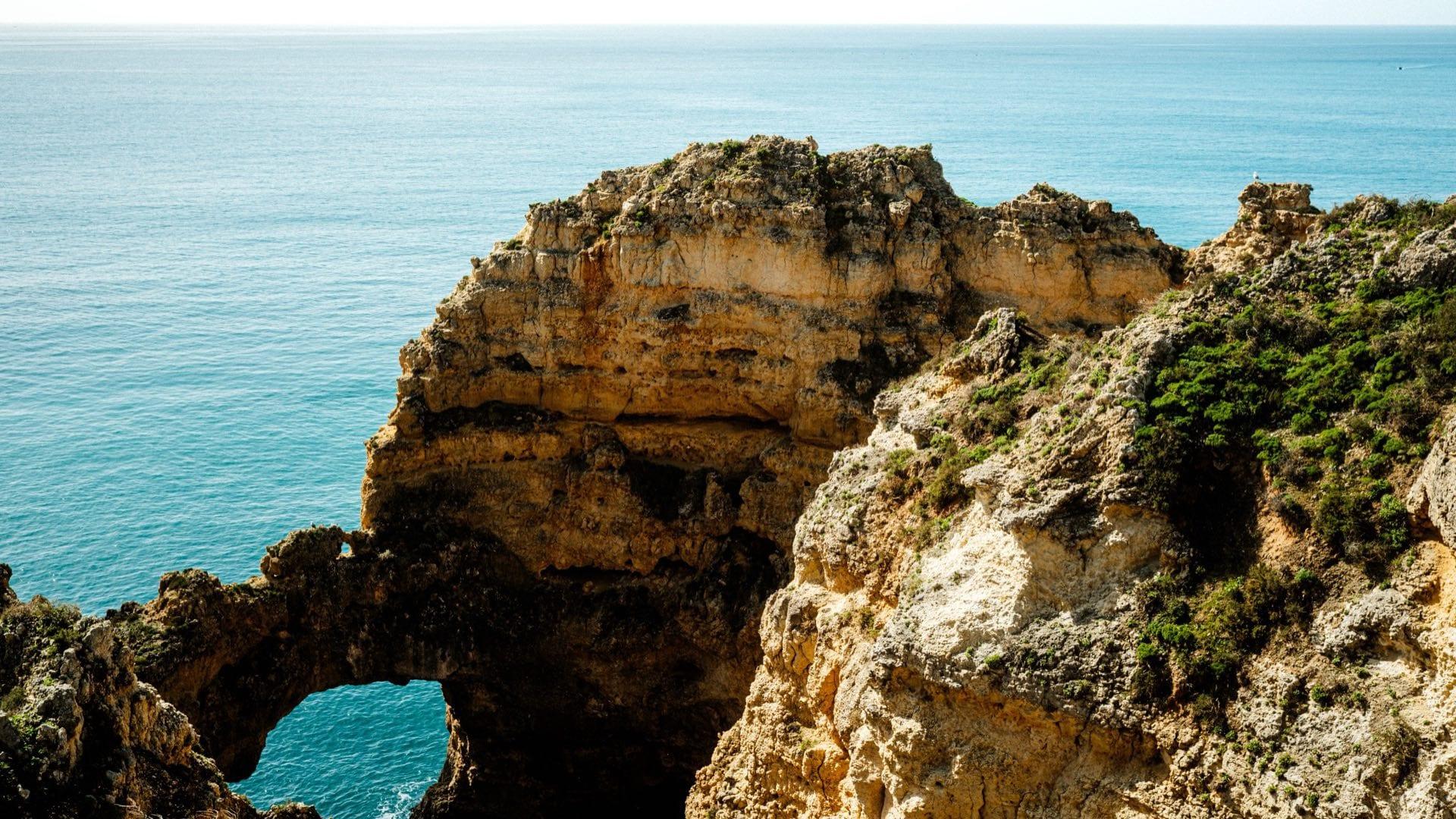
- Algarve (Lagos, Vilamoura, Tavira): for those who love the beach and golf, with the largest English-speaking community and an airport under an hour away.
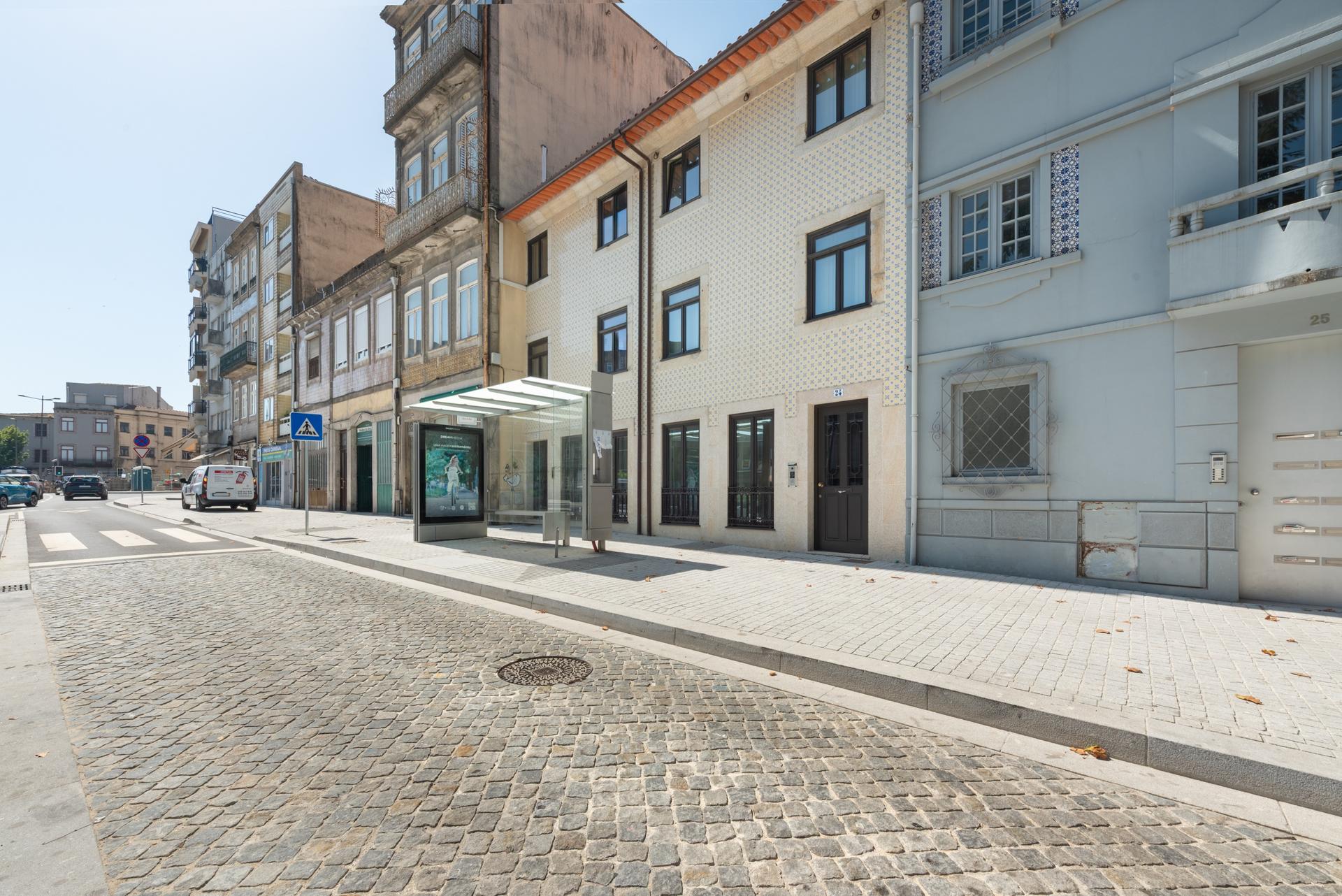
- Porto: for buyers who want a walkable historic city at roughly two-thirds of Lisbon prices.
- Braga and the Minho: for value, green countryside and a quieter pace, with a university city and the coast within half an hour.
- Comporta and the Alentejo coast: for privacy and space, an hour south of Lisbon.
- Madeira: perfect for retirees who want spring weather all year and a small-island rhythm.
- Azores: for nature, the Atlantic and the lowest prices in the country for a sea view.