Photo 1 of 29
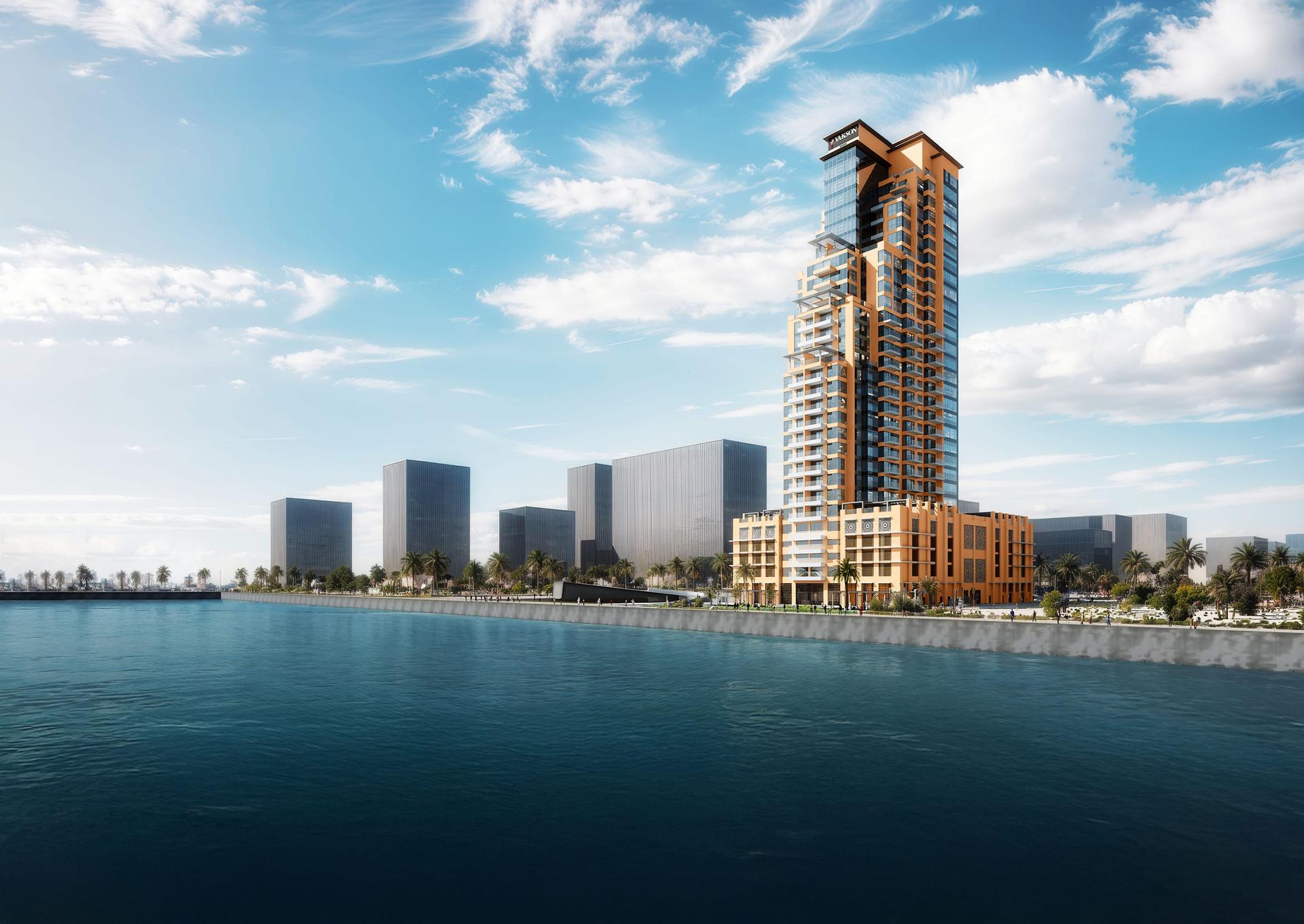
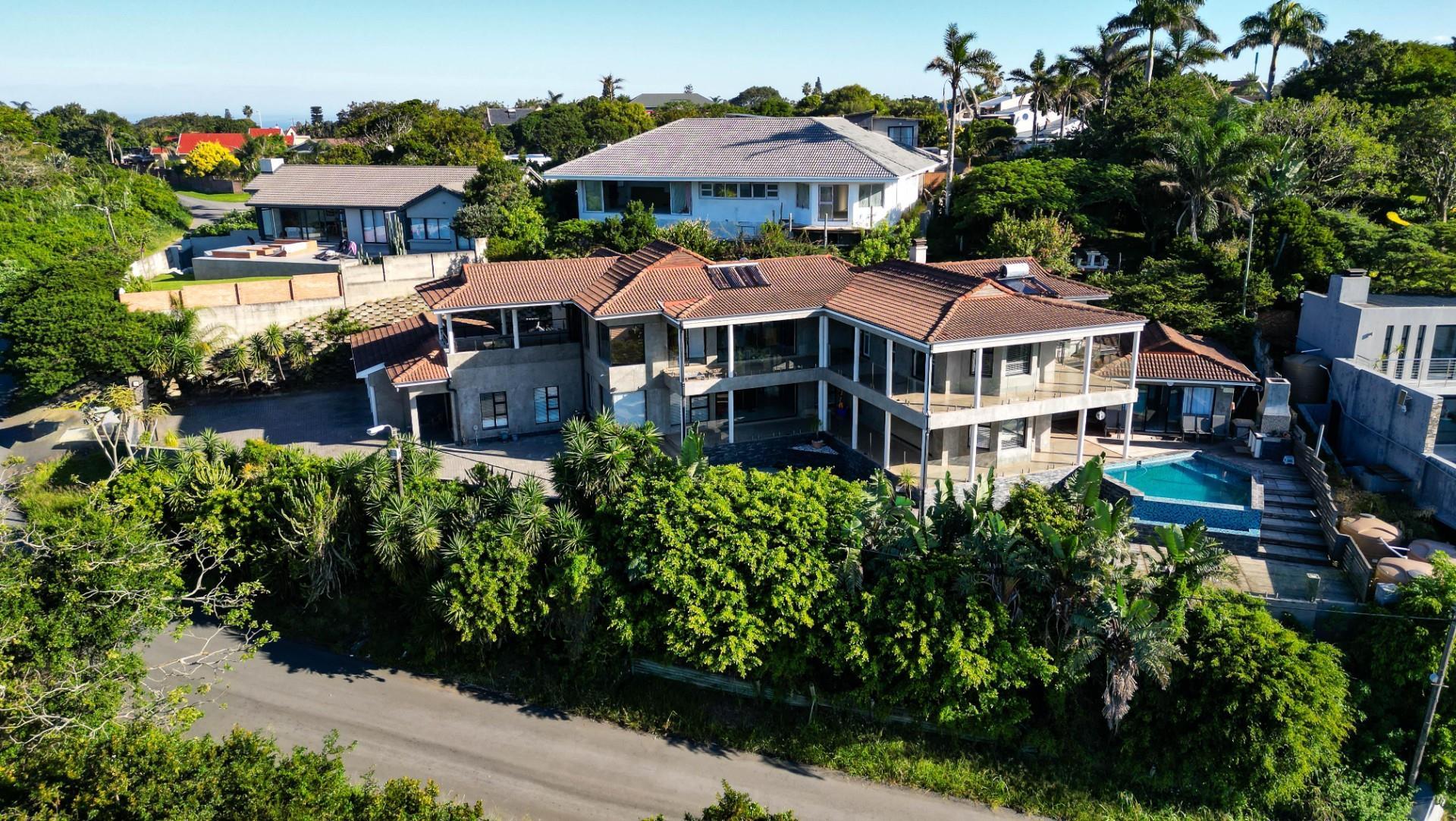
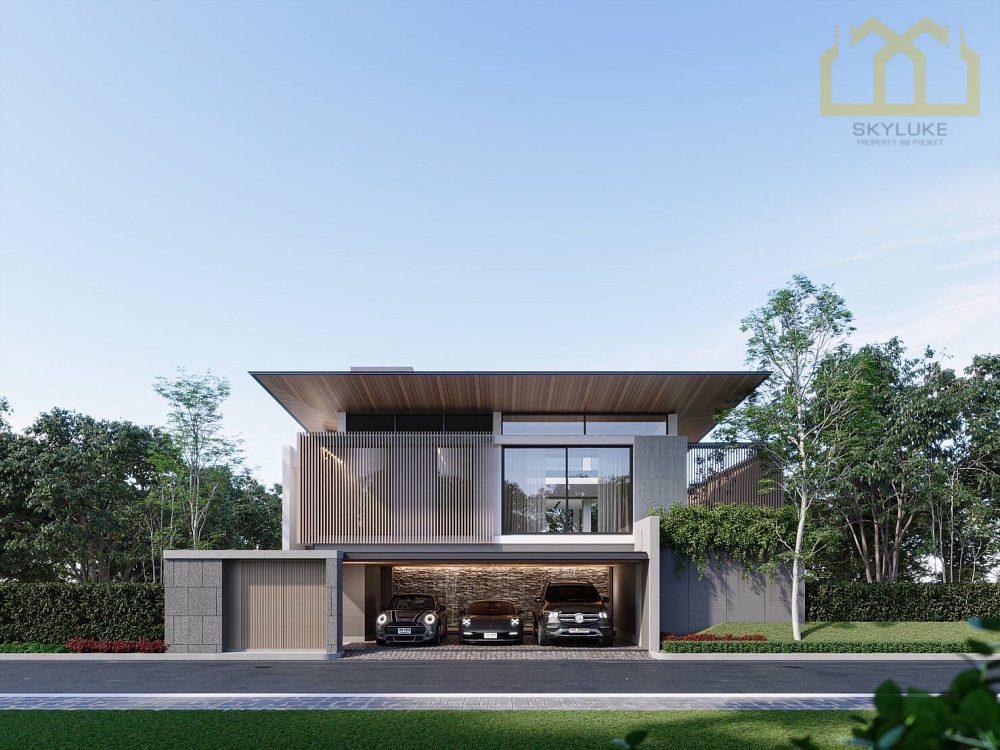
Property for Sale in Montenegro


Weekly alert
Be the first when Montenegro listings go live
Pick a budget and we email you the week a new listing in Montenegro is published. One email, six at most, nothing until then.
Also in Europe
Where buyers are looking now
All listings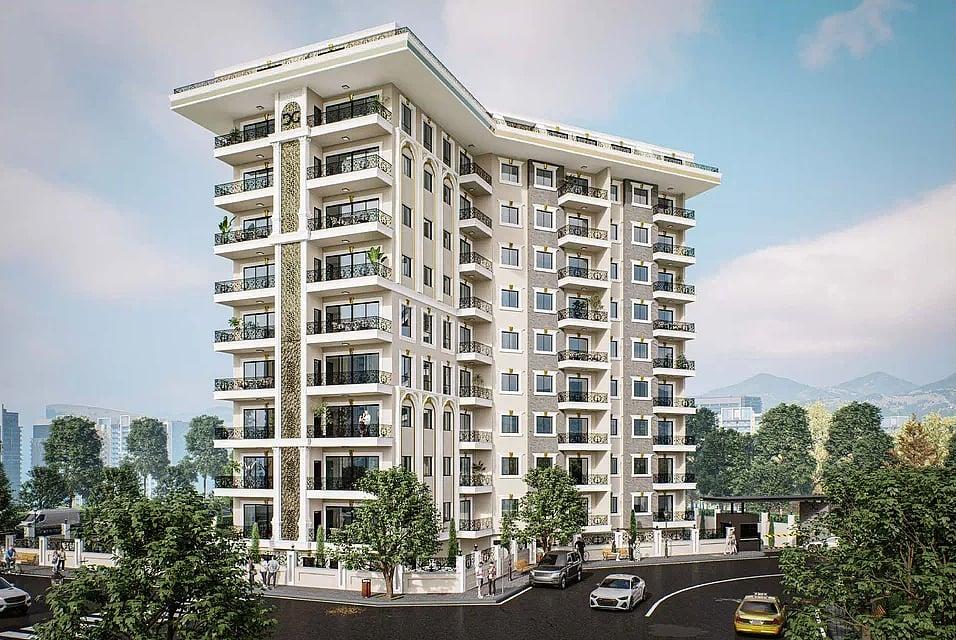
Montenegro
Property for sale in Montenegro: new developments and resale homes, listed by the developers and agents selling them, with prices and a buying guide.
Also in the region: Property for sale in Portugal, Property for sale in Spain, Property for sale in France, Property for sale in Italy, Property for sale in Germany, Property for sale in the UK, Property for sale in Greece, Property for sale in Cyprus, Property for sale in Croatia, Property for sale in Albania, Property for sale in Switzerland, Property for sale in Poland, Property for sale in Czechia, Property for sale in Romania, Property for sale in Bulgaria
Property for sale in Montenegro: questions buyers ask
How much does property in Montenegro cost?from today's listings
Property in Montenegro on INTRIC runs from EUR 335K to EUR 3.35M, in Tivat. Prices are the sellers' own, in the listing's currency, and change as listings are added.
Can foreigners buy property in Montenegro?
Yes. Foreigners can buy apartments, houses and urban land on the same basis as citizens, with no permit, quota or residence needed. Agricultural and forest land, islands and land within 1 km of the border are closed to direct foreign purchase. A Montenegrin company can sometimes buy restricted land, which needs legal advice.
What tax does an overseas buyer pay in Montenegro?
On resale property the buyer pays transfer tax of 3% up to €150,000, 5% on the part up to €500,000 and 6% above that, on the tax office's valuation. New builds from a developer carry 21% VAT instead, normally included in the price. Add annual property tax of 0.1% to 1%, 15% capital gains tax on sale, and legal and notary fees of about €2,000 to €8,000.
Resale or new build in Montenegro: which should I buy?
New builds bought from a developer carry VAT rather than transfer tax, and developers usually offer staged payments, often 30% at booking and the rest over 12 to 24 months. Resale property is quicker to complete but attracts transfer tax. Check the title is clean and the building is registered in either case.
Can a non-resident get a Montenegrin mortgage?
Yes, with limits. Erste Bank, CKB and Lovcen Bank lend to foreigners, but expect 30% to 50% loan-to-value over 7 to 10 years at about 5% to 8%. You usually need a local bank account and net income of at least €1,200 to €1,500 a month. Most overseas buyers pay cash or use a developer plan.
Is Montenegrin property a good investment in 2026?
Prices rose roughly 12% to 18% between January 2025 and early 2026, helped by limited prime coastal supply and EU accession hopes. Podgorica yields about 6% to 7% gross all year, Budva about 5.4% to 6.8% and Tivat 4.4% to 4.8%, mostly from summer lets. Capital at risk.
Does buying property in Montenegro give residency?
It can. Since 17 January 2026 a property with a tax-assessed value of at least €150,000 qualifies you for a one-year renewable temporary residence permit. The test uses the tax value, not the price you paid. The permit does not allow you to work in Montenegro, and existing holders keep their old terms.
Guides and insights
Buying in Montenegro
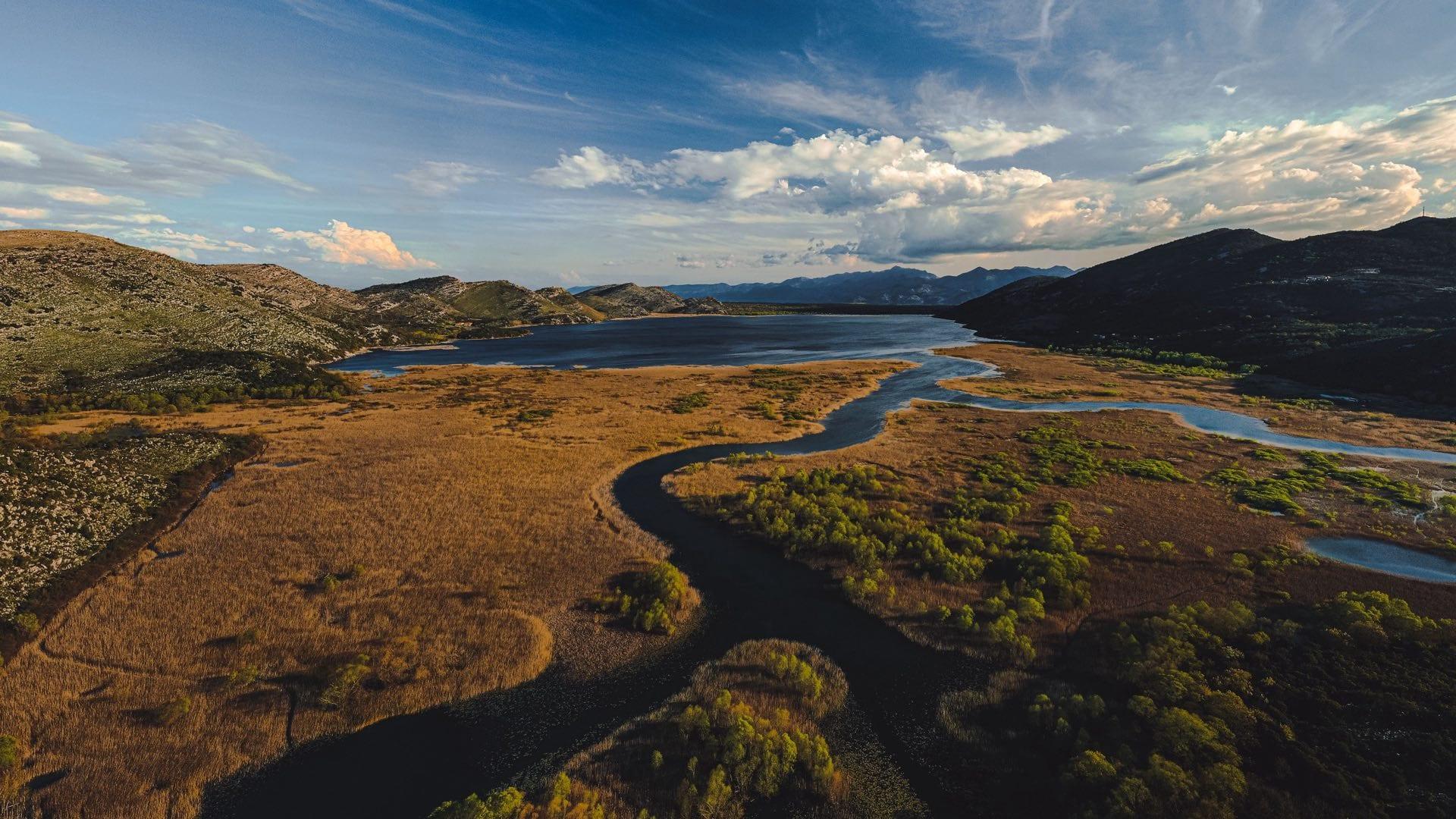 Country guide · 22 minMontenegro Investor GuideYour comprehensive guide to buying property in Montenegro — from EU accession momentum and the new €150K residency threshold to coastal yields and progressive transfer taxForeign-FriendlyResidency-by-InvestmentEmerging MarketRead the guide
Cities9 guides
All Montenegro city guides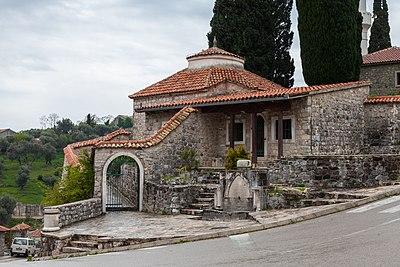 City guide · 8 minBarBar is Montenegro's principal port city and the 'Value Champion' of the Adriatic coast, offering the most balanced price-per-square-metre for property buyers in 2026. As the country's main maritime gateway with year-round ferry connections to Italy, Bar combines urban infrastructure, wide boulevards, schools, and a functional year-round economy that distinguishes it from purely seasonal tourist towns. Property prices range from EUR 1,100 to EUR 2,500 per square metre, making Bar significantly more affordable than Budva, Tivat, or Herceg Novi. The Bar-Boljare Highway has transformed the real estate landscape, making once-remote locations accessible and driving interest in buildable plots with sea views. The Dobra Voda coastal suburb offers particularly strong rental yields from a booming tourism market. Foreign investment in Montenegrin real estate reached EUR 308.86 million in the first eight months of 2025, up 8.4% year-on-year. Old Bar — the medieval ruined city perched in the hills above modern Bar — adds a unique cultural and heritage tourism dimension. The combination of working port economy, Italian ferry connectivity, the most affordable coastal property in Montenegro, and a growing digital nomad community makes Bar the preferred choice for investors seeking permanent residency or year-round rental income rather than purely seasonal returns.
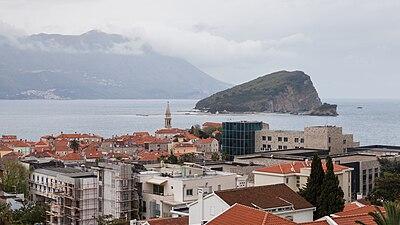 City guide · 8 minBudvaBudva is the jewel of the Montenegrin Riviera and the country's premier tourism destination, drawing over 1.2 million visitors annually to its stunning Adriatic coastline. The city blends a beautifully preserved medieval Old Town — a walled peninsula dating to the 5th century BC — with modern beach resorts, vibrant nightlife, and a booming real estate market that has earned it the nickname 'the Montenegrin Miami.' Property prices in Budva center average EUR 2,500-3,500 per square meter, with luxury developments commanding EUR 3,500-6,000 per sqm. The market has seen 5-7% annual price appreciation, driven by strong tourism demand and limited coastal supply. Short-term rental yields can reach 6-8% for well-managed properties, with occupancy frequently exceeding 220 nights annually. Budva has nearly exhausted land suitable for first- and second-line coastal construction, creating natural supply constraints that support continued price growth. Montenegro's EU accession — targeted for 2028 — is expected to catalyze further property appreciation, with historical precedents from Croatia and other accession countries showing 20-40% price increases in surrounding years. The city's combination of Mediterranean lifestyle, affordable entry points relative to Western European riviera destinations, and euro-denominated pricing makes it an increasingly attractive proposition for international investors.
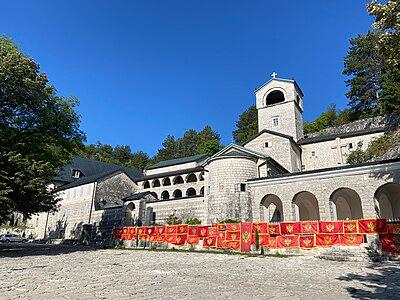 City guide · 8 minCetinjeCetinje is Montenegro's Old Royal Capital, a city of embassies, palaces, and museums nestled in a mountain valley at the foot of Lovćen National Park. Once the seat of the Montenegrin kingdom, Cetinje retains a dignified elegance with Venetian and Austro-Hungarian architectural heritage, wide boulevards, and a cultural significance that far outweighs its modest size. The property market offers Montenegro's lowest urban entry prices, with residential properties available well below coastal rates. While the rental market lacks the seasonal tourism demand of Budva or Tivat, Cetinje appeals to a different investor profile: those seeking heritage renovation projects, long-term capital appreciation as Montenegro approaches EU membership, and a base for exploring the country's dramatic inland landscape. The city's museums, Cetinje Monastery, and proximity to Lovćen's summit make it a growing cultural tourism destination. Cetinje sits just 30 minutes from the coast via the serpentine road descending to Kotor, offering a cool mountain retreat with easy Adriatic access. The combination of royal heritage, national park gateway status, and Montenegro's lowest property prices creates an intriguing opportunity for patient investors willing to bet on cultural tourism growth and EU-accession-driven appreciation in a market that most foreign buyers overlook.
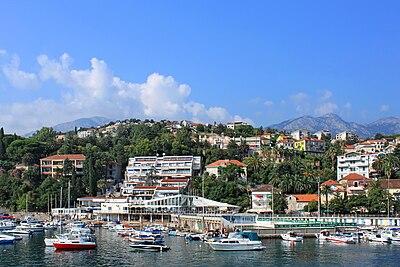 City guide · 8 minHerceg NoviHerceg Novi sits at the entrance to the spectacular Boka Bay (Bay of Kotor), a fortress town draped in Mediterranean greenery and botanical gardens that has earned the nickname 'City of the Sun.' This charming coastal settlement offers the essence of the Boka Bay lifestyle at a significant discount to neighboring Tivat and Kotor, making it one of Montenegro's most compelling value propositions for property investors. As of 2025, median apartment prices stand at approximately EUR 3,080 per square metre, while houses average around EUR 2,474 — substantially below the EUR 4,000-6,000 range in Tivat and Kotor's prime zones. Luxury developments command EUR 5,000+ per square metre, with Porto Novi, a massive mixed-use luxury project, leading the premium segment. More premium developers are entering the market, signalling that Herceg Novi's gentrification cycle is accelerating faster than other Montenegrin coastal areas. Montenegro's EU accession — targeting membership by 2028 with all negotiation chapters expected to close by end of 2026 — is the single largest macro catalyst. EU accession would unlock institutional capital flows, harmonize property regulations, and drive significant price appreciation across the coast. For investors seeking Boka Bay exposure at below-market entry prices with strong gentrification momentum, Herceg Novi offers an asymmetric opportunity.