Record $38B FDI. 90% industrial occupancy. USD-denominated yields at 7-10%. Vietnam's property market is evolving fast — here's where the institutional opportunity really sits. #Vietnam #EmergingMarkets #IndustrialRealEstate #China1 #PropTech
 ByAbhii Dabas
Industrial Parks, Logistics, and Data Centres: The Yield Story
On INTRIC now — Residences on INTRIC are open to enquiry straight from this page.
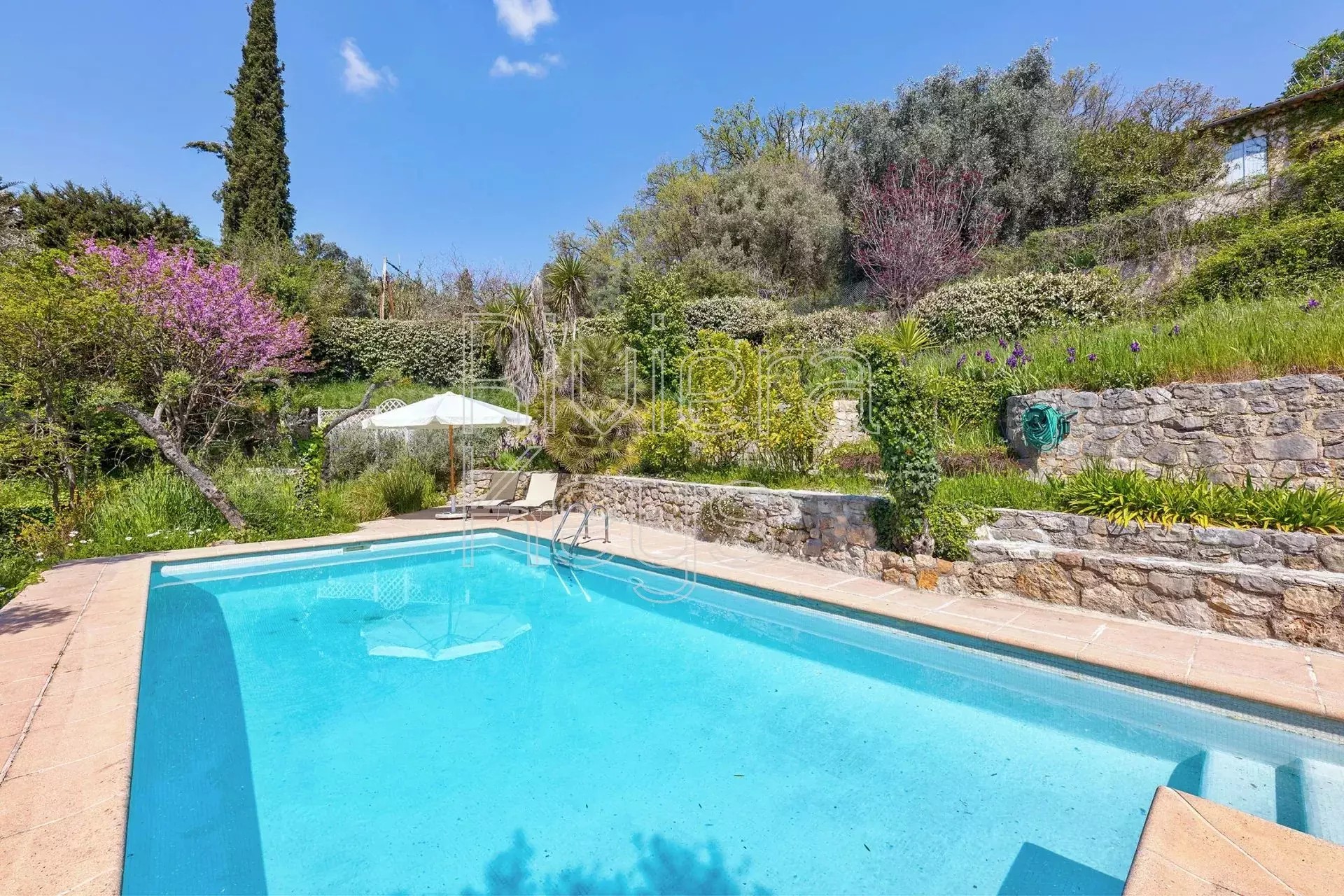
Montauroux Architect Villa
HOUSE · Montauroux, 83440, Var, Provence-Alpes-Cote d'Azur, France
EUR 950K – EUR 1.65M

Nobu Residences
APARTMENT · POA - Son Tra, Danang, Vietnam
USD 180K – USD 2.70M
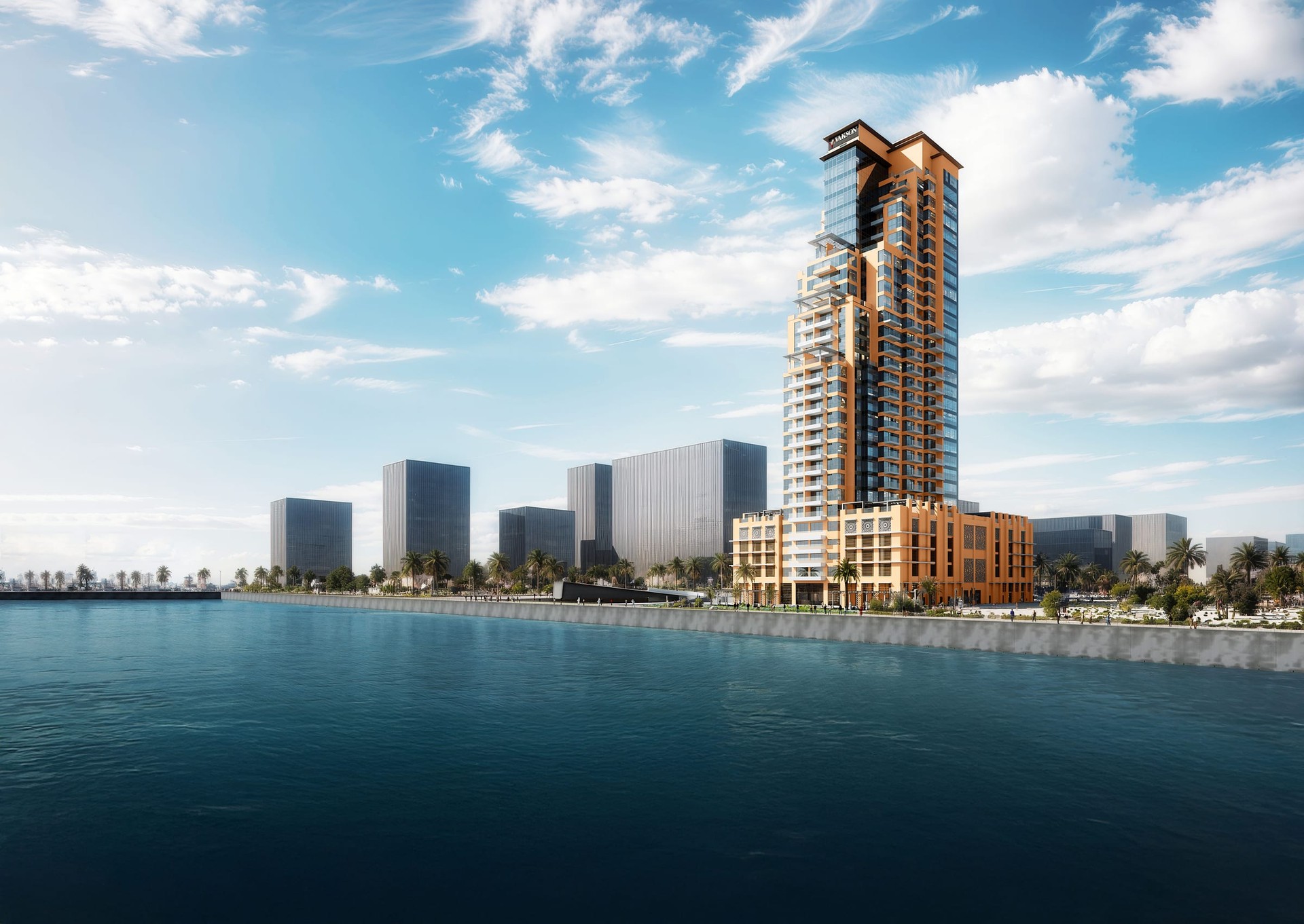
Riva Residences
APARTMENT · Dubai Maritime City, Dubai, United Arab Emirates
AED 2.53M – AED 5.80M

NEXT Address
Apartment · 11 Tbel Abuseridze Str, Batumi, 6010, Georgia
USD 50.9K – USD 191.2K
Residential Market: Urbanisation Demand vs Affordability Ceiling
On INTRIC now — Still open on INTRIC — every one of these answers enquiries directly.
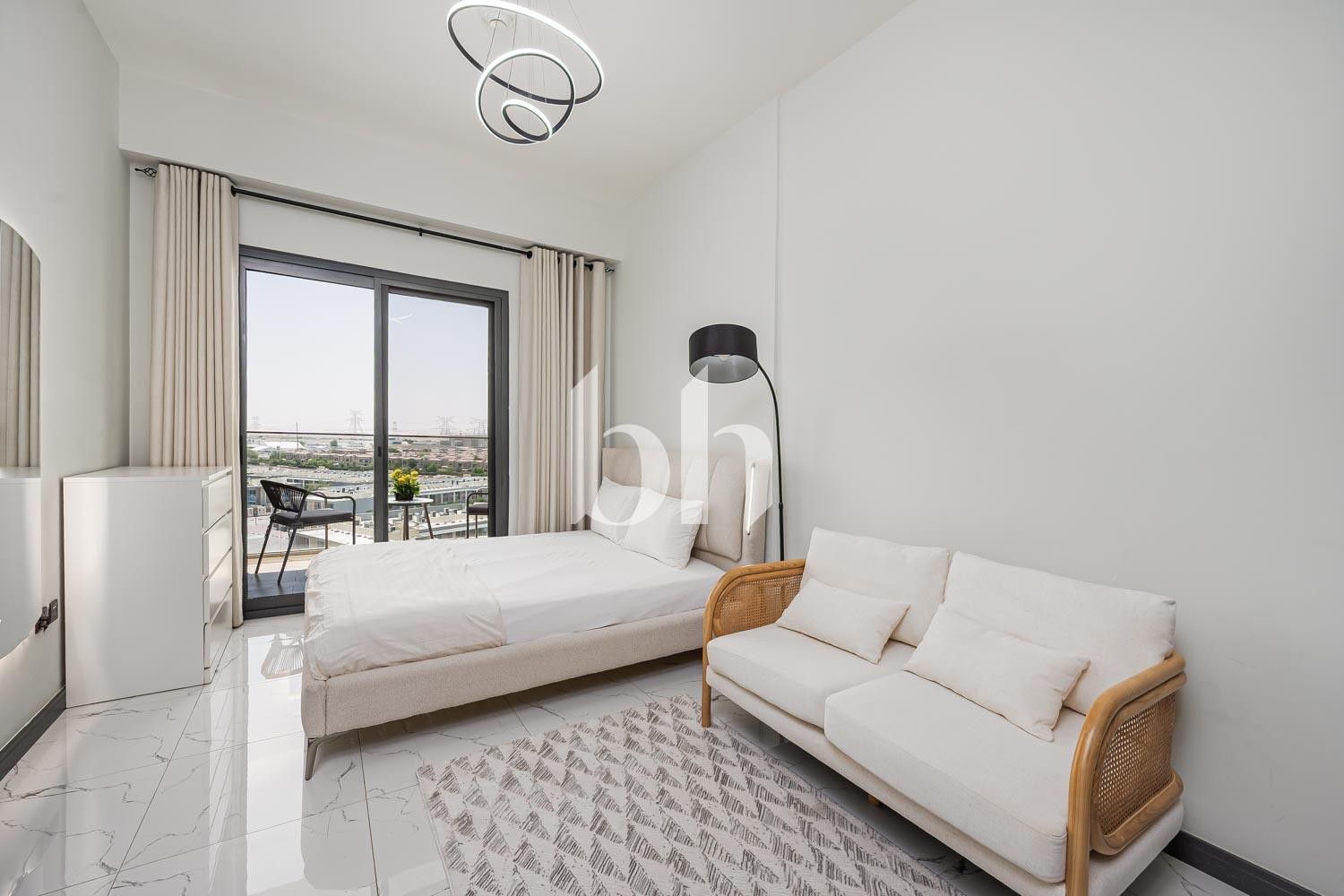
Rukan Tower B
APARTMENT · Rukan Tower B, Rukan Tower, Dubai Land, UAE
From AED 555K

Q Gardens Lofts 2
APARTMENT · Q Gardens Lofts 2, District 12, Jumeirah Village Circle, Dubai, United Arab Emirates
From AED 597K
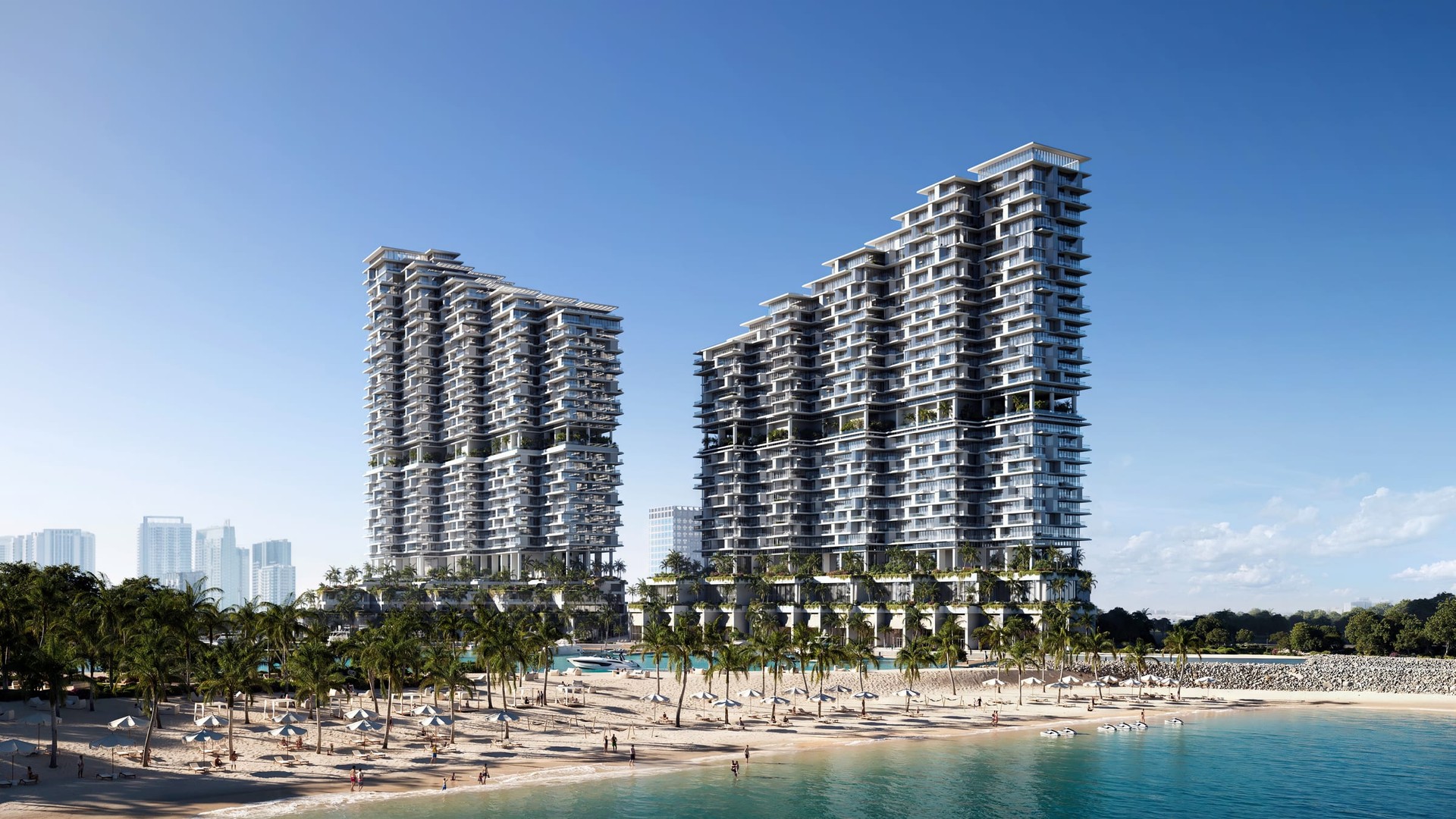
Riviera Residences
Apartment · Al Reem Island, Abu Dhabi, UAE
AED 1.90M – AED 4.85M

Rove Home
APARTMENT · Rove Home, Aljada
From AED 1.17M
Sources
- JLL — Vietnam North Industrial Park Market Dynamics Q4 2025
- JLL — Vietnam South Industrial Park Market Dynamics Q2 2025
- VietnamNews — FDI Inflows Into Vietnam Exceed $38 Billion in 2025
- Mordor Intelligence — Vietnam Residential Real Estate Market 2031
- CBRE Vietnam — Data Centre in Vietnam 2025
- Freshfields — Vietnam Land Law 2024: M&A and Foreign Investment Perspectives
- Global Property Guide — Gross Rental Yields in Vietnam: Hanoi and HCMC
- The Investor — Vietnam Property Market in 2026: Easy Gains Fade as Shakeout Begins
Abhii Dabas is the Founder and CEO of INTRIC Global, the cross-border property intelligence platform for serious investors. He advises high-net-worth buyers on international real estate strategy and has evaluated residential markets across more than 40 countries.