City guides
City guides (458)
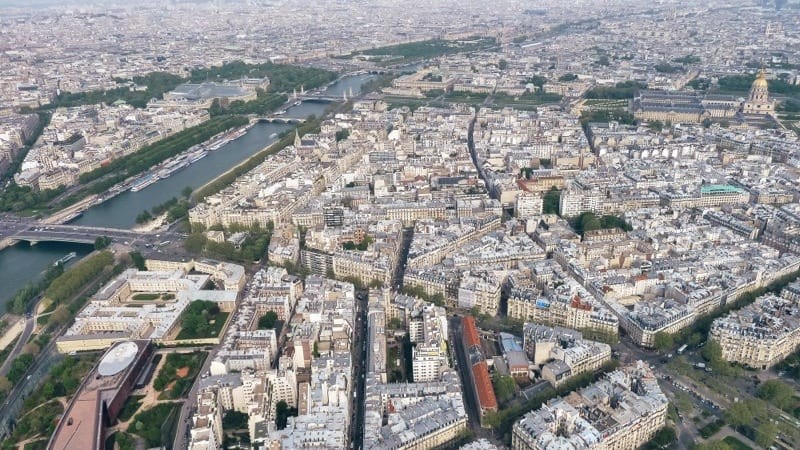

Paris City Guide
France
Paris is the world's most-visited capital and Europe's most established blue-chip property market — a city of twenty arrondissements arranged in a spiral around the Seine, each with its own character, price tier, and lifestyle profile. From the haussmannian boulevards of the 8th and 16th to the medieval lanes of the 4th's Marais, the bohemian streets of the 11th, and the modernised neighbourhoods of the 20th, Paris offers investors and residents an extraordinary range of submarkets. The city's combination of cultural prestige, restricted heritage building stock, deep international demand, and structural EU-capital status creates a uniquely resilient real estate market. Average apartment prices range from €9,200 to €15,300 per square meter, with rental yields modest (2.8-3.0% gross) but capital preservation among the strongest in Europe. France's 2026 Finance Act DMTO 50% first-time-buyer relief and the absence of Golden Visa make Paris a fundamentally lifestyle-and-capital-preservation market rather than a yield play.
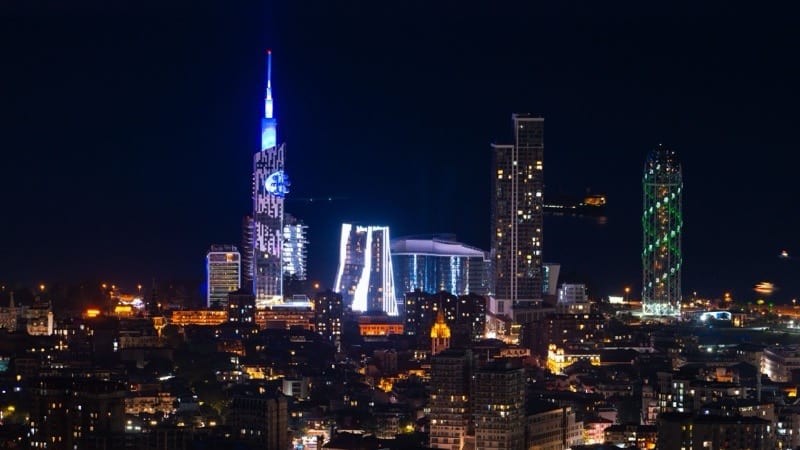

Batumi City Guide
Georgia
Georgia's Black Sea jewel blends a charming Ottoman-era Old Town with a rapidly rising modern skyline of glass towers and branded residences. From the iconic 7-kilometer seaside boulevard to the quiet beaches of Gonio, Batumi offers one of the most affordable coastal investment markets in the world — backed by Georgia's zero foreign ownership restrictions and favorable tax regime. Batumi has transformed from a sleepy Soviet-era resort into a glittering coastal city that attracts tourists from Turkey, the Middle East, Central Asia, and increasingly Western Europe. The Batumi Free Tourism Zone and casino industry draw high-spending visitors, while the city's growing reputation as an affordable alternative to Mediterranean coastal cities appeals to lifestyle buyers and long-term investors. New developments along the New Boulevard extension are reshaping the city's waterfront and creating opportunities for early-stage investors.
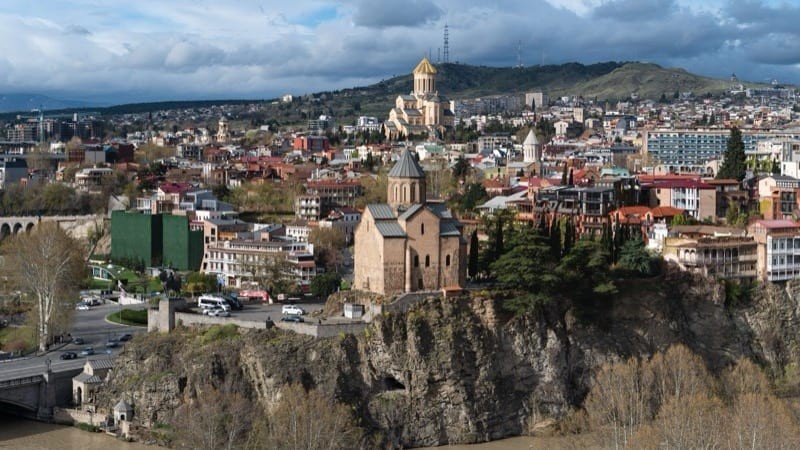
Tbilisi City Guide
Georgia
Georgia's ancient capital blends a colorful Old Town steeped in Persian, Ottoman, and Soviet layers with a rapidly modernizing skyline. From the sulfur baths of Abanotubani to the leafy embassy district of Vake, Tbilisi offers one of Europe's most undervalued property markets with investor-friendly regulations and explosive tourism growth. Tbilisi has emerged as a top destination for digital nomads, cryptocurrency entrepreneurs, and lifestyle buyers attracted by Georgia's remarkably liberal business environment — no visa requirements for 95+ nationalities, zero tax on foreign-source income, and property purchase processes that can be completed in a single day. The city's burgeoning wine bar and restaurant scene, combined with its ancient winemaking heritage (the birthplace of wine, with 8,000 years of viticulture), has created a cultural renaissance that drives both tourism and expatriate relocation.
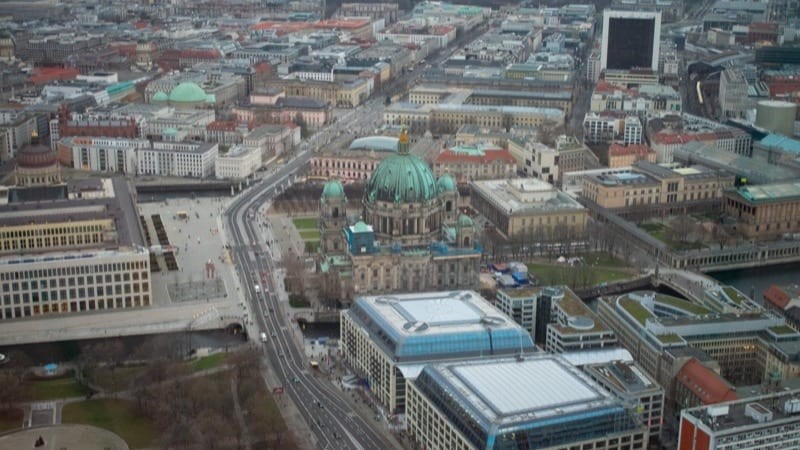

Berlin
Germany
Berlin is Europe's capital of creativity and one of its most resilient property markets. Germany's largest city by population (~3.8 million) and the political heart of the EU's largest economy, Berlin has transformed over three decades from a divided post-Cold War curiosity into a global hub for startups, art, music and progressive urbanism. The property market is anchored by strong tenant protections, a chronic supply shortfall, and rising rents that consistently outpace national averages. Average prices in central districts run EUR 5,500-9,500 per square metre, with rental yields of 3.2-4.5% gross. The 2025 federal coalition's housing legislation extending Mietpreisbremse rent controls through 2029 keeps yield compression real -- but the structural undersupply (Berlin needs ~20,000 new units per year and consistently builds half that) keeps capital values trending up. For international investors, Berlin offers EU-grade legal certainty, deep liquidity, English-speaking professional services, and a market that proved its defensive credentials during the 2022-24 rate cycle. The catch: yields are thin and tenant law tilts heavily toward the tenant. Best suited to long-term capital preservation buyers rather than yield hunters.
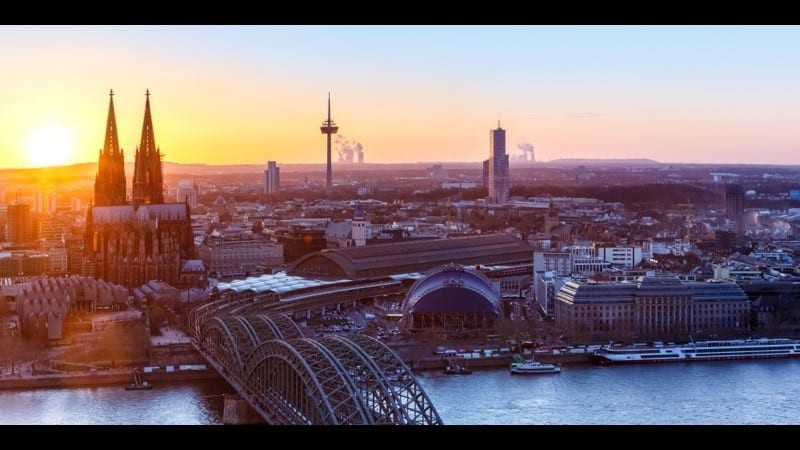
Cologne City Guide
Germany
North Rhine-Westphalia's largest city and the cultural and media heart of the Rhineland, Cologne offers international investors a deep, liquid residential market within Germany's most populous metropolitan region, Rhine-Ruhr. The city's economy blends media and broadcasting, insurance, logistics and a major trade-fair complex, supporting steady, broad-based rental demand. Prime values concentrate in leafy Lindenthal and the central Innenstadt and Neustadt, where existing apartments trade around €4,200–€4,330 per square metre and new-build stock reaches roughly €7,310 per square metre; mid-market gentrifiers Ehrenfeld and Nippes, among the German neighbourhoods forecast to see the strongest 2026 price growth, combine accessibility with appreciation potential. Cologne's market-active vacancy rate sits between 0.5% and 1.2%, with near-zero effective vacancy in high-demand quarters such as Ehrenfeld and Neustadt. Rents remain anchored by the official Mietspiegel, keeping gross yields modest at roughly 3.0% citywide (a 2.3–4.2% spread driven primarily by location). With prices up about 5% year-on-year as the market recovers from the 2022–2023 correction, mortgage rates stabilising, and a base-case five-year cumulative growth estimate near 20%, Cologne enters 2026 as a steady, income-and-growth core market for buyers prioritising liquidity and tenant depth.
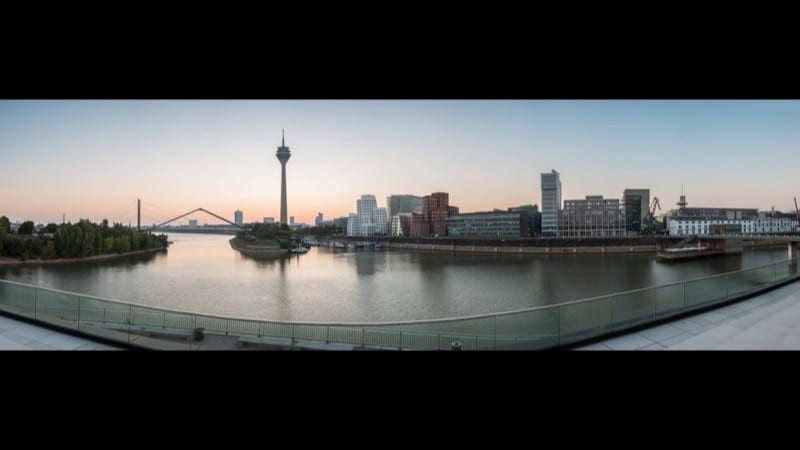
Düsseldorf City Guide
Germany
The capital of North Rhine-Westphalia and one of Germany's wealthiest cities, Düsseldorf is a finance, fashion, advertising and telecommunications centre with a notable Japanese business community and a prestige address book that rivals any in the country. The riverfront Oberkassel quarter on the Rhine's left bank commands the city's highest values, often above €6,600 per square metre, while prime central districts such as Carlstadt, Pempelfort, Derendorf, Golzheim and Unterbilk combine cosmopolitan lifestyle with persistently low vacancy. Citywide, the median price sits around €4,300 per square metre and the average near €4,470, with the market regaining momentum after the 2022–2023 correction. Rents are climbing a steady 3–4% per year against very low vacancy, producing gross yields of roughly 2.9–4% (a price-to-rent ratio of 25–35). Infrastructure-led demand is concentrating in the northern airport corridor near Freiligrathplatz and the left-bank neighbourhoods of Lörick and Heerdt. With well-located, energy-efficient apartments projected to deliver 35–50% five-year total returns and a deep base of corporate and international tenants, Düsseldorf enters 2026 as a prime, stable core market favouring capital preservation and reliable income over speculative growth.
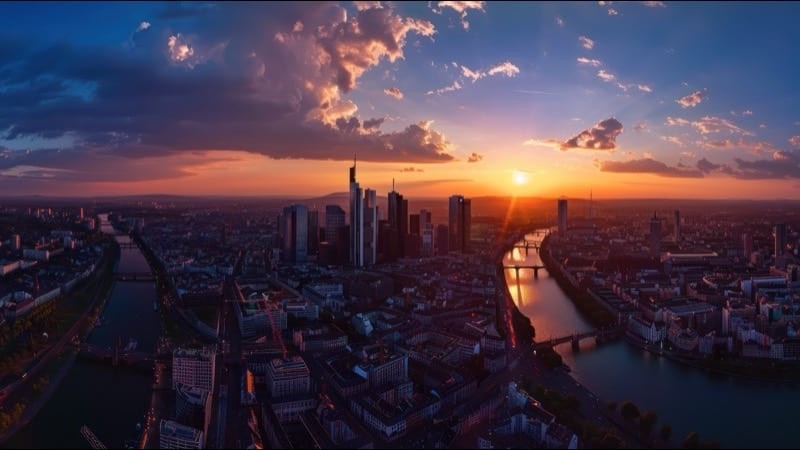
Frankfurt
Germany
Frankfurt is continental Europe's financial capital and home to the European Central Bank, Deutsche Bank, Commerzbank, and the post-Brexit beneficiaries of London's banking exodus (JPMorgan, Goldman Sachs, Morgan Stanley have all expanded EU operations here). Property prices reflect this concentrated wealth: city-centre residential runs EUR 6,500-12,500 per square metre with rental yields of 3.0-3.8% gross. Frankfurt punches well above its 770,000-resident population thanks to a daily commuter influx of more than 350,000 financial professionals. This drives premium rental demand in city-centre apartments and prime suburban houses in Westend, Sachsenhausen, and Nordend. The city's skyline -- the only true skyscraper cluster in continental Europe -- gives it an Americanised feel that institutional capital finds reassuring. For international buyers, Frankfurt offers ECB-grade liquidity, an English-speaking professional environment, deep transport links via Frankfurt Hauptbahnhof and FRA airport (Europe's 3rd-busiest), and consistent demand from financial services tenants who pay above-market rents. Risk: high concentration in financial sector cycles.
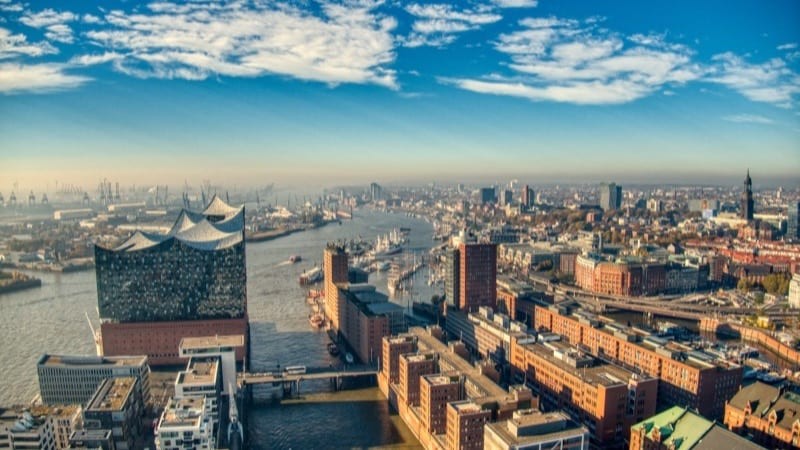
Hamburg City Guide
Germany
Germany's second-largest city and its richest by GDP per capita, Hamburg pairs the commercial heft of Europe's third-busiest container port with one of the country's most resilient residential markets. From the canal-laced affluence of Harvestehude and Rotherbaum, through the waterfront regeneration of HafenCity, the largest inner-city development project in Europe, to the gentrifying creative quarters of Eimsbüttel, Winterhude and Altona, the city offers international buyers a stable, transparent market underpinned by structural undersupply. Hamburg's vacancy rate sits at roughly 0.5%, among the lowest in Germany, while the metropolitan region is expected to surpass two million residents by 2030, sustaining a chronic gap between household formation and new-build completions. New-contract rents are rising an estimated 3–5% year-on-year, and major infrastructure, the U5 metro line and the Science City Bahrenfeld research cluster, is reshaping demand corridors in the city's west and north. With prices recovering modestly after the 2023 correction and a deep, diversified economy spanning media, logistics, aerospace (Airbus) and renewable energy, Hamburg enters 2026 as a core-stable hold for income-focused investors who prioritise capital preservation and near-zero void risk over speculative upside.
Munich
Germany
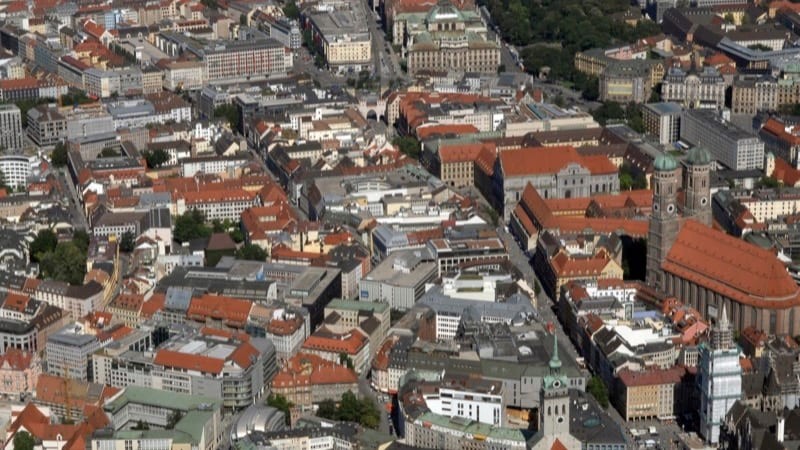
Munich is Germany's most expensive city and its strongest property market on a fundamentals basis. The Bavarian capital combines blue-chip corporate employers (BMW, Siemens, Allianz, MunichRe), Germany's lowest unemployment, and a constrained land supply hemmed in by Alpine geography. The result is a market where average residential prices have nearly tripled since 2010 and gross yields have compressed below 3% in central districts. Prices in core neighborhoods like Altstadt-Lehel, Maxvorstadt and Schwabing range from EUR 9,500 to EUR 18,000 per square metre. Outer ring districts offer EUR 6,500-9,000 per sqm. Rental yields run 2.8-3.5% gross -- the lowest in Germany -- but with the strongest rental demand and the most defensive tenant base (professionals on Bavarian salaries are roughly 20% above the German average). For international buyers, Munich is a pure capital-preservation play with currency-hedged Eurozone safety and an A+ tenant pool. Yield-focused investors should look elsewhere; long-term wealth-protection buyers consistently rank Munich as a top-3 European destination alongside Zurich and Geneva.
Stuttgart City Guide
Germany
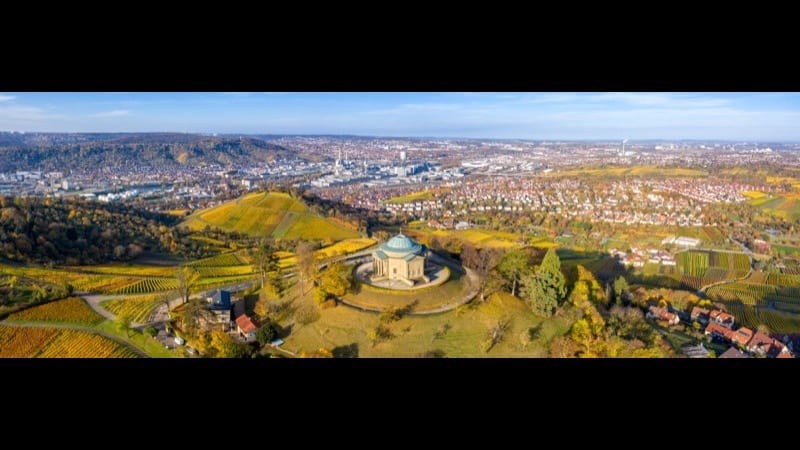
The capital of prosperous Baden-Württemberg and the engineering heart of Germany, Stuttgart is home to Mercedes-Benz, Porsche, Bosch and a dense Mittelstand of advanced-manufacturing and automotive-technology firms, an economic base that drives some of the highest household incomes and most resilient rental demand in the country. For yield-focused investors, Stuttgart is unusual among Germany's top cities: gross rental yields of roughly 4.5–5%, and a monitored submarket reading as high as 4.67%, sit well above the national average near 3.6%, reflecting compact, well-connected apartments in a topographically constrained city where the valley basin limits new supply. Demand concentrates in central districts and the affluent half-timbered hill quarters, while the transformational €11 billion Stuttgart 21 rail project, due to open in December 2026, is set to free up vast inner-city land and is among the top three German infrastructure projects expected to lift property values, with transit-proximate premiums historically running 5–15%. Within the broader German base case of 15–25% cumulative five-year growth, Stuttgart's combination of above-average yields, scarce land, a high-wage export economy and a generational infrastructure catalyst positions it as one of the country's most compelling income-and-catalyst markets for 2026.

Athens City Guide
Greece
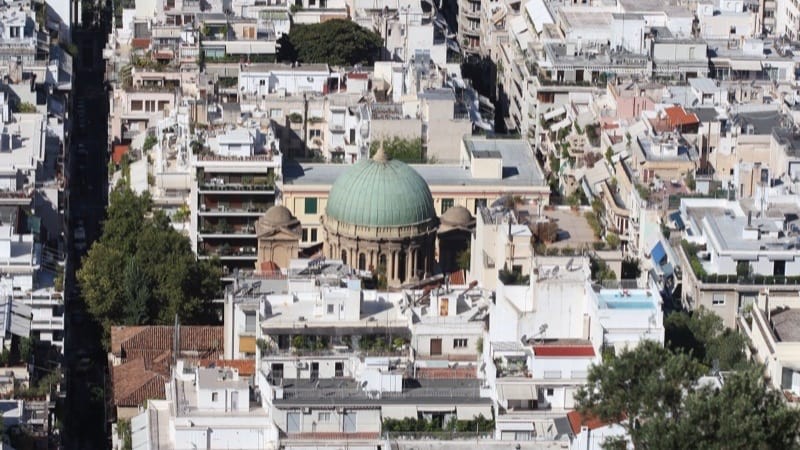
Greece's storied capital pairs three thousand years of cultural heritage with one of the European Union's most rapidly recovering property markets. From the marble of Kolonaki and the boutique-lined streets of Plaka, through the Acropolis-adjacent yields of Koukaki and Pangrati, to the seafront luxury of the Athens Riviera at Glyfada and Vouliagmeni, the city offers international buyers an uncommon mix of UNESCO-grade lifestyle, Eurozone-priced entry points, and yields that materially outpace Madrid, Lisbon, and Paris. Athens accounts for roughly half of Greece's GDP and hosts the country's financial, shipping, and tourism nerve centres, while a structural undersupply of new build relative to household formation continues to compress vacancies and lift rents. Foreign buyers represented close to 40% of residential transactions in mid-2025, and the Greek Golden Visa programme — recalibrated, not retired — funnelled 8,879 approvals in 2025 alone (+95% year-on-year). With Q1 2026 prices climbing 7.6% YoY and the €8 billion Hellinikon redevelopment reshaping the southern coast, Athens enters 2026 as the most strategically important investor city in southeastern Europe.
Chania City Guide
Greece
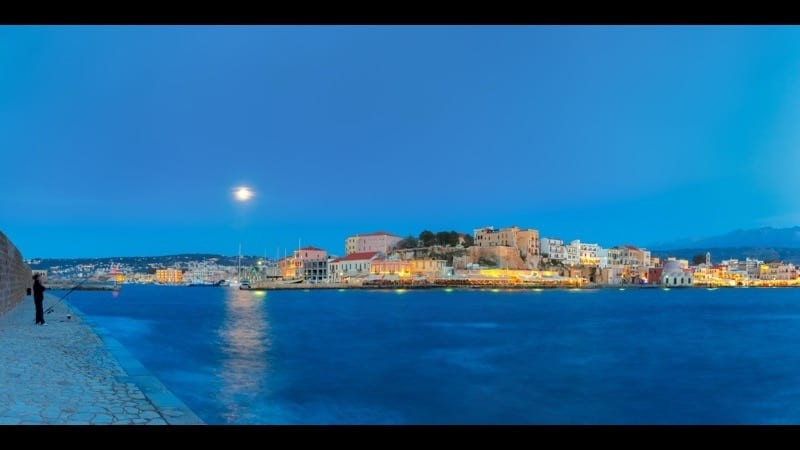
Chania (Chania), on Crete's northwest coast, is widely regarded as the island's most picturesque city - built around a 14th-century Venetian harbour ringed by pastel townhouses, an Egyptian-era lighthouse and a tight lattice of Venetian-Ottoman lanes. Beyond the Old Town, the prefecture delivers Crete's broadest lifestyle draw: sandy beaches (Balos, Elafonissi), the White Mountains (Lefka Ori), and a year-round expat and tourist community served by Chania International Airport (CHQ) on the Akrotiri peninsula. The result is a deep villa-and-apartment market spanning the harbour, leafy Halepa and coastal Apokoronas. Greece imposes no nationality restriction on foreign buyers (an AFM tax number and a Greek bank account are the practical prerequisites). For the Golden Visa, Greece runs a two-tier threshold of EUR 800,000 in high-demand zones versus EUR 400,000 elsewhere; the EUR 800,000 band captures all islands with over 3,100 inhabitants, so Crete (and Chania) sit in the EUR 800,000 tier. Chania is distinct from Heraklion (covered separately) - the larger commercial capital - trading instead on heritage charm, a tourism premium and villa-led demand.
Corfu City Guide
Greece
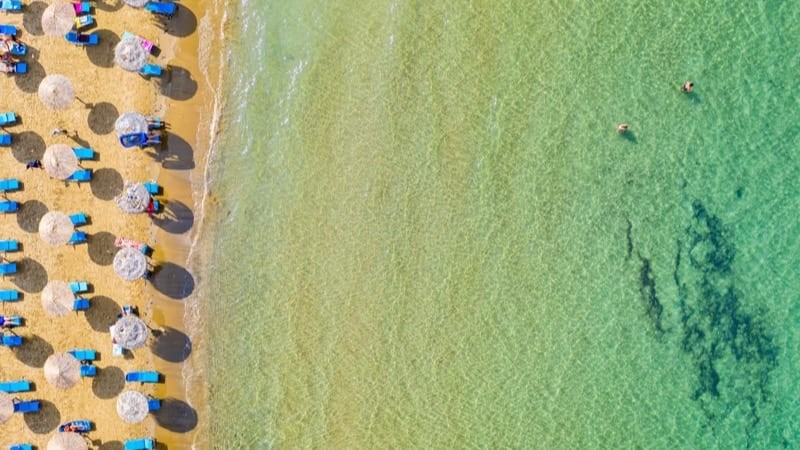
Corfu (Kerkyra) is the lush, green crown of Greece's Ionian Islands - an emerald landscape of cypress and olive groves fringed by limestone coves. Its UNESCO-listed Old Town is one of Europe's best-preserved historic centres, blending Venetian fortresses, French arcades and British colonial-era architecture. That layered heritage, an international airport and a long-established luxury-villa scene make Corfu the benchmark market of the Ionian, attracting Europe's wealthy second-home buyers - the northeast 'Kensington-on-Sea' enclave (Kassiopi-Nissaki-Agni) has long drawn British and HNW families. Greece imposes no general restriction on foreigners buying property; non-EU buyers need a Greek tax number. For residency, the Golden Visa uses tiered thresholds: EUR 800,000 in high-demand areas, which include all islands with over 3,100 inhabitants. Corfu's island population (~101,600) places it firmly in the EUR 800,000 band (single property, minimum 120 sqm), not the EUR 400,000 standard tier.
Heraklion City Guide
Greece
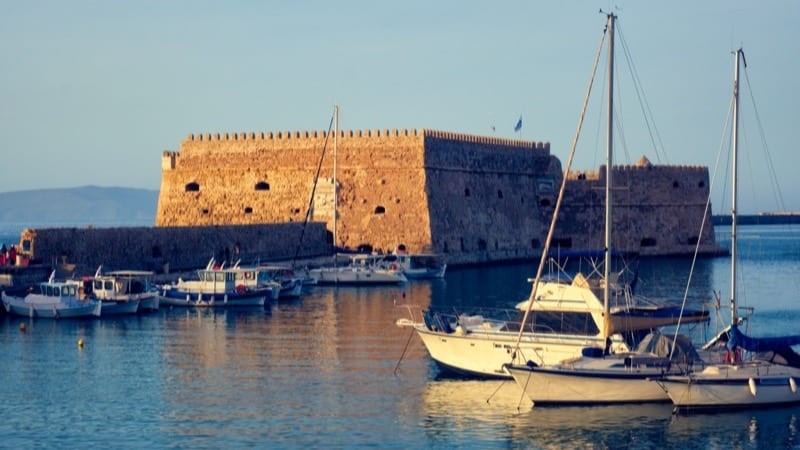
Heraklion is the capital of Crete and Greece's fourth-largest city — a deep-water port city of 173,450 inhabitants (city proper, ~290,000 metro) on the northern Crete coastline. The city combines Minoan archaeological heritage (the Palace of Knossos sits 5 km inland, the Heraklion Archaeological Museum houses Europe's premier Minoan collection), Venetian fortifications (the historic Koules fortress, the city walls), Ottoman-Cretan urban character, and a modern Cretan economic capital identity (Crete's banking, university, hospitality, agro-export, and government cluster). Average property prices €1,846-€1,999/m² in 2025 — significantly more affordable than Athens. Heraklion gives investors entry to the Greek Golden Visa 2.0 thresholds (€400K most of Greece) at materially lower acquisition costs than Athens; gross rental yields run 4-5% urban with stronger short-let yields in coastal sub-zones.
Mykonos City Guide
Greece
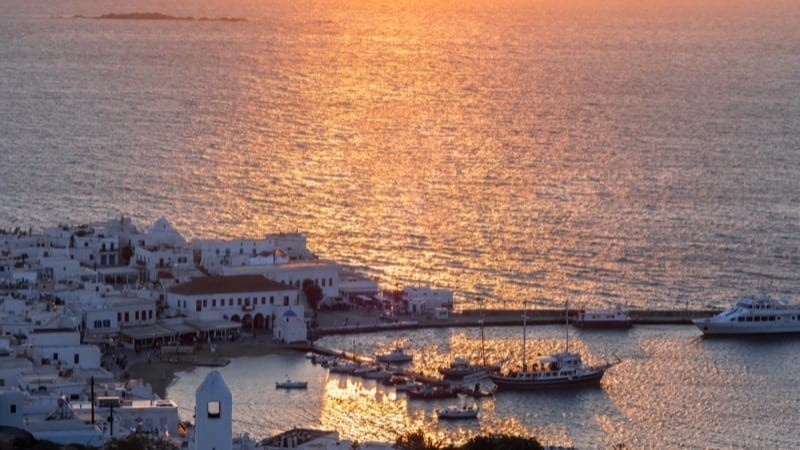
Mykonos is Greece's most-prestigious island luxury destination — a 105 km² Cycladic island that has become Europe's leading celebrity-and-jet-set summer capital. The island hosts roughly 10,000 permanent residents but swells to 200,000+ during peak summer (June-September). Property prices range €7,500-€12,000/m² across the island, with Psarou (€10,800/m² avg, €4.5M+ villas) and Agios Lazaros (€8,500/m²) as the ultra-prime zones. Gross rental yields reach 8%+ on premium villas — among the highest of any Greek market and one of the strongest globally for Mediterranean luxury — driven by villa nightly rates that top €500-€5,000 in peak season. Greece's mandatory EOT (Greek Tourism License) regime applies to all short-let villas. The Greek Golden Visa 2.0 €800K Attica-equivalent tier applies for some of Mykonos.
Rhodes City Guide
Greece
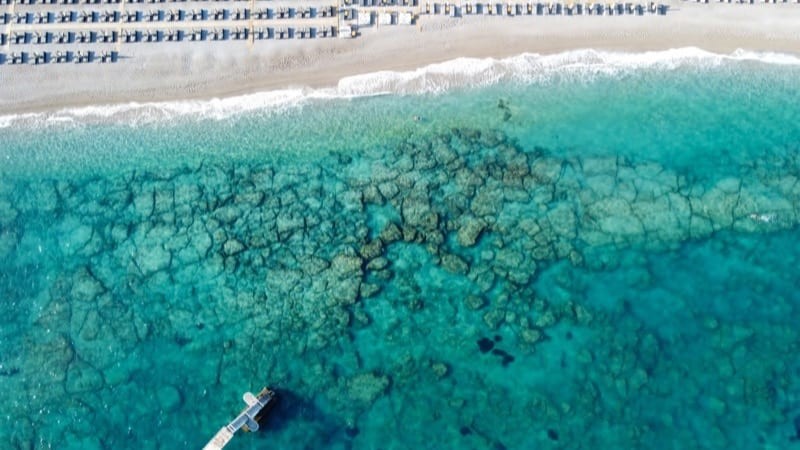
Rhodes, the largest of Greece's Dodecanese islands, is one of the Mediterranean's fastest-appreciating holiday-property markets. Home to roughly 120,000 residents and a UNESCO-listed medieval Old Town (the best-preserved in Europe), the island pairs deep history with a mature tourism economy and an international airport that gives it year-round connectivity. Prices have surged: the average asking price reached about 2,421 euros per square metre in early 2026, up a striking 22% year-on-year, as the Dodecanese gained close to 17% in 2025, outpacing the Cyclades and most of mainland Greece. Islands with international airports (Rhodes among them) have averaged 11.3% annual price growth since 2021. Gross rental yields in the Dodecanese run around 5.3%, the strongest among the Greek islands, driven by short-term holiday lets and second-home demand. Rhodes falls in Zone B of Greece's tiered Golden Visa programme, with a 400,000 euro investment threshold that continues to attract buyers from China, Turkey, the Middle East and the UK seeking EU residency. As a Eurozone market it offers currency and legal stability. Investors should weigh genuine risks: heavy reliance on seasonal tourism and arrivals, the sustainability of recent double-digit appreciation, limited and ageing housing stock that complicates renovation, and tightening short-term-rental regulation across popular Greek tourist destinations.
Santorini City Guide
Greece
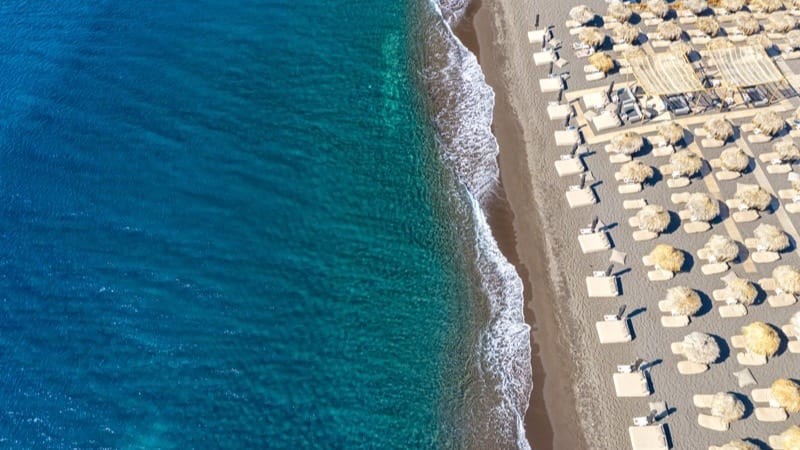
Santorini (Thira), the crescent-shaped crown of the Cyclades in Greece's South Aegean, is the country's most iconic island - a flooded volcanic caldera ringed by whitewashed cliffside villages whose blue-domed churches and cave houses define the global image of Greek island luxury. Its anchor towns, Oia and Fira, drive one of the highest average-daily-rate short-let markets in the Mediterranean, built around boutique caldera-view villas, restored cave dwellings and infinity-pool suites. Investor appeal rests on globally recognised brand demand, severe supply constraints (protected caldera-rim development, limited buildable land) and the premium nightly rates that licensed villas command in peak season. Foreigners can buy property freely in Greece. Two current factors shape the pitch: Santorini's new 8,000-passengers-per-day cruise cap for 2025-26, a 'quality over quantity' pivot toward higher-spend overnight guests; and the Golden Visa threshold, raised to EUR 800,000 in high-demand areas (including islands over 3,100 inhabitants such as Santorini, minimum 120 sqm single property) since September 2024.
Thessaloniki City Guide
Greece
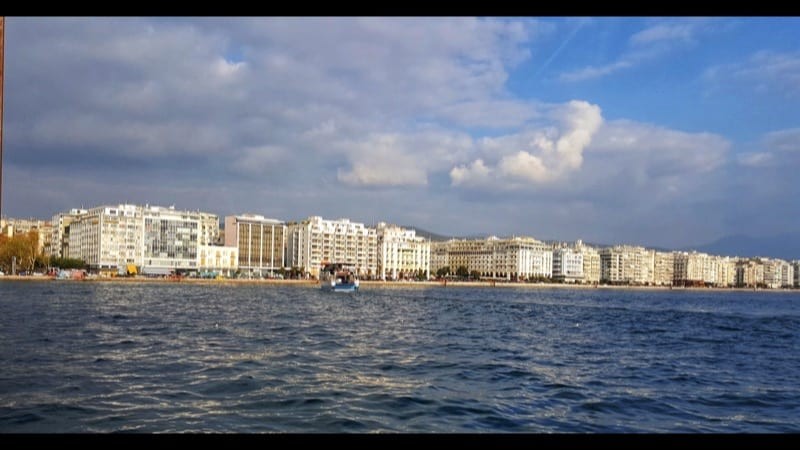
Thessaloniki is Greece's second-largest city and the cultural, economic, and tourism gateway to the Balkans. Founded in 315 BC and named after Alexander the Great's half-sister, the city has been continuously inhabited for 2,300+ years — layering Macedonian, Roman, Byzantine, Ottoman, Jewish, and modern Greek heritage. The waterfront promenade along the Thermaic Gulf, the White Tower (Lefkos Pyrgos), and Ano Poli (the upper-town Byzantine quarter) anchor the city's identity. Population is 325,182 (city proper) / 815,000 (metro). Average property prices reached €2,325/m² in January 2026 (+7.39% YoY per Indomio), with Kalamaria (the premier coastal suburb) at €2,450/m² (+8.1% YoY). Rental yields exceed 7% in Ladadika and Kalamaria — among the strongest yields of any major Greek city, materially above central Athens. Thessaloniki captures a meaningful share of Greece's Golden Visa investment alongside Athens.

Bali City Guide
Indonesia
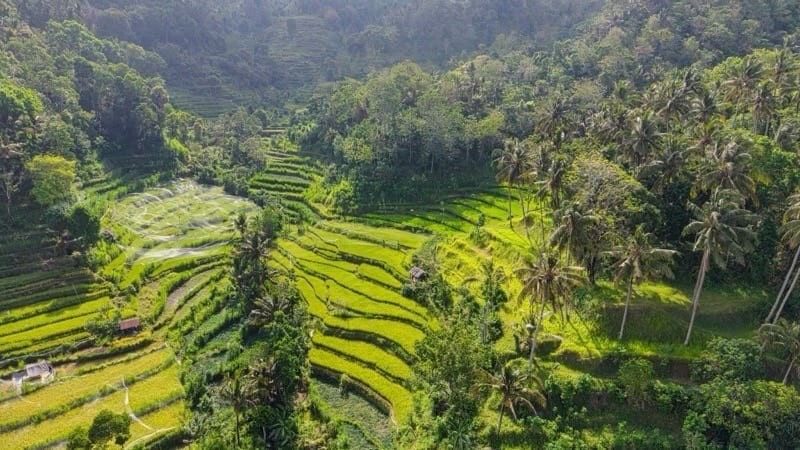
Indonesia's Island of the Gods captivates with an intoxicating blend of ancient Hindu temples, terraced rice paddies, world-class surf breaks, and a booming international lifestyle scene. From the glamorous beach clubs of Seminyak to the spiritual retreats of Ubud, Bali offers Southeast Asia's most diverse property market with compelling rental yields and a rapidly maturing infrastructure. Bali has evolved from a backpacker destination into a sophisticated international hub, attracting entrepreneurs, digital nomads, wellness practitioners, and luxury travelers from around the world. The island's unique leasehold property structure allows foreigners to control villas and commercial properties through long-term leases, with many investors achieving yields exceeding 10% through platforms like Airbnb and luxury villa rental agencies. Bali's magnetic cultural appeal, combined with its affordable cost of living and year-round tropical climate, ensures enduring demand.
Bandung City Guide
Indonesia
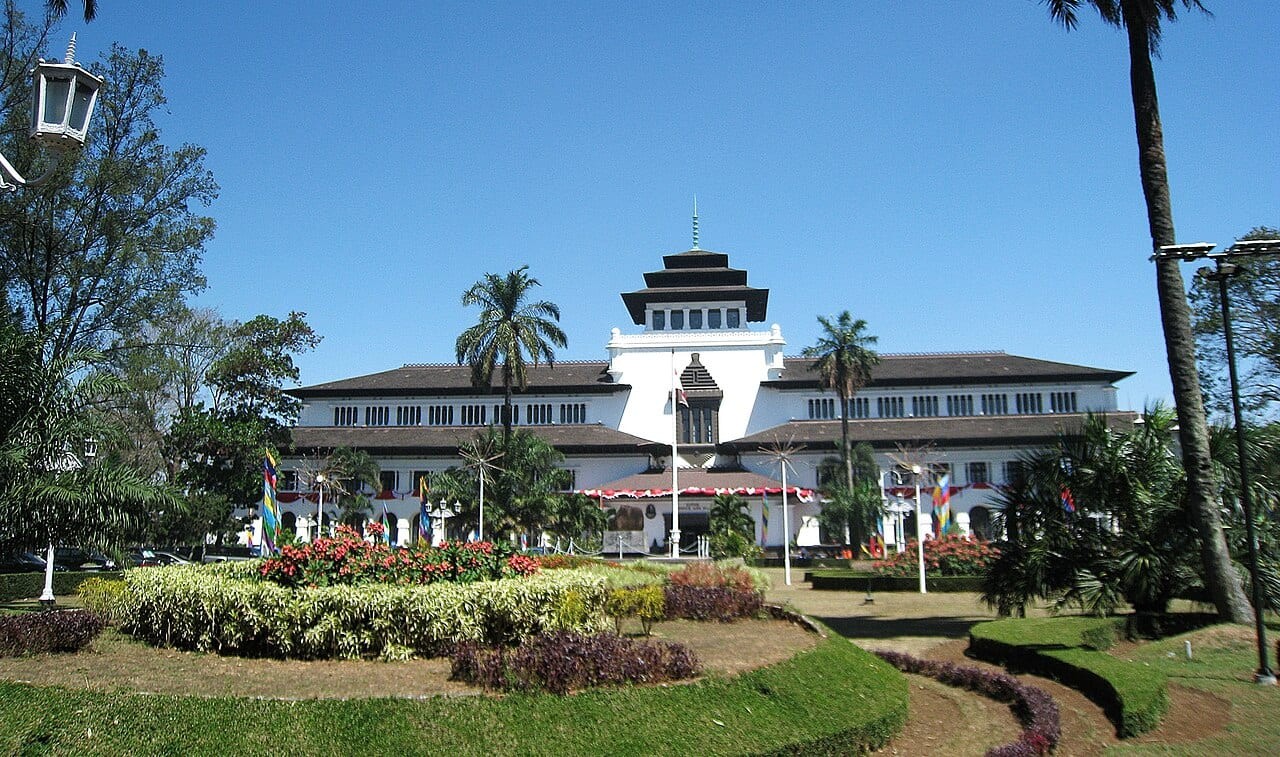
Bandung is the cool-climate, ~768 m highland capital of West Java and the core of Indonesia's third-largest metropolitan area (Greater Bandung, ~9 million people). Nicknamed 'Paris van Java', it is a major university city anchored by the Bandung Institute of Technology (ITB), a creative-economy and factory-outlet hub, and one of Indonesia's top domestic-tourism and weekend-getaway destinations for Jakarta residents. Connectivity transformed when the Jakarta-Bandung 'Whoosh' high-speed rail opened in October 2023, cutting the trip to ~35-46 minutes. Investors should be clear that Bandung is overwhelmingly a DOMESTIC market with limited foreign-investor prominence compared with Bali or Jakarta. Indonesia's foreign-ownership framework also constrains buyers: foreigners CANNOT hold freehold (Hak Milik). The practical routes are leasehold (Hak Sewa, no residency needed), the right-to-use title (Hak Pakai, requiring a KITAS/KITAP residence permit), or a foreign-investment company (PT PMA) holding Hak Guna Bangunan. Title due diligence is essential - nominee freehold arrangements are illegal and unenforceable.