City guides
City guides (458)

Svetvincenat City Guide
Croatia
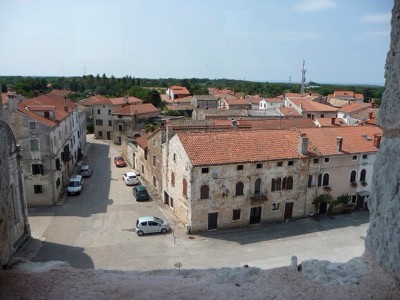
Svetvincenat, known historically as Savicenta, is an inland central Istrian municipality roughly midway between Pazin and Pula, about thirty minutes from Pula Airport. It is the cheapest asking price per square metre in this Istrian set, the inland stone-farmhouse-and-pool proposition: restore a property in one of the municipality's nineteen hamlets, let it in summer, and sit thirty minutes from both the airport and the west-coast beaches. The municipality has a genuine cultural anchor that most inland Istrian villages lack, the restored Morosini-Grimani castle and a full seasonal events calendar including a Medieval Festival each summer. Asking prices sit around thirteen percent below the Istria County average, and that discount to the coast is the entire investment case here. One divergence worth noting: rental asking prices fell over the past year even as sale prices rose, suggesting sale-side pricing is being set by second-home demand rather than by local rental economics, and with only eight rental listings there is effectively no long-term rental market to fall back on if a summer season underperforms.
Trogir
Croatia
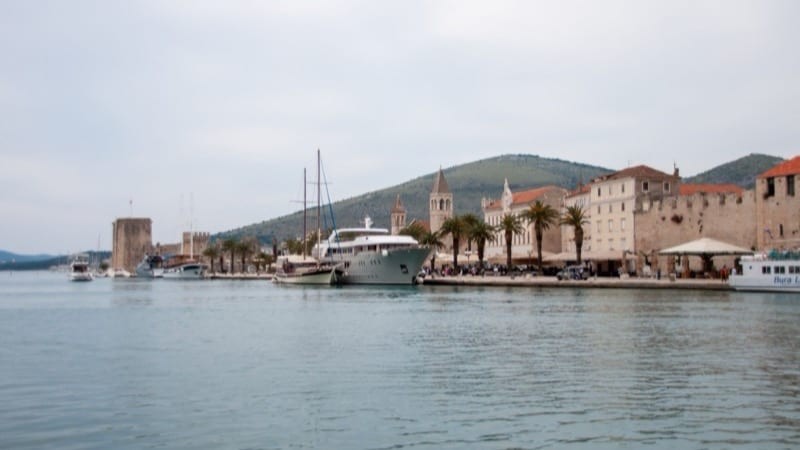
Trogir is a UNESCO-listed Venetian-Gothic town on a tiny island linked by bridge to the mainland and to Čiovo, just 27 km west of Split and minutes from Split Airport. Its compact walled core, marina culture and Trogir Riviera setting make it one of Central Dalmatia's most photogenic and accessible coastal markets. In December 2025 asking prices in the Trogir municipality averaged about €3,600/m², a slight 4% softening from the 2024-2025 peak of roughly €3,860/m², leaving it more affordable than nearby Split. Čiovo island remains the most active new-build zone, with the Ciovo/Trogir area around €3,540/m² on heavy construction supply. Gross rental yields run a moderate 3.5-4.5% in line with the Croatian Q4 2025 average of 4.42%, but summer short-let occupancy on the riviera is strong, lifting effective returns for sea-view apartments and villas. Nationally, prices are forecast to rise 4-7% in 2026, with coastal towns at the higher end. EU, EEA and Swiss buyers purchase on equal terms with Croatians; non-EU buyers (US, UK, Australia, Argentina and others) buy via reciprocity with Ministry of Justice consent, typically 1-6 months, with OECD-parity reforms pending. Trogir suits buyers wanting heritage charm, airport proximity and tourism-driven rental demand.
Visnjan City Guide
Croatia
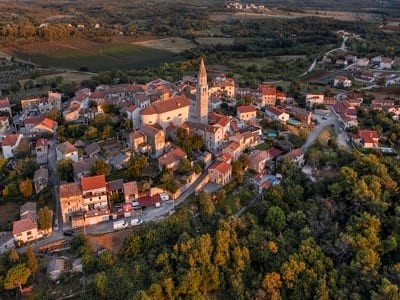
Visnjan is an inland hilltop village in Istria, twelve kilometres from Porec, offering cheap-relative-to-the-coast land with a short run to the beaches. The local economy is agricultural, built around olives and wine, and the village hosts Croatia's first geno-park preserving the Boskarin cattle breed. Buyers are typically German, Austrian and Slovenian families wanting a rural villa with a pool and privacy, increasingly including remote-working households who value the fifteen-minute run to Porec's coast. Asking prices rose 7.4 percent year on year, the strongest move in this northwest Istrian set, consistent with inland demand rising as coastal stock prices out mid-budget buyers. No published transaction series, occupancy figure or yield figure exists specifically for Visnjan, and the market is genuinely thin: with only 664 residents in the village, both the asking average and any resale exit rest on very few comparable sales, so a seller here may wait considerably longer than in Porec or Novigrad.
Zadar
Croatia
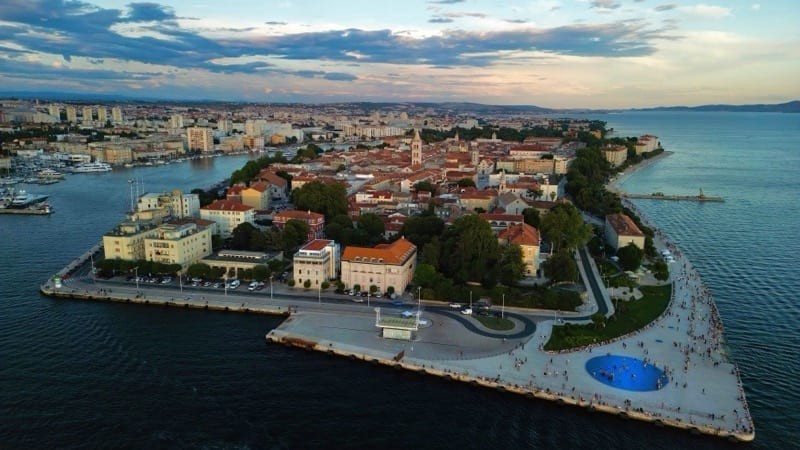
Zadar has emerged as one of Croatia's strongest value-for-money coastal markets, blending a 3,000-year-old peninsula old town with a modern marina economy and a fast-growing airport. In 2026, asking prices in Zadar County average roughly 3,390 EUR per m2, while city-centre and tourist-zone apartments trade at about 2,700-3,400 EUR per m2, with a premium of around 350 EUR per m2 for direct sea views. That pricing sits well below Split, Dubrovnik or Rovinj, which is precisely the draw: buyers get Dalmatian waterfront at a 30-40% discount to the marquee cities. Gross rental yields run about 3.38% in the centre and up to 3.93% in outer districts, supported by a long summer charter and tourism season. Headline national price growth of 10-13% in 2025 is cooling toward 4-7% for 2026, and Zadar is tipped to outperform as A1 highway and airport upgrades pull spillover demand from Split. EU, EEA and Swiss nationals buy on the same footing as Croatians; non-EU buyers (US, UK, Australia, Argentina, Brazil) acquire via the reciprocity regime with ministry approval, typically 1-6 months. A new 2025 annual property tax of 0.60-8 EUR per m2 replaced the old holiday-home levy.
Zagreb City Guide
Croatia
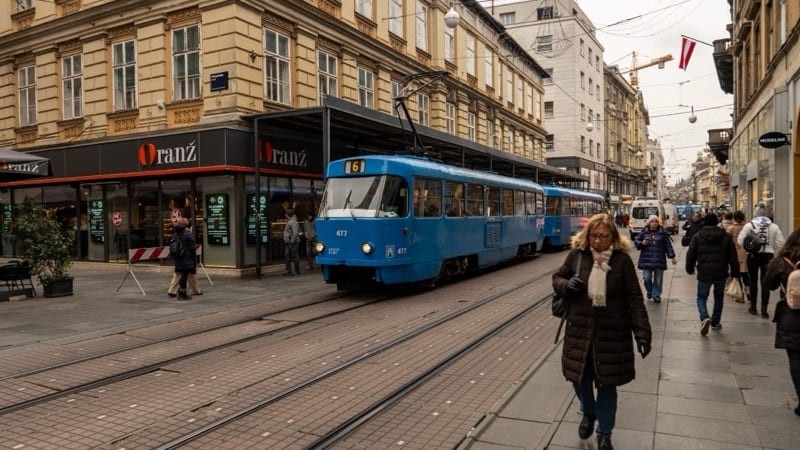
Zagreb is Croatia's capital and largest city, an EU member and eurozone country (euro since 1 Jan 2023) that serves as the stable, year-round inland counterpart to the country's seasonal Adriatic coast. As the administrative, financial and university hub, it offers steadier long-term rental demand and lower price volatility than coastal holiday-let markets, pairing a historic Upper Town with green, family-friendly residential districts in a compact, walkable city. Average asking prices sit around €3,800/m² (€4,400+/m² in the centre) and have risen at single-to-low-double digits annually. For investors it is a buy-and-hold, year-round-demand market rather than a seasonal coastal play, with gross yields around 4–5.5%.
Zrnovo City Guide
Croatia
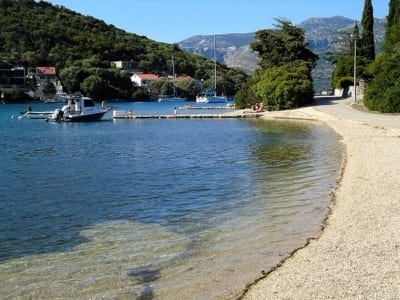
Zrnovo is an inland village on the island of Korcula, made up of four hamlets, roughly four kilometres from Korcula's old town and close to the year-round car ferry linking the island to the Peljesac peninsula. It is Korcula's value entry: the same Marco Polo heritage, Grk and Posip vineyards and old town proximity as waterfront Korcula stock, at a fraction of the price, because it sits back from the water rather than on it. It is also the only one of the five southern Dalmatian localities in this set with a rising population, reflecting a genuine local economy in construction and tourism on the island rather than a pure holiday-home shell. Stone houses here start well under 100,000 euros unrenovated and run to roughly 250,000 euros renovated, against 3,800 to 5,300 euros per square metre in Korcula town and Lumbarda. The trap is title, not price: older stone stock across the island commonly carries fragmented inherited ownership and unresolved title-deed problems, and any purchase decision should start there rather than with the asking price.
Šibenik
Croatia
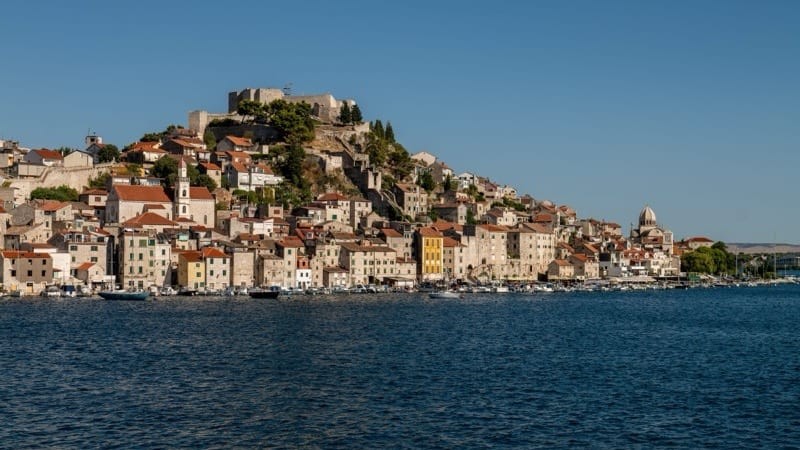
Šibenik is one of the Adriatic's most underrated value markets, a thousand-year-old Dalmatian city built entirely by Croatians, where the UNESCO-listed Cathedral of St James anchors a maze of stone lanes and four Venetian fortresses guard a dramatic channel to the sea. It sits between Zadar and Split with strong highway and rail links and a fast-rising tourism profile, yet prices remain well below the marquee coast. In 2025-2026, Šibenik apartments trade around 2,800-3,400 EUR per m2, below the Split-Dalmatia county average of roughly 4,209 EUR per m2, with sea-view and old-town stock at a premium. Gross rental yields run about 3.69% in the centre and 3.23% outside, with the broader national average near 4.42%. The marquee D-Marin Mandalina and the Amadria Park resort cluster have lifted the city's investment appeal. National prices rose 10-13% in 2025, cooling to 4-7% for 2026, and Šibenik is positioned to keep narrowing the gap with Split. EU, EEA and Swiss buyers purchase freely; non-EU nationals buy via reciprocity with ministry approval. A 2025 annual property tax of 0.60-8 EUR per m2 applies.

Ayia Napa / Famagusta District City Guide
Cyprus
Ayia Napa + Protaras anchor the Republic of Cyprus' southeastern coast — Famagusta District's resort capital and one of the Eastern Mediterranean's most-popular beach destinations. The area combines Ayia Napa's marina + nightlife reputation with Protaras' family-resort character, alongside Cape Greco National Park (sea caves, hiking) and a 50 km stretch of some of the EU's clearest waters. Population modest (Ayia Napa ~4,000 permanent; Famagusta District 46,000) but tourism-driven seasonal swing is dramatic. Property prices €1,800-€3,200/m² average; villas €275K-€500K typical, seafront from €300K. Rental yields healthy at 4.5-6.5% net short-term; 3.5-4.5% long-term. STR oversaturation noted — Ayia Napa has 1,290+ active listings, Protaras 1,580+. Note: 'Famagusta' in this guide refers to the Republic of Cyprus-controlled southern portion of the district (which includes Ayia Napa, Protaras, Paralimni); the city of Famagusta itself + Varosha are in the TRNC and not covered.
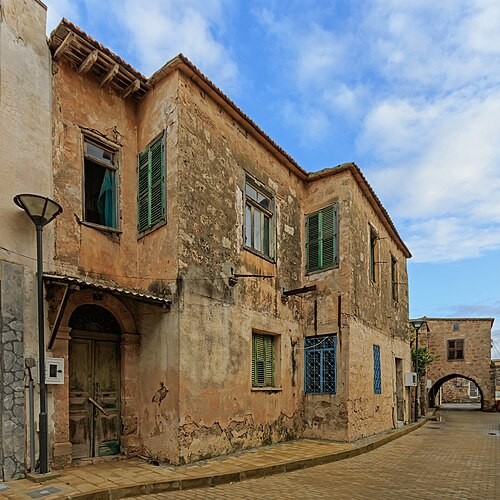
Famagusta (Gazimağusa) City Guide
Cyprus
Famagusta (Gazimağusa) is North Cyprus' historic eastern port city — a medieval walled town of Lusignan and Venetian monuments on the island's east coast, and home to Eastern Mediterranean University (EMU), one of the TRNC's largest universities with close to 20,000 students from more than 100 countries. That student body underpins a deep, year-round rental market that sets Famagusta apart from the lifestyle-led north coast. The wider Famagusta District had a population of roughly 95,000 at the 2024 census. Famagusta is the most affordable of North Cyprus' three main markets. The average listed property price sits around €117,000 (roughly €1,150/m²), with one- and two-bedroom apartments broadly in the £105,000–£115,000 range and three-bedroom villas from around £485,000. Investor interest concentrates on the walled city and university quarter for student lets, and on the coastal villages north of the city — Yeni Boğaziçi and Tatlısu — for sea-view new-builds and holiday homes. Note this is the Turkish-administered city of Famagusta; the Republic of Cyprus' 'Ayia Napa / Famagusta District' guide covers the EU-controlled southern part of the same historic district (Ayia Napa, Protaras, Paralimni) and does not overlap. Every foreign purchase requires TRNC Permission to Purchase and title-deed due diligence — see the Important considerations below.
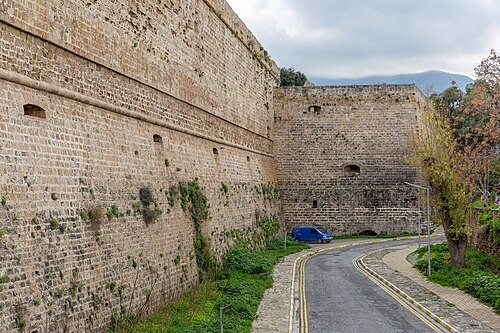
Kyrenia (Girne) City Guide
Cyprus
Kyrenia (Girne in Turkish) is North Cyprus' most-established and most-liquid property market — a Mediterranean harbour town backed by the Beşparmak (Pentadactylos) mountains on the island's north coast. Its horseshoe Venetian harbour, castle, and the Korineum and other golf resorts have made it the default choice for lifestyle buyers and conservative investors in the TRNC. The wider Kyrenia District had a population of roughly 99,000 at the 2024 census, the largest concentration of foreign residents in the north. Buyer demand clusters along the coastal villages east and west of the town — Esentepe, Çatalköy, Ozanköy, Bellapais, Lapta, Alsancak and Karşıyaka — most offering sea-and-mountain views. Pricing is the highest in North Cyprus but remains a fraction of the Republic's south: apartments average roughly £1,400–£1,600/m² and villas around £2,000/m², versus roughly €3,500/m² across the Green Line. One-bedroom apartments typically run €80,000–€120,000, two-beds €110,000–€150,000, and villas start near €300,000, with prime seafront villas from around £400,000. Gross rental yields sit around 6–8%, supported by year-round lifestyle tenants and seasonal holiday demand. Every foreign purchase in the TRNC requires Council of Ministers' Permission to Purchase (PTP) and careful title-deed due diligence — see the Important considerations below and the Cyprus Investor Guide. Note this guide covers the Turkish-administered north; the Republic of Cyprus' own guides (Limassol, Paphos, Larnaca, Nicosia, Ayia Napa) cover the south.
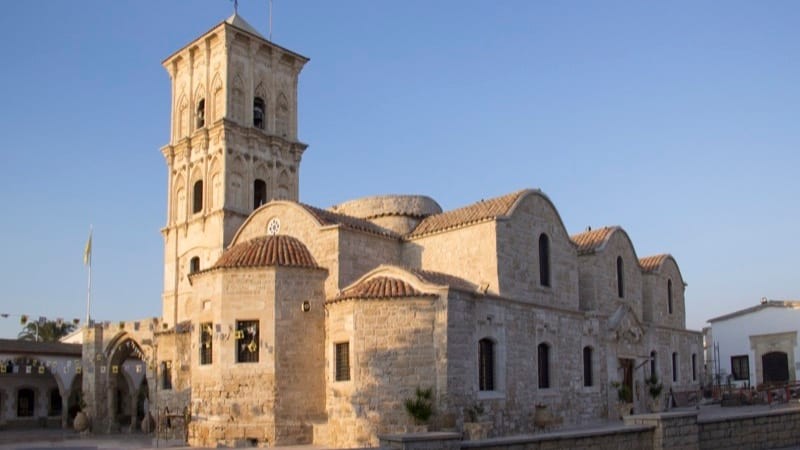
Larnaca City Guide
Cyprus
Larnaca is Cyprus' third-largest city and the primary international gateway — home to Larnaca International Airport (Cyprus' busiest airport), the deep-water Port of Larnaca, the historic Finikoudes seafront promenade, the iconic Church of Saint Lazarus (9th century), and the surrounding Larnaca Salt Lake (a major flamingo migration site). Population approximately 51,000 (city) / 154,000 (district). Property prices average €2,100-€2,400/m² — significantly more affordable than Limassol (€3,200/m²) and Paphos. Larnaca is showing strong growth of 9-10% in 2025 driven by airport proximity, the €180M+ infrastructure investment programme, and the major Larnaca Marina + Port mega-development. Gross rental yields run 5.4-7.4% with short-term holiday rentals near beaches commanding premiums during peak season.
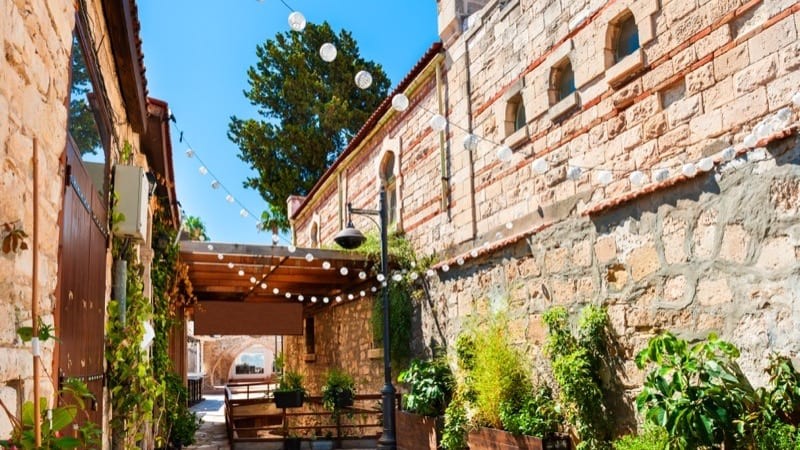
Limassol City Guide
Cyprus
Limassol is Cyprus' second-largest city, business and shipping capital, and the country's premier international property market. The city stretches roughly 15 km along the Akrotiri Bay coastline on the southern coast of Cyprus, with the Limassol Marina (Cyprus' first super-yacht marina) and Limassol Tourist Area anchoring the seafront prime corridor. Average property prices reached €3,200/m² in 2025 (+7.4% YoY), with coastline and Limassol Marina commanding €6,000-€10,000/m² for luxury new builds. The city is dominated by international buyers — 56% of transactions involve foreign clients, the highest international share in Cyprus. Russian, British, Israeli, Lebanese, and increasingly Indian, Chinese, and Gulf-state buyers all anchor a deep market. Limassol benefits from Cyprus' €300K Permanent Residency Programme (Regulation 6.2), 12.5% corporate tax (lowest in EU), and 17-year Non-Dom regime — making it one of Europe's most-used HNW relocation destinations.
Nicosia City Guide
Cyprus
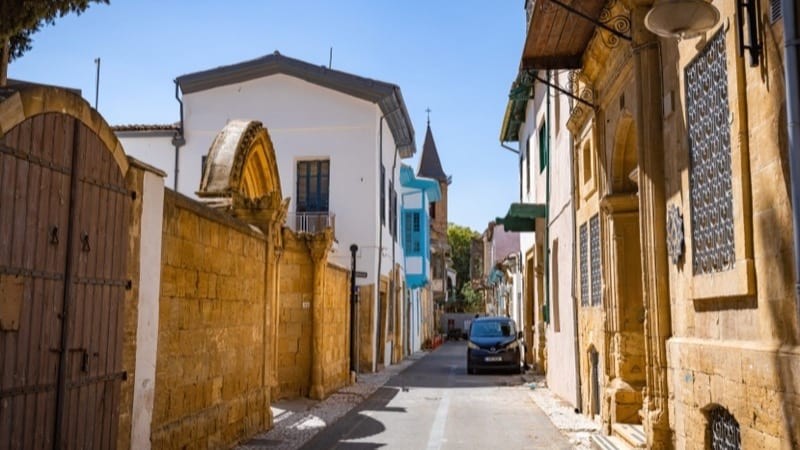
Nicosia (Lefkosia) is the capital of the Republic of Cyprus and the only divided capital in the world — split by the UN-monitored Green Line between the Greek-Cypriot south (in this guide) and the Turkish-controlled north (TRNC, not covered). The city has been continuously inhabited for 5,000+ years and hosts the Cypriot Government, central bank, university cluster (University of Cyprus, European University Cyprus), and the country's professional-services + banking employment core. Nicosia is materially less foreign-buyer-driven than Limassol or Paphos (foreign-buyer share much lower) but offers Cyprus' most-affordable major-city entry pricing: €1,600-€3,500/m² range with central districts at €2,100-€2,600/m². Gross rental yields run 5% city average with central business district + university zones reaching 6-8% on 1-2 bedroom apartments. The 2026 Cyprus reforms apply universally; Nicosia is increasingly attractive to tech-cluster professionals and Cypriot middle-class family buyers.
Paphos City Guide
Cyprus
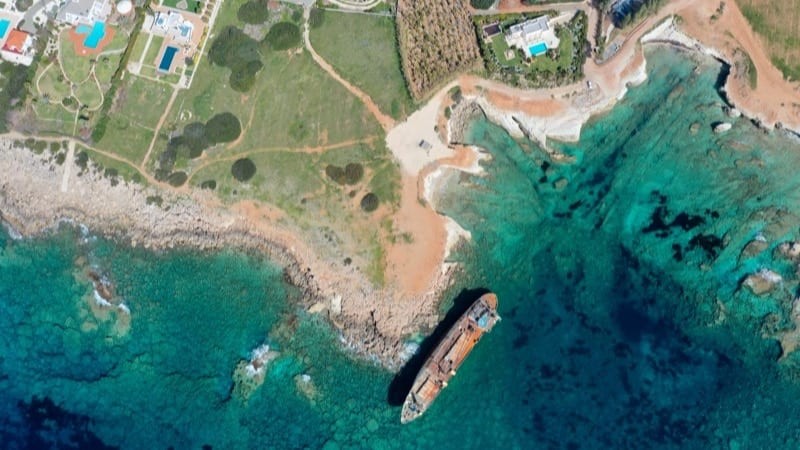
Paphos is Cyprus' western coastal city — a UNESCO-listed archaeological centre (Paphos Archaeological Park, Tombs of the Kings) combined with the country's most foreign-buyer-dominated property market. The city stretches roughly 5 km along the Mediterranean coast on the southwestern tip of Cyprus, anchored by Kato Paphos (the harbour-and-archaeology coastal strip), Paphos Old Town (the historic upper city), and Coral Bay (the prime resort-villa zone 8 km north). Foreign buyers — particularly British retirees and second-home owners — represent **68% of property transactions** (the highest foreign-buyer share of any major Cyprus city). Paphos District also captures **32% of all international property transactions** in Cyprus (vs Limassol's 28%). Average property prices run €2,500-€3,500/m², with Coral Bay villas reaching €500K-€1.2M and Kato Paphos modern apartments €220K-€350K. Rental yields range 5.5-8.5% — among the strongest in Cyprus, particularly in Kato Paphos and Coral Bay short-let.
İskele (Long Beach) City Guide
Cyprus
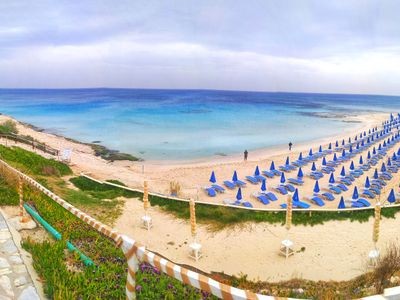
İskele (Trikomo) is North Cyprus' fastest-moving investor market — the district on the island's north-east tip whose Long Beach and Bafra coastal strips have drawn the largest concentration of off-plan and resort development in the TRNC. Where Kyrenia sells lifestyle and Famagusta sells student rentals, İskele sells capital growth and short-let holiday income on long sandy beaches. The wider İskele District had a population of roughly 46,000 at the 2024 census, but the resident figure understates a seasonal population swollen by holiday-let demand. İskele offers the lowest entry pricing of the three main markets alongside the strongest short-let dynamics. One-bedroom apartments on Long Beach start around £95,000, two-beds around £149,000, and villas run from roughly €478,000 for a 3+1 up to €702,000+ for a 4+1. Most stock is new-build or off-plan within large master-planned resorts, which suits buyers chasing the north's reported double-digit capital growth — while concentrating the usual off-plan completion and title-delivery risks. Every foreign purchase requires TRNC Permission to Purchase, and off-plan buyers should register the contract of sale at the Land Registry within 21 days and verify the developer's title-deed type. This guide covers the Turkish-administered north — see the Cyprus Investor Guide for the full legal framework.


Nadi City Guide
Fiji
Nadi is Fiji's tourism gateway, home to Nadi International Airport and the launch point for the Mamanuca and Yasawa island resorts, which makes it the country's most internationally exposed property market. The headline addresses are the man-made resort island of Denarau, a gated enclave of branded hotels, golf and marina villas where upmarket homes routinely list above FJ$1 million, and the newer Naisoso Island, while central streets such as Kennedy Avenue hold the city's larger family homes and outlying areas like Yako offer far more affordable land-and-house packages. The overwhelming majority of Nadi investment stock is run as short-stay accommodation, with Airbnb-style holiday letting the dominant strategy on the back of resilient tourist arrivals. Fiji's residential market is forecast to grow a healthy 2-4% in 2025, with Nadi among the regions seeing above-average gains thanks to tourism-led infrastructure upgrades. Google's FJ$200 million data-centre commitment adds a structural demand layer. Foreign buyers face restrictions outside designated zones, so most international purchasers concentrate on freehold and strata titles within Denarau and Naisoso.

Bordeaux City Guide
France
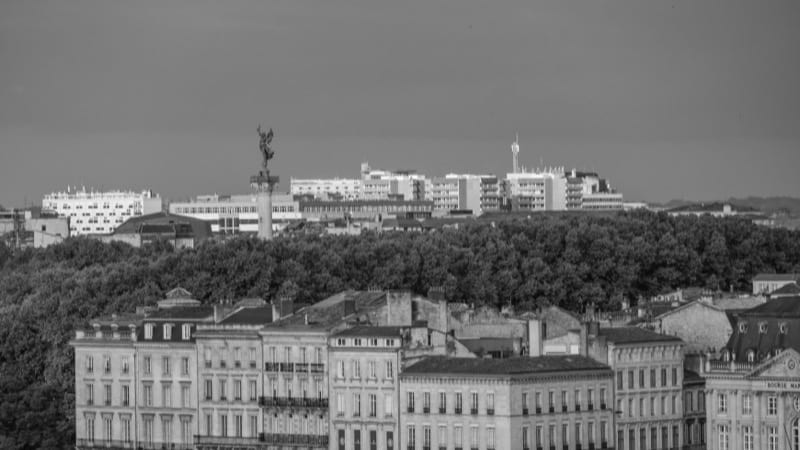
Bordeaux is France's wine capital and the largest UNESCO-listed urban ensemble in Europe (since 2007). The city anchors the Bordeaux wine region — over 60 appellations producing approximately €1 billion of economic value annually for the metropolitan area. The 18th-century neoclassical city centre is anchored by the Place de la Bourse and its iconic Miroir d'Eau, the Grand Théâtre, and the Esplanade des Quinconces. Bordeaux's TGV connection brings it within 2 hours of Paris, fuelling the lifestyle-buyer migration of the past 15 years. The city has stabilised at €4,400-€4,500/m² in 2025 after a 1-3% correction; metro population approximately 862,000. Bordeaux trades approximately 27% above the French national average and attracts deep international buyer demand from UK, Northern European, US, and Asian wine + lifestyle buyers.
Lyon City Guide
France
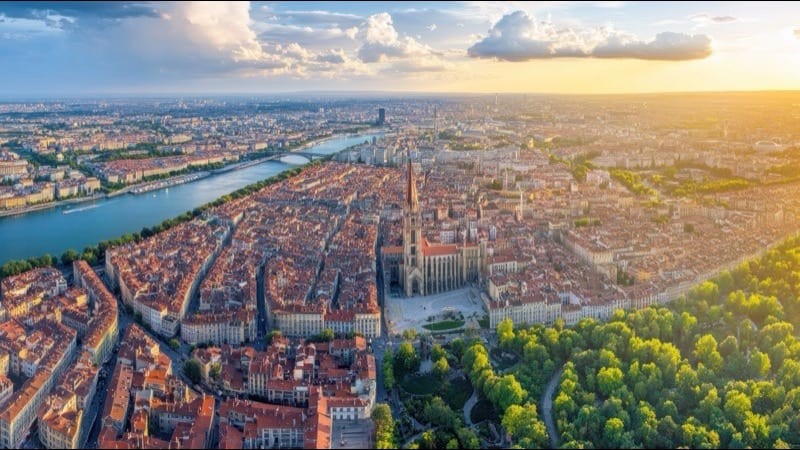
Lyon is France's third-largest city and a major secondary capital — the historic capital of the Gauls, France's gastronomy capital, and Europe's rising life sciences and innovation hub. The city sits at the confluence of the Rhône and Saône rivers, anchored by the UNESCO-listed Vieux Lyon Renaissance quarter, the Croix-Rousse silk-weaving district, the modern Confluence regeneration zone, and the elegant Presqu'île. Lyon's metro population reached 1.79M in 2025 (+0.7% YoY), with the city proper at 520,774 (3rd-largest French city after Paris and Marseille). Average residential property prices reached €4,576/m² in June 2025, with the prestigious 6th arrondissement approaching €6,000/m² and the 9th arrondissement around €3,720/m². Yields are modest (4.41% city average) but supported by deep student-and-professional rental demand from Lyon's growing biotech, AI, and consulting clusters.
Marseille City Guide
France
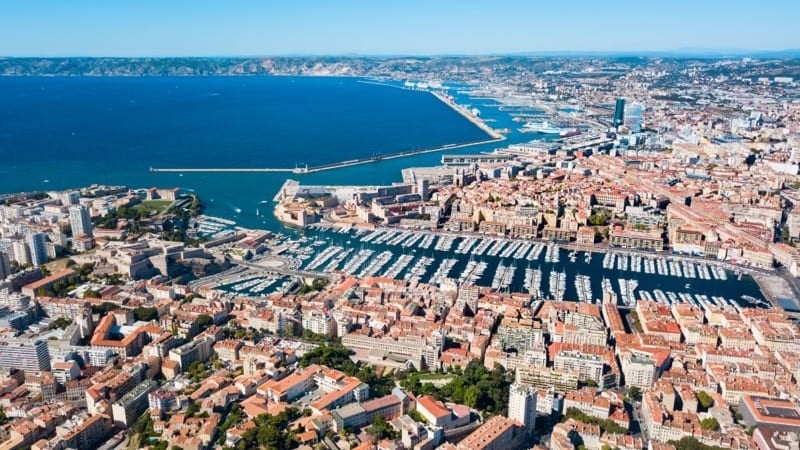
Marseille is France's second-largest city and the country's largest Mediterranean port — a 2,600-year-old Greek-founded settlement (Massalia, 600 BC, France's oldest city) that today combines deep multicultural character with the country's strongest urban yield + capital growth combination. Population approximately 870,000 (city) / 1.6M (metro). Marseille's average apartment prices €3,388-€3,750/m² in 2025 — materially below Paris (€9,924+/m²) and Nice (€5,771/m²) — but with the highest gross rental yields of any major French city at 5.45% average (Studios 6.47%, select districts up to 7%). Buyer demand exceeds available properties by 18%, supporting continued appreciation. The city's Mediterranean climate, port economy, MUCEM cultural complex, and the 2023 Calanques National Park UNESCO inscription continue to drive long-term lifestyle migration from northern French cities.
Nice City Guide
France
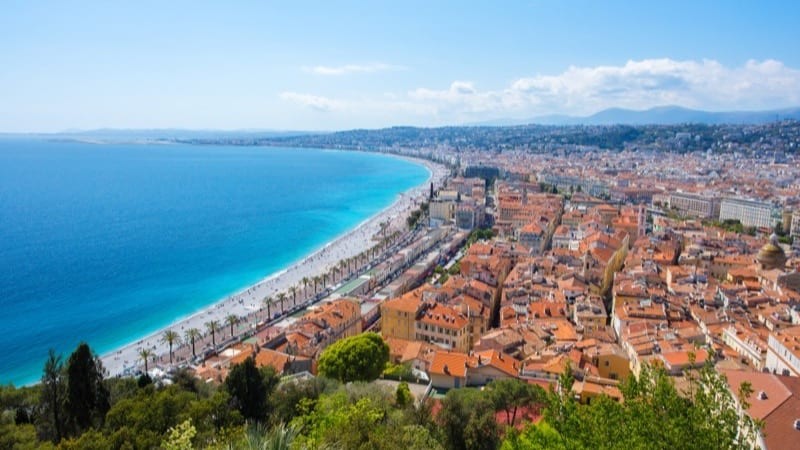
Nice is France's premier Côte d'Azur (French Riviera) city and the country's fifth-largest urban centre — population 340K (city) / 1M (metro). Nice combines the iconic Promenade des Anglais seafront (UNESCO 2021 inscription as the 'winter resort town of the Riviera'), the Vieux Nice old town, and the residential prestige zones of Mont Boron, Cap de Nice, and the Carré d'Or. Median property prices reached €5,771/m² in January 2025 (+3% YoY). Luxury sub-zones: Carré d'Or €10,000-€15,000/m², Mont Boron + Cap de Nice €10,000-€12,000/m², Gairaut €5,000-€8,000/m². Apartment yields are France's lowest at 3.11% — Nice is a structural capital-preservation market, not a yield play. The 5-year forecast ranges +12-22% growth in base scenario (up to +35% with favourable rates).