City guides
City guides (458)

Jakarta City Guide
Indonesia
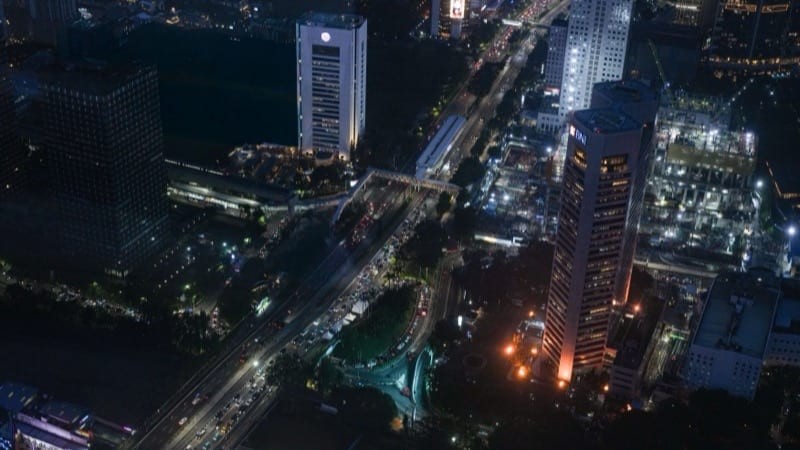
Indonesia's sprawling capital is a megacity of 11 million people — and over 30 million in the greater metro — where gleaming skyscrapers rise alongside colonial heritage districts and vibrant street food corridors. From the prestigious tree-lined avenues of Menteng to the booming waterfront developments of PIK, Jakarta offers Southeast Asia's largest untapped property market with strong rental yields and a rapidly growing middle class. Jakarta is the economic engine of ASEAN's largest economy, home to the Indonesian Stock Exchange, major conglomerates, and a burgeoning tech startup scene. While the planned relocation of the capital to Nusantara in East Kalimantan has raised questions about Jakarta's future, the city will remain Indonesia's commercial and financial center for decades. Property prices in Jakarta are significantly below comparable cities like Bangkok, Kuala Lumpur, and Manila, offering an entry point into a market with 280 million consumers.
Lombok City Guide
Indonesia
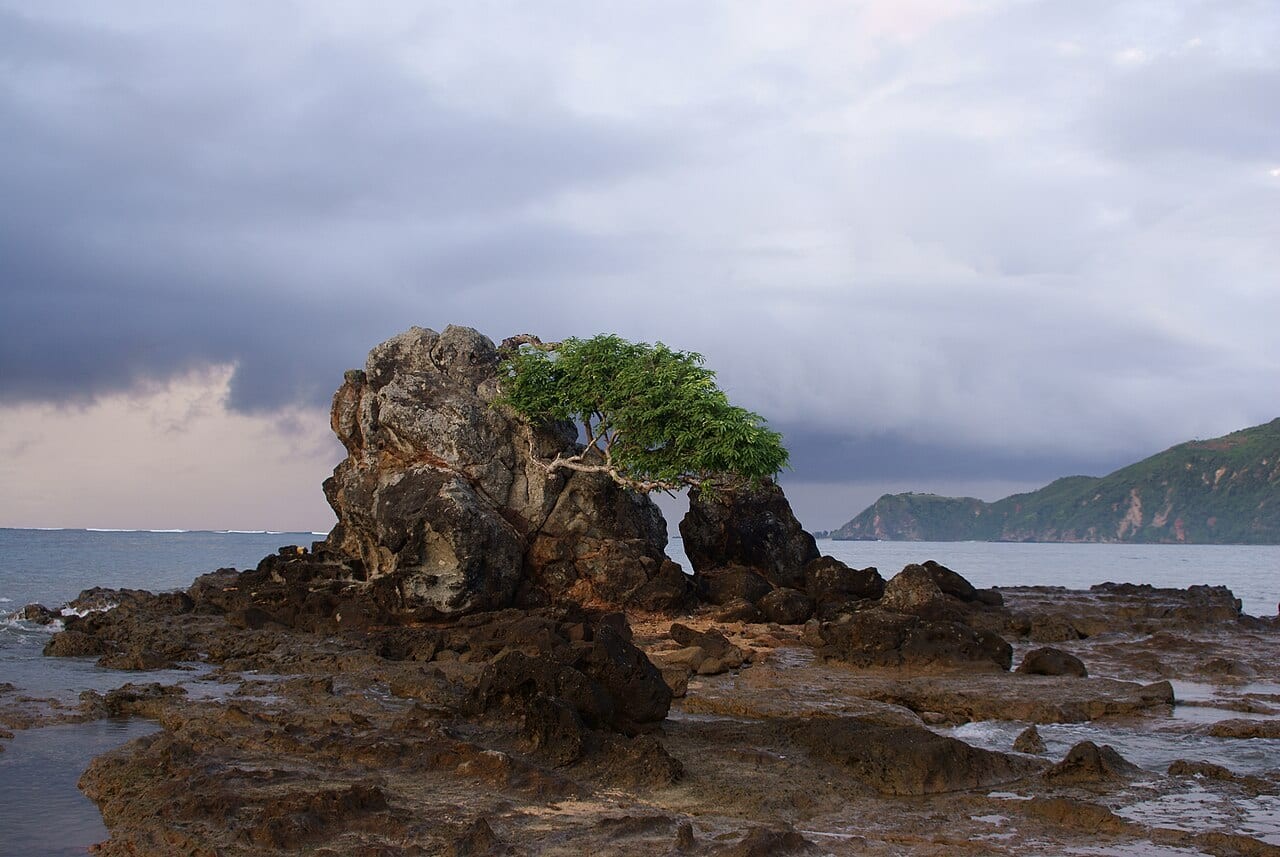
Lombok is the volcanic island immediately east of Bali in Indonesia's West Nusa Tenggara province, increasingly positioned as Bali's quieter, cheaper neighbour. It offers comparable surf, white-sand beaches and the dive-and-snorkel Gili Islands, plus Mount Rinjani (Indonesia's second-highest volcano), at land prices roughly 50-70% below similar Balinese locations. The headline catalyst is the Mandalika Special Economic Zone on the south coast - a 1,175-hectare ITDC-managed resort precinct anchored by the Pertamina Mandalika International Circuit, which hosts the annual Indonesian MotoGP; Lombok is forecast to draw around 2.8 million visitors in 2026. Ownership context is critical and must be understood: foreigners cannot own freehold (Hak Milik), which is reserved for Indonesian citizens. The legal routes are leasehold (Hak Sewa, typically 25-30 years, renewable, no residency needed), the registered right-to-use (Hak Pakai, which requires a KITAS/KITAP residency permit), or a foreign-owned PT PMA company holding HGB or Hak Pakai (with a substantial minimum-investment commitment). Title due diligence is essential - nominee 'freehold' arrangements are illegal and unenforceable.
Yogyakarta City Guide
Indonesia
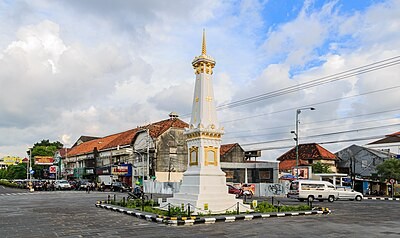
Yogyakarta is Indonesia's cultural capital — a royal city where Javanese tradition, world-class UNESCO heritage sites, and an emerging property market converge. Home to the magnificent Borobudur and Prambanan temples, a living sultanate, and over 100 universities, Yogyakarta draws millions of visitors and students annually. Property prices remain among the most affordable in Java, with strong rental yields of 4-8% driven by steady demand from the education sector, domestic tourism, and a growing tech startup scene. The city's new international airport, expanding toll road network, and airport city development signal a market poised for significant growth while retaining its distinctive cultural character.

Fukuoka City Guide
Japan
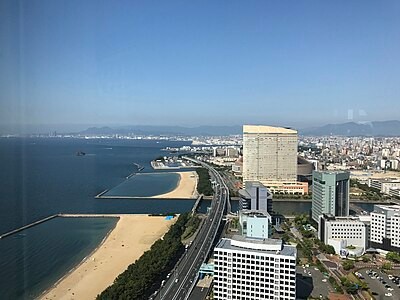
Japan's fastest-growing major city and startup capital, Fukuoka combines affordable living costs with a dynamic tech ecosystem and exceptional quality of life. Located on the northern shore of Kyushu, the city has positioned itself as Japan's gateway to Asia with direct flights to Seoul, Shanghai, Taipei, and Hong Kong — all within two hours. The Tenjin Big Bang and Hakata Connected redevelopment initiatives are transforming the city center with billions of yen in new mixed-use towers. For property investors, Fukuoka offers rental yields of 5-6% — significantly above Tokyo's 3-4% — with entry prices roughly half those of the capital. A young, growing population (rare in Japan) and strong government support for international business make Fukuoka one of the most compelling secondary-city real estate plays in Asia.
Kyoto City Guide
Japan
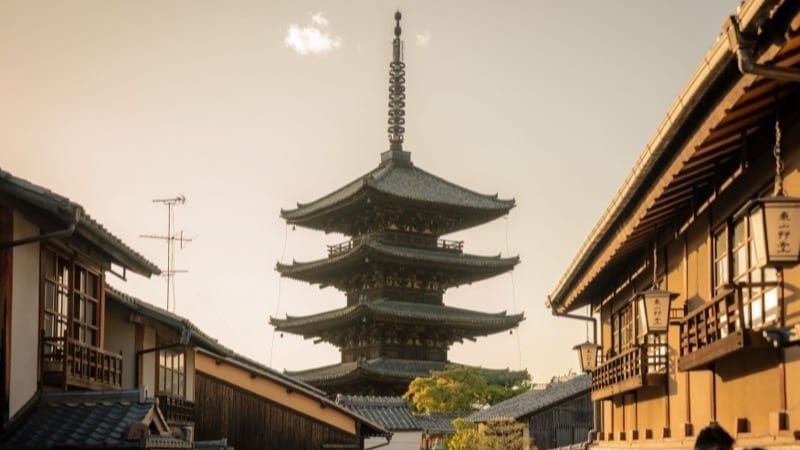
Japan's ancient capital and cultural heart offers a unique real estate proposition: heritage properties in UNESCO-caliber settings with the strongest tourism demand in the country. From the geisha district of Gion to the bamboo groves of Arashiyama, Kyoto's strict building regulations ensure permanent scarcity while record visitor numbers drive both long-term rental and hospitality investment returns. With 17 UNESCO World Heritage Sites, over 2,000 temples and shrines, and stringent height restrictions that preserve the city's historic skyline, Kyoto offers a property market defined by scarcity and cultural prestige. The city's machiya townhouses — traditional wooden merchant homes — have become prized investment assets, with restored properties commanding premium rents as boutique hotels, galleries, and luxury residences.
Niseko City Guide
Japan
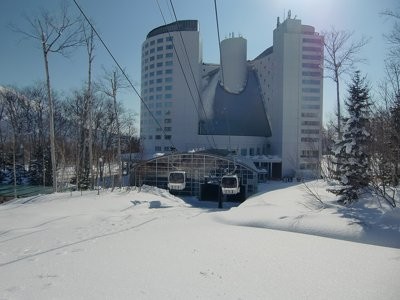
Niseko is Japan's most internationalized ski resort, a Hokkaido alpine basin sitting beneath the dormant volcano of Mount Yotei, draped in some of the deepest, driest powder snow on Earth. The four-resort Niseko United system (Grand Hirafu, Niseko Village, Annupuri, Hanazono) recorded over 11 million lift rides in the 2024-25 season and continues to set domestic records. What began as an Australian-led investor enclave in the 2010s has rotated into a more diversified Asian capital base, Hong Kong, Singaporean, mainland Chinese, Taiwanese, and Thai buyers now represent the majority of new ski-in / ski-out acquisitions, driven by the persistent weakness of the Japanese yen against major Asian currencies. Crucially, Japan permits 100% foreign freehold (fee-simple) ownership with no government approval or residency requirement, a rarity in Asia. The Hokkaido Shinkansen extension to Kutchan is scheduled for 2031, which combined with the Hotel 101 Niseko opening (482 rooms, December 2026) and continued upper-tier developer activity, positions Niseko as one of the most actively-watched resort property markets in Asia-Pacific.
Osaka City Guide
Japan
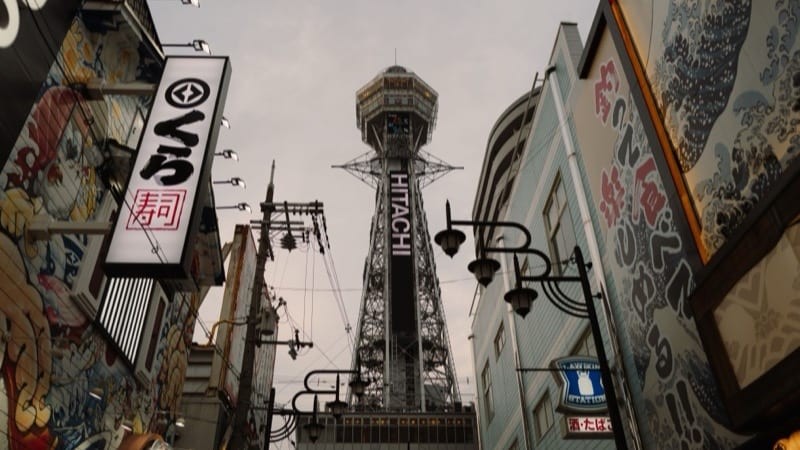
Japan's culinary capital and second-largest economy combines street food culture, merchant heritage, and ambitious urban renewal into one of Asia's most exciting investment markets. From the neon-lit canals of Dotonbori to the corporate towers of Umeda, Osaka offers higher rental yields and lower entry prices than Tokyo, with catalysts like the 2025 World Expo and integrated resort development driving growth. Osaka's merchant culture — locals say "Tokyo people dress up, Osaka people eat up" — creates a distinctly entrepreneurial atmosphere that drives innovation in food, entertainment, and commerce. The city's excellent transport links via the Shinkansen, Kansai International Airport, and an expanding metro network make it a compelling base for investors targeting the broader Kansai region.

Sapporo City Guide
Japan
Hokkaido's capital and Japan's fifth-largest city, Sapporo has emerged as a compelling real estate market driven by world-class winter sports tourism, a booming beer and food culture, and the upcoming Hokkaido Shinkansen extension. Land prices surged 40% since 2019 with an 8.4% increase in 2024 alone, yet entry prices remain well below Tokyo levels. The city draws nearly 9 million international visitors annually — surpassing pre-pandemic levels by 12% — fueling a short-term rental market that delivers yields exceeding 20% in peak season. For investors, Sapporo offers the rare combination of strong capital appreciation (3-5% annually), healthy long-term rental yields (4-5%), and a growing population attracted by Hokkaido's quality of life and the city's expanding tech and tourism sectors.
Tokyo City Guide
Japan
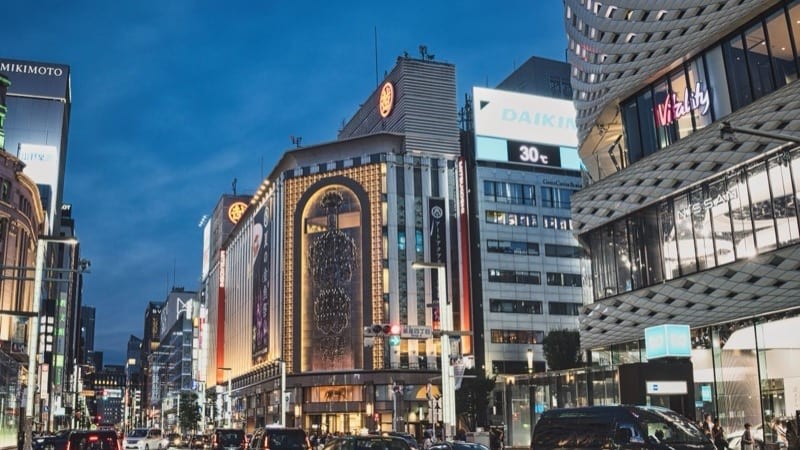
The world's largest metropolitan area blends ancient tradition with cutting-edge innovation across its 23 special wards. From the neon-lit tech hub of Shibuya to the Imperial elegance of Chiyoda, Tokyo offers investors a stable market with strong rental yields, minimal vacancy rates, and a currency environment that has made Japanese real estate increasingly attractive to international buyers. Tokyo's property market stands apart in Asia for its transparency, rule-of-law governance, and near-zero vacancy rates in desirable wards. The combination of a weakened yen making assets more affordable for foreign buyers, ultra-low interest rates, and a cultural renaissance driven by record tourism numbers has created a rare window of opportunity in one of the world's most sophisticated real estate markets.

Kisumu City Guide
Kenya
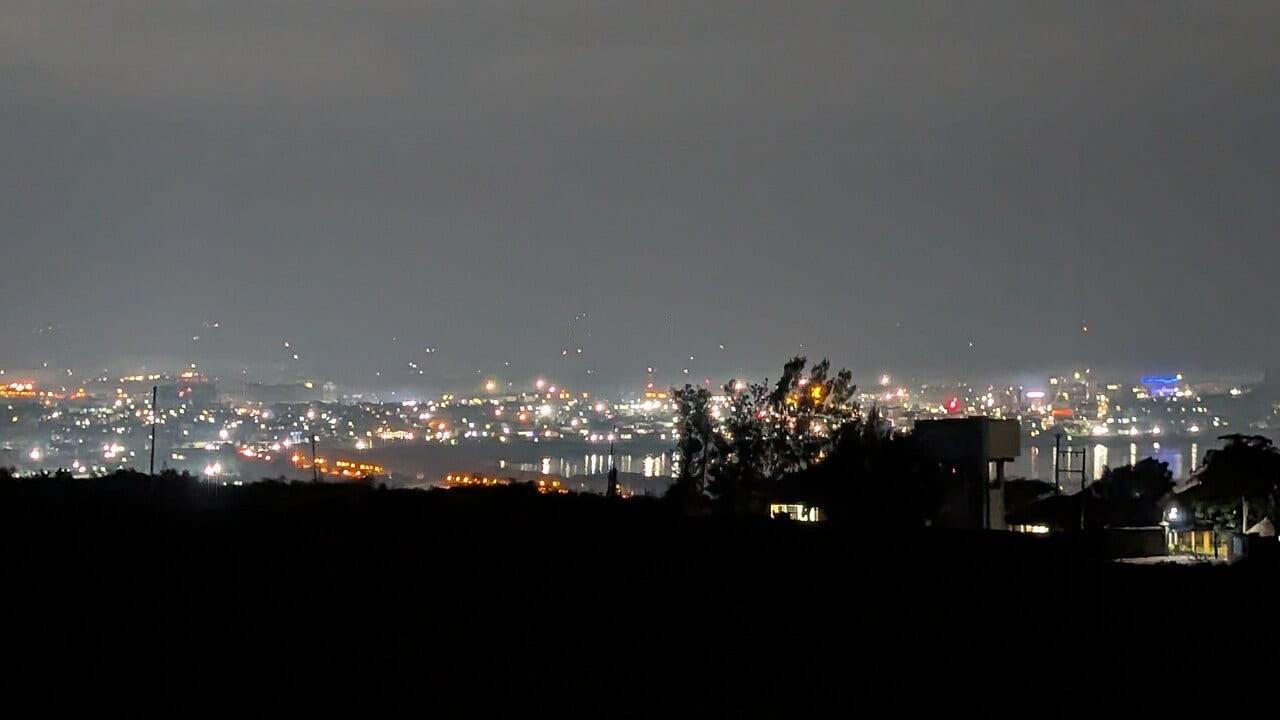
Kenya's third-largest city and the principal hub of the Lake Victoria Basin, Kisumu is being reshaped by a KSh 3 billion port revival, a 46 km lakefront promenade and a phased expansion of Kisumu International Airport, repositioning a former colonial lake port as Western Kenya's commercial gateway. Property is comparatively affordable, with homes ranging from roughly KSh 2 million to KSh 10 million and prime Milimani bungalows reaching KSh 17 million, while serviced land in Riat Hills commands around KSh 7 million per acre. Foreign buyers should note the hard constitutional limit: under Article 65 of the 2010 Constitution, non-citizens may hold land on a leasehold basis only, capped at 99 years, with freehold ownership reserved for Kenyan citizens. Apartment rental yields sit in a realistic 4.8-5.5% gross range, but the headline draw is capital growth, with land values around Mamboleo, Riat Hills and the Kisumu-Busia corridor projected to climb 50-70% over five years as port, airport and Special Economic Zone investment lands.
Mombasa City Guide
Kenya
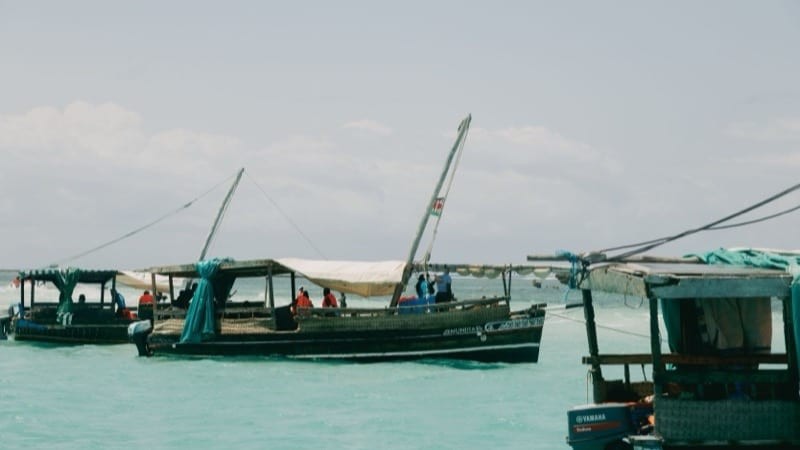
Kenya's coastal gateway and East Africa's largest port city, Mombasa blends centuries of Swahili, Arab, Portuguese, and British heritage with modern beach resort living. From the UNESCO-protected Old Town and Fort Jesus to the white-sand beaches of Nyali and Diani, Mombasa offers diverse investment opportunities across heritage tourism, luxury beachfront, and affordable coastal residential markets. Mombasa's strategic importance as East Africa's primary port — handling trade for Kenya, Uganda, Rwanda, and South Sudan — ensures consistent economic activity and infrastructure investment. The Standard Gauge Railway connecting Mombasa to Nairobi has improved accessibility, while the Diani Beach coastline south of the city has emerged as Kenya's premier beach resort destination with growing international visitor numbers. For property investors, Mombasa offers significantly lower entry prices than Nairobi with compelling beach lifestyle appeal.
Nairobi City Guide
Kenya
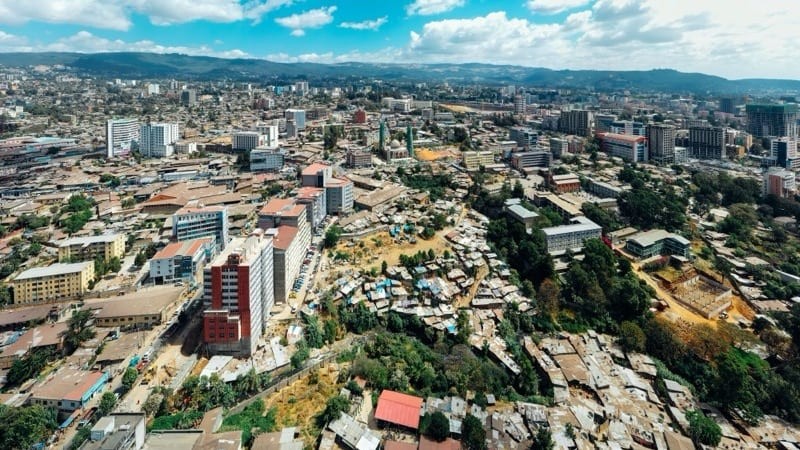
East Africa's largest city and financial capital combines a dynamic business environment with extraordinary wildlife on its doorstep. From the leafy estates of Karen beneath the Ngong Hills to the glass towers of Upper Hill, Nairobi offers one of the continent's most compelling property markets — powered by a young, tech-savvy population, a growing middle class, and Kenya's position as the gateway to East and Central Africa. Nairobi has earned the nickname "Silicon Savannah" for its thriving tech startup ecosystem, home to M-Pesa (the world's leading mobile money platform) and hundreds of innovative companies. The city is also the UN's fourth headquarters city, hosting UNEP and UN-Habitat, which brings a significant international community. With Nairobi National Park — where lions roam against a skyline backdrop — just minutes from the CBD, the city offers a lifestyle proposition unlike any other global capital.

Ipoh
Malaysia
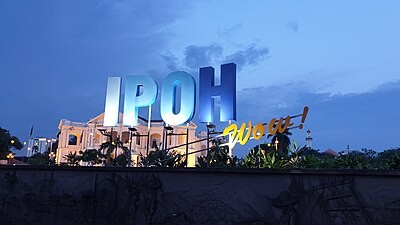
Ipoh is the capital of Perak and Malaysia's third-largest city, celebrated as one of Southeast Asia's great food cities and home to a stunning landscape of limestone caves, colonial heritage buildings, and a revitalized old-town arts scene. The city's dramatic karst topography, cool-climate retreats, and proximity to Cameron Highlands make it an increasingly popular destination for domestic tourists and lifestyle migrants. The property market offers compelling value with a median residential price of approximately MYR 340,000 and MYR 228 per square foot — roughly half of Kuala Lumpur's rates. Property prices have appreciated 5% year-on-year, and Perak accounts for 11.4% of Malaysia's total residential transactions. Gross yields rank among the highest nationally, though the rental market remains thinner than in KL or Penang, requiring careful tenant sourcing. Ipoh's old town revival is transforming heritage shophouses into cafes, boutique hotels, and galleries, making it Malaysia's most popular domestic short-trip destination after Penang and Langkawi. Remote workers earning KL salaries are relocating for Ipoh's lower cost of living, creating a new tenant class willing to pay MYR 1,000-2,000 monthly for well-maintained properties. For investors seeking high-yield, low-entry-cost assets with lifestyle appreciation upside, Ipoh represents Malaysia's hidden value play.
Johor Bahru
Malaysia
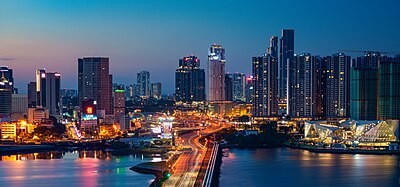
Johor Bahru, Malaysia's southern gateway city, sits directly across the Causeway from Singapore and is experiencing one of Southeast Asia's most dramatic property market transformations. The city is the capital of Johor state and the anchor of the ambitious Iskandar Malaysia economic corridor, which has attracted over MYR 400 billion in cumulative investments. The imminent opening of the Johor Bahru-Singapore Rapid Transit System (RTS) Link is the single biggest catalyst reshaping the JB property landscape. Properties within 5 kilometers of RTS stations have already seen 18-20% price appreciation even before the link becomes operational. The Johor-Singapore Special Economic Zone (JS-SEZ) is further accelerating cross-border economic integration, with approved investments in Johor surging to MYR 91.1 billion in Q3 2025 alone. With a median property price of around MYR 588,000 and rental yields of 5-8% in prime corridors, JB offers compelling value compared to Singapore where equivalent properties cost 5-10 times more. The city is rapidly evolving from a low-cost alternative into a genuine twin-city partner with Singapore, attracting both cross-border commuters and international investors seeking Southeast Asia's next growth story.
Kota Kinabalu
Malaysia
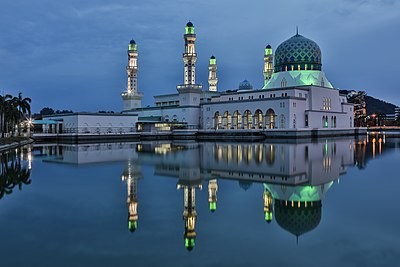
Kota Kinabalu is the capital of Sabah on Malaysian Borneo and the gateway to Mount Kinabalu, Southeast Asia's highest peak. The city combines a laid-back coastal lifestyle with world-class diving at nearby Tunku Abdul Rahman Marine Park and the Sipadan corridor, drawing adventure travelers and nature lovers year-round. Sabah's property market is experiencing steady growth, with Kota Kinabalu recording 918 residential transactions in the twelve months to March 2025 at a median price of MYR 560,000. City-centre condominiums average MYR 400-700 per square foot, remaining highly competitive compared to Peninsular Malaysia's major cities. The MYR 6.9 billion allocated to Sabah for infrastructure upgrades is strengthening connectivity and boosting rental demand, particularly from the growing tourism and short-term rental market with over 1,580 active listings. Kota Kinabalu's appeal extends beyond nature tourism. The city is a regional hub for Borneo's oil and gas industry, hosts a growing technology sector, and serves as the administrative capital for a state rich in biodiversity and natural resources. International flights connect KK directly to major Asian cities, and the expanding port and airport infrastructure position it as Malaysian Borneo's primary gateway for both commerce and tourism.
Kuala Lumpur
Malaysia
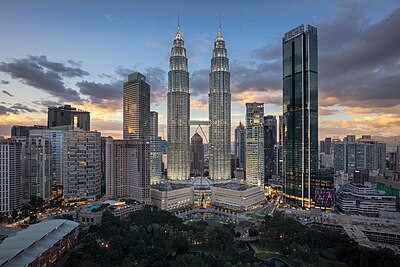
Kuala Lumpur is Malaysia's vibrant capital and financial hub, home to the iconic Petronas Twin Towers, world-class shopping, and a thriving food scene. The city blends Malay, Chinese, Indian, and international cultures into a cosmopolitan metropolis that consistently ranks among Asia's most liveable cities for expatriates. As the nation's economic engine, KL hosts the headquarters of major Malaysian corporations, multinational regional offices, and a rapidly growing digital economy. The property market offers everything from luxury high-rise condominiums in KLCC to family-friendly enclaves in Mont Kiara and trendy neighborhoods like Bangsar. With average house prices around MYR 805,000 and gross rental yields of 4-6% in prime areas, KL remains one of Southeast Asia's most accessible gateway cities for international property investors. Massive infrastructure projects including the MRT3 Circle Line and ongoing LRT expansions continue to reshape the city's connectivity, driving property values in transit-adjacent neighborhoods. The city's international schools, excellent healthcare, and low cost of living relative to Singapore and Hong Kong make it a magnet for expatriate families and digital nomads alike.
Kuching
Malaysia
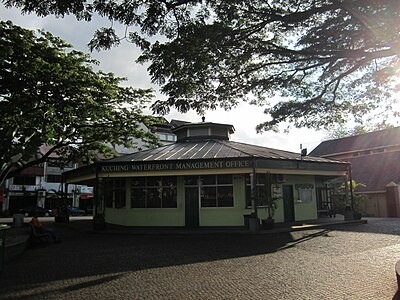
Kuching is the capital of Sarawak on Malaysian Borneo, a culturally rich city where Malay, Chinese, Dayak, and indigenous traditions converge along the scenic Sarawak River waterfront. Known as the 'Cat City,' Kuching blends colonial heritage, vibrant food markets, and proximity to some of the world's oldest rainforests, including Bako National Park and Semenggoh orangutan sanctuary. Sarawak's property market has shown resilience, with an average price of MYR 540,884 and transacted prices increasing 8.7% year-on-year. The residential overhang has decreased 12% in volume, indicating improving market absorption. The Samarahan corridor near Kuching — home to UiTM and UNIMAS universities — drives approximately 80% of local property demand, creating a reliable rental base from students and academic staff. Industrial property is expanding rapidly, with 40 million square feet of assets and 58.2 million additional square feet in the pipeline. Kuching benefits from Sarawak's unique autonomous governance, which gives the state greater control over land, immigration, and development policies. The state government's ambitious industrialization program, abundant hydroelectric power, and growing digital economy are transforming Kuching from a charming heritage town into Borneo's most dynamic economic centre. Property investors benefit from lower competition and a regulatory environment that actively encourages development.
Langkawi
Malaysia
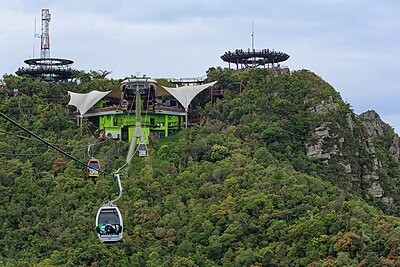
Langkawi is Malaysia's premier duty-free island archipelago in Kedah, a UNESCO Global Geopark of 99 islands renowned for luxury resorts, pristine beaches, and dramatic geological formations. The island's tax-free status, world-class hospitality brands, and expanding tourism infrastructure have made it Southeast Asia's most compelling island investment destination. The property market is driven by hospitality-aligned real estate including branded residences, serviced suites, and beachfront villas. Tropicana Cenang, a flagship development offering freehold serviced suites from MYR 500,000 to MYR 1.71 million, achieved a remarkable 97% take-up rate on its first block. Pantai Cenang remains the most active property zone, commanding the highest tourist footfall and short-term rental returns. Government campaigns including Visit Kedah 2025 and Visit Malaysia 2026 continue to fuel arrivals growth. Langkawi's minimum foreign purchase threshold of MYR 1 million positions the island firmly in the premium investment segment. High-performing assets include short-term rental apartments yielding 5-8% annually, beachfront villas, and branded residences at Datai Bay and Pantai Tengah. With a Sheraton resort under development and steady price appreciation in prime coastal zones, Langkawi offers investors a rare combination of duty-free lifestyle and resort-grade capital growth.
Melaka
Malaysia
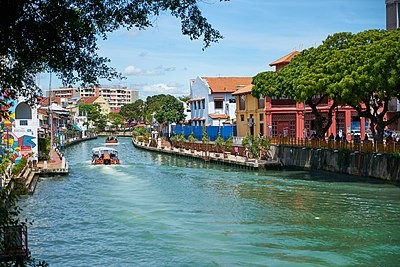
Melaka is Malaysia's historic port city and UNESCO World Heritage Site, where Portuguese, Dutch, and British colonial architecture blends with Peranakan heritage and modern development along the Straits of Malacca. The city's 600-year trading history, vibrant Jonker Street night market, and iconic riverfront have made it one of Southeast Asia's most visited heritage destinations. Melaka offers some of Malaysia's most affordable property, with an average price of around MYR 250,000 — the lowest of any Malaysian state capital. Despite this affordability, the state registered nearly 30% growth in residential property transactions recently, signalling surging investor interest. The heritage zone and riverfront command premiums, while suburban terrace houses provide excellent entry points for first-time investors. Strategically located between Kuala Lumpur and Johor Bahru along the main north-south corridor, Melaka benefits from strong domestic tourism and growing international arrivals. The state government's push to develop the waterfront and expand the port economy complements the existing tourism base. For investors seeking capital appreciation from a low base with heritage-driven rental demand, Melaka represents one of the most undervalued opportunities in the Malaysian property market.
Penang
Malaysia
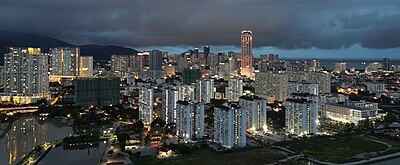
Penang is Malaysia's cultural jewel and emerging tech hub, anchored by the UNESCO World Heritage-listed George Town. The island state combines centuries of Malay, Chinese, Indian, and European heritage with a thriving semiconductor and electronics industry that has earned it the nickname 'Silicon Island of the East.' The property market in Penang offers a distinctive blend of heritage shophouses in George Town's core, modern condominiums along the Gurney Drive and Tanjung Tokong corridors, and landed homes in established suburban areas. Condominium prices average MYR 450-650 per square foot on the island, with premium developments in Georgetown and Gurney Drive commanding MYR 700-900 per square foot. Rental yields average approximately 5.74% for apartments, slightly above the national average. Penang's appeal extends beyond investment returns. The island is consistently rated as one of Asia's best places to retire, with excellent and affordable healthcare, a legendary street food scene, and a creative arts community centered around George Town's UNESCO zone. Major infrastructure projects including the Penang Transport Master Plan and continued tech sector expansion are set to support long-term property demand.