There is a phrase that we often hear when we talk about the Portuguese economy: "Portugal has enormous potential." We have heard it for decades. It comes up whenever we discuss energy, tourism, technology, industry,…

ByCasaiberia Mediação Imobiliária Lda·Introduction
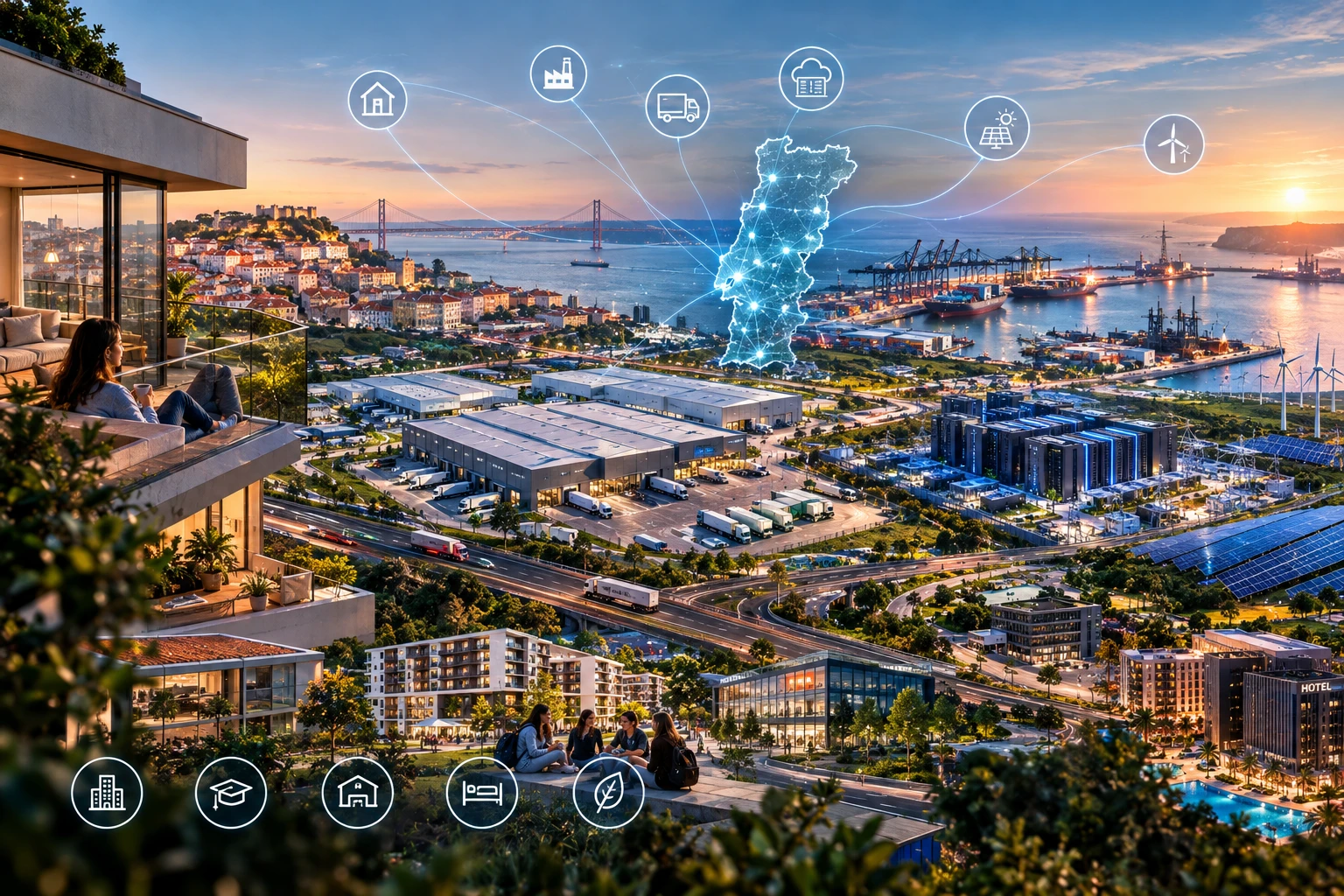
There is a phrase that we often hear when we talk about the Portuguese economy: "Portugal has enormous potential." We have heard it for decades. It comes up whenever we discuss energy, tourism, technology, industry, logistics, housing or innovation. And, in fact, it is a correct statement. The problem is that potential, by itself, has never created wealth. What transforms potential into development is the ability to decide, execute and achieve.
Why potential stays unrealised
In recent months I have written about very different topics. I have talked about the space economy, the defense industry, data centers, nearshoring, artificial intelligence, renewable energy, housing and logistics. At first glance they seem to be independent sectors, each with its own challenges. But the more I follow them, the more I realize that they all end up running into exactly the same obstacle.
It is not the lack of investment.
It´s not a lack of talent.
It´s not the lack of technology.
It is the difficulty we have in turning opportunities into reality.
The figures recently released by APREN are perhaps one of the best examples. There are about 60 billion euros in investments in renewable energies that are still blocked by administrative processes, limitations of the electricity grid and delays in licensing. Each year that passes represents about 1.7 billion euros of tax revenue that the State fails to collect. At the same time, Portugal is one of the European countries with the largest incorporation of renewable energies and has all the conditions to become a reference in the production of clean energy.
The opportunity exists.
Execution is still delayed.
The same pattern across sectors
But this reality is far from exclusive to energy.
In housing we have known for a long time that there is a lack of houses. Studies, diagnoses and programs are multiplying, but we continue to build less than the country needs. Licensing is still slow, land use plans take years to be updated and decisions go through a chain of entities that often do not communicate with each other.
In industry, we often hear about international companies interested in setting up production units in Portugal. The same happens with technology centres, logistics platforms, projects linked to green hydrogen or large data centres. In practically all cases, the initial enthusiasm ends up being replaced by the same question: how long will it take to obtain all the authorisations?
Unfortunately, no one can answer accurately.
And this uncertainty comes at a cost.
On INTRIC now — Residences in PORTUGAL are open to enquiry straight from this page.
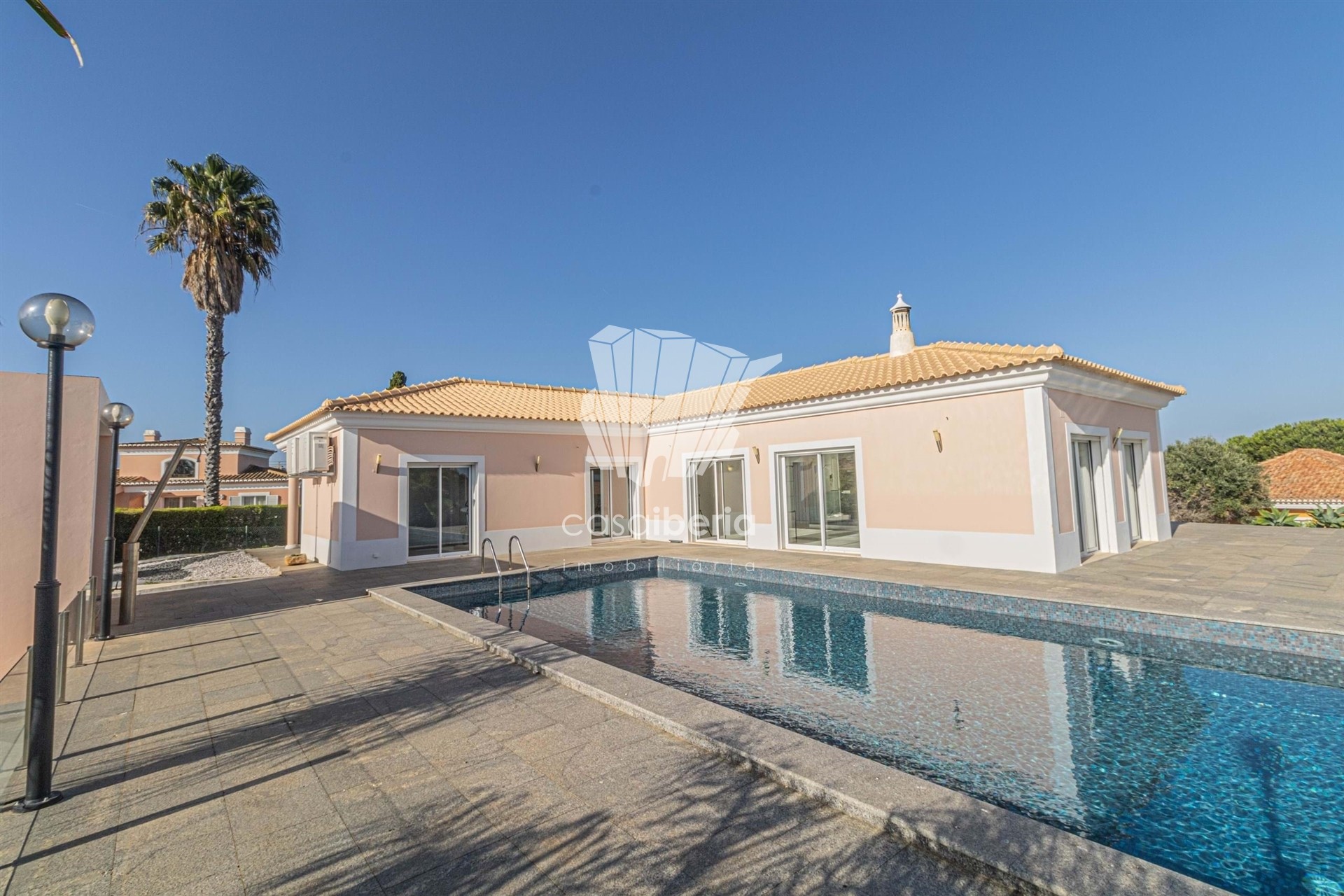
3-Bedroom House in Vale da Lama, Lagos
HOUSE · Vale da Lama, Lagos, Faro, Portugal
From EUR 1.25M
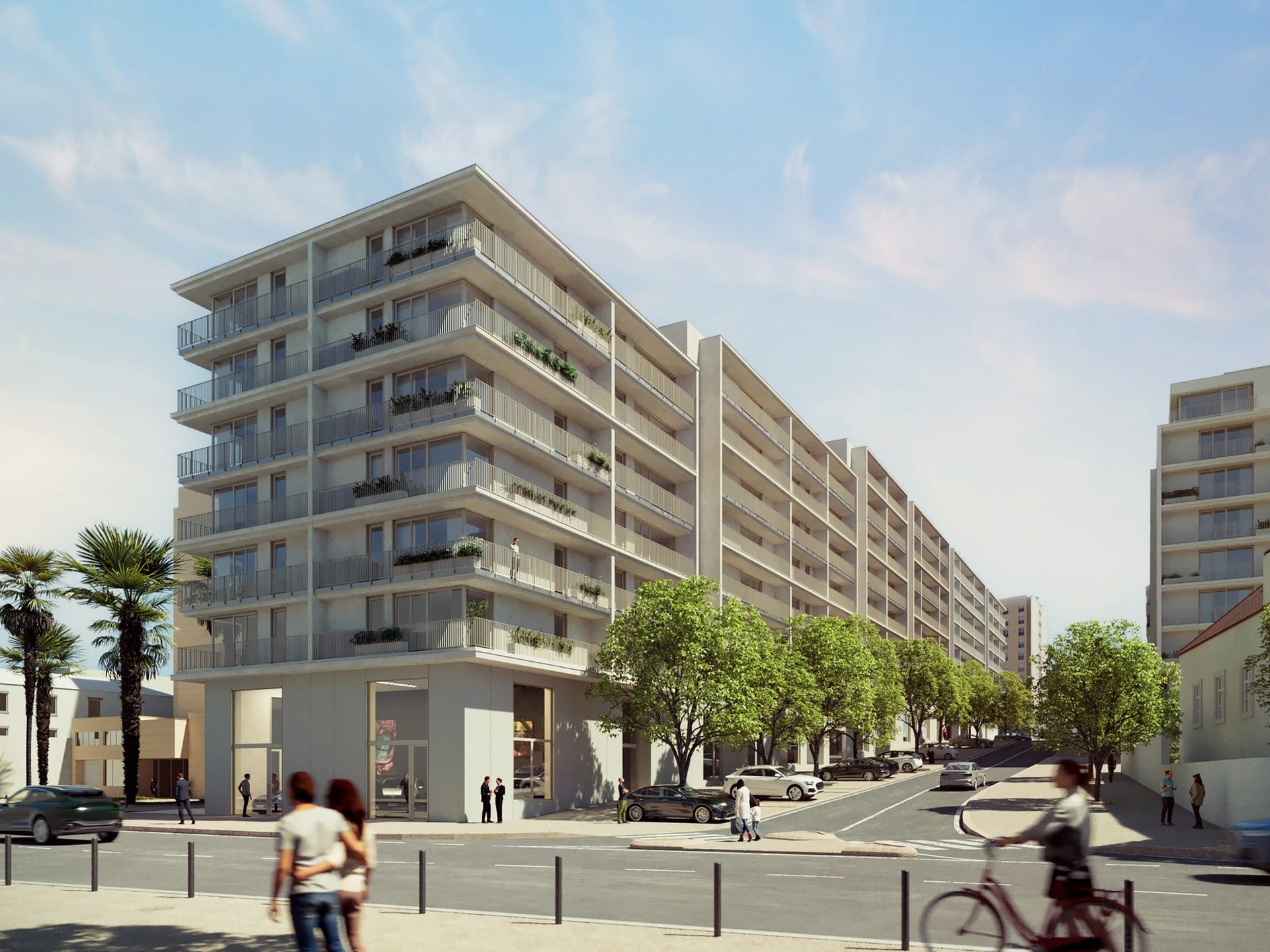
NoLiPa
APARTMENT · Alameda das Linhas de Torres, Lumiar, Lisboa, Lisboa, Portugal
EUR 435K – EUR 1.36M
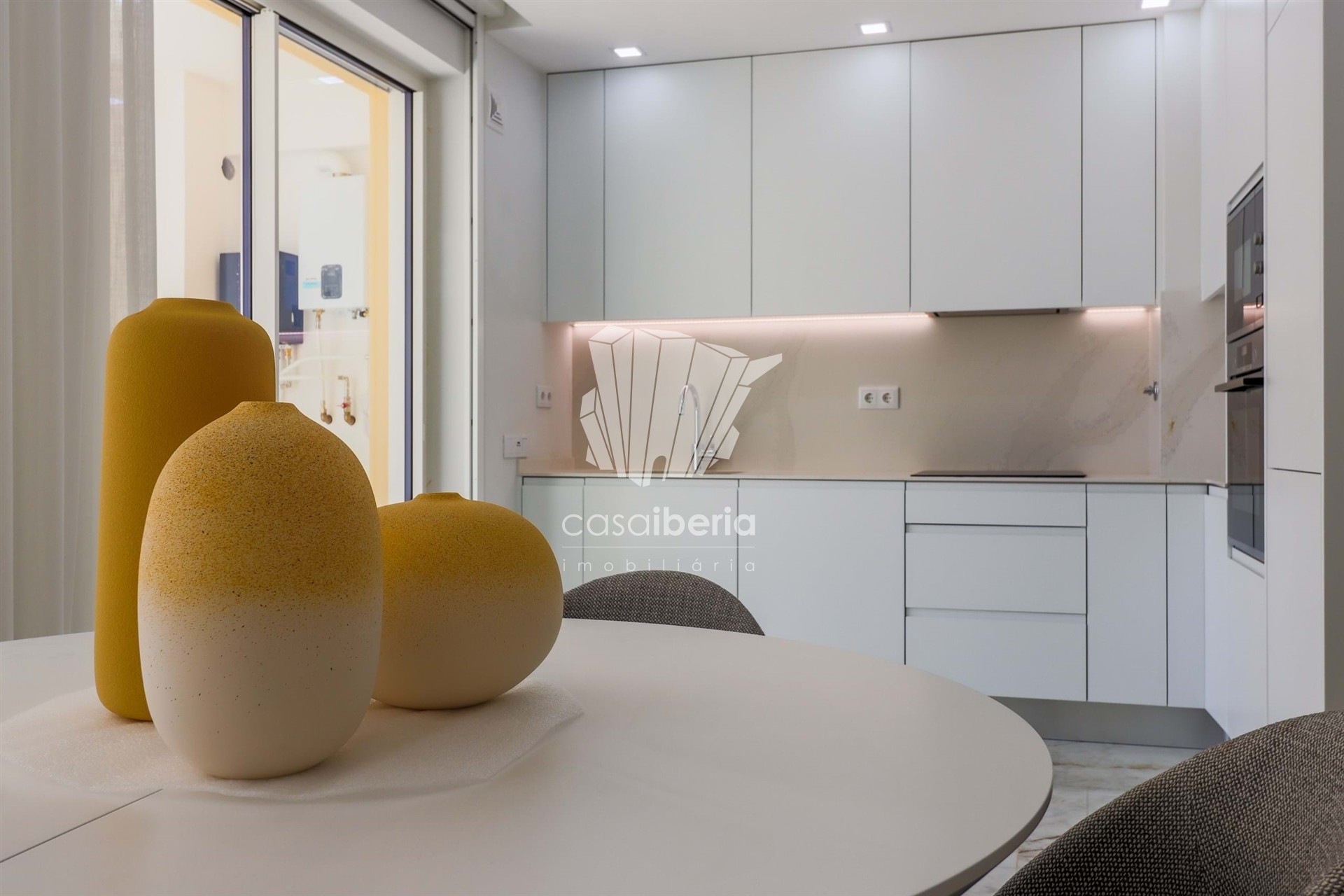
2-Bedroom Apartment in Lagos
APARTMENT · Lagos, Faro, Portugal
From EUR 640K
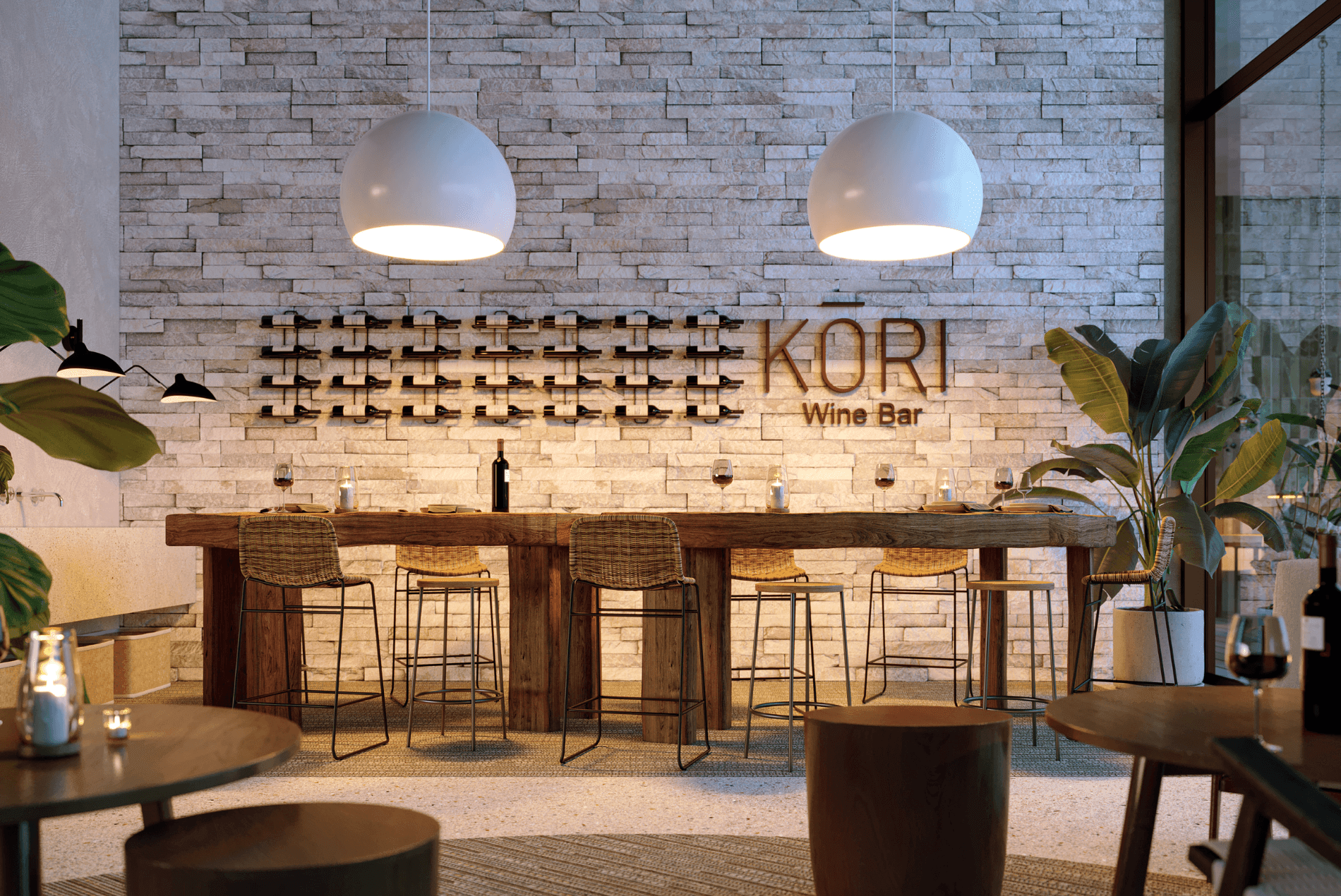
KORI
CONDOMINIUM · Lisbon Metropolitan Area, Portugal
EUR 216K – EUR 294K
Predictability and a State that decides
Investors can deal with demanding rules. They can adapt to strict environmental requirements and high quality standards. What they can hardly accept is the absence of predictability. A project does not fail just because it is refused. It often fails because no one can say when it will be decided.
Perhaps this is one of the biggest challenges of the Portuguese Public Administration. For decades we have been accumulating procedures, opinions, authorizations and entities with overlapping competences. It did so with good intentions: to protect the territory, ensure transparency, ensure compliance with the rules. But, along the way, we created a system where deciding became more difficult than analyzing.
And when everything depends on everyone, rarely does anyone truly take responsibility for the result.
I do not believe that Portugal needs less demand. Nor do I believe that the solution is to eliminate controls or reduce environmental protection. Sustainable development requires precisely the opposite: well-founded and responsible decisions.
What we need is a State that can decide in a timely manner.
Today there is a lot of talk about administrative simplification and digitalization. These are important steps, but insufficient. Digitizing a slow process does not necessarily make it faster. It only transforms bureaucracy into digital bureaucracy.
The real challenge is to reorganize the way the State decides, coordinates, and executes.
I have argued several times that a country´s competitiveness no longer depends only on its natural resources or the cost of labour. It depends on the quality of its institutions. It depends on the confidence it transmits to investors. It depends on the speed with which it responds to the opportunities that arise.
Advantages without execution
The world has changed profoundly.
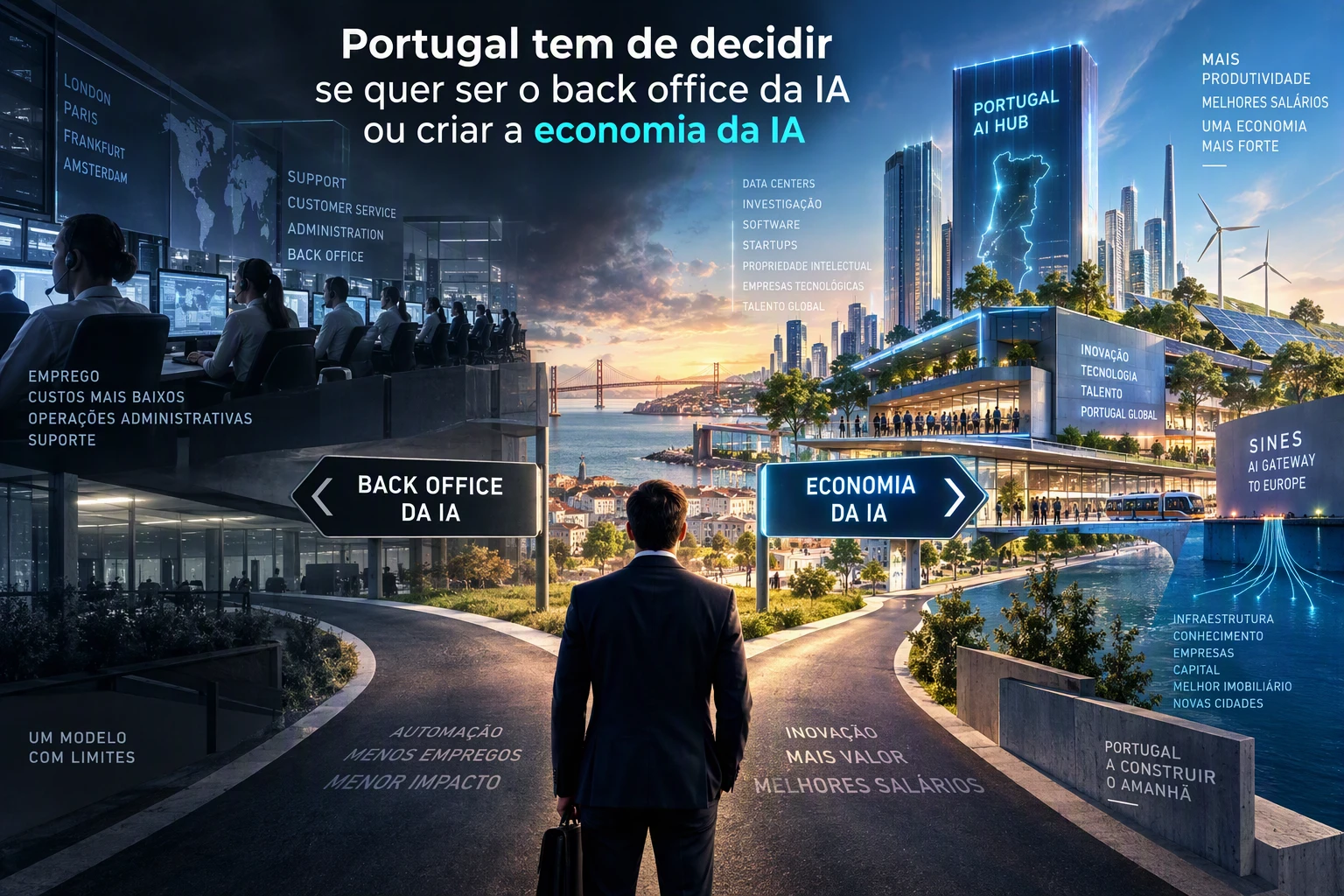
International investments no longer choose only countries. They choose ecosystems. They evaluate energy, talent, universities, logistics, political stability, infrastructure, technological capacity and, increasingly, the efficiency of public administration.
Portugal meets many of these conditions.
He has internationally recognized talent.
There are universities that produce knowledge.
It has innovative companies.
It has a strategic location.
It has one of the cleanest energy matrices in Europe.
It has quality of life.
It has stability.
What is still missing is to transform all these advantages into a consistent ability to execute.
Maybe that´s why we so often continue to celebrate intentions instead of results.
We announce investments before there are licenses.
We celebrate strategies before there are works.
We talk about goals before there are completed projects.
We have created a culture where advertising sometimes seems more important than executing.
However, other countries are advancing.
Not because they necessarily have more resources than we do.
But because they can turn an opportunity into a decision and a decision into a work.
On INTRIC now — Still open in PORTUGAL — every one of these answers enquiries directly.
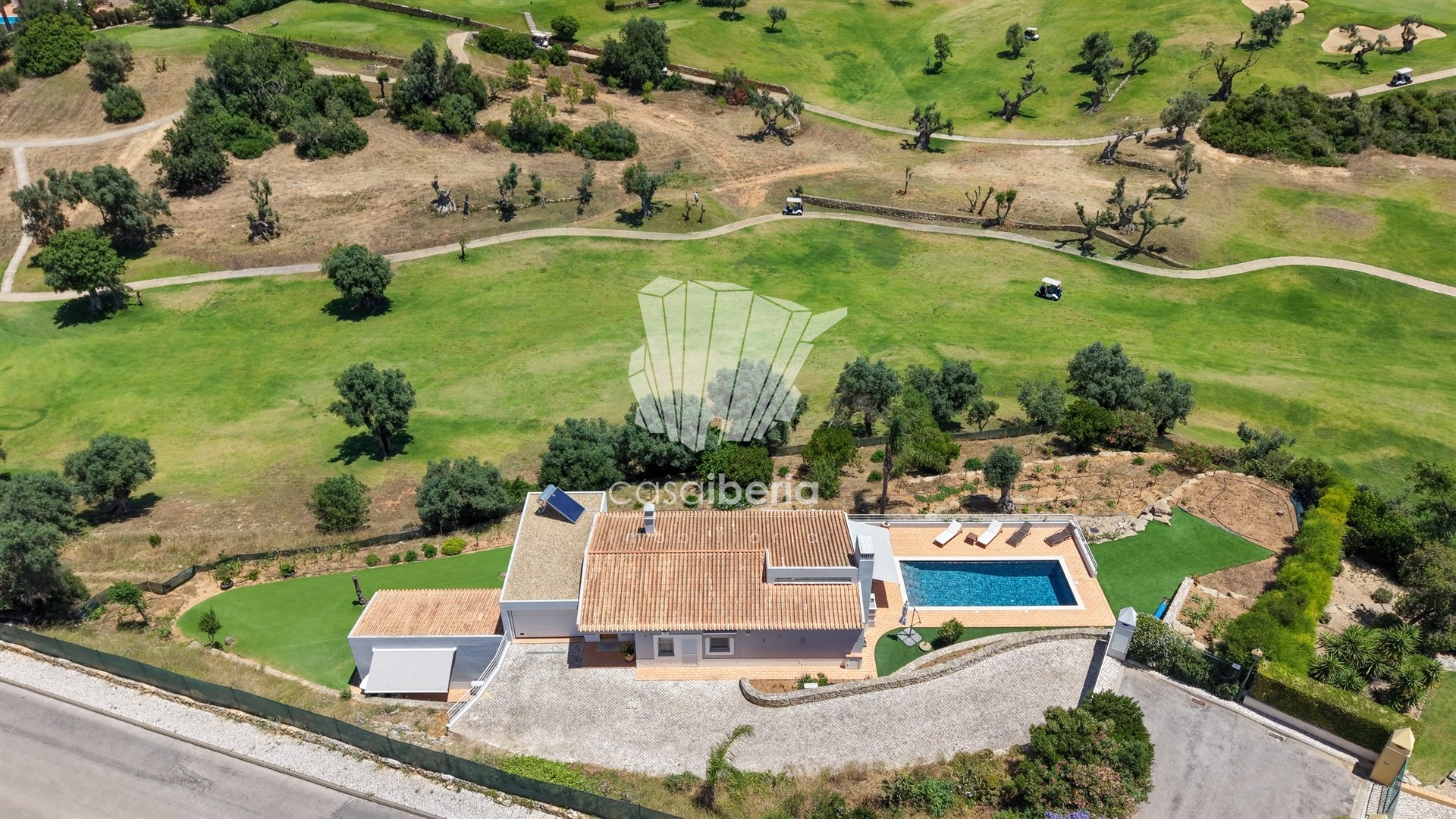
3-Bedroom House in Gramacho, Lagoa
HOUSE · Gramacho, Lagoa, Faro, Portugal
From EUR 1.19M
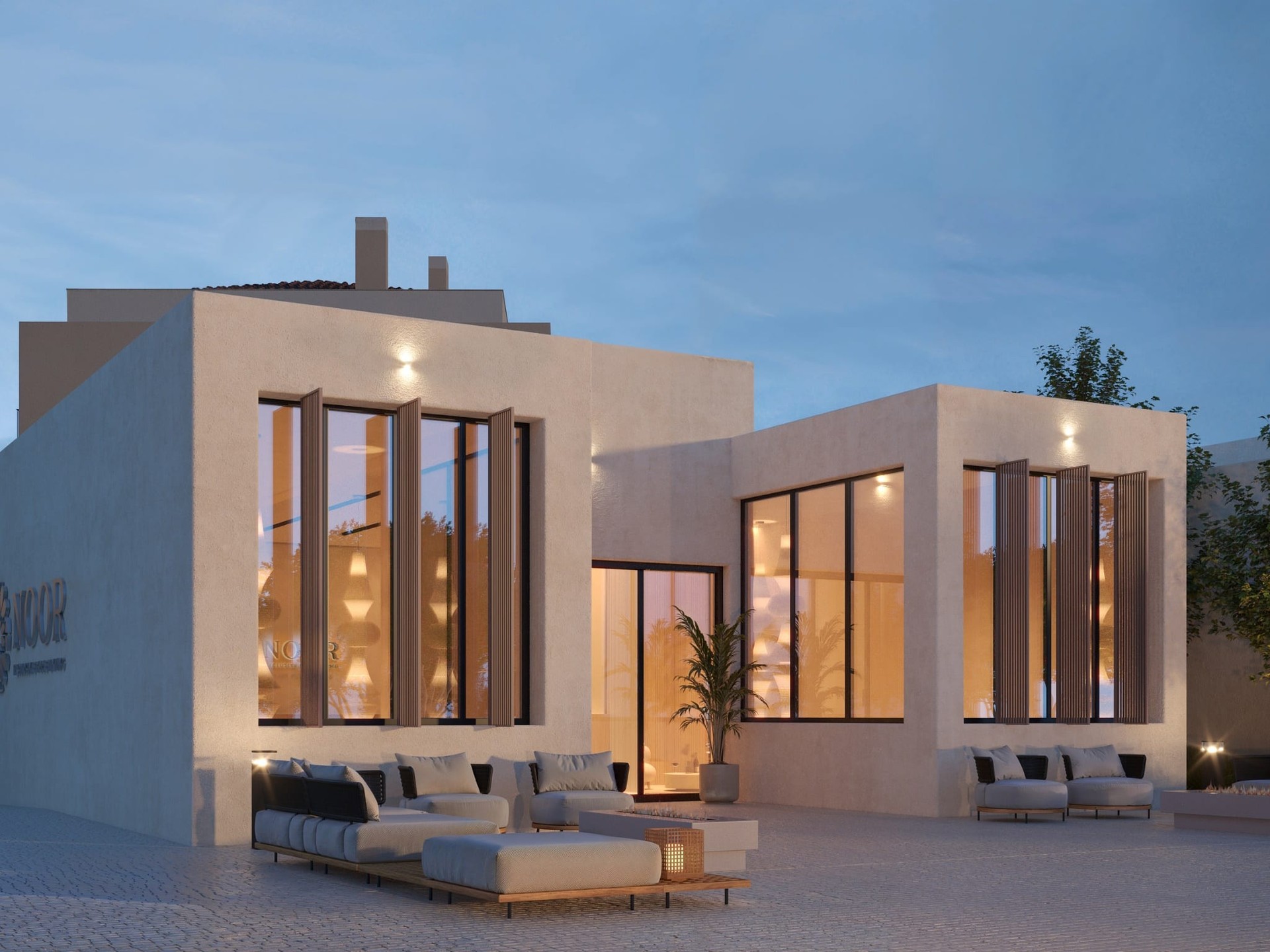
Noor
APARTMENT · Rua Central, Luz de Tavira e Santo Estêvão, Tavira, Faro, Portugal
EUR 345K – EUR 490K
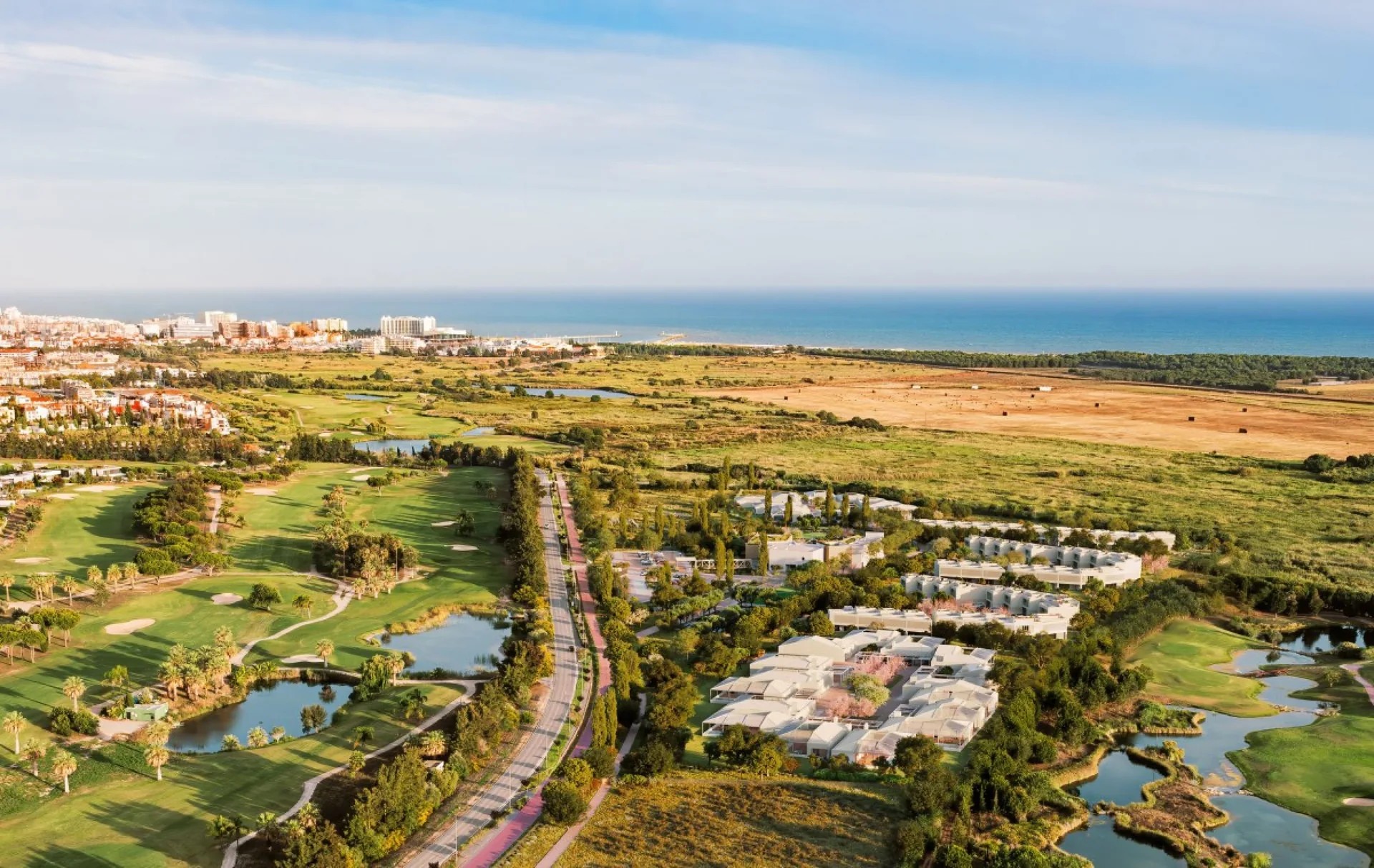
Springs at The Els Club
VILLA · The Els Club, Vilamoura, Algarve, Portugal
EUR 1.25M – EUR 3.30M
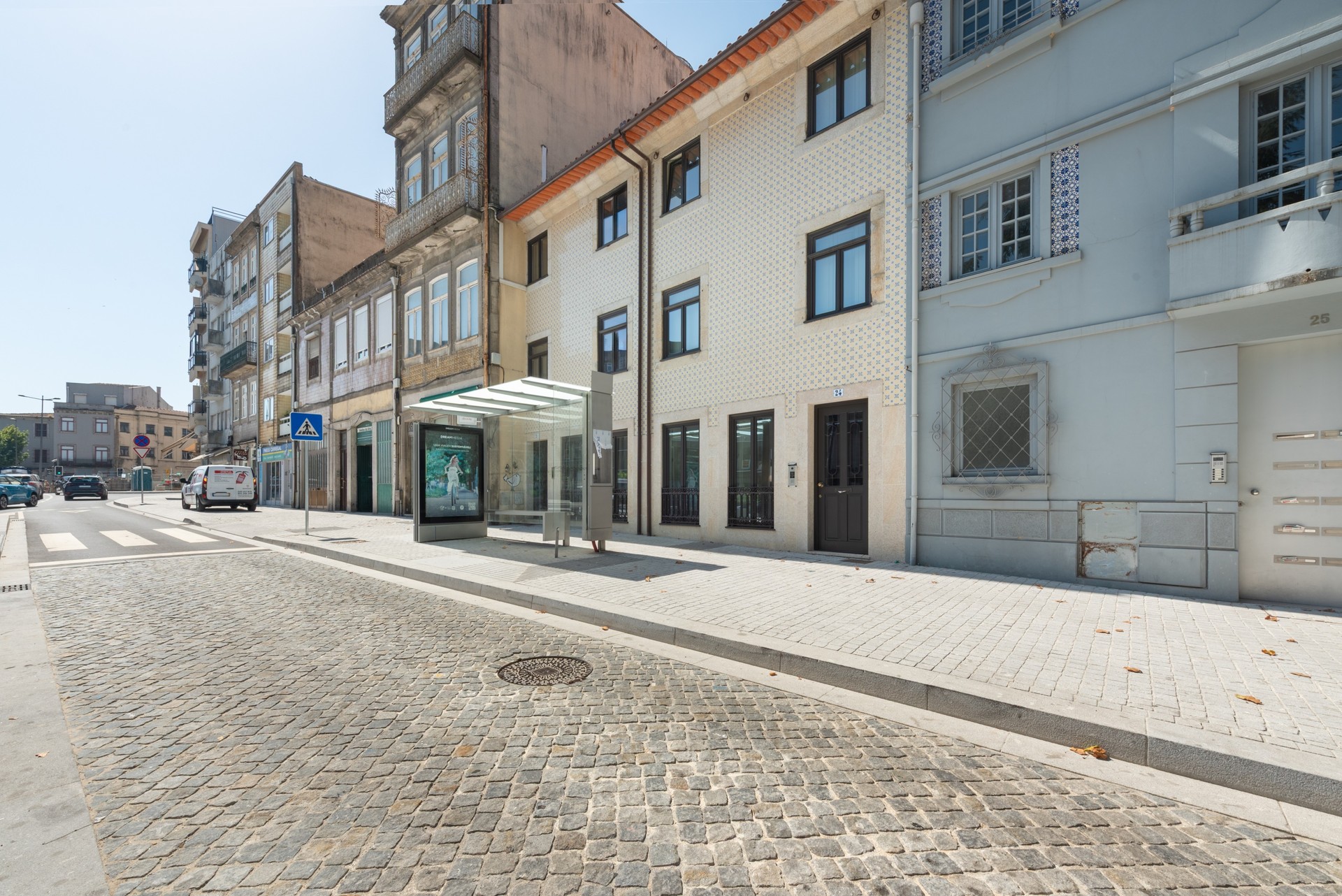
Clemente Menéres 21
APARTMENT · Rua de Clemente Menéres 21, Cedofeita, Porto
EUR 430K – EUR 450K
Asking a different question
Perhaps it is time to change the question we ask the country.
Instead of asking how many projects we want to attract, perhaps we should ask how many we can accomplish.
Instead of creating more strategies, perhaps we should evaluate how many of those that already exist have been effectively executed.
Because Portugal no longer needs to find out where the opportunities are.
They are identified.
In energy.
In industry.
In technology.
In the space economy.
In artificial intelligence.
In housing.
In logistics.
At sea.
The real challenge is another.
It is to stop being the country of postponed opportunities to become the country of opportunities fulfilled.
Because the future of Portugal will not depend on our ability to make diagnoses.
It will depend on our ability to make decisions.
And, above all, to turn them into reality.
Homes in this piece

Casaibéria is an Algarve real estate agency founded in February 2007, with offices in Lagoa, Ferragudo and Faro. It helps clients buy and sell homes across the Algarve and Lisbon, and is an affiliate of Leading Real Estate Companies of the World and a member of Luxury Portfolio International.

This content is AI-generated and may contain errors. Figures are indicative and subject to change. Do your own due diligence and seek independent legal and financial advice.