City guides
City guides (458)
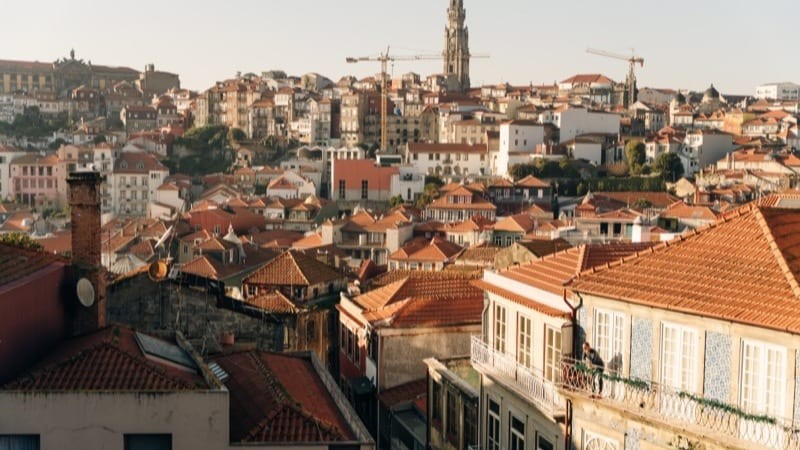

Porto City Guide
Portugal
Portugal's captivating second city blends UNESCO-listed medieval heritage with a thriving contemporary creative scene. From the iconic Ribeira riverfront where port wine barrels once floated down the Douro, to the bohemian galleries of Cedofeita and the upscale coastal elegance of Foz do Douro, Porto offers investors a diverse range of neighborhoods with strong growth potential and lifestyle appeal at prices still well below Lisbon. Porto's authenticity, world-class gastronomy, and architectural splendor have propelled it to multiple "Best European Destination" awards, driving tourism growth that has transformed the city's short-term rental market. The Douro Valley wine region at its doorstep and an expanding international airport make Porto increasingly accessible to global travelers and property investors.
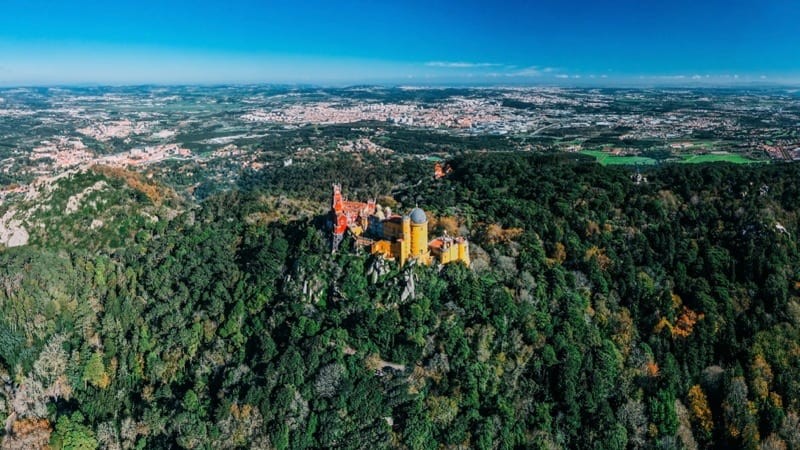
Sintra
Portugal
Sintra is a green, UNESCO-listed hill town just northwest of Lisbon, famed for its fairytale palaces, cooler microclimate and dense forest, yet firmly within the capital's commuter belt. In 2026 it offers a compelling value-and-yield story: average asking prices sit around EUR 3,300 per m2, markedly cheaper than Lisbon or neighbouring Cascais, while average gross rental yields are strong at roughly 6.4-6.8% and have held in a stable 6.0-7.5% band over the past five years. In Q3 2025 Sintra ranked among the most sought-after rental areas around Lisbon, blending heritage tourism with steady commuter and resident demand via the direct train line into the capital. Portugal imposes no general restrictions on foreign ownership, EU or non-EU, but the real-estate Golden Visa route was eliminated in 2023 and the NHR tax regime closed, replaced by the narrower IFICI+ scheme. Property purchases no longer confer residency. Buyers should budget for IMT, stamp duty and tighter short-let licensing in protected heritage zones. With heritage appeal, a cooler climate, strong yields and Lisbon-proximity value, Sintra suits investors seeking dependable rental income and capital growth in the greater-Lisbon market without the capital's price tag.
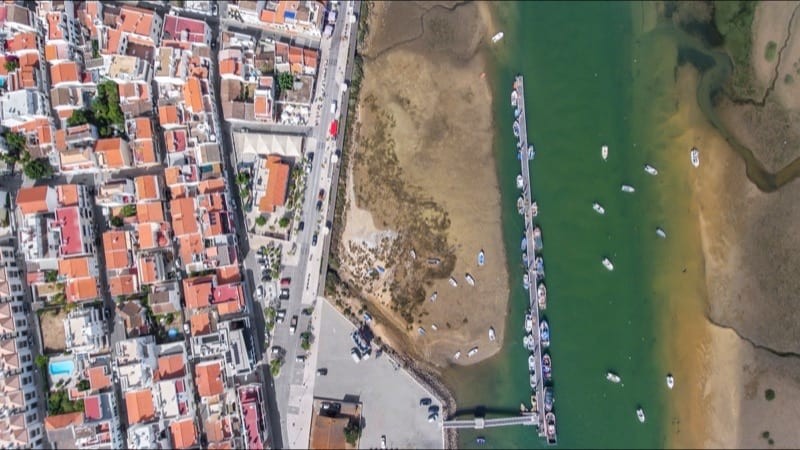
Tavira
Portugal
Tavira is the cultured jewel of the Eastern Algarve, a Moorish-rooted town straddling the Gilao river and edging the Ria Formosa lagoon. In 2026 it stands out as a top performer, posting roughly +10.4% year-on-year price growth, the strongest in the Eastern Algarve, while remaining notably more affordable than Lagos or Vilamoura. Apartment asking prices average around EUR 3,300 per m2, with houses and villas closer to EUR 3,700 per m2; completed properties broadly range from EUR 240,000 to EUR 750,000. Gross rental yields sit around 4.7%, with the wider Eastern Algarve at 4.5-5.8% on apartments and net yields nearer 2.8-3.3%. Crucially, Tavira sustains year-round demand rather than skewing to summer tourism, making it one of the region's most stable long-term rental markets, where foreign buyers account for around 92% of transactions in the luxury and new-build segments. Portugal imposes no general restrictions on foreign ownership for EU or non-EU buyers, though the real-estate Golden Visa route ended in 2023 and NHR was replaced by IFICI+. Buyers should budget for IMT and stamp duty. Tavira appeals to those prioritising authenticity, stability and value over resort buzz.
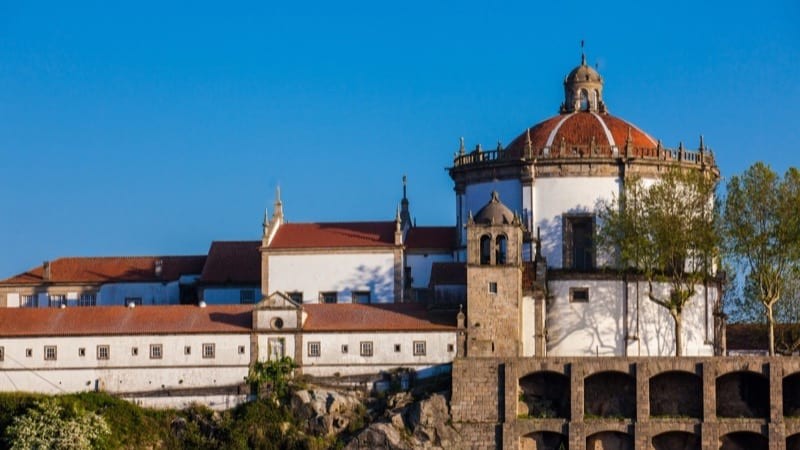
Vila Nova de Gaia City Guide
Portugal
Vila Nova de Gaia is the populous south-bank twin of Porto, occupying the opposite shore of the Douro River within the Porto Metropolitan Area. It is globally known for the historic port-wine lodges (Sandeman, Graham's, Taylor's) lining the Cais de Gaia riverfront, directly facing Porto's UNESCO Ribeira across the Dom Luis I Bridge. Beyond wine tourism, Gaia offers a 17 km Atlantic coastline with beaches at Canidelo and Madalena, the Afurada fishing quarter and Douro Marina, and the WOW (World of Wine) cultural district built from renovated cellars. For foreign buyers its core appeal is price arbitrage: it trades roughly a third below central Porto while delivering comparable river views, beaches and an under-15-minute reach to Porto's historic centre. Two current catalysts stand out: the Porto Metro's new Rubi Line - an eight-station link with a fresh Douro crossing connecting Casa da Musica to Santo Ovidio in Gaia, opening in phases from 2026 - and sustained high-end redevelopment in Canidelo, Santa Marinha and Madalena.
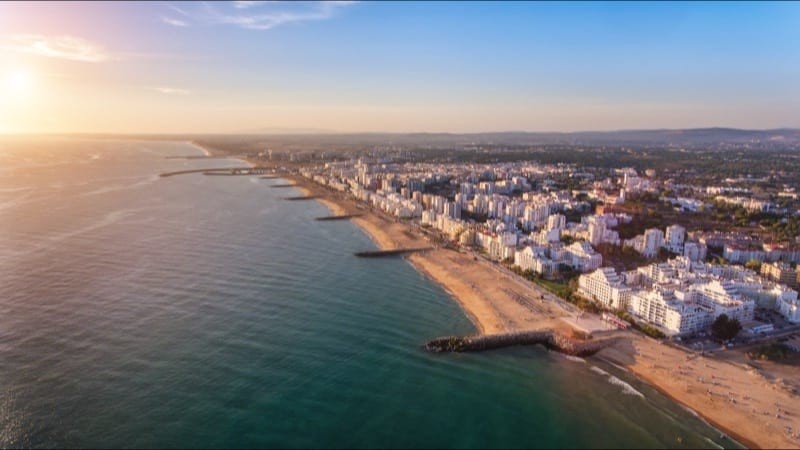
Vilamoura
Portugal
Vilamoura is the Algarve's flagship master-planned resort town, anchored by one of Europe's largest marinas and four championship golf courses across the Loulé municipality. In 2026 average prices sit around EUR 3,400-4,000 per square metre, with marina-front and Golden Triangle pockets reaching EUR 4,000-6,000 per square metre and luxury villas exceeding EUR 1 million. Resale one-bedroom apartments near the marina start near EUR 225,000 and new-build units from roughly EUR 260,000, while three-bedroom townhouses near the Pinhal and Millennium courses begin around EUR 700,000. Algarve prices rose about 9% year-on-year (around 7% real), driven by strong international demand against constrained coastal supply. Gross rental yields run 5-8%, among the highest in Portugal, helped by peak-season occupancy above 80%. Portugal places no nationality-based restrictions on residential purchases; EU and non-EU buyers own freehold on equal terms, though the Golden Visa real-estate route closed in October 2023 and the NHR tax regime was replaced by the narrower IFICI scheme. With a year-round resort economy, the DETAILS-led regeneration programme, and direct access via Faro Airport, Vilamoura remains the Algarve's blue-chip holiday-let and lifestyle play for 2026.
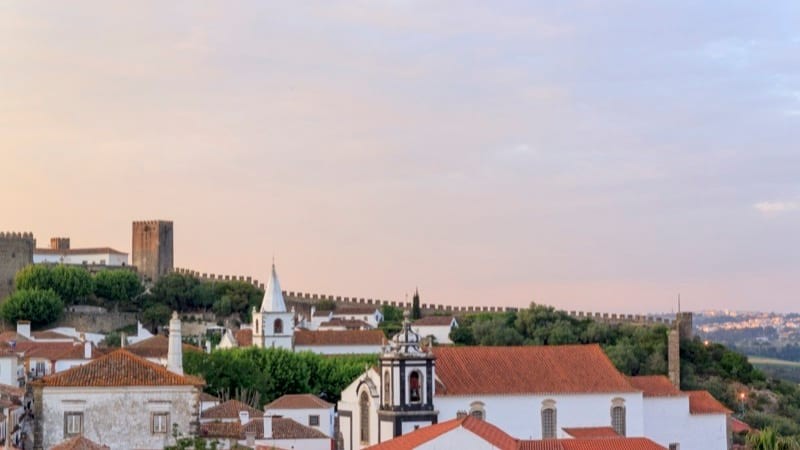
Óbidos
Portugal
Óbidos is one of Portugal's best-preserved medieval walled towns, a postcard-perfect Silver Coast destination of cobbled lanes, whitewashed houses and a hilltop castle just over an hour northwest of Lisbon. Beyond the historic core, the municipality stretches to the Lagoa de Obidos lagoon and the Atlantic, where the Praia d'El Rey and Bom Sucesso resorts add championship golf and luxury beachfront villas. Average asking prices in the area run around EUR 2,800-3,935 per square metre, with villas averaging near EUR 3,657 per square metre; homes inside the medieval walls start near EUR 250,000 and reach EUR 750,000-plus for larger historic properties. The town proper has roughly 3,100 residents within a municipality of about 12,000. Silver Coast gross rental yields average around 5%, blending heritage and golf-resort tourism. Portugal sets no nationality-based ownership restrictions; EU and non-EU buyers hold freehold equally, though the Golden Visa property route ended October 2023 and NHR became IFICI. With heritage cachet, golf-resort glamour and Lisbon proximity, Obidos is a refined Silver Coast pick for 2026.
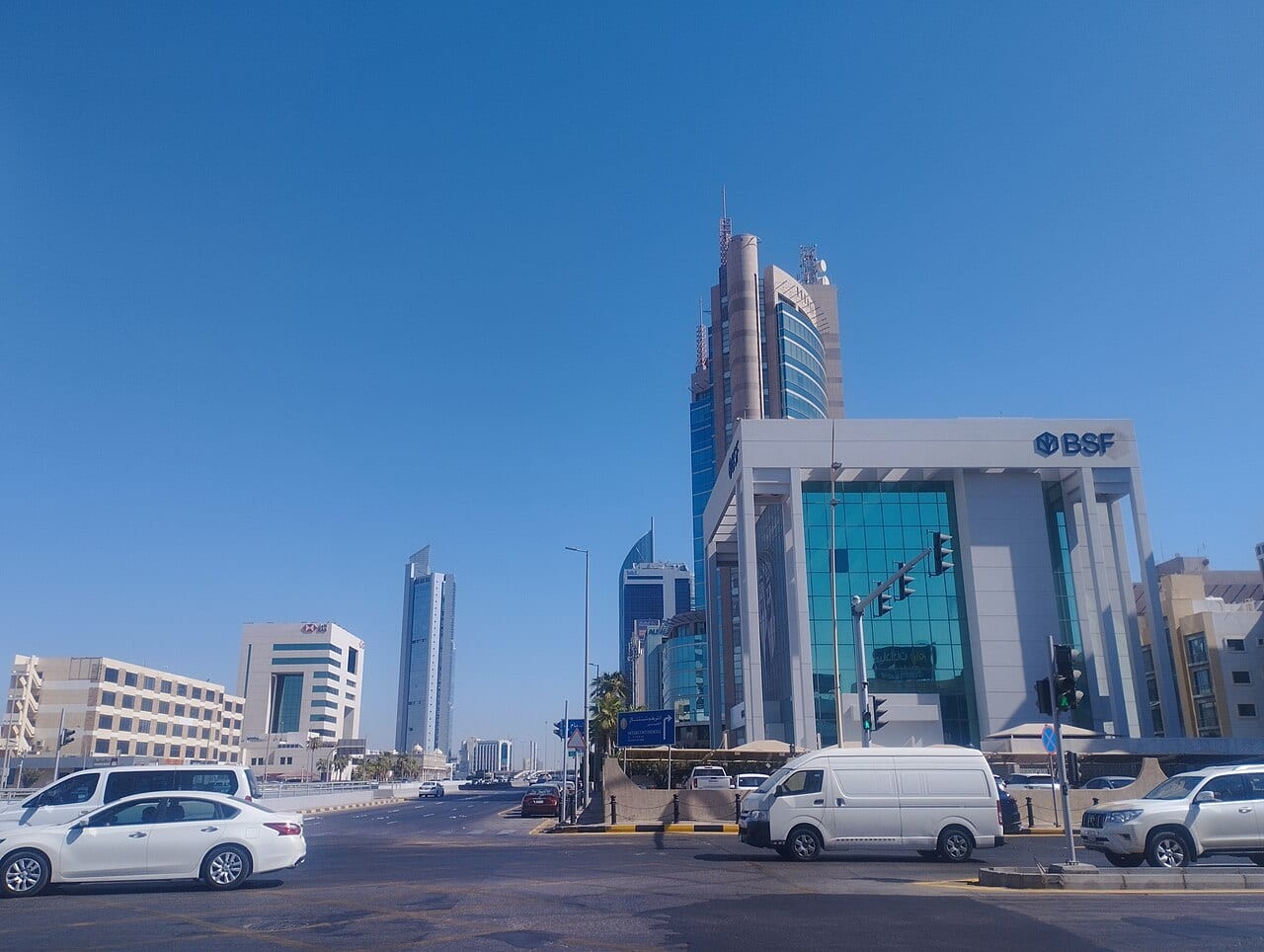

Al Khobar City Guide
Saudi Arabia
Al Khobar is the cosmopolitan waterfront hub of Saudi Arabia's Eastern Province, part of the Dammam-Khobar-Dhahran metropolitan triangle and home to a large, affluent expatriate workforce tied to Saudi Aramco's Dhahran headquarters and the wider oil-and-gas economy. Unlike the Holy Cities, Al Khobar sits within reach of Saudi Arabia's liberalising foreign-ownership regime: the national law effective January 2026 lets non-Saudis acquire property within designated geographic zones, and Premium Residency holders already have broader ownership rights. The metro added 428 residential units in Q3 2025 toward a total stock of around 725,000 units, and the Eastern Province is expanding on Aramco-driven demand for executive housing and gated communities. Khobar's Corniche waterfront and the Al Aqrabiyah district show some of the strongest long-term rental demand in the Kingdom. National gross rental yields ran about 6.8-7.3% in 2025, with no personal income tax on rents but a 5% Real Estate Transaction Tax on transfer.
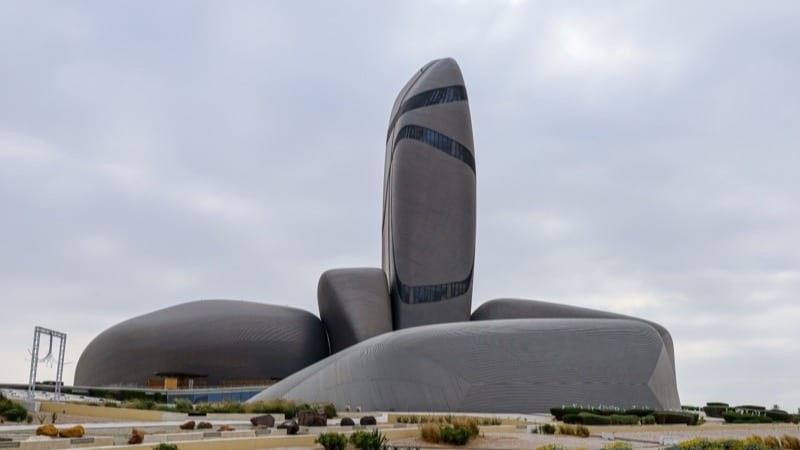
Dammam City Guide
Saudi Arabia
Capital of Saudi Arabia's Eastern Province and the beating heart of the Kingdom's energy economy, Dammam emerged in 2025 as the fastest-growing property market in Saudi Arabia. Anchored by Saudi Aramco's regional operations, the King Fahd Industrial Port, and the Dammam-Khobar-Dhahran metropolitan triangle, the city draws a deep base of energy-sector professionals, expatriate workers, and domestic end-users priced out of Riyadh and Jeddah. Investment attention concentrates on the Corniche-adjacent gentrification of Al Shati, established Al Faisaliyah, family-favoured Al Rawdah, and the improving infrastructure corridors of Al Rayan and Al Manar. Residential transactions reached roughly 3,000 in Q3 2025 - up nearly 60% year-on-year - with sales values climbing to SR3.2 billion. Apartments average around SAR 3,900 per square metre and villas roughly SAR 9,500, a meaningful affordability discount to the western metros that continues to pull both investors and owner-occupiers eastward. With Vision 2030 industrial diversification, expatriate relocation, and a comparatively modest 2026-2027 delivery pipeline of around 12,000 homes, Dammam enters 2026 with the supply-demand tension that has underpinned its surge.
Jeddah
Saudi Arabia
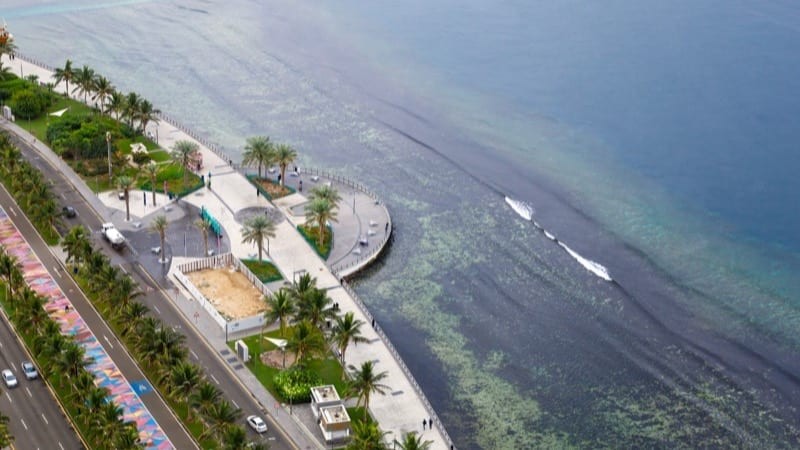
Jeddah is Saudi Arabia's commercial capital, second-largest city, and the historic gateway to the Holy Cities of Makkah and Madinah. The city sits on the Red Sea, has long been Saudi Arabia's most cosmopolitan and merchant-driven urban centre, and serves as the launchpad for the Red Sea Project, NEOM (north), and the broader western Saudi tourism opening. Residential prices in prime districts (Al Shati, Al Hamra, Al Rawdah, Al Zahra) run SAR 4,500-9,500 per square metre, with gross yields of 6.0-7.5% -- above Riyadh because Jeddah is NOT subject to the September 2025 rent freeze. This makes Jeddah the more attractive near-term yield play within Saudi Arabia for foreign buyers. For international buyers (post-2025 foreign ownership law), Jeddah offers Red Sea coastal positioning, the Hajj/Umrah economy (10+ million pilgrims annually), and unconstrained rental income growth. The catch: regulatory pace lags Riyadh, designated foreign-ownership zones may roll out later, and infrastructure quality is patchier than the capital.
Mecca City Guide
Saudi Arabia
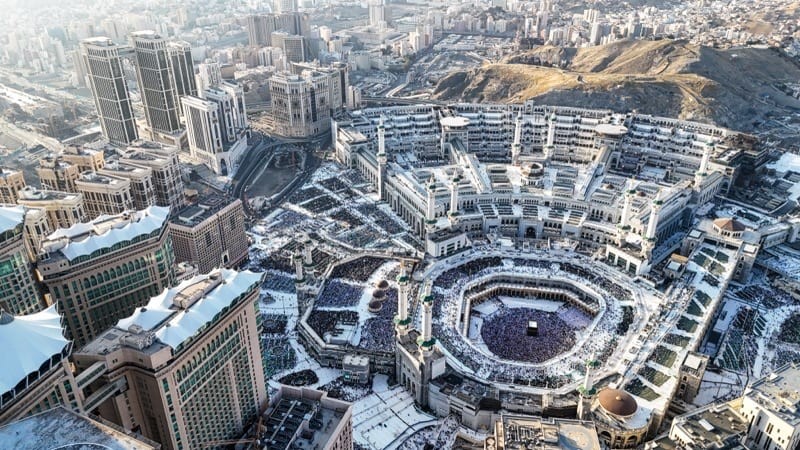
Mecca, capital of Makkah Province and Islam's holiest city, is home to the Masjid al-Haram and the Kaaba, drawing well over ten million Hajj and Umrah pilgrims a year and underpinning one of the world's most concentrated hospitality real-estate markets. For foreign investors this is the most restricted market in Saudi Arabia: the new national foreign-ownership law that took effect in January 2026 explicitly carves out Mecca and Medina as special high-restriction zones, so non-Saudis cannot freely buy property here. The realistic route is indirect, a January 2025 reform now lets foreign investors take stakes in listed companies that own real estate in the two Holy Cities, alongside long leasehold structures (up to 99 years) typically tied to pilgrim-accommodation and hotel schemes. Mecca residential prices actually softened, falling about 2.1% in Q1 2025 even as Riyadh surged, reflecting an oversupplied pilgrim-housing segment rather than scarcity. The investment case is hotel and serviced-apartment leasehold yield driven by year-round religious tourism, not freehold capital gains.
Medina City Guide
Saudi Arabia
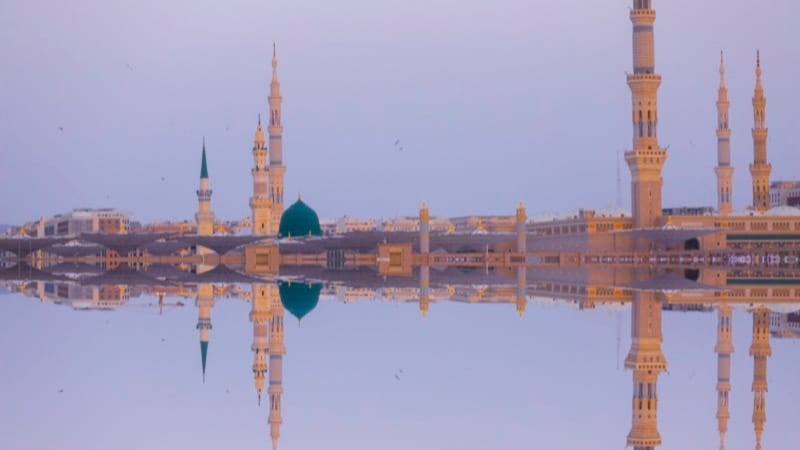
Medina, capital of Al Madinah Province and the second-holiest city in Islam, is built around Al-Masjid an-Nabawi (the Prophet's Mosque) and absorbs the bulk of Hajj and Umrah pilgrims alongside Mecca, making pilgrim accommodation its dominant real-estate sector. Like Mecca, Medina is a special high-restriction zone under Saudi Arabia's foreign-ownership law that took effect in January 2026, so foreigners cannot freely purchase freehold; non-Muslims are barred from owning inside the city's sacred boundaries, and non-Saudi Muslims face special conditions set out in the executive regulations. Since January 2025 foreign investors may instead take equity stakes in listed companies that own property in the Holy Cities, and long leasehold (up to 99 years) is the practical vehicle for hotel and serviced-apartment exposure. The wider Saudi residential index slipped about 2.2% over the year to Q4 2025, and Medina shares the oversupplied pilgrim-housing dynamic, so the realistic thesis is occupancy-led hospitality income near the Central Area rather than freehold capital growth.
Riyadh
Saudi Arabia
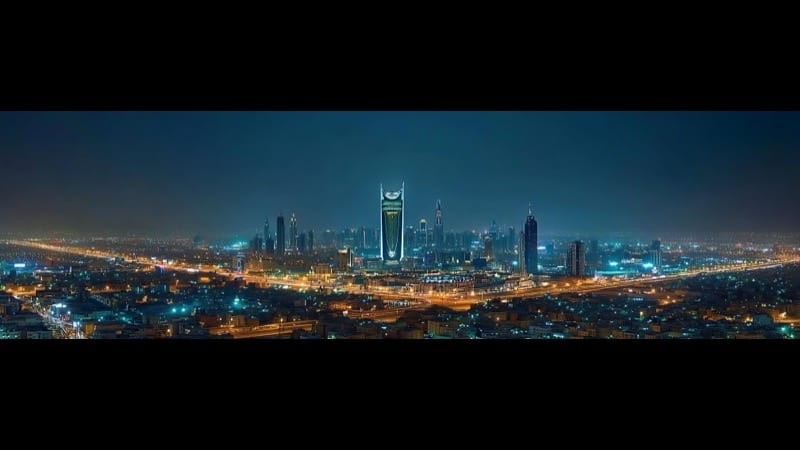
Riyadh is Saudi Arabia's capital, largest city, and the epicentre of Vision 2030 transformation. The city has grown from 3 million residents in 2000 to ~8 million today and is projected to reach 15-20 million by 2030 as the Crown Prince's Vision 2030 plan relocates regional HQs, expands government employment, and drives population in-migration. Residential prices in upscale districts (Al Olaya, Al Malqa, Al Narjis, Diplomatic Quarter, Hittin) command SAR 6,000-12,000 per square metre, with gross yields of 5.8-7.2%. The September 2025 5-year rent freeze (effective through September 2030, within the city's urban boundary) is the defining market feature -- it caps rental income growth at zero in real terms for new investors, a material negative driver. Capital values continue to appreciate, however, on supply tightness and Vision 2030 demand. For international buyers (post the 2025 foreign ownership law, effective January 2026), Riyadh offers first-mover access to one of the world's most ambitious capital city transformations, USD-pegged currency, and zero personal income tax. The catch: foreign ownership is only allowed in designated zones, and the rent freeze caps near-term rental yield growth.

Cape Town City Guide
South Africa
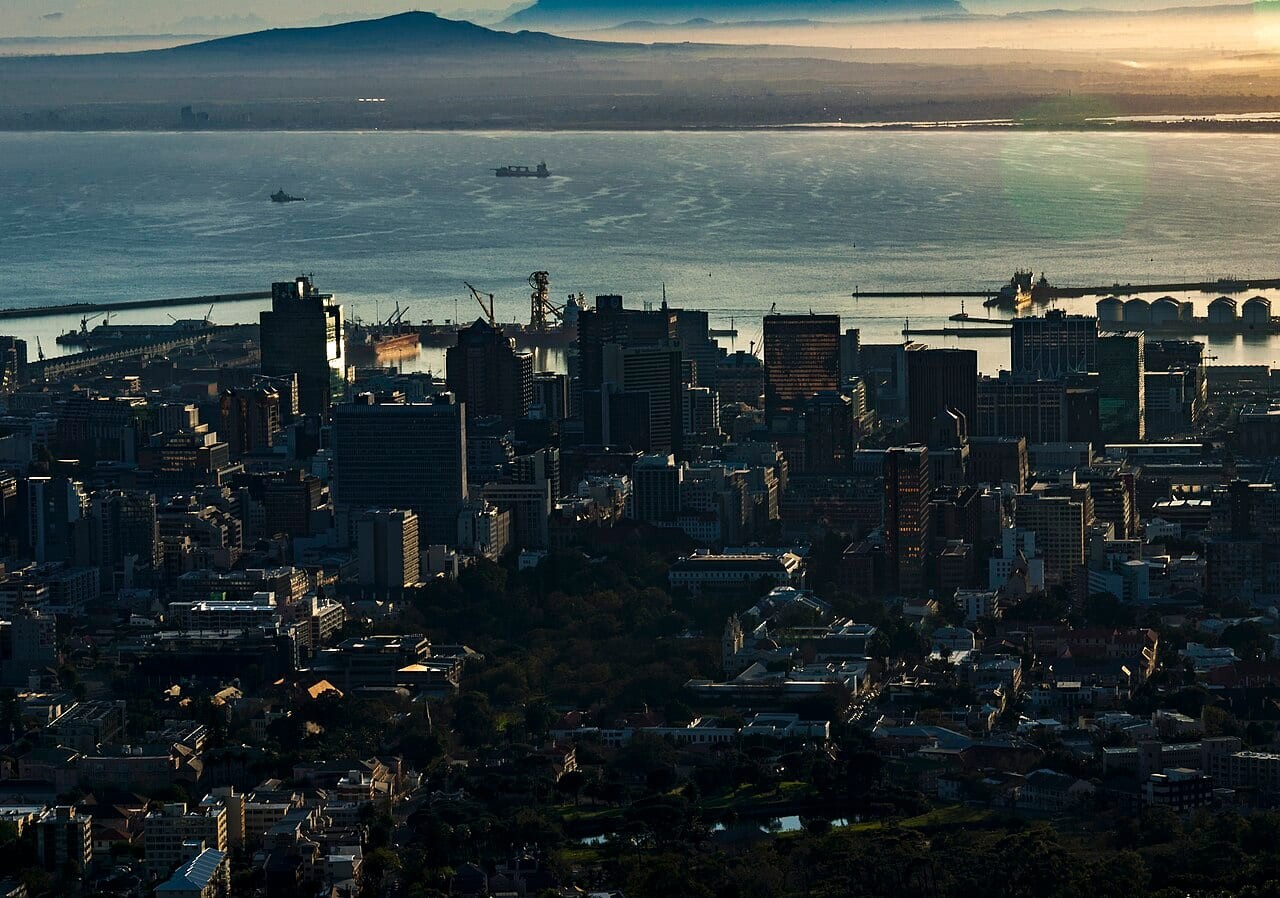
Cape Town is South Africa's second-largest city and legislative capital, wrapped around the City Bowl beneath Table Mountain and fringed by the Atlantic Seaboard's beaches (Clifton, Camps Bay, Sea Point). It is consistently the country's strongest residential market: Western Cape house prices rose roughly 8–10% in the year to 2025 versus a national average nearer 4–5%. The dominant demand driver is 'semigration', affluent South Africans relocating from Gauteng and KwaZulu-Natal to the Western Cape for lifestyle, governance and safety, layered on strong international demand and an outsized tourism economy. The city is also South Africa's leading technology hub ('Silicon Cape', 450+ tech firms incl. Amazon's African operations), underpinning professional rental demand, and one of the world's largest Airbnb markets (the V&A Waterfront alone draws ~24m visitors a year). National load-shedding, severe through 2023, had largely ceased by 2025 (200+ blackout-free days), though most premium properties still run backup solar/inverters. For foreign investors, ownership is open, non-residents buy freely; the main constraint is exchange-control financing (typically max ~50% local mortgage, the balance brought in from offshore). There is NO property-based golden visa, buying grants no residency. The rand is volatile, which lowers euro entry costs but adds currency risk to returns.
Durban City Guide
South Africa
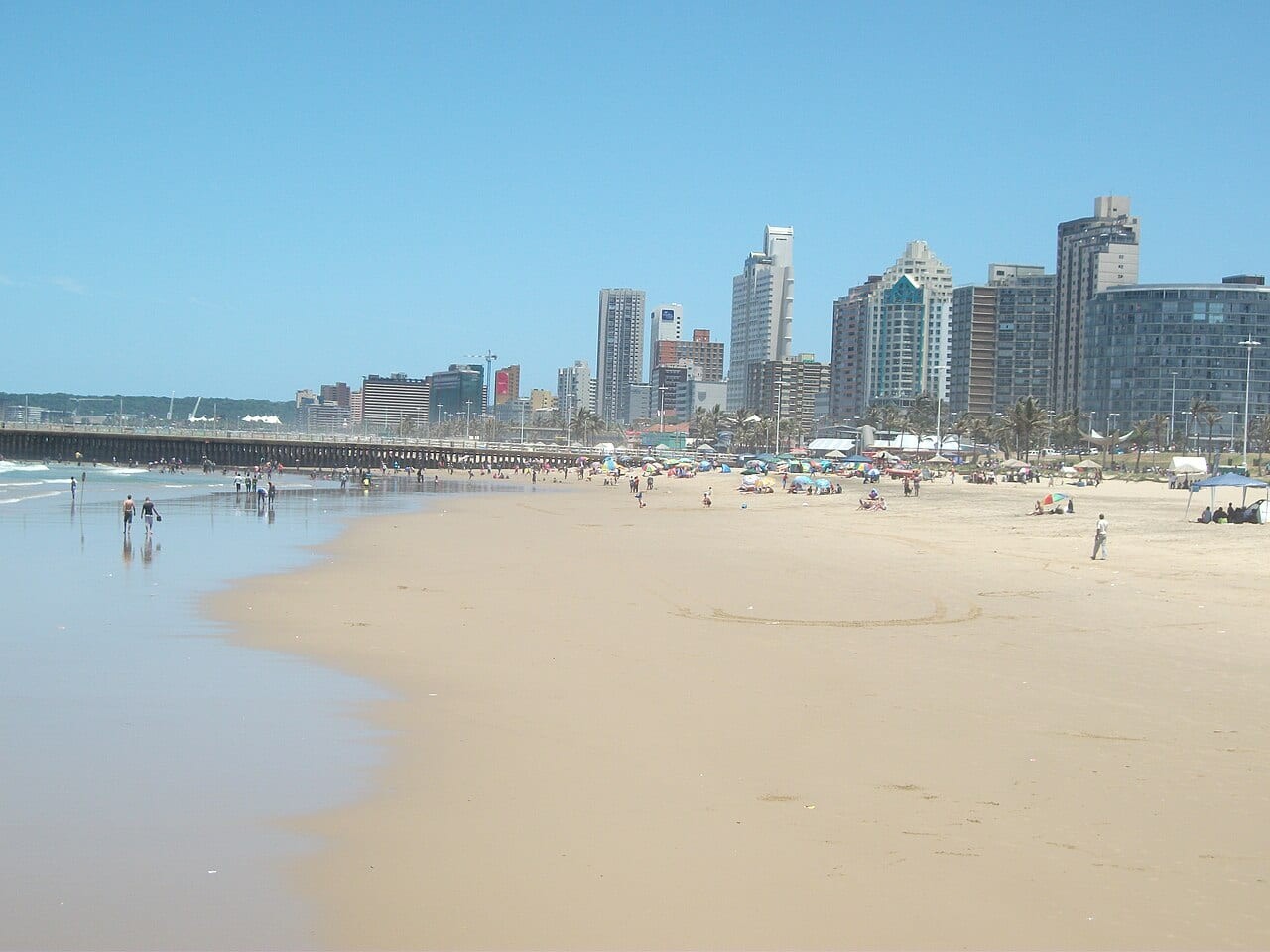
Durban is South Africa's third-largest city and the warm-water gateway of the Indian Ocean coast, wrapped around the busiest port in Africa. Its signature is the Golden Mile, a long beachfront promenade of surf beaches and the uShaka Marine World complex, set against a humid, year-round-swimming climate that makes KwaZulu-Natal the country's domestic-holiday capital. At roughly half the per-square-metre cost of Cape Town's Atlantic Seaboard, Durban reads as a value-and-yield market rather than a capital-gains market. The investment story of the last decade has been a clear migration of money north of the old centre to the uMhlanga / La Lucia 'New Durban' growth node, anchored by the giant Gateway mall, the uMhlanga Ridge business district and the emerging Sibaya Coastal Precinct, which now functions as the de-facto premium CBD. Domestic 'semigration' from Gauteng to the KZN coast continues to feed demand here and up the N2 toward Ballito. Honesty matters: the boom is geographically uneven. The historic inner city and parts of the beachfront fringe have declined through service strain and the aftermath of the 2021 unrest and 2022 floods, while a multi-billion-rand regeneration (Point Waterfront, Rivertown) is still a work in progress. The reliable returns sit in the northern suburbs and the Berea ridge (Morningside, Musgrave, Glenwood), where strong rental demand and established schools offset slow headline price growth. Foreigners buy freely (non-residents ~50% local finance, exchange control); there is NO property golden visa. Investors come to Durban for income and lifestyle, not the appreciation curve.
Johannesburg City Guide
South Africa
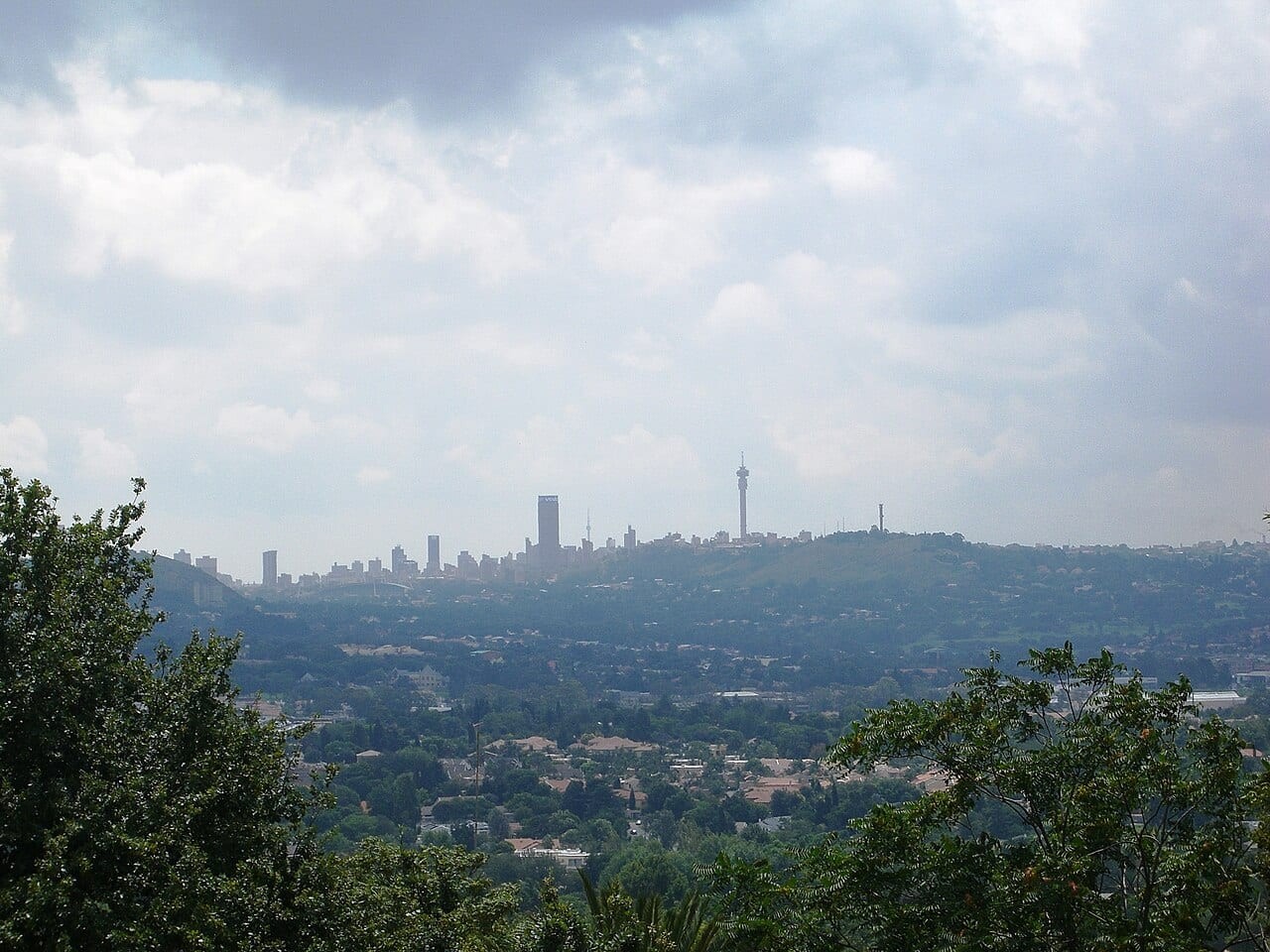
Johannesburg is the economic engine of South Africa and the wider sub-Saharan region, the country's largest city (metro ~6.45m) and seat of the Johannesburg Stock Exchange, Africa's largest bourse. Within it, Sandton functions as the de-facto financial capital, routinely branded the 'richest square mile in Africa'. Everything is priced in the rand (ZAR), a volatile emerging-market currency, the single most important variable for a euro investor, since local price growth can be erased or amplified by ZAR moves. Joburg's defining feature is its gated-estate and security-complex culture. Demand concentrates in the affluent northern suburbs (Sandton, Bryanston, Fourways, Rosebank, Houghton) where 24-hour access control, electric fencing and private patrols are standard and priced into the asset, a response to a genuinely high city-wide crime environment, so security is a real ongoing cost, not a marketing flourish. Two honest headwinds: 'semigration' out of Gauteng to the Western Cape has pushed Cape Town's price growth (~9–10% YoY) far ahead of Gauteng's (~3% YoY), so Joburg has lagged Cape Town on capital growth for years; and load-shedding, severe in 2022–24, had largely abated by early 2026 (300+ blackout-free days). The investment thesis is the mirror image of Cape Town's: lower capital growth, but materially higher rental yields and far cheaper entry prices. There is NO property golden visa, buying confers no residency.

Algorfa City Guide
Spain
Algorfa is a peaceful inland Vega Baja citrus-farming village on the right bank of the Río Segura, built up around the La Finca Golf & Spa Resort and popular with Northern-European relocators. Its 18-hole La Finca golf course and five-star spa hotel, the Castillo de Montemar urbanisation (one of the village's three resort areas with Lo Crispín and Montebello), the neo-Gothic village church and the La Pedrera recreation zone define a small municipality of about 3,800, roughly ten minutes inland from the coast. For buyers, it is a value golf-and-villa market: current platform listings run roughly €159,000–€840,000 (La Finca resort villas at the top), with an indicative gross rental yield around 5.2%. Alicante-Elche Airport is about 35 minutes by road, with the beaches of Guardamar and Torrevieja ~10–20 minutes away. The buyer base is Northern-European relocators and golf-and-holiday-home buyers. See the Spain Investor Guide.
Alicante City Guide
Spain
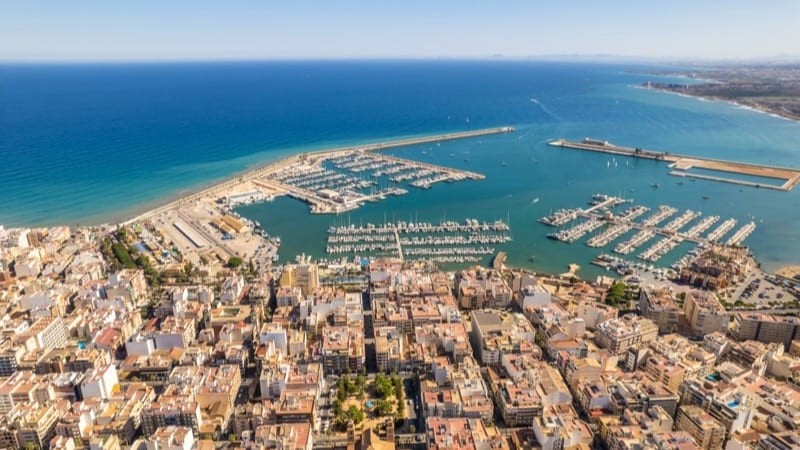
Alicante, the gateway city of the Costa Blanca, is the most international property market in Spain. Foreign buyers account for close to half of all transactions in the province, drawn by 300-plus days of sunshine a year, a busy international airport and direct beach access. Prices have climbed sharply: the city average reached roughly 2,435-2,508 euros per square metre by early 2026, a year-on-year rise of around 16%, yet values remain affordable next to Spain's capitals and prime coastal hotspots. Rental yields are competitive at about 5.5% gross for long lets, while short-term holiday rentals in premium seafront areas can return 6-10% per annum given the year-round tourism season. Demand is broad-based (UK, German, Dutch, Scandinavian and Belgian buyers dominate the international segment), and emerging neighbourhoods such as San Blas-PAU and Villafranqueza posted growth above 22% in 2025. Nearby Costa Blanca markets like Torrevieja, La Mata and Punta Prima offer higher-yield, lower-priced alternatives. As a Eurozone destination Alicante provides currency and legal stability, but investors must weigh genuine risks: rapid price appreciation raises overheating concerns, Spain ended its Golden Visa in 2025 (removing the residency-by-purchase route), and several municipalities are tightening short-term-rental licensing.
Altea City Guide
Spain
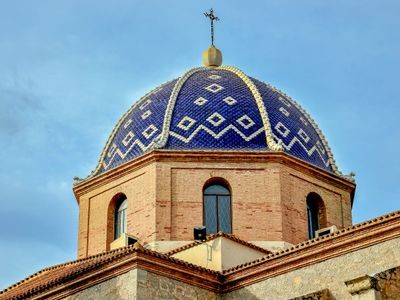
Altea is the Costa Blanca's bohemian-chic address — a whitewashed artists' hill town crowned by the blue-domed church of Nuestra Señora del Consuelo, with labyrinthine old-town streets, a Russian Orthodox church, and the upscale Altea Hills and Puerto Luis Campomanes marina along the coast below. Quieter and more upmarket than neighbouring Benidorm, it has a population of about 24,600. For buyers, this is a higher-end, villa-weighted market: current platform listings run roughly €495,000–€2,295,000 (Altea Hills sea-view villas at the top), with an indicative gross rental yield around 4.7%. Altea sits on the FGV TRAM Line 1 (Alicante–Benidorm–Dénia) with AP-7/N-332 access and Alicante Airport about an hour away. The buyer base is international lifestyle demand — British, Scandinavian, Dutch and Belgian — drawn to the art-town character and sea-view villas rather than mass resort product. See the Spain Investor Guide.
Barcelona City Guide
Spain
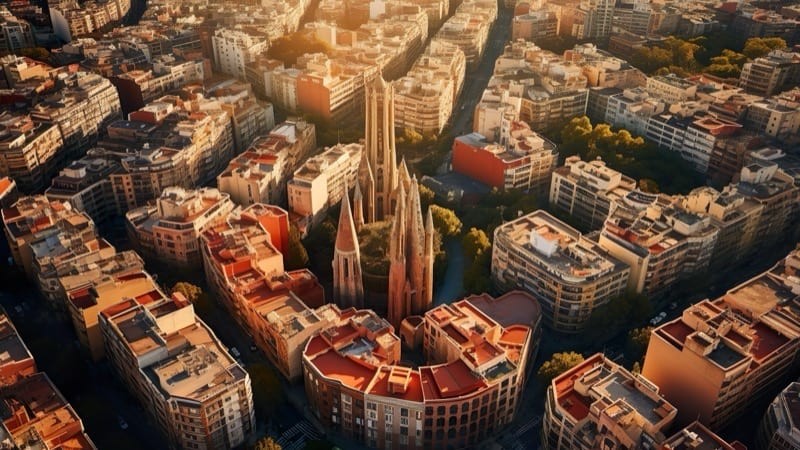
Barcelona, the capital of Catalonia, blends Mediterranean lifestyle, world-class beaches and the unmistakable modernisme of Antoni Gaudi (Sagrada Familia, Park Guell, Casa Batllo) with a fast-growing tech and startup economy anchored in the 22@ innovation district. It is a top global tourism destination and a magnet for international residents - foreign nationals make up around 26% of the city's population. Foreigners can buy property freely with no nationality restrictions, but the investment landscape has shifted sharply. Spain abolished its Golden Visa (residency-by-property-investment): the program closed to new applicants on 3 April 2025. Barcelona is also phasing out short-term tourist-rental apartments - the city will not renew any of its ~10,000 HUT (tourist-use housing) licences when they expire in November 2028, effectively ending legal tourist flats (a phase-out upheld by Spain's Constitutional Court). Separately, in January 2025 the central government proposed a tax of up to 100% on second-hand homes bought by non-EU non-residents; this remains a proposal, not law, and faces significant legal and political obstacles.
Benahavís City Guide
Spain
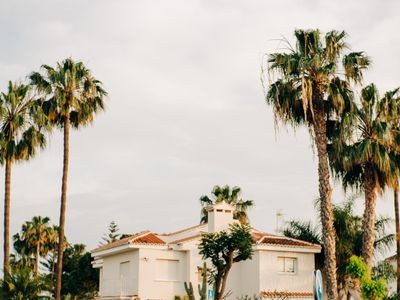
Benahavís is an inland gastronomy-and-golf white village behind Marbella and Estepona — reputedly Spain's most expensive municipality, and home to La Zagaleta, one of Europe's most exclusive gated estates. A village of around 10,000 with more restaurants per capita than almost any Andalusian pueblo (the self-styled "culinary capital of the Costa del Sol"), it is ringed by nine-plus golf courses including Marbella Club Golf Resort, Los Arqueros and El Higueral, with the Guadalmina river gorge for nature. For buyers, this is an ultra-prime market: the municipal average is around €5,600/m² (mid-2025, ~+15% YoY), with apartments €4,500–€6,000/m² and modern villas €6,000–€9,000/m² (ultra-prime beyond €10,000/m²); within La Zagaleta villas average ~€8,365/m² and reach €20–30M+. Over 84% of residential purchases are by foreign nationals — UK-led, then Swedish, Belgian, German and Dutch. Málaga Airport is ~71 km (≈60 min). See the Spain Investor Guide.