City guides
City guides (458)
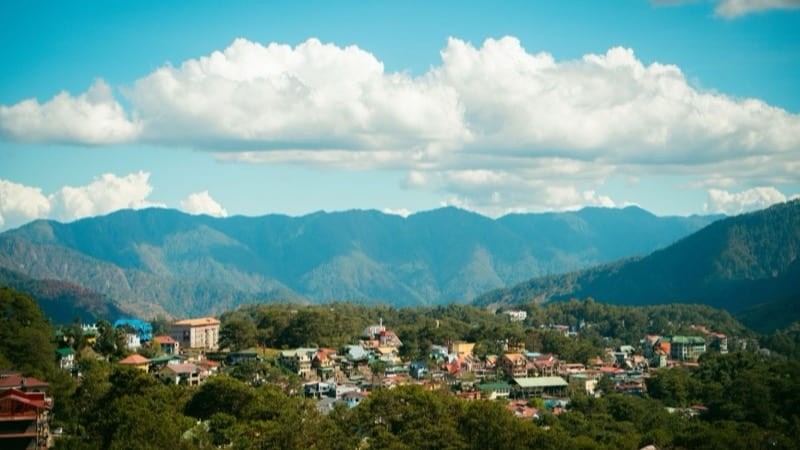

Baguio
Philippines
Known as the Summer Capital of the Philippines, Baguio is a highland city at 1,500 meters elevation in the Cordillera mountains, offering a temperate climate that drives year-round demand for vacation homes, condominiums, and short-term rentals. Property values have skyrocketed in recent years, with prime CBD lots reaching PHP 300,000-400,000 per sqm and residential subdivisions averaging PHP 17,000-37,000 per sqm. The city's strong BPO sector, five major universities, and 3,400+ active Airbnb listings make it a compelling market for both capital appreciation and rental income strategies.
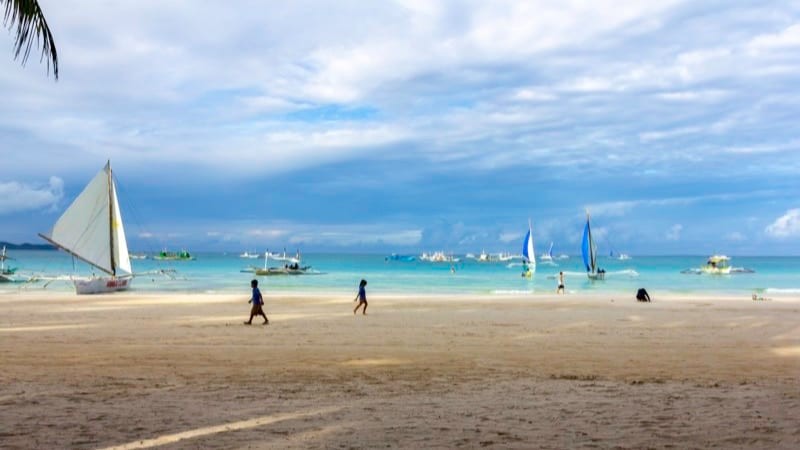
Boracay City Guide
Philippines
Consistently ranked among the world's best beaches, Boracay is a 10-square-kilometer island paradise that has transformed from a backpacker haven into a premium resort and investment destination. After a landmark six-month rehabilitation closure in 2018, the island reopened with stricter environmental regulations, lower tourist caps, and improved infrastructure — creating a more sustainable and exclusive tourism model that has actually enhanced property values. White Beach's four-kilometer stretch of powdery white sand, crystal-clear turquoise waters, and world-class sunsets attract over 2 million tourists annually, driving exceptional short-term rental returns. The island's limited land supply, strict building regulations, and global brand recognition make Boracay one of the Philippines' most supply-constrained and premium real estate markets.
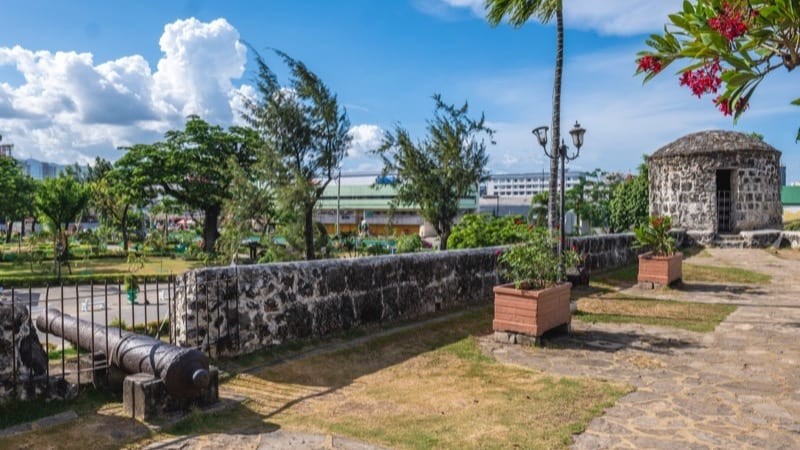
Cebu City Guide
Philippines
The Queen City of the South combines centuries of history with a modern economic engine powered by IT-BPO, tourism, and manufacturing. Cebu is the Philippines' second-largest metropolitan area, offering a more relaxed pace of life than Manila while maintaining world-class amenities, international connectivity via the Mactan-Cebu International Airport, and proximity to some of the country's most stunning beaches and dive sites. The city's IT Park and Cebu Business Park have attracted major tech companies and BPO firms, while the South Road Properties and Cebu SRP area are emerging as new lifestyle and commercial hubs. With lower costs of living than Manila, a growing expat community, and strong tourism demand from Mactan Island's resort corridor, Cebu presents a compelling mix of capital appreciation and rental yield potential.
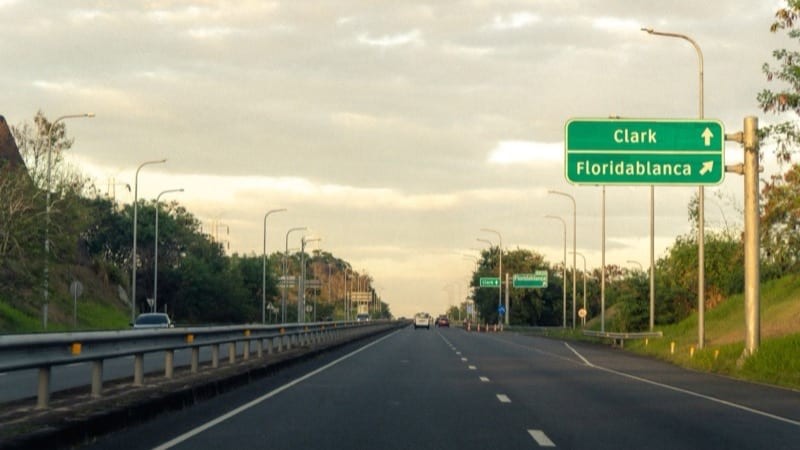
Clark / Pampanga City Guide
Philippines
Clark and greater Pampanga represent the Philippines most dynamic emerging metropolitan area outside Metro Manila. Anchored by the Clark Freeport and Special Economic Zone -- a repurposed former U.S. Air Force base -- the region has evolved into a major commercial, logistics, and lifestyle hub. The broader Metro Clark corridor functions as Central Luzon residential and industrial heartland, benefiting from world-class airport infrastructure, major expressway connectivity (NLEX, SCTEX, TPLEX), and the upcoming North-South Commuter Railway.
Davao City Guide
Philippines
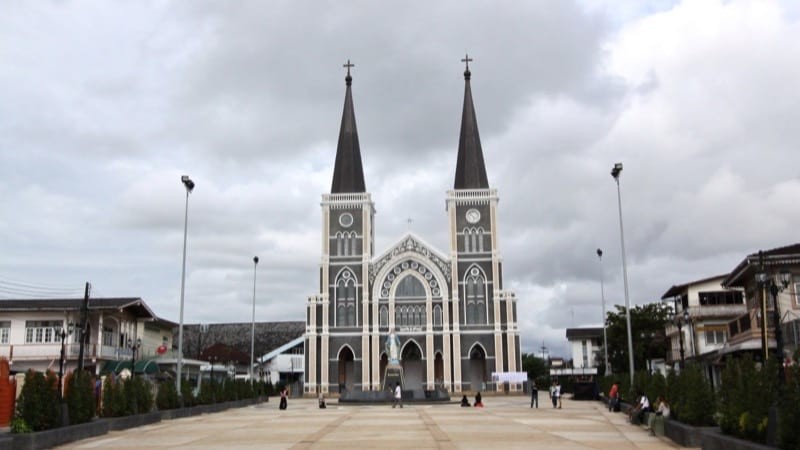
The largest city in the Philippines by land area, Davao is Mindanao's economic powerhouse and consistently ranks as one of the safest and most livable cities in Southeast Asia. Known for its strict discipline, clean streets, and low crime rates, Davao has attracted a growing wave of investors and developers from Manila and Cebu seeking untapped potential in a market that is still in its early growth phase. The city serves as the agricultural capital of the Philippines — the world's top exporter of Cavendish bananas and premium durian — while rapidly diversifying into BPO, education, and tourism. With property prices significantly below Manila and Cebu, a business-friendly local government, and improving air connectivity, Davao offers perhaps the highest upside potential in the Philippine real estate market.

Siargao
Philippines
Siargao is the Philippines' premier surf and lifestyle island, where foreign arrivals surged 511% post-pandemic, driving average real estate prices from PHP 9,475 to PHP 11,106 per sqm between 2019 and 2024. The island recorded 112,510 tourist arrivals in Q1 2025 alone, with 71% Airbnb occupancy and 4-8% rental yields. General Luna's Tourism Road and Cloud 9 area command PHP 15,000-50,000+ per sqm for commercial lots.
Iloilo City
Philippines
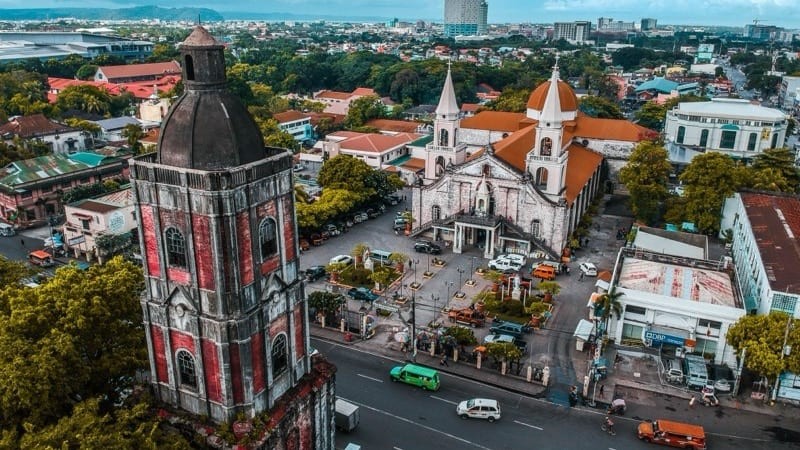
Iloilo City is the economic and cultural capital of Western Visayas, experiencing a massive real estate boom driven by BPO growth, the Iloilo Business Park mega-development, and the new Iloilo International Airport. Property prices range from PHP 6,000-35,000 per sqm for residential lots, with condominiums in prime areas reaching PHP 80,000-120,000 per sqm. The city consistently ranks among the top Philippine cities for livability and economic growth.
Metro Manila City Guide
Philippines
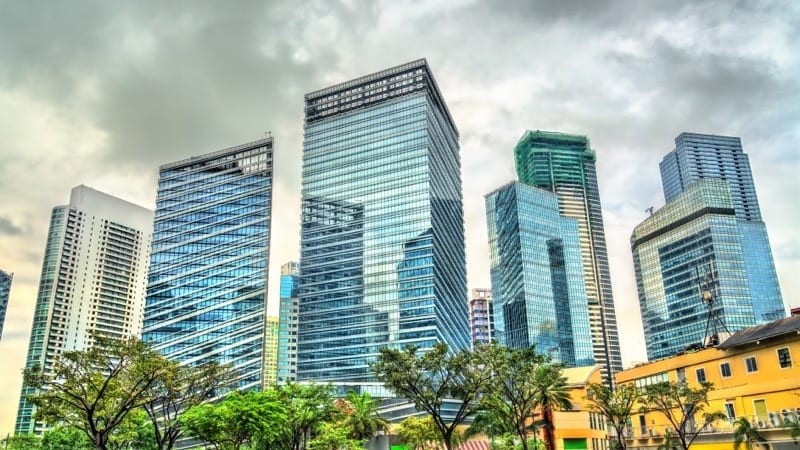
The beating heart of the Philippine economy and Southeast Asia's most dynamic metropolis. Metro Manila is a sprawling urban region of 16 cities and one municipality, home to over 13 million people and the headquarters of the country's largest corporations, BPO giants, and financial institutions. From the gleaming skyscrapers of Bonifacio Global City and the established prestige of Makati's central business district to the emerging mixed-use developments of Ortigas and the historic charm of Intramuros, Metro Manila offers a diverse range of real estate opportunities across every price point. The city's young, English-speaking workforce, booming BPO and tech sectors, and rapidly improving infrastructure — including new subway lines and expressways — make it one of the most compelling investment destinations in Southeast Asia.

Puerto Princesa
Philippines
Puerto Princesa is the capital city of Palawan, consistently voted the world's best island, and serves as the gateway to El Nido, Coron, and Honda Bay. Real estate is driven by tourism recovery and ongoing airport expansion. Land prices average PHP 2,400-15,000 per sqm in the city center, with beachfront properties commanding PHP 3,500-7,500 per sqm. Palawan's 5-8% rental yields and 2% annual appreciation offer moderate but stable returns underpinned by eco-tourism demand.
Tagaytay City Guide
Philippines
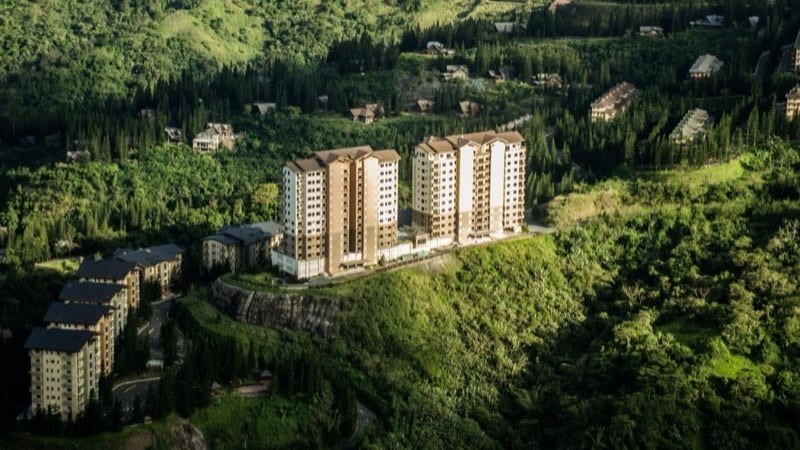
Perched 2,000 feet above sea level on the ridge overlooking Taal Volcano and Taal Lake, Tagaytay is the Philippines' premier cool-climate leisure destination and weekend getaway market. Just 60 kilometers south of Manila — a drive that has been dramatically shortened by the Cavite-Laguna Expressway (CALAX) and Manila-Cavite Expressway (CAVITEX) — Tagaytay offers a refreshing escape from the tropical heat with average temperatures 5-8 degrees cooler than the capital. The city has evolved from a simple day-trip destination into a thriving market of luxury condotels, boutique hotels, farm-to-table restaurants, and themed cafes. Its unique combination of scenic views, cool climate, proximity to Manila, and growing culinary scene has made Tagaytay one of the strongest leisure property markets in the country, particularly for condotel investments and weekend homes.

Albufeira
Portugal
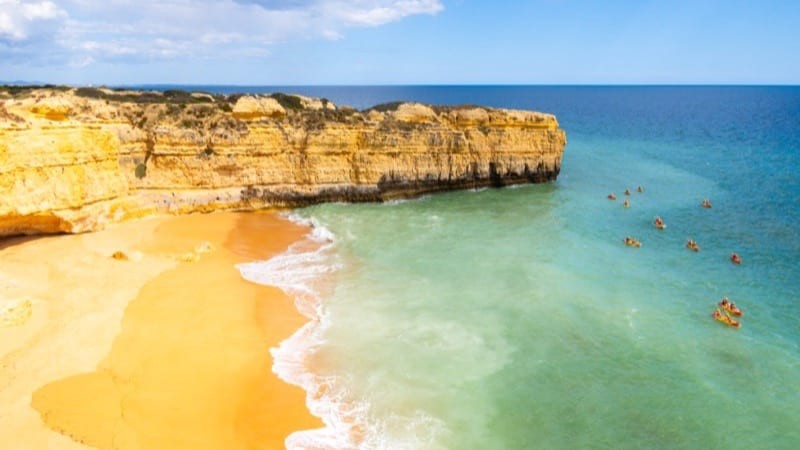
Albufeira is the Algarve's tourism engine, a high-volume resort market in 2026 where beach holidays, nightlife and short-let demand converge. Prices vary sharply by zone: central and beachfront stock sits well above the Algarve average of roughly EUR 3,400-3,600 per m2, while inland parishes such as Ferreiras start nearer EUR 3,080 per m2, offering relative value. Prime resort pockets and the Old Town can command EUR 5,000+ per m2. Average gross rental yields run about 4.5-5.6% on apartments, with net yields after costs nearer 2.8-3.3%, and peak-season short-lets lifting returns where AL licences allow. Tourist-heavy beach zones can see seasonal vacancy climb to 10%+, so location and licensing diligence matter. Portugal places no general restrictions on foreign buyers, EU and non-EU alike, but the real-estate Golden Visa route closed in 2023 and the NHR tax regime was replaced by IFICI+. Buyers must budget for IMT, stamp duty and increasingly restrictive short-let licensing in saturated tourist districts. Albufeira remains the region's most liquid rental market, with mid-range 2-bed apartments near the Old Town letting at EUR 1,150-1,350 per month long-term and far higher in summer.
Algarve City Guide
Portugal
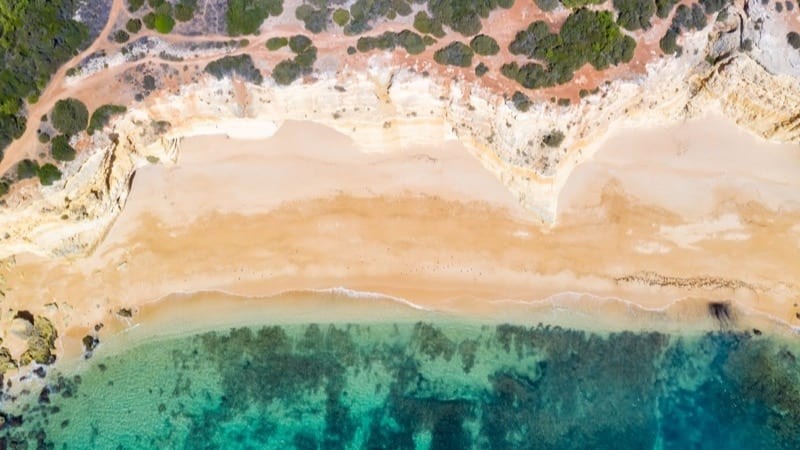
Portugal's sun-drenched southern coast offers everything from ultra-luxury golf resorts to dramatic cliff-backed beaches and charming historic towns. The Algarve attracts millions of visitors annually and has become one of Europe's most popular destinations for property investors, retirees, and lifestyle buyers seeking golden beaches, over 300 days of sunshine, and a relaxed Mediterranean pace of life at prices below the French Riviera or Costa del Sol. The region's diversity is remarkable — from the ultra-exclusive golf estates of Quinta do Lago and Vilamoura to the surf-culture charm of Lagos and the authentic fishing-village atmosphere of Tavira. A well-developed tourism infrastructure, international schools, private healthcare, and excellent air connectivity from Faro Airport make the Algarve a mature and accessible investment market.
Braga
Portugal
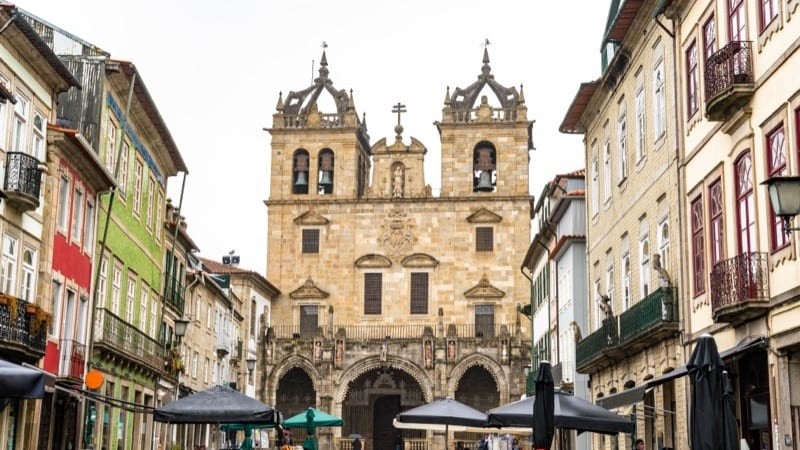
Braga is Portugal's third-largest urban centre by metropolitan population and the country's fastest-growing tech hub outside Lisbon and Porto. Located 50 km north of Porto, Braga combines a 2,000-year history (Roman Bracara Augusta) with one of Europe's youngest demographic profiles and the headquarters of Bosch's largest car-multimedia plant globally. Residential prices in central Braga range from EUR 1,800-3,500 per square metre, with gross yields of 6.0-8.5% -- excellent value relative to Porto (40-50% cheaper for comparable property). The University of Minho (~20,000 students) and Bosch's 5,000+ employees drive two strong tenant bases. The city has been one of Portugal's fastest-appreciating markets since 2020. For international buyers, Braga offers excellent value, strong demographic tailwinds, EU/Eurozone safety, and one of Europe's youngest urban populations. The catch: less established short-let market than Porto/Lisbon, smaller international community, and most transaction services run in Portuguese.
Cascais City Guide
Portugal
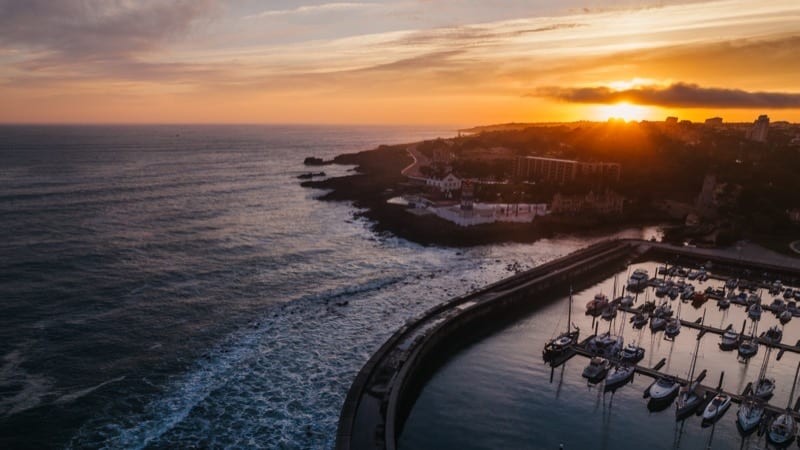
Cascais is an affluent coastal town on Portugal's Estoril Coast, about 30 km west of Lisbon and linked to the capital by a scenic commuter rail line in roughly 30-40 minutes. Once a royal summer retreat, it is now one of Portugal's most prestigious residential markets, prized for its marina, Blue Flag beaches (Guincho, Carcavelos), championship golf and a dense cluster of international schools that anchor a large permanent expat community. It blends a walkable historic centre with low-density villa enclaves, drawing high-net-worth buyers from the UK, US, Brazil and Northern Europe seeking a coastal lifestyle within commuting distance of Lisbon's business district. Two policy shifts reshape the 2025-2026 pitch: Portugal's Golden Visa real-estate route was abolished in October 2023, and the NHR tax regime closed to new applicants on 1 January 2025, replaced by the narrower IFICI ('NHR 2.0'). Despite these headwinds, Cascais demand has stayed resilient, driven by lifestyle migration rather than tax arbitrage, though price growth has cooled to the slowest in the Lisbon metro.
Coimbra
Portugal
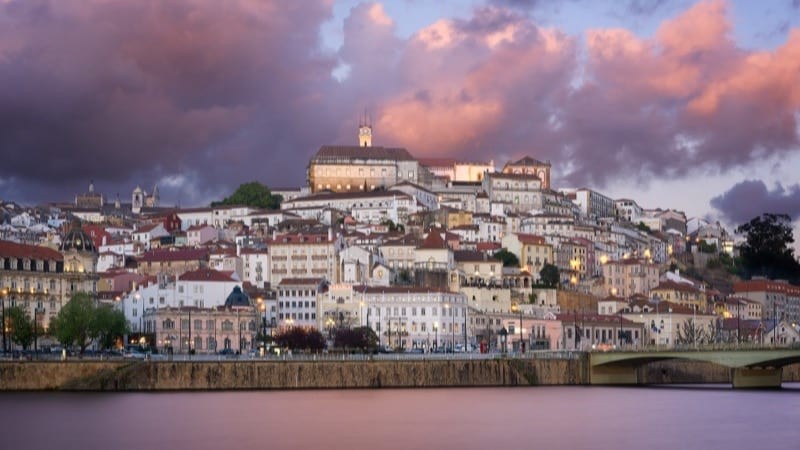
Coimbra is Portugal's historic university city -- home to one of Europe's oldest universities (University of Coimbra, founded 1290, UNESCO-listed). The city sits 200 km north of Lisbon along the Mondego River and offers one of mainland Portugal's most undervalued property markets, anchored by student demand from ~30,000 university students and a growing tech and biotech innovation cluster. Residential prices in central Coimbra range from EUR 1,800-3,200 per square metre, with gross yields of 6.0-9.0% -- among the best in Portugal. Student rental demand provides one of Europe's most defensive long-let tenant bases. The market has been growing steadily since 2018 but remains a fraction of Lisbon (EUR 5-8k/sqm) or Porto (EUR 4-6k/sqm) pricing. For international buyers, Coimbra offers exceptional value, strong student-driven rental demand, EU/Eurozone safety, and a long-running expatriate retiree community. The catch: smaller market than Lisbon/Porto, more local-language transaction process, and less established short-let infrastructure.
Funchal
Portugal
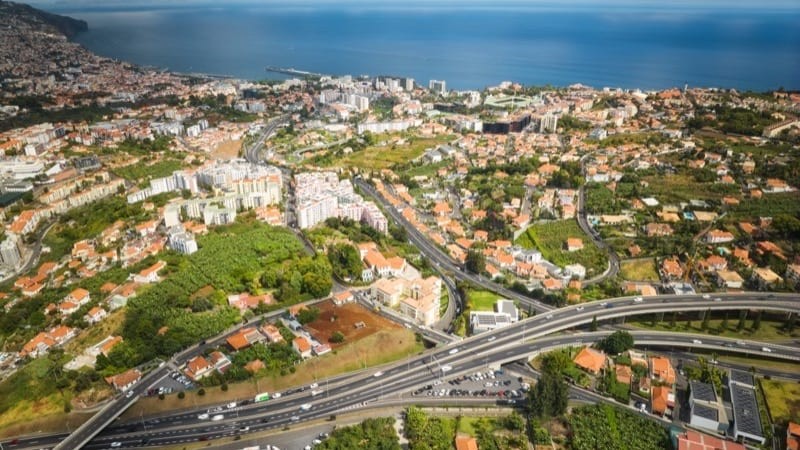
Funchal is the capital of Portugal's Madeira archipelago -- a subtropical Atlantic island 1,000 km southwest of Lisbon and 600 km west of Morocco. The city has emerged as one of Europe's most attractive smaller capital markets for remote workers, retirees, and digital nomads thanks to Madeira's special tax regime (low corporate tax, attractive personal tax options), year-round mild climate, and direct flights to 30+ European cities. Residential prices in Funchal range from EUR 3,500-6,500 per square metre, with gross yields of 5.0-7.5%. The Digital Nomad Village programme (launched 2021 in Ponta do Sol, expanding to Funchal) has cemented Madeira's digital-nomad brand. Foreign buyers face no restrictions in Portugal, and the broader Golden Visa programme (post-2023 reforms exclude residential, but commercial and fund options remain) provides residency pathways. For international buyers, Funchal offers EU/Eurozone safety, Atlantic island lifestyle, strong short-let demand from European tourists, and accessible pricing relative to Lisbon or Porto. The catch: smaller market depth than mainland cities, weather-dependent tourism cycles, and ferry/air-only logistics.
Lagos
Portugal
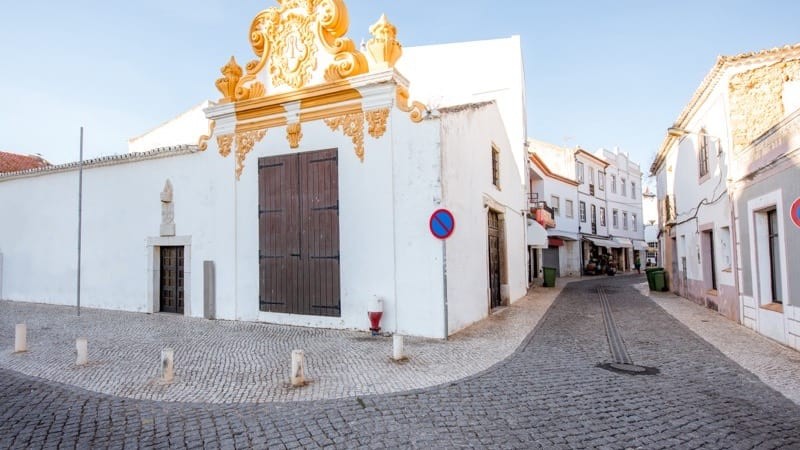
Lagos anchors the Western Algarve as one of Portugal's most sought-after coastal investment markets in 2026, blending a walled historic centre with the dramatic golden cliffs of Ponta da Piedade. Average asking prices reach roughly EUR 5,100-5,500 per square metre, placing Lagos among the priciest Algarve towns, with premium villa pockets commanding EUR 5,500-7,500+ per m2. Property values have climbed about 9% year-on-year as American and Northern-European demand outstrips limited new coastal supply. Gross rental yields run 5.0-6.5% in beach areas, with luxury short-term lets touching 8% in peak season. There are no general restrictions on foreign ownership in Portugal: EU and non-EU buyers alike can purchase freely with a Portuguese NIF tax number. However, the real-estate route to the Golden Visa was eliminated in October 2023 under the Mais Habitacao reform, so property purchases no longer grant residency, and the NHR tax regime closed to new applicants, replaced by the narrower IFICI+ scheme. Non-resident buyers should budget for IMT transfer tax, stamp duty and AL short-let licensing constraints, which are tighter in saturated tourist zones. Lagos remains favoured for its marina, blue-flag beaches, year-round expat community and forecast outperformance versus the wider region.
Lisbon City Guide
Portugal
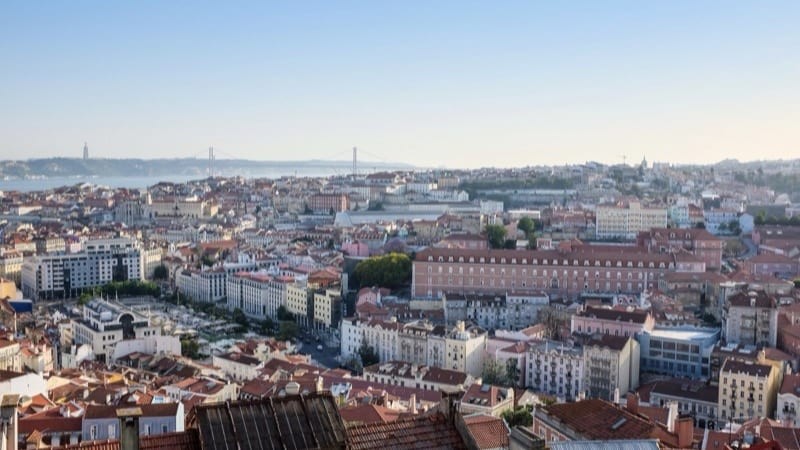
Portugal's sun-drenched capital blends centuries of maritime history with a modern creative renaissance. From the medieval alleyways of Alfama where fado echoes at dusk, to the cutting-edge design studios of Santos and the modern waterfront of Parque das Nacoes, Lisbon offers investors and residents an extraordinary range of neighborhoods — each with its own character, investment profile, and lifestyle appeal. Lisbon has transformed from a hidden gem into one of Europe's most sought-after capitals, attracting tech companies, digital nomads, and international buyers drawn by its quality of life, competitive pricing relative to Western European peers, and Portugal's favorable Non-Habitual Resident tax regime. The city's startup ecosystem, anchored by the annual Web Summit, continues to drive demand for modern residential and co-living spaces.

Nazaré
Portugal
Nazaré is a Silver Coast fishing town turned global surf icon, famous for the record-breaking giant waves at Praia do Norte generated by the offshore Nazare Canyon. It pairs a traditional Portuguese seaside identity with a fast-growing year-round tourism and lifestyle economy. Average asking prices reached around EUR 3,588 per square metre in late 2025, though the wider Silver Coast still offers more accessible stock in the EUR 2,000-2,800 per square metre range, well below the Algarve. The town of roughly 15,000 residents is evolving from a seasonal surf draw into a year-round investment hub, with new waterfront luxury projects raising the ceiling. Gross rental yields on the Silver Coast average about 5%, with strong summer and surf-season short-let demand. Portugal imposes no nationality-based restrictions on residential ownership; EU and non-EU buyers hold freehold equally, although the Golden Visa property route ended in October 2023 and NHR was replaced by IFICI. With an hour-and-a-half drive to Lisbon, a unique global surf brand and value pricing, Nazare is a distinctive Silver Coast growth bet for 2026.
Portimão
Portugal
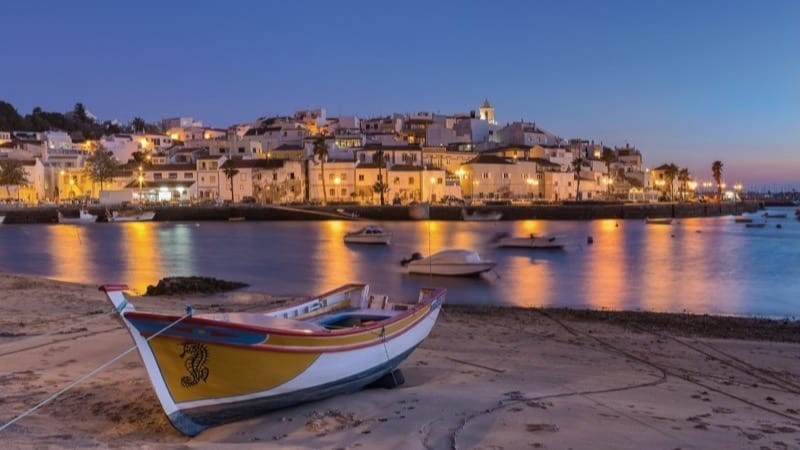
Portimão is the western Algarve's second-largest city and home to Praia da Rocha, one of Portugal's most famous golden-cliff beaches. It offers notably better value than the central-Algarve resorts: apartments average around EUR 2,100 per square metre and houses around EUR 2,200, while Atlantic-facing apartments reach about EUR 2,800 and prime villas exceed EUR 3,400 per square metre. The city blends a working riverside centre on the Arade estuary with resort beachfronts, marina berths and a regional hospital, giving it year-round life beyond the tourist season. Most forecasts point to 2-4% price growth through 2026, with Portimão flagged as a standout western-Algarve performer. Gross rental yields average around 5-6%, supported by buoyant beach tourism and short-let demand at Praia da Rocha. Portugal sets no nationality-based limits on residential ownership; EU and non-EU buyers hold freehold equally, though the Golden Visa real-estate route ended in October 2023 and NHR was replaced by IFICI. With Faro Airport an hour east, a marina, and lower entry prices, Portimão is the value-and-yield entry point to the Algarve for 2026.