Complete Investor Guide to Vietnamese Property

Capitalize on Vietnam's rapid economic growth with structured foreign apartment ownership in one of Asia's fastest-growing markets

Updated February 14, 2026Advanced24 min read

Rental yield
4.2%
Gross, indicative
Price growth
21.0%
Year on year · Sep 2026
Transfer tax
0.5%
Currency
VND (Vietnamese Dong)
Population
100 million

Key takeaways

  • Foreigners CAN own apartment/condo units but are limited to 30% of total units in any building (50% cap for landed housing projects in designated areas)
  • Foreign ownership is leasehold: 50-year term from the date of issuance of the ownership certificate, renewable once for another 50 years if the building still exists
  • Foreigners CANNOT own land in Vietnam -- all property rights are technically "land use rights" granted by the state

Market Overview

Vietnam is one of Asia's most dynamic economies, powered by manufacturing FDI (Samsung, Apple supply chain), rapid urbanization, a young and growing middle class, and increasing tourism. The 2024 Land Law amendments signal the government's intent to attract more foreign investment in real estate. Key risks include currency volatility, regulatory uncertainty, and infrastructure capacity.

Country
Vietnam
Currency
VND (Vietnamese Dong)
Population
100 million
GDP growth
6.5% (2024 est., typically 6-7%)
Inflation
3.6% (2024 est., typically 3-5%)

Key industries

  • Manufacturing & Electronics
  • Tourism & Hospitality
  • Technology & Software
  • Agriculture & Seafood
  • Textiles & Garments
  • Financial Services

Restrictions

Foreign Ownership Restrictions

Restrictive

Vietnam allows foreign ownership of apartments and certain housing with significant restrictions. Foreign ownership is leasehold-based with quota limitations. Understanding these restrictions is critical for any investment decision.

  • Foreigners CAN own apartment/condominium units, but each building is limited to 30% foreign ownership (the foreign ownership quota)
  • For landed housing projects (townhouses, villas in designated developments), the cap is 50% of total units in the project
  • Ownership is leasehold: 50-year term from the date the ownership certificate (Pink Book) is issued, renewable once for an additional 50 years provided the building is still standing
  • Foreigners CANNOT own land in Vietnam -- all property in Vietnam is technically "land use rights" granted by the state, and land use rights are not available to foreign individuals
  • Vietnamese spouse exception: A foreigner married to a Vietnamese citizen may hold property rights for the same duration as the Vietnamese spouse (potentially indefinite for residential use)
  • Foreign-invested enterprises (FIEs) registered in Vietnam can own property for business operations
  • The 2024 Land Law amendments (effective January 2025) are expected to expand certain foreign ownership provisions, including potentially extending leasehold terms and clarifying renewal procedures. However, implementing regulations are still being issued -- consult a local advisor for the latest status.
  • Buyers must have legal entry to Vietnam (valid visa or entry stamp) and must use a Vietnamese bank account for all transactions
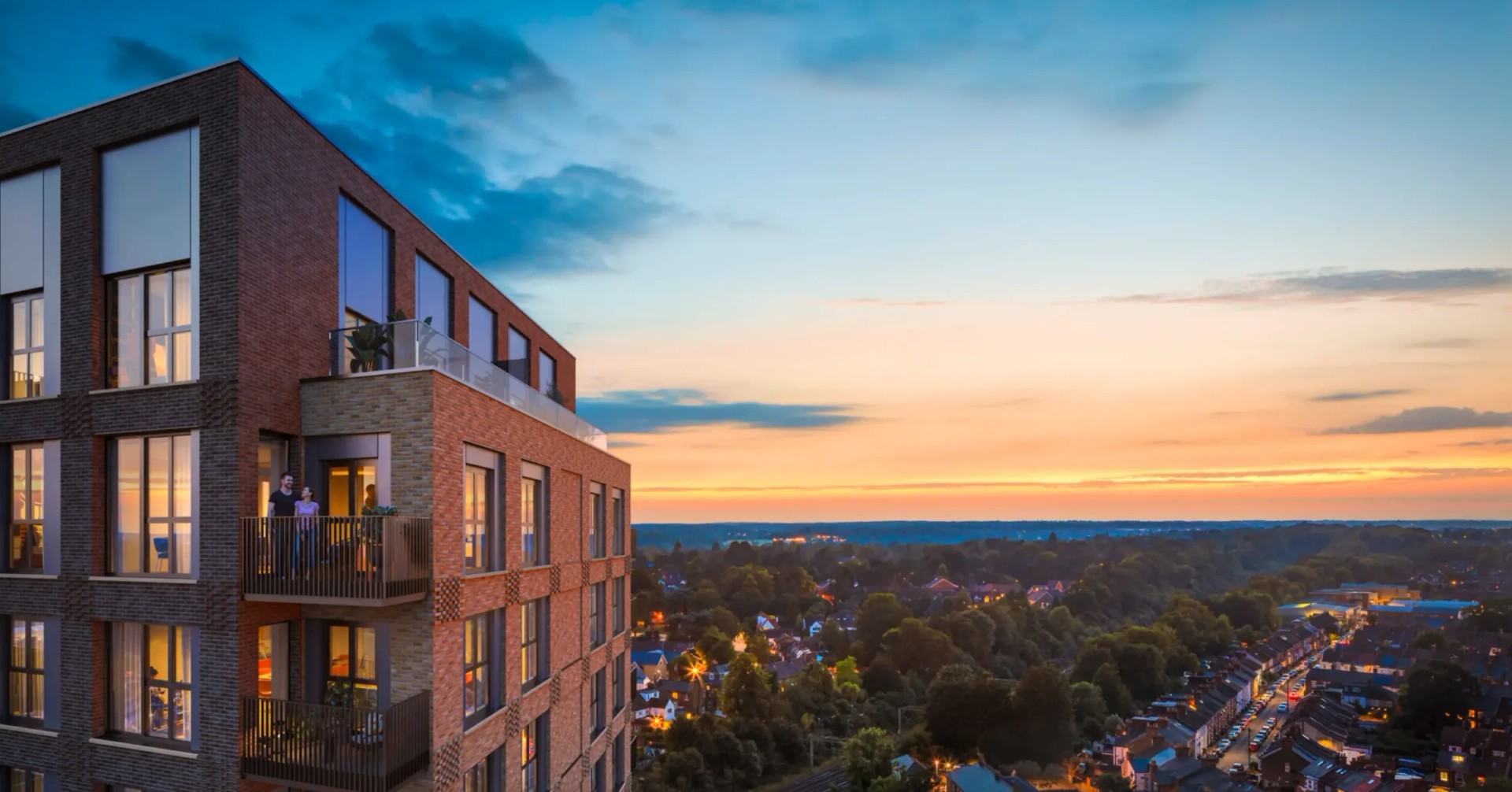
On INTRIC now — Residences on INTRIC are open to enquiry straight from this page.

Taxes & Fees

Registration Fee

0.5% of property value

Registration fee payable by the buyer when registering property ownership. Calculated at 0.5% of the property value.

Additional information

  • Paid by the buyer upon property registration
  • Calculated on the contract price or government assessed value (whichever is higher)
  • One-time payment at registration
  • Must be paid before Pink Book is issued

Exemptions

  • First-time homebuyer incentives may apply in certain social housing projects

VAT on New Property

8-10% on new property from developers (not on resale)

Value Added Tax on new property purchases from developers. The standard rate is 10% (temporarily reduced to 8% for certain periods as economic stimulus). Not applicable to secondary market transactions.

Additional information

  • Applies to new property purchases from developers only
  • Rate was 10%, reduced to 8% for certain periods as government stimulus
  • Not applicable to secondary/resale market transactions between individuals
  • Included in the developer's quoted price in some cases

Exemptions

  • Secondary/resale market transactions not subject to VAT
  • Social housing may have reduced or zero VAT

Rental Income Tax

5% personal income tax + 5% VAT (effective ~10% of gross rent)

Rental income is taxed at a flat rate of 5% of gross rent for individual property owners. Additionally, a 5% VAT applies to rental income, making the effective combined tax rate approximately 10% of gross rent.

Additional information

  • 5% flat rate on gross rental income for individuals
  • No deductions for expenses, repairs, or depreciation
  • VAT of 5% also applies to rental income, making effective rate ~10%
  • Quarterly or annual filing depending on rental income level

Exemptions

  • Very limited -- standard rate applies to most foreign property owners

Capital Gains / Transfer Tax

2% of sale price (not capital gains -- applies to full transfer value)

Personal income tax on property transfer, calculated at 2% of the sale price (not on the capital gain). Paid by the seller. Applies to all property transfers regardless of holding period.

Additional information

  • Calculated on the full sale price, not on capital gains
  • No holding period exemptions or reductions
  • Paid by the seller at the time of transfer
  • Applies regardless of profit or loss

Exemptions

  • Very limited exemptions -- certain government or diplomatic transfers may be exempt

Non-Agricultural Land Use Tax (Annual)

0.03-0.15% of land value annually (very low for apartments)

Annual tax on non-agricultural land use. Rates are very low for residential properties, making this a negligible ongoing cost for apartment investors.

Additional information

  • Very low rates for residential property
  • Based on government-assessed land value
  • Paid annually to local tax office
  • Negligible amount for most apartment owners

Exemptions

  • Residential properties have very low rates effectively near zero

Building Maintenance Fund

2% of apartment purchase price (one-time at handover)

A mandatory maintenance fund contribution of 2% of the apartment purchase price, paid at handover. This fund is managed by the building management company for common area upkeep.

Additional information

  • Typically 2% of apartment price paid to building management fund
  • One-time payment at handover
  • Used for common area maintenance and repairs
  • Required by law for condominium purchases

Exemptions

  • No exemptions -- mandatory for all apartment purchases

Requirements

Physical Visit to Vietnam

Optional

Not legally required but strongly recommended, especially for first-time buyers in Vietnam. Understanding the local market, infrastructure, and neighborhood quality is important given the rapidly changing nature of Vietnamese cities.

Process

  1. Visit target properties and showrooms
  2. Inspect construction quality and neighborhood infrastructure
  3. Meet with lawyers, agents, and financial advisors in person
  4. Understand local living conditions and rental market dynamics

Alternatives

  • Virtual tours
  • Trusted agent representation
  • Video inspections

Company Incorporation

Optional

Not required or available for individual apartment purchases. Foreign-invested enterprises (FIEs) registered in Vietnam can own property for business purposes. For individual investors, direct ownership under the 30% quota system is the standard approach.

Process

  1. Individual condo purchase: No company needed -- buy directly under your name
  2. Business property: Register a foreign-invested enterprise with DPI (Department of Planning and Investment)
  3. FIE can hold property for operational purposes

Alternatives

  • Direct individual ownership for condos (within 30% quota)
  • Vietnamese spouse ownership (for married couples)

Vietnamese Bank Account

Required

Required for property transactions in Vietnam. All payments must be made through a Vietnamese bank account for proper documentation and legal compliance. Major banks (Vietcombank, BIDV, Techcombank, VPBank) offer accounts to foreigners with a valid passport and visa.

Process

  1. Valid passport and visa (or entry stamp)
  2. Vietnamese tax code (ma so thue)
  3. Proof of address (hotel booking or rental contract is usually sufficient)
  4. Minimum deposit varies by bank (typically VND 1-5 million)

Alternatives

  • International wire transfer for deposit only; bank account required before SPA signing

On INTRIC now — Still open on INTRIC — every one of these answers enquiries directly.

Purchase Steps

  1. Market Research & Quota Verification

    Duration
    2-4 weeks

    Research the Vietnamese property market and understand foreign ownership regulations, particularly the 30% building quota for apartments and 50% for landed housing. Identify target cities and districts. Verify that your target project has available foreign ownership allocation.

    Requirements

    • Define investment strategy (HCMC, Hanoi, Da Nang, resort areas)
    • Understand the 30% foreign quota system
    • Research developers and project quality
    • Budget including all taxes, fees, and registration costs

    Tips

    • HCMC for highest liquidity and rental demand; Hanoi for government/diplomatic district demand; Da Nang for tourism yield
    • Verify foreign ownership quota availability with the developer BEFORE placing a deposit
    • Work with a reputable agent who regularly handles foreign buyer transactions
  2. Deposit & Legal Review

    Duration
    1-2 weeks
    Cost
    Deposit typically 1-5% of purchase price (refundability varies by agreement)

    Place a deposit to secure the unit and sign a deposit agreement. Engage a Vietnamese property lawyer (independent from the developer) to review all documents. Verify the developer's project permits, construction license, and foreign ownership allocation certificate.

    Requirements

    • Deposit agreement signed with developer
    • Independent Vietnamese property lawyer engaged
    • Developer's project license and permits verified
    • Foreign ownership allocation confirmed in writing

    Tips

    • Ensure the deposit agreement clearly states refund conditions if foreign quota becomes unavailable
    • Use an independent lawyer -- not one affiliated with the developer
    • Request the developer's construction license number and verify with local authorities
  3. Tax Code, Bank Account & SPA

    Duration
    2-4 weeks

    Obtain a Vietnamese tax code (required for property transactions). Open a Vietnamese bank account (required for payments and future rental income). Sign the Sale and Purchase Agreement (SPA) with the developer. Begin making payments per the agreed schedule.

    Requirements

    • Vietnamese tax code (ma so thue)
    • Vietnamese bank account at a licensed bank
    • Notarized Sale and Purchase Agreement
    • Passport and valid visa/entry stamp
    • Payment schedule agreed and first installment paid

    Tips

    • Tax code can be obtained at the local tax office with passport and visa
    • Major banks (Vietcombank, BIDV, Techcombank) offer foreigner accounts
    • All payments should go through your Vietnamese bank account for proper documentation
  4. Completion, Payment & Pink Book Issuance

    Duration
    4-12 weeks for Pink Book issuance (can take longer in some cases)
    Cost
    Registration fee (0.5%), VAT (8-10% on new builds from developers), maintenance fund (2%)

    After construction completion (for off-plan) or immediately (for completed units), pay the remaining balance, taxes, and fees. The developer applies for the Pink Book (So Hong -- ownership certificate) on your behalf through the local Department of Natural Resources and Environment (DONRE). The Pink Book confirms your 50-year ownership.

    Requirements

    • Full payment completed
    • All taxes and fees paid (registration 0.5%, VAT, maintenance fund)
    • Developer submits Pink Book application to DONRE
    • Pink Book (So Hong) issued in buyer's name

    Tips

    • The Pink Book is your essential ownership document -- do not accept possession without clarity on Pink Book timeline
    • Some developers have a track record of slow Pink Book issuance -- research this before buying
    • Keep all payment receipts and bank transfer records for tax and legal purposes

Property Types

Condominium / Apartment Units (50-Year Leasehold)

Apartment and condominium units are the primary option for foreign ownership in Vietnam. Foreigners can purchase units directly in their own name, subject to the 30% foreign ownership quota per building. Ownership is leasehold for 50 years (renewable once for another 50 years). The Pink Book (So Hong) serves as the ownership certificate.

Advantages

  • Foreign ownership permitted (30% building quota)
  • 50-year leasehold from ownership certificate issuance (renewable once)
  • Strong rental demand in HCMC and Hanoi from growing expat and professional population
  • Modern developments with international-standard amenities

Disadvantages

  • Subject to 30% foreign quota per building -- popular projects may be fully allocated
  • 50-year leasehold (not freehold) -- renewal process for second 50 years still untested
  • Oversupply risk in some HCMC and Hanoi districts
  • Resale to another foreigner limited if building has reached 30% foreign quota
Typical timeline
6-12 weeks from contract signing to Pink Book issuance (can take longer)
Financing options
Cash purchase (standard for foreign buyers), Developer installment plans (off-plan), Very limited Vietnamese bank lending

Off-Plan Apartments

Off-plan apartments purchased before or during construction. Very popular in Vietnam's fast-developing cities. Developers typically require 30% paid during construction with the balance due at handover. Foreign buyers should verify the project has foreign ownership allocation available.

Advantages

  • Lower entry price during construction (typically 10-20% below completion)
  • Developer installment plans (30% during construction, balance at handover)
  • Wide selection of new projects in prime HCMC, Hanoi, and Da Nang locations
  • Capital appreciation potential during construction period

Disadvantages

  • Construction delays are relatively common in Vietnam
  • Developer financial stability must be carefully vetted
  • No rental income during construction (18-36 months)
  • Foreign ownership quota may be exhausted before completion
Typical timeline
18-36 months from reservation to handover; additional months for Pink Book
Financing options
Developer installment plans (primary option), Cash on completion, Home-country equity release

Landed Housing in Designated Projects

Foreign ownership of landed housing (townhouses, villas) is limited to 50% of units in designated housing projects. This is a relatively new provision and availability is more limited than condominiums. Foreigners receive a 50-year leasehold (renewable). Individual houses on non-project land are not available to foreigners.

Advantages

  • Higher ownership cap for foreigners (50% in designated projects)
  • More space and privacy than apartments
  • Growing supply of townhouse projects in HCMC and Hanoi suburbs

Disadvantages

  • Very limited project availability with foreign ownership allocation
  • 50-year leasehold (same as condos)
  • Higher entry price than condominiums
  • Cannot purchase individual houses on non-project land
Typical timeline
8-16 weeks from contract to Pink Book issuance
Financing options
Cash purchase, Developer payment plans for project-based housing

Investment Drivers

Fastest-Growing Economy in Asia

PositiveLong termHigh confidence

Vietnam is one of Asia's fastest-growing economies, with GDP growth consistently averaging 6-7% annually over the past decade. The economy is benefiting from the "China+1" manufacturing shift, with major companies relocating or diversifying production to Vietnam. This sustained economic growth drives urbanization, rising incomes, and property demand.

Young Population & Rapid Urbanization

PositiveLong termHigh confidence

Vietnam has a young population (median age ~31) with urbanization accelerating rapidly -- currently around 38% but projected to reach 50% by 2030. Ho Chi Minh City and Hanoi are seeing massive population inflows from rural areas, creating sustained demand for housing. The middle class is growing rapidly (expected to reach 50 million by 2030).

Manufacturing Shift from China (China+1)

PositiveLong termHigh confidence

Vietnam is a primary beneficiary of the China+1 manufacturing diversification strategy. Major global companies (Samsung, Apple suppliers, Intel, LG) have established or expanded manufacturing in Vietnam. This FDI inflow creates jobs, attracts expatriates, and drives demand for quality housing in industrial zones and nearby cities.

2024 Land Law Amendments

PositiveMedium termMedium confidence

The 2024 Land Law amendments (effective January 2025) represent the most significant reform to Vietnam's property framework in a decade. While the full impact is still unfolding, the amendments aim to clarify and potentially expand some foreign ownership rights, improve transparency in land use rights, and create a more investor-friendly environment. However, implementing regulations are still being issued.

Tourism Recovery & Expat Growth

PositiveMedium termHigh confidence

Vietnam attracted over 17 million international tourists in 2024 (approaching the pre-COVID peak of 18 million in 2019). Da Nang, Nha Trang, Phu Quoc, and Hoi An are driving tourism-linked property demand. The growing expatriate community in HCMC and Hanoi provides stable long-term rental demand.

Infrastructure Development (Metro & Airport)

PositiveLong termHigh confidence

Ho Chi Minh City is developing metro lines (Line 1 expected to open 2024-2025, Line 2 under construction), and Hanoi is expanding urban rail. The Long Thanh International Airport (south of HCMC) is under construction. These infrastructure projects will reshape property markets and create value along transport corridors.

Visa & Residency

Vietnam does not have a residency-by-investment or Golden Visa program. Property purchase alone does not confer any visa or residency benefits. Foreign property owners must maintain their visa status through other means (business, employment, retirement, or tourism). Vietnam has been gradually liberalizing its visa policies (e.g., extending e-visa validity to 90 days) but has not created a property-investment visa pathway.

Temporary Residence Card (Investors/Employees)

Available to foreigners who invest in a Vietnam-registered company or are employed by a Vietnamese entity. Not linked to property purchase but relevant to property investors who also have business interests in Vietnam.

Minimum investment
Investment certificate from provincial Department of Planning and Investment (DPI); minimum investment varies by sector
Duration
1-3 years (renewable based on investment/employment continuation)
Processing time
4-8 weeks

Benefits

  • Long-term legal residence in Vietnam
  • Can support property ownership and bank account access
  • Renewable upon valid grounds

Requirements

  • Investment certificate or work permit
  • Registered Vietnamese company or employing entity
  • Valid passport
  • Health check certificate
  • Clean criminal record

E-Visa (90 Days)

Vietnam's e-visa system (extended to 90 days in 2023) allows citizens of most countries to visit for property inspection, purchase signing, and other investment activities. Not a residency option but relevant for purchase logistics.

Minimum investment
N/A -- tourism/business visa, not investment-linked
Duration
90 days (single entry; multiple entry available with standard visa)
Processing time
3-5 business days

Benefits

  • 90-day single entry
  • Multiple entries available with visa
  • Convenient for property inspection trips

Requirements

  • Valid passport
  • Online application and fee payment (~USD 25)
  • Digital passport photo

Viet Kieu (Overseas Vietnamese) Visa Exemption

Overseas Vietnamese (Viet Kieu) with appropriate documentation can apply for a 5-year visa exemption certificate, allowing multiple entries of up to 90 days each. Viet Kieu with Vietnamese nationality or former nationality may also have expanded property ownership rights.

Minimum investment
N/A -- based on Vietnamese origin or former nationality
Duration
5-year visa exemption certificate (90 days per visit, multiple entries)
Processing time
5-10 business days

Benefits

  • 5-year visa exemption (multiple entries, 90 days per visit)
  • Can own property with same rights as domestic buyers (through Vietnamese spouse)
  • Simplified banking and administrative processes

Requirements

  • Proof of Vietnamese origin or former nationality
  • Valid passport
  • Application at Vietnamese embassy or immigration office

Vietnam does not offer a property-linked visa or residency-by-investment program. Property purchase does NOT grant any visa or residency rights. Visa and residency are entirely separate processes. Immigration regulations in Vietnam change frequently -- consult a licensed Vietnamese immigration consultant for current requirements.

Financing

Vietnam is a cash-purchase market for foreign buyers. Vietnamese banks offer very limited lending to foreigners, and interest rates for VND-denominated loans are high (8-12%), making local borrowing unattractive. Developer installment plans are the most common form of financing for foreign buyers, especially for off-plan apartments. Offshore financing through home-country banks is an alternative for buyers with sufficient equity.

Mortgage availability

Closed to foreign buyers

Vietnamese banks offer very limited mortgage products to foreign buyers. Non-resident foreigners generally cannot obtain Vietnamese bank mortgages. Some banks may consider applications from foreigners with a Temporary Residence Card and documented income in Vietnam, but approval is rare and terms are unfavorable. Interest rates for VND-denominated loans are high (8-12%), making local financing unattractive compared to cash purchase or home-country lending.

Typical LTV
50-60% at best for qualified foreign borrowers (domestic buyers typically 60-70%)
Interest rates
8-12% for VND-denominated loans (2025); significantly higher than most developed markets
Term length
Up to 15-20 years (shorter terms common for foreign borrowers)

Requirements

  • Temporary Residence Card (highly recommended, not always required)
  • Vietnamese tax code
  • Proof of income (Vietnamese or overseas)
  • Vietnamese bank account
  • Property must be in a project eligible for foreign ownership

Alternative financing

Developer Installment PlansVery common for off-plan apartments in HCMC, Hanoi, and Da Nang; most developers offer structured plans
Developers typically offer installment plans during construction, requiring 30% during the construction period with the balance due at handover. Some developers offer extended post-handover payment plans of 1-2 years. This is the primary financing mechanism for foreign buyers.
Offshore Financing / Home-Country EquityDepends on buyer's home country equity and banking relationships; no Vietnam-based options for non-residents
Foreign buyers sometimes leverage equity in home-country properties or use personal credit facilities from their home banking market. This is a common approach for investors from Singapore, Hong Kong, and other regional markets investing in Vietnam.
Developer-Bank Partnership FinancingEmerging in HCMC and Hanoi; limited to certain developers and projects
Some larger developers partner with Vietnamese banks to offer structured financing packages to foreign buyers, though these typically require a Vietnamese bank account, are VND-denominated, and carry higher interest rates. Availability is project-specific.

Financing options for foreign buyers in Vietnam are extremely limited. The vast majority of foreign purchases are cash transactions. Vietnamese bank interest rates are high (8-12% for VND loans), making local borrowing unattractive even when available. Consult a qualified financial advisor before committing to any financing arrangement.

Figures are indicative and subject to change. Regulations, taxes and market conditions vary by jurisdiction. Do your own due diligence and seek independent legal and financial advice.

Follow INTRIC for market data and new listings.