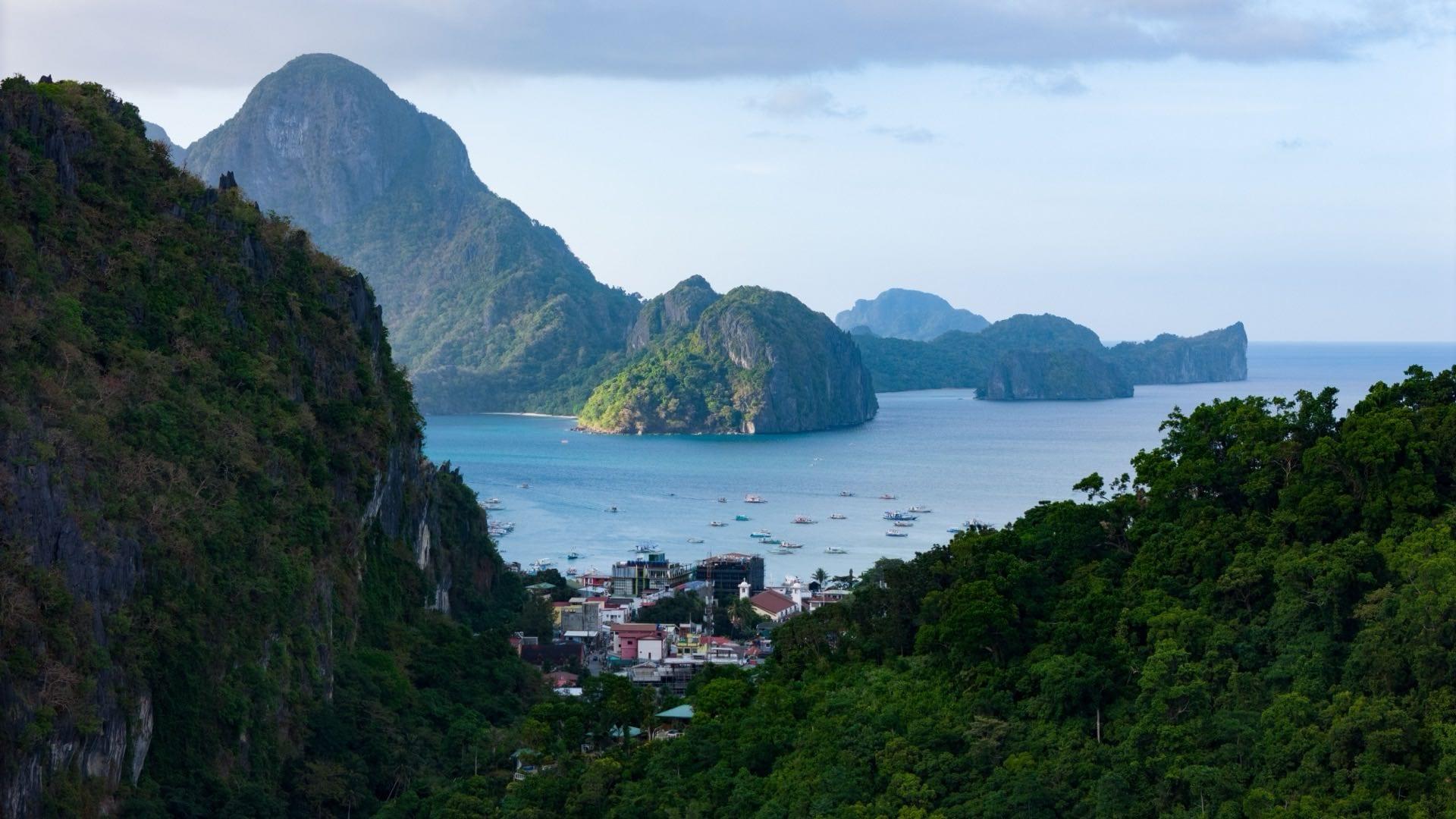
Philippines Investor Guide

Navigate the 40% foreign ownership cap, leverage the new 99-year lease law, and capitalize on Southeast Asia's fastest-growing demographic market

Updated February 24, 2026Intermediate24 min read

Rental yield
5.1%
Gross, indicative
Price growth
0.4%
Year on year · Oct 2026
Transfer tax
0.8%
Currency
PHP (Philippine Peso)

Key takeaways

  • Foreigners can own condominium units freehold, but only up to 40% of total units in any project can be foreign-owned (stricter than Thailand's 49%)
  • Foreigners cannot own land directly -- condominiums are the primary investment vehicle; leasehold (up to 99 years under RA 12252) is the alternative for land-based properties
  • Total transaction costs (taxes + fees) typically run 8-12% of the property value on top of the purchase price

Market Overview

The Philippines is projected to rise from the 30th to the 19th-largest economy globally by 2050. With a median age of just 26.6 years and 68% of the population of working age, the country is in the critical window of its demographic dividend (2025-2035). Record OFW remittances (USD 35.6 billion in 2025), a USD 40 billion IT-BPM sector, and the government's PHP 1.5+ trillion annual infrastructure spending program (Build Better More) provide strong structural growth drivers. The real estate market (USD 94.4 billion in 2025) is projected to reach USD 135.9 billion by 2034.

Country
Philippines
Currency
PHP (Philippine Peso)
Population
119.6 million (2026 est.)
GDP growth
4.4% (2025 actual); 5.3-5.7% forecast for 2026
Inflation
3.0-3.5% (2025-2026 est.)

Key industries

  • IT-BPM / Business Process Outsourcing
  • OFW Remittances & Financial Services
  • Tourism & Hospitality
  • Manufacturing & Electronics
  • Construction & Real Estate
  • Agriculture & Food Processing

Restrictions

Foreign Ownership Restrictions

Restrictive

The 1987 Philippine Constitution (Article XII) reserves land ownership exclusively to Filipino citizens and corporations that are at least 60% Filipino-owned. Foreigners can own condominium units but not land. Understanding these constitutional restrictions is essential before investing.

  • Foreigners CAN own condominium units freehold -- but only up to 40% of the total floor area or total number of units in any condominium project can be foreign-owned (Republic Act No. 4726, the Condominium Act)
  • The 40% foreign ownership cap is strictly enforced -- developers track this ratio and will refuse sales to foreigners once the cap is reached
  • Foreigners CANNOT own land directly under any circumstances (1987 Constitution, Article XII) -- this means house-and-lot properties are off-limits for outright foreign ownership
  • LEASEHOLD: Under the newly amended Investors' Lease Act (RA 12252, signed September 2025), foreign investors can now lease private land for up to 99 years (previously 50+25 years), with rights to sell, transfer, assign, or use the lease as loan security
  • Leasehold agreements under RA 12252 require approval from the DTI-Board of Investments or relevant Investment Promotion Agency, and all investments must be registered under the Foreign Investments Act
  • Marriage exception: A foreign spouse of a Filipino citizen can co-own land with their Filipino spouse (but cannot own it solely in their name)
  • Hereditary succession: Foreigners may inherit land, but this is a narrow exception and subject to legal interpretation
  • Condominium ownership is the primary and recommended vehicle for foreign freehold property investment in the Philippines
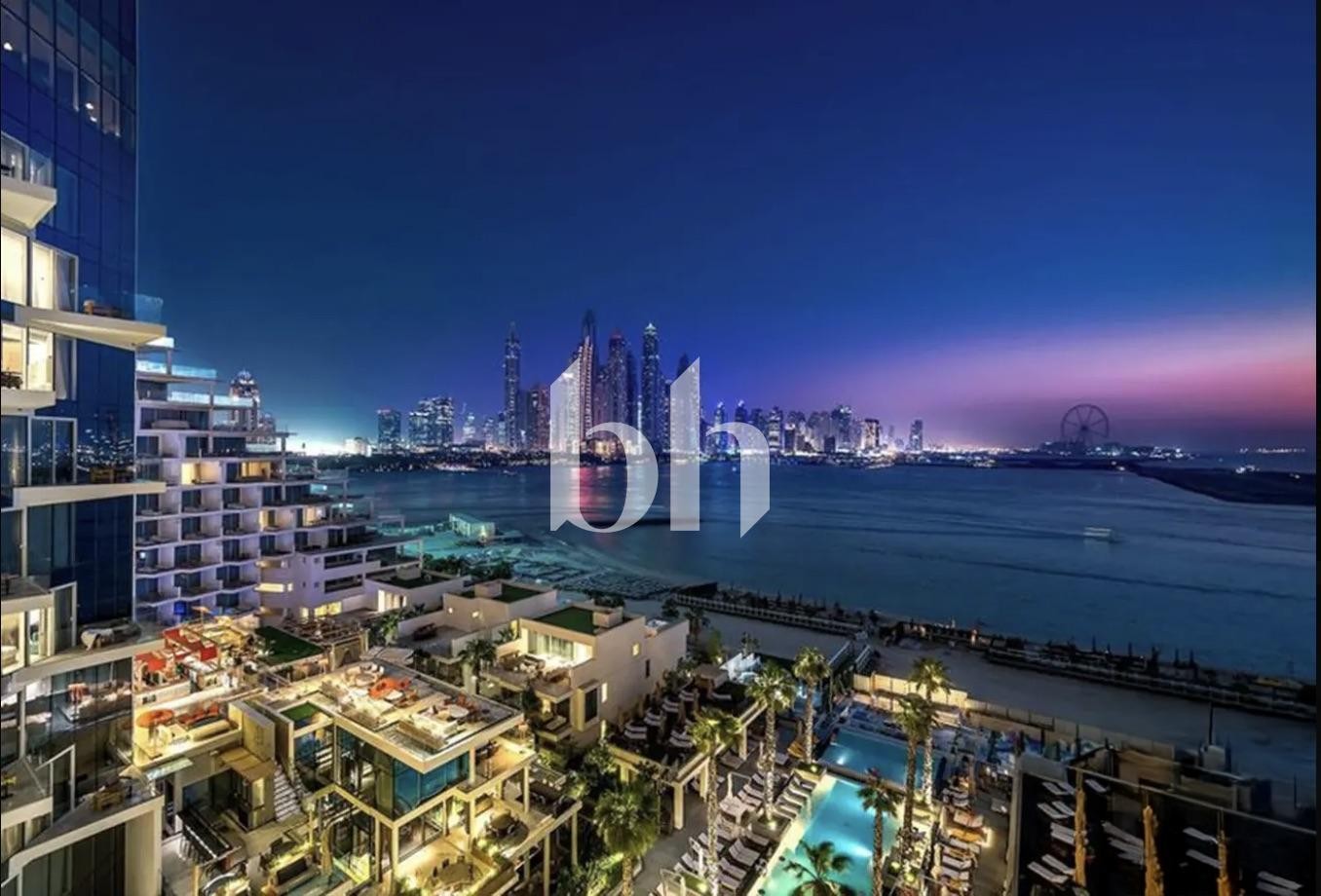
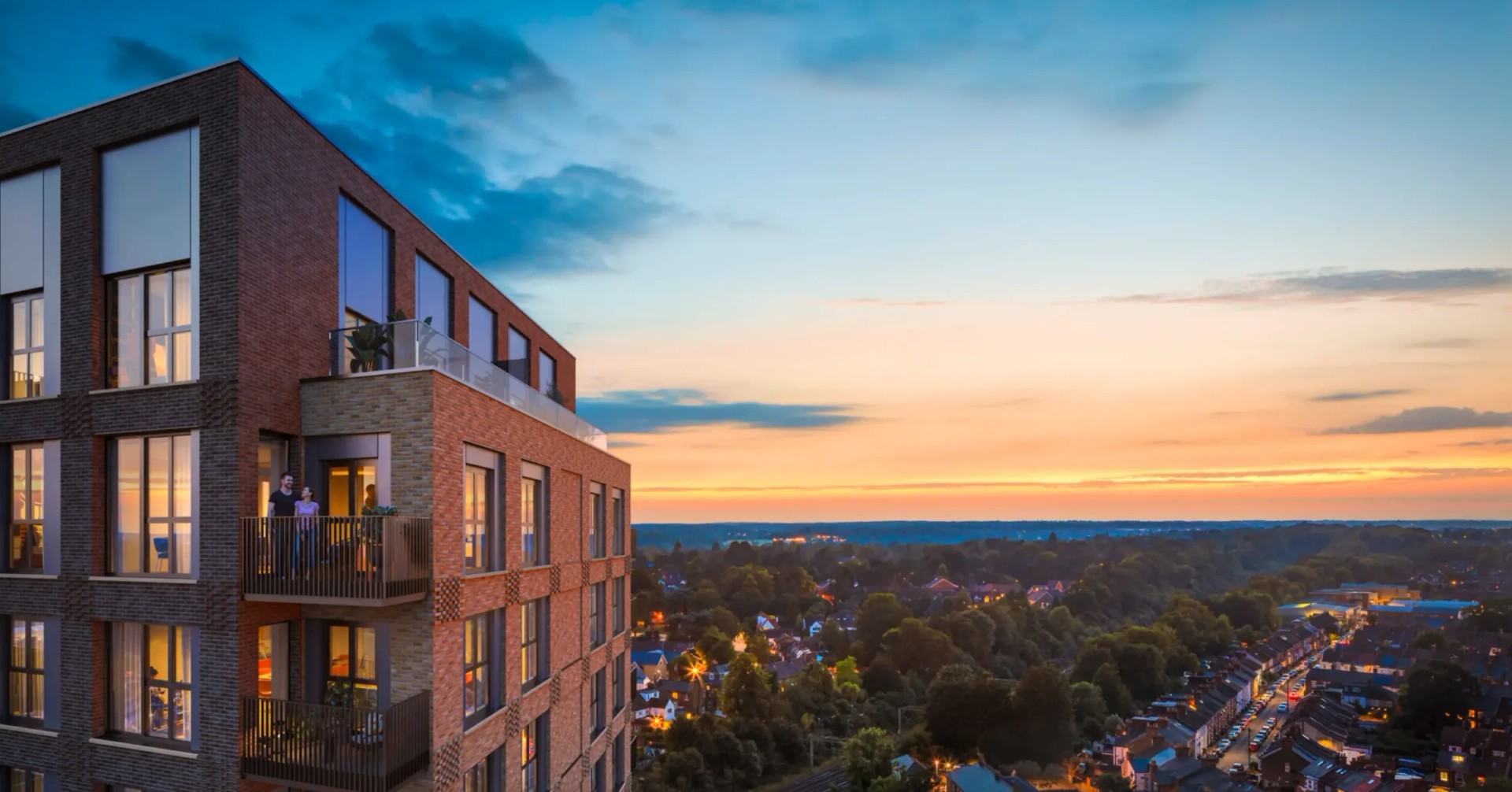
On INTRIC now — Residences on INTRIC are open to enquiry straight from this page.

Taxes & Fees

Capital Gains Tax (on Sale)

6% of gross selling price or zonal/fair market value, whichever is higher

A final tax imposed on the sale, exchange, or other disposition of real property classified as a capital asset. Paid by the seller. Filed within 30 days after notarization of the Deed of Sale using BIR Form 1706.

Additional information

  • Calculated on the gross selling price or the BIR zonal value/fair market value, whichever is higher
  • Applies to properties classified as capital assets (not used in trade or business)
  • Seller is responsible for payment to the BIR
  • Must be paid before the Certificate Authorizing Registration (CAR) can be issued

Exemptions

  • Properties used in trade or business may be subject to regular income tax and creditable withholding tax instead
  • Sale of principal residence by a Filipino citizen may be exempt under certain conditions (not applicable to most foreign investors)

Documentary Stamp Tax (DST)

1.5% of selling price or fair market/assessed value, whichever is higher

A tax on documents, instruments, and papers evidencing the sale, transfer, or exchange of real property. Typically paid by the buyer. Due within 5 days after notarization of the Deed of Sale.

Additional information

  • Paid to the BIR
  • Calculated on the selling price or the zonal/fair market value, whichever is higher
  • Required before the CAR can be issued
  • Applies to both primary (developer) and secondary (resale) market transactions

Transfer Tax

0.5% to 0.75% depending on the locality

A local government tax imposed on the transfer of real property ownership. Paid to the local Treasurer's Office. Rates vary by city or municipality -- Metro Manila typically charges 0.75%, while provinces generally charge 0.5%.

Additional information

  • Paid to the City/Municipal Treasurer's Office
  • Rate varies by locality (0.5% for provinces, up to 0.75% for cities within Metro Manila)
  • Buyer typically pays this tax
  • Required before title registration at the Registry of Deeds

Real Property Tax (Annual)

Provinces: up to 1%; Metro Manila cities: up to 2% of assessed value, plus 1% SEF

Annual tax levied by local government units on all real property. Metro Manila cities can charge up to 2% of assessed value, while provinces charge up to 1%. An additional 1% Special Education Fund (SEF) tax applies. Accrues on January 1 each year.

Additional information

  • Assessed value is typically 15-60% of the fair market value, depending on property classification and location
  • Can be paid in one lump sum (with early payment discount, usually 5-20%) or in four quarterly installments
  • Delinquent RPT incurs penalties of 2% per month, up to 72% maximum
  • Foreign condo owners are subject to the same RPT rates as Filipino owners

Exemptions

  • Government-owned properties
  • Religious, charitable, and educational institutions
  • No exemption for foreign-owned condominiums

Rental Income Tax

Non-resident aliens: 25% flat on gross rental income; Resident aliens: graduated rates (0-35%)

Rental income earned in the Philippines is subject to income tax. Non-resident aliens not engaged in trade or business (NRA-NETB) are taxed at a flat 25% on gross Philippine-sourced rental income. Non-resident aliens engaged in trade or business (NRA-ETB) are taxed at graduated rates. If annual gross rental income exceeds PHP 3 million, 12% VAT must also be charged.

Additional information

  • Foreign property owners must secure a TIN (Taxpayer Identification Number) and register with the BIR
  • Annual income tax returns must be filed
  • 12% VAT applies if annual gross rental income exceeds PHP 3,000,000
  • Withholding tax of 5% may be deducted by corporate tenants

Requirements

Physical Visit to the Philippines

Optional

Not legally required for condominium purchases. Many foreign buyers purchase remotely through a Special Power of Attorney (SPA). However, an in-person visit is strongly recommended for first-time buyers to inspect properties, assess neighborhoods, and meet with lawyers and agents.

Process

  1. Inspect the property, building amenities, and common areas
  2. Visit the neighborhood and assess transport links, amenities, and rental potential
  3. Meet with independent lawyers and licensed brokers
  4. Open a local bank account if desired

Alternatives

  • Special Power of Attorney (SPA) -- authorize a trusted representative to act on your behalf
  • Virtual property tours offered by most major developers
  • Video calls with agents and brokers

Philippine Bank Account

Optional

Not required for purchasing a condominium, but highly recommended for managing rental income, paying association dues and real property tax, and receiving sale proceeds. Major Philippine banks accept foreign account holders with valid identification.

Process

  1. Valid passport and secondary ID required
  2. Some banks may require a local address or reference
  3. Minimum maintaining balance varies by bank (PHP 2,000-25,000)
  4. Major banks: BDO, BPI, Metrobank, China Bank, Security Bank

Alternatives

  • Developer payment portals for installment payments
  • International wire transfers for lump-sum payments
  • Property management companies can handle rental collection

Taxpayer Identification Number (TIN)

Required

All foreign buyers must obtain a TIN from the Bureau of Internal Revenue (BIR) before completing a property transaction. The TIN is required for tax payments (capital gains tax, documentary stamp tax) and title registration. Application can be done at any BIR Revenue District Office or through a representative with SPA.

Process

  1. Complete BIR Form 1904 (for one-time taxpayers) or BIR Form 1901 (if earning income in PH)
  2. Submit passport copy and other identification documents
  3. Apply at any BIR Revenue District Office
  4. Can be done through a representative with Special Power of Attorney

On INTRIC now — Still open on INTRIC — every one of these answers enquiries directly.

Purchase Steps

  1. Property Selection & Reservation

    Duration
    1-2 weeks
    Cost
    PHP 20,000-50,000+ reservation fee (varies by developer and unit price)

    Identify a condominium project and verify the 40% foreign ownership quota has not been reached. Sign a Reservation Agreement and pay the reservation fee. For pre-selling projects, verify the developer's DHSUD (formerly HLURB) License to Sell. For resale units, obtain a Certified True Copy of the Condominium Certificate of Title (CCT) from the Registry of Deeds.

    Requirements

    • Valid passport
    • Reservation fee
    • Verify 40% foreign ownership quota is not exceeded
    • For pre-selling: confirm developer's DHSUD License to Sell
    • For resale: obtain Certified True Copy of CCT from Registry of Deeds

    Tips

    • Always verify the 40% foreign quota before committing -- ask the developer's sales team or the condominium corporation for the current ratio
    • For pre-selling units, research the developer's track record for on-time delivery (Ayala Land, SM Prime, DMCI are known for reliability)
    • Check if the project has a License to Sell -- pre-selling without one is illegal under PD 957
  2. Due Diligence & Legal Review

    Duration
    1-2 weeks

    Engage an independent Philippine real estate lawyer to review the Contract to Sell or Deed of Absolute Sale, verify the title, conduct a title search, and advise on the transaction structure. The lawyer will confirm the property is free from liens, encumbrances, adverse claims, or lis pendens.

    Requirements

    • Independent Philippine real estate lawyer engaged
    • Title verification and search at Registry of Deeds
    • Contract review and negotiation
    • Confirmation of clean title (no encumbrances or adverse claims)

    Tips

    • Use an independent lawyer, not one recommended by the seller or developer
    • For resale, insist on seeing the original CCT (not just a photocopy)
    • Verify the tax declaration is current and real property taxes are paid up
    • Confirm the unit's floor area matches the CCT and developer's specifications
  3. Contract Execution & Payment

    Duration
    1-4 weeks (execution); 12-36 months (pre-selling payment period)
    Cost
    Down payment: typically 10-20% of unit price; notarization fees: ~PHP 20,000-50,000

    Sign the Contract to Sell (for pre-selling/developer units) or the Deed of Absolute Sale (for completed/resale units) and have it notarized. For developer purchases, this typically involves a down payment (10-20%) spread over 12-36 months, with the balance due at turnover. For resale, full payment or financing arrangement is completed.

    Requirements

    • Signed and notarized Contract to Sell or Deed of Absolute Sale
    • Payment of down payment or full purchase price
    • TIN (Taxpayer Identification Number) from BIR
    • Special Power of Attorney if purchasing remotely

    Tips

    • Developer payment plans typically allow 10-20% down payment spread over 12-36 months during construction -- interest-free
    • For resale, negotiate the split of transfer costs (CGT is seller's, DST and transfer tax are typically buyer's)
    • Keep all payment receipts and bank transfer records for tax and title transfer purposes
  4. Tax Payments & CAR Issuance

    Duration
    2-4 weeks (BIR processing)
    Cost
    CGT: 6% of selling price/zonal value; DST: 1.5% of selling price/zonal value

    After notarization, pay the Capital Gains Tax (6%, seller's obligation) and Documentary Stamp Tax (1.5%, buyer's obligation) to the BIR. Submit the notarized Deed of Sale, tax payment receipts, and supporting documents to the BIR. The BIR will issue a Certificate Authorizing Registration (CAR/eCAR), which is required for title transfer.

    Requirements

    • Notarized Deed of Absolute Sale
    • Capital Gains Tax payment (BIR Form 1706)
    • Documentary Stamp Tax payment (BIR Form 2000-OT)
    • TIN of both buyer and seller
    • Supporting documents as required by BIR

    Tips

    • CGT must be filed within 30 days of notarization; DST within 5 days
    • Late filing incurs penalties and surcharges -- ensure timely compliance
    • The CAR/eCAR is the critical document that authorizes the Registry of Deeds to transfer the title
  5. Title Transfer & Registration

    Duration
    2-4 weeks
    Cost
    Transfer Tax: 0.5-0.75%; Registration fee: varies by property value

    With the CAR/eCAR in hand, proceed to the local Treasurer's Office to pay the Transfer Tax and obtain a Tax Clearance. Then submit all documents to the Registry of Deeds for title registration. A new Condominium Certificate of Title (CCT) will be issued in the buyer's name. Finally, update the Tax Declaration at the local Assessor's Office.

    Requirements

    • CAR/eCAR from BIR
    • Tax Clearance and Certificate of Non-Delinquency from Treasurer's Office
    • Transfer Tax payment receipt
    • Original Deed of Absolute Sale
    • Old CCT (from seller)
    • Registration fee payment

    Tips

    • Ensure all real property taxes are current before attempting transfer -- delinquent taxes will delay the process
    • The new CCT in your name is your proof of ownership -- keep it in a secure location
    • Update the Tax Declaration at the Assessor's Office to ensure future RPT bills are in your name

Property Types

Condominium Units (Freehold)

Condominiums are the primary and recommended vehicle for foreign freehold property ownership in the Philippines. Under RA 4726, foreigners can own units outright in their own name, subject to the 40% foreign ownership cap per project. Ready-for-occupancy (RFO) units offer immediate rental income potential.

Advantages

  • Foreign freehold ownership permitted (up to 40% foreign quota per project)
  • Immediate occupancy and rental income for RFO units
  • Strong rental demand in business districts from BPO workers and expats
  • Modern facilities and amenities in developments by top-tier developers
  • Relatively straightforward purchase process with clear legal framework

Disadvantages

  • Subject to 40% foreign quota -- when full, no further foreign purchases allowed in that project
  • Monthly association dues can be substantial (PHP 50-200+ per sqm)
  • Oversupply risk in certain Metro Manila corridors (especially luxury segment)
  • Depreciation of building structures over time (typical condo lifespan: 50+ years)
Typical timeline
4-8 weeks from reservation to title transfer for RFO units
Financing options
Cash purchase (most straightforward for foreign buyers), Bank mortgage (requires long-term visa; 60-70% LTV; 7-10% interest), Developer in-house financing (10-18% interest; 5-10 year terms)

Pre-Selling Condominiums

Pre-selling condominiums purchased during or before construction. This is one of the most popular entry points for foreign investors due to the low down payment requirements and interest-free installment plans during the construction period. Major developers like Ayala Land, SM Prime, Megaworld, and DMCI offer extensive pre-selling inventories.

Advantages

  • Low entry cost -- 10-20% down payment spread over 12-36 months, typically interest-free
  • Below-completion prices (typically 15-30% lower than RFO market value)
  • Choice of best units, floors, and views at launch
  • Potential for significant capital appreciation by turnover
  • Developer-backed quality assurance and warranty

Disadvantages

  • No rental income during construction period (2-5 years)
  • Construction delays are common, even with reputable developers
  • Market conditions may change during the construction period
  • Balance payment at turnover requires planning (bank loan, lump sum, or in-house financing)
Typical timeline
2-5 years from reservation to turnover; balance payment options at handover
Financing options
Developer installment plans (down payment spread over construction period, interest-free), Bank loan takeout at turnover (60-70% LTV; requires visa), Developer in-house financing for balance (10-18% interest), Cash payment at turnover (some developers offer discounts for full cash)

Leasehold Properties (Land-Based)

Under the newly amended Investors' Lease Act (RA 12252, effective September 2025), foreign investors can now lease private land for up to 99 years. This opens opportunities for house-and-lot, commercial, and mixed-use developments on leased land. Leasehold rights can be sold, transferred, assigned, or used as loan collateral.

Advantages

  • Access to land-based properties (houses, villas, commercial) through leasehold
  • Maximum 99-year lease term under RA 12252 (previously 50+25 years)
  • Leasehold rights are transferable, assignable, and can secure financing
  • Lower entry cost than freehold land (for Filipino-owned entities)
  • Opens doors for resort, tourism, and commercial property investments

Disadvantages

  • Not freehold -- ownership reverts to landowner at lease expiry
  • Requires approval from DTI-BOI or relevant Investment Promotion Agency
  • Investment must be registered under the Foreign Investments Act
  • Lease terms and conditions vary -- independent legal review essential
  • Leasehold properties may appreciate more slowly than freehold equivalents
Typical timeline
Varies widely -- 4-12 weeks for lease execution and registration; BOI approval timeline varies
Financing options
Cash investment, Leasehold rights can be used as collateral for bank loans (under RA 12252), Developer lease arrangements

Investment Drivers

Demographic Dividend -- Youngest Population in the Region

PositiveLong termHigh confidence

With a population of 119.6 million and a median age of just 26.6 years, the Philippines has one of the youngest demographics in Asia. Over 68% of the population is of working age, and 42% is under 25. This youth bulge drives consumer spending, housing demand, and workforce growth. The critical window for maximizing this demographic dividend is 2025-2035, making this decade pivotal for property investment.

IT-BPM Powerhouse -- USD 40 Billion Sector

PositiveLong termHigh confidence

The Philippines IT-BPM sector generated USD 40 billion in export revenues in 2025 with 1.9 million workers, projected to reach USD 42 billion and 1.97 million jobs by 2026. This industry is a massive demand driver for office space and residential condominiums near business districts (BGC, Makati, Ortigas, IT Park Cebu). The sector's growth creates a reliable tenant base for rental properties.

Record OFW Remittances Fueling Domestic Demand

PositiveLong termHigh confidence

Overseas Filipino Worker (OFW) remittances hit a record USD 35.63 billion in 2025, representing 7.3% of GDP. A substantial portion flows directly into real estate purchases. This consistent inflow provides a structural floor for property demand, particularly in the mid-market residential segment, and supports economic stability.

Build Better More -- PHP 1.5+ Trillion Infrastructure Program

PositiveLong termHigh confidence

The Marcos administration's Build Better More program allocated a record PHP 1.556 trillion for infrastructure in the 2026 national budget. Major projects including new airports, rail systems, expressways, and economic zones drive property value appreciation along infrastructure corridors. The construction sector is expected to grow at an average annual rate of 6.9% between 2026-2029.

New 99-Year Lease Law (RA 12252) Attracting Foreign Capital

PositiveMedium termHigh confidence

The Amended Investors' Lease Act (RA 12252), signed September 2025, extends maximum foreign land lease terms from 75 years to 99 years. Leasehold rights are now explicitly transferable and can secure financing. This landmark reform is expected to significantly increase foreign direct investment in Philippine real estate, particularly in commercial, tourism, and mixed-use developments.

Philippine Peso -- Managed Float with Remittance Support

NeutralMedium termMedium confidence

The Philippine Peso (PHP) is a managed float currency supported by strong foreign reserves and consistent OFW remittance inflows. While it has experienced depreciation against the USD (PHP 55-58 per USD range in 2025-2026), this makes Philippine property more affordable for USD/EUR/GBP buyers. The BSP (Bangko Sentral ng Pilipinas) actively manages volatility.

Tourism Growth and Resort Property Demand

PositiveLong termMedium confidence

The Philippines' 7,641 islands include world-renowned destinations (Boracay, Palawan, Siargao, Cebu) driving tourism growth and demand for resort and hospitality properties. With English widely spoken, tropical climate year-round, and competitive cost of living, the Philippines attracts retirees, digital nomads, and lifestyle investors from across the globe.

Visa & Residency

The Philippines does not offer a direct property-linked visa or residency-by-investment program tied to property purchase. However, several long-term visa programs are available to foreign investors and retirees. The SRRV retirement visa was expanded in September 2025 to accept applicants from age 40+, significantly broadening eligibility.

Special Resident Retiree's Visa (SRRV Classic)

Administered by the Philippine Retirement Authority (PRA). The SRRV Classic is the most popular long-stay visa for foreign nationals. As of September 2025, eligibility was expanded from age 50+ to age 40+. The visa grants indefinite residency with multiple entry privileges.

Minimum investment
Age 50+ with pension: USD 15,000 deposit; Age 50+ without pension: USD 30,000; Age 40-49 with pension: USD 25,000; Age 40-49 without pension: USD 50,000
Duration
Indefinite (renewable annually)
Processing time
4-8 weeks

Benefits

  • Indefinite residency in the Philippines
  • Multiple entry and exit privileges
  • Exemption from Bureau of Immigration clearance for travel
  • Option to convert deposit to condo investment (SRRV Smile variant)
  • Tax-free importation of household goods and personal effects (one-time)

Requirements

  • Minimum age 40 (expanded from 50 in September 2025)
  • Required bank deposit (amount varies by age and pension status)
  • Clean criminal record (NBI clearance or equivalent)
  • Medical clearance
  • Application fee: USD 1,500 + USD 300 per dependent
  • Bureau of Immigration Clearance Certificate (new requirement as of 2025)

Special Investor's Resident Visa (SIRV)

Administered by the Board of Investments (BOI). Grants indefinite residency to foreign nationals who make a qualifying investment of at least USD 75,000 in eligible Philippine corporations. The investment must be in areas listed in the Investment Priorities Plan.

Minimum investment
USD 75,000 minimum, invested in eligible Philippine corporations
Duration
Indefinite (as long as the investment is maintained)
Processing time
6-12 weeks for probationary; additional 4-8 weeks for indefinite

Benefits

  • Indefinite residency with multiple entry privileges
  • Right to reside in the Philippines as long as investment is maintained
  • Dependents (spouse and unmarried children under 21) may join

Requirements

  • Minimum USD 75,000 remitted into the Philippines
  • Investment in eligible corporations within 180 days of probationary visa
  • Investment must be in areas listed in the Investment Priorities Plan (IPP)
  • NOT eligible for condominium investments, wholesale trading, or partnerships
  • Two-tier process: Probationary SIRV (6 months) then Indefinite SIRV

13(a) Marriage Visa (Non-Quota Immigrant Visa)

Available to foreign nationals legally married to a Filipino citizen. This is one of the most straightforward paths to permanent residency in the Philippines. Begins as a one-year probationary visa, then converts to permanent resident status.

Minimum investment
No investment or deposit required -- eligibility based on marriage to a Filipino citizen
Duration
Permanent (after one-year probationary period)
Processing time
2-4 months

Benefits

  • Permanent residency in the Philippines
  • Right to reside and work
  • Can co-own land with Filipino spouse
  • No investment or deposit requirement

Requirements

  • Valid marriage to a Filipino citizen under Philippine law
  • Clean criminal record
  • Medical clearance (no communicable diseases)
  • Proof of financial capacity
  • Petition filed by the Filipino spouse

Visa and immigration regulations change frequently. Property purchase in the Philippines does NOT grant any form of visa or residency. Visa arrangements are entirely separate from property ownership. The SRRV deposit can be converted to a condo investment under the SRRV Smile variant, but this is a deposit conversion, not a property-linked visa. Consult the Philippine Retirement Authority (PRA) or a licensed immigration advisor for current requirements and eligibility.

Financing

The Philippines offers more financing options for foreign buyers than most Southeast Asian markets, though with significant conditions. Bank mortgages are available to foreigners with long-term visas, and developer in-house financing is widely accessible. Pre-selling developer payment plans (interest-free during construction) are the most popular financing route for foreign investors.

Mortgage availability

Open to foreign buyers

Foreign buyers CAN obtain bank mortgages in the Philippines, but must hold a long-term visa (SRRV, 13(a) marriage visa, or working visa). Most banks require proof of income, local residency, and may require a Filipino co-borrower. Only condominiums can be financed by foreign buyers (not land or house-and-lot). Banks offering foreign buyer loans include BDO, China Bank, and UnionBank.

Typical LTV
60-70% of appraised value (meaning 30-40% down payment required)
Interest rates
7-10% per annum (fixed for first 1-5 years, then subject to repricing)
Term length
Up to 15-20 years (varies by bank and borrower profile)

Requirements

  • Long-term visa (SRRV, 13(a), or working visa)
  • Proof of income (employment or business income)
  • TIN and local bank account
  • Property appraisal by the lending bank
  • Filipino co-borrower or guarantor may be required
  • Minimum loan amount varies by bank (PHP 500,000-1,000,000)

Alternative financing

Developer In-House FinancingWidely available from major developers (Ayala Land, DMCI, Megaworld, SM Prime, Robinsons Land)
Available from most major developers with more relaxed requirements than bank loans -- often no visa requirement. Interest rates are higher (10-18% per annum) with shorter terms (5-10 years). Payment is made directly to the developer with no bank approval needed.
Pre-Selling Payment Plans (Interest-Free)Standard for all pre-selling projects from major developers
The most popular financing option for foreign buyers. Typical structure: 10-20% down payment spread over 12-36 months during the construction period, interest-free. The balance (80-90%) is due at turnover and can be paid via bank loan, lump sum cash, or developer in-house financing.
Home-Country Equity ReleaseDepends on buyer's home country equity position and banking relationships
Some foreign investors leverage equity in their home-country properties to finance Philippine purchases through remortgaging or equity release in their home market. This avoids Philippine bank requirements and typically offers better interest rates.

Financing options, interest rates, and requirements change frequently. Pag-IBIG Fund (government housing program) is NOT available to foreign buyers. Bank mortgage processing typically takes 3+ months. Consult directly with banks for current rates and eligibility. Developer in-house financing rates are significantly higher than bank rates -- compare total cost of financing before committing.

Figures are indicative and subject to change. Regulations, taxes and market conditions vary by jurisdiction. Do your own due diligence and seek independent legal and financial advice.

Follow INTRIC for market data and new listings.