Photo 1 of 20

 Visit TEKCE Real Estate's portal (opens in a new tab)TEKCE Real EstateVisit TEKCE Real Estate's portal (opens in a new tab)TEKCE Real EstateVisit TEKCE Real Estate's portal (opens in a new tab)TEKCE Real EstateVisit TEKCE Real Estate's portal (opens in a new tab)TEKCE Real EstateVisit TEKCE Real Estate's portal (opens in a new tab)TEKCE Real EstateVisit TEKCE Real Estate's portal (opens in a new tab)TEKCE Real EstateVisit TEKCE Real Estate's portal (opens in a new tab)TEKCE Real EstateVisit TEKCE Real Estate's portal (opens in a new tab)TEKCE Real EstateVisit TEKCE Real Estate's portal (opens in a new tab)TEKCE Real EstateVisit TEKCE Real Estate's portal (opens in a new tab)TEKCE Real EstateVisit TEKCE Real Estate's portal (opens in a new tab)TEKCE Real EstateVisit TEKCE Real Estate's portal (opens in a new tab)TEKCE Real EstateVisit TEKCE Real Estate's portal (opens in a new tab)TEKCE Real Estate
Weekly alert
Set your budget once and we'll send you the week's best new homes to buy in Turkey, hand-picked to match. Short, selective, and only when there's something worth seeing.
Istanbul buys you a passport and a world city. Antalya and Alanya buy you sea views from €89K and the strongest short-let yields on the coast. Fethiye, Bodrum and Marmaris buy you the Turquoise Coast lifestyle. Kuşadası and Mersin buy you the lowest entry prices on the Aegean and the Mediterranean, and every one of the homes for sale in Turkey below is listed by the agent selling it, in dollars and euros, at prices hard-currency buyers have not seen in a decade.
Foreign buyers are at a nine-year low while locals just bought a record 1.76 million homes, so how long do you think an €89K sea view stays listed once the rest of the world notices?
Antalya & Alanya
Fethiye & the Turquoise Coast
Also in the region: Property for sale in the UAE, Property for sale in Saudi Arabia
Why invest in Turkey
In 2025, Turks bought more homes than ever. Foreign buyers took just 21,534 of them, the fewest in nine years. For now, that leaves the coast almost to yourself. However, it may not stay that way for long because sales to foreigners rose 9.9% in September 2026, and Turkey has raised the bar before: in 2022 it lifted the citizenship threshold from $250,000 to $400,000. Here's why you should invest in real estate in Turkey now:
Frequently asked questions
Straight answers to the questions overseas buyers ask us most. Still unsure? Ask an INTRIC concierge, free.
Yes, and the process is more straightforward than many expect. With a passport and a Turkish tax number, citizens of most countries can buy freehold anywhere outside designated military zones, up to 30 hectares per person and 10% of the private land in any one district. The title deed (TAPU) is transferred to you at the Land Registry on completion day, and you do not even need to be there: a lawyer can sign on your behalf under a power of attorney. Once it is yours, you can sell it, let it or leave it to your heirs, exactly as a Turkish owner would.
Nationally, the Central Bank of Turkey put the average at $1,141 per square metre in the second quarter of 2026, which means a typical 100 m² home comes to roughly $114,000. Istanbul is in a league of its own at $1,920 per square metre, its highest on record, while Ankara sits at $1,040. Along the coast, prices vary as much as the scenery: resale apartments in Alanya average about €1,145 to €1,200 per square metre, while Muğla, home to Bodrum, Fethiye and Marmaris, is the most expensive province in the country per square metre.
There is, though it sits at the modest end of the market. Under €50,000 typically buys a resale studio or one-bedroom apartment a little back from the beach: in Mersin, where coastal homes in Erdemli start in the high €40,000s, in older buildings in Kuşadası from around €45,000, or in Alanya's outer districts. The under-50K link in the budget column above shows what is listed today. Bear in mind that a purchase at this level will not reach the $200,000 needed for a residence permit.
Buy property worth $400,000 or more and commit to keeping it for three years; that commitment is recorded on the title deed after an official valuation. You, your spouse and your children under 18 can then apply for Turkish citizenship, and Turkey allows dual nationality, so you may be able to keep your current passport, depending on your home country's rules. Allow several months from purchase to passport.
You can, with the right purchase. A residential property worth at least $200,000 can support an application for a short-term residence permit, a threshold that has applied across the whole country since October 2023. The permit can be renewed for as long as you own the home, although it does not give you the right to work.
Both, though they come in different shapes. On the coast you will find detached villas and generous apartments in Antalya, Fethiye and Bodrum, and large apartments in Alanya, which you can filter by type above. In Istanbul, INTRIC lists hundreds of homes across districts such as Esenyurt, Beylikdüzü, Kadıköy and Şişli, almost all of them apartments: a three-bedroom house in the city itself is genuinely rare, so most Istanbul families choose a large apartment in a gated complex instead.
It can be, for a buyer who goes in with clear eyes. In lira, house prices rose 26% in the year to February 2026, but after inflation that was a fall of about 4%, so today's prices are not a peak in real terms. In dollars, Istanbul reached a record average in 2026, and tourism keeps the coast's rentals busy: Antalya alone welcomed more than 17 million foreign visitors in 2025. No return is guaranteed, and the currency, the building and the location all shape the outcome.
Less than most people assume. Homes marketed to overseas buyers are usually priced in euros, dollars or sterling, and you bring your money in as foreign currency, which a Turkish bank converts and certifies for the Land Registry. The purchase itself stays in hard currency. Where the lira matters is in rent collected locally and in your running costs.
When you buy, budget for a title deed fee of 4% of the declared price (legally split with the seller, though buyers often cover it all), a valuation report, a sworn translator if you do not speak Turkish, compulsory DASK earthquake insurance and any agent's fee. A non-resident buying a new home from the developer in foreign currency can be exempt from VAT. Year to year, property tax is 0.1% to 0.2% of the registered value, and rental income above a small allowance is taxed at 15% to 40%. Hold the home for five years or more and, as an individual, you pay no capital gains tax when you sell.
Mostly in two places: Istanbul and Antalya took more than 70% of foreign purchases in 2025, with 7,989 and 7,118 sales, followed by Mersin with 1,800. On INTRIC, most listings sit along the coast: Antalya and Alanya for choice and rental demand, Fethiye, Bodrum and Marmaris for the Turquoise Coast, and Mersin and Kuşadası for value.
Buying in Turkey
The finest purchases in Turkey are made by buyers who understand the citizenship valuation, the title deed, the lira and the earthquake code before an agent ever raises them. These guides walk you through each one, caveats and all, so the only surprises are pleasant ones.
 Country guide · 28 minTurkey Investor GuideCitizenship-by-investment from $400,000 USD, high gross yields, and a strategic Europe-Asia gateway, balanced against lira volatility and earthquake risk
 Market insight · 9 minThe Currency Tax: Why the Same Property Returned 137% to One Investor and 42% to AnotherThe same global property index returned 137% in sterling and 42% in yen. Currency is the biggest risk in cross-border property, and the one most buyers never model.
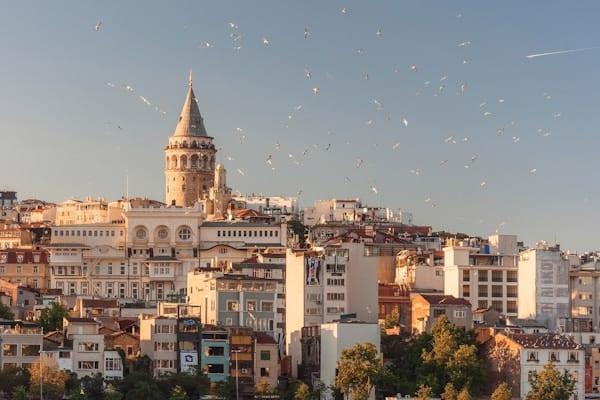 Market insight · 9 minTurkey Real Estate and Citizenship-by-Investment in 2026: Navigating the $400K Passport, Record Market Volume, and Hard-Currency OpportunityTurkey posts record 1.76 million home sales while foreign buyers hit a nine-year low, a paradox that creates a hard-currency contrarian entry into the world's fastest direct-citizenship programme at $400,000.
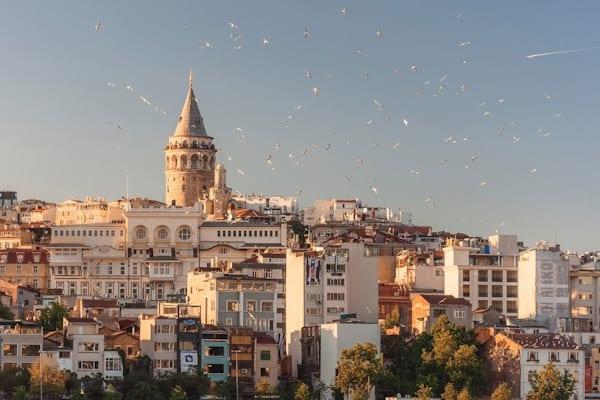 Market insight · 10 minTurkey Real Estate in 2026: Inflation-Adjusted Entry Points, Citizenship by Investment, and the Istanbul OpportunityNominal prices up 30% but real values at decade-lows for hard-currency buyers. Turkey's $400,000 CBI threshold and Istanbul's structural housing shortage make the 2026 investment case compelling — if you understand the risks.